REVIEW · KANDY
From Negombo: Ambuluwawa Tower & Tea Factory,Kandy Day Trip
Book on GetYourGuide →Operated by Cadyshack Taxis (Pvt) Ltd · Bookable on GetYourGuide
A single day in Sri Lanka, done right. This is a packed Negombo-to-Kandy run that mixes big-ticket sights with hands-on stops and a real guide who keeps things understandable. I especially like how the day is built around views first (Ambuluwawa) and sacred meaning second (Temple of the Tooth), so it doesn’t feel like random sightseeing.
Two things I really like: private hotel pickup in an air-conditioned vehicle, and the chance to see elephants up close at Millennium Elephant Foundation in Pinnawala with a guided visit. One drawback to plan for: it’s a long day (15 hours), and some add-ons are optional but can stretch your patience if you’re tired.
In This Review
- Key highlights you’ll actually feel
- Big Picture: a 15-hour Kandy day that stays organized
- Getting from Negombo to Ambuluwawa: plan for the climb and crowds
- Pinnawala Millennium Elephant Foundation: the kind of elephant visit you can’t fake
- Tea factory + tea estate: free entry, but bring the right mindset
- Royal Botanical Garden in Kandy: beautiful, but optional for a reason
- The craft stops: wood carvings, batik, and silk threads
- Temple of the Sacred Tooth Relic: sacred, moving, and rule-based
- Kandy lake, viewpoints, and the city feel without the headache
- Price and value: what the $69 really buys, and what costs extra
- Who this day trip suits best
- Should you book the Ambuluwawa Tower, Tea Factory & Kandy day trip?
- FAQ
- What’s the total duration of the tour?
- What’s included in the price?
- What entrance fees are not included?
- Are there optional stops during the day?
- Do I need to remove shoes at religious sites?
- Is the guide provided, and what language do they speak?
Key highlights you’ll actually feel
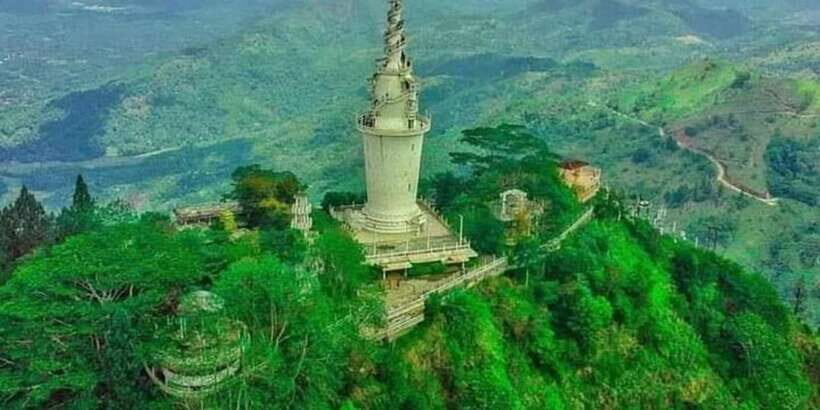
- Ambuluwawa Tower panoramas that are worth the tickets, and a climb tip to beat the crowds
- Pinnawala elephants with hands-on moments like washing and feeding during a guided visit
- Tea factory + estate stop that shows how tea is made, not just how it’s sold
- Temple of the Sacred Tooth Relic with practical etiquette and strong guidance at a major Buddhist site
- Kandy extras you can skip (Royal Botanical Gardens and the dance show) to control your energy
Big Picture: a 15-hour Kandy day that stays organized
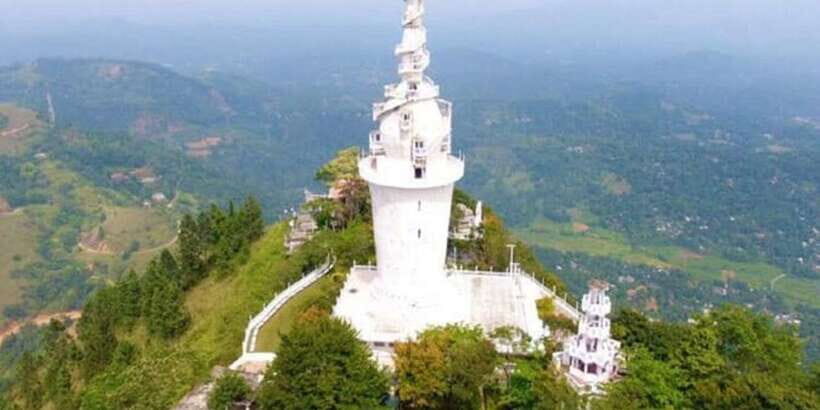
This trip is built for one main goal: get you from the beach area around Negombo into Central Province without turning the day into chaos. You start with pickup from your hotel area, then spend the day with a driver and live English guide. That matters, because you’re hitting multiple sites where the timing and local rules (especially around temples) can make or break your experience.
The value of the $69 price is the infrastructure: private air-conditioned transport, pickup and drop-off, a water bottle, WiFi, and all taxes/fees tied to the tour service. The biggest attractions themselves are mostly paid separately, so the real question for you is how many of the ticketed stops you want to include.
If you’re okay with a packed schedule, you’ll love the variety: tower views, elephants, tea, then Kandy’s spiritual center. If you want a slow day with long meals and zero rushing, this one will feel busy—especially in the afternoon.
Other Kandy tours we've reviewed in Kandy

Getting from Negombo to Ambuluwawa: plan for the climb and crowds
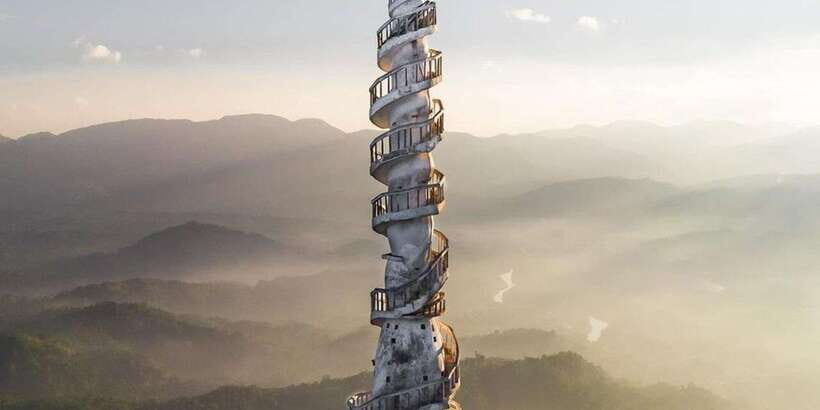
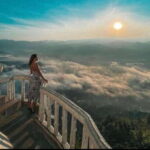
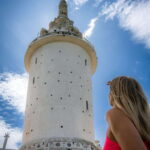
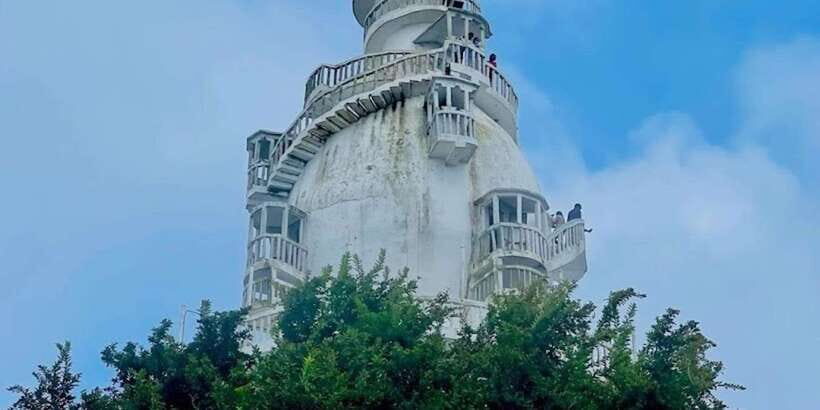
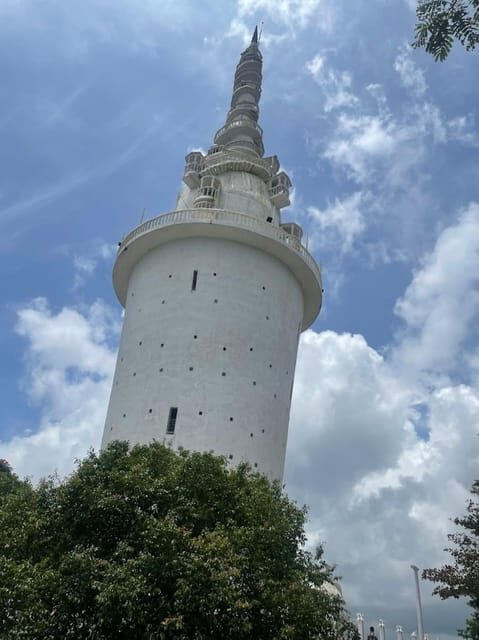
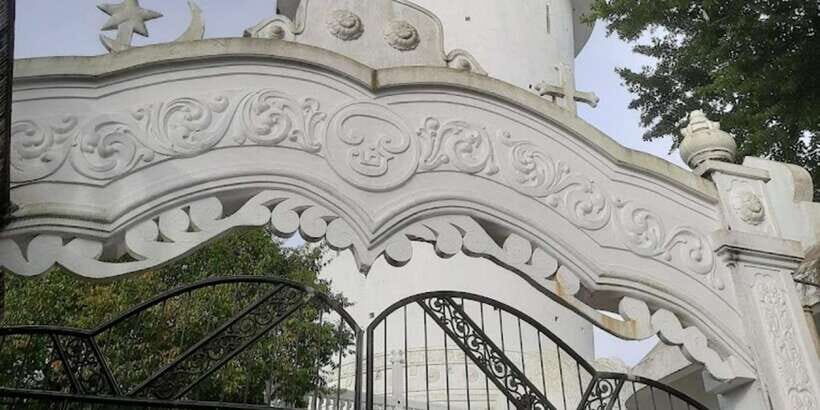
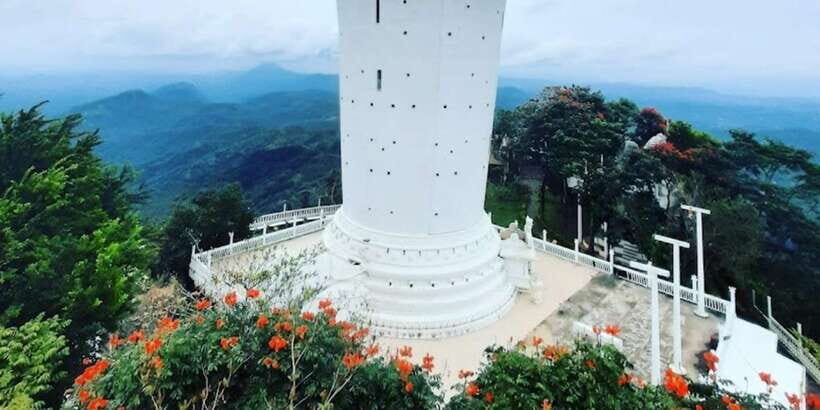
The day typically begins with a car ride up from Negombo, and the first major “wow” stop is Ambuluwawa Tower (Ambuluwawa Biodiversity Complex). You pay an entrance fee on site (listed as LKR 2000 per person, and LKR 1500 for tuk-tuk access). The tower is famous for the views, and the best part is that it doesn’t feel like a quick photo stop—you get time to go up, look around, and take in the hills from above.
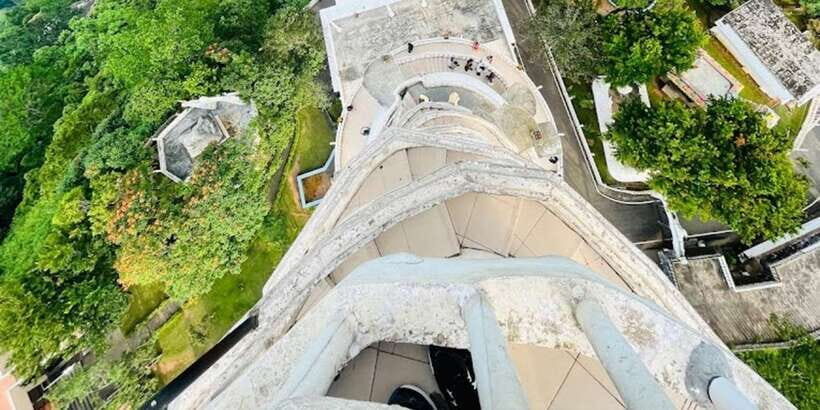
One practical note I took seriously: the tower’s top floors can feel a bit tight and tricky in terms of foot traffic. The review-style advice here is simple—arrive early to avoid the busiest crowds. If you don’t like narrow, shared walkways with people moving both directions, plan your pace and take a breath before going higher.
Dress matters here too. You’ll be walking on uneven areas and dealing with sun. I’d stick to sandals or flip-flops that you can easily remove later for temple sites (more on that below), and bring something light to cover shoulders if you’re sensitive about temple photos.
Pinnawala Millennium Elephant Foundation: the kind of elephant visit you can’t fake
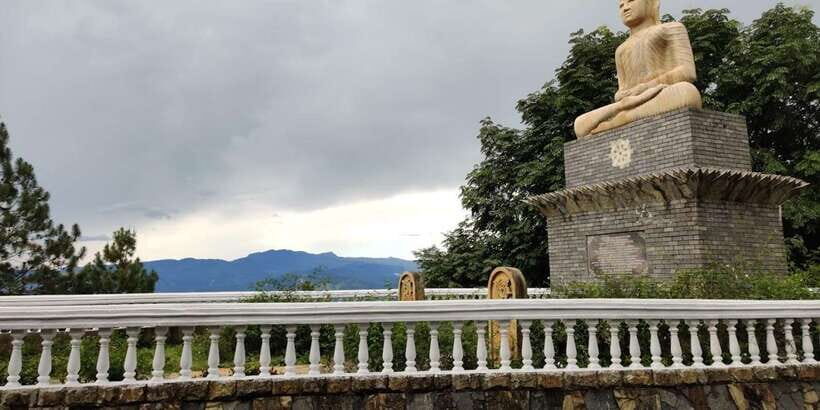
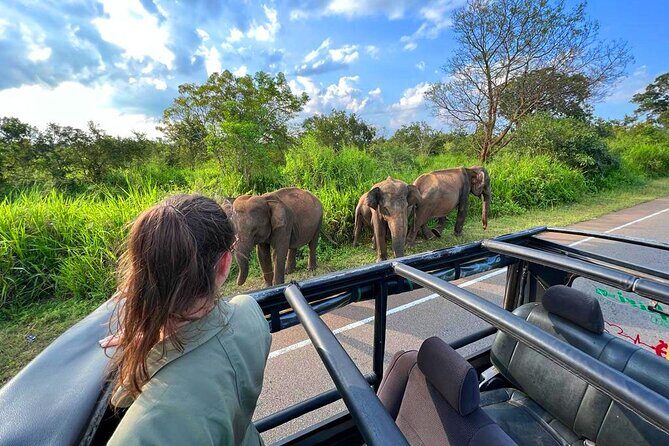
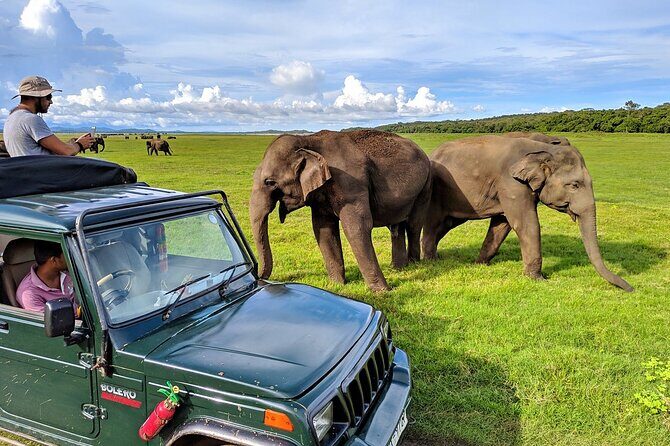
After the tower, your day shifts from views to living animals. Millennium Elephant Foundation in Pinnawala is a ticketed stop (listed as 30 USD per person). Your visit includes a photo stop and a guided tour for about one hour.
What makes this stop stand out is the active role you get in observing how elephants are cared for. Based on what I’ve learned from real day-by-day descriptions, you can get close to elephant routines—especially moments like washing and feeding, plus the chance to see elephants walk. That’s the difference between a passive viewing experience and one that feels meaningful.
Timing is important. Since you’re already doing multiple ticketed sites, the best strategy is to be fully present during the elephant hour, not mentally checked out. You’ll remember details more when you’re watching instead of just ticking a box.
Also, this is the part of the day where you should mentally accept “animal logistics.” Expect crowds, movement, and noise. If you’re sensitive to loud sounds or sudden activity, consider wearing simple sun protection and keeping your phone strap secure. You’ll get plenty of photos, but the best moments come when you watch calmly for a minute instead of sprinting to the next angle.
Tea factory + tea estate: free entry, but bring the right mindset
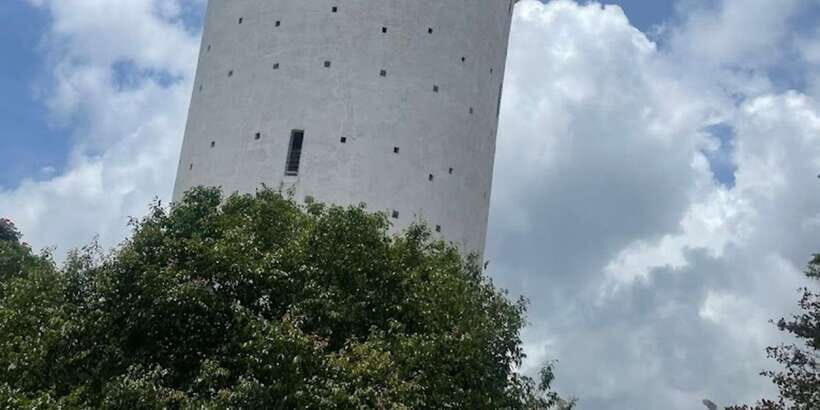
Tea is the quieter stop in the middle, and that’s why it’s a smart move in a long day. Tea Factory & Tea Estate is listed as free entrance, and you’re given time for photo stops and guided explanation.
Here’s my honest take: this is ideal if you’re even mildly curious about tea. If you already know the basics of black/green tea and how leaves get processed, you’ll still enjoy connecting the dots with what you see on-site. If you’re not a tea person, you can still find value in the process because it explains the bigger picture—how farm product turns into the tea you drink.
You should treat it as a break from heavy crowds and more intense places. Even if you skip some shopping, the guided walk through production steps helps you understand why Sri Lanka tea tastes the way it does.
Royal Botanical Garden in Kandy: beautiful, but optional for a reason
Kandy’s Royal Botanical Garden is one of those stops that can be either a highlight or a time sink, depending on your stamina. It’s ticketed (listed as LKR 3750 per person, or LKR 2250 for a battery car option). In a 15-hour schedule, you have to pick what you want most: more walking and greenery, or more spiritual focus later.
My practical advice: if you enjoy gardens and don’t mind heat and humidity, go. If you know you’ll be tired after elephants and temple time, consider skipping and saving your energy for the big cultural center pieces.
In at least one real-world example I picked up from what people wrote, the guide’s nudge to visit the gardens helped turn it into a surprise win. That tells me the garden can be a payoff if the timing works for you—just don’t feel obligated if you’re already running out of steam.
Other Negombo tours we've reviewed in Kandy


The craft stops: wood carvings, batik, and silk threads
After the main landmarks, the tour includes a cluster of craft-focused sites. Some are listed as free entrance, like Wood Carving Factory (Oak Ray Wood Carvings), Batik Factory, and Aloy silk gardens. There’s also a Spice garden (free entrance) and a Gem Museum (listed as free entrance).
These stops can be useful in two ways:
1) They help you understand what Kandy-area cottage industries look like in real life.
2) They give you a structured break between major sites, so the day doesn’t feel like nonstop driving.
One caution: not every shop experience is equally enjoyable. If you know you dislike sales pressure, treat these as look-and-learn stops, not shopping missions. You can spend your time scanning how products are made or painted, then move on.
Based on what I’ve seen in real visitor notes, the gem museum was the least favorite for at least one person because it felt like a stronger sales pitch than the others. That doesn’t mean it’s bad for everyone—just means you should keep your expectations calm and your wallet ready.
Temple of the Sacred Tooth Relic: sacred, moving, and rule-based
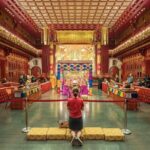
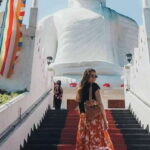
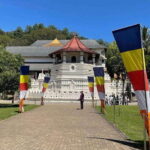
This is the cultural anchor of the day. The Temple of the Sacred Tooth Relic is ticketed (listed as LKR 2000 per person). You get a photo stop, guided visit, and sightseeing time.
This stop is where the guide earns their keep. You’ll want someone to explain what you’re seeing, because the temple environment makes sense only if you know the symbolism and routine. In real descriptions of this day, guides have helped visitors understand the site from a Buddhist practice perspective, which makes the atmosphere feel less like a tourist set and more like a living religious place.
Practical etiquette is key:
- Wear clothes that work for religious sites.
- When entering Hindu or Buddha temples, shoes and slippers must be removed.
- Plan for places where you may need to step around crowds, so sandals that are easy to remove are smart.
Even if you’re not religious, this is one of those Sri Lanka moments where you feel the weight of tradition. The sacred tooth relic adds a level of meaning that doesn’t come from a quick glance.
Kandy lake, viewpoints, and the city feel without the headache
After the temple, the day shifts into “see Kandy for real” mode. You’ll have photo stops and short guided looks around:
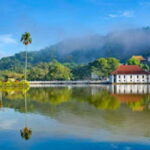
- Kandy Lake (including a Kandy Lake Club photo stop)
- a Viewpoint
- Kandy itself with photo stop and guided sightseeing
These are shorter segments, but they matter because they connect the main monuments to the everyday geography of the city. Kandy isn’t just temples and towers—it’s also water, streets, and viewpoints that show how the city sits in Central Province.
If you’re tired, these stops are still worth doing, because they tend to be flexible and less mentally demanding than the ticketed sites. You’ll get better photos when you slow down for two minutes, step back from the crowd, and let the guide point out the best angles.
Price and value: what the $69 really buys, and what costs extra
Let’s break down the cost in a way that helps you decide.
Your $69 per person price covers:
- hotel pickup and drop-off
- private air-conditioned vehicle
- water bottle
- WiFi
- all taxes and fees related to the tour service
Not included are the key attraction entrances and show/culture tickets, such as:
- Millennium Elephant Foundation: 30 USD per person
- Ambuluwawa Tower: LKR 2000 per person (tuk-tuk option listed)
- Temple of the Sacred Tooth Relic: LKR 2000 per person
- Royal Botanical Garden: LKR 3750 per person (or battery car LKR 2250)
- Great Kandy Culture dance show: LKR 3750 per person
Then you still get several free entrance stops (tea factory, spice garden, wood carving, batik, gem museum, viewpoints), which helps keep the day from feeling like you’re paying nonstop.
My value advice: decide what you want most before you’re on the road. If elephants + temple + tower are your top three, you’ll likely feel the trip was worth it even with extra fees. If you’re stretched budget-wise or your legs are already tired, you can manage your cost by skipping optional ticketed segments like the garden or the dance show.
Who this day trip suits best
This is a great fit if you:
- want a guided day that bundles Kandy highlights with minimal hassle from Negombo
- enjoy a mix of spiritual sites, animals, and scenic views
- are okay with tickets added on top of the tour price
- like seeing real processes (tea making, crafts) rather than only monuments
It’s not the best match if you:
- want a relaxed schedule with long downtime
- dislike long driving and multiple entry lines
- get overwhelmed by crowded sites where you have to remove footwear and manage your space
One small “life skill” takeaway: go in with a flexible mindset. People can choose to skip some stops when the day runs long, and that’s honestly smart—this day has enough highlights that you won’t regret dropping one optional segment.
Should you book the Ambuluwawa Tower, Tea Factory & Kandy day trip?
If you’re staying near Negombo and you want the Kandy highlights without the stress of planning transport and timing yourself, I think this is a strong book. The private AC vehicle, live English guide, and the way the day moves from tower views to elephants to the Temple of the Tooth is a good flow.
Book it if you want a day with real variety: Ambuluwawa’s views, Pinnawala elephants, and the Temple of the Sacred Tooth are the kind of combo that’s hard to replicate in half-effort DIY planning.
Skip the extras or go lighter on the ticketed add-ons if you’re worried about fatigue. And if you’re doing Ambuluwawa, aim for earlier timing so the climb feels more comfortable and you get cleaner viewing time.
If you want, tell me your travel dates and whether you care more about elephants, temples, or views—and I’ll help you decide what to prioritize so you get the best version of this day.
FAQ
What’s the total duration of the tour?
The duration is listed as 15 hours.
What’s included in the price?
Included are hotel pickup and drop-off, transportation by private air-conditioned vehicle, water bottle, all taxes and fees, and WiFi.
What entrance fees are not included?
Not included are entrance fees such as Millennium Elephant Foundation (30 USD), Ambuluwawa Tower (LKR 2000 per person), Temple of the Sacred Tooth Relic (LKR 2000 per person), Royal Botanical Garden (LKR 3750 per person or LKR 2250 for battery car), and the Great Kandy Culture dance show (LKR 3750 per person).
Are there optional stops during the day?
Yes. The information says you can visit attractions according to your choice, and some items like the Royal Botanical Garden and the dance show can be skipped.
Do I need to remove shoes at religious sites?
When entering a Hindu temple or Buddha temple, shoes and slippers must be removed.
Is the guide provided, and what language do they speak?
There is a live tour guide, and the language is listed as English.