REVIEW · UDAWALAWA
Udawalawe: National park safari & Elephant Transit Home Tour
Book on GetYourGuide →Operated by Udawalawe Wild Safari Tours · Bookable on GetYourGuide
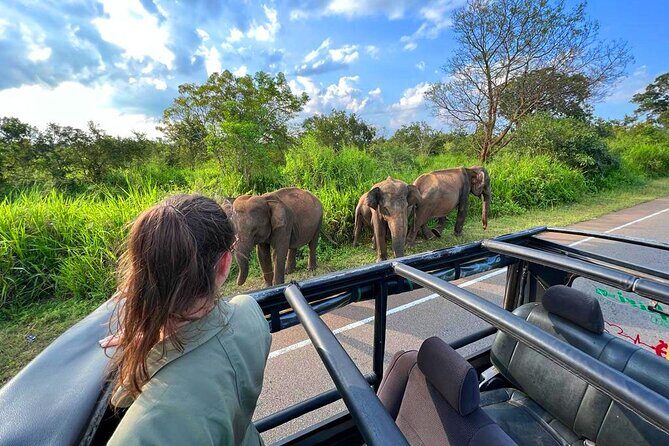
Elephants have a way of grabbing your attention fast. This Udawalawa National Park safari is built around close-up wildlife time, plus a stop at the Elephant Transit Home where you can learn how elephants are cared for. I especially like that the experience uses a small private jeep and a long-practiced local guide to help you find animals where others miss them.
Two things I really like: first, the guide setup—often led by Gimhana, with 10 years of experience and English live guiding. Second, you get an organized rhythm in the park: early pushes to avoid heavy crowding, then returning for elephants after the busier times thin out.
One consideration before you book: the big headline price does not include the Udawalawe National Park entry or the Elephant Transit Home entrance fee, so budget for those separate tickets.
In This Review
- Key highlights worth your focus
- Udawalawa National Park: where elephants share the stage with birds, crocs, and deer
- The private jeep safari with Gimhana: how you actually get better sightings
- What you can realistically spot in Udawalawa (and what to look for)
- The Elephant Transit Home stop: close viewing with a conservation story
- How long you go (4 hours vs 7–10 hours) changes your odds
- Timing, safety, and photo etiquette inside the jeep
- Price and value: what $29 covers and what costs extra
- Who this safari fits best (and who should rethink it)
- Should you book the Udawalawa National Park safari plus Elephant Transit Home?
- FAQ
- How long is the Udawalawa National Park safari?
- Is this safari private?
- What’s included in the price?
- What costs extra?
- Where do you get picked up?
- Is the guide available in English?
- Are drones allowed?
- Is this tour suitable for mobility impairments?
Key highlights worth your focus
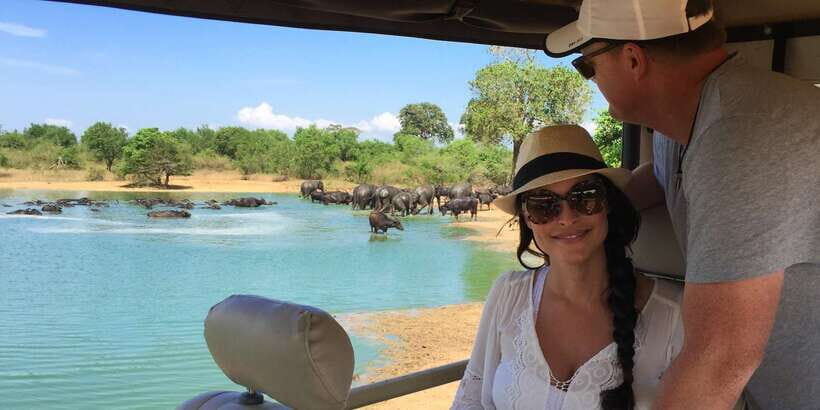
- Private 4×4 safari jeep (max 6 passengers): More freedom to stop, reposition, and take photos without feeling like cattle in a big group.
- Gimhana-style guiding (English): You get real interpretation—animal behavior, what to watch for, and where spotting odds improve.
- Elephant Transit Home with a wildlife lens: See elephants up close and make sense of why this care-focused place matters.
- More than elephants: Expect a mix of deer, water buffalo, crocodiles, jackals, wild boar, and lots of birds.
- Uncrowded timing habits: The plan often starts away from the busiest viewing points, then revisits elephants after crowds disperse.
- Safety and patience on elephant encounters: The guiding approach prioritizes everyone staying safe and getting fair viewing time.
Udawalawa National Park: where elephants share the stage with birds, crocs, and deer
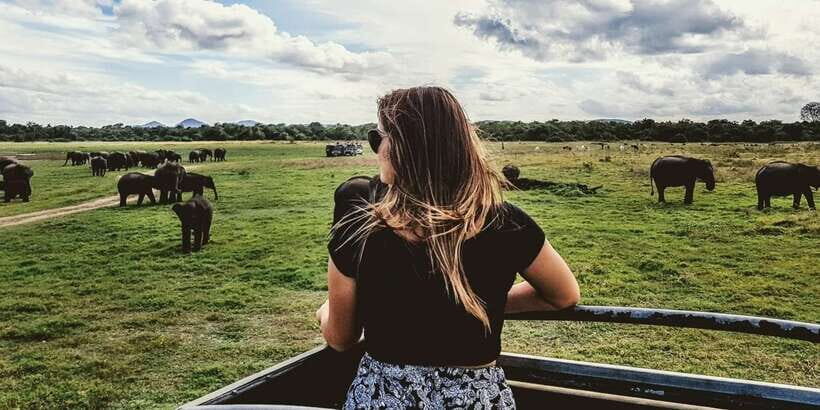
Udawalawa National Park sits on the boundary of Sri Lanka’s Sabaragamuwa and Uva Provinces, covering about 308 square kilometers. It was established in 1972 to protect the catchment area of the Udawalawe Reservoir, so the park’s water and grassland cycles are a big reason wildlife concentrates here.
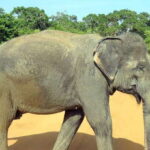
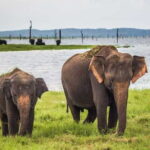
If you’re coming for elephants (and most people are), this is one of the most practical places in Sri Lanka to make that happen. But what I like about Udawalawa is that it does not feel like a one-animal show. You’re moving through grasslands, forest edges, and wetter areas where animals feed and cross paths. That variety helps you see not just elephants, but also the “supporting cast” that makes a safari feel like real habitat, not a zoo tour.
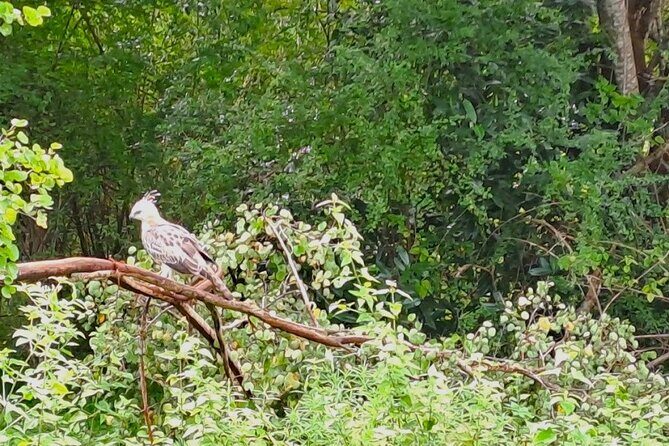
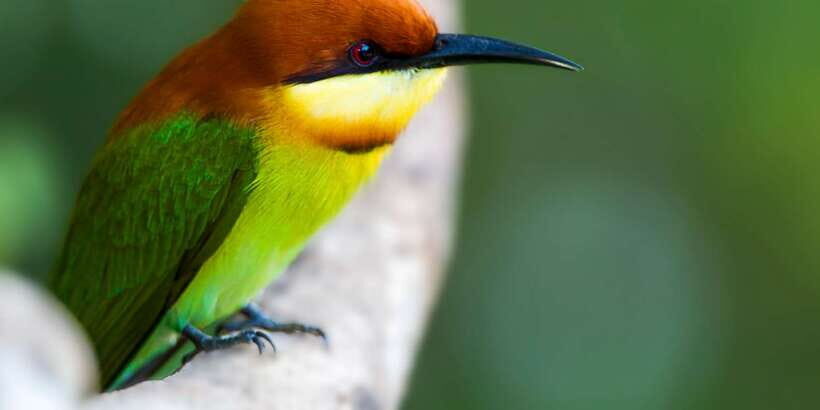
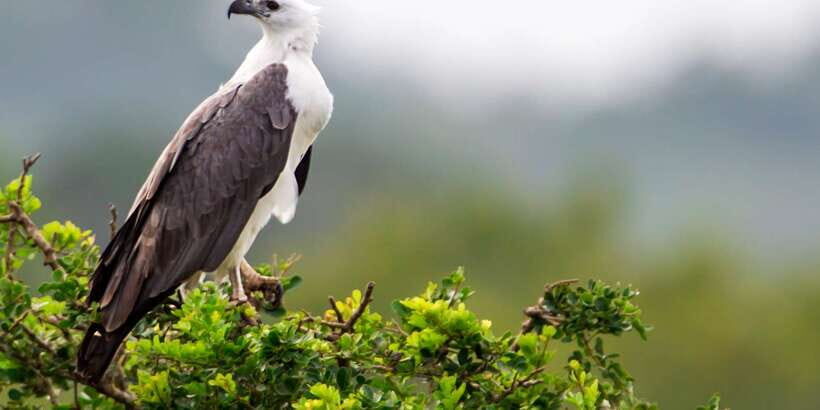
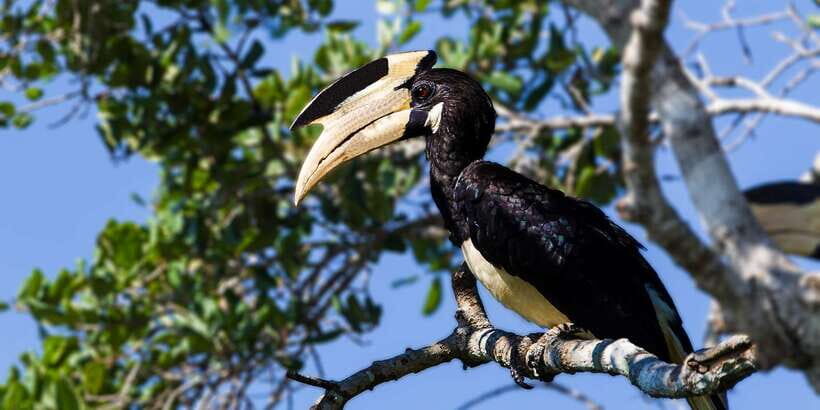
The park is also known for endemic species, which matters if you’re the type who enjoys birds and small wildlife. You may spot things like Sri Lankan Jungle fowl, Sri Lankan Spurfowl, and Sri Lankan Wood shrike—the sort of birds that can be hard to catch elsewhere. Even if you’re not a birder, those sightings add texture to the day and keep the safari interesting between elephant moments.
Other Udawalawe safari tours we've reviewed in Udawalawa
The private jeep safari with Gimhana: how you actually get better sightings
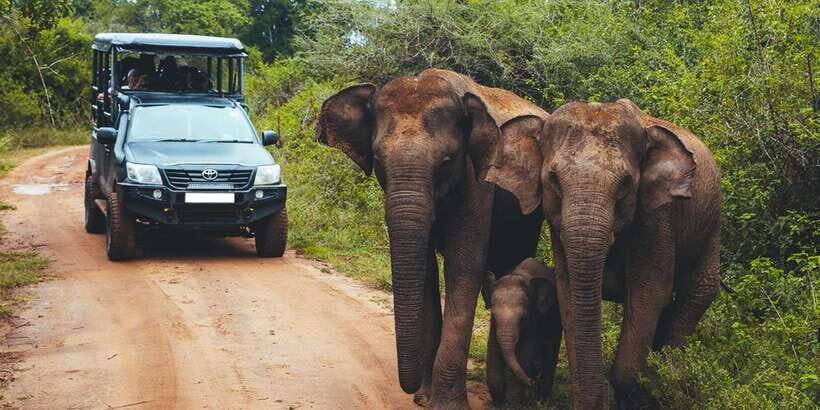
This tour is designed around a 4×4 private safari jeep with a maximum of 6 passengers. In wildlife terms, that’s a big deal. Fewer people means you’re not stuck waiting on a giant chain of vehicles, and your guide can adjust positions quickly when an animal steps into view.
The guiding approach is led by an experienced driver/guide with around 10 years in the field, and many tours are guided by Gimhana. I like that the communication stays simple and direct: English live guiding, animal behavior explained, and plenty of time to observe. The point isn’t to sprint from sighting to sighting—it’s to let animals come to you, and to let you watch long enough to notice what matters (body language, feeding patterns, movement direction).
One practical detail you’ll appreciate: the plan often includes avoiding the busiest zones at the start. Multiple safari experiences emphasize that the guide may take you toward less-crowded areas early on, then return after the heavier traffic fades. That strategy improves your viewing comfort and also improves photo chances—less visual clutter, fewer people blocking your line of sight.
If you’re choosing an early slot, you may see options that run around 6am. Starting earlier can mean cooler temperatures and fewer crowds at the entrance points. Some people also prefer starting a bit later (like 6:30am) specifically to reduce crowding while still keeping a good wildlife window.
What you can realistically spot in Udawalawa (and what to look for)
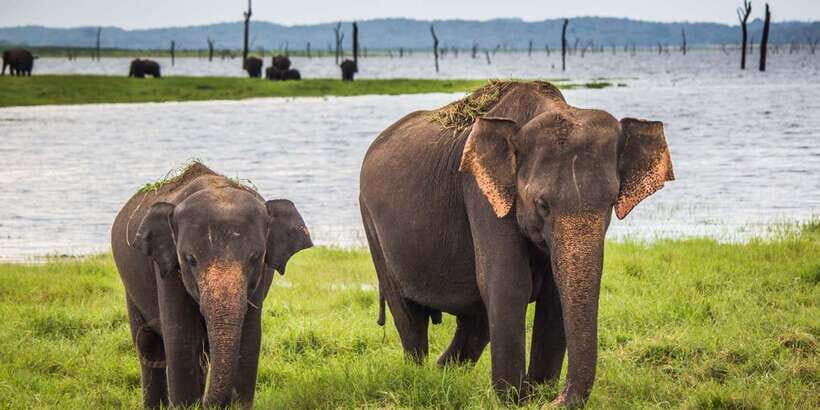
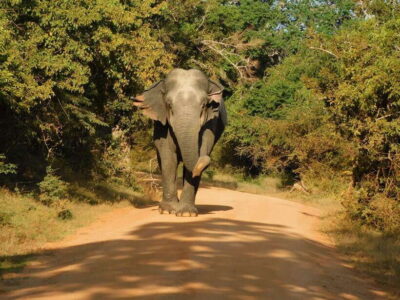
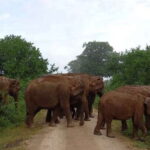
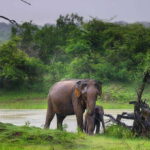
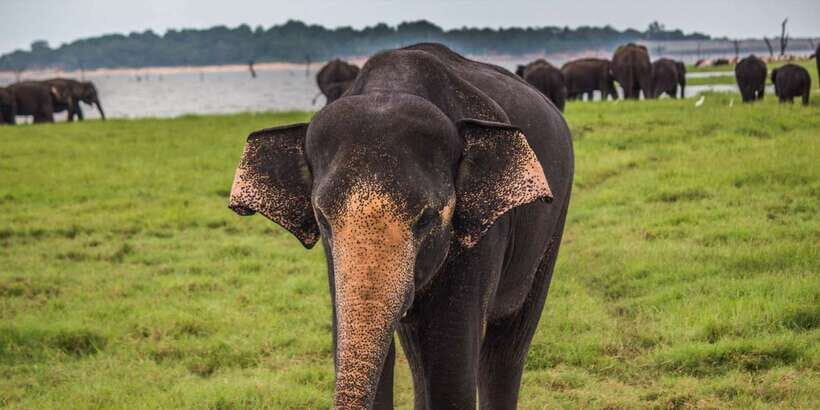
Udawalawa’s wildlife list is broad, and that’s the reason safaris here often feel full even when animal sightings vary by day. You may see elephants, and the best days include multiple elephant groups and even younger calves.
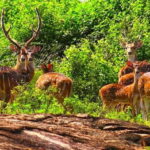
Beyond elephants, you can encounter:
- Leopards (not guaranteed, but possible)
- Sambar deer
- Jungle cats
- Crocodiles near water
- Water buffalo
- Foxes and mongooses
- Jackals (including chances for rarer sightings like golden jackals)
- Wild boar
- A lot of lizards, butterflies, and birds
Here’s how to turn that into practical expectation: don’t lock your day onto one perfect outcome. Your odds are best when you accept that you’re watching a living system. Elephants can appear in bursts, while birds and smaller animals may be easier to spot consistently throughout the route.
Your guide’s job is to help you “read” the park faster. That can mean:
- knowing which paths animals use to move between feeding and water,
- recognizing when to stop for a long look,
- and positioning the jeep so you can see without forcing the animals to change behavior.
This is also why the pacing matters. When you get enough time at each stop, you don’t just snap a quick photo—you catch the moment when an animal turns its head, crosses the grass, or signals that it’s about to move. That’s what makes the safari feel worth it.
The Elephant Transit Home stop: close viewing with a conservation story
One of the most memorable parts of this experience is the Elephant Transit Home. This isn’t just a “look and go” add-on. It’s a place designed to help elephants while also giving visitors a clearer understanding of elephant life and welfare.
Your tour includes a drop-off at the Elephant Transit Home, and you’ll take some time there as part of the overall outing. If you’ve come to Udawalawa for elephants, this stop adds meaning. Instead of thinking of elephants only as wild sightings, you get a window into the human side—how care and rehabilitation work when elephants need assistance.
It’s also a good match for how the park works. Udawalawa is the place where you see animals in their environment, and then the Transit Home helps you connect those observations to a real-world welfare effort. In other words: it doesn’t replace the safari—it explains the bigger picture.
Note: the Elephant Transit Home entrance fee is not included, so factor that into your total budget.
How long you go (4 hours vs 7–10 hours) changes your odds
This experience is sold with a duration range of 4 to 10 hours. That might sound like a wide gap, but it makes sense for wildlife. Longer time often means more chances to:
- find multiple elephant groups,
- widen the route options your guide can choose,
- and adjust if an animal encounter is brief or unusually active.
A shorter option can be ideal if you’re tight on time or you’re pairing Udawalawa with other parts of Sri Lanka. You’ll still get the core safari jeep time and the Elephant Transit Home stop, but you might feel the route is more focused—less time for detours in search of specific sightings.
A longer outing tends to feel calmer. You’re not rushing as much between spots, and the guide can spend more time letting you watch behavior. If you care about photos, that extra patience adds up. It’s the difference between a quick glance and a real moment where you can track what the animal is doing.
If you’re planning early, remember that departure time can strongly affect crowd levels. One day you’ll feel like you have the park more to yourself; another day you’ll share sighting points with more jeeps. The longer you’re out there, the easier it is for your guide to shift strategy.
A few more Udawalawa tours and experiences worth a look
Timing, safety, and photo etiquette inside the jeep
Safari days run on animal time, but you can still improve your own day with a few smart choices.
1) Go early if you can. Around 6am is often recommended because it’s cooler and tends to be less crowded at the start. If you prefer a slightly later start, 6:30am can also help you reduce entrance crowds while still getting a good wildlife window.
2) Expect the jeep repositioning. A private jeep means your guide can move when an animal appears, and it also means you’ll typically get better viewing angles without waiting behind many vehicles.
3) Let the guide decide when to move. The best safaris give you time—time to watch and time to take photos. In multiple experiences, the guide approach includes checking in with everyone before moving on, which helps you get the shot without feeling rushed.
4) Safety comes first during close elephant encounters. Udawalawa can bring you close to elephants, and occasionally that includes tense moments when an individual elephant acts aggressively. The guiding style here emphasizes safety and careful handling when that happens, which is exactly what you want from a driver who spends a lot of time in the park.
And yes—there’s an unspoken rule that helps everyone: keep noise down, avoid sudden movements, and don’t try to bait animals. If you treat it like wildlife viewing (not interaction), you’ll get a more respectful, more enjoyable day.
Price and value: what $29 covers and what costs extra
This tour lists at $29 per person, and the value comes from what’s included.
What you get included:
- 4×4 private safari jeep transport (up to 6 passengers)
- English live guiding by a driver/guide with long experience
- Hotel pickup from the Udawalawe area or pickup at the Udawalawe National Park entrance
- Drop-off at the Elephant Transit Home
What costs extra:
- Udawalawa National Park entry/admission
- Elephant Transit Home entrance fee
So the best way to think about the price is this: you’re paying for guided time in a vehicle that can actually reach good viewing areas, plus interpretation while you’re there. You’re not paying for entrance tickets to the park or the transit home. When you budget for those separate fees, the overall math usually makes sense, especially if you care about a guide who actively manages your viewing comfort.
Also worth noting: transport quality has been consistently praised, with many perfect scores tied to how the jeep/pickup experience runs. For a safari, that matters more than people think. When your transport is smooth and on-time, you spend your day watching wildlife instead of dealing with stress.
Who this safari fits best (and who should rethink it)
This is a great match for:
- Elephant-focused wildlife lovers who want a guided safari and an Elephant Transit Home component
- People who enjoy bird spotting, especially endemic Sri Lankan species
- Families or small groups who prefer a small jeep over crowded tours
- Anyone who wants a guide who can answer questions and help you notice what’s happening right now
It may not be a great match if:
- you have mobility impairments, since the tour is not suitable for that
- you need guaranteed leopard sightings (leopards are possible, but not promised in the information provided)
- you’re hoping to bring distractions like alcohol, drugs, or drones (those are not allowed)
If your goal is a calm, guided wildlife day with smart timing and plenty of time at sightings, you’ll likely feel at home here.
Should you book the Udawalawa National Park safari plus Elephant Transit Home?
Book it if you want a wildlife day that’s practical and guide-led, not chaotic. This tour’s strongest points are the small private jeep, the long-experience English guiding (often with Gimhana), and the two-part experience that mixes wild sightings with the Elephant Transit Home stop. Add in the chance for elephants, crocodiles, deer, and endemic birds, and you’ve got a solid plan for a full day in Eastern Sri Lanka.
Skip or rethink it if you can’t manage additional entrance fees or if mobility needs make jeep-based safari tough.
If you’re comfortable budgeting for two separate admissions and you want the best odds of a good elephant day with meaningful context, this one is worth your time.
FAQ
How long is the Udawalawa National Park safari?
The duration is listed as 4 to 10 hours, depending on the option available.
Is this safari private?
It’s a private safari jeep with a maximum of 6 passengers per jeep.
What’s included in the price?
Included are the 4×4 private safari jeep, an English live guide/driver with about 10 years experience, transportation in the jeep, hotel pickup from the Udawalawe area (or pickup at the park entrance), and drop-off at the Elephant Transit Home.
What costs extra?
You’ll need to pay for Udawalawa National Park entry/admission and the Elephant Transit Home entrance fee.
Where do you get picked up?
Pickup is available from the Udawalawe area or at the Udawalawe National Park entrance. Pickup from other locations is possible for an additional charge.
Is the guide available in English?
Yes, the live tour guide is English.
Are drones allowed?
No, drones are not allowed.
Is this tour suitable for mobility impairments?
No, it is not suitable for people with mobility impairments.