REVIEW · ANURADHAPURA
Kaudulla National Park Shared Safari
Book on Viator →Operated by Lakpura LLC · Bookable on Viator
Kaudulla’s the elephant shortcut.
This private 4×4 safari around Kaudulla National Park is built for real sightings, not just scenic stops. I like that you choose an early morning or afternoon departure, which matters because animals move with light, heat, and water. I also like the practical setup: pickup and drop-off within 5 km of the park gate (so you’re not wrestling tuk-tuks before your game drive). One thing to consider: park entrance fees can be included or not, depending on which jeep ticket option you pick, so double-check before you pay.
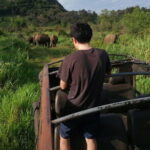
The core experience is a bumpy, off-road drive on unmade tracks through dry scrub, grasslands, and the reservoir area. If you get lucky, you’ll catch big animal action (especially elephants) plus smaller surprises like crocs, turtles, and a lot of birds clustered around the tank.
Because it’s a short safari—about 3 hours—you should treat it like a focused wildlife hunt. You’re not going to see everything in one go, so aim for good conditions (early in the day is calmer; late afternoon can be electric).
In This Review
- Key things to know before you go
- Kaudulla National Park safari: what makes this one work
- Morning vs afternoon: when to book for elephants and birds
- Getting to the park gate: the pickup radius that saves time
- The 3-hour 4×4 drive: what the route feels like
- Wildlife targets: elephants first, then the smaller stuff that makes the day
- The reservoir edge: turtles, pelicans, and bird-scanning time
- Crocodiles and close-up moments: why the driver matters
- Price and ticket choices: getting value from the entrance fee decision
- Logistics that affect your comfort (and your odds)
- Who should book this Kaudulla shared/private 4×4 safari?
- Quick decision guide: should you book?
- FAQ
- FAQ
- How long is the Kaudulla National Park safari?
- Do I get pickup and drop-off?
- Is the safari private or shared?
- Are the park entrance fees included in the price?
- Can I choose between a morning and afternoon safari?
- What animals and birds should I look for?
- Where does the safari start and end?
- Are meals included?
- What’s the cancellation policy?
Key things to know before you go
- Private 4×4, up to 6 people: max group size per vehicle is 6, with only your group participating.
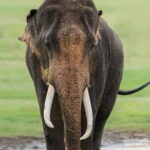
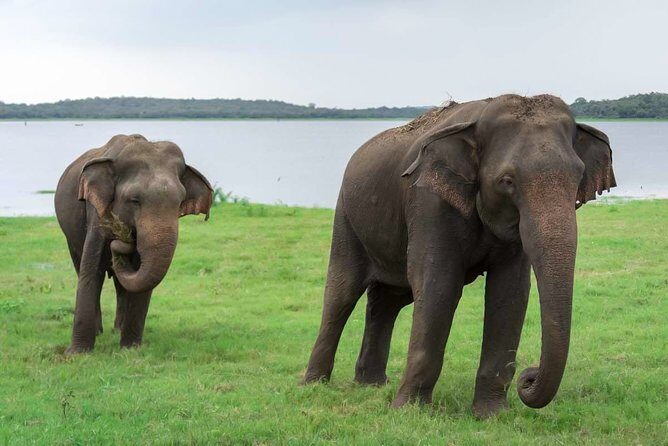
- Elephants are the headline: they’re regular visitors, especially later in the dry season and in Sep–Oct when water draws them in.
- Bird-and-tank watching is built in: the reservoir area can attract up to 150 bird species and reptiles.
- Two time choices: morning vs afternoon can change your odds and the mood of the park.
- Ticket option affects price: entrance may be included or you may pay at the gate depending on what you select.
- Rough tracks, real 4WD: expect uneven ground—this is part of why the driving gets you to the right spots.
Kaudulla National Park safari: what makes this one work
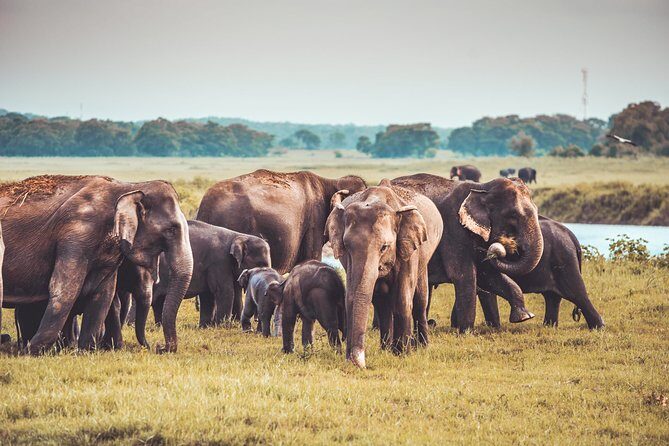
Kaudulla National Park sits in Sri Lanka’s wildlife corridor system, and the park’s mix of dry evergreen forest, abandoned cultivation land, and grassland helps wildlife use the area in different ways. The highlight is the Kaudulla tank (the reservoir), because water pulls animals and keeps birds active even when the surrounding country goes dry.
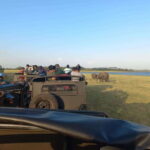
What I like about this format is that you’re not waiting in a long line of vehicles. You get your own 4×4 jeep with a driver-guide/tracker, and you spend time looking instead of shuffling. It’s the kind of safari where the driver’s experience really matters, especially when you’re trying to line up elephant movement and bird activity around the water.
Also, this park is recognized as an Important Bird and Biodiversity Area. That’s not just a label. You’ll likely spend real time scanning the reservoir edge for turtles and water birds, not only looking outward into grassland.
A few more Anuradhapura tours and experiences worth a look


Morning vs afternoon: when to book for elephants and birds
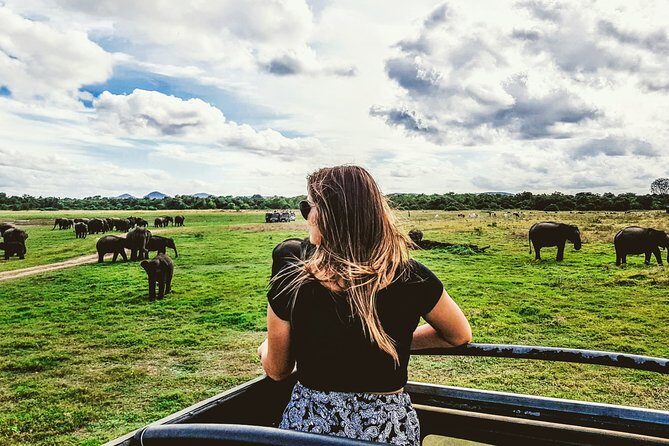
You can choose either an early morning or afternoon departure. Here’s how I’d think about it:
- Morning safari: cooler air often means better visibility and fewer heat-stress movements. Birds may be active as the day warms up, and animals can be easier to spot when everything isn’t shimmering.
- Afternoon safari: elephants are often more noticeable toward the later part of the day, and evening water-seeking behavior can pay off. One advantage of afternoon is that the park can feel more alive as the light changes.
The info you’re given also points to elephants as regular visitors, especially later in the dry season (mentioned for September) and during September and October when elephants come for water. You can’t guarantee numbers, but choosing the time that matches the season you’re visiting is a smart move.
Getting to the park gate: the pickup radius that saves time
Your safari meets your driver-guide at Kaudulla entrance. If your stay is within 5 km (about 3 miles) of the park gate, pickup and transfer are included. That’s a big deal in rural Sri Lanka, because saves you both time and the hassle of coordinating transport at dawn or late afternoon.
If your hotel is outside that radius, you should expect no included pickup/drop-off beyond the park-area connection (the tour notes that it’s included within the 5 km range). In that case, you’ll want to plan how you’ll reach the gate so you’re not sprinting in the last minutes before your game drive.
Once you’re at the entrance, the safari is set up to start the park drive quickly—no big museum stop, no long lead-up.
The 3-hour 4×4 drive: what the route feels like
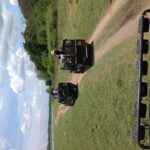
This is a 4WD jeep safari on unmade tracks. Expect rough ground, lots of scanning, and a driving style that prioritizes position over comfort. It’s not the kind of tour where you can pull out your binoculars once, snap photos, and relax. You’ll do more watching and less “touristing.”
The drive is focused on Kaudulla National Park’s zones: dry scrub and grasslands, plus the reservoir edge where wildlife tends to concentrate. If you’re prone to car sickness, this isn’t the time to skip precautions. Give yourself time to sit steady and be ready for bumps.
Also, keep expectations realistic: a 3-hour safari is a fast way to see wildlife, not a full-day safari where animals settle into long, slow viewing.
Wildlife targets: elephants first, then the smaller stuff that makes the day
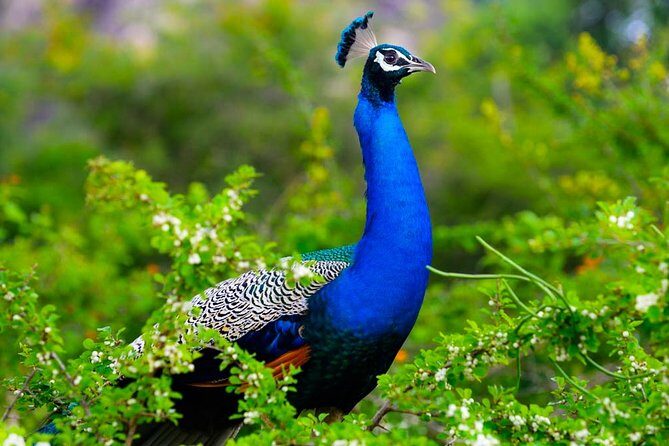
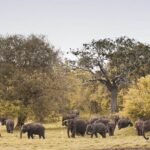
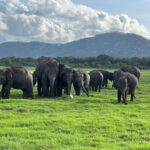
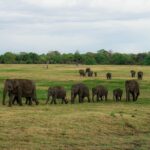
Elephants are the headline, especially since Kaudulla is known for sightings toward the end of the dry season and around times when the park water draws animals in. If elephants are your reason for booking, this is a strong match for the timing you choose.
Beyond elephants, the park’s scrub and grassland setup gives you chances at other mammals listed in the tour info, including:
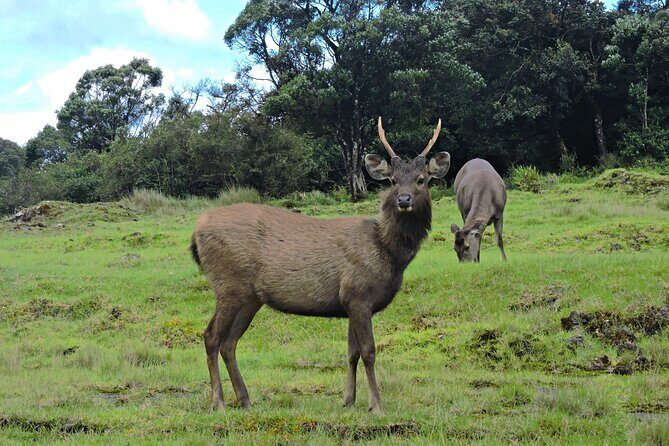
- deer like sambar deer and axis deer (the notes even mention a rare albino axis that has been spotted after an orphaned calf was discovered in the park)
- wild boar
- other small targets you might not expect in a “big-game” safari, such as spotted chevrotain
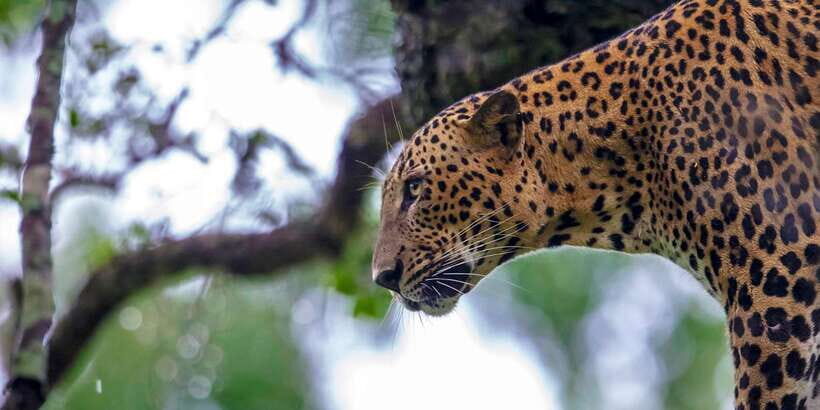
- occasional luck with elusive species like slender loris and sloth bear (not guaranteed, but it’s part of what the driver is scanning for)
You should also know the safari is designed around where animals use the terrain. That’s why the driver-guide/tracker part matters. A good tracker reads movement and chooses routes that increase your odds.
One neat thing: the experience isn’t only about land animals. The water and shoreline matter.


The reservoir edge: turtles, pelicans, and bird-scanning time
The Kaudulla tank area is where the safari can feel like two experiences in one: animal viewing on land, then a water-side spotlight on reptiles and birds.
From the tour description, here are specific wildlife targets you might spot around the reservoir waters:
- Indian black turtles
- flap-shelled turtles
- fish such as Mozambique tilapia
- birds including spot-billed pelicans and lesser adjutants
- and the big bird number: up to 150 bird species in the area
Even if you don’t see everything named, this kind of reservoir-focused game drive pays off because birds are often easier to detect than deep forest mammals. You’ll spend time scanning the waterline and nearby areas where animals pause to drink or feed.
If you’re the kind of person who enjoys birding without needing a field guide for every species, this is a friendly setup: you’re not locked into one checklist. You can focus on behavior—wading, flying, diving, calling—and let the species be a bonus.
Crocodiles and close-up moments: why the driver matters
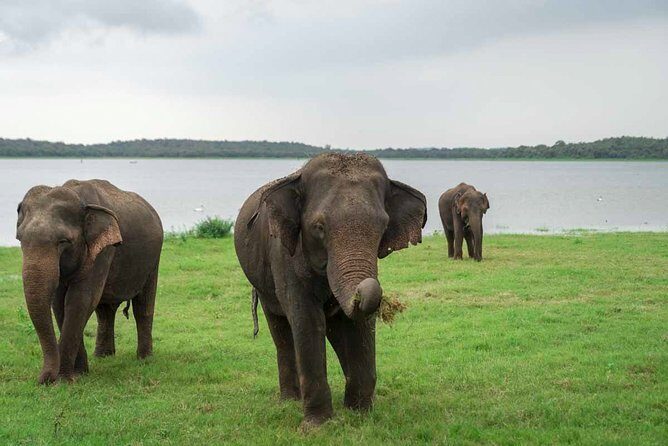
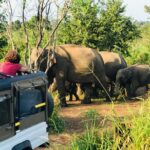
Some of the best moments people describe here are about elephants in big numbers and also about “unexpected” species appearing in the same drive. In past experiences shared with this tour, guests reported seeing hundreds of elephants and also sightings like crocodiles and pelicans. They also praised drivers for being professional, on time, and informative.
Names that came up include drivers like Sumit and Pliant. I can’t promise you’ll get the same person, but it’s a useful hint that the operator leans on experienced driver-guides who pay attention and communicate well.
Communication came up too: one guest mentioned quick WhatsApp coordination and a smooth web payment experience (including PayPal). That’s not the safari itself, but it does reduce stress when your day is built around an early or late departure.
Price and ticket choices: getting value from the entrance fee decision
You’ll see pricing tied to park entry options. The headline price is listed as $35 per person, and there’s a lower option when the jeep is selected with no tickets: $27 per person. The key difference is whether the park entrance fee is included.
Here’s how I’d handle it:
- If the entrance fee is included in your selection, you’re simplifying payment and reducing the chance of last-minute surprises at the gate.
- If entrance fees are excluded, you’ll pay at the park instead, so set aside that amount and avoid mixing it up with the jeep cost.
One more value point: the price is fixed per vehicle, with a maximum of 6 people. That can work out well if you’re traveling with friends or family and you want the flexibility of a private jeep without paying for a full vehicle alone. If you’re traveling solo, you might still like the experience, but you’re the one carrying the fixed-vehicle cost.
Either way, the safari includes your private safari jeep, an experienced driver/tracker, and all taxes/service charges. That’s good, because it means your “final bill” isn’t a mystery of add-ons.
Logistics that affect your comfort (and your odds)
A safari like this is straightforward, but the details matter:
- 3 hours is tight: plan to be ready at the gate and keep your phone charged for the drive back.
- Expect rough terrain: it’s 4WD on unmade tracks, so bring a small bag for essentials and keep long lenses easy to handle.
- Hydration helps: meals and drinks aren’t included, so bring water—especially if you book morning in hot months.
- Admission timing matters: because elephants and birds respond to daily patterns, you’ll get more from the experience if you respect the departure time and don’t show up late.
Also, it’s a private activity limited to your group in your vehicle. That’s not just a comfort perk. It usually means the driver can adjust the pace to your group’s interests, whether you want more time on the water edge or more time scanning grassland.
Who should book this Kaudulla shared/private 4×4 safari?
This safari is a strong fit if you want:
- elephant-focused wildlife time without a full-day schedule
- a private jeep feel (up to 6 per vehicle, only your group participating)
- both mammals and birds, since the reservoir area is a big part of the experience
- an option that works with your itinerary via morning or afternoon departures
I’d especially recommend it if you’re staying near Anuradhapura and you like the idea of a quick, high-output nature outing.
On the other hand, if you’re the type who wants long, calm viewing sessions or you hate rough rides, you may prefer a longer safari window or a gentler route.
Quick decision guide: should you book?
Book it if:
- elephants are your priority and you’re choosing the right time of day for your season
- you want 4×4 access and a driver-guide actively scanning for wildlife
- you like the idea of pairing elephant chances with reservoir bird-and-turtle time
Skip or rethink if:
- you can’t handle bumpy terrain
- you’re hoping for a full-day “everything” safari experience (this is about focused time, not a long marathon)
- you don’t want to deal with entrance fee differences—because you’ll need to confirm whether your option includes the park ticket
For most people, the value is in the combination: private jeep + active guiding + a water-focused park where the wildlife has a reason to be near you.
FAQ
FAQ
How long is the Kaudulla National Park safari?
It runs for about 3 hours.
Do I get pickup and drop-off?
Pickup and drop-off are included if your accommodation is within 5 km (about 3 miles) of the park gate.
Is the safari private or shared?
It’s a private tour/activity, and only your group participates in your vehicle. The vehicle can carry a maximum of 6 people.
Are the park entrance fees included in the price?
It depends on the option you select. Entrance fees are included when the jeep ticket is selected with tickets, and excluded when selected with no tickets.
Can I choose between a morning and afternoon safari?
Yes, you can choose either an early morning or an afternoon safari.
What animals and birds should I look for?
The safari info highlights elephants, deer (including axis deer), and other wildlife. The reservoir area is described as good for turtles and birds such as pelicans and lesser adjutants.
Where does the safari start and end?
It starts at Kaudulla entrance. It ends at the gate or includes drop-off for hotels within the 5 km radius.
Are meals included?
No, meals, food, and drinks are not included.
What’s the cancellation policy?
Free cancellation is available up to 24 hours in advance for a full refund. If you cancel less than 24 hours before the start time, the amount paid is not refunded.