REVIEW · KANDY
Kandy: Interactive Batik Workshop
Book on GetYourGuide →Operated by Soul Sri Lanka · Bookable on GetYourGuide
Batik starts with wax, but the real magic is the slow, careful process. In Kandy, this interactive batik workshop teaches you how to plan a design, wax it, dye it, and finish by removing the wax. I like that it stays hands-on from start to finish, and I also like the family-home feeling that makes the instructions feel personal and unhurried. One thing to consider: you’ll be working with dyes and tools, so you should come ready for a bit of mess and bring comfortable clothes (and ideally a change).
The session is built around real technique, not just a quick souvenir demo. You’ll learn waxing methods and tools like a tjanting plus other batik applicators, then move into dye systems such as napthol, vat, and reactive dyes before the final dewaxing (wax burning and wax boiling). A practical heads-up: the workshop isn’t suitable for pregnant women or people with back problems, because you may need to sit and lean over your work during parts of the process.
In This Review
- Key Things I’d Plan Around
- Wax Batik in Kandy: The Skill You’re Actually Learning
- Price and Value: Why $28 Can Make Sense Here
- Entering the Studio: What to Expect at Ampitiya
- Picking Fabric and Planning Your Design
- Wax Effects: The Fun Part That Teaches You How Batik Works
- Dyes: Understanding Napthol, Vat, and Reactive Dyes
- Finishing: Wax Burning and Wax Boiling (Dewaxing)
- Food and Tea: Small Comforts That Make It Feel Like a Visit
- What to Bring (and What to Wear)
- Who This Workshop Is Best For
- Logistics That Matter: Transportation and Finding the Place
- The Practical Takeaway: What You’ll Leave With
- Should You Book This Kandy Batik Workshop?
- FAQ
- How long is the batik workshop in Kandy?
- Where does the workshop meet?
- What is the price per person?
- Is transportation included?
- What language is the instruction in?
- Is this a small group activity?
- What’s included in the ticket?
- Is lunch included?
- What should I bring?
- Who should not book this workshop?
- What is the cancellation policy?
Key Things I’d Plan Around
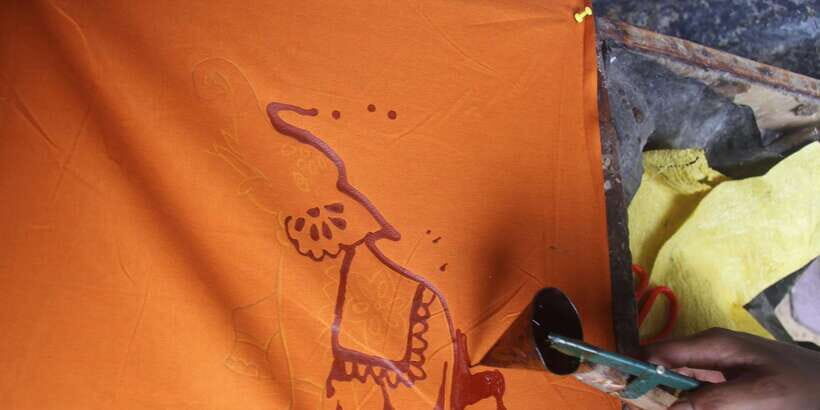
- Small group (up to 10): you get time for hands-on help while you draw, wax, and dye
- You make the cloth yourself: all tools, cloth, wax, and dyes are provided
- Real batik steps, in sequence: wax → dye → and then wax removal (burning/boiling)
- Tool practice beyond one method: funnel, tjanting, and other applicators, plus stamping/cracking/spraying styles
- A tea break during the work: herbal tea is included, and some hosts also add extra food in practice
- Worth doing for the souvenir quality: you take home a piece you designed, not a mass-made item
Wax Batik in Kandy: The Skill You’re Actually Learning
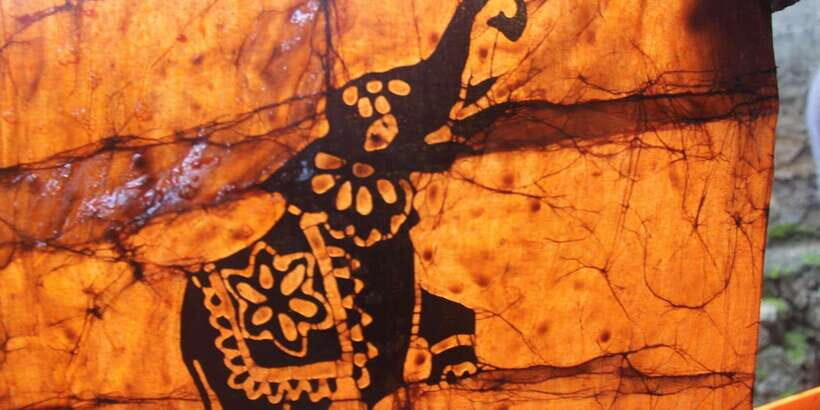
Batik is one of those crafts that looks simple from a shop shelf. Up close, it’s more like controlled chemistry with a creative plan. The point of this workshop in Kandy is that you don’t just watch batik happen—you learn the logic behind it, so your design survives the dyeing step.
The session runs about 3.5 hours, in a small group capped at 10 participants. That matters because batik isn’t a one-size-fits-all process. If you’re using tools like a tjanting or experimenting with stamping/cracking effects, you’ll want a patient instructor nearby to correct your pressure, line thickness, and wax coverage.
The experience is taught in English, and you work with a batik specialist (with additional family help in the teaching rhythm). People often remember the warmth of hosts such as Anuja and her family, including Manugi (and sometimes other family members like Manuth) who support when needed.
Other Kandy tours we've reviewed in Kandy

Price and Value: Why $28 Can Make Sense Here
At $28 per person, the value comes down to what’s included. You’re not paying just for a lesson—you’re paying for the full materials workflow:
- cloth
- wax
- dyes
- tools and equipment for the session
- herbal tea
That’s the big advantage. If you were to try batik as a DIY project later, you’d likely spend more just gathering the right cloth, wax supplies, and dye types—and you’d lose the guidance part that keeps your work from going wrong at the dye stage.
Also, the workshop trains you in technique you can reuse. You’ll learn how waxing protects areas from dye, and how different dye families behave. Even if you never print batik again at home, you’ll understand why certain patterns emerge and how artists plan for them.
Entering the Studio: What to Expect at Ampitiya
The meeting point is 218/6 Thalapiyannawa Rd, Ampitiya. One practical detail: this kind of workshop can be tricky to find on maps. I’d plan for a little patience and build in time to confirm directions. A quick call to the host or asking your tuk-tuk driver to coordinate can save you a lot of stress.
Once you arrive, the tone is calm and workshop-focused. People describe it as a relaxing break from the busier side of Kandy. That matters because batik is easier to learn when you’re not rushing. You’ll move step-by-step, with time to practice your own design rather than speed-running through effects.
Picking Fabric and Planning Your Design
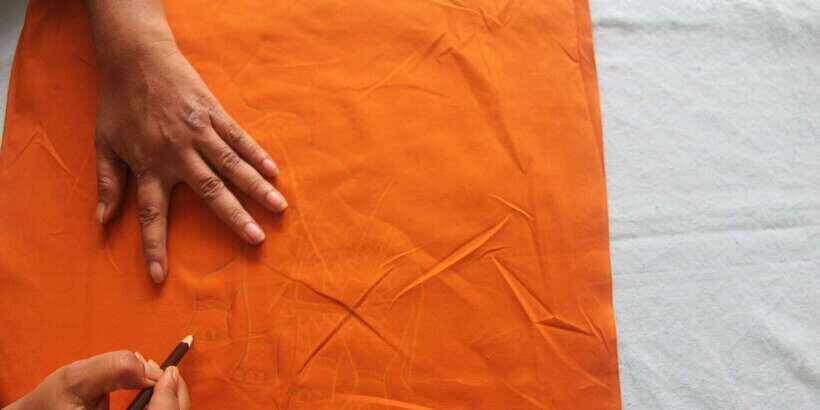
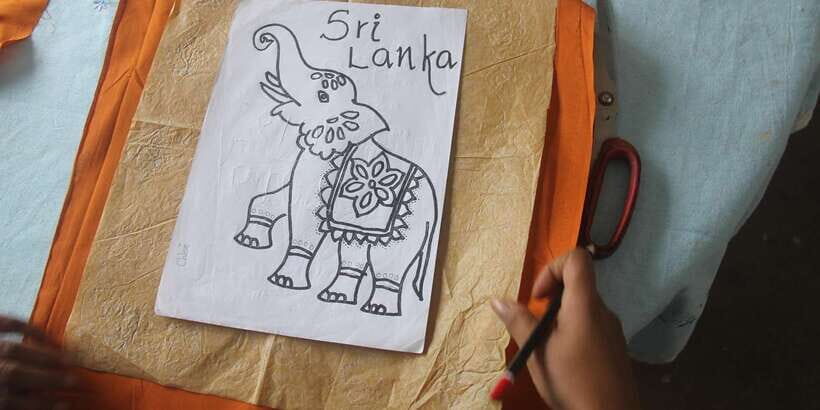
The session starts with the basics: you select the fabric, and then you begin planning your motif. This is where you’ll see the craft’s structure. Batik isn’t random doodling—it’s design plus resist.
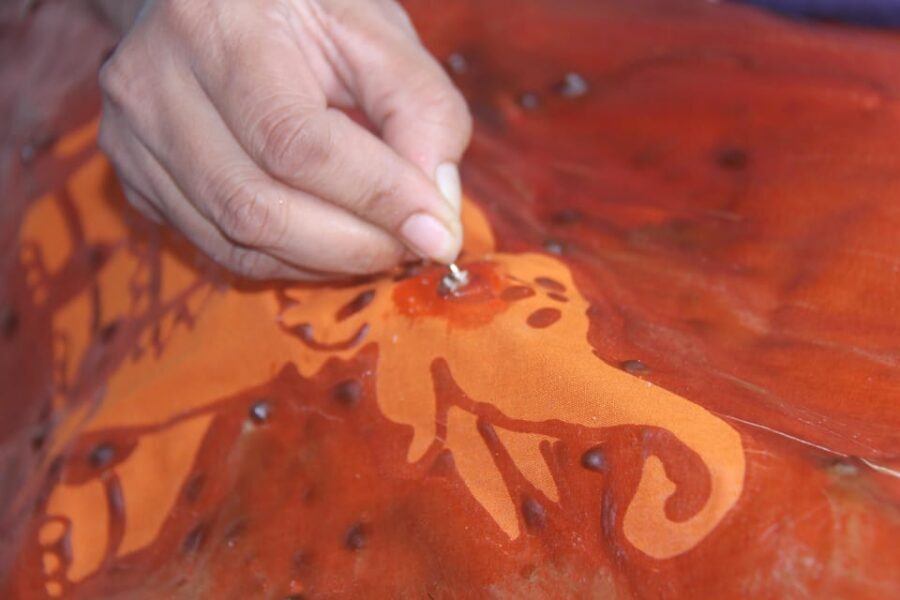
You’ll learn about wax mixtures and how waxing techniques translate into patterns. Then the hands-on part begins with tools such as:
- a funnel (for controlled wax application)
- tjanting (a classic batik tool for fine lines)
- a Henry tool (another wax-drawing applicator used for specific effects)
You’ll also have options in how you approach the artwork. Some people choose stencil-style designs and others go fully creative. If you want something personal, this is a great moment. Some participants even learn how to write their name in Sinhalese as part of the design, which is a small detail that makes the souvenir feel truly yours.
Wax Effects: The Fun Part That Teaches You How Batik Works
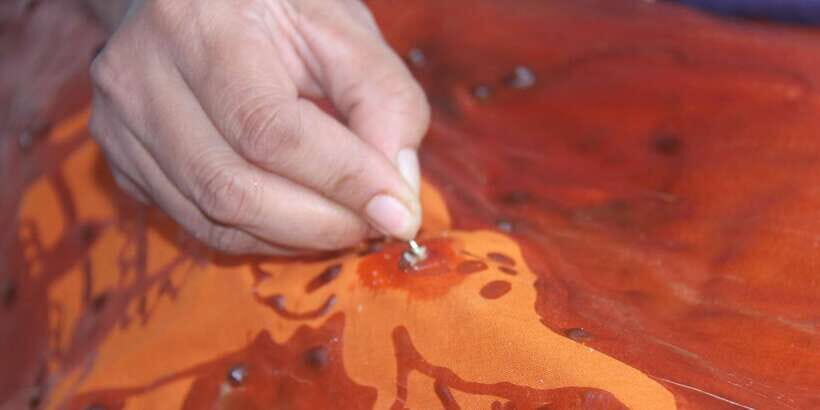
This workshop doesn’t just teach one waxing method. You’ll try multiple ways to apply wax so you can see how resist changes the final look.
You may experiment with:
- wax spraying
- stamping
- cracking (textured resist patterns)
- brush-style arts
- wax designing, including more deliberate motif placement
The teaching rhythm here is practical: you learn why a method creates a specific effect, then you try it with guidance. That prevents the common souvenir problem where you end up with a pretty but unexplained result.
If you’re not “artsy,” don’t worry too much. The process rewards patience more than talent. You can make bold work simply by planning thick-versus-thin lines, deciding where to keep wax intact, and being careful about coverage during the first wax pass.
A few more Kandy tours and experiences worth a look



Dyes: Understanding Napthol, Vat, and Reactive Dyes
After the wax stage comes dyeing—the moment batik really earns its reputation. The workshop covers dyes and applications, including dye mixtures and dyeing techniques such as:
- napthol dyes
- vat dyes
- reactive dyes
You’ll learn not only that these dyes exist, but how they’re applied in the batik workflow. That’s important because dye types don’t behave the same way. The wax resist concept still holds, but the dyeing method and mixture approach can change how the color lands and how evenly it spreads.
This is also the stage where your earlier decisions matter. If wax placement is incomplete or lines are too smeared, dye can creep into areas you meant to protect. That’s why instructors watch closely—not to take over your art, but to help you avoid predictable mistakes.
Finishing: Wax Burning and Wax Boiling (Dewaxing)
At the end, you remove the wax. The workshop includes learning how wax burning and wax boiling (dewaxing) work.
This part feels like the reveal after a careful wait. It’s also where you learn that batik isn’t finished until the resist is fully cleared. If wax remains, it can affect the final texture and color clarity.
For your takeaway, the key idea is: wax is both the method and the temporary assistant. You apply it to control dye behavior, then you remove it completely so your design shows.
Food and Tea: Small Comforts That Make It Feel Like a Visit
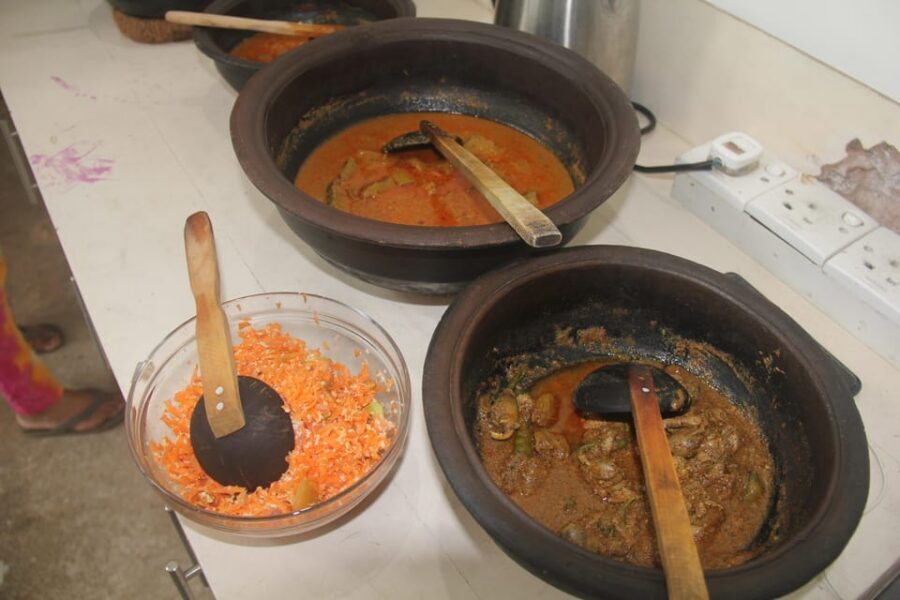
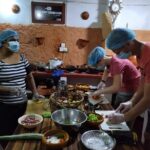
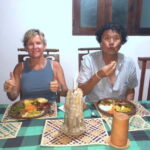
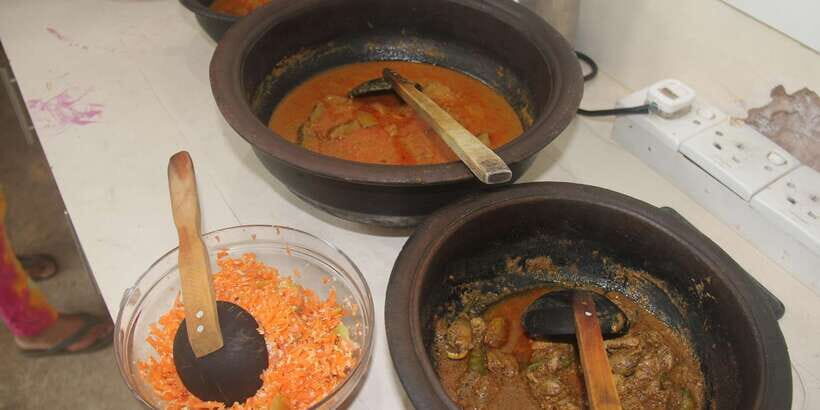
Herbal tea is included. And in real life, many sessions also come with additional comfort food—simple snacks at arrival and sometimes a more substantial meal—depending on how the host family runs the day.
Even if lunch isn’t listed as part of the included package, I’d still plan for this activity to be more than just a tea break. The workshop environment is family-run, and that tends to come with extra hospitality. If you have dietary requirements, it’s worth confirming ahead of time so expectations match reality.
What to Bring (and What to Wear)
The instructions are straightforward:
- wear comfortable clothes
I’d also treat this as a “bring a backup outfit” situation. The workshop materials include wax, dyes, and painting-like techniques, and paint or dye can end up on clothing during hands-on practice. A change of clothes helps you stay relaxed and doesn’t turn the workshop into a worry session.
Who This Workshop Is Best For
This is ideal if you want a hands-on cultural activity in Kandy that’s creative but still structured.
It’s especially good for:
- souvenir shoppers who prefer something handmade and personal
- people who like learning processes, not just looking at finished items
- families with older kids or teenagers who enjoy crafts
- anyone who wants a calmer break from city bustle
It’s not a fit for:
- pregnant women
- people with back problems
That’s not a minor note. Batik work often involves leaning, sitting, and repeating careful motions for a few hours, so take the suitability details seriously.
Logistics That Matter: Transportation and Finding the Place
Transportation to and from the workshop is not included. If you’re staying in central Kandy, plan on arranging a tuk-tuk or similar ride and allow extra time to locate the studio at 218/6 Thalapiyannawa Rd, Ampitiya.
Because map directions can be imperfect here, I’d ask your driver to confirm the final approach rather than relying on a pin drop. When you arrive on time, you’ll get more teaching and fewer rushed steps.
The Practical Takeaway: What You’ll Leave With
You leave with a batik cloth you created, plus the knowledge of the resist-and-dye workflow that makes batik look the way it does. That’s why this workshop often lands as a trip highlight: it’s not a passive cultural stop. It’s a craft you help build.
If you buy batik in Sri Lanka, it can be beautiful. But this is different because you’ll know how your own choices affected the result—whether that’s the thickness of your wax lines, the effect of stamping or cracking, or the color behavior of napthol, vat, or reactive dyes.
Should You Book This Kandy Batik Workshop?
Yes, if you want a creative activity that feels authentic and personal, and you value learning a real technique. The small group size, the fact that tools plus cloth plus wax plus dyes are provided, and the step-by-step process (waxing, dyeing, then dewaxing) make the $28 price feel reasonable rather than touristy.
Book it if:
- you want a handmade souvenir with real meaning
- you like crafts and don’t mind getting a bit messy
- you’re in Kandy for more than a day and want a calmer, hands-on break
Skip it if:
- you need an activity with minimal sitting/leaning
- you can’t handle working with dyes and wax materials
- you’re only looking for quick photos and no process
If you do book, come prepared with comfortable clothes and consider bringing a change. Then take your time with your design during the wax stage—your final colors will thank you.
FAQ
How long is the batik workshop in Kandy?
The experience lasts about 3.5 hours.
Where does the workshop meet?
The studio meeting point is 218/6 Thalapiyannawa Rd, Ampitiya.
What is the price per person?
The price is $28 per person.
Is transportation included?
No, transportation to and from the workshop is not included.
What language is the instruction in?
The instructor speaks English.
Is this a small group activity?
Yes. The group is limited to 10 participants.
What’s included in the ticket?
You get hands-on experience creating your own batik cloth, plus all tools and equipment, cloth, wax, and dyes. Herbal tea is also included.
Is lunch included?
Lunch is not listed as included.
What should I bring?
Wear comfortable clothes. Bringing a change of clothes might be useful in case paint gets on what you’re wearing.
Who should not book this workshop?
It is not suitable for pregnant women or people with back problems.
What is the cancellation policy?
There is free cancellation. You can cancel up to 24 hours in advance for a full refund.