REVIEW · HAMBANTOTA
Hambantota: Yala National Park Wildlife Safari in a 4×4
Book on GetYourGuide →Operated by Shehan Safari Jeep Tours · Bookable on GetYourGuide
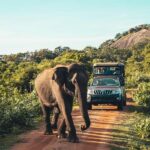
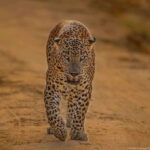
Leopards and elephants can share one dusty road. This Hambantota-area safari is built around a simple idea: get you into Yala National Park fast, then let you hunt for wildlife from a 4×4 jeep. You’ll start with pickup from the Hambantota area or Hambantota Port (cruise passengers included), then ride with an English-speaking driver-guide as you search the Ruhunu Yala region.
I especially like the mix of big-animal odds and practical guiding. Yala is known for heavy concentrations of leopards and elephants, plus sloth bears and other species that often turn up when your driver knows where to look. One guide named Mattu has been praised for spotting animals well, and that kind of on-the-ground skill matters when you’re watching from vehicles.
One thing to think through first: the ticket price doesn’t cover Yala entry. The entrance and service fees are extra, and leopards are not guaranteed. So go in with realistic expectations, and budget for the add-on fee before you go.
In This Review
- Key things to know before you go
- Why This Hambantota-to-Yala Safari Works for Short Time
- The 4×4 Safari Game: Patience Pays, and Close-Up Is Not Promised
- Entering Ruhunu Yala: What the Park’s Size Means for Your Day
- Animals to Expect (and What to Watch For When You See Them)
- Birdwatching Along the Coast: More Than Mammals on This Day
- Your 5-Hour Flow: Pickup, Safari Time, and the One Stop You Might Need
- Money and Small Print: The Entry Fee You Must Budget
- What the Guide Actually Adds to Your Wildlife Safari
- Best for Families, Cruise Days, and Real Wildlife Lovers
- Should You Book This Yala 4×4 Safari?
- FAQ
- FAQ
- Where does pickup happen for this Yala safari?
- How long is the safari experience?
- What’s the main price, and what’s included in that price?
- Are Yala National Park entrance fees included?
- Is food or drinks included?
- What wildlife can you look for during the safari?
- Are leopards guaranteed?
- What language is the guide?
- What are your cancellation and payment options?
Key things to know before you go
- Pickup from Hambantota or the port makes this feel made for cruise days and short stays.
- A 4×4 jeep safari means you’re positioned to see wildlife at speed, not just from a fixed viewpoint.
- Big-herd elephants and frequent crocs are on your planning list, even when leopard luck is hit-or-miss.
- You may be behind other jeeps when an animal appears, which can limit how close you get.
- Entrance fees are not included, so your true cost is closer to the tour price plus the Yala fee.
Why This Hambantota-to-Yala Safari Works for Short Time
If you’re staying around Hambantota—or you dock at Hambantota Port—this tour is a smart way to spend a half-day in Sri Lanka’s wildlife country without turning it into an all-day logistical project. You get convenient pickup, a jeep safari inside Yala, and drop-off back at your starting point.
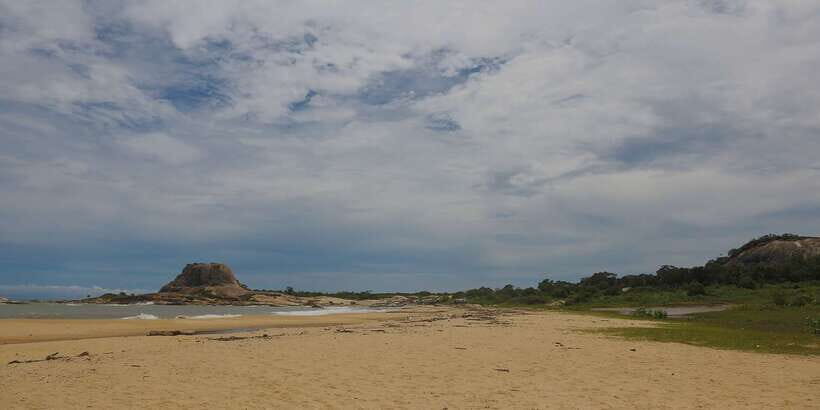
Yala isn’t one small enclosure where you walk around and hope. It’s a vast park area in the Ruhunu Yala stretch, next to the Indian Ocean. That matters because animals move. When you have limited time, you want a team that gets you into the right areas and keeps you searching instead of wasting daylight.
Also, you’re not traveling alone in a fog of uncertainty. The tour includes a professional driver/guide and an English live guide, which helps you understand what you’re seeing and why the driver is making turns and stopping when he does. In a park like this, “just looking” isn’t the same as figuring out what’s going on.
Other Yala safari tours we've reviewed in Hambantota
The 4×4 Safari Game: Patience Pays, and Close-Up Is Not Promised
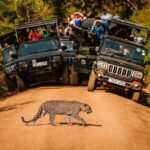
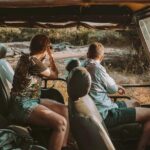
Let’s talk about how safari sightings really work. You’re in a 4×4 on dirt tracks with other vehicles. When wildlife shows up, your driver may slow down, stop, and position the jeep for the best view possible. That’s the goal. But it also means you might not get the closest angle every time, especially if multiple vehicles arrive at once.
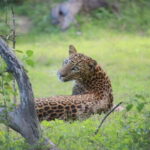
That happened for one family on a previous run: they were thrilled to see animals but couldn’t get close enough to really see a leopard clearly because there were other jeeps in front. So if “close-up leopard photos” are your main goal, keep your expectations flexible. In Yala, you often get the sighting first, then the view depends on traffic and timing.
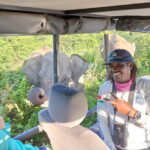
The flipside is that a good driver can still make the difference. In at least one case, a guide named Mattu was praised for spotting animals. When you’re scanning grass, scrub, and shade, those extra seconds matter. The more your driver reads tracks and movement, the more likely you get those fast, fleeting moments that make safaris feel real.
One practical note from experience: check that you can wear a seatbelt properly. A past passenger asked for clearer seatbelt use, so it’s worth doing a quick check before the jeep rolls out.
Entering Ruhunu Yala: What the Park’s Size Means for Your Day
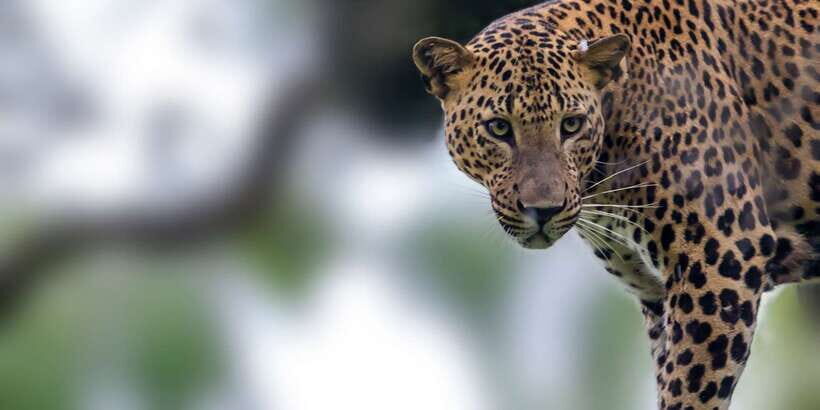
This safari is aimed at Ruhunu Yala National Park, part of Yala’s larger protected area of 126,786 hectares. Big numbers like that aren’t just trivia. They explain why your day feels like a moving search rather than a “see everything in one loop” plan.
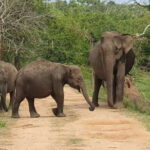
Yala is famous for big herds—especially elephants—and that alone can shape your route. If you’re chasing the highest chance of leopard and bear sightings, you need to cover ground and also be ready to slow down when something appears. A jeep safari is built for that rhythm: drive, scan, stop, reassess.
You’ll also be in a park that’s influenced by the Indian Ocean, which helps create a long list of habitat types—open areas, scrub, and greener patches where birds and mammals concentrate. Your driver isn’t just driving through scenery; he’s positioning you where animals are likely to be active.
And since Yala is home to over 250 varieties of animals and birds, you’re not only “looking for big cats.” You’ll likely spot multiple species in a single session, especially birds that react quickly when vehicles pass.
Animals to Expect (and What to Watch For When You See Them)
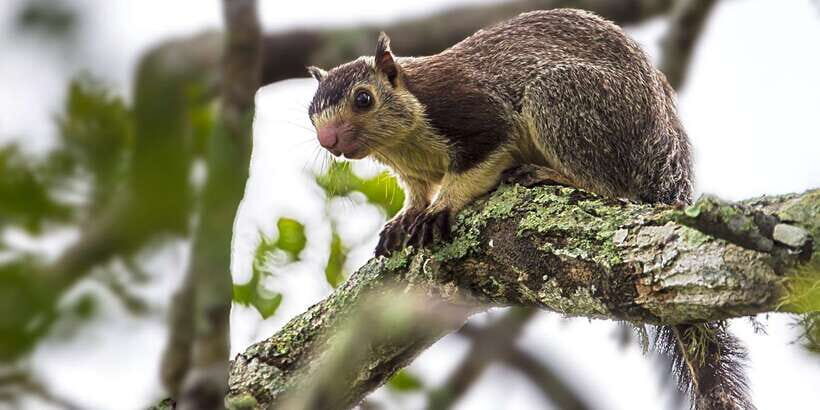
Here’s the lineup I’d plan around for this Yala jeep safari. Some sightings are more common than others, but the park is known for all of these categories:
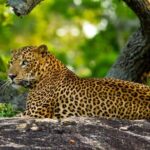
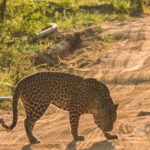
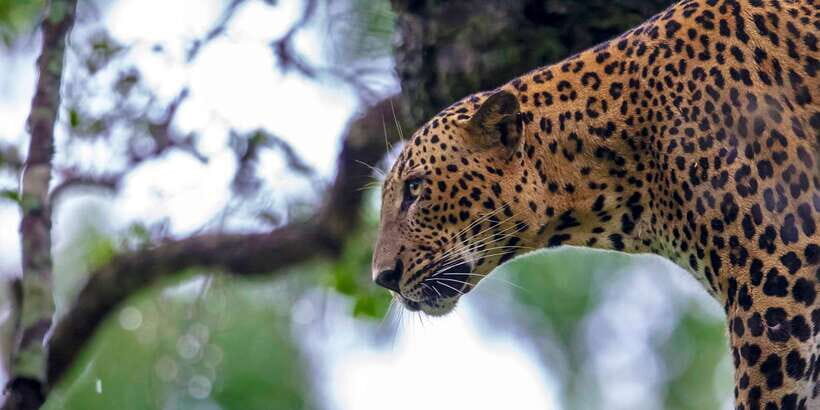
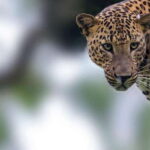
- Leopards: This safari is specifically marketed around the chance to see leopards in the wild. Yala is considered a place with a high concentration of leopards, so it’s one of the better spots in Sri Lanka to try.
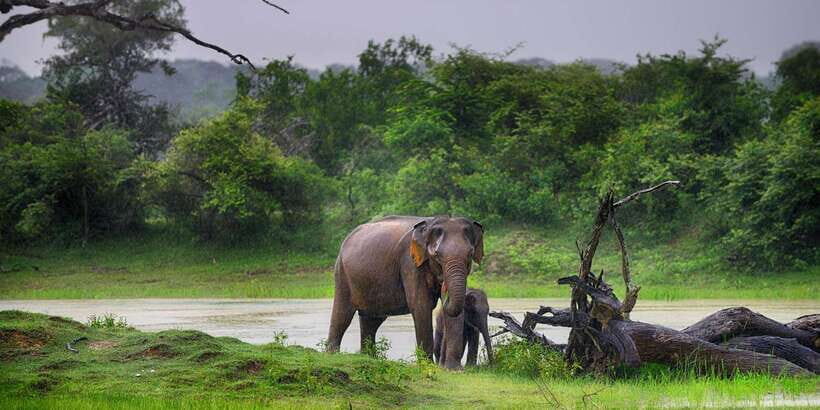
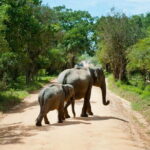
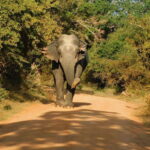
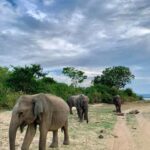
- Elephants: Big herds are part of Yala’s reputation. Even when leopards don’t show, elephants often make the day worth it.
- Sloth bears: This is another focus species for the safari search.
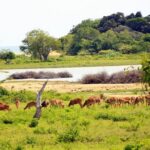
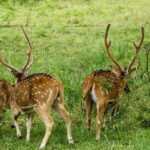
- Spotted deer and sambhur: Smaller hoofed animals can be a signpost for predators.
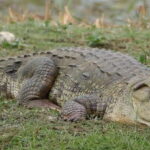
- Crocodiles and wild buffalo: Water edges and open areas can bring reptiles and large herbivores into view.
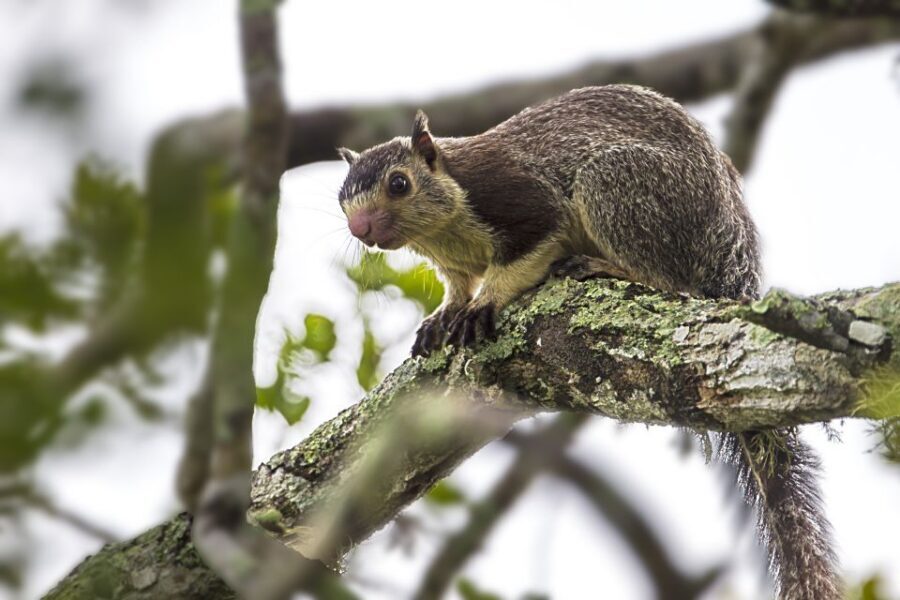
- Mongoose, wild boar, and other mammals: These pop up as you scan and move.
What you can do, practically, is watch for patterns. If you see elephants or deer moving along the same corridor more than once, predators may be nearby. If you spot birds reacting intensely in one direction, your driver may want to investigate. This is why a guide helps: he’s not only spotting animals; he’s also linking what you see to animal behavior.
And even when you don’t get the exact big-cat moment you hoped for, Yala can still deliver. One prior safari included lots of elephants and crocodiles, and the family enjoyed it even without leopard sightings. That’s a realistic reminder: in wildlife parks, the value can still come from the variety and the moments you didn’t plan for.
Birdwatching Along the Coast: More Than Mammals on This Day
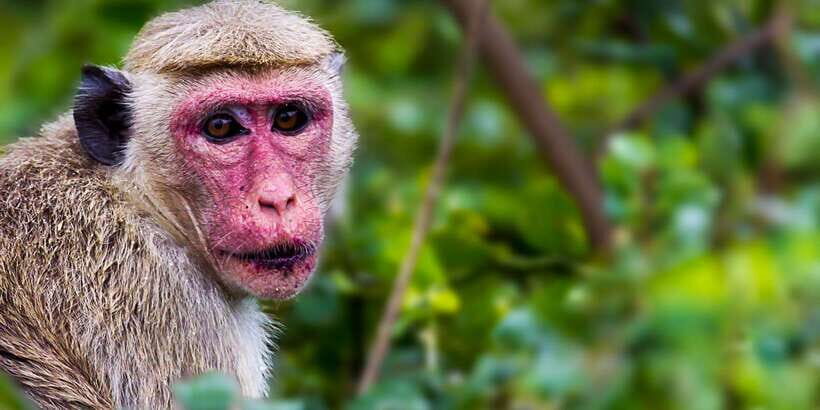
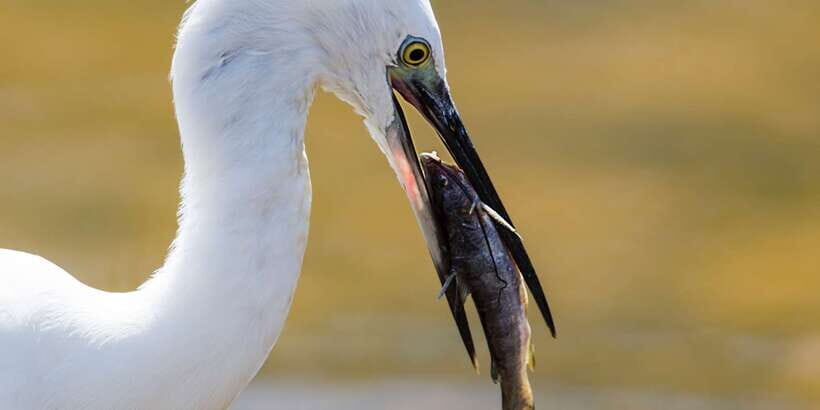
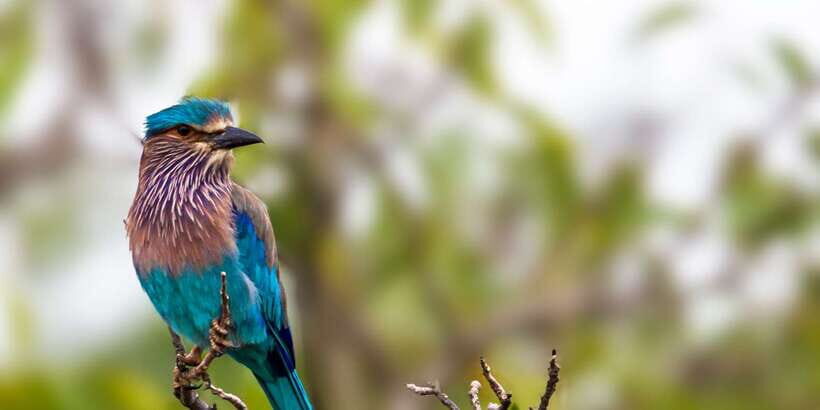
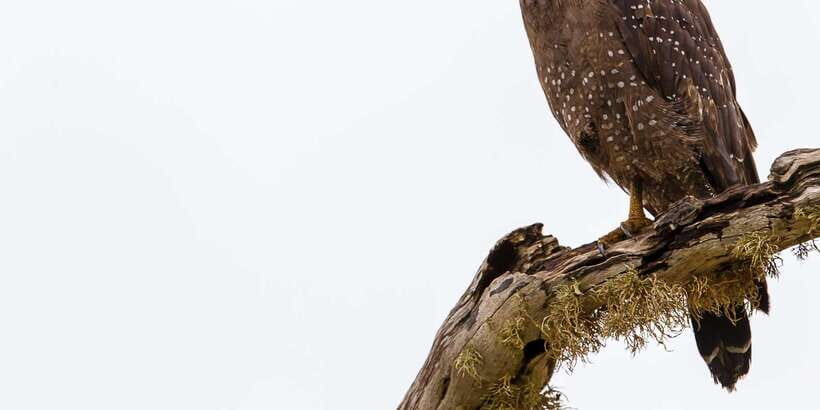
Yes, this is a wildlife safari, and yes, leopards and elephants steal attention. But the bird factor is real here. Yala has more than 130 bird species recorded, including residents and winter visitors.
That means you can get a lot out of slower scanning, even when large mammals are quiet. Birds often move sooner than bigger animals and can signal where activity is building. If you care about birdlife, this kind of safari is fun because you don’t need perfect timing to enjoy something.
You’ll also be watching in a park environment with lots of niches. With the Indian Ocean nearby, birds can be active in ways that feel different from inland parks. Even if your main goal is mammals, birds keep your eyes busy and your day from feeling empty during the in-between stretches.
Other wildlife safari tours we've reviewed in Hambantota
Your 5-Hour Flow: Pickup, Safari Time, and the One Stop You Might Need
This is a 5-hour experience, designed for a half-day block. The exact minutes can vary depending on traffic and where your group starts, but the structure stays consistent:
1) You’ll be picked up from your accommodation in the Hambantota area or from Hambantota Port if you’re coming by cruise ship.
2) You’ll head out to Ruhunu Yala National Park in the 4×4 jeep.
3) You’ll spend your safari time scanning, stopping, and searching for wildlife.
4) You’ll return for drop-off at your original starting point.
One practical wrinkle: if you’re coming from a cruise, pickup can feel chaotic at first. A past passenger described the ship pickup as chaotic but sorted in the end. My advice is to treat the first few minutes like a logistics phase. Confirm you’re in the right place with the right vehicle, and don’t assume the smoothness will kick in instantly.
Another small but important detail: plan for a toilet break. A previous guest needed to request a stop for a bio pause later in the day. That suggests pauses may not always line up with what you personally need, so if you have a sensitive schedule, speak up when you feel it coming.
Money and Small Print: The Entry Fee You Must Budget
The headline price is $48 per person, and it includes a lot of what you’d otherwise pay for separately: Hambantota Port pickup/drop, hotel pickup/drop within the Hambantota area, the safari jeep, and a professional driver/guide. The tour is also in English.
But the big money item—Yala entry—is not included. You’ll need to budget an entrance and service fee of about Sri Lankan Rupees 13,000 (roughly $40–$43 per person, depending on the rate shown). Food and drinks aren’t included either.
So how do you decide if this is good value? Here’s the simple math:
- If you add the Yala fee, you’re often closer to around $88–$91 total per person (tour price plus park entry).
- For that, you’re getting a guided 4×4 safari in a park with a strong reputation for elephants, leopards, and sloth bears, plus a half-day schedule that works for short stays.
In other words, the tour price alone looks cheap, but the full experience cost is the tour plus the entry fee. If you’re already planning to visit Yala, this combo can still feel efficient because the transport and jeep safari are handled for you. If you’re on a tight budget and would rather spend your money only once, make sure you’re comparing the all-in total.
What the Guide Actually Adds to Your Wildlife Safari
Wildlife safaris live or die on spotting and positioning. That’s where a good driver-guide earns their keep. In this experience, you’re not just riding. You’re searching with someone who navigates the park roads and interprets animal behavior.
One guide named Mattu was specifically praised for spotting animals. Even if you don’t get the same guide, the takeaway is clear: ask for (and expect) active guidance, not passive sightseeing. When the driver stops quickly and then scans with purpose, that’s usually when the best chances show up.
You’ll also get context about how animals live in the habitat and the work done to preserve it. You don’t need a long lecture for this to matter. In a safari setting, understanding basics like animal movement patterns, feeding areas, and why certain spots get attention helps you see more and feel less like you’re waiting for a miracle.
Best for Families, Cruise Days, and Real Wildlife Lovers
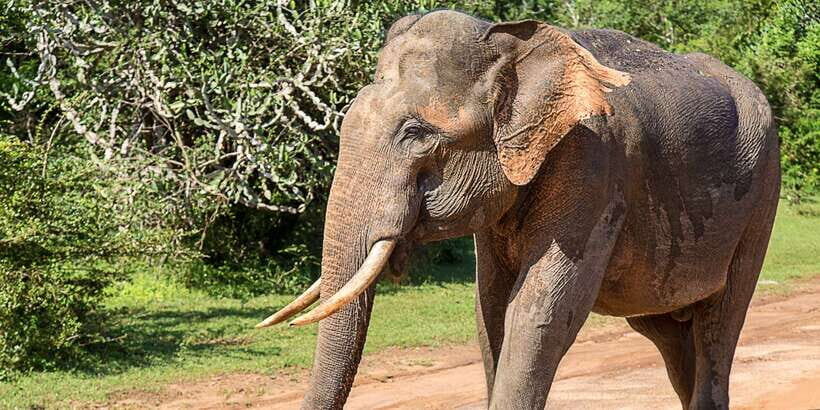
This safari fits best if you’re the kind of person who likes your travel with a bit of uncertainty—because wildlife doesn’t show up on a calendar. If your priority is a real chance at leopards and a strong shot at seeing elephants, you’re in the right place.
It’s also a nice option for families who want a focused experience. One previous group included a family and still felt happy with the results, even when leopard proximity didn’t happen.
For cruise passengers, the Hambantota Port pickup is a big practical plus. It turns “we dock in the afternoon” into something you can actually use, instead of spending the day figuring out a private transfer.
That said, if you want guaranteed leopard close-ups with no waiting and no jeep traffic, you may feel frustrated. Yala can deliver, but you’re never in full control of what you’ll see.
Should You Book This Yala 4×4 Safari?
Yes, I’d book it if you want a well-timed wildlife safari from the Hambantota area with a guided 4×4 and a real focus on big mammals like elephants and leopards. The half-day format is ideal when you’re short on time, and the park’s reputation for leopard and bear sightings makes it worth the effort.
I’d also book it if you’re okay with the reality that sightings can vary and other jeeps can affect how close you get. Plan on elephants and other animals as your baseline, and treat leopard as the bonus prize.
Don’t ignore the money details. This is not a “$48 and done” day. You’ll pay Yala entrance and service fees on top of the tour price, plus food and drinks are on you. If you budget for that all-in total up front, you’ll feel way calmer on the day—and enjoy the safari more.
FAQ
FAQ
Where does pickup happen for this Yala safari?
Pickup is available from your accommodation in the Hambantota area and also from Hambantota Port for cruise ship passengers.
How long is the safari experience?
The duration is 5 hours.
What’s the main price, and what’s included in that price?
The tour price is $48 per person, and it includes Hambantota Port pickup/drop, hotel pickup/drop-off from Hambantota area hotels, the safari by jeep, and a professional driver/guide.
Are Yala National Park entrance fees included?
No. Entrance fees to Yala National Park are not included. The fee is listed as Sri Lankan Rupees 13,000 per person (about $40–$43).
Is food or drinks included?
No. Food and drinks are not included.
What wildlife can you look for during the safari?
You can look for leopards, elephants, sloth bears, spotted deer, sambhur, crocodiles, mongoose, wild boar, and wild buffalo, along with different species of birds.
Are leopards guaranteed?
Leopard sightings are part of the search, but the activity is not described as a guaranteed leopard encounter.
What language is the guide?
The tour includes a live tour guide in English.
What are your cancellation and payment options?
It offers free cancellation up to 24 hours in advance for a full refund, and it also offers reserve now & pay later (keep your travel plans flexible).