REVIEW · KANDY
Flavours of Sri Lanka
Book on Viator →Operated by Flavours of Sri Lanka · Bookable on Viator
Sri Lankan cooking starts with real ingredients. I like the hands-on flow with Chitra, and you’ll learn the homemade curry powder approach that shapes the whole meal. You also get to dine on what you make, which turns this into an evening hangout, not a quick demo.
The format is built for personal attention: a small group (max 8) and lots of step-by-step involvement. One consideration is timing: it starts at 3:30 pm and runs about 3 hours, so plan your evening accordingly, especially if you’re already booked elsewhere in Kandy.
In This Review
- Key highlights worth your time
- A 3:30 pm cooking class in Kandy at Glory Homestay
- Start in the home garden: choosing herbs and vegetables
- Curry powder fundamentals: the traditional spice method
- Coconut milk the real way: cracking and extracting
- Clay pots, 5 curries, and a meal you actually finish
- Dietary options without feeling like a compromise
- The best part: dinner with Chitra and your fellow cooks
- Price and value: what $25 buys you in Kandy
- Who should book this cooking class, and who might not
- Practical tips to get the most out of the class
- Should you book Flavours of Sri Lanka in Kandy?
- FAQ
- Where is the meeting point for the class?
- What time does the cooking class start?
- How long is the experience?
- Is there a limit on group size?
- Can I do this class if I’m vegan or gluten-free?
- Is alcohol included in the price?
- Is free cancellation available?
Key highlights worth your time
- Pick fresh ingredients from Chitra’s home garden before cooking
- Learn curry powder the traditional way, with all the ingredients and spices
- Extract coconut milk after cracking coconuts, right in class
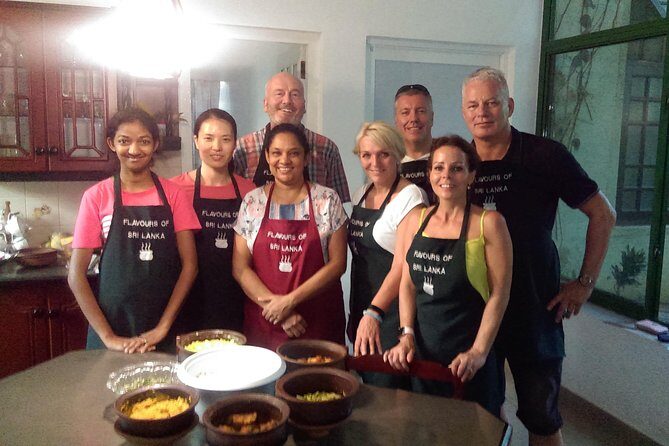
- Cook rice with 5 curries in clay pots using homemade curry powder
- Diet-friendly recipes with vegan and gluten-free options available
- Dine together at the end, with conversation on life in Sri Lanka
A 3:30 pm cooking class in Kandy at Glory Homestay
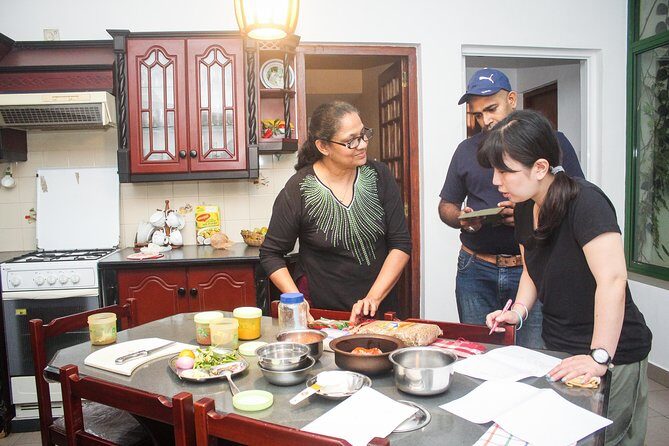
This is a mobile-ticket, small-group cooking class in Kandy, scheduled to start at 3:30 pm and last about 3 hours. The meeting point is Glory Homestay, 46 Meda Bowala Rd, Kandy 20000. The activity ends back at the meeting point, so you’re not stuck figuring out transport after you’ve cooked and eaten.
What I like about this kind of set-up in Kandy is how clearly it fits into a day. Late afternoon is a sweet spot: you’ve got enough daylight to move around town, and you’ll still be hungry enough to enjoy dinner at the end.
And yes, this is a class, not just a meal. The experience leans on active prep work—picking ingredients, measuring and cooking, and learning the curry-building process—so you’ll get more than a full stomach.
If you're still narrowing it down, here are other tours in Kandy we've reviewed.

Start in the home garden: choosing herbs and vegetables
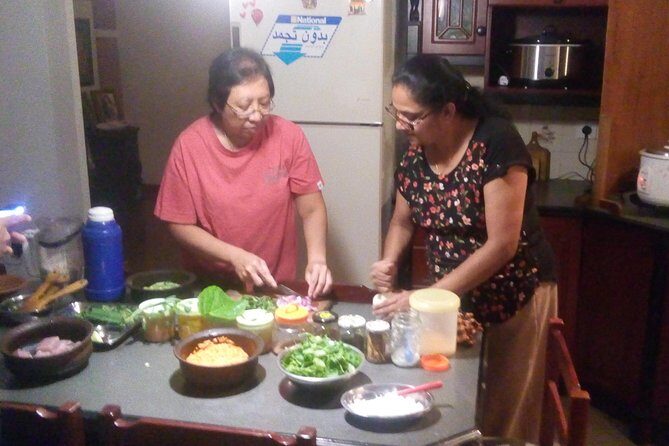
The day begins at Chitra’s home garden, where you can pick fresh vegetables, herbs, and other ingredients that will go into your dishes. This is one of those details that quietly changes the whole feel of the class. Instead of arriving and only hearing about ingredients, you start by selecting them yourself.
Practically, it also helps you understand Sri Lankan flavors. When you choose herbs and vegetables firsthand, you start to notice how different plants behave in curries—how some taste brighter, while others soften and thicken when cooked with spices.
If you’re the type who loves to ask questions, this first step is a good moment. You’ll be able to connect the ingredients you grabbed with the curry powder and spice methods you’ll learn next. That makes the later cooking steps easier to follow.
Curry powder fundamentals: the traditional spice method
After the garden picking, Chitra leads an introduction to curries, including the ingredients and spices you’ll be using. The key focus here is the traditional way of preparing curry powder—the kind of foundational skill that explains why Sri Lankan curry tastes like Sri Lankan curry.
You’ll learn how all the curry elements connect: spices, layering, and the way curry powder becomes the base flavor for multiple dishes. Chitra also shares cooking tips you likely won’t find in casual cooking videos or restaurant explanations.
This is a big deal for value. Many food tours give you a finished dish and a story. This class tries to give you a working model. Even if you never cook Sri Lankan food at home, you’ll leave understanding how curry flavor is built, not just what it tastes like.
Coconut milk the real way: cracking and extracting
Next comes one of the most “hands-on” parts of the class: you’ll crack coconuts, scrape the coconut, and extract coconut milk. Coconut milk is central in Sri Lankan cuisine, and making it yourself helps you appreciate why it matters.
There’s a difference between coconut milk that arrives in a carton and coconut milk made from scratch. When you extract it, you see the texture and you learn how it behaves as a cooking ingredient. That understanding pays off later when you’re building curries where coconut milk balances heat and spice.
Also, this stage tends to keep energy high. It’s active work, and it breaks up the cooking routine so the class doesn’t feel like one long line of chopping.
Clay pots, 5 curries, and a meal you actually finish
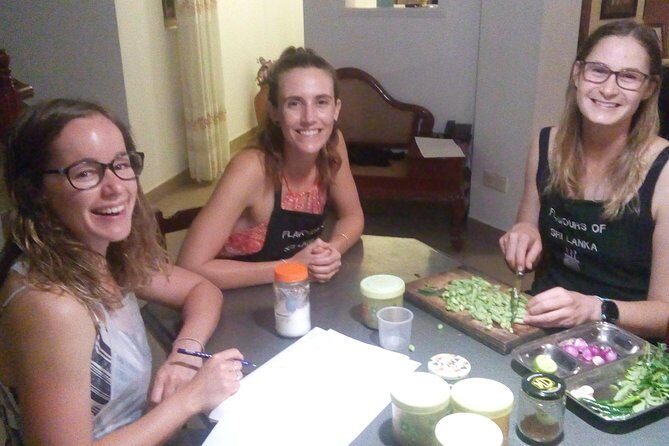
You’ll cook a typical Sri Lankan meal: rice with 5 curries, according to your dietary preference. The curries are cooked in traditional clay pots, and they use homemade curry powder. That combination is doing a lot of work.
Clay pots are known for gradual heat and steady cooking. You don’t have to know the science to feel it in the process: clay-pot cooking is slower and gentler, which can help flavors meld. In a curry class, that matters because you’re tasting and adjusting as you go.
What you’ll make can vary based on what your class focuses on, but the overall range is Sri Lankan comfort food. The class description highlights dishes such as lentils and jackfruit curry, so you can expect both vegetarian-friendly staples and classic curry types.
And because it’s your meal, not a tasting flight, you’ll end up sitting down and eating what you cooked. That final step turns skill-building into satisfaction.




Dietary options without feeling like a compromise
One of the strongest practical wins here is that recipe options are available for vegan and gluten-free diets. The class says you can cook the typical meal according to your dietary preference.
That matters more than it sounds. Gluten-free and vegan travel can turn every food experience into a guessing game. Here, the class is designed to tailor the meal, not just offer you a sad side dish. If you’ve struggled with “diet-friendly” labels that don’t match reality, this format is reassuring.
The best part: dinner with Chitra and your fellow cooks
Once the cooking is done, you’ll enjoy the meal you made while over great conversation on history, culture, and life style of Sri Lankan people. This is where the experience shifts from cooking skills to cultural context.
A lot of cooking classes stop at food. This one makes room for the why behind the dishes—how people live, how meals fit into daily rhythm, and how Sri Lankan cuisine connects to identity. If you enjoy talking to locals, this is the part you’ll remember longest.
The class is also priced as a group dinner experience with education attached. That’s a smart combination for value in a city where dining options are everywhere, but guided cooking learning can be harder to book well.
Price and value: what $25 buys you in Kandy
The price is $25.00 per person for about 3 hours, and dinner is included. You also get all necessary kitchen equipment, plus unlimited spring water that’s boiled and filtered.
Let’s break down why this feels like good value:
- You eat what you cook. It’s not just a taste.
- Instruction is hands-on. You’re not watching someone else cook.
- Diet options are part of the plan. Vegan and gluten-free recipes are available.
- Small group size (up to 8) helps you stay involved and get attention.
What’s not included is alcohol. That’s normal for many cooking classes, but it’s still worth knowing so you don’t assume drinks are part of the price.
For me, the best value sign is that you’re paying for a full experience: garden input, spice education, cooking skill, and a sit-down meal with conversation. At this price point, it’s more about “learn and enjoy” than “buy a ticket to eat.”
Who should book this cooking class, and who might not
This class fits best if you want practical cooking knowledge and you enjoy working at the stove. It’s also a strong choice if you travel with dietary needs and don’t want to spend your meal time negotiating.
You’ll probably love it if:
- You like learning spice foundations like curry powder
- You enjoy hands-on activities more than passive sightseeing
- You want dinner in a more personal setting than a standard restaurant table
- You appreciate small-group attention (max 8)
You might want to reconsider if:
- You prefer shorter, less active experiences and tight pacing
- You’re already locked into a schedule that doesn’t leave room for a 3-hour block starting at 3:30 pm
- You’re looking for alcohol-inclusive evening entertainment (alcohol isn’t included)
Practical tips to get the most out of the class
Since you’ll pick ingredients, crack coconuts, and cook in clay pots, dress for comfort and mess. I’d plan on being in an active, kitchen-adjacent role for the whole time.
A good mindset: don’t try to rush. Curry powder and curry building take time, and the class is designed around that learning curve. If you ask questions as you go—especially during the curry powder and ingredient explanation—you’ll leave with clearer ideas for how to replicate flavors later.
And since dinner is included, skip the big snack that kills your appetite. You’ll want to taste and enjoy the meal you helped cook.
Should you book Flavours of Sri Lanka in Kandy?
If your goal is an authentic, hands-on food experience with real teaching and a meal you finish, I think this class is a strong yes. The best reason to book is simple: you’re not only learning Sri Lankan cooking, you’re also eating it right there with Chitra and a small group.
The most important decision point is your schedule. Starting at 3:30 pm and lasting about 3 hours means you should plan your evening with a little breathing room. If you can do that, this is one of the easiest ways to turn Kandy into more than a photo stop.
FAQ
Where is the meeting point for the class?
The class meets at Glory Homestay, 46 Meda Bowala Rd, Kandy 20000, Sri Lanka.
What time does the cooking class start?
It starts at 3:30 pm.
How long is the experience?
The duration is approximately 3 hours.
Is there a limit on group size?
Yes. The class has a maximum of 8 travelers.
Can I do this class if I’m vegan or gluten-free?
Yes. Recipe options for vegan and gluten-free diets are available, and meals are provided according to your dietary preference.
Is alcohol included in the price?
No. Alcoholic beverages are not included.
Is free cancellation available?
Yes. You can cancel for a full refund up to 24 hours in advance of the experience’s start time, based on local time.