REVIEW · ANURADHAPURA
Elephant Kingdom Safari – Minneriya National Park
Book on GetYourGuide →Operated by Shan Jeep Safari & Tour · Bookable on GetYourGuide
Elephants do the talking at Minneriya. This 3.5-hour Elephant Kingdom Safari focuses on getting you close to the action around Minneriya Tank, where big gatherings can happen, especially in the dry season. You ride in a private, well-equipped jeep and work with an English-speaking tracker who helps you read the landscape and spot animals fast.
Two things I really like: the private 4×4 makes a huge difference for comfort and photo angles, and the wildlife commentary gives you more than just a list of animals. One drawback to plan for: the tour price usually doesn’t include national park entrance fees, so your final cost may be a bit higher once you add that in.
In This Review
- Key points before you go
- Elephant Kingdom Safari at Minneriya: what you’re really paying for
- Getting there from Sigiriya, Dambulla, Habarana: the 3.5-hour rhythm
- The Minneriya Tank setting: why this park works so well
- Elephant season timing: July to October and what it changes
- Private 4×4 jeep + English tracker: how spotting gets easier
- Wildlife beyond elephants: birds, deer, buffalo, and crocodiles
- Conservation and education: more than a photo stop
- Comfort, photos, and practical things that matter
- Price and value: is $22 per person fair?
- Who should book this safari, and who might not
- Should you book Elephant Kingdom Safari – Minneriya National Park?
- FAQ
- Where is Elephant Kingdom Safari – Minneriya National Park located?
- How long is the safari?
- What areas are pickup and drop-off from?
- Is this safari private?
- What language is the guide/tracker?
- What animals might you see?
- When are the big elephant gatherings most likely?
- What’s included in the price?
- Are national park entrance fees included?
- Can the plan change if elephants move?
Key points before you go
- Private jeep, not a cattle car: you get a more personal route and better opportunities to stop where the action is.
- Minneriya Tank is the center of the story: the old reservoir system shapes where elephants and other wildlife show up.
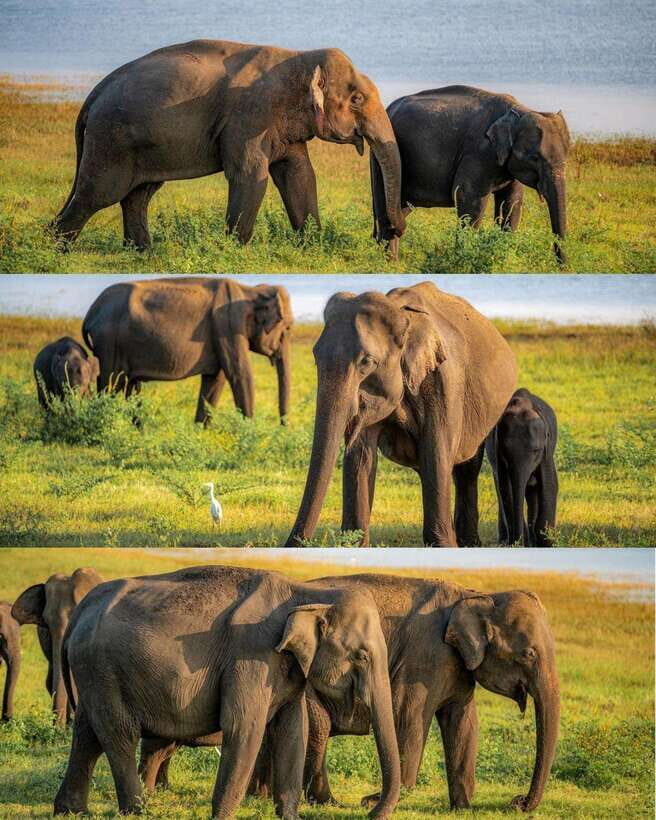
- Dry-season elephant gatherings (July–October): this is when hundreds can gather to drink, bathe, and interact.
- English-speaking tracker for spotting help: you’ll learn what you’re looking at and where to focus your eyes.
- Expect more than elephants: wildlife can include deer, buffalo, crocodiles, and over 160 bird species.
- You might switch parks if elephants move: on one day, the operator guided a change toward Kaudulla NP to chase the best sightings.
Elephant Kingdom Safari at Minneriya: what you’re really paying for
On paper, a safari sounds simple: drive in, spot animals, drive out. In real life, the difference is how you see animals. This is why I like this “Elephant Kingdom Safari” format. You’re not just paying for a car ride. You’re paying for time in the right area with the right kind of eyes.
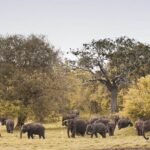
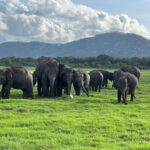
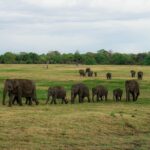
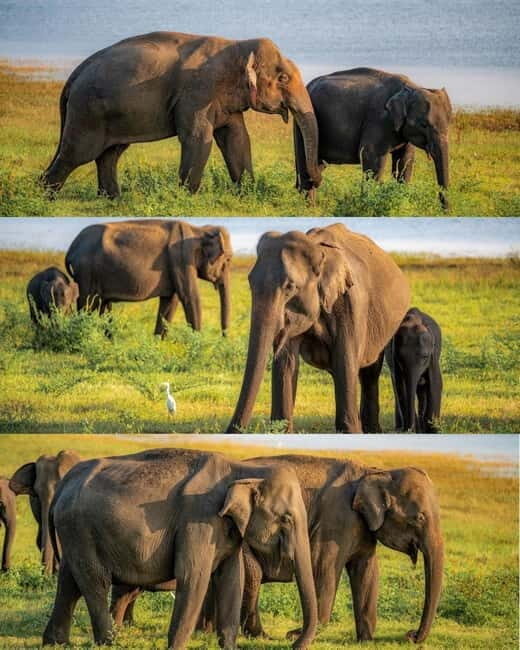
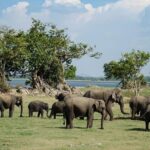
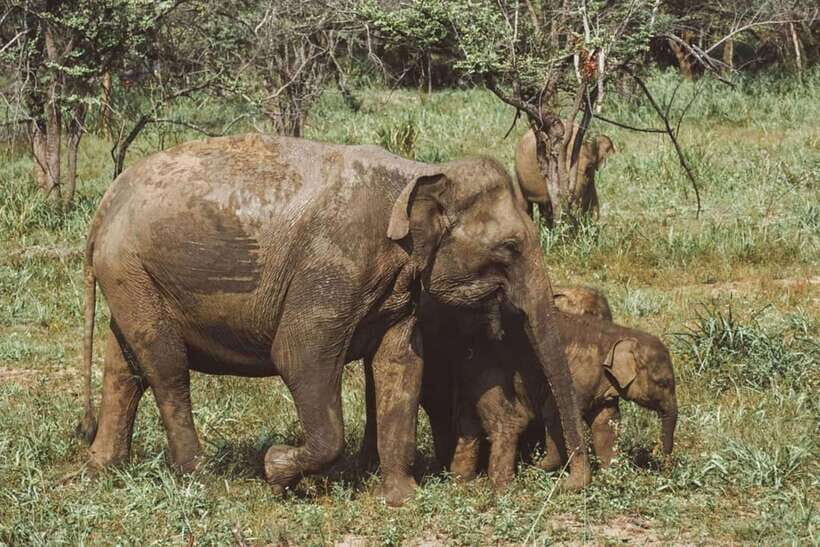
Minneriya National Park is famous for Asian elephants, especially around Minneriya Tank. When the elephants gather, it’s not a quick cameo. It’s a long, living scene—drinking, bathe-splashes, dust rituals, and social behavior you can only really appreciate when you have a knowledgeable guide managing your viewing positions.
At about $22 per person with pickup included from the Sigiriya/Dambulla/Habarana area, the value comes from stacking practical items together: transport both ways, a private jeep, a tracker, permits/taxes coverage, and bottled water. Entrance fees are the one common add-on you’ll still need to budget for.
Other Minneriya safari tours we've reviewed in Anuradhapura
Getting there from Sigiriya, Dambulla, Habarana: the 3.5-hour rhythm
This tour is built for travelers who want a safari without burning half the day. Pickup typically starts from Sigiriya, Dambulla, Habarana, and nearby areas, and the whole experience is listed at 3.5 hours.
That timing matters for two reasons:
First, it keeps the outing focused. You’re not stretching your day so much that you’re exhausted before the best sightings happen. Second, it often aligns well with the times elephants are active and the park is comfortable to drive—especially during the drier months when conditions around the tank concentrate wildlife.
You’ll usually transfer to the park entrance, then move into the park in your private jeep. The drive itself is part of the experience, too. Getting the rhythm right—arriving, spotting, repositioning—often determines how many animals you actually see rather than how long you sit looking at one distant spot.
The Minneriya Tank setting: why this park works so well
Minneriya National Park is centered on a landmark that’s older than modern tourism: Minneriya Tank, an ancient reservoir dating back to the 3rd century AD. That detail isn’t just trivia. It explains why the area stays attractive to animals across seasons.
Water and water-adjacent habitat pull wildlife together. Around the tank you can find open grasslands, evergreen forests, and wetlands. That mix gives your guide more than one “lane” to search. If the elephants are slightly shifted on a given day, wildlife might still be present in the next area—something your tracker can try to solve quickly.
You’ll also likely get a feel for how different animals use different cover:
- elephants use open spaces to move and feed, but also shelter where needed
- birds tend to show up constantly, even when you’re focused on bigger mammals
- other mammals may be easier to spot in edges and clearings rather than the middle of a field
Elephant season timing: July to October and what it changes
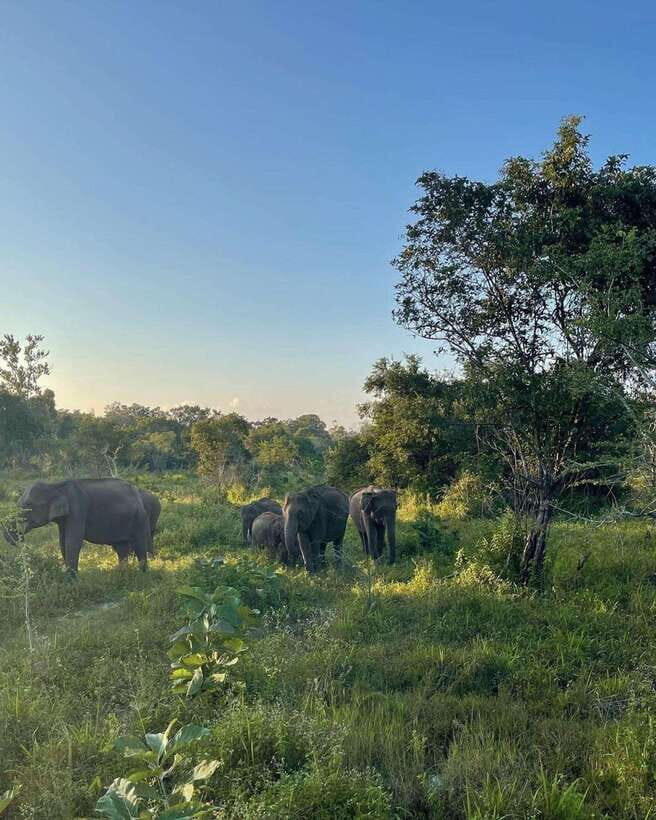
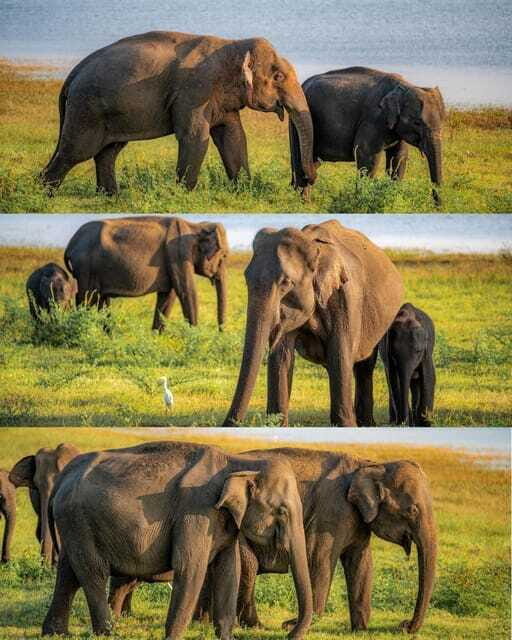
The big reason Minneriya is famous is the dry season gathering, typically July to October. During this window, the natural spectacle happens when hundreds of elephants gather near the reservoir to drink, bathe, and interact.
What this means for you is simple: you’re more likely to get the kind of close, memorable elephant moments that people travel for. It also means the park’s “tempo” changes. When elephant numbers are high, your guide will spend more time positioning for viewing, and less time roaming far looking for signs.
If you’re traveling outside the dry season, you still can see elephants—you just may not see the same massive cluster. That’s where a good tracker earns their fee. They can read where elephants have moved to find water and shade, and they can shift your viewpoint to match the animals’ behavior.
Private 4×4 jeep + English tracker: how spotting gets easier
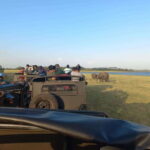
The private jeep setup is one of the smartest choices you can make in a safari. With a shared vehicle, you often follow the same crowd pattern. With a private safari, you can do the practical things that improve your odds:
- Stop when activity is happening, not just when you arrive
- Reposition for sightlines and photography
- Adjust the pace so you’re not missing brief behavior (like a herd moving, or birds suddenly lifting)
Your guide/tracker is English-speaking and focuses on wildlife spotting and commentary. That commentary is what turns a good sighting into a great one—because you’ll learn to spot “signals” instead of guessing.
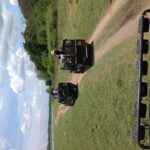
You might also notice a comfort and visibility perk: in at least one instance with this kind of safari setup, the jeep roof can be opened inside the park, which helps with angles for elephants and birds. Even if you’re not a serious photographer, better viewing above the dashboard level is still a win.
The reviews also highlight how guides work hard to find elephants and keep viewpoints favorable. That’s exactly what you want: someone active, not someone who just drives until time runs out.
A few more Anuradhapura tours and experiences worth a look
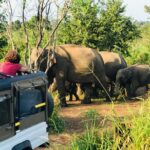
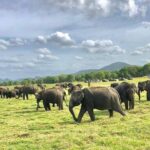
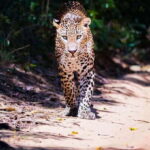
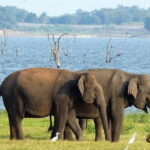
Wildlife beyond elephants: birds, deer, buffalo, and crocodiles
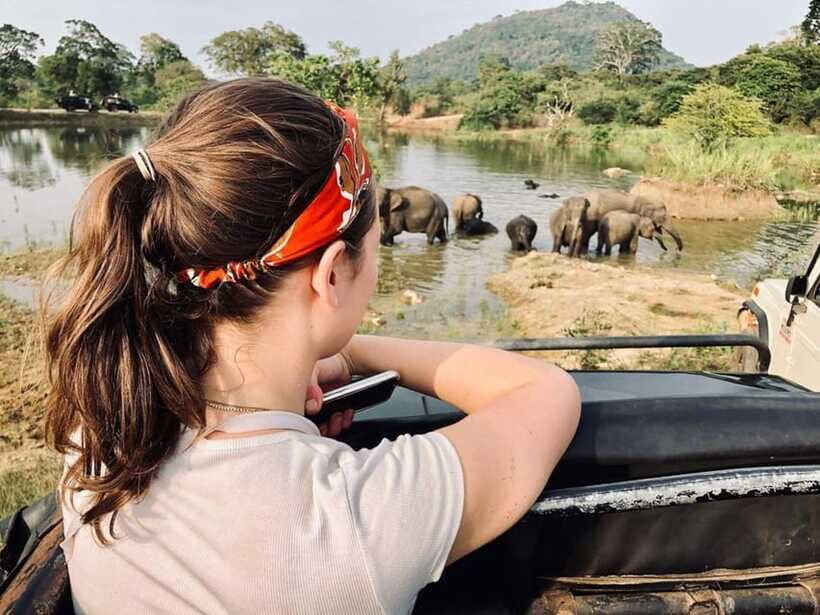
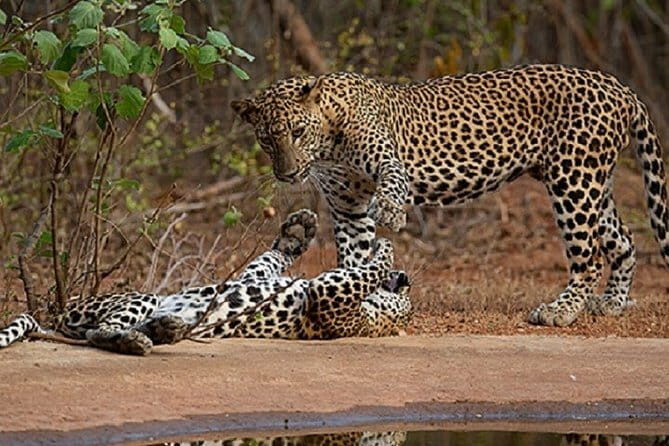
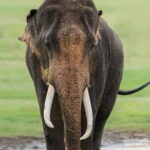
Even if elephants are the headline act, Minneriya can surprise you with a full supporting cast. The park is described as having over 160 species of birds, so your guide can keep scanning even when the main herd isn’t immediately in view.
From what the experience notes, you may encounter:
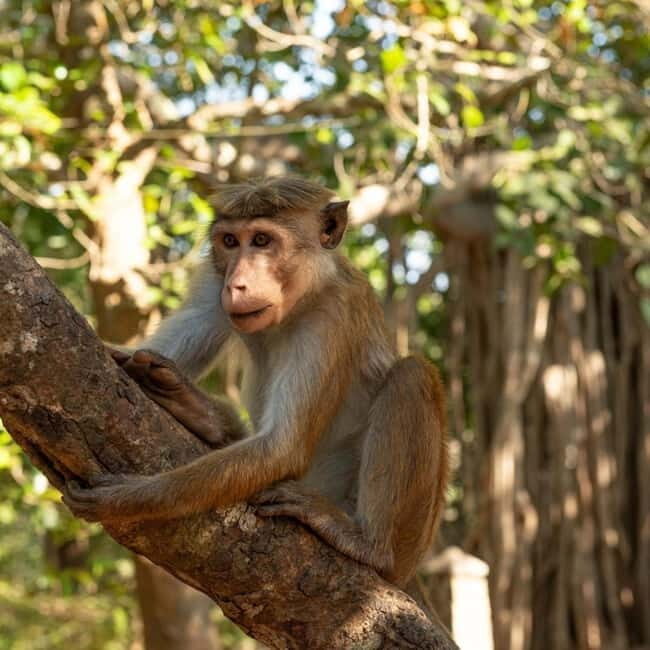
- toque macaques
- spotted deer
- sambar
- wild buffalo
- crocodiles
- and a lot of birdlife
One practical tip: don’t lock your eyes only on the herd you first spot. Elephants move, and when they move, you’ll learn faster if you keep scanning the edges and the bird activity zones around them. Your tracker’s job is to help you do that without losing the elephants entirely.
This is where the private format pays off again. When something small and interesting pops up—monkeys, deer, or a bird perched where you can actually see it—you can usually take a second to look, instead of feeling forced to rush onward.
Conservation and education: more than a photo stop
This safari includes conservation and education as a stated focus. That doesn’t mean you’ll get a classroom lecture. It usually shows up as the guide explaining behavior and habitat—why elephants gather near water, how the park environment supports different species, and how spotting ties into protecting these animals.
For you, the value is simple: you’ll understand what you’re seeing rather than just collecting pictures. And understanding changes your experience. When you know what a herd is doing—moving to drink, settling, interacting—you can spot the “why” behind the behavior.
That also helps reduce frustration. If you don’t see elephants instantly, you’re less likely to think the safari is failing, because the guide can explain what conditions usually influence sightings in that area and how they search for the best viewing.
Comfort, photos, and practical things that matter
This is a “luxury safari” style offering, and you’ll feel that in the small, practical details:
- bottled drinking water is included
- the jeep is described as well-equipped with excellent visibility for photography
- you’re in a private vehicle with a tracker, not squeezed into a larger group
- there’s pickup and drop-off back to your accommodation after the safari
The biggest practical comfort upgrade, though, is not luxury—it’s focus. With a private guide actively scanning, you’re not wasting energy looking in random directions. You can keep your attention on likely sighting zones and be ready when the tracker says to watch an area shift.
For photos, the combination of good viewing windows plus the potential for an opened roof inside the park (when used) can help a lot. Elephants aren’t always at eye level. Better angles often mean sharper shots and fewer missed moments.
Price and value: is $22 per person fair?
At $22 per person, the first thing to know is what that number includes versus what it doesn’t. The tour includes:
- hotel pickup and drop-off (Sigiriya, Dambulla, Habarana & nearby)
- private luxury 4×4 safari jeep
- professional English-speaking guide/tracker
- government taxes and jeep permits
- bottled water
- wildlife spotting and commentary
- insurance coverage during the tour
What’s not included: national park entrance fees.
So the real “value math” is this: you’re paying for a private, guided safari experience with logistics handled, and you’re only left to add entrance fees. If you’re choosing between this and a cheaper setup that leaves you with less comfort, less guide attention, or more crowded viewing, the extra comfort and one-on-one style spotting support can make the difference between a decent outing and a memorable one.
Also, because the safari is only 3.5 hours, you’re getting an efficient return on time. You don’t have to commit to a full-day plan just to get elephant and wildlife viewing.
Who should book this safari, and who might not
This safari is a strong match if:
- you want a private jeep rather than a shared vehicle
- you like having a guide help you identify animals and understand behavior
- you’re staying around Sigiriya, Dambulla, or Habarana and want easy pickup
- you want a focused wildlife outing that still feels premium
It may be less ideal if:
- you’re only interested in seeing elephants at a very specific moment (like a guaranteed herd at the exact time you want)
- you dislike paying extra add-ons, since park entrance fees are not included
- you’re hoping for a long, stop-everything itinerary. This is a short safari loop, not a full-day circuit
One more real-world note: the experience can adapt to what the wildlife is doing. In one case, the operator messaged about elephants moving and recommended Kaudulla National Park instead. That kind of flexibility is often a good sign, because it suggests your guide is tracking where the action is, not just following a fixed script.
Should you book Elephant Kingdom Safari – Minneriya National Park?
I’d book it if you want the best odds of a satisfying Minneriya safari without extra hassle. The private jeep, the English-speaking tracker, and the focus on Minneriya Tank make the experience efficient and easier to enjoy—especially during July–October when elephant gatherings are most likely.
Skip it only if entrance fees are a deal-breaker for your budget or if you need a very long excursion with lots of additional stops. For most people using Sigiriya/Dambulla/Habarana as a base, this is a smart, time-friendly way to catch the real Minneriya magic.
FAQ
Where is Elephant Kingdom Safari – Minneriya National Park located?
It’s located in North Central Province, Sri Lanka, with the safari taking place at Minneriya National Park.
How long is the safari?
The duration is 3.5 hours.
What areas are pickup and drop-off from?
Pickup and drop-off are included from Sigiriya, Dambulla, Habarana, and nearby areas.
Is this safari private?
Yes. It includes a private luxury 4×4 safari jeep.
What language is the guide/tracker?
The guide/tracker is English-speaking.
What animals might you see?
You may see Asian elephants, plus other wildlife such as toque macaques, spotted deer, sambar, wild buffalo, crocodiles, and a wide range of birds (over 160 species).
When are the big elephant gatherings most likely?
The experience notes that the dry season, typically July to October, is when hundreds of elephants gather near the Minneriya Tank.
What’s included in the price?
Included items are hotel pickup and drop-off, private 4×4 jeep, professional English-speaking guide/tracker, government taxes and jeep permits, bottled water, wildlife spotting/commentary, and insurance coverage during the tour.
Are national park entrance fees included?
No. National park entrance fees are not included.
Can the plan change if elephants move?
On a day where elephants moved, the operator advised switching to Kaudulla National Park for better sightings.