REVIEW · KANDY
Cooking with Arun & Tamil Family
Book on GetYourGuide →Operated by Maverick WOW Ventures · Bookable on GetYourGuide
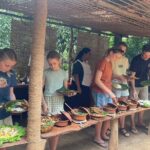
Spice meets family warmth. This 3-hour cooking lesson with Arun and his Tamil family is interesting because you’re learning Sri Lankan flavors in a real home-kitchen setting, with Arun guiding you in English and his mom’s know-how shaping the dishes. I like the small group size (limited to 10), which keeps things friendly and makes it easier to ask questions while you cook. I also love the fact you get a take-home recipe book in PDF form, so the class doesn’t evaporate the moment you leave. One consideration: if you’re sensitive to heat, tell them your spice comfort level up front, since the menu can range from spicy curries to milder options.
You’ll start with a welcome drink, cook together, and then sit down to dine in. The vibe is cozy, and it’s not just about food—good music is part of the experience, with guitars and a ukulele available, plus a little extra warmth from the family atmosphere and even their pet, Snowy.
In This Review
- Key things to know before you book
- Why this Sri Lankan cooking class feels like a real home moment
- The food: Sri Lankan flavors, Tamil style, and choices that fit you
- What happens during the 3 hours (and why that timing works)
- The cozy kitchen extras: music, Snowy, and good conversation
- Price and value: what $37 really covers
- Who should book this class in Central Province?
- Tips to get the most out of your Sri Lankan cooking lesson
- Should you book Cooking with Arun & Tamil Family?
Key things to know before you book
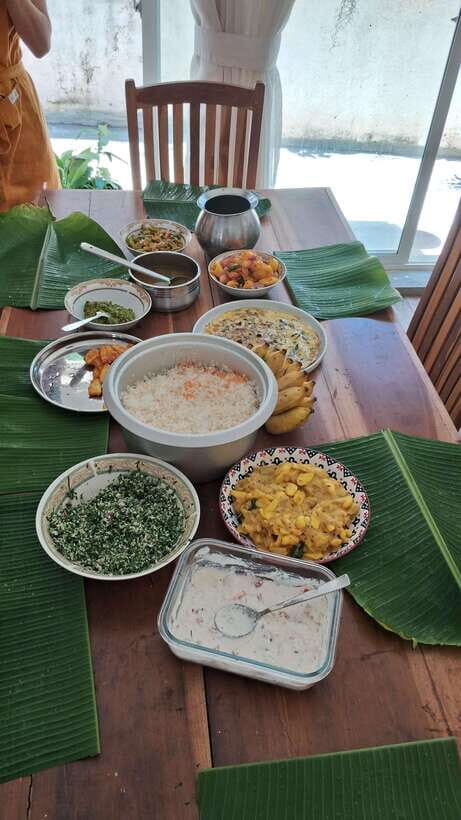
- Hands-on learning in a Tamil-style Sri Lankan kitchen with Arun and his family
- Small group (max 10) so you’re not lost in a crowd
- Menu adapts to preferences including vegetarian and vegan options if you request
- Music while you cook, with guitars and a ukulele ready
- Eat what you make, plus afternoon tea with authentic sweets
- Take home a PDF recipe book, and extra food can be taken or donated
Why this Sri Lankan cooking class feels like a real home moment
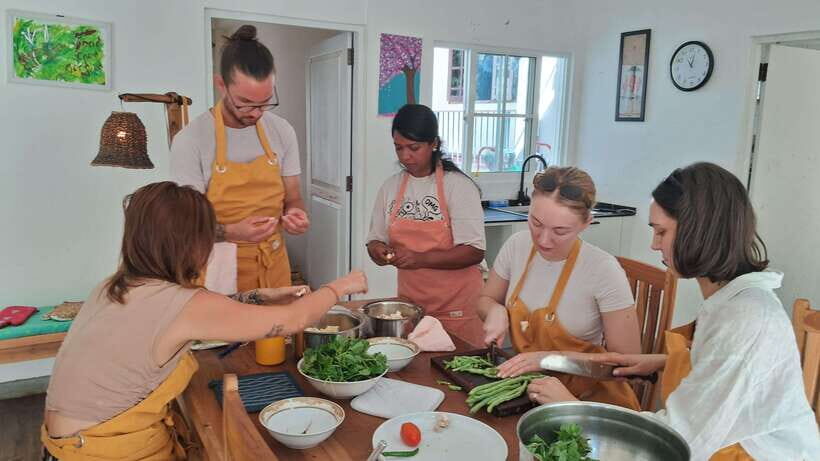
A lot of cooking tours promise authenticity. This one leans into it with something more practical: you’re hosted by a Tamil family in a cozy kitchen where hospitality isn’t staged. Arun brings the English-speaking connection, but it’s the family rhythm that makes the lesson feel natural—chatting, laughing, and learning as you go.
What I like most is how the experience is built for different comfort levels. You don’t need to be a confident home cook to join. The goal is to make you feel capable while you’re actually cooking, not just watching someone else do it. That matters if you’re on vacation and want something meaningful, but don’t want a complicated, high-pressure “class.”
You’ll also get more than just lunch. Afternoon tea with authentic sweets is included, which turns the day into an actual cultural snack break instead of a quick tasting and goodbye. And if you want a quieter pause after eating, there’s a rooftop chill-out area mentioned as part of the wider experience.
Other cooking classes in Kandy

The food: Sri Lankan flavors, Tamil style, and choices that fit you
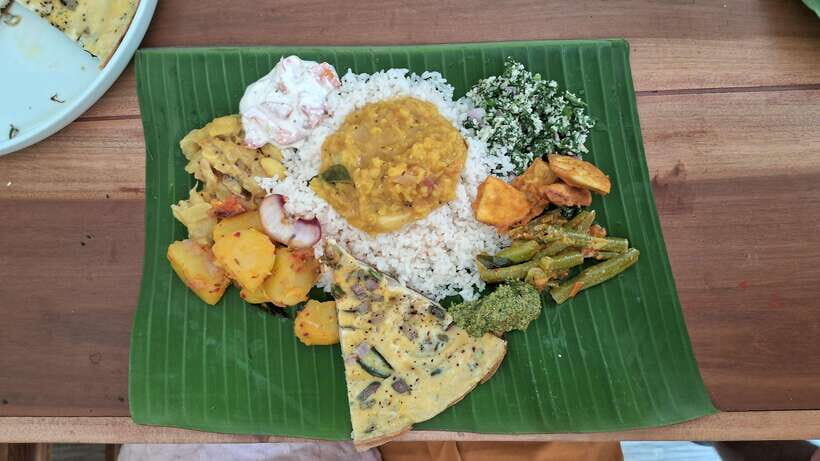
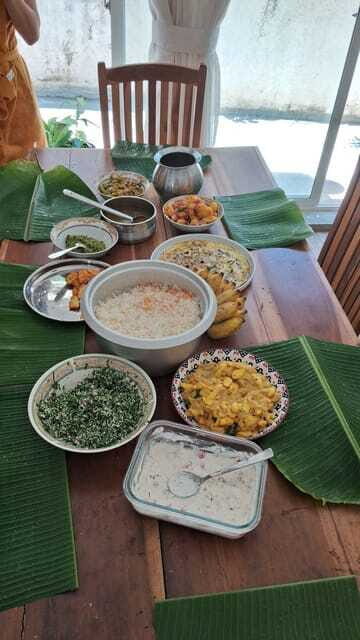
The menu is designed to cover a range of cravings and dietary needs. You can expect Sri Lankan dishes with flavors that can run spicy, but with customization available—mild options are part of the plan, and vegetarian and vegan preferences can be accommodated if you share them.
This “customized as per preference” detail is the difference between a generic food demo and a class you’ll remember. If you’re vegetarian, you’re not just getting a token substitute. If you eat vegan, you’re not forced into dishes that quietly contain animal ingredients. The lesson is set up so your dinner plate matches your preferences rather than forcing you to adjust after the fact.
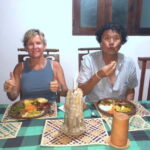
Also, the fact that there’s dine-in included is important. You’re not just learning techniques; you’re tasting and eating the results together. That shared meal is where you start understanding why certain flavors work—how sour, salty, sweet, and heat balance out in Sri Lankan cooking.
What happens during the 3 hours (and why that timing works)
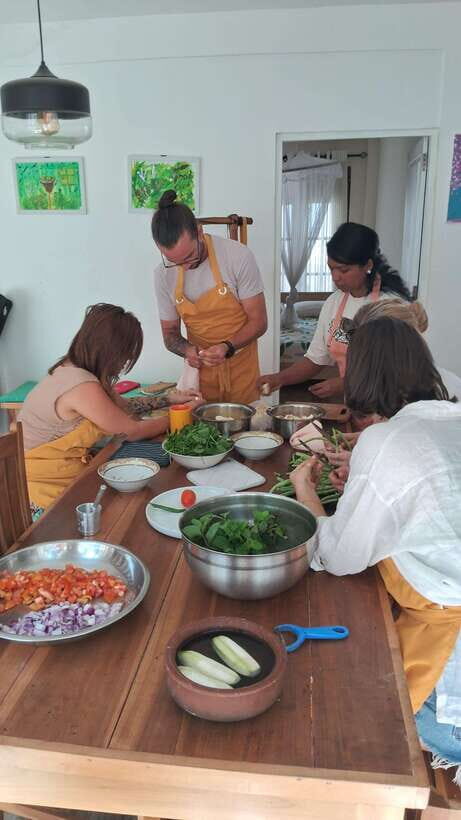
Three hours is a sweet spot for a cooking class. Long enough to learn, short enough that it doesn’t eat your whole day.
Here’s how it typically flows, based on how the experience is described and what’s included:
- Welcome drink first, so you’re not thrown into chopping right away.
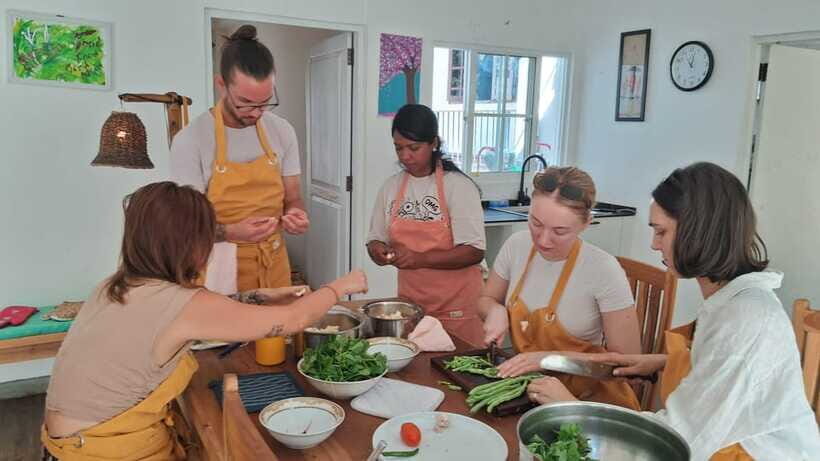
- Cooking lesson, where you participate and learn as the dishes come together.
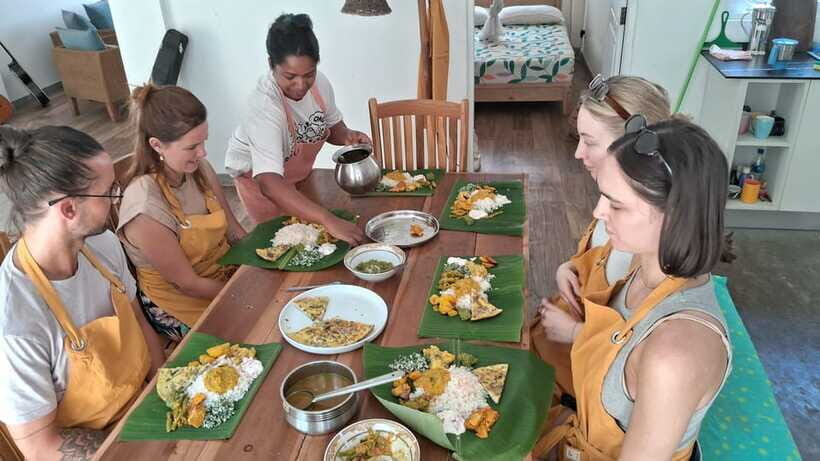
- Dine in right after, so you can taste the food while the cooking energy is still fresh.
- Afternoon tea with authentic sweets, giving you a proper finish instead of ending on a plain note.
Two practical upsides of this structure:
- You avoid the common problem where you spend hours preparing and then eat something disappointing or delayed.
- You get a complete meal arc—start, cook, eat, then finish with sweets—so it feels like an experience, not a task.
And because the group is limited to 10 participants, it’s easier to keep moving at a comfortable pace and get personal guidance when you need it.
The cozy kitchen extras: music, Snowy, and good conversation
This is the kind of class where details make the difference. The kitchen has good music as part of the plan, with guitars and a ukulele available. You’re encouraged to plug in and play your favorite tunes if you want, and even if you don’t, the presence of music changes the mood from quiet-cooking to lively-cooking.
Then there’s Snowy. The pet isn’t just decoration; it’s described as someone who lends a paw—showing up as a friendly presence during the cooking. If you’re the type who likes small, human touches (instead of sterile professionalism), you’ll probably enjoy this part.
One more warm signal from the experience description: the whole setup is designed to be welcoming for different people. That includes families as well as solo travelers, and the relaxed feel makes it easier to enjoy the class even if you’re not sure what to expect.
Price and value: what $37 really covers
At $37 per person for about 3 hours, this isn’t a bargain in the “cheapest meal” sense. It’s better to think of it as a cultural dinner with real teaching included.
Here’s what’s covered:
- Welcome drink
- Cooking lesson
- Dine in
- Recipe book (PDF)
- Afternoon tea with authentic sweets
- The chance to take home extra food if they make more, or donate to disadvantaged people instead
When you price it that way, the value improves fast. You’re getting instruction (not just tasting), the full meal experience, plus sweets and a take-home guide. The PDF recipe book especially matters. It gives you a practical way to recreate flavors later, so the money becomes more than a one-night memory.
The small group size also supports the value. With fewer participants, you’re more likely to get actual attention while cooking, instead of staying on the sidelines.






Who should book this class in Central Province?
This is a great fit if you:
- Want hands-on learning rather than watching from a distance
- Like family-run experiences with warmth and humor
- Enjoy Sri Lankan food and want to understand how dishes are built
- Want a structured meal experience that includes cooking plus tea sweets
It’s also a solid choice if you’re traveling with friends or family and want something that feels shared, not separate. The vibe is friendly enough that it can work even if you’re not sure what you’re doing in the kitchen.
You might think twice if:
- You strongly dislike spicy food and don’t want any chance of heat. You can still ask for mild options, but you’ll need to communicate clearly from the start.
- You only want a quick meal and have zero interest in cooking. This experience is designed around participation.
Tips to get the most out of your Sri Lankan cooking lesson
A few practical moves will help you leave happier—and with better results when you cook again at home.
- Tell them your spice comfort level before you start. The menu can include spicy curries, but options exist, and customization is part of the experience.
- Share dietary needs early (vegetarian, vegan, allergies, or restrictions). The class is positioned as accommodating.
- Wear comfortable clothes. Even if it’s a cozy kitchen, you’ll likely be standing, tasting, and moving around.
- Plan to enjoy the full flow. The class includes dine-in and afternoon tea, so don’t schedule a hard commitment right after.
- If you like taking memories home, read the recipe book format you’ll get later. A PDF is great for searching and saving on your phone.
Should you book Cooking with Arun & Tamil Family?
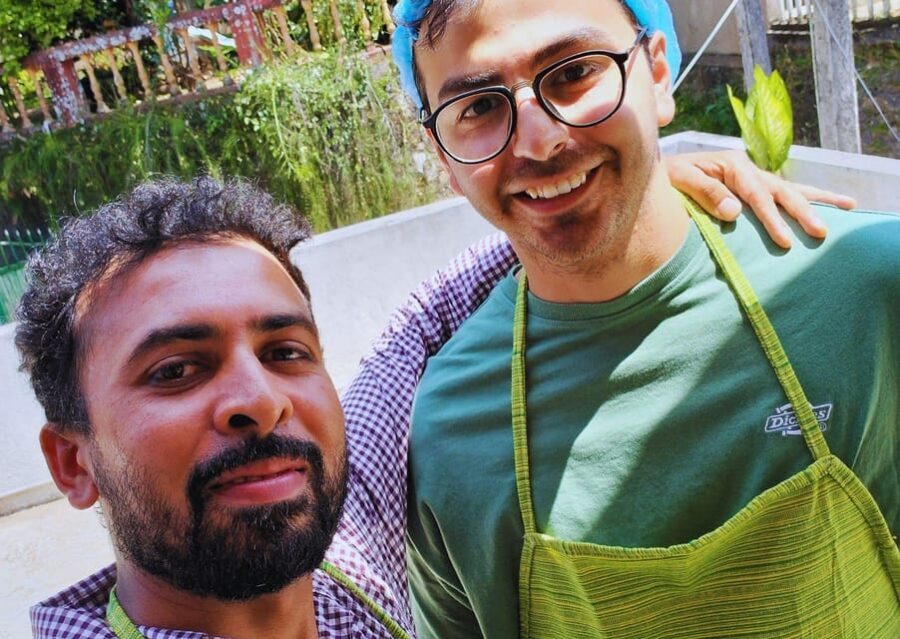
If you want a warm, human Sri Lankan cooking experience with practical teaching, this is an easy yes. The combination of family hospitality, an English-speaking instructor, a small group, and included meal plus tea sweets makes it good value for people who care about food and culture—not just eating.
Book it if you’ll enjoy cooking alongside others, tasting what you make, and taking home recipes you can actually use. Skip it only if you want a fast meal with no cooking participation, or if you can’t handle any possibility of spice (in which case, you’ll need to speak up early).
Experience provider: Maverick WOW Ventures.