REVIEW · COLOMBO
Colombo: Sri Lanka Cultural Triangle Hotspots 2-Day Tour
Book on GetYourGuide →Operated by Serendipity tours (private) Limited · Bookable on GetYourGuide
A 36-hour Sri Lanka loop can feel like a sprint, but this one is built for real sightseeing. You pack in Sigiriya, Polonnaruwa, and Dambulla—all UNESCO-listed—plus a Minneriya National Park safari opportunity, so you get both ancient cities and wildlife on the same trip. The small-group setup (up to 10) makes it easier to ask questions and move efficiently without feeling like you are lost in a crowd.
I like how the itinerary mixes “big wow” sights with context: a Polonnaruwa history museum stop before you start walking the ruins, then Dambulla’s cave story that explains why those murals and Buddha statues exist. I also like the fact that your day is anchored by practical support—an English-speaking national guide, air-conditioned transport, and a bed-and-breakfast hotel night in Sigiriya. One thing to plan for: entrance fees are not included, and that can add up fast once you factor in the Sigiriya rock fortress hike and Dambulla cave entry.
In This Review
- Key highlights that matter (not just marketing)
- Why This 2-Day Cultural Triangle Circuit Works
- Colombo Pickup to Hill Country Transfers: The Real Time Budget
- Polonnaruwa: Museum First, Then the Ancient City Walk
- Sigiriya Night: Why Sleeping Near the Rock Helps
- Sigiriya Rock Fortress Hike and Pidurangala Cave Temple
- Dambulla Golden Cave Temple: Paintings, Statues, and a Refuge Story
- Minneriya Safari: Elephants Are the Goal, Jeep Fees Are the Catch
- The Extra Costs People Forget: Tickets, Meals, and Guide Access
- Hotel, Transport, and What You Should Bring
- Who This Tour Fits Best (and Who Might Want a Different One)
- Should You Book This Colombo to Cultural Triangle 2-Day Tour?
- FAQ
- How long is the tour?
- What UNESCO-listed sites are included?
- Is a Minneriya National Park safari included?
- What is included in the tour price?
- Are entrance fees included for the main sites?
- What language is the guide?
- What should I wear or bring for temple visits?
Key highlights that matter (not just marketing)
- Small group (max 10): easier pacing, more guide attention, fewer “where is everyone?” moments
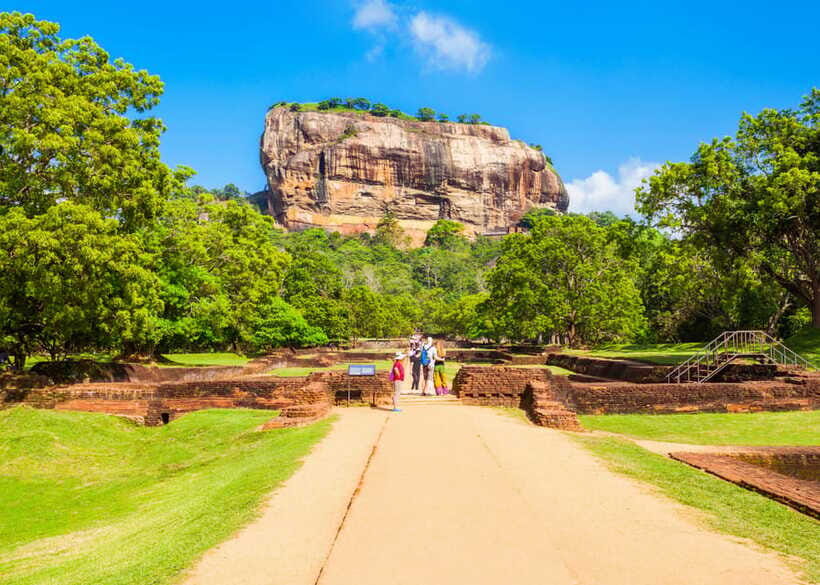
- Sigiriya + Pidurangala: you get the famous rock site and a quieter cave-temple viewpoint stop on the same day
- Polonnaruwa in layers: museum first, then ruins—so the city makes more sense as you walk
- Dambulla’s cave monastery setting: you hear the backstory tied to refuge from invasion and a royal conversion into a monastery
- Minneriya safari chance: elephants are the headline, but you still need to budget for park and jeep fees
Why This 2-Day Cultural Triangle Circuit Works
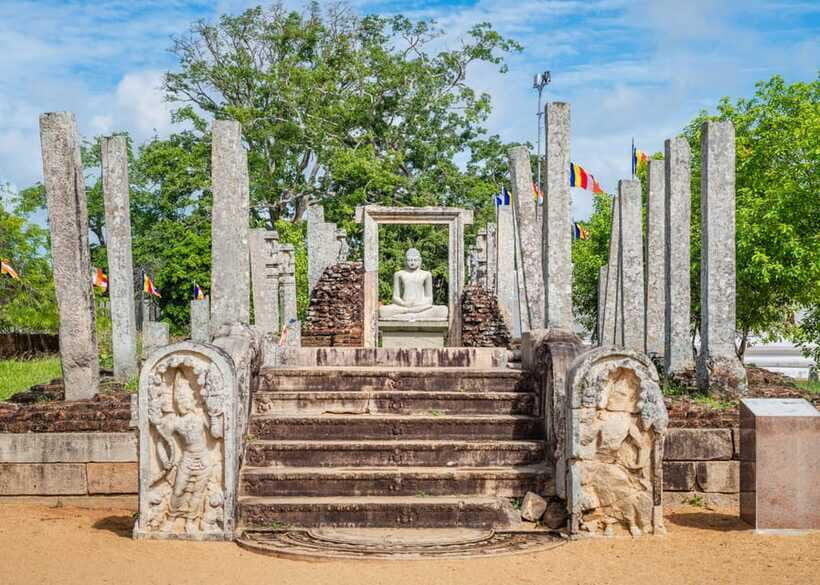
This tour is aimed at one thing: getting you to the Sri Lanka Cultural Triangle’s headline sites without wasting hours on logistics. The route is logical. You start with Polonnaruwa, sleep near Sigiriya, then move to Dambulla before returning to Colombo.
What makes it work for most people is the sequencing. Polonnaruwa is easier to appreciate when you’ve already seen the history museum and have a mental map of what you are about to walk through. Then Sigiriya becomes not just a viewpoint, but part of a larger story about power, landscape planning, and royal retreat.
The downside of a two-day format is simple: it is busy. You should expect long travel stretches and at least one serious hike, so build your trip energy around it.
Other Colombo tours we've reviewed in Colombo


Colombo Pickup to Hill Country Transfers: The Real Time Budget
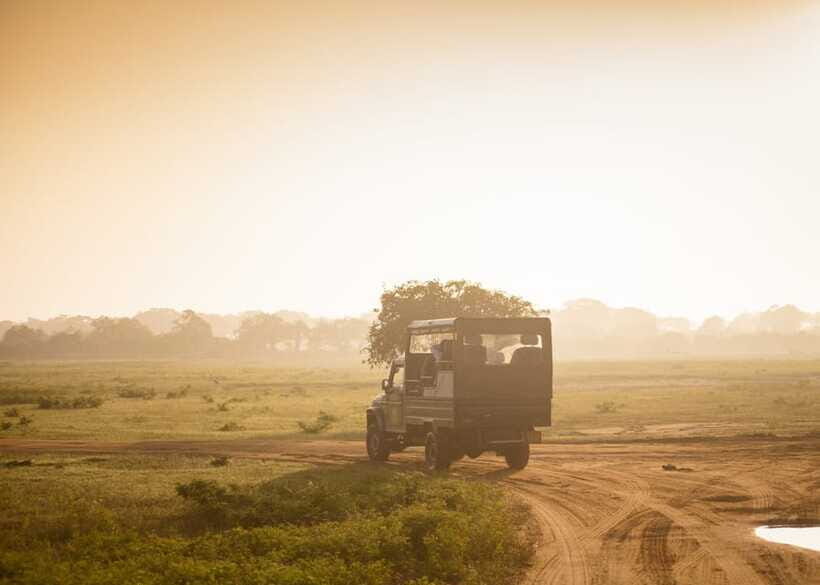
The day starts in Colombo with a tour leader meeting you and taking you out toward the Cultural Triangle. You travel in an air-conditioned vehicle, which matters in Sri Lanka when heat and road time can otherwise drain your day.
This matters because you are not just going from site to site on your own. Your driver and guide keep the timing moving, so you are less likely to lose half a day to last-minute ticket lines or “wait, where do we go next?” confusion. One rider noted they were able to fit a lot into the trip in a short window, and that is usually what a guide-led schedule is good at.
If you are sensitive to pace, treat this as an active sightseeing tour. You will be on the move more than you would be on a slower “choose a few places” itinerary.
Polonnaruwa: Museum First, Then the Ancient City Walk
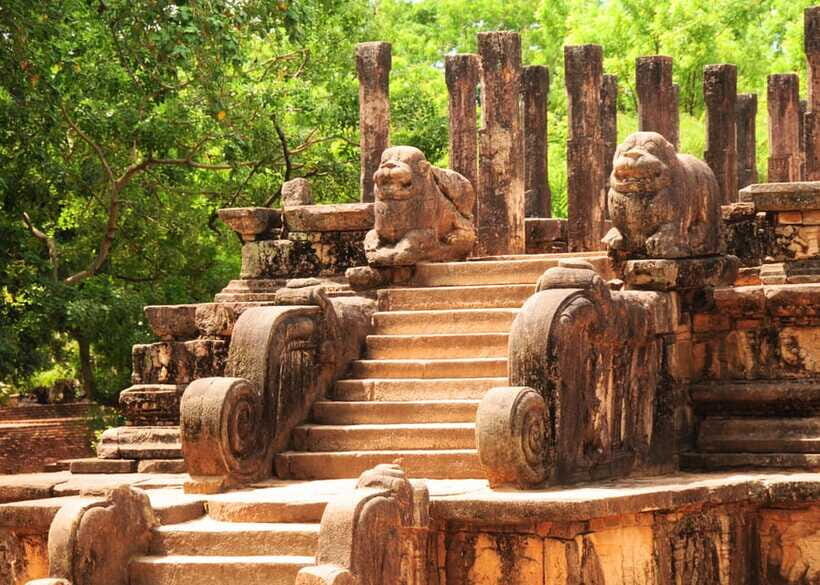
Polonnaruwa is the kind of place where it helps to know what you are looking at. You start with the Polonnaruwa history museum, then you head out to explore the ruins of the ancient city.
I like this approach because it changes the feeling of the visit. Without context, ruins can blur together: stone fragments, walls, and scattered structures. With the museum start, you get a framework for what the city was, what it likely valued, and why certain parts matter.
Once you move into the ancient city, you get a walking tour vibe—temples, palaces, and gardens are part of the scene. Expect to spend real time outdoors, and wear shoes you can trust on uneven ground.
A practical note: the Polonnaruwa museum and historical city entrance fees are not included in the tour price, so you will want to budget for tickets before you arrive.
Sigiriya Night: Why Sleeping Near the Rock Helps
After Polonnaruwa, you check in for an overnight stay in Sigiriya at a standard tourist hotel on a bed-and-breakfast basis. This is more than a convenience. Sleeping nearby can make the difference between a rushed morning and a workable plan.
The tour also gives you a baseline for comfort: you get that B&B hotel night, plus you are not left trying to arrange transport and tickets solo. In a short itinerary, that kind of structure is a real value.
You will likely feel the day’s effort. One booking described the two days as busy and tiring, and that matches what the itinerary demands—especially once you factor in the rock fortress hike later.
Sigiriya Rock Fortress Hike and Pidurangala Cave Temple
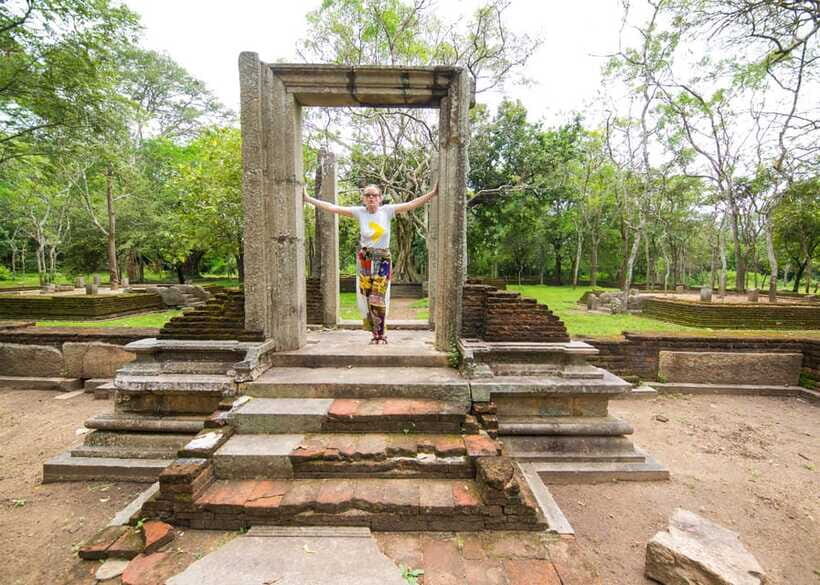
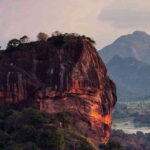
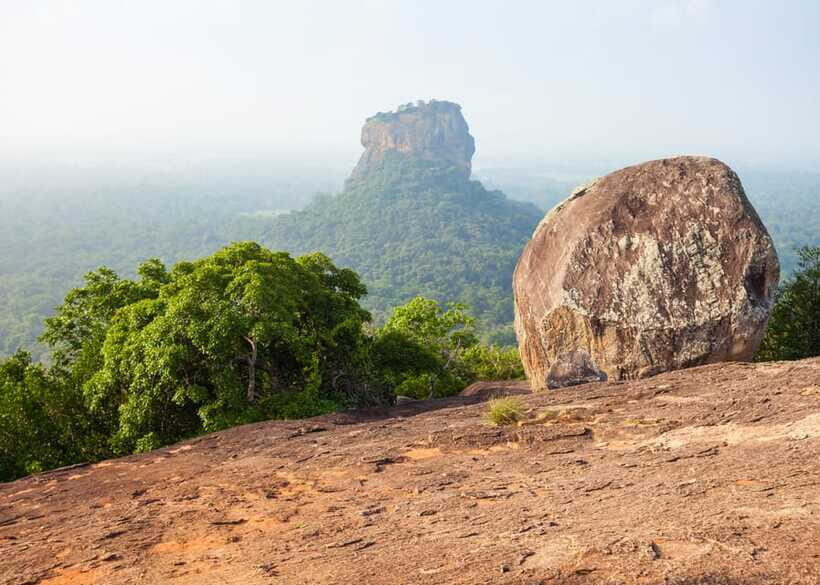
Sigiriya is the headline. You hear the story of a 5th-century prince who made the rock his hideout, and you get the “proposed 8th wonder” style reputation—thanks to the impressive planning and garden layout tied to the site.
But here is the key practical detail: you should prepare for a 2-hour hike at Sigiriya rock fortress. That is not casual. Go in with a steady pace, bring water, and wear grippy footwear. If you are traveling with knee issues or want a fully relaxed day, this is the part you should rethink.
Then you stop at Pidurangala ancient cave temple. This is a smart counterbalance to the big-ticket rock fortress. It gives you a chance to see another side of the area while still staying close to the same overall viewpoint region.
One important budgeting detail came up in a review: if you want your guide to actively show you around at Sigiriya, you may need to pay your guide’s own entrance access as well as your ticket. That is not something many people think about until they are standing there—so ask ahead.
A few more Colombo tours and experiences worth a look
Dambulla Golden Cave Temple: Paintings, Statues, and a Refuge Story
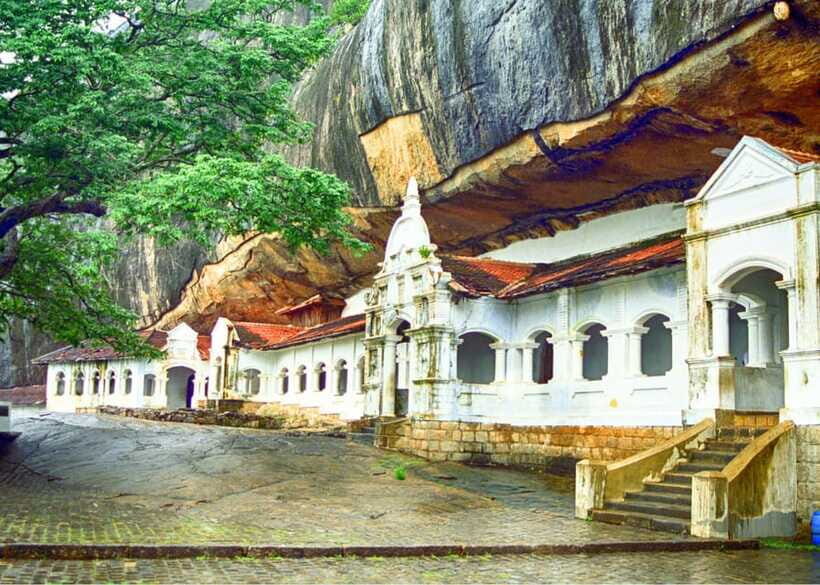
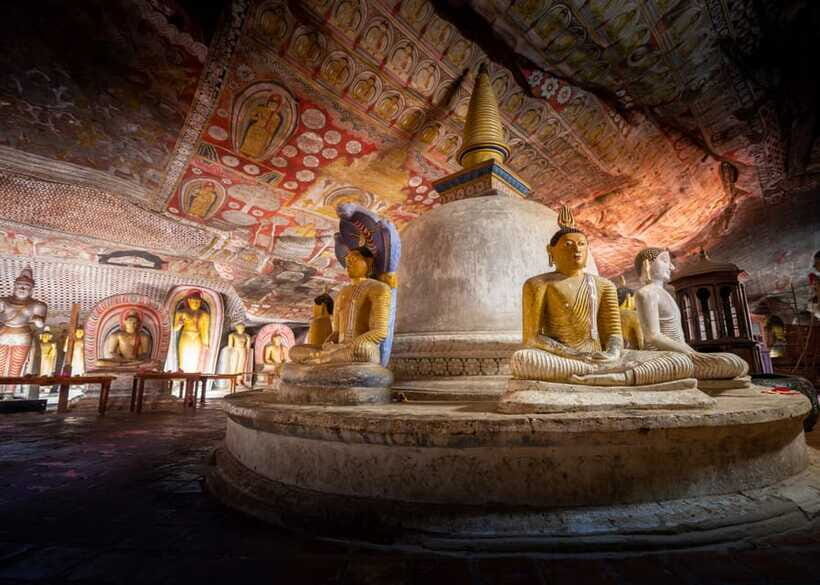
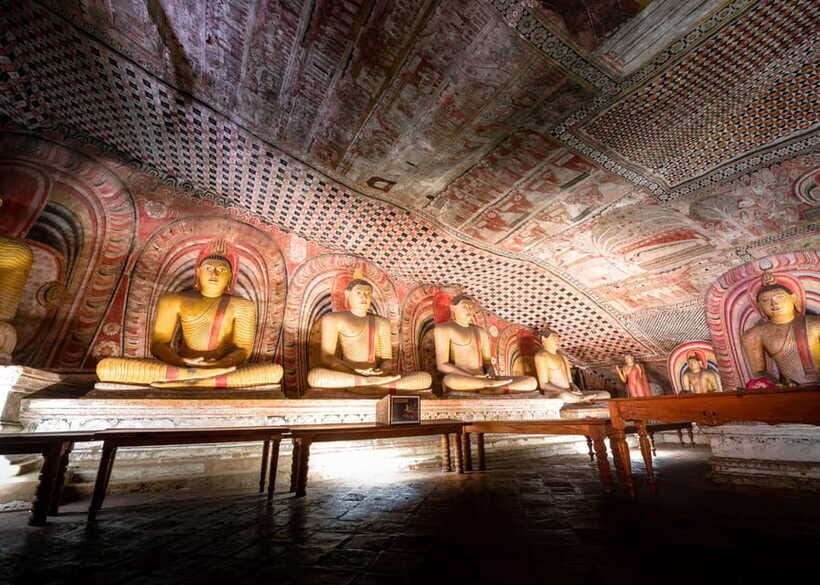
After Sigiriya, the tour heads to the Dambulla Golden Cave Temple, one of the most compelling religious sites in Sri Lanka. The standout for many visitors is the sheer density of sacred art: you are looking at 157 Buddha statues along with paintings.
The context matters. You are told the caves were used as a refuge by a king of Anuradhapura during a South Indian invasion in the 1st century BC. When the region was recaptured 13 years later, the king converted the caves into a monastery and gifted them to Buddhist monks. That timeline turns what could be just a photo stop into something you can actually follow.
Dress matters here. You are advised to wear modest clothing for temple visits—no bare legs or arms—so pack light, breathable layers that still cover you appropriately.
Dambulla cave temple entrance fees are not included, so plan for that ticket cost too. With multiple paid sites on this route, tickets can become the biggest “surprise” category after the tour price.
Minneriya Safari: Elephants Are the Goal, Jeep Fees Are the Catch
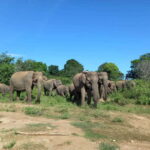
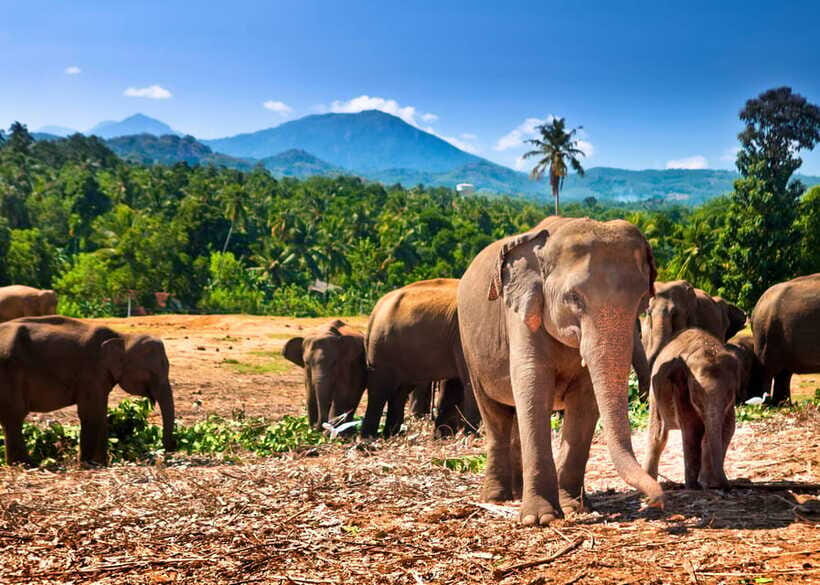
The tour highlights include a Minneriya National Park safari, which is where the itinerary shifts from stone and murals to animals and motion. You go in looking for wild elephants and other wildlife.
What you need to know up front is that the safari entrance in Minneriya and jeep hire charges are not included. That means your total day cost is partly dependent on what vehicle arrangement the safari uses and what the park charges that day.
Because this is a safari-style activity, it is also weather-and-timing dependent in real life. You are there for a chance to see wildlife, not a guarantee of a perfect elephant encounter every time. The payoff is worth it for many people, but go in with the mindset of a search, not a museum viewing.
The Extra Costs People Forget: Tickets, Meals, and Guide Access
The price for this tour is $297 per person for two days, and it covers more than you might think: hotel bed-and-breakfast for one night, air-conditioned transportation, an English-speaking national guide, and ground logistics across the route. It also includes Pidurangala temple (as part of the guided stops) and government taxes for those included components.
But tickets and meals can change the final figure. Entrance fees for Polonnaruwa museum and historical city, Sigiriya rock fortress, and Dambulla cave temple are not included. On top of that, the Minneriya safari entrance and jeep hire are extra. Meals are only included where specified (the hotel gives you 1 breakfast).
The practical takeaway: treat entrance tickets + safari fees + lunch/dinner as the “real” add-ons when you compare value against other Sri Lanka options.
If you want to keep the budget predictable, estimate tickets before you go and carry some flexibility for the safari day.
Hotel, Transport, and What You Should Bring
You stay in a standard tourist hotel in Sigiriya with bed and breakfast (so you get breakfast included, but not necessarily other meals). Rooms tend to be what you’d expect for this part of the country on a guided tour—fine for resting and recharging, not a luxury escape.
Transport is taken care of: you ride in an air-conditioned vehicle for the itinerary. That is a big deal in Sri Lanka, because heat and long drives can sap your energy before you even reach the sites.
For what to bring, the big item in the info list is your passport. You also should pack modest clothing for temples (no bare legs or arms) and plan for the Sigiriya hike with shoes and water. If your hike day catches you unprepared, the whole tour can feel more exhausting than it needs to.
Who This Tour Fits Best (and Who Might Want a Different One)
This is a strong choice if you want a tight Cultural Triangle plan with a knowledgeable English-speaking national guide and a small group pace. It is also good if you like structure: you want someone to organize the order of stops so you do not lose time figuring things out.
It is best for travelers who can handle an active two-day schedule. One rider described it as impressive but tiring, and that matches the reality of Sigiriya’s climb plus multiple major sites.
If you prefer slow travel, more downtime, or you do not want to deal with hike time, you might prefer a longer itinerary that lets you pick fewer highlights.
Also, if you are the type who enjoys adding one extra experience through your guide, this tour may feel flexible. One review mentioned adding a village tour with their guide, which can be a great way to add everyday Sri Lanka flavor when you have time and energy.
Should You Book This Colombo to Cultural Triangle 2-Day Tour?
Book it if you want a high-value sampler of Sri Lanka’s Cultural Triangle: Polonnaruwa, Sigiriya, and Dambulla, plus a Minneriya safari chance, all with guided logistics and hotel included for one night. The small group size and dedicated guide support are the big reasons it feels smoother than DIY.
Do not book it if you hate hikes or you strongly dislike paying separate entrance and safari fees. This itinerary includes many ticketed sites, so your final budget depends on entrances and Minneriya jeep arrangements.
If you do book, my best advice is simple: plan your budget for tickets early, wear temple-appropriate clothing, and treat the Sigiriya hike as your main physical event of the trip. Handle those pieces well, and you will come away with a trip that feels full, not chaotic.
FAQ
How long is the tour?
The tour runs for 2 days.
What UNESCO-listed sites are included?
You will visit Sigiriya, Polonnaruwa, and Dambulla (Golden Cave Temple). The tour also includes Pidurangala ancient cave temple.
Is a Minneriya National Park safari included?
A Minneriya safari is part of the experience, but the safari entrance and jeep hire charges are not included.
What is included in the tour price?
The tour includes accommodation in a standard hotel with bed and breakfast (1 breakfast included), entire ground transportation with an air-conditioned vehicle, an English-speaking national tour guide, Pidurangala ancient cave temple, a spice/herbal garden stop, and a 10% discount voucher at a jewelry shop in Kandy. Government taxes for the listed inclusions are included too.
Are entrance fees included for the main sites?
No. Entrance fees for the Polonnaruwa museum and historical city, Sigiriya rock fortress, and Dambulla cave temple are not included.
What language is the guide?
The tour offers a live guide in English and German.
What should I wear or bring for temple visits?
Bring your passport, and wear modest clothing for temple visits (no bare legs or arms). You should also be prepared for a 2-hour hike at Sigiriya rock fortress.