REVIEW · COLOMBO
2-Day Whale Watching & Southern Sri Lanka Tour
Book on GetYourGuide →Operated by Serendipity tours (private) Limited · Bookable on GetYourGuide
Blue whales have a way of resetting your day.
What I like most here is the chance to hunt for rare blue whales in the Mirissa waters, plus the way the trip balances wildlife with real culture stops like Galle Fort. One thing to keep in mind: the core boat rides cost extra on top of the tour price, and the whale-watching sea can feel bouncy if you get motion sickness.
This is also a very practical route for limited time. You’re moving through Bentota, Galle, Unawatuna, and Hikkaduwa, with guided stops for turtles, spices, masks, and a Buddhist temple, then you sleep in Mirissa and do the whale day the next morning. The group stays small (up to 10), with a guide speaking English or German.
At $292 per person for two days, it’s not a cheap “sit on a bus” deal. The value is in the mix of guided heritage sights, wildlife time on land and water, and one night in a 3-star-compatible hotel with breakfast and dinner—just budget for the added boat fees.
In This Review
- Key moments worth marking on your calendar
- The Mirissa blue-whale corridor: why this part matters
- Day 1: Bentota beach, Galle Fort walls, and Bentota River wildlife
- Bentota Beach and a trading-port backdrop
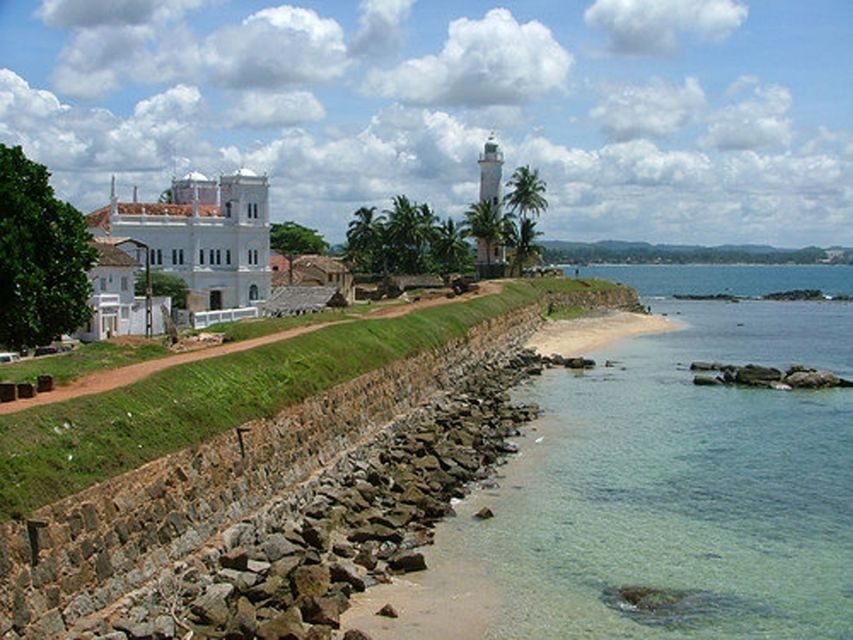
- Galle Fort with guided walking (Portugal, Dutch, and today)
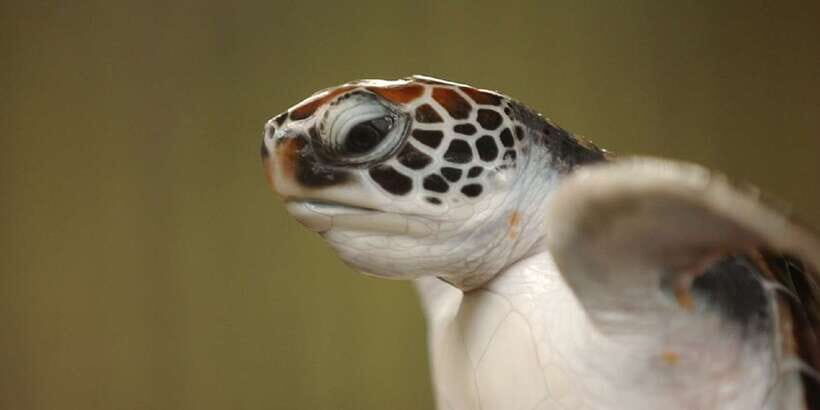
- Turtle conservation and a spice garden in Bentota
- Bentota River safari by boat: mangroves and surprise sightings
- Hikkaduwa stop on Day 1: beach time and marine life
- Hikkaduwa marine sanctuary: corals and fish without the snorkel stress
- Day 2: Whale watching in Mirissa, including the lunge-feeding show
- Boat costs and what to budget
- Seasickness: the only serious downside worth planning for
- Beaches and temple culture: the rhythm between big wildlife moments
- Unawatuna and the west coast “breathing space”
- The Buddhist temple visit and how to handle time pressure
- Hotels, guides, and small-group pace: what it feels like day to day
- Accommodation: 3-star-compatible can mean different room realities
- Price and value: what you’re really paying for (and what costs extra)
- Who should book this tour, and who should think twice
- Should you book this whale-and-southern-coast combo?
- FAQ
- Where does the tour operate?
- How long is the tour and what does it cost?
- What is included in the tour price?
- What extra charges should I expect?
- How big is the group and what language is the guide?
- When are whales most likely to be seen?
- What do I need to bring, and can I cancel?
Key moments worth marking on your calendar
- Mirissa blue-whale territory between Galle and Matara, with sightings possible year-round
- Bentota River safari for crocodiles, giant lizards, monkeys, and more along mangroves
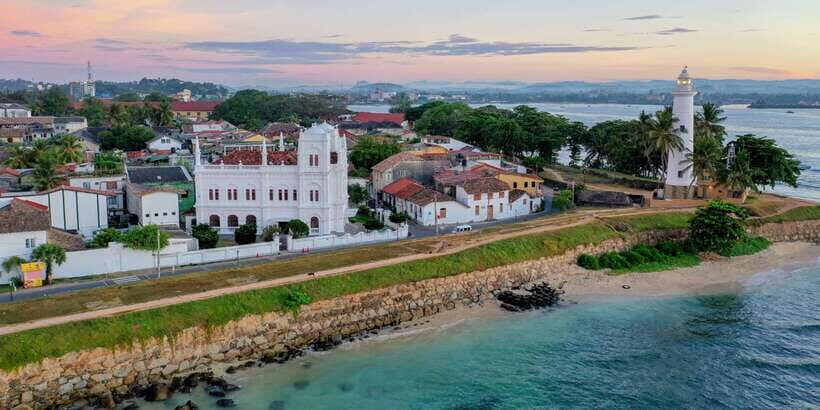
- Guided Galle Fort walk plus the lighthouse area and classic trading-port details
- Sea turtle and spice stops that connect wildlife and everyday Sri Lankan life
- Hikkaduwa marine sanctuary with a glass-bottom view of corals and exotic fish
- Lunge-feeding whale spectacle (especially common from November to April)
The Mirissa blue-whale corridor: why this part matters
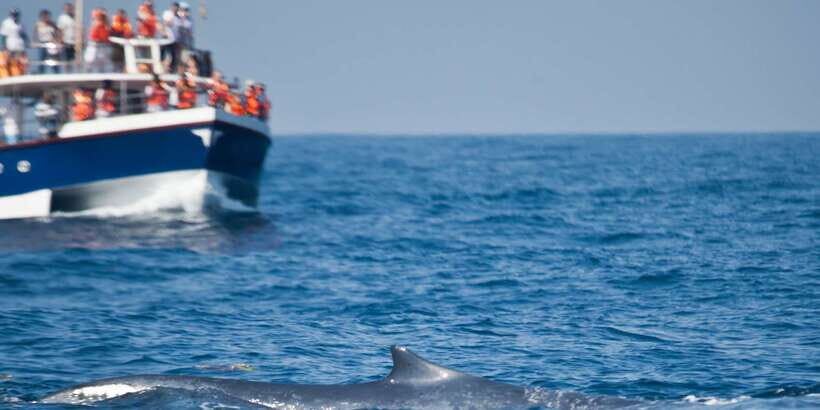
If you’ve ever wanted a “wildlife bucket-list” moment that doesn’t require a long, complicated expedition, Mirissa is one of the best bets in Sri Lanka. The sea off Mirissa—between Galle and Matara—is known as a standout place to see endangered blue whales. Even better, this trip also aims for the more theatrical feeding behavior you’ve probably seen in videos: whales working together around bait fish.
What you’re really buying here is not just the word whale-watching. You’re buying time on the water with guidance, plus the geographic logic that puts you near the action. The tour also notes that the most consistent whale activity is November to April, but you can still spot them outside that window.
One practical note: wildlife sightings in the ocean are never guaranteed. What you can control is how prepared you are. If you’re prone to seasickness, come ready—more than once, the experience can feel like you’re riding the ocean rather than gliding over it.
Other whale watching tours we've reviewed in Colombo
Day 1: Bentota beach, Galle Fort walls, and Bentota River wildlife
Day 1 is about getting you from the “coast postcard” version of Sri Lanka to the “this feels alive” version—fast.
You’ll start by meeting your tour representative and moving to your Mirissa hotel for the night. Along the way, you’ll do a sightseeing circuit built around three core ideas: heritage (Galle), beach atmosphere (Bentota), and living nature (river safari).
Bentota Beach and a trading-port backdrop
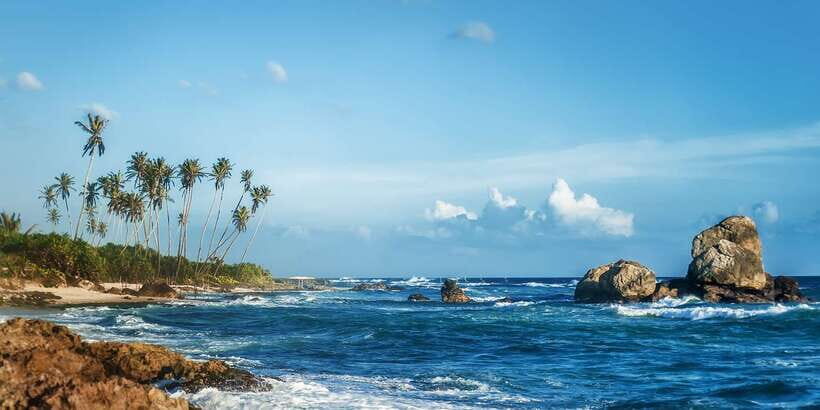
Bentota gets a reputation as one of the island’s most popular beach holiday spots. The benefit of stopping here isn’t only scenery—it’s context. Bentota and the coastal corridor helped shape how Sri Lanka connected to trade routes.
Galle Fort with guided walking (Portugal, Dutch, and today)
Galle is described as an ancient seaport and an anchor point on the Silk Route. Then the Portuguese arrived, built fortifications, and later the Dutch strengthened them. Today, the fortress area is a World Heritage Site, and the tour gives you a guided walking tour of Galle Fort.
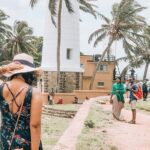
A guided walk matters here because the fort isn’t just a wall you stare at. You get the lighthouse area, the Kande Vihara temple stop, and time around the Galle coastal zone—plus you’ll see places like a handicraft center and a mask carving center. If you’re the type who likes knowing why things exist (not just seeing them), this portion is a strong fit.
Turtle conservation and a spice garden in Bentota
This trip also slows down for two hands-on Sri Lankan “everyday life” themes.
- A sea turtle hatchery project / sea turtle conservation centre stop
- A spice garden where spices and herbs used for Sri Lankan cuisine and medication are grown
That combination is a smart pairing. One stop explains how conservation works. The other shows where the flavors and remedies come from. Together, they make the tour feel less like a checklist and more like a connection to local rhythms.
Other whale watching tours in Colombo
Bentota River safari by boat: mangroves and surprise sightings
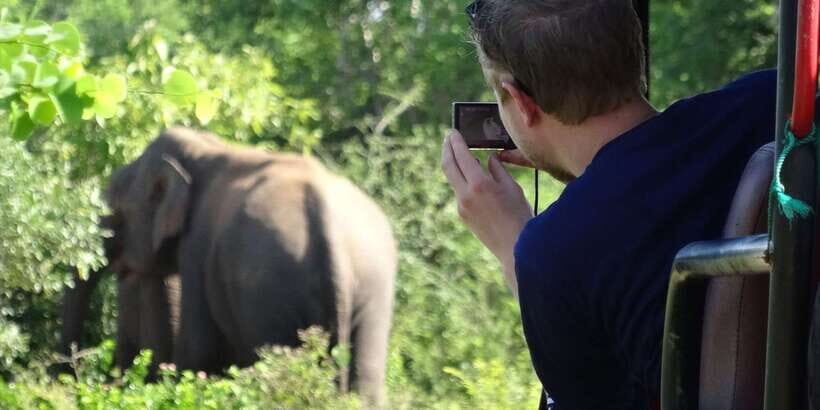
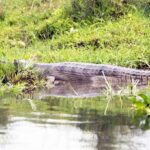
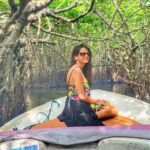
Then you get on the water again, but this time it’s inland—via the Bentota River. The focus is wildlife in and around mangroves: crocodiles, giant lizards, monkeys, and various birds.
This is the kind of safari that rewards patience and quiet attention. You’re not looking for a theme park animal performance—you’re looking for movement in mangrove channels. The tour notes the boat charge for the river safari is USD 25 p.p, so don’t let that surprise you at pickup time.
Hikkaduwa stop on Day 1: beach time and marine life
Day 1 doesn’t end in Mirissa only. It includes a stop at Hikkaduwa Beach, which is described as one of the best beaches on the west coast. You’ll also get into the marine world via the Hikkaduwa marine sanctuary, where corals and exotic fish can be viewed (the experience is described as a glass-bottom boat look at the seabed life).
After a day that’s equal parts walls, gardens, and rivers, beach time is a good reset. You’ll likely feel you’ve earned it.
Hikkaduwa marine sanctuary: corals and fish without the snorkel stress
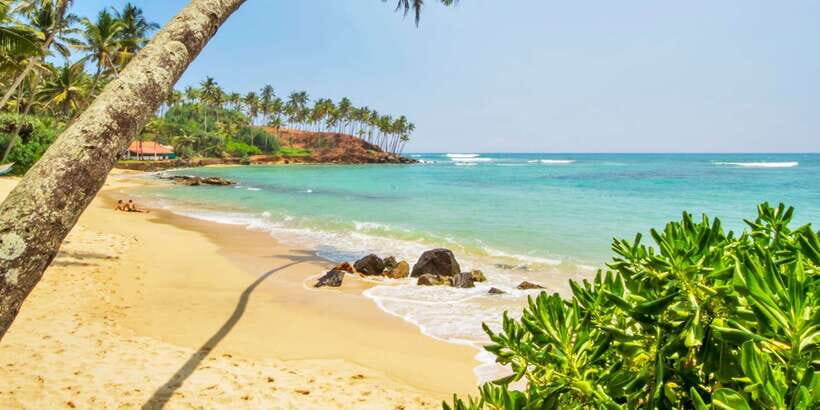
The Hikkaduwa marine sanctuary portion is one of the most relaxing ways to get “underwater” value without making your whole day dependent on swimming comfort. The experience is described around seeing corals and exotic fish from the seabed via a glass bottom boat.
That matters because it changes the vibe. Instead of gearing up and timing breath and tides, you can just watch. And if your boat day on Day 2 leaves you feeling a bit cautious about motion, this is a calmer way to still get marine scenery.
Also, it’s a nice balance to the whale day. Whales are all about big drama and distance. Corals and fish are more intimate. Seeing both types of wildlife within two days makes the itinerary feel intentional.
Day 2: Whale watching in Mirissa, including the lunge-feeding show
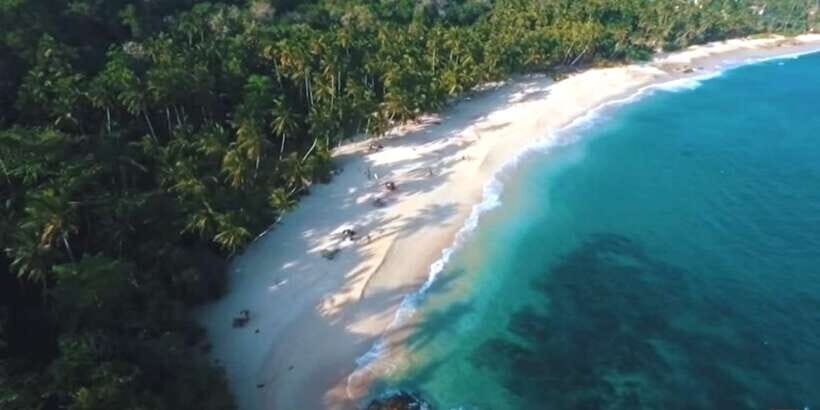
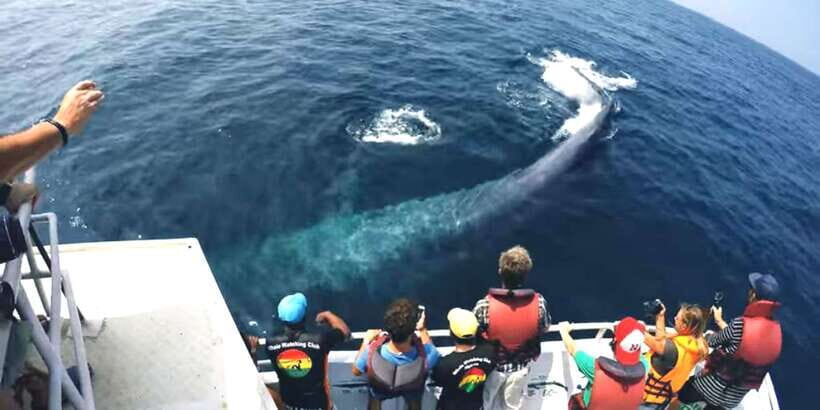
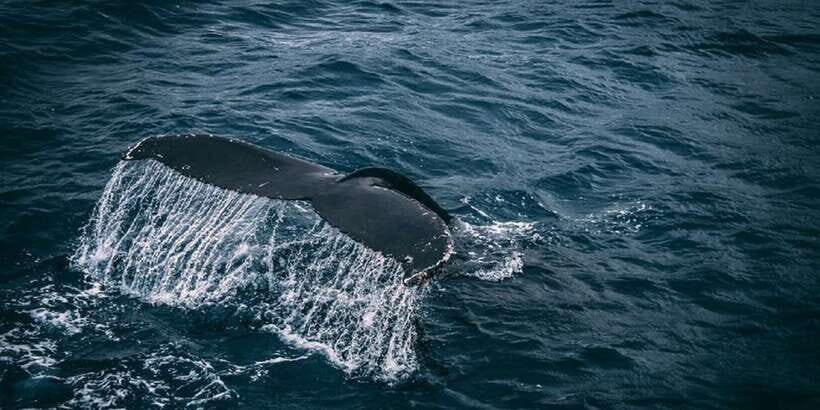
Day 2 is whale day, plain and simple. You’ll head out from Mirissa for the boat tour, with the expectation set by the region: the sea off Mirissa is known for big wildlife spectacles, including lunge-feeding humpbacks and blue whales.
The tour description explains the feeding behavior in a very specific way: whales and bait fish interactions can create circular fishing-net patterns with bubbles, and then whales launch high with mouths open. You may also see whales working close together around the bait. This is exactly the kind of behavior that makes people fall in love with whale watching.
Boat costs and what to budget
The big “don’t get caught off guard” point: the whale watching boat charge is USD 50 p.p and is not included in the tour price. You’ve already paid the package cost, but the actual boat ride is an added line item.
If you’re booking as a couple or small group, it’s still manageable—but it’s worth putting the total on your mental calculator early.
Seasickness: the only serious downside worth planning for
One of the clearest caution points from real experiences is motion. If you suffer from seasickness, treat this as real advice. The ocean can be quite choppy, and the boat can move a lot.
My practical recommendation: bring whatever you use for sea travel (meds, wristbands, ginger—whatever works for you). Also, pack layers. Even when it’s warm, a moving boat can feel cool fast.
Beaches and temple culture: the rhythm between big wildlife moments
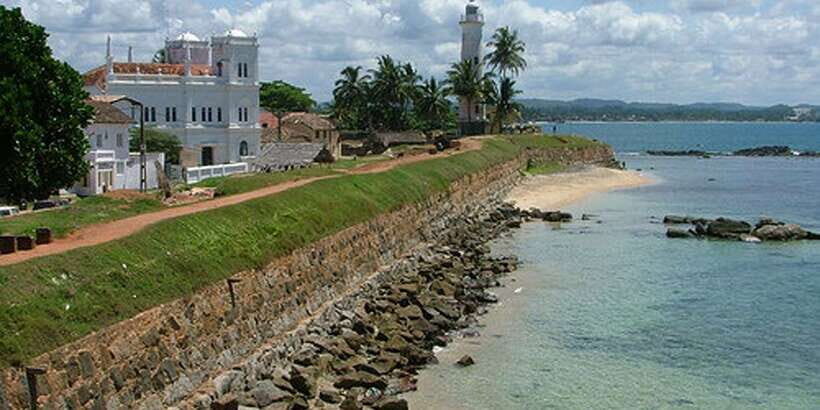
A two-day itinerary can either feel chaotic or balanced. This one tries to create rhythm: big wildlife effort, then cultural grounding, then scenery recovery.
Unawatuna and the west coast “breathing space”
You’ll stop at Unawatuna Beach, and you’ll also experience Bentota Beach earlier. These aren’t just scenic pull-offs. They give you a chance to walk, stretch, and reset after boats and guides and scheduled stops.
The Buddhist temple visit and how to handle time pressure
The tour includes a guided tour of a Buddhist temple. That’s a cultural anchor in the middle of wildlife and beaches.
If you’re the type who wants maximum ocean time, this can be the one stop you might question—especially when the schedule is tight. The best move is simple: ask your guide how fixed the timing is on the day you’re there. If you’ve got a strong preference for beach time over temple time, a good guide will help you decide within the real constraints of the itinerary.
Hotels, guides, and small-group pace: what it feels like day to day
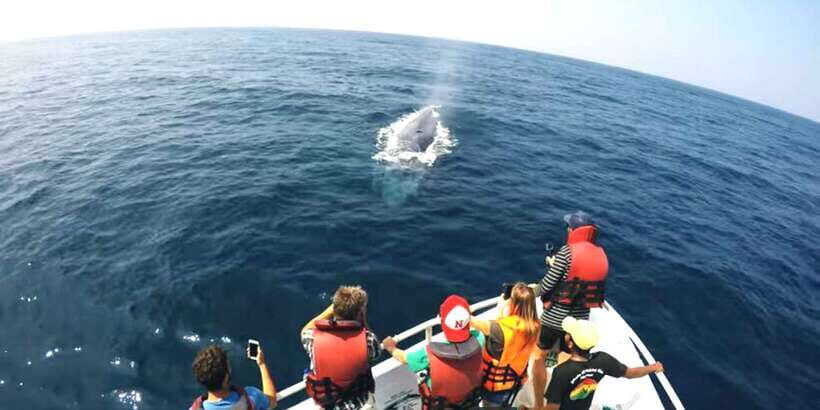
This is designed as a small group experience limited to 10 participants, with a live guide in English or German. For me, that size matters. It keeps the day from turning into a cattle-line tour, and it’s more likely you’ll get real answers when you ask questions.
You also get hotel pickup from Colombo, Kalutara, Bentota, and Galle (and pickup included from your accommodation in Colombo is noted). That reduces the stress of coordinating transport across multiple coastal towns.
Accommodation: 3-star-compatible can mean different room realities
The tour includes one night in a 3-star-compatible hotel in Mirissa with breakfast and dinner. In practice, hotel comfort can vary. Some rooms may feel well maintained and others less so, and air conditioning can be uneven.
My advice if you’re booking: when you confirm, ask what kind of room you’ll likely get and how strong the AC is. If you’re sensitive to mildew or musty smells, it’s worth flagging that preference early.
Price and value: what you’re really paying for (and what costs extra)
At $292 per person for two days, the package price covers the structure that makes this itinerary work:
- one night accommodation with breakfast and dinner
- multiple guided stops (Galle Fort walking tour, mask museum tour, sea turtle conservation centre, Buddhist temple visit)
- coastal and cultural sights (Bentota, Galle Fort region, Unawatuna, plus Hikkaduwa marine sanctuary)
- the river safari and whale-watching planning components (with boat charges listed separately)
Then you add the two boat fees:
- River safari boat charge: USD 25 p.p
- Whale watching boat charge: USD 50 p.p
So your all-in cost is more than the sticker price—yet it’s still one of the more straightforward ways to combine whale watching with south-coast highlights in a single short trip.
What makes it feel like value is the tight packing of experiences. You’re not just going to see whales. You’re also seeing Galle Fort’s heritage walls, stopping at a turtle conservation project, learning about spices, and getting marine sanctuary viewing in Hikkaduwa. In two days, that’s a lot of different kinds of “Sri Lanka” under one guiding umbrella.
Who should book this tour, and who should think twice
This tour fits best if you want:
- a short trip with a big wildlife goal (blue whales in the Mirissa area)
- guided heritage time at Galle Fort
- beach stops plus a wildlife-focused day on land and water (river safari, mangroves)
- small-group pace instead of a huge bus tour
You might think twice if:
- you know you get seasick easily and haven’t found a solution that works for you
- you’re picky about hotel room comfort, especially airflow and freshness, and you hate dealing with imperfect accommodation
Should you book this whale-and-southern-coast combo?
I’d book it if you’re traveling with limited time and you want a structured path through Sri Lanka’s southern coast that still leaves you with meaningful wildlife moments. The whale-watching aim in Mirissa, paired with Galle Fort and the Bentota River safari, creates a two-day story that feels more like a journey than a pile of stops.
If you do book, go in prepared:
- budget the extra boat charges up front
- pack for sea conditions on Day 2
- keep your expectations realistic about wildlife sightings
- ask about your Mirissa room situation so the overnight is comfortable enough for a whale-focused second day
FAQ
Where does the tour operate?
The tour is based on the south-coast area around Kotapola / Mirissa, with pickup and sightseeing through Colombo, Kalutara, Bentota, Galle, Unawatuna, and Hikkaduwa.
How long is the tour and what does it cost?
It runs for 2 days and costs $292 per person.
What is included in the tour price?
Inclusions include one night of accommodation with breakfast and dinner in a 3-star-compatible hotel, a guided walking tour of Galle Fort, a mask museum tour, a sea turtle conservation centre tour, a Buddhist temple tour, spice garden and beach stops (Bentota Beach and Unawatuna Beach), Hikkaduwa marine sanctuary, river safari, and a whale watching tour (with boat charges not included). Pickup is also included from specified locations.
What extra charges should I expect?
The river safari boat charge is USD 25 p.p and the whale watching boat charge is USD 50 p.p. Personal expenses like drinks and snacks are not included.
How big is the group and what language is the guide?
The tour is a small group limited to 10 participants, with a live guide in English and German.
When are whales most likely to be seen?
Whale activity is described as most prevalent from November to April, but whales can also be observed throughout the year.
What do I need to bring, and can I cancel?
You should bring your passport. The tour offers free cancellation up to 24 hours in advance for a full refund.