REVIEW · KANDY
Authentic Sri Lankan Cooking Class in Kandy by Local Family
Book on GetYourGuide →Operated by The Best Kandy Kitchen · Bookable on GetYourGuide
This Kandy kitchen runs on family rhythm.
What makes this cooking class feel special is that it’s taught from a home kitchen, by the people who cook Sri Lankan meals again and again at home. I love that the teaching is family-led, not chef-performed, so you get practical methods and real kitchen habits. I also love the setting: a calm, green home near the Bahirawakanda Mountain and the big Buddha statue—perfect after a day of Kandy exploring. One consideration: it’s limited to a small group of up to 2, so it’s pricier than busier group classes if you’re traveling alone.
You’ll learn more than recipes.
This is the kind of class where you learn how flavors get built step by step—especially around spices, coconut, and curry-making. You’ll also get a structured meal out of the session, with 10 vegetable dishes plus coconut sambol, coconut roti, and a choice of fish or chicken. The only drawback to plan around: the class includes a lot of food, so you’ll want to avoid scheduling a heavy dinner right after.
In This Review
- Key highlights you should care about
- Why This Kandy Cooking Class Feels Like a Real Home Evening
- Meet the Family Teachers Near Bahirawakanda Mountain
- What You’ll Cook: 10 Veg Dishes Plus Sambol, Roti, and Fish or Chicken
- A small practical note about portions
- The Market Stop (If Included): Spices, Vegetables, and How Locals Shop
- Inside the 3-Hour Class: How the Flow Really Works
- Price and Value: When $99 for Up to 2 Makes Sense
- What to Bring (and What to Skip)
- Best for Who? Choosing This Cooking Class for Your Kandy Trip
- Should You Book The Best Kandy Kitchen?
- FAQ
- How long is the Sri Lankan cooking class in Kandy?
- How many people are in a group?
- What does the class include?
- Is pickup from my hotel included?
- What language is the instruction?
- What should I bring?
- Are pets allowed?
- Is this class suitable for wheelchair users?
Key highlights you should care about
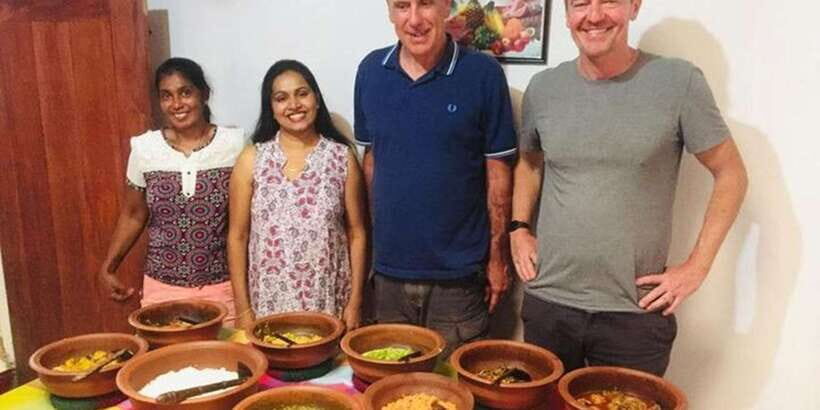
- Home-kitchen teaching from the family (wife, sister, and mother lead the cooking)
- Market time with a local guide like Dinesha, focused on ingredients and spices
- Food that matches daily Sri Lankan life, cooked by people who do it every day
- A serious coconut-and-curry lineup, including coconut sambol and coconut roti
- Small-group format (up to 2 people) for more hands-on time and questions
- Recipes to take home, so you can recreate the meal later
Why This Kandy Cooking Class Feels Like a Real Home Evening
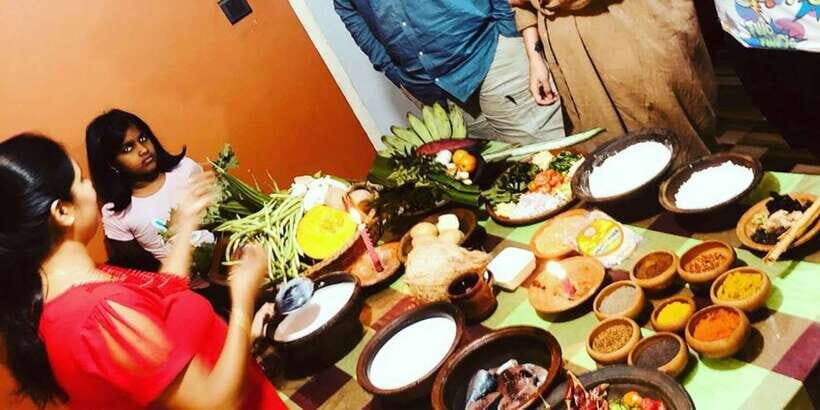
Sri Lankan cooking can look intimidating from the outside. Lots of spices, lots of steps, and curry after curry. What I like about this class is that it makes the work feel doable because the instruction comes from a family that cooks like clockwork. No performance. No pretending. Just real technique and helpful guidance.
Another big win is the location. Your hosts live near Bahirawakanda Mountain, close to the famous Buddha statue area, but the house itself is described as calm and surrounded by green. That matters more than it sounds: you’ll feel the shift from Kandy traffic and tour energy into something quieter, like you actually stepped into local life.
This also helps with the mindset of the class. When you cook in a home, you don’t just learn how to make food—you learn how people shop, prep, taste, and adjust. You’ll get a sense of why certain spices show up again and again, and how coconut acts like the flavor glue in many dishes.
Other Kandy tours we've reviewed in Kandy



Meet the Family Teachers Near Bahirawakanda Mountain
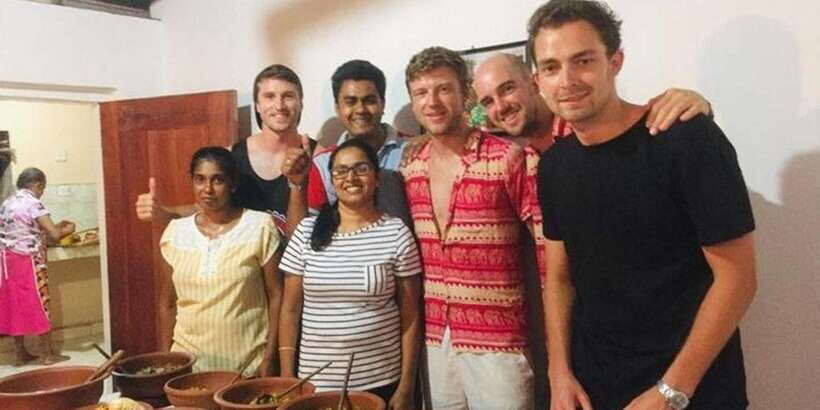
The class is not taught by a hired chef. The teachers are the family themselves—the wife, the sister, and the mother—with other family members sometimes joining in. One nice touch is that it’s described as a family atmosphere, including very young family members who may be present.
In practice, that family setup changes how the class feels. You’ll ask questions and get answers in a “this is how we do it every day” way. You also get a clearer explanation of why certain steps happen early (like spice preparation and ingredient cutting) rather than at the last second.
One name that pops up in the experience: Dinesha, who can guide you in the market for ingredients and explain what you’re looking at—spices, vegetables, and how to choose them. Even if you’re not aiming to buy everything, this kind of guided ingredient shopping gives you a shortcut for understanding Sri Lankan flavors.
What You’ll Cook: 10 Veg Dishes Plus Sambol, Roti, and Fish or Chicken
The menu structure is clear, and it’s designed to feed you well. You can expect:
- TEN TYPES OF VEGETABLE DISHES
- Coconut sambol
- Coconut roti
- Fish or chicken (your choice)
That’s the “what.” The more interesting part is “why it’s a smart way to learn.” Sri Lankan cooking isn’t one single dish. It’s a system: cooked vegetables with different spice profiles, a fresh-and-spicy coconut side (sambol), and roti to tie everything together. Add fish or chicken, and suddenly you understand how the meal balances richness, heat, and texture.
You may also find that the number of dishes you work with feels closer to a longer course meal. One class experience described learning 13 dishes within about 2–3 hours, which lines up neatly with the idea of multiple vegetable preparations plus the key coconut items and one main protein.
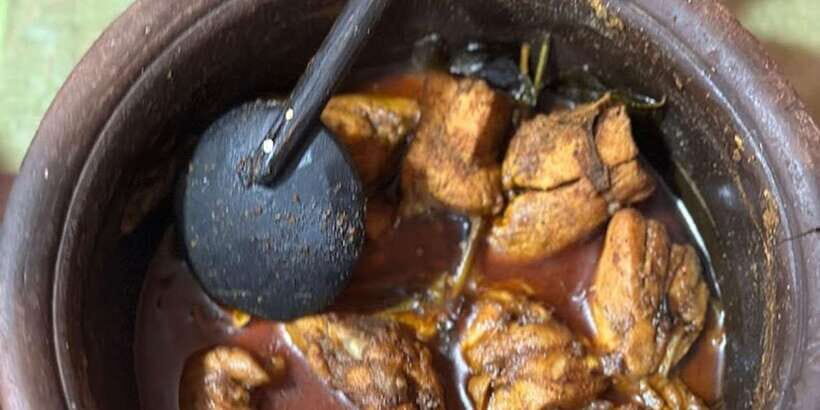
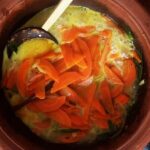
Taste highlights that stand out from the experience descriptions include eggplant curry and mushroom curry, plus the unforgettable flavor payoff you get once sambol and coconut roti are finished. If you like experimenting with spices, you’ll enjoy how much of the class is about seasoning correctly—without turning it into a chemistry exam.
A small practical note about portions
This class can run like dinner. One person even suggested skipping lunch because you’ll want room for everything at the end. I’d take that advice. Even with a short 3-hour session, the food count adds up fast.
The Market Stop (If Included): Spices, Vegetables, and How Locals Shop
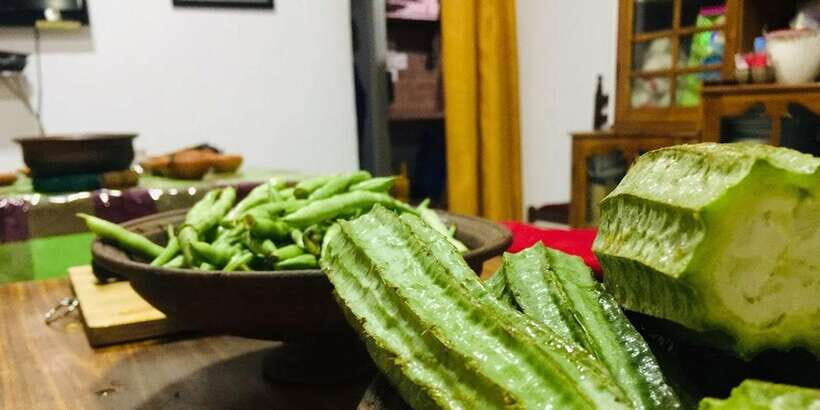
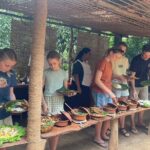
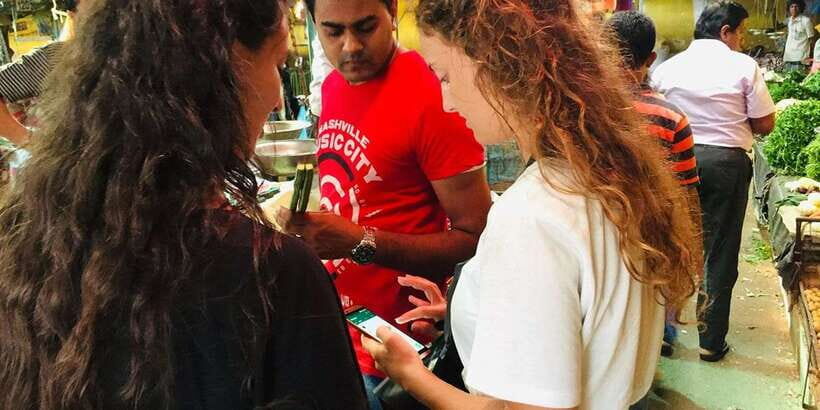
One of the best parts of the experience is the option—or sometimes the emphasis—to go to a local market with a guide. Your hosts can take you to shop for groceries and explain spices and vegetables along the way.
This is where the class becomes useful beyond the kitchen. When you learn which spices and vegetables matter for Sri Lankan curries and sides, you stop guessing when you’re back home. You’ll recognize ingredients and understand which ones give fragrance, which ones give heat, and which ones bring sweetness or earthiness.
The market phase is also a good reset. You start by seeing the raw ingredient world. Then you come back and cook with purpose.
In at least one described experience, you even get a chance to relax at home before cooking starts—like tea and pancakes while ingredients are prepped. It’s a gentle way to pace things so you aren’t dropped straight into chopping and pounding right away.
Other Sri Lankan cooking classes we've reviewed in Kandy
Inside the 3-Hour Class: How the Flow Really Works
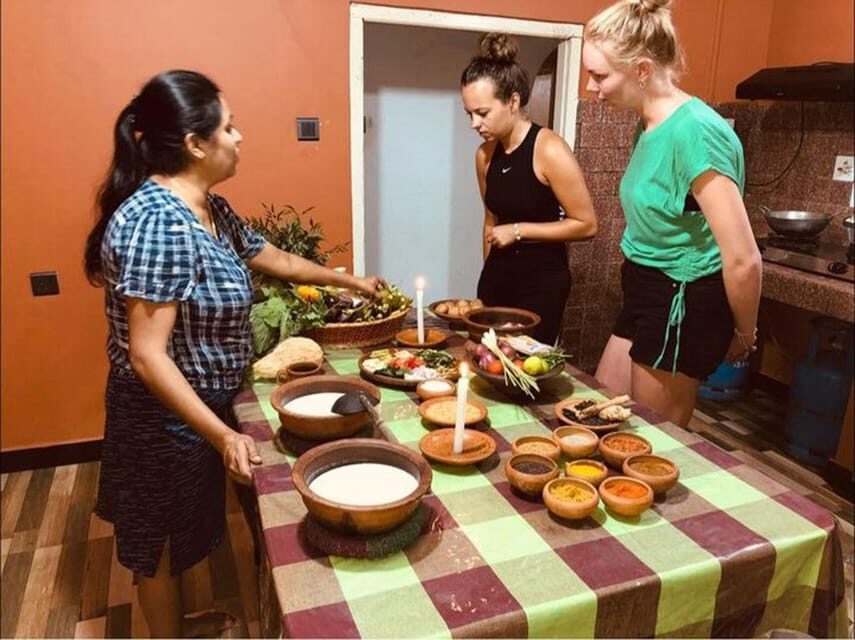
The session is listed as 3 hours. In a home setting, that time is tight but manageable—especially with a family-led rhythm and a small group.
Here’s what to expect in the flow:
- Pickup from your Kandy hotel (optional but available, around Kandy town)
You wait in the hotel lobby about 10 minutes before pickup. It helps the start time run smoothly.
- Market visit with ingredient guidance (if arranged/part of your session)
You’ll buy what you need and learn what’s what. This is where guides like Dinesha can add a lot of value.
- Tea and light prep time at the home
In some experiences, you’ll settle in with tea and something like pancakes while ingredients are getting ready.
- Cooking in the home kitchen
You’ll learn and cook through multiple dishes. Even when most of the cooking is done by the family, you’ll still handle seasoning and key steps so you understand the balance at each stage.
- Eat what you made
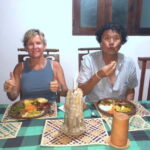
You don’t just taste a bite and call it done. The experience is structured like a proper meal.
- Get recipes at the end
You’ll be provided the recipes so you can recreate the meal later.
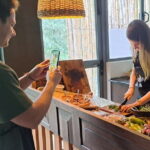
One delight that shows up in the descriptions: the family uses traditional tools, including a 100-year-old stone board for sambol. That’s the kind of detail that makes the class feel like it has continuity, not just a modern cooking demo.
Price and Value: When $99 for Up to 2 Makes Sense
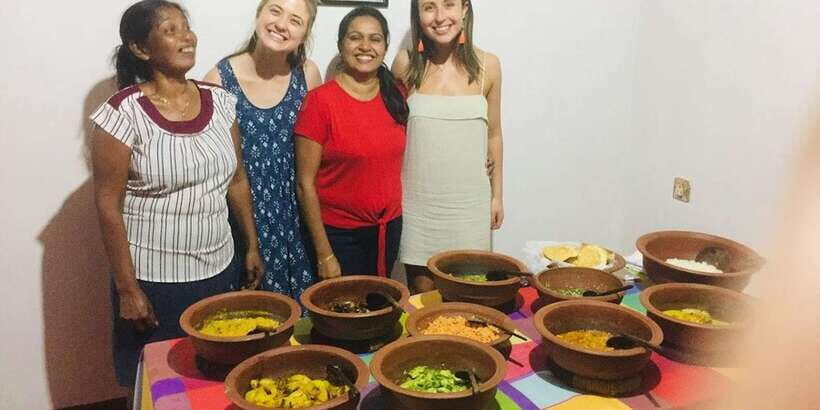
The price is $99 per group up to 2 for about 3 hours. On the surface, that’s not a bargain if you compare it to large group classes. But for this kind of home-based teaching, it’s closer to what you’d expect for a private, family-led dinner experience.
Here’s why the value holds:
- Small group of 2 means you can ask questions and get clearer answers.
- You learn multiple dishes, not just one curry.
- You get a full meal at the end, including vegetable dishes and coconut sambol/roti plus your chosen fish or chicken.
- Recipes included help you actually use what you learned later.
If you’re traveling as a couple, this price can feel very reasonable because you’re essentially buying two seats into a guided, ingredient-focused cooking-and-meal session.
If you’re solo, consider whether you’d rather spend this amount on a different activity plus dining out. Still, if your priority is learning and eating well in a real home, this can be a smart use of time.
What to Bring (and What to Skip)
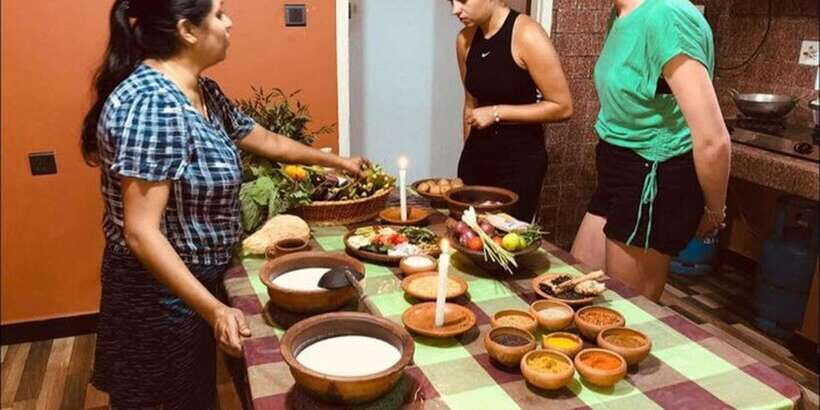
This class keeps things practical. Here’s what’s specifically recommended:
- Change of clothes
- Camera
- Cash
- Charged smartphone
Also, it’s noted as not suitable for wheelchair users.
And pets are not allowed (with the note that assistance dogs are allowed).
My tip: wear something comfortable you don’t mind getting a little messy. You’ll be working in a kitchen environment, and even if the family does a lot, curry and coconut don’t care about your favorite shirt.
Best for Who? Choosing This Cooking Class for Your Kandy Trip
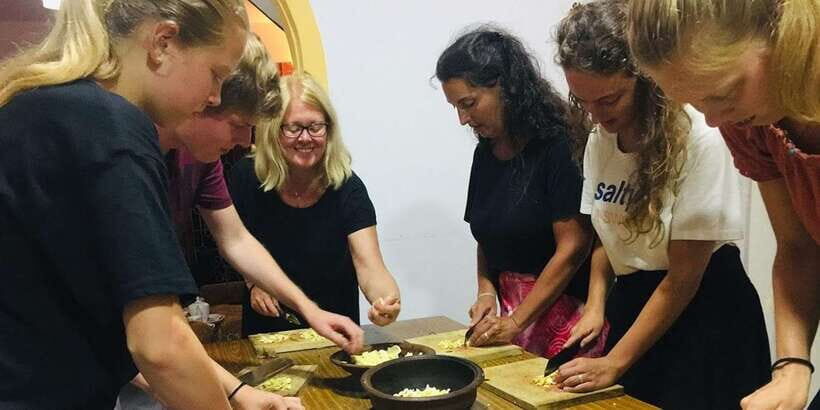
This experience fits best if you want:
- A local-family take on Sri Lankan cooking (not a staged studio class)
- A food-heavy session where you eat what you cook
- Ingredient learning, especially around spices and vegetables
- More intimate interaction thanks to a group size up to 2
If you’re the type who likes to shop with a local and understand what you’re buying, you’ll get extra value from the market time. If you hate crowded tours, the small group format is a relief.
If you’re very short on time, it’s still manageable because it’s only 3 hours, but remember: you’ll leave full.
Should You Book The Best Kandy Kitchen?
Book it if your goal in Kandy is authentic, practical food learning—and you’re happy to spend your evening (or part of your day) cooking and eating with a real family.
Skip it if you want a quick snack-style cooking show, or if you don’t eat much and prefer lighter meals. Also skip if mobility needs make wheelchair access a concern.
For most people who want a real Sri Lankan home-kitchen experience near Bahirawakanda, this is an easy yes.
FAQ
How long is the Sri Lankan cooking class in Kandy?
The class lasts about 3 hours.
How many people are in a group?
It’s a small group limited to 2 participants.
What does the class include?
You’ll get ten types of vegetable dishes, coconut sambol, coconut roti, and fish or chicken (your choice). Water bottles are also included, and you’ll receive recipes at the end.
Is pickup from my hotel included?
Yes. Pickup and drop-off are included around Kandy town. You should wait in the hotel lobby about 10 minutes before pickup.
What language is the instruction?
The class is taught in English.
What should I bring?
Bring a change of clothes, a camera, cash, and a charged smartphone.
Are pets allowed?
Pets are not allowed. Assistance dogs are allowed.
Is this class suitable for wheelchair users?
No, it’s not suitable for wheelchair users.