REVIEW · ANURADHAPURA
All-Inclusive Minneriya National Park Afternoon Safari
Book on GetYourGuide →Operated by Beyond Escapes · Bookable on GetYourGuide
Elephants in Minneriya feel close. In my mind, the best part is spotting Sri Lankan elephant herds at work in their natural habitat, and then shifting gears to hunt two island endemics: the purple-faced langur and the toque macaque. This is an easy afternoon outing that packs real wildlife viewing into a tight 4-hour block.
I also like how the safari focuses on the park’s most compelling residents, not just generic scenery. That said, one important consideration is that wildlife sightings can vary by season and water levels, so a great day for elephants is never a guarantee for leopards or bears.
If you base yourself around Polonnaruwa or Giritale, this timing is convenient. A pickup gets you into the park in the afternoon, you spend about 3 hours on a jeep game drive, and you’re back at your accommodation without eating your whole day.
In This Review
- Key things I’d plan around
- Afternoon Safari From Minneriya: Why the Timing Works
- Getting There and Into the Park: Your 4-Hour Game Drive Plan
- A note on vehicle feel
- Elephants First: How Minneriya’s Herds Shape the Safari
- Respect matters when elephants are close
- The Endemic Monkey Search: Purple-Faced Langur and Toque Macaque
- When to adjust your expectations
- Rare Species Odds: Leopard, Sloth Bear, Crocodiles, and Pythons
- A realistic tip from the seasonal pattern
- What the Safari Feels Like Inside a Private Jeep
- What not to do on safari
- Price and Value: Is $95 a Fair Deal for Minneriya?
- Who Should Book This Safari (and Who Might Skip It)
- What to Bring and Wear for a Comfort-First Wildlife Day
- Should You Book the All-Inclusive Minneriya Afternoon Safari?
- FAQ
- How long is the Minneriya afternoon safari?
- Where are the pickup and drop-off locations?
- Is the price $95 per person, and what does it include?
- What language does the driver speak?
- What wildlife can I realistically hope to see?
- What should I bring for the safari?
- Are pets or smoking allowed?
- Is it wheelchair accessible, and is it suitable for everyone?
- Is there a cancellation policy?
Key things I’d plan around
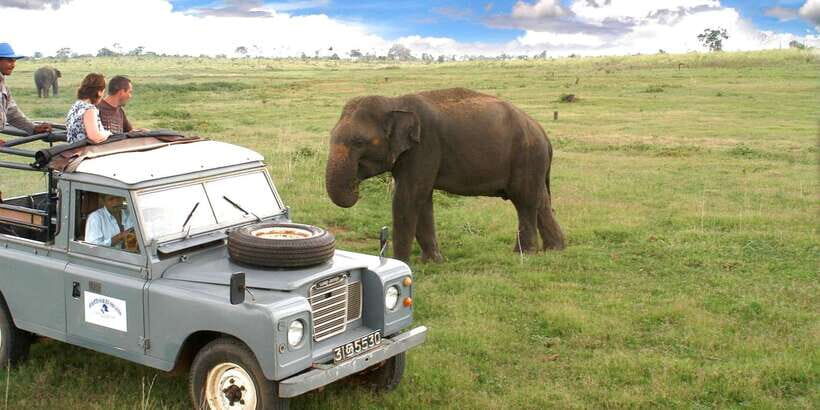
- Elephant herds close to the road make Minneriya feel like a real-life wildlife meeting, not a distant lookout.
- Endemic monkeys (purple-faced langur and toque macaque) give you more than just the usual wildlife checklist.
- A tight 3-hour jeep drive keeps the safari moving while you chase animal activity.
- Rare-wildlife chances include leopard, sloth bear, crocodiles, and pythons, but sightings depend on conditions.
- Private group format can mean a more comfortable, less crowded experience.
- Driver behavior matters: ask for respectful distances if you feel the vehicle is getting too pushy.
Afternoon Safari From Minneriya: Why the Timing Works
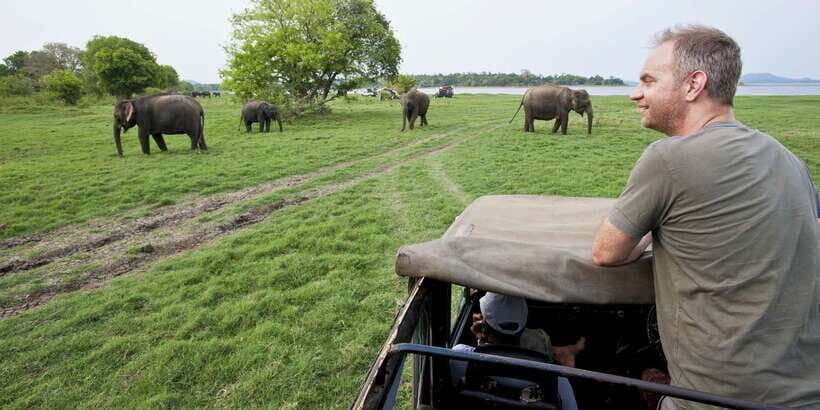
An afternoon safari is a smart move in Sri Lanka’s North Central Province. The park is active in the cooler hours, and the light tends to be kinder for looking closely and taking photos. You’re also not trapped into an all-day schedule, which matters if you’re already doing other sights around Polonnaruwa, Sigiriya, Dambulla, or Habarana.
Your trip is built around a simple rhythm. You get afternoon pickup from your hotel or residence area, then head into Minneriya National Park for a 3-hour jeep game drive. After that, you return to your accommodation, so the day doesn’t end with a long, tiring drive.
One practical thing I appreciate: you’re not guessing how to fit this into your itinerary. The safari is designed as a half-day experience. At a stated $95 per person for a 4-hour experience with entry fees included, it’s the kind of activity that can be “worth it” if you treat it like a focused wildlife outing rather than just a ride through a park.
Private-group format also changes the vibe. Even if the number of seats in the jeep is fixed, you’re not dealing with a big mixed crowd spirit. That makes it easier to concentrate on what the driver spots, and you can pay attention to how the jeep moves when animals are nearby.
Other Minneriya safari tours we've reviewed in Anuradhapura
Getting There and Into the Park: Your 4-Hour Game Drive Plan
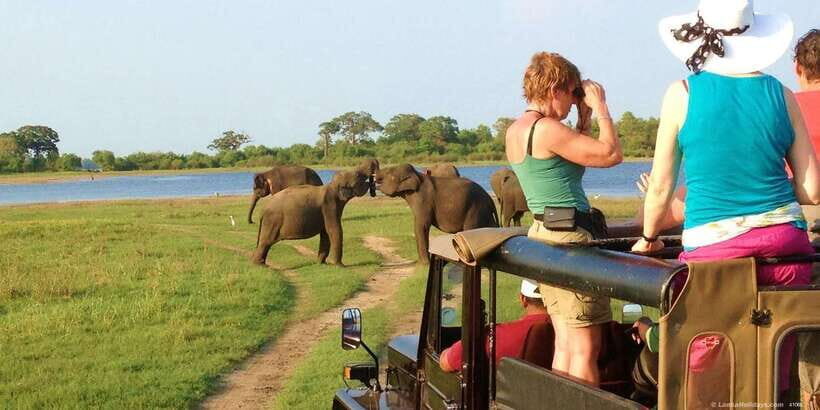
The schedule is straightforward. You start with hotel pickup, with pickup options that include Polonnaruwa, Girithale, Sigiriya, Dambulla, and Habarana. Your drop-off returns you to Girithale, Sigiriya, Polonnaruwa, Dambulla, or Habarana, depending on where you start.
Inside the park, the centerpiece is your 3-hour jeep safari. Minneriya is about 21,000 acres (8,889 hectares), which is plenty of room for animals to move and for sightings to vary by route and timing. That means you should keep your expectations flexible: you’re not shopping for a single animal at a single spot. You’re reading the park in motion.
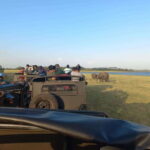
Jeep safaris come with one unavoidable reality: you’ll be riding on uneven ground, and sometimes the jeep stops quickly when something appears. For that reason, comfortable clothing is not optional. Sunglasses and a sun hat help too, since you’ll be looking and waiting while the light changes.
Also, this is not a guided-by-museum style visit. Your driver is English-speaking, but the action is outside the window. When you hear the stop-and-look routine begin, you’ll feel the safari’s pace: slow scanning, sudden focus, then a steady push to get to the next possible sighting.
A note on vehicle feel
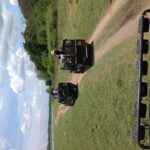
The safari includes a safari jeep rental, and that’s what matters most. Still, jeep comfort can be hit-or-miss on the road. If you’re sensitive to bumps or you get motion discomfort easily, plan for it. Bring a camera strap that stays secure and consider wearing layers you can handle if it’s cooler in the vehicle than outside.
Elephants First: How Minneriya’s Herds Shape the Safari
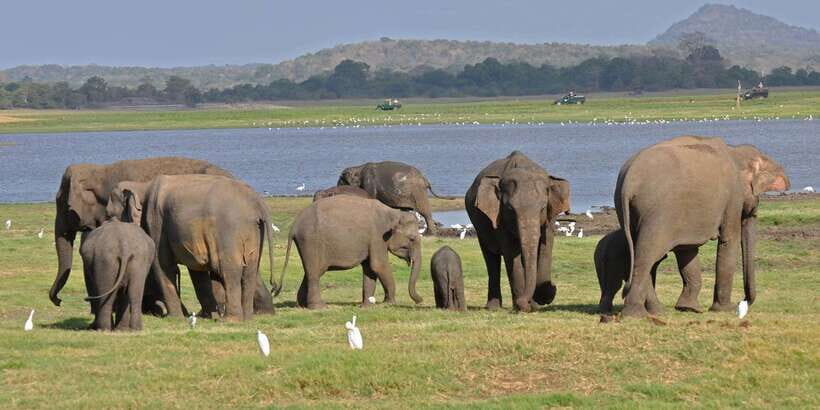
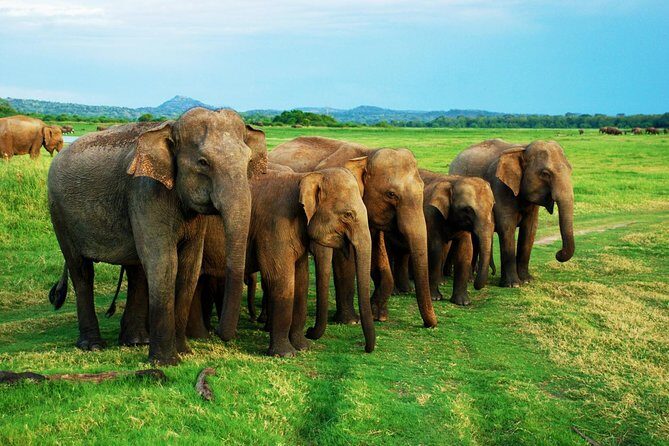
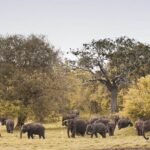
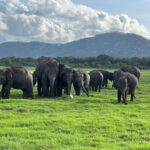
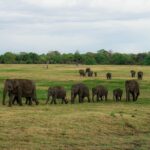
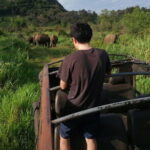
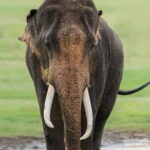
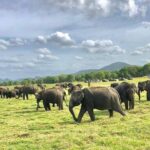
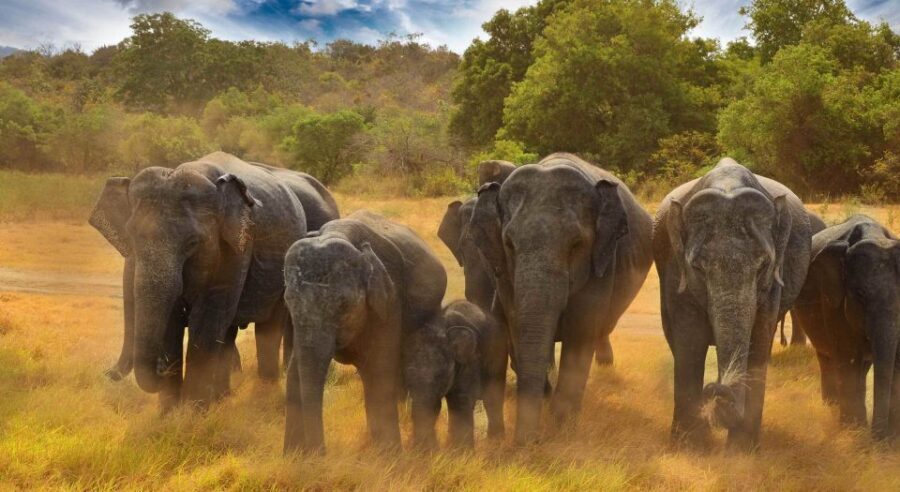
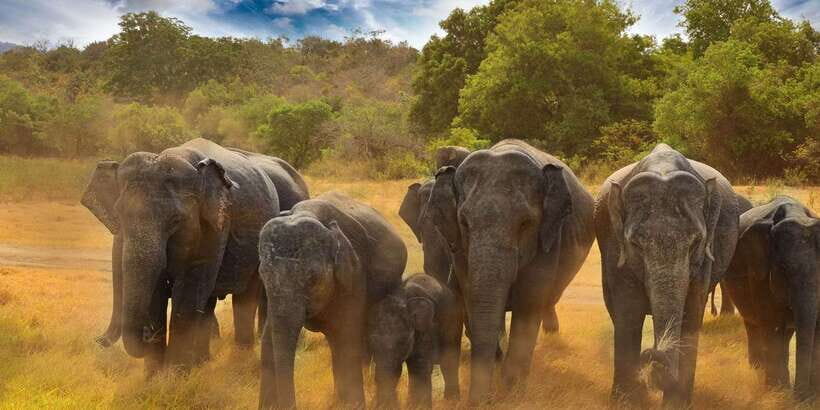
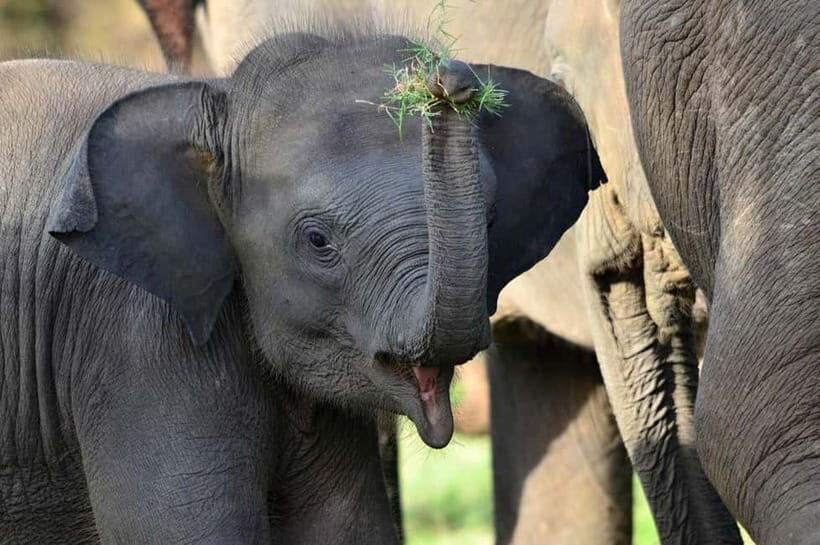
If your goal is wild elephants, Minneriya is usually the star of the show. This park is famous for large herds of Sri Lankan elephants, and the safari experience is built around getting you close enough to really see what’s happening: grazing patterns, social movement, and how herds respond to nearby vehicles and sounds.
When the herd is in view, everything else becomes secondary. You’ll spend time watching the way elephants coordinate—some stay calmer while others shift the herd’s direction. The most exciting moments often aren’t the biggest spectacle; it’s the small behavior clues that show you you’re watching a real group, not a staged photo moment.
You’ll also get a sense of why an afternoon drive can be special. In many parks, animal routines shift throughout the day. In the afternoon, elephants can be more predictable in where they’re heading next, and the light can help you spot details like ear flicks, trunk movement, and dust patterns when they settle.
Respect matters when elephants are close
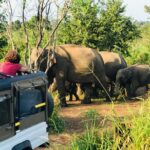
One detail you should care about is how the jeep approaches wildlife. There’s an ethical line with wildlife viewing: drivers should maintain distance and avoid acting like animals have to move for the vehicle. If you feel the jeep is pressing too close, speak up calmly through your driver. Good drivers keep the animals in control.
That’s not just about animal welfare. It also improves your viewing. When the herd isn’t stressed, the elephants keep behaving naturally—and that’s when you see real moments instead of just the herd reacting.
A few more Anuradhapura tours and experiences worth a look
The Endemic Monkey Search: Purple-Faced Langur and Toque Macaque
The monkey portion of this safari is a big reason I’d recommend Minneriya to anyone who has already done the “elephant checklist” in Sri Lanka. The goal here is specific: spot two monkey species that are endemic to Sri Lanka—the purple-faced langur and the toque macaque.
These sightings change your job in the safari. With elephants, you look for movement and scale. With monkeys, you’re also looking at smaller motion—tree canopy movement, quick flashes of color, and the way animals pause to scan. It’s a different kind of attention, and that’s part of the fun.
If you get lucky, the langur sightings feel like finding a hidden actor in plain view. The name alone tells you there’s a distinctive face, so once you see the head shape and coloring, you’ll understand why people talk about it. Toque macaques are often more visible because they can move actively between areas, and you might notice their presence as the jeep slows and the driver starts scanning around shrubs and trees.
When to adjust your expectations
Don’t panic if monkeys are quiet. Wildlife activity varies, and trees can hide what’s happening. If you’re not seeing much, treat it as part of the safari rhythm: keep your camera ready, but don’t stare so hard you miss the sudden movement. A good driver doesn’t just stop—they stop at the right angle where you can actually see.
Rare Species Odds: Leopard, Sloth Bear, Crocodiles, and Pythons
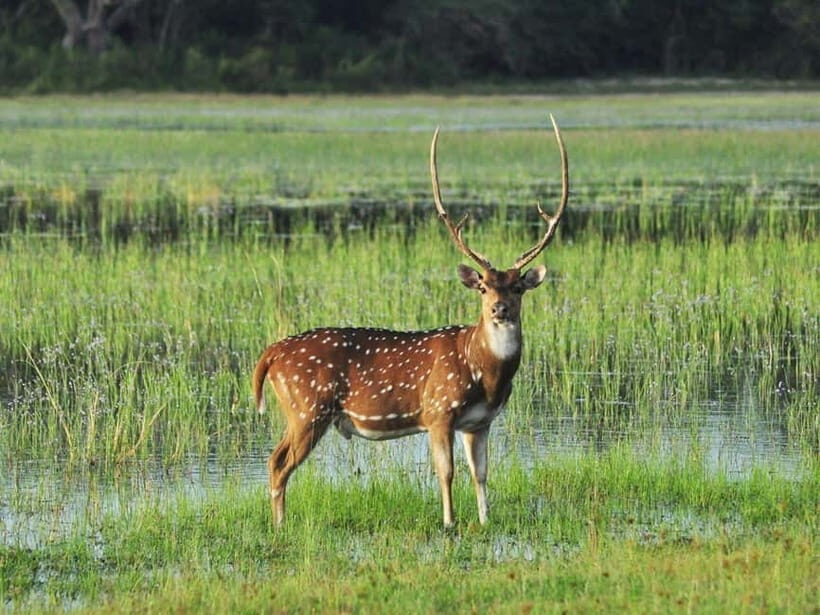
This safari includes a chance to see rarer wildlife beyond elephants and monkeys. The possibilities listed include Sri Lankan leopard, sloth bear, saltwater crocodiles, and Indian pythons. The key word here is chance. Some days are a jackpot day; other days show you fewer surprises.
Leopard and sloth bear sightings are the most “hard mode.” These animals tend to appear at the edges of what’s easy to spot. You’re relying on luck plus a good driver reading signs: tracks, movement in the distance, or timing around where prey and cover come together.
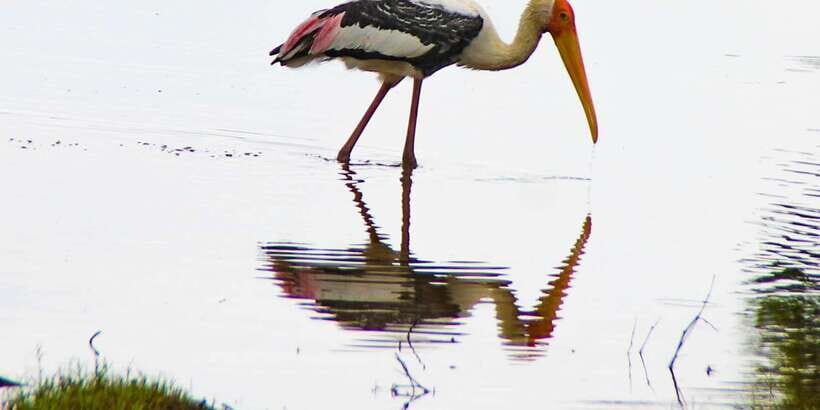
Crocodiles and pythons play a different role. They can be spotted depending on where the safari routes you and how water and heat are affecting movement. If you’re near areas where reptiles might relax, your odds go up—but you still need patience. A python isn’t going to pose for you. It’s more about staying alert when the driver makes the quiet, quick stops.
A realistic tip from the seasonal pattern
Even if a park is known for elephants, wildlife shifts can happen. In wetter periods with higher water levels, animals may move to other areas. That’s why you should think of this as a wildlife viewing outing, not a promise that every headline species will show up.
Still, that doesn’t make the safari pointless. Even on a day with fewer big surprises, elephants and monkeys can carry the experience. And when animals are active, you’ll feel that payoff quickly.
What the Safari Feels Like Inside a Private Jeep
This experience is described as a private group with an English-speaking driver. That matters because your viewing experience depends on the driver’s skill and restraint. The best safari drivers don’t rush; they read the environment and understand when to wait.
Your jeep also comes with a small comfort advantage: you’re not responsible for park entry fees, jeep rental, or the basic necessities of hydration. The safari includes refreshments and water bottles during the safari, plus all park entry fees and government taxes. That’s a practical inclusion, because nothing kills a wildlife mood like realizing you’re underprepared for heat and waiting.
One small detail you might find at the end of the drive: some drivers prepare a snack or light picnic moment during the return portion of the safari experience. That’s not something you should build your whole plan around, but it can add a nice human touch.
What not to do on safari
The rules are simple and they protect everyone. No smoking and no pets are allowed. You’ll also want to follow the “don’t mess around with your vehicle” energy: keep your gear secured, and avoid anything that slows the stop-and-go flow.
Price and Value: Is $95 a Fair Deal for Minneriya?
Let’s talk money in a way that helps you decide. $95 per person for 4 hours includes a lot of the hidden costs that surprise people on wildlife days: hotel pickup and drop-off, all park entry fees, jeep rental, and government taxes. It also includes water and refreshments, which is genuinely part of the comfort equation.
So when is the price a good value? It’s a good value when:
- You’re based near Polonnaruwa or Giritale, so the pickup time is reasonable.
- You treat this as your main wildlife moment for the day.
- You’re okay with the reality that rare animals are a bonus, not a guarantee.
When might it feel less fair? If you arrive during a period when wildlife visibility drops and you don’t see much beyond low activity. This is especially relevant for headline species like leopard or sloth bear, where sightings are less predictable.
Also, vehicle quality can vary day to day. Even though you’re paying for the jeep and safari service, comfort might not feel the same for everyone. If you’re picky about vehicle condition, it’s worth factoring that into your expectations.
Still, for an afternoon outing that gets you deep into a wildlife park with entry fees handled and hydration included, it’s a solid deal—assuming you’re going in with a flexible, wildlife-first mindset.
Who Should Book This Safari (and Who Might Skip It)
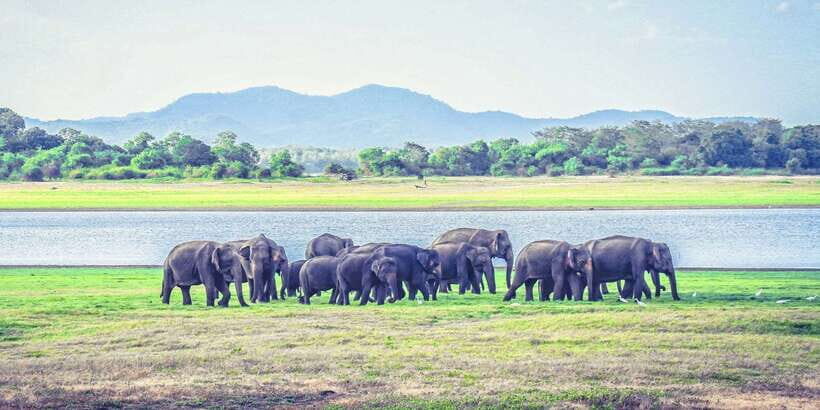
I’d point you to this safari if you want a high chance of elephants, and you also care about Sri Lanka’s endemics. If your trip focuses on culture but you want one wildlife hit that’s doable in an afternoon, this fits neatly.
It also works well if you prefer a private group format and want a driver who can focus on your sightings instead of managing a big crowd.
You might want to reconsider if you fall into the listed “not suitable” categories. This activity is not suitable for pregnant women and people with back problems. The road conditions in jeep safaris can be tough, and that’s not something you want to gamble with.
What to Bring and Wear for a Comfort-First Wildlife Day
Pack with “sun + waiting + bumps” in mind.
Bring:
- Passport or ID card
- Sunglasses
- Sun hat
- Camera
Wear comfortable clothing. Long sleeves can help if the sun is strong, while breathable fabrics make jeep time less annoying. If you get chilly in vehicles, consider a light layer you can handle in both directions.
One more practical thought: keep your camera strap short enough that it doesn’t snag when the jeep stops suddenly. Wildlife safaris reward readiness, but they don’t reward loose gear.
Should You Book the All-Inclusive Minneriya Afternoon Safari?
I’d book this safari if your top priority is seeing Sri Lankan elephant herds in a real park setting, and you want the added bonus of searching for purple-faced langur and toque macaque. The afternoon schedule is practical, the inclusions are genuinely useful (entry fees, jeep, water), and the private-group setup makes the experience feel less chaotic.
I’d hesitate if you’re traveling during a season when water levels push wildlife movement away from Minneriya, and your must-see list is heavy on elusive species like leopard or sloth bear. In that case, you may still enjoy elephants and monkeys—but don’t tie your whole trip’s success to rare sightings that depend on timing.
If you go with flexible expectations and strong elephant-and-endemic energy, this is a worthwhile afternoon plan.
FAQ
How long is the Minneriya afternoon safari?
The total duration is about 4 hours, including pickup and drop-off, with a 3-hour jeep safari in the park.
Where are the pickup and drop-off locations?
Pickup options include Polonnaruwa, Girithale, Sigiriya, Dambulla, and Habarana. Drop-off options include Girithale, Sigiriya, Polonnaruwa, Dambulla, and Habarana.
Is the price $95 per person, and what does it include?
Yes, it’s listed as $95 per person. The price includes hotel pickup and drop-off, refreshments and water bottles during the safari, all park entry fees, safari jeep rental, and government taxes.
What language does the driver speak?
The driver is listed as English-speaking.
What wildlife can I realistically hope to see?
You can look for large herds of wild Sri Lankan elephants and monkeys including the purple-faced langur and toque macaque. There is also a chance of Sri Lankan leopard, sloth bear, saltwater crocodiles, and Indian pythons.
What should I bring for the safari?
Bring your passport or ID card, sunglasses, a sun hat, and a camera.
Are pets or smoking allowed?
No. Pets are not allowed, and smoking is not allowed.
Is it wheelchair accessible, and is it suitable for everyone?
Wheelchair access is noted as possible if you have a collapsible wheelchair. It is listed as not suitable for pregnant women and people with back problems.
Is there a cancellation policy?
You can cancel up to 24 hours in advance for a full refund.