REVIEW · PASIKUDA
Sail Lanka Charter – Whale Watching Cruise In Mirissa
Book on GetYourGuide →Operated by Sail Lanka Charter (PVT) Limited · Bookable on GetYourGuide
This Mirissa cruise is built around timing: you get a sunrise breakfast and then head out while the ocean is at its most calm and clear. I like how the day mixes two moods at once—real wildlife time for whale and dolphin watching, plus room to cool off with swimming and stand-up paddle boarding. One thing to consider: it runs only during the Nov to Apr season, and the start is early, with a 6:30am departure.
A big part of the appeal is how the crew sets you up for viewing. When whales are spotted, guests are invited forward to the bow and up to the upper decks for the best look. And the service feels thoughtfully arranged: breakfast is prepared on board, and the day stays structured so you’re not just drifting around hoping for sightings.
The possible drawback is practical, not dramatic. There’s an extra wildlife fee charged separately (USD 18 for adults and USD 9 for children ages 3–12), so your final cost is a bit higher than the headline price.
In This Review
- Key things that matter on this Mirissa whale watching cruise
- Mirissa’s early 6:30am start: why it’s worth waking up
- Whale and dolphin viewing from the bow and upper decks
- The transition to Weligama Bay: Snake and Taprobane stop for swimming and lunch
- Included water time: swimming and stand-up paddle boarding
- Breakfast, lunch, and tea/coffee: food that makes the sea time easier
- Price and value: what you’re paying for at $165 per person
- Who this cruise suits best (and who might want another option)
- Practical tips for a smoother day on the water
- Book it or skip it: my decision guide
- FAQ
- When does the whale watching cruise operate in Mirissa?
- What time does the cruise leave Mirissa?
- How long is the experience?
- What’s included in the ticket price?
- Is the wildlife fee included?
- What languages are spoken by the instructor/crew?
- Is there free cancellation?
Key things that matter on this Mirissa whale watching cruise
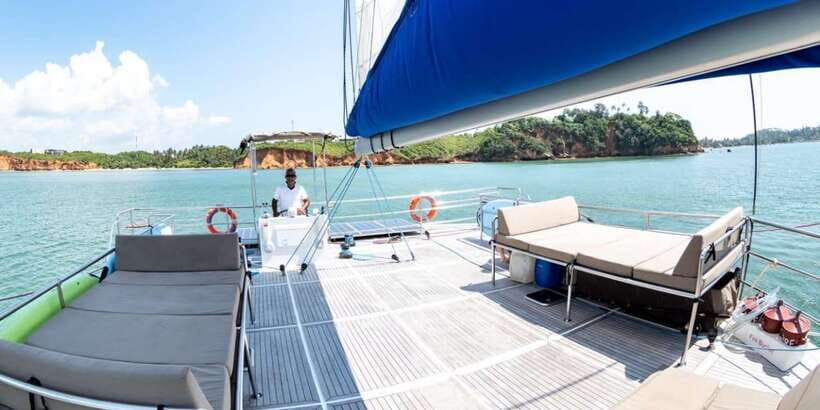
- 6:30am departure for sunrise conditions that make early sightings easier to enjoy
- Bow and upper-deck viewing when whales are sighted
- On-board chef breakfast with fresh fruit, plus tea and coffee later
- Weligama Bay anchor stop near Snake and Taprobane for swimming and lunch
- Water time included (swimming and stand-up paddle boarding)
- Professional, safety-minded service that keeps the day calm and well run
Mirissa’s early 6:30am start: why it’s worth waking up
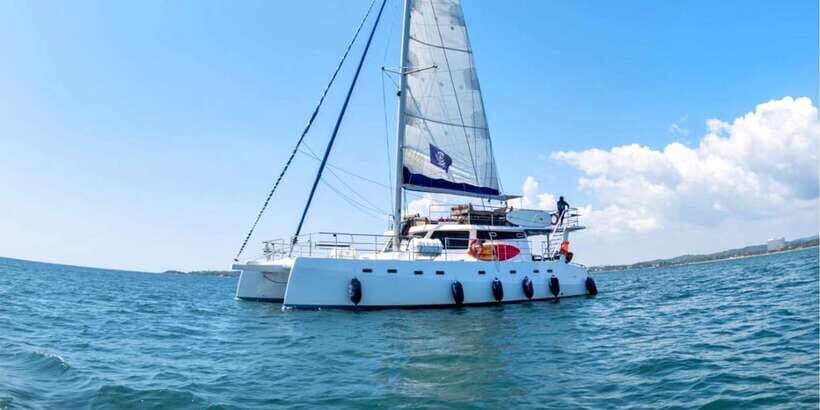
This cruise leaves the Mirissa harbor at 6:30am and runs daily from November to April. That matters because whale watching is all about angles and patience. Getting out early often means steadier light and calmer water, so you can focus on spotting spouts and movements instead of battling bright midday glare or choppier conditions.
I also like that the morning start is not just for wildlife. You’re not simply waiting in the dark and hoping the boat finds something. A chef serves breakfast as you travel, and that turns the early departure into a proper morning outing instead of an endurance test.
For families and small groups, this timing can feel like a win: you’ll be back with energy left in the day, and you avoid burning your whole vacation day on one long stretch.
Other Mirissa tours we've reviewed in Pasikuda

Whale and dolphin viewing from the bow and upper decks
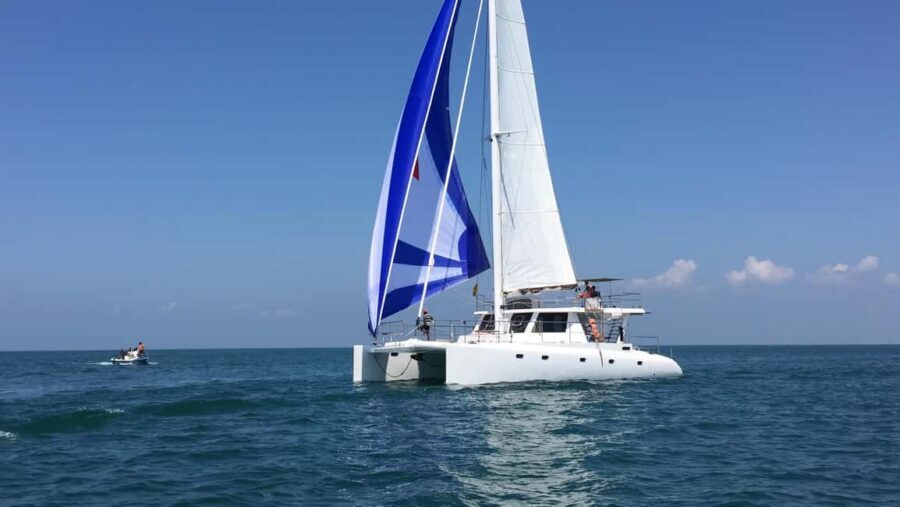
The heart of the experience is wildlife watching, with an explicit focus on whales and dolphins. Your viewing time starts as you head toward the whales after departure, and the crew watches for sightings while you’re still settling in with breakfast.
Here’s the detail that makes this cruise feel more “hands-on” than a basic sightseeing ride: when whales are sighted, guests are invited to the bow and upper decks. That’s where you usually get the clearest sightlines and a better chance to see behavior rather than just distant silhouettes.
And the sightings aren’t treated like a bonus. The day is structured so you stay in prime viewing conditions and you’re not immediately shuffled off after a quick glance.
One more reality check for planning: whale watching is never a guarantee. But the way this day is paced—breakfast during travel, then viewing with guests repositioned for best angles—makes it easier to feel like you’re getting real time on the water, not just a short stop.
The transition to Weligama Bay: Snake and Taprobane stop for swimming and lunch
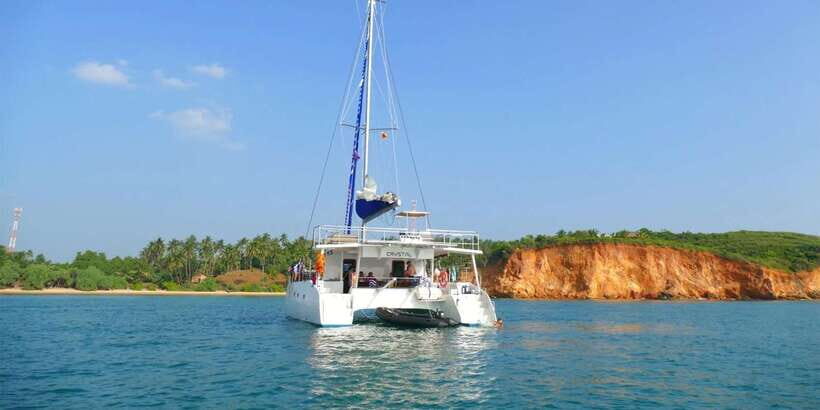
After whale watching, the yacht heads to Weligama Bay. This is where the cruise shifts from wildlife mode into relaxation mode, and it’s a smart balance for a 7-hour day.
The boat anchors near Snake and Taprobane islands, and that anchoring step is more than scenery. It sets up the best part of the “work and play” formula: you get time to swim and eat lunch without rushing back to the harbor.
Snake and Taprobane are known for being visually striking and memorable, and having them nearby gives the stop a sense of place. You’re not just in open water—you’re parked in a specific area with landmarks, which helps the afternoon feel like a destination rather than a detour.
What I’d watch for as a practical consideration: if you’re prone to motion sickness, the overall day includes time moving out to the whales and then shifting toward Weligama Bay. Bring whatever works for you on boats, especially since the morning timing means you may board without much food settling first.
Included water time: swimming and stand-up paddle boarding
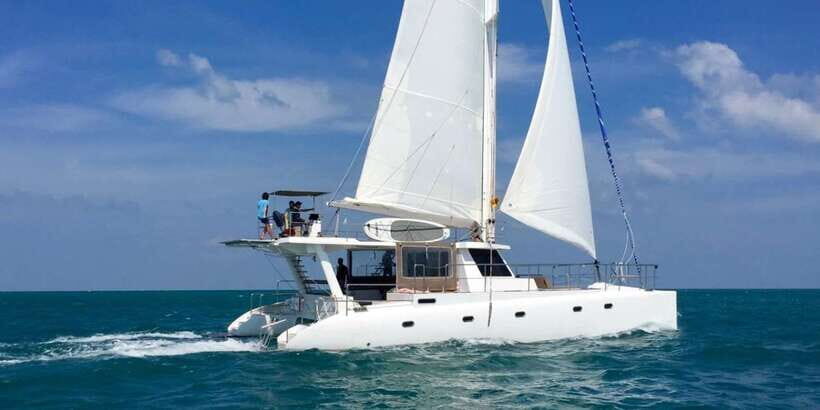
You’re not restricted to staying seated. The cruise includes swimming and stand-up paddle boarding, which is great because it gives you something active to do when the whales are quiet.
I like how this fits naturally after whale watching. If you’ve spent time craning your neck and watching for movement, changing gears into calm-water activities helps you actually enjoy the trip instead of feeling mentally “on duty” the whole time.
A small note: stand-up paddle boarding is included, but the provided info doesn’t spell out conditions or skill levels. If you’ve never tried it, you might find it helpful to ask the instructor/crew about what they recommend on the day (and whether conditions are suitable).
Breakfast, lunch, and tea/coffee: food that makes the sea time easier
Food isn’t an afterthought here. You get welcome drinks, a freshly prepared breakfast on the way (served by the chef, with fresh fruit), plus lunch, and tea/coffee during the day.
That matters more than it sounds. On a morning boat trip, hunger and dehydration can sneak up fast. Having breakfast included means you can stay focused during the whale search instead of worrying about when you’ll eat. And because the fruit is part of the breakfast, it’s an easy win for energy before you’re active.
Lunch at the Weligama Bay stop also creates a natural rhythm: whales first, then swimming, then food. It’s the kind of pacing that keeps the day feeling like a plan rather than a series of random moments.
From the overall feedback, people consistently highlight the food and the “safe, professional arrangement” feel. When a boat day runs smoothly, that’s usually because the basics—timing, serving, crew handling—are being managed well.
Price and value: what you’re paying for at $165 per person
The listed price is $165 per person for a 7-hour outing. To me, this is best viewed as a combination package: boat time in the prime Mirissa season window, wildlife-focused effort, and meals plus water activities.
Here’s the catch to budget correctly: the wildlife fee is charged separately—USD 18 per adult and USD 9 per child (ages 3–12). So your real total depends on your group.
Is it still good value? For many people, yes, because the inclusions are real and practical:
- breakfast, lunch, and tea/coffee
- welcome drinks
- whale/dolphin watching
- swimming and stand-up paddle boarding
If you compare that to piecing together separate boat transport, food, and activity fees, the cruise price can make sense—especially when you’re traveling in a group and want everyone covered under one schedule.
If you’re traveling solo or you’re extremely price-sensitive, double-check your wildlife fee total before you book. That single detail can swing the math.
Who this cruise suits best (and who might want another option)
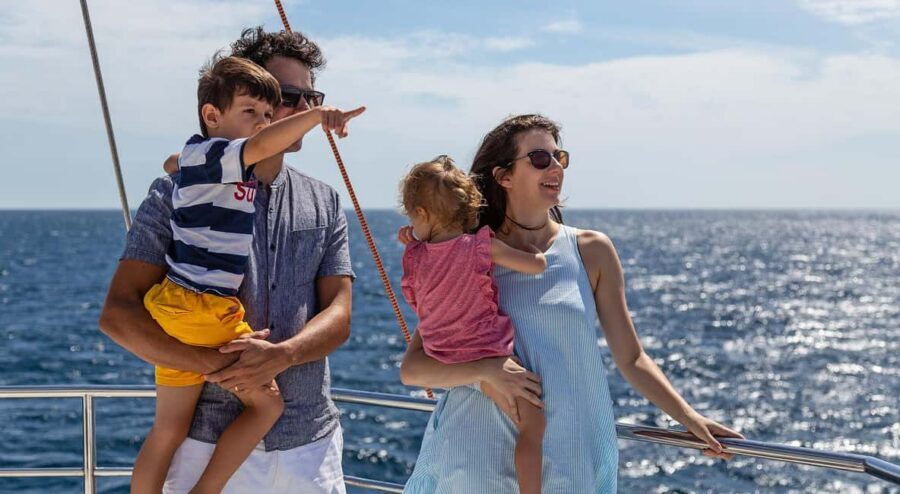
This cruise is described as ideal for families, small groups, and friends. I agree with that fit, because the day offers a mix that keeps different ages interested:
- wildlife viewing as the main attraction
- water play as the break from sitting still
- meals that reduce stress and keep energy up
It’s also a good match if you like structured boat time. The crew handles breakfast service and adjusts where guests stand for sightings, which makes it easier to enjoy even if you’re not the type to chase wildlife tours for days.
Who might reconsider? If you hate early mornings or you’re not comfortable with time on a moving boat, you may find the 6:30am start and the full 7-hour format less appealing. In that case, you could still enjoy Mirissa’s coast, but you might prefer a different style of day trip.
Practical tips for a smoother day on the water
Here’s how I’d set you up for a comfortable experience based on what’s included and how the day runs.
1) Plan for an active morning
You’ll be on a boat with wildlife viewing plus breakfast. Wear clothes you’re fine getting splashed in, since you’ll later swim.
2) Bring sun and water protection
Even without extra details provided, Mirissa sun can be strong in season. Sunglasses, sunscreen, and a light hat are your best friends for whale spotting when you’re looking farther out.
3) Consider motion and comfort
The day involves travel toward whales and then to Weligama Bay. If you’re motion-sensitive, pack your preferred remedy and keep yourself hydrated from breakfast onward.
4) If you want the best whale angles, be ready to move
When whales are sighted, guests move to the bow and upper decks. Be prepared to shift positions quickly and safely.
5) Budget for the wildlife fee
Adults and children are charged separately for wildlife entry. Check your group’s ages and totals before you assume the $165 covers everything.
Book it or skip it: my decision guide
I’d book this whale watching cruise if you want a single, well-paced half-day-style experience that combines wildlife viewing with real time in the water, plus meals that actually keep you going. The structure—breakfast on the way, repositioning for whale sightings, then swimming and lunch near Snake and Taprobane—makes the day feel purposeful.
I’d think twice if:
- you’re not a fan of early mornings (6:30am is firm)
- you’re traveling outside Nov–Apr season
- you’re trying to minimize extra fees, since the wildlife fee is payable separately
Given the overall rating around 3.8 from a small set of verified bookings, the pattern is clear: when it clicks, people praise the service, safety, and food, and they mention seeing dolphins and whales. That’s exactly what you want from a whale cruise—clear effort, calm handling, and a day that doesn’t feel chaotic.
FAQ
When does the whale watching cruise operate in Mirissa?
It departs daily from November to April.
What time does the cruise leave Mirissa?
The cruise departs at 6:30am.
How long is the experience?
The duration is 7 hours.
What’s included in the ticket price?
Included are welcome drinks, breakfast, lunch, tea/coffee, whale/dolphin watching, swimming, and stand-up paddle boarding.
Is the wildlife fee included?
No. A separate wildlife fee is charged: USD 18 per adult and USD 9 per child (ages 3–12).
What languages are spoken by the instructor/crew?
English and Singhalese are listed.
Is there free cancellation?
Yes. You can cancel up to 24 hours in advance for a full refund.
—
If you tell me your group size and ages, I can help you estimate the true total (including the wildlife fee) and decide whether this is the best fit versus a lower-cost alternative.