REVIEW · PASIKUDA
Pasikuda to Trincomalee: Whale & Dolphin Safari + Transport
Book on GetYourGuide →Operated by Trinco Bay Dive Center / Weligama Bay Dive Center · Bookable on GetYourGuide
Sea giants, in your own morning. This Pasikuda to Trincomalee day trip mixes a scenic east-coast drive with a guided whale and dolphin safari in the Indian Ocean, where the action can happen fast and close to the boat.
I love the round-trip hotel transport because it keeps the day simple, and I love the eco-friendly way the crew runs the safari—focused on animal safety and responsible viewing. One drawback to plan for: wildlife sightings are common, but not guaranteed, since you’re in the animals’ natural habitat.
In This Review
- Key highlights at a glance
- Why Trincomalee waters are worth the drive
- Getting from Pasikuda (or Kalkudah) to the safari boat
- The 3-hour whale and dolphin safari: what it feels like on the water
- Wildlife spotting: how to improve your odds without getting stressed
- Eco-friendly viewing that doesn’t ruin the magic
- Comfort rules: what to bring and what to wear
- If you get seasick
- Price and value: is $118 a fair deal?
- Who this tour suits best (and who won’t love it)
- Quick practical notes before you book
- Should you book this whale and dolphin safari from Pasikuda?
- FAQ
- Where do pickups happen for this tour?
- How long is the safari?
- What wildlife can you expect to see?
- Is wildlife viewing guaranteed?
- What’s included in the price?
- What should I bring for the boat trip?
- Is the tour suitable if I get seasick?
- What happens if weather is bad?
Key highlights at a glance
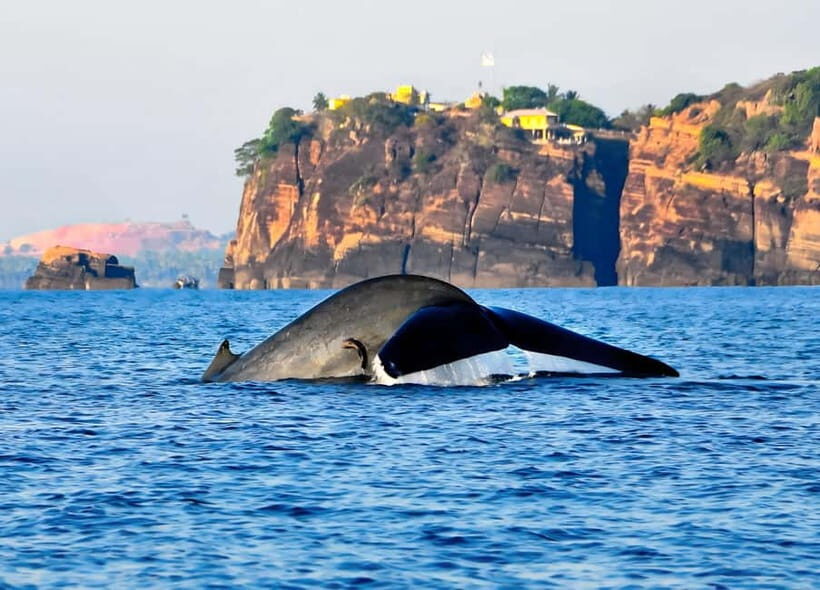
- 3-hour boat safari out of Trincomalee waters, with time built in for real spotting (not just a quick cruise)
- Expert English-speaking marine guide on board to help you read what you’re seeing
- Species to look for like blue whales, sperm whales, spinner dolphins, and bottlenose dolphins, plus occasional sea turtles or flying fish
- Eco-minded, small-boat style viewing that aims for comfort for you and the animals
- Photo-friendly opportunities as dolphins jump and whales surface near the boat
- Tea, coffee, and cookies before you head out, so you’re not starting the ocean cold
Why Trincomalee waters are worth the drive
Trincomalee has earned a reputation for whale and dolphin watching because the Indian Ocean here can be reliably productive for marine life. That matters, because whale watching isn’t like a museum—your job is to be in the right place at the right time, then stay alert.
What I like about this plan is that it’s built around a full day of “get there comfortably, then focus on the sea.” You’re not stressing over timing, you’re not scrambling for transport, and you’re not guessing where to stand or what to look for once you’re out on the water.
This trip also gives you a realistic expectation. Sightings are common, but nature writes the final script. If you treat this as a guided ocean experience first—and a wildlife guarantee second—you’ll enjoy it more.
If you're still narrowing it down, here are other tours in Pasikuda we've reviewed.


Getting from Pasikuda (or Kalkudah) to the safari boat
Your morning starts with a pickup from your hotel area in Pasikuda or Kalkudah, with a driver meeting you in the reception area. Plan to be ready about 10 minutes before the scheduled pickup time. If your accommodation sits on a small or narrow road, the pickup might be adjusted so you reach the nearest accessible point.
Then you’re in an air-conditioned vehicle, heading along Sri Lanka’s east coast to Trincomalee. The practical value here is huge: you avoid the hassle of arranging your own ride, and you arrive for the safari without losing energy to transport logistics.
The overall duration is 7 hours, which tells you this isn’t just a short boat outing padded with trivia. The timing is designed so the day feels like a real experience: travel in comfort, safari time to actually find wildlife, then a relaxed return drive.
The 3-hour whale and dolphin safari: what it feels like on the water
Once you reach the area, you step aboard a specially designed safari boat for about 3 hours on the water. That’s your main window for dolphins and whales, so the crew’s job is to help you spot patterns—where activity might be happening, what behavior to watch for, and how to position yourself for the best view.
You’ll be listening for cues and scanning continuously. The guide will help you look for:
- Blue whales
- Sperm whales
- Spinner dolphins
- Bottlenose dolphins
You may also spot sea turtles or flying fish, depending on conditions. On days when the ocean delivers, that 3-hour stretch can feel like it goes both quickly and slowly—quick because you’re watching for sudden surfacing, slowly because you’ll want time to get photos from multiple angles.
The best part is how the action can show up right around the boat. In responsible whale/dolphin viewing, the goal isn’t to chase animals—it’s to observe without stressing them. When dolphins appear and start moving in your direction, it’s the kind of moment that makes you forget you were thinking about logistics an hour earlier.
Wildlife spotting: how to improve your odds without getting stressed
Even with high sighting rates, you still want to help your own experience. Your guide can’t force whales to surface, but you can make it easier to spot what’s already out there.
Here’s how I’d approach it:
- Stay ready with your camera. Don’t wait until you think something is happening. Have your settings and grip sorted before the boat starts moving faster.
- Keep an eye on the surface. Many cues are subtle first: a shift in water texture, a brief spout far away, or dolphins changing behavior.
- Be patient when nothing happens. When sightings are active, they can happen in clusters. If you get restless in calm moments, you miss the build-up.
The trip’s guidance also matters. With an expert marine guide, you’re not just hoping. You’re learning what to look for and getting context fast. That’s especially helpful if it’s your first time on a whale and dolphin safari.
Also, don’t ignore the small stuff. Even when whales aren’t surfacing constantly, dolphins can keep the ocean moving. And those occasional sea turtle and flying fish sightings are a nice bonus—small, quick, and photo-worthy.
Eco-friendly viewing that doesn’t ruin the magic
This safari is designed around responsible wildlife guidelines. In plain terms: the crew aims to keep the encounter safe for the animals and comfortable for you.
That includes how they manage boat behavior and how they think about crowding. The big benefit for you is quality. A calm, respectful boat encounter tends to feel better and often leads to longer, more natural-looking viewing—especially when dolphins start moving around the vessel.
You’ll also get a pre-safari boost on land: tea, coffee, and cookies before you head out. It’s a small inclusion, but it helps on an early start. Also, it means you can focus on the sea instead of hunting for snacks.
On the water, the photo side is built in. There’s time to capture the dramatic moments—dolphins leaping alongside the boat and whales surfacing. Bring a camera you can use quickly; ocean action doesn’t pause for your settings menu.
Comfort rules: what to bring and what to wear
A whale and dolphin safari is fun, but it’s still a boat day. Your comfort plan should be practical.
Bring:
- Hat
- Swimwear
- Towel
- Camera
- Sunscreen
- Water
Wear:
- Comfortable clothing
- Footwear suitable for a boat trip
Why the swimwear and towel? Because some people like to be ready for quick dips or for being able to cool down if you get splashed. Even if you don’t swim, having a towel is a smart way to reset if you get wet.
Sun protection is not optional. On open water, you can feel shaded for a minute and still get burned.
If you get seasick
This tour is not recommended for people prone to seasickness. And it’s also not recommended for pregnant women or anyone with severe back problems. If any of those apply to you, take that warning seriously. A guided boat trip can still be bumpy, and discomfort will steal your ability to watch and enjoy.
Price and value: is $118 a fair deal?
For $118 per person you’re getting a lot more than “a boat ride.” The value comes from the combination:
- Round-trip hotel transport from Pasikuda/Kalkudah
- Air-conditioned transfers
- The whale and dolphin boat safari
- An expert marine guide
- Tea, coffee, and cookies before the safari
When you compare that to piecing things together yourself—getting to Trincomalee, finding reliable access to the boat safari, and coordinating timing—this package format makes sense. You’re paying for convenience plus a guided wildlife experience.
Meals aren’t included unless specifically mentioned, so budget for that separately. If you plan your day with light snacks or a meal strategy, this doesn’t feel like a surprise cost later.
Who this tour suits best (and who won’t love it)
This is a strong fit if you:
- Want a guided whale and dolphin experience
- Care about responsible, eco-friendly wildlife viewing
- Prefer stress-free transport from your hotel area
- Like photography and want time to capture whale surfacing and dolphin jumps
- Are visiting Pasikuda or Kalkudah and don’t want the hassle of arranging everything yourself
You might not love it if you:
- Hate boat rides or get seasick easily
- Have severe back problems
- Are pregnant
- Need guaranteed whale sightings like a schedule-based show
This tour is best when you’re flexible and tuned in. If you show up treating it like a real ocean hunt with guidance, it pays off.
Quick practical notes before you book
This activity can be rescheduled or adjusted due to bad weather for safety. That’s normal for sea days, so keep your day flexible.
Your guide language options include English, German, French, and Dutch, which is useful if you want explanations in a language you’re comfortable with.
The experience is operated by Trinco Bay Dive Center / Weligama Bay Dive Center, so the activity is tied to a marine-focused provider rather than a random one-off arrangement.
Should you book this whale and dolphin safari from Pasikuda?
I’d book it if you’re in Pasikuda or Kalkudah and you want a day that feels like real east-coast Sri Lanka—morning pickup, a straightforward drive, then focused time on the water with a guide who helps you find what’s happening.
Skip or reconsider if you’re seasick-prone, have severe back issues, or need guaranteed sightings. The ocean doesn’t give guarantees. But the sighting rates are described as common, and the experience is set up to maximize your chances while keeping things respectful for the animals.
If you want a single outing that combines comfort, expertise, and real wildlife possibility, this is a very solid choice.
FAQ
Where do pickups happen for this tour?
Pickup is included from hotels in Pasikuda or Kalkudah. You should be ready in the lobby about 10 minutes before the pickup time.
How long is the safari?
The total experience duration is 7 hours, including travel time. The time for dolphin and whale watching on the boat is about 3 hours.
What wildlife can you expect to see?
You may spot blue whales, sperm whales, spinner dolphins, and bottlenose dolphins. You can also see sea turtles or flying fish occasionally.
Is wildlife viewing guaranteed?
No. Wildlife sightings are common, but they cannot be guaranteed since this is a natural habitat.
What’s included in the price?
Included are round-trip hotel transport (Pasikuda/Kalkudah), an air-conditioned vehicle, the whale and dolphin watching boat safari, an expert English-speaking marine guide, and tea, coffee, and cookies before the safari.
What should I bring for the boat trip?
Bring a hat, swimwear, a towel, a camera, sunscreen, and water.
Is the tour suitable if I get seasick?
It’s not recommended for people prone to seasickness.
What happens if weather is bad?
The tour may be rescheduled or adjusted for safety if conditions are poor.