Polonnaruwa hits hard, even in one day. This private tour turns scattered ruins into a story you can actually follow, with a dedicated guide and the big-ticket stops like the Gal Vihara rock temple. I especially like that you can move at your speed instead of getting herded. One thing to plan for: the site entry fee isn’t included (USD 30 per person), and there’s a moderate amount of walking.
What I love most is how the guide connects the dots between buildings and what they meant, not just what they look like. One guest even singled out Chami for perfect English and the kind of explanations that make each landmark feel intentional. And if it rains, the day can still work, because you’re not stuck waiting on a fixed group rhythm.
Before you go, pack smart: comfy shoes, hat, sunscreen, and a camera. Photography is allowed, but no flash inside the historical sites, and you can’t bring food or drinks into the ruins.
In This Review
- Key highlights in plain terms
- Meeting at the Archaeological Museum: getting your bearings fast
- Private pacing beats rushing through Polonnaruwa
- Royal Palace stop: where power becomes architecture
- Vatadage: the ring-temple viewpoint that feels designed for watching
- Gal Vihara rock temple: the statues become a story
- The in-between visits: why the smaller stops matter
- Price and value: what USD 35 really buys you
- What you need to bring (and what will slow you down)
- When rain shows up: why a private guide can save your day
- Who this tour fits best
- Should you book this Polonnaruwa private day tour?
- FAQ
- Is the Polonnaruwa tour price all-inclusive?
- Do I need to pay an admission fee for Polonnaruwa?
- What’s included in the private guide experience?
- Where do I meet the guide?
- Do you pick up guests from hotels in Polonnaruwa?
- Is the tour conducted in English?
- How much walking is involved?
- Are photos and food allowed at the historical sites?
Key highlights in plain terms
- Private guide, private pace so you can linger where your brain says yes
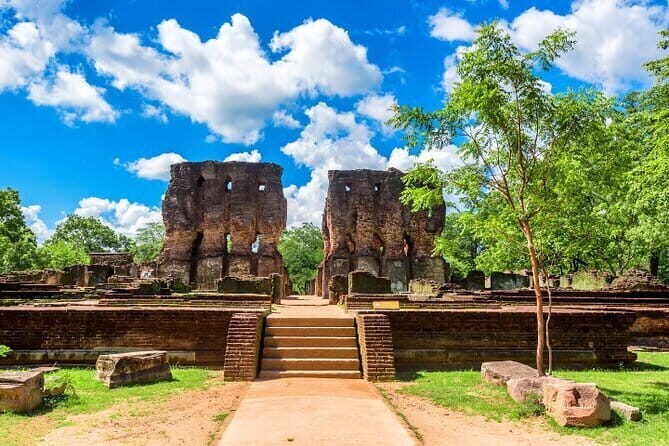
- Royal Palace landmarks explained so they make sense beyond photos
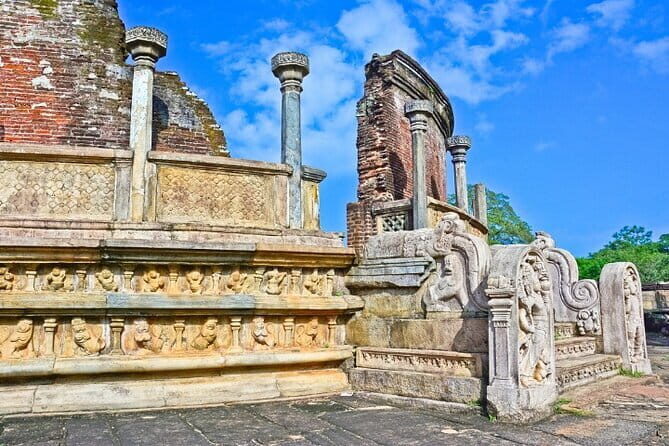
- Vatadage stop with clear viewing context for this ring-temple layout
- Gal Vihara with its iconic statues in a guided storyline, not just a photo stop
- English live guide with support for questions while you walk
- Meeting at the Archaeological Museum area, where you can get your bearings fast
Meeting at the Archaeological Museum: getting your bearings fast
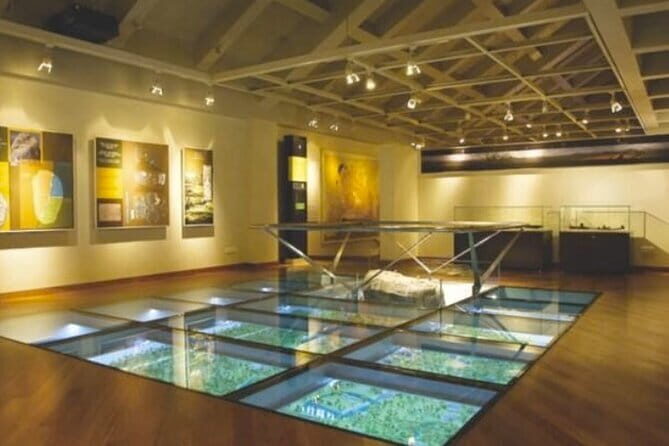
Your tour starts near the Archaeological Museum of Polonnaruwa. The guide meets you in front of the museum, wearing a license on the neck. That detail matters more than it sounds. In a place with many similar-looking paths and entrances, it reduces that awkward moment of wondering if you’re in the right place.
Also, this meeting point nudges you to think like a visitor who understands the site. Even if your main time goes to the ruins, the museum area is a natural place to orient yourself before you start walking the larger complex.
If you're still narrowing it down, here are other tours in Polonnaruwa we've reviewed.
Private pacing beats rushing through Polonnaruwa
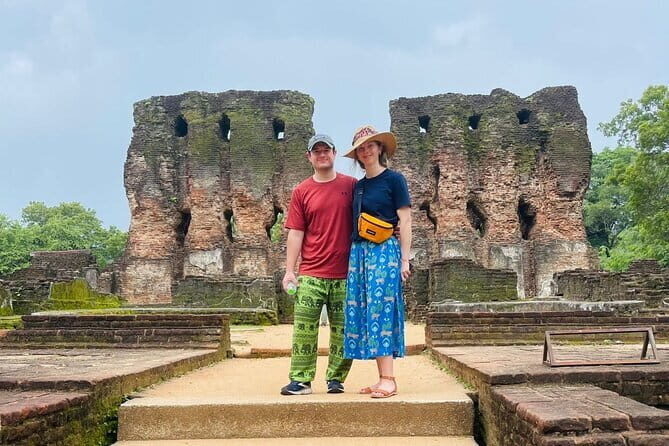
This is a private group tour, with a live guide speaking English. In practice, that means you’re not timing your day around strangers’ photo requests or someone else’s stamina.
You’ll still cover the core highlights, but the order is flexible enough to match how long you want at each stop. One guest described Chami’s explanations as deep and easy to follow, which is exactly what you want when monuments can feel similar from a distance. A private guide also gives you a chance to ask the practical questions you’d normally save for later: what you’re looking at, how it was used, and why certain statues or structures are grouped the way they are.
There’s one extra consideration: transportation isn’t included, and the tour pricing covers the guide and bottled water. If you plan to arrive by your own vehicle or you’re counting on an easy pickup from far outside Polonnaruwa city, sort out the plan early—one review mentioned some initial confusion about transportation costs.
Royal Palace stop: where power becomes architecture
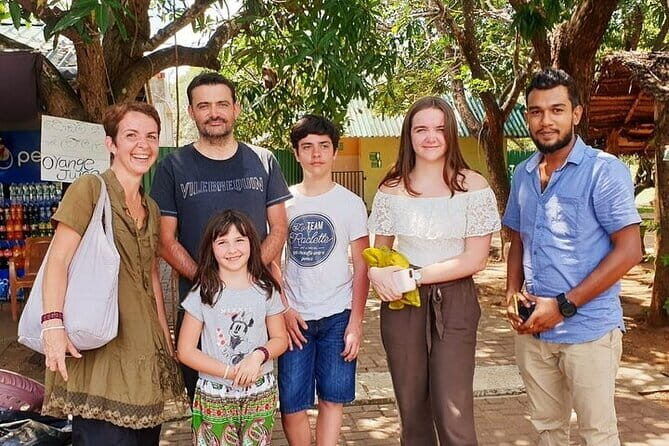
The Royal Palace area is one of the main anchors of your day. The guide’s job here is to help you see beyond walls and platforms. What makes this stop worthwhile isn’t just that it’s famous—it’s that you get a sense of how the layout served rulers and ceremonies.
When you walk through royal complexes in places like Polonnaruwa, the details matter: courtyards, structural rhythm, and how spaces relate to each other. A guide who explains the function of these buildings helps you connect what you see to what you can’t see anymore. That’s the real value of a private guide here. You’re not left guessing.
Tip: wear shoes that handle uneven ground. You’ll be walking on real archaeological surfaces, and you don’t want to rush because of discomfort.
Vatadage: the ring-temple viewpoint that feels designed for watching
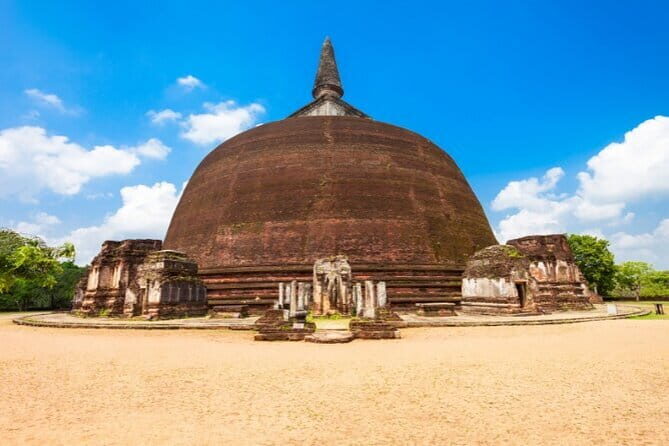
The Vatadage is a strong choice for a guided visit because it’s both visually distinct and conceptually tricky. From the outside, it can look like another stone structure. With a guide, it becomes clearer how this kind of design supports viewing and religious or ceremonial use.
This is where pacing really pays off. If your guide is doing the job well, you’ll understand why people stood where they stood and what the architecture was doing for them. That turns the Vatadage into more than a quick stop for a wide-angle photo.
There’s also a simple practical bonus: this kind of monument is easier to appreciate when you’re not sprinting. If you want a calmer moment in your day, this is one of the best places to slow down.
Gal Vihara rock temple: the statues become a story
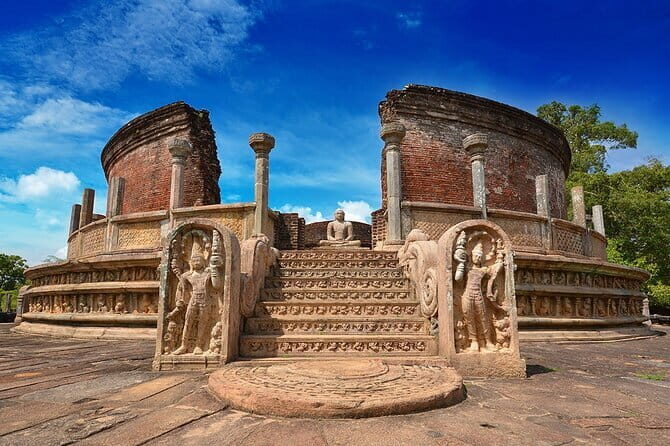
Gal Vihara (Rock Temple) is the headline. The key is not treating it like a single viewpoint. With the guide, the statues and rock setting become part of a bigger narrative about the city’s religious and artistic traditions.
This is also a site where context makes the biggest difference. You can take photos without a guide and still get the visuals. But a guided explanation helps you understand what you’re seeing and why it’s positioned the way it is. One guest highlighted how the guide’s passion made the ruins feel like they belonged to real daily life, not just a museum exhibit.
Practical note: photography is allowed, but flash is not. So bring a camera that can handle shade and bright sun without needing flash, and keep your settings ready.
The in-between visits: why the smaller stops matter
Your day isn’t just three monuments. The schedule includes multiple additional visits between the biggest names. Those extra stops matter because they fill in the connections that most people miss when they only chase the most photographed structures.
Think of it like reading a paragraph instead of reading three word highlights. Each smaller site helps explain how the whole city operated. Even when the exact stops aren’t named in the details you’re given, the structure of the tour is clear: you’ll move through the core ruins and hit the signature landmarks that most visitors want, with enough added points to make the experience feel connected.
You’ll also benefit from a private guide’s ability to respond to what you’re noticing. If you keep stopping and pointing, you’ll get answers instead of getting the silent stare that comes from a group timing pressure.
Price and value: what USD 35 really buys you
At USD 35 per person for a one-day private tour, you’re primarily paying for the guide and the included bottled water. That’s a fair model in Sri Lanka’s heritage sites—guides are where the value lives, not just in transportation.
But here’s the budgeting truth: the entry/admission fee is USD 30 per person and isn’t included. So your realistic base total is about USD 65 per person, before any transport you arrange on your own and before meals.
Meals and snacks aren’t included either, and there’s no mention of an air-conditioned vehicle being provided. If you’re sensitive to heat, plan for daytime sun and build your energy around breaks.
Is it worth it? For most visitors, yes—especially if:
- you care about understanding what you’re seeing, not just photographing it,
- you want the freedom to linger,
- you don’t want to piece together your own plan.
If you’re a super independent traveler who already knows Polonnaruwa deeply and plans to hire a site audio guide, then the value shifts. But for a single day, a private guide is often the best “understanding per hour” investment you can make.
What you need to bring (and what will slow you down)

Bring comfortable shoes, a hat, sunscreen, and your camera. The walking level is described as moderate, which is travel-code for: you’ll be fine if you’re steady on your feet, but you’ll feel it by the end of the day.
Also note the rules that affect your comfort:
- Flash photography isn’t permitted inside the historical sites.
- Food and drinks aren’t allowed inside the historical sites.
That means you’ll want to plan water and snacks around stops outside the strict areas. Bottled water is included, but it’s still smart to pace yourself in the heat.
A quick humor-saving tip: wear the hat even when clouds appear. Polonnaruwa can still surprise you with brightness between sun and shade.
When rain shows up: why a private guide can save your day

One review mentioned rain and still described the tour as memorable. That fits how private touring works: your guide can adjust pacing and keep you moving where it’s safe and still worthwhile.
Rain doesn’t change the fact that you’ll be walking, but it can change the mood. If the ground is slick, you’ll want to keep your steps careful. In rainy weather, your “best” stops become the ones where you can appreciate details without rushing, which is exactly where good guiding helps.
Who this tour fits best
This Polonnaruwa private day tour is a strong match if you:
- like history but get impatient with lectures that ignore what you can see,
- want an English guide you can ask questions to,
- only have one day and want the big landmarks covered without chaos,
- prefer fewer people and more control over pacing.
It’s also a good choice if you enjoy small surprises. One guest described how their guide, Thari (spelling uncertain), added a visit to a typical restaurant and served what they described as excellent food cooked like in ancient times. That kind of stop isn’t guaranteed in the tour description you were given, but it’s the kind of local touch a passionate guide may offer.
Should you book this Polonnaruwa private day tour?
If you’re choosing between a rushed self-guided plan and a guided day, I’d lean guided—especially with a single-day visit. The combination of a private English guide, the signature stops (Royal Palace, Vatadage, Gal Vihara), and the chance to move at your pace is exactly what turns Polonnaruwa from pictures into understanding.
Book it if you’re willing to handle the extra costs for the site admission fee and you’re comfortable with moderate walking. Skip it if you already have your own detailed plan, you’re not interested in guided explanations, or you’d rather spend your day doing shorter, more spaced-out visits with lots of rest.
FAQ
Is the Polonnaruwa tour price all-inclusive?
No. The tour price includes a private guide and bottled water, but it does not include the site entry/admission fee (USD 30 per person).
Do I need to pay an admission fee for Polonnaruwa?
Yes. The site entry/admission fee is not included and is listed as USD 30 per person.
What’s included in the private guide experience?
You get a private English live guide and bottled water. Private transportation, an air-conditioned vehicle, breakfast, lunch, and snacks are not included.
Where do I meet the guide?
Meet your guide in front of the Archaeological Museum of Polonnaruwa. The guide will have a license on their neck.
Do you pick up guests from hotels in Polonnaruwa?
Yes. The company will pick you up from any hotel in Polonnaruwa and drop you back at the same hotel after the tour.
Is the tour conducted in English?
Yes. The live tour guide is listed as English.
How much walking is involved?
Expect a moderate amount of walking.
Are photos and food allowed at the historical sites?
Photography is allowed, but flash photography is not permitted inside the historical sites. Food and drinks are not allowed inside the historical sites.
If you want, tell me where you’re staying in Polonnaruwa and whether you plan to arrive by tuk-tuk, car, or on foot—I can help you think through the smoothest way to time your day around the extra admission fee and meal breaks.