REVIEW · POLONNARUWA
Polonnaruwa: Private Guided Cycling Tour with Hotel Pickup
Book on GetYourGuide →Operated by Beyond Escapes · Bookable on GetYourGuide
Polonnaruwa feels built for bikes. You get to move through a UNESCO World Heritage City and see the big-ticket sights up close instead of just looking from a bus window. I especially like two things: the private, English-speaking guide who helps you make sense of what you’re seeing, and the gentle, around-10-kilometer cycling plan that keeps the day feeling doable. One consideration: this tour isn’t suitable if you have back problems, since you’ll be cycling and doing some walking during the stop-and-look time.
The setup is also smart. You’re picked up right from your hotel in Polonnaruwa by tuk-tuk, then the guide brings you into the ancient site area for the main circuit, with photo breaks built in. It’s a short enough ride to keep your energy for ruins and carvings, but long enough to feel like you actually covered the city instead of skimming it.
In This Review
- Key highlights at a glance
- Why biking Polonnaruwa works so well for first-time visitors
- Tuk-tuk pickup in Polonnaruwa: the fast start you’ll appreciate
- The ride plan: about 10 km, plus walking and photo stops
- What you’ll see: stupas, carvings, and royal-palace remnants
- Stupas
- Carvings
- Palace and temple remnants
- The guide experience: clear English explanations that make ruins click
- How long is enough? A 4-hour Polonnaruwa loop that doesn’t drain you
- Price and value: what $55 covers, and what you should budget separately
- Getting ready for the day: comfort, photos, and heat sense
- Who should book this cycling tour?
- Should you book it?
- FAQ
- How do I get to the UNESCO site?
- Does the tour include an English guide?
- How far will I cycle?
- Is this a private tour?
- Are entrance fees included?
- What’s the total duration?
- Is it refundable if I change plans?
- Is it suitable for people with back problems?
Key highlights at a glance
- Hotel tuk-tuk pickup and drop-off so you don’t waste time figuring out transport
- Private group with an English guide focused on your pace and questions
- About 10 km of gentle cycling plus walk-and-photo stops to keep it human
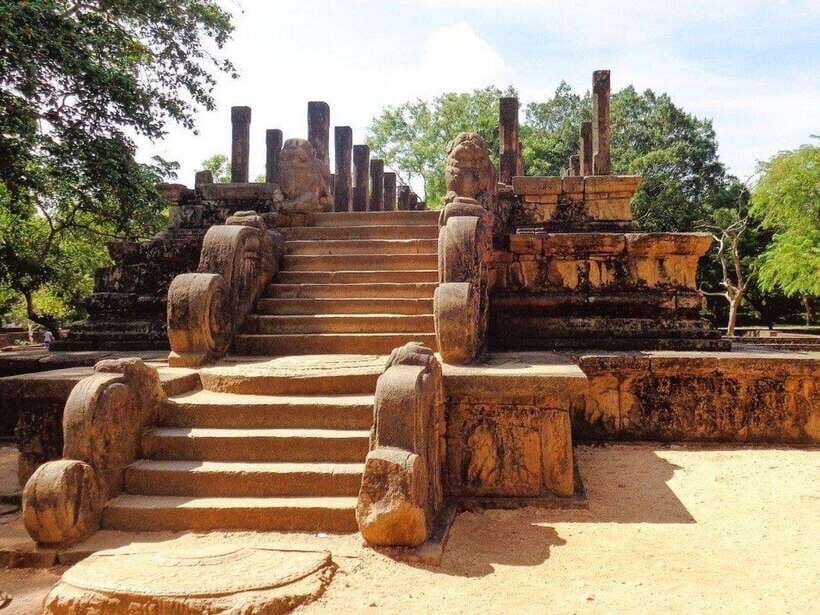
- Major Polonnaruwa sights on one route, including stupas and royal-palace/temple remnants
- Time to understand the site, with clear explanations as you ride and stop
Why biking Polonnaruwa works so well for first-time visitors
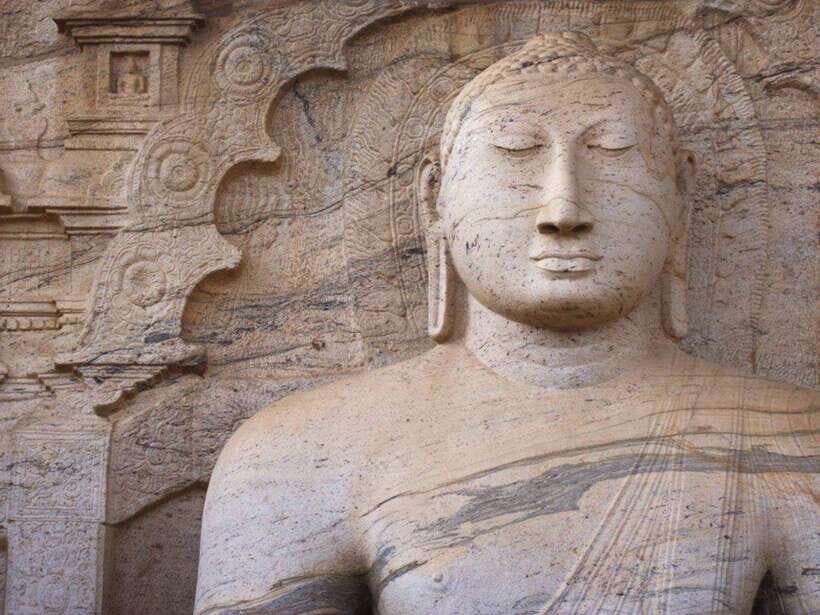
Polonnaruwa is one of those places where “seeing more” matters, because the city’s story is spread out across monuments and ruins. A bike tour is a practical way to cover ground without rushing. You get a rhythm: ride, stop, look closely, learn what you’re looking at, then roll on again.
I also like that the cycling is described as gentle terrain and totals about 10 kilometers. That’s the sweet spot for many visitors: enough movement to feel active, but not so much that you’re crushed before you even reach the best carvings and stupas. And since the tour stays private, your guide can adjust the pace to your comfort level instead of herding you with a large group.
The UNESCO factor matters, too. Polonnaruwa isn’t just scenic ruins. It’s a former medieval capital, and the monuments are the “evidence.” When you cycle between them, the spacing makes more sense—you start to see how the city was laid out and why certain structures were placed where they were.
If you're still narrowing it down, here are other tours in Polonnaruwa we've reviewed.
Tuk-tuk pickup in Polonnaruwa: the fast start you’ll appreciate
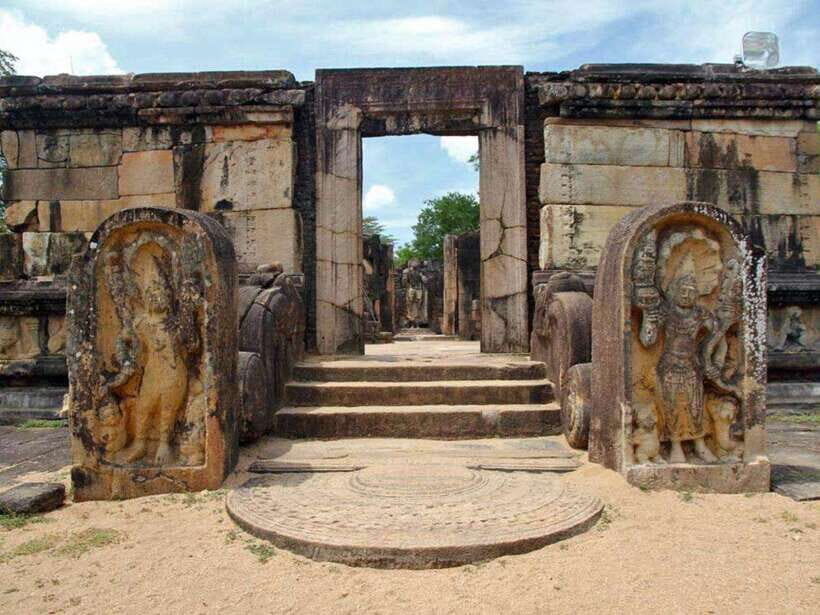
Your day begins with hotel pickup in Polonnaruwa. You meet your guide, then hop into a tuk-tuk for about 30 minutes to reach the UNESCO World Heritage area. That short ride does two things: it saves your legs for the cycling part, and it gets you into the right zone without the guessing game of local transport.
After the tour, you get the same easy handoff back to your hotel by tuk-tuk (again, about 30 minutes). That matters because Polonnaruwa days can get slippery for timing. By the time you’ve finished your ride and sightseeing, you’ll be ready to sit down, cool off, and plan lunch without scrambling.
The ride plan: about 10 km, plus walking and photo stops
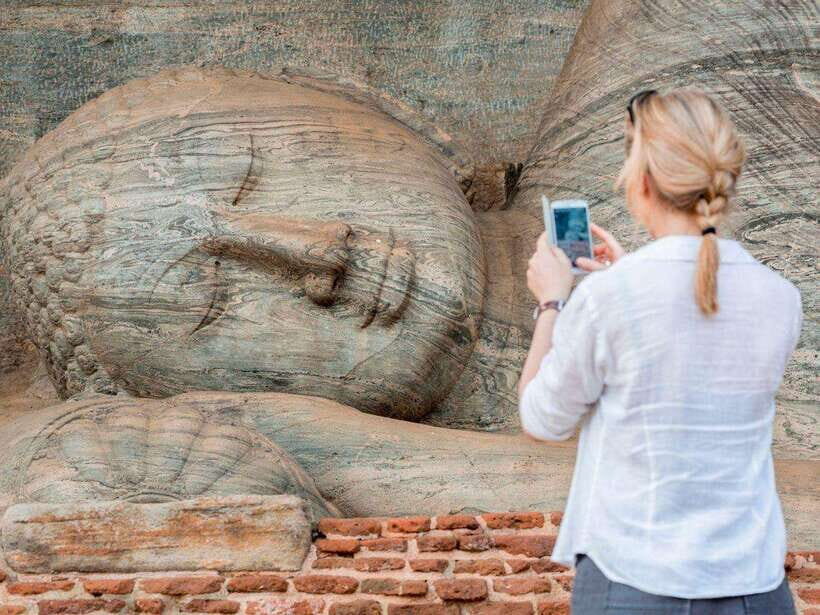
The core cycling portion covers roughly 10 kilometers on gentle terrain. In a practical sense, that means you can focus on the monuments rather than constantly fighting the bike. You’ll still work a bit—Sri Lanka’s sun and humidity can be real even when the ride is easy—so bring a sensible mindset: slower is fine.
The day is also built with breaks. You’ll have break time and photo stops, plus a bit of walk time during sightseeing. That mix is good. Ruins and carvings need close viewing, and some moments are better on foot. Walking also helps you keep your balance and posture fresh, especially if the cycling is over slightly uneven ground.
Here’s how I’d plan your effort: treat the first part of the ride as a warm-up. Let the guide set the pace, then match it. If you feel stiff, speak up early. Since it’s a private group, the tour can typically be adjusted to keep you comfortable.
What you’ll see: stupas, carvings, and royal-palace remnants
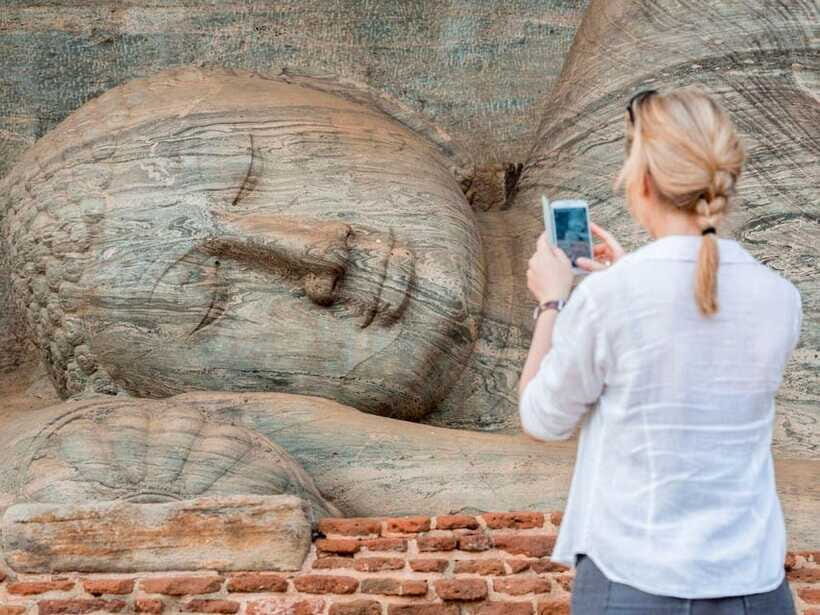
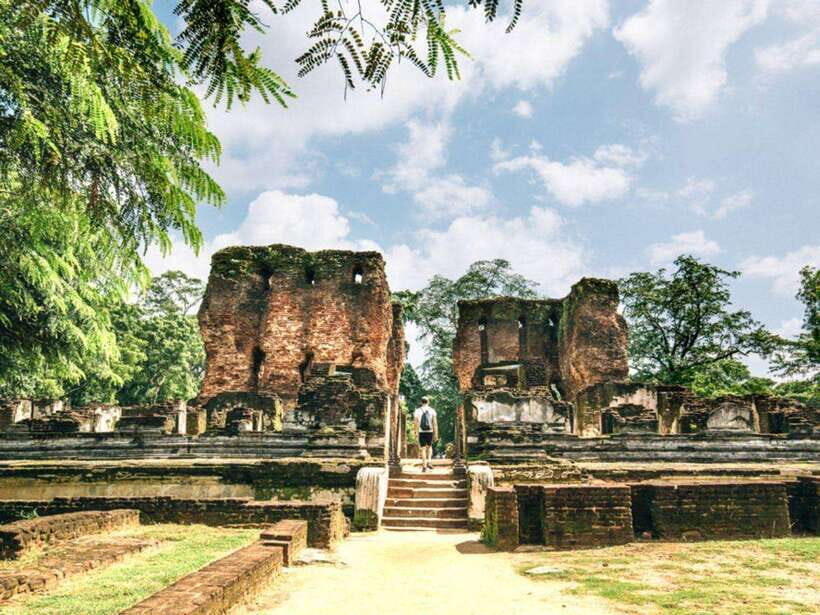
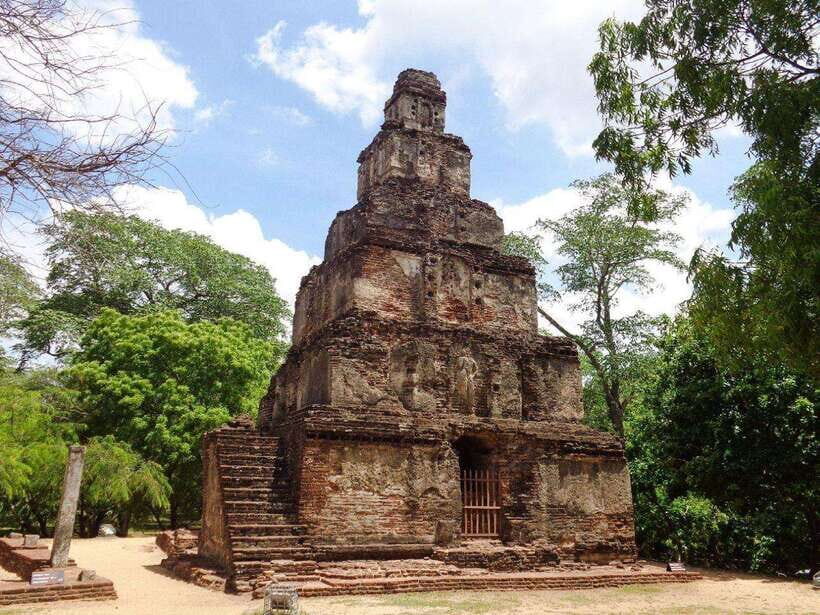
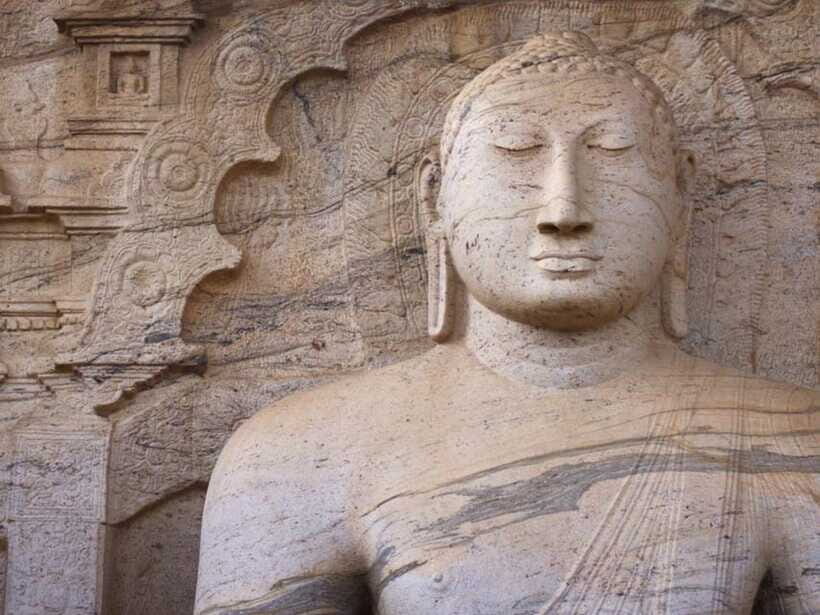
Polonnaruwa’s highlights are not subtle. Even at a glance, you get majestic stupas, intricate carvings, and the impressive remains of royal palaces and temples. The tour’s value is how these pieces connect as you cycle from one cluster to another.
A guided route helps because carvings and stonework can look impressive but still feel confusing. Your guide explains what you’re seeing and why it matters. That turns a quick photo stop into something more memorable. You start noticing patterns—what’s ornamental, what’s structural, what signals power or devotion.
Stupas
Stupas are a centerpiece of Buddhist architecture, and in Polonnaruwa they’re some of the most striking monuments. Watching them emerge as you ride between sightlines makes it easier to understand scale. You don’t just see one angle; you can view them from the spots the guide aims for.
Carvings
Carvings are where patience pays off. The guide’s role is key here: instead of you guessing at symbols, you get the story tied to the artwork. Those explanations tend to stick because they’re paired with the actual stone in front of you.
Palace and temple remnants
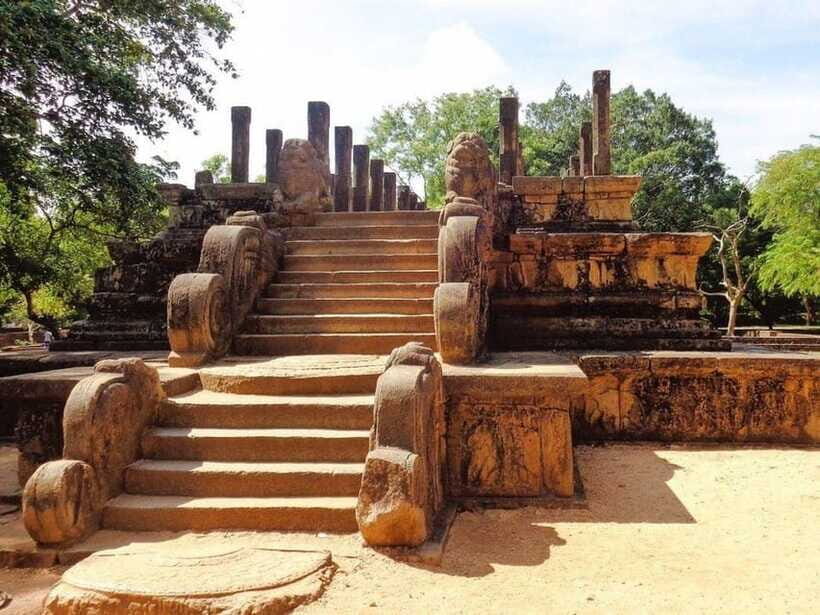
The “remnants” part is important. These ruins are not meant to feel like a complete building you can walk through. They’re fragments that show how the city functioned and what its rulers and religious centers prioritized. Cycling between them gives you a sense of the layout, and walking time gives you a chance to look at details without bike-distance pressure.
The guide experience: clear English explanations that make ruins click
This is a guided tour with an English-speaking guide, and the biggest payoff is how clearly the history lands while you’re still on location. When you’re moving, your brain works differently than it does in a museum. You want short, clear explanations that connect to what’s right in front of you.
From the way people talk about the guiding here, the style is engaging and specific. The guide tends to know where to take you for the best viewpoints and angles. That’s more than convenience. It helps you avoid wandering. You spend time on the sites that matter most rather than circling the same area hoping you’ll spot something important.
There’s also a comfort factor for solo visitors. Because it’s private, you’re not stuck in a crowd. One of the nicest things I’d expect is a guide who checks your comfort and keeps the pace friendly—especially if you’re traveling alone.
How long is enough? A 4-hour Polonnaruwa loop that doesn’t drain you
The tour time is 4 hours, and it’s set up so you’re not constantly commuting or waiting around. That’s a big deal in UNESCO sites, where the best viewing spots can require patience and slow looking.
The flow goes like this: tuk-tuk ride into the UNESCO city area, then your cycling and guided sightseeing with breaks and photo stops, then tuk-tuk back to your hotel. In practical terms, that means you’ll likely finish with energy still left for lunch or a light follow-on walk.
If you’re trying to stack Polonnaruwa with another activity the same day, this duration is a workable chunk. You’re not stuck in a long half-day where fatigue turns every monument into the same “wow, stones” feeling.
Price and value: what $55 covers, and what you should budget separately
The price is $55 per person for a private guided cycling tour with hotel pickup and drop-off by tuk-tuk and an English-speaking guide. You also get the cycling tour cost at Polonnaruwa ancient city and all government taxes included.
What’s not included is also clear: entrance fees during sightseeing tours and personal expenses. For budgeting, that means your final bill will depend on those site entry charges and anything you choose to buy along the way.
Is $55 good value? For me, it’s best when you want three things at once:
1) a guide who helps you understand what you’re seeing
2) easy transport from your hotel
3) a private setup so you can go at a human pace
If you’re the type who likes the comfort of a plan and the clarity of explanations, this price tends to feel fair. If you already have transport lined up and you’re happy reading on your own, you might spend less elsewhere—but you’ll likely give up the “why this matters” factor that turns ruins into understanding.
Getting ready for the day: comfort, photos, and heat sense
Even on gentle terrain, cycling in Sri Lanka can feel warmer than you expect. Keep the day comfortable so you can enjoy the monuments instead of fighting discomfort.
Here’s what you should do before you go:
- Wear breathable clothes and comfortable shoes for the walking part.
- Bring sunglasses and sunscreen. Even with breaks, the sun is constant.
- Have water on your mind. The tour includes breaks, but it doesn’t automatically mean you’ll be hydrated the whole time.
- Bring a camera or phone with enough space. The carvings and stupas are photo-worthy from multiple angles.
Also consider personal body fit. This specific tour is listed as not suitable for people with back problems. If that’s you, it’s worth skipping this and picking a different format. Your back will thank you later.
Who should book this cycling tour?
This tour is a strong match if you want:
- active sightseeing without a grueling workout
- a guide who can explain stupas, carvings, and palace/temple remnants while you’re looking at them
- the convenience of hotel pickup and drop-off with minimal stress
It’s also a good choice for solo travelers who prefer not to spend the day trying to coordinate details alone. The private group format helps keep the experience calm and focused.
It’s not a good fit if:
- you have back problems and cycling/walking would be uncomfortable
If you have moderate mobility and you’re comfortable riding a bike for about 10 km, you should be in the right zone.
Should you book it?
I’d book this tour if you value a guided, private format and you want to see Polonnaruwa efficiently without losing the chance to stop and look closely. The mix of gentle cycling, walk-and-photo time, and English explanations makes it feel like you’re learning as you go, not just collecting photos.
Skip it if cycling is a bad idea for your body. And if you’re budgeting, remember to plan for entrance fees that aren’t included.
If that all sounds like your kind of day, this is a solid way to experience Polonnaruwa at a pace that feels human.
FAQ
How do I get to the UNESCO site?
You’ll be picked up from your hotel in Polonnaruwa by tuk-tuk, then returned to your hotel after the tour.
Does the tour include an English guide?
Yes. You get an English-speaking guide during sightseeing.
How far will I cycle?
The cycling portion covers approximately 10 kilometers on gentle terrain.
Is this a private tour?
Yes, it’s a private group tour.
Are entrance fees included?
No. Entrance fees during sightseeing tours are not included.
What’s the total duration?
The tour lasts 4 hours.
Is it refundable if I change plans?
Free cancellation is available up to 24 hours in advance for a full refund.
Is it suitable for people with back problems?
No. It’s listed as not suitable for people with back problems.