REVIEW · NEGOMBO
12 Days 11 Nights Experience Nature Culture & Beauty Of Sri Lanka
Book on Viator →Operated by Travel With Asa · Bookable on Viator
Sri Lanka in 12 days feels like a well-paced greatest-hits reel. This trip strings together rock fortresses, cave temples, hill-country tea towns, big-animal safari time, and long south-coast beach sunsets, so you get variety without feeling random. I like the way the route mixes ancient sites with nature breaks—and even adds a hands-on village-style day so you’re not just watching.
Two things I really like: first, the private driver setup with an air-conditioned vehicle and unlimited daily mileage, which makes these long island distances easier. Second, the itinerary gives serious time for south-coast relaxation, including Mirissa and a whale/dolphin outing, rather than treating the beach like a quick stop.
One consideration: this is a lot of sights packed into 12 days, and many entrances are listed as not included. If you’re the type who wants slow mornings and minimal ticket math, you’ll need to plan for longer days and separate admission fees.
In This Review
- Key highlights you’ll actually feel
- Private driver from Negombo: why this route feels easier than it looks
- Rock royalty and cave temples: Sigiriya, Dambulla, Polonnaruwa, and Pidurangala
- Elephants without the theme-park feel: Minneriya “The Gathering”
- Kandy’s spiritual centerpiece plus Kandyan dance
- Tea-country route: gardens, waterfalls, and a slower kind of travel day
- Ella by train and on foot: Nine Arches Bridge to Little Adam’s Peak
- Yala National Park: safari time plus Kataragama’s spiritual gravity
- Mirissa and the south coast: Coconut Tree Hill, beach sunsets, and whale watching
- Galle Fort and turtle conservation: history plus conservation-minded viewing
- Colombo finale: Gangaramaya, Galle Face, and Viharamahadevi Park
- Price and logistics: what $1,480 buys and how to avoid surprises
- Who this tour fits best (and who should reconsider)
- Should you book 12 Days 11 Nights Nature, Culture & Beauty of Sri Lanka?
- FAQ
- Where does the tour start?
- Is pickup offered?
- Is this tour private?
- How long is the experience?
- What is included in the price?
- Are admission tickets included?
- Do I need to tip?
- Is the tour suitable for most people?
- What’s the cancellation window for a full refund?
- Who is the experience provider?
Key highlights you’ll actually feel
- Sigiriya + Dambulla in one arc: rock views plus cave temple art
- Minneriya “The Gathering” for wild Asian elephants during the dry season
- Kandy culture: Sacred Tooth Relic plus a Kandyan dance experience
- Ella rail magic and hiking: Nine Arches Bridge and viewpoint time
- Yala safari with multiple ecosystem stops nearby
- Mirissa whale/dolphin watching plus beach time on Sri Lanka’s south coast
Private driver from Negombo: why this route feels easier than it looks
The trip is designed around a private group and a certified driver guide, with pickup offered and a mobile ticket. That matters on Sri Lanka because distances add up fast—especially once you start moving from the cultural triangle toward the south coast. With your own vehicle, you’re not timing buses while also juggling check-in times and changing ticket offices.
The comfort side is practical: the tour includes an air-conditioned vehicle, plus fuel surcharge and parking. There’s also passenger insurance, and your driver’s meals and accommodation are covered, which usually means the day-to-day logistics are handled for you. Unlimited mileage per day (not a fixed 8-to-5 schedule) is a subtle but important detail; it gives the driver room to manage real-world timing.
The other big advantage is flexibility. Based on how the operator and drivers run trips, the pace is meant to be adjustable. Names like Asa and Shan come up in feedback, along with Asa’s team members such as Asantha and Prasa—so you can expect a service style that’s more “guided trip” than “drop-and-go.”
If you're still narrowing it down, here are other tours in Negombo we've reviewed.
Rock royalty and cave temples: Sigiriya, Dambulla, Polonnaruwa, and Pidurangala
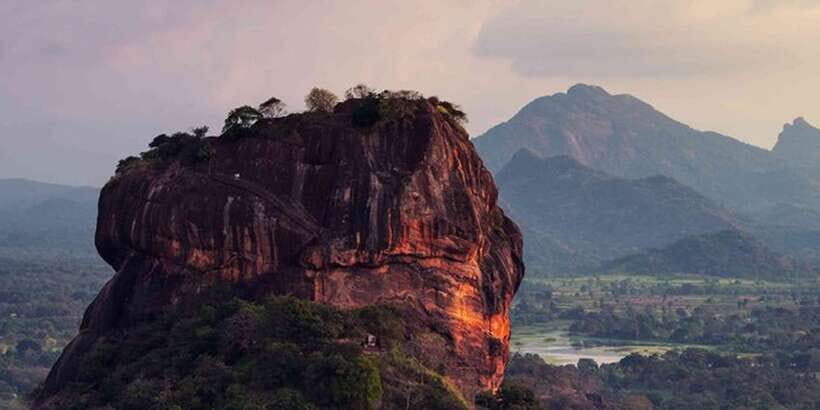
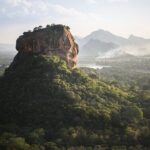
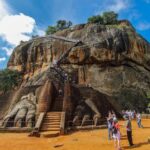
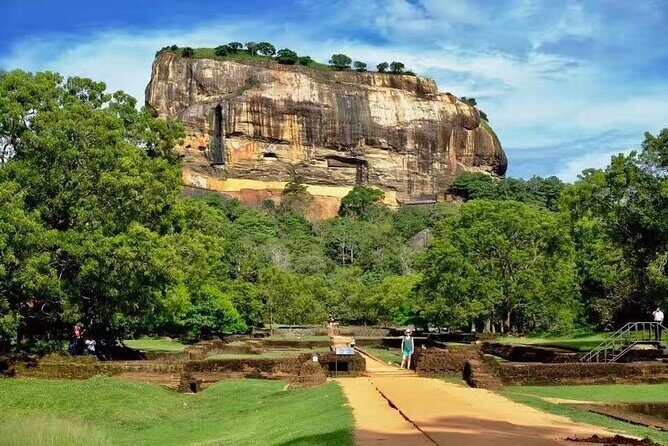
Day 1 starts with Sigiriya, the ancient rock fortress and palace built by King Kashyapa. The place is famous for more than the climb: the stonework and wall art sit inside a dramatic setting, and the whole site feels engineered as both power and theater. You’ll get about 3 hours there, and the experience is at its best when you slow down for the view angles—because the layout makes more sense once you see how the rock dominates the surrounding plains.
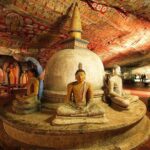
After Sigiriya comes Dambulla, where you spend about 2 hours at the cave temple complex. This site is the largest and best-preserved of its kind in Sri Lanka, with rock rising roughly 160 meters above the surrounding plains. Even if you’re not a “temple person,” Dambulla’s appeal is visual: the cave setting plus the scale of the complex makes it feel like you’re stepping into a protected world.
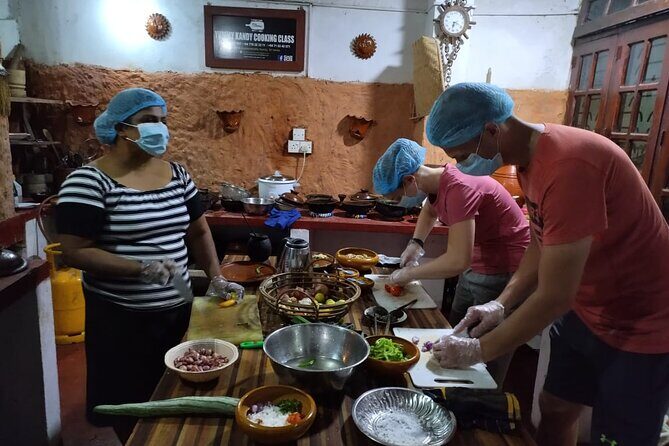
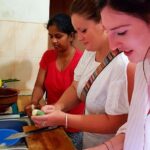
Then on Day 1 you also add a village-style cultural stop in the Sigiriya area. Expect paddy fields, a bullock cart ride, a traditional catamaran ride on a lake, and a look at chena cultivation (traditional shifting cultivation). There’s also traditional cooking time. This is the kind of day that breaks up the big-hits monuments and adds a more human rhythm to the itinerary.
Day 2 shifts into Polonnaruwa, Sri Lanka’s second capital after Anuradhapura’s fall in 993. The ruins include Brahmanic monuments built by the Cholas and a garden-city created by Parakramabahu. You’ll have about 3 hours here, and the practical benefit is that you can take your time reading the site layout without feeling rushed.
A second high point nearby is Pidurangala Rock. It’s a massive rock formation a few kilometers from Sigiriya and closely tied to the history of Sigiriya Rock Fortress. You’ll get about 2 hours. This is a good stop for folks who like views and don’t mind short, steep sections—just remember that the “best angle” often means working for it.
Elephants without the theme-park feel: Minneriya “The Gathering”
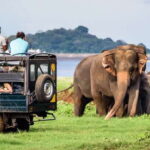
Day 2 also includes Minneriya National Park, timed around “The Gathering”—elephants assembling on the banks of the Minneriya Reservoir during the dry season. This is the season-specific magic: the dry period concentrates food and water, which is why you see larger groupings then.
The park stop is about 4 hours. Admission is listed as not included, but the value here is the experience itself: wild Asian elephants in a landscape shaped by monsoon patterns and dry-season survival. If you’re going for wildlife photography or just want the emotional hit of seeing elephants up close in the wild, this is one of the anchor days.
One practical note: safari drives can be dusty and warm. If you’re sensitive to sun and heat, plan on sunscreen, a hat, and water. Also, keep your expectations realistic. You’re watching animals, not attending a show.
Kandy’s spiritual centerpiece plus Kandyan dance
From Day 3, the tour moves into Kandy territory with a few culturally focused stops stacked into the day. First is a spice and herbal garden visit at Sirilak Spice & Herbal Garden (about 1 hour). This kind of stop can turn into a sales pitch on other trips, but in a good itinerary it’s more about giving context: Ceylon cinnamon, pepper, cloves, cardamom, nutmeg, plus vanilla are all highlighted. You’ll leave knowing what local “flavor” really means in Sri Lankan cooking.
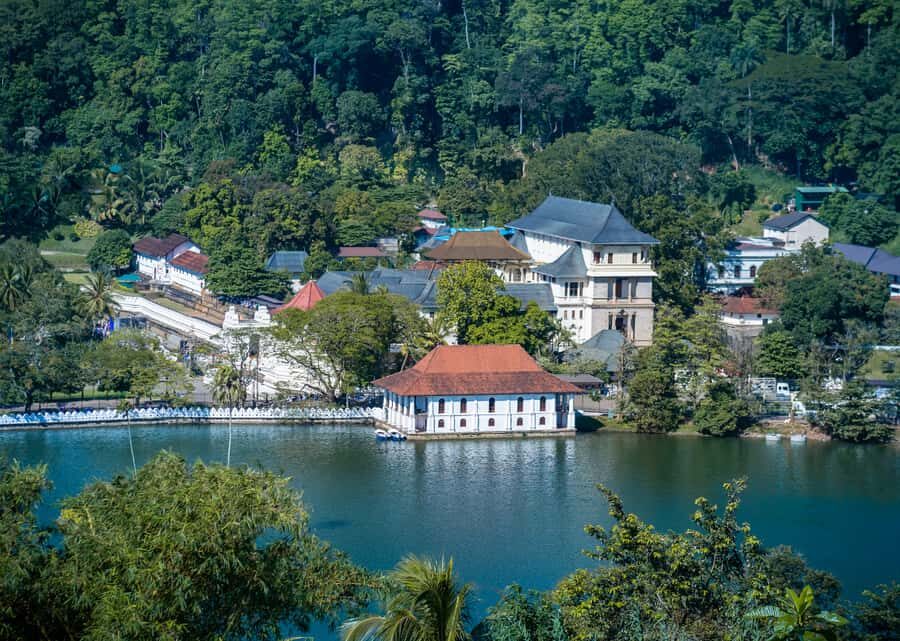
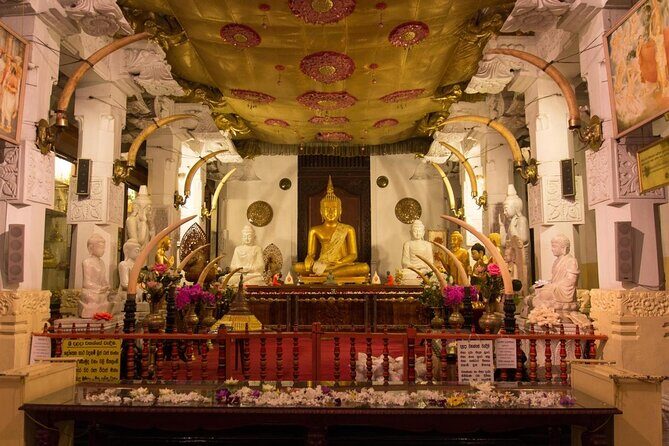
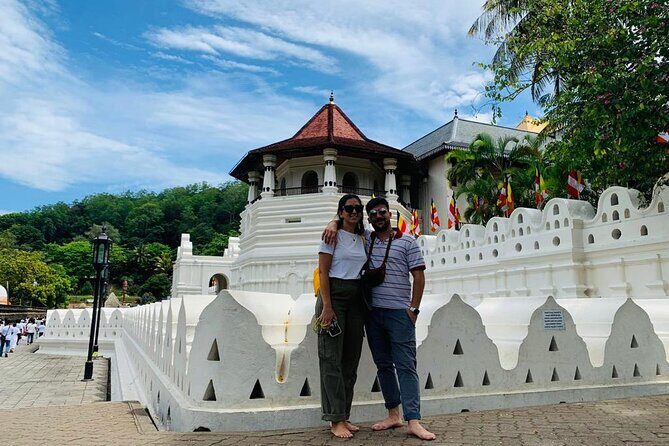
Then comes the Temple of the Sacred Tooth Relic (Sri Dalada Maligawa), with about 2 hours on site. This temple is located in the royal palace complex of the former Kingdom of Kandy and it houses a relic of the tooth of the Buddha. It’s not just architecture—it’s a living religious centerpiece, which affects how you experience the spaces: the mood is different than a museum.
You also add Kandyan dance at Avanhala (about 1 hour). The point isn’t just dancing as entertainment; it’s cultural history in motion, with forms native to the Kandy region. Day 3 ends with a Kandy Lake stop and open-air tuk-tuk style city views, so you get a slower pace after the temple and performance energy.
Day 4 continues around Kandy with a mix of viewpoints and greenery stops. There’s Arthur’s Seat in Kandy (about 30 minutes), which gives panoramic views over the lake and city. Then you go to the Royal Botanic Gardens in Peradeniya (about 2 hours), a major stop known for its size and longtime popularity. You’ll also visit the Ambuluwawa Tower (about 2 hours), which is built for wide views, and Ramboda Falls (about 1 hour), with a stated height of 109 meters.
The day rounds into the tea-hills town of Nuwara Eliya and includes Gregory Lake time. You’ll get about 1 hour at Nuwara Eliya and around 1 hour at the lake. That combination works well because you’re already in cooler hill air by then, so your body welcomes the shift from heat-and-dust to a more breezy rhythm.
Tea-country route: gardens, waterfalls, and a slower kind of travel day
The tea country portion is where the tour changes tempo. Day 4 is packed, but it’s “moving between viewpoints” packed—not “running from ticket booth to ticket booth” packed.
On top of the gardens and viewpoints, you’ll pass Ambuluwawa Tower for broad panoramas and then go down toward Nuwara Eliya for a more British-colonial-meets-hill-country vibe. The itinerary even calls out Hakgala Botanical Gardens nearby and Seetha Amman Temple. Even if you don’t linger at every detail, it helps that the stops are arranged to keep the day coherent: you’re there to understand why the hills are famous for both plants and scenery.
Then Day 5 introduces Ella via train, which is a major highlight for a lot of people. You’ll take a train route from Colombo Fort to Nanu Oya, and then it reaches Ella. The key value is the scenic stretch between Hatton and Haputale. The train is one of those Sri Lanka experiences that feels like it belongs in your trip even if you’re not a rail person.


Ella by train and on foot: Nine Arches Bridge to Little Adam’s Peak
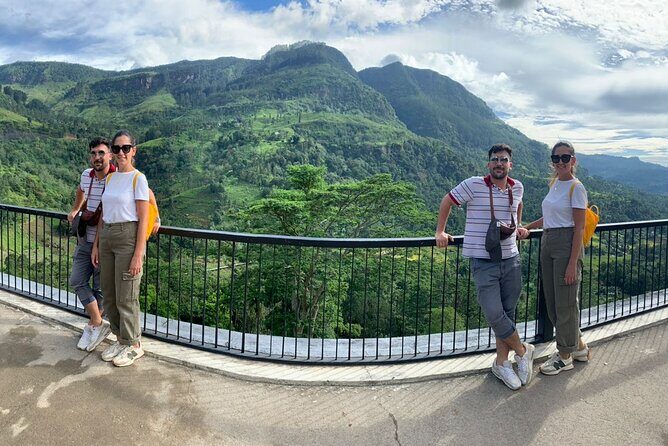
Day 5 includes Nine Arches Bridge in Demodara (about 2 hours). It’s described as a colonial-era railway construction and often called the Bridge in the Sky. This is the kind of site where the photos are nice, but the real experience is standing near the structure and realizing how carefully built it had to be for the terrain.
Day 6 is where Ella turns active. You start at Little Adam’s Peak View Point for about 2 hours. Ella is a hiking hotspot, and this stop is meant for those who want big views without committing to a full-day hike.
Then you visit Nil Diya Pokuna, an underwater pond in a cave/tunnel complex (about 3 hours). The tour description notes it’s believed to have been built by King Ravana and sits about 80 meters deep inside a mountain cave. This stop feels different from the viewpoint-and-bridge stops because it’s about legend and rock formations rather than broad scenery.
You also go to Rakkhiththa Kanda Aranya Senasanaya (about 2 hours), a Buddhist temple near the Galbokka Forest Reserve. This adds spiritual texture to the Ella day, so it’s not just “nature photos.”
Finally on Day 6 you head to Ravana Ella Falls for about 30 minutes. The story behind it involves Sita being hidden in caves behind the waterfall. Short stop means you’ll see it, but not overstay—so you keep the day flowing.
One practical tip: this is the part of the trip where weather can shift quickly. In hill areas, bring a light layer and plan for slippery spots after rain. The tour doesn’t spell out hiking difficulty, so treat these activities as moderate and stay flexible.
Yala National Park: safari time plus Kataragama’s spiritual gravity
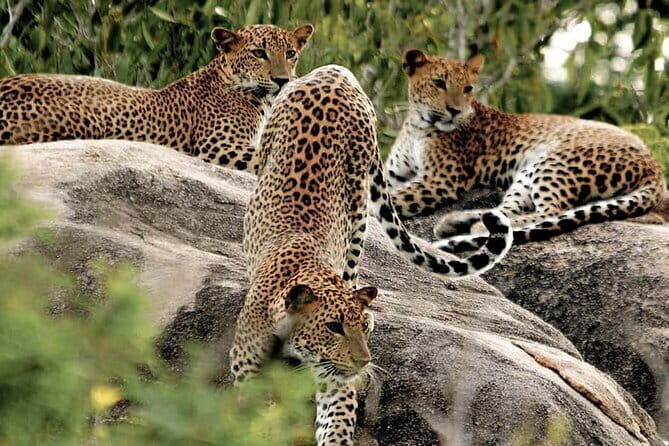
Day 7 jumps into Yala National Park (about 4 hours). It’s described as the most visited and second largest park in Sri Lanka, bordering the Indian Ocean. The key detail is that Yala contains multiple ecosystems, ranging from moist monsoon forests to freshwater and marine wetlands. That variety means the safari drive isn’t just one scenery type; it’s different habitats in a single outing.
After safari time, you visit Buduruwagala Temple (about 30 minutes). It’s an ancient Buddhist temple complex with seven statues dating back to the 10th century, including a gigantic Buddha statue with traces of its original paint. Short visit, but it adds a “time depth” stop after the animal-focused day.
Then there’s Tissa Wewa (about 30 minutes), a reservoir in Tissamaharama thought to date back to the 3rd century BC. This works well because it ties into the park region and the idea that water shapes where life can thrive.
You also add Kataragama Temple for about 2 hours. This is a rare site in Sri Lanka that’s venerated by both Buddhists and Hindus, dedicated to Kataragama deviyo and Hindu war god Murugan. The experience can feel intense and meaningful because it’s a living religious center, not just a monument.
Mirissa and the south coast: Coconut Tree Hill, beach sunsets, and whale watching
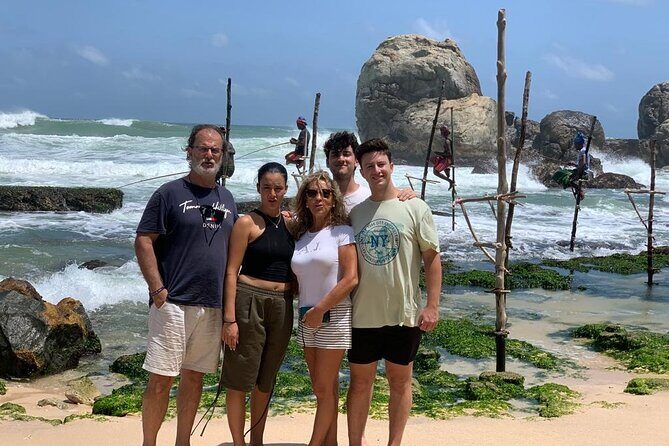
Day 8 shifts to the ocean side and does it in a way that matches the tour’s promise of extra beach time. You begin with Coconut Tree Hill in Mirissa (about 2 hours). The description notes it’s a lateritic headland adjacent to the Indian Ocean and a place associated with a coconut plantation.
Next is Mirissa Beach (about 2 hours). This is your plain-language downtime: swimming, walking, and enjoying the coast without a “schedule sprint.”
Then comes whale watching in Mirissa (about 3 hours). This is one of the most exciting add-ons in the itinerary because it’s not just about viewing animals on land—it’s about sea mammals. The tour says blue whales are often spotted and that Mirissa is considered one of the best places for whale and dolphin watching.
Day 9 repeats the Coconut Tree Hill concept, but this time includes a longer time block (listed as 6 hours). If you want more flexibility for photos, a slower coastal lunch, or extra viewpoints, this extended block makes sense. It also helps if your whale-watching weather didn’t go perfectly and you want a “Plan B” day focused on coast time.
Galle Fort and turtle conservation: history plus conservation-minded viewing
Day 10 heads to Galle with Galle Fort Lighthouse (about 2 hours). The lighthouse is described as Sri Lanka’s oldest light station and operated by the Sri Lanka Ports Authority. This stop is small but atmospheric—especially if you enjoy coastal infrastructure and maritime history.
Then you visit Koggala Lake (about 3 hours), a lagoon-edge coastal area. After that, you go to Jungle Beach (about 3 hours). Jungle Beach is described as a compact sand beach with a tiki-style beach bar/seafood spot. This is classic “end your day slowly” territory, and it fits the itinerary’s balance: monuments earlier, relaxed coast later.
Day 11 returns to Galle with Galle Dutch Fort (about 4 hours). You get a fortified old city founded by Portuguese colonists in the 16th century, later expanded by the Dutch. The car-free streets and sea walls are part of why Galle Fort works so well: it’s walkable and it feels like you’re in a preserved port-world.
Then you add Kosgoda Sea Turtle Conservation Project (about 2 hours). This is conservation-focused, with the tour description emphasizing that turtles face threats and that the project works to identify causes and protect the resource. If you care about animals beyond safari, this is a meaningful counterpoint: a different kind of wildlife relationship.
Colombo finale: Gangaramaya, Galle Face, and Viharamahadevi Park
Day 12 ends in Colombo with a temple and two park/promenade stops. You start at Gangaramaya (Vihara) Buddhist Temple (about 2 hours), described as one of Colombo’s important temples with modern architecture mixed with cultural essence. It’s completed in the late 19th century and sits on Beira Lake.
After that, you walk the Galle Face Green promenade (about 1 hour). It’s an ocean-side urban park stretching along the coast in the heart of Colombo. You’ll also visit Viharamahadevi Park (about 1 hour), the oldest and largest park in Colombo, built by the British colonial administration and located in Cinnamon Gardens in front of the Town Hall.
This ending matters because it gives you contrast. After days of climbing rocks and watching animals, Colombo’s parks let you reset your pace.
Price and logistics: what $1,480 buys and how to avoid surprises
At about $1,480 for 12 days / 11 nights, you’re paying for a private vehicle, air-conditioning, and professional driving support across multiple regions of Sri Lanka. The included items list is the real story: air-conditioned transport, fuel surcharge, parking fees, passenger insurance, plus your driver’s meals and accommodation. Unlimited mileage per day is also part of that value—your day isn’t limited to a strict hourly window.
The big “watch-outs” are mostly money-adjacent:
- Many stops list admission as not included, so budget extra for entry fees. Some places are listed as free, but don’t count on that for every site.
- Tipping is expected, including tips to guides and restaurants and hotel lobby. If you want a smooth trip, set aside a tipping fund early so you’re not making decisions on the fly.
If you’re comparing this to DIY travel, the value is time saved. Sri Lanka isn’t hard, but hopping between Sigiriya, Kandy, Ella, Yala, and the south coast efficiently on your own takes planning and can turn stressful. This tour trades some freedom for smoother routing.
Who this tour fits best (and who should reconsider)
This is a good match if you want:
- A balanced mix of nature + culture, not just temples or only beaches
- A private, driver-guided approach where you can ask questions and get route help
- A chance to do both safari-style wildlife time and sea/coast time in Mirissa
- More beach and sunset time than typical shorter Sri Lanka routes
It may not be your best choice if you:
- Want very slow travel with lots of free time every day
- Hate climbing viewpoints or don’t like hiking-style steps (Ella viewpoints and rock sites can be physically demanding)
- Don’t want to handle separate ticket payments
Should you book 12 Days 11 Nights Nature, Culture & Beauty of Sri Lanka?
If your dream Sri Lanka includes Sigiriya rock, cave temples, Kandy sacred sites, Ella’s rail-and-hike mix, a real safari in Yala, and south-coast beach and whale watching, then yes—you should book it. The price-to-support ratio is strong because it covers private air-conditioned transport and the kind of driving coordination that usually costs time and energy when you do it yourself.
My final “go/no-go” test is this: do you enjoy a schedule that keeps moving, but in a way that stays coherent? If that sounds like your style, this tour is a smart way to see a lot of Sri Lanka without losing your mind to logistics. If you’d rather linger in one region and fully decompress, you might prefer a shorter route with fewer boxed-in days.
FAQ
Where does the tour start?
The tour location is listed as Negombo, Sri Lanka, with the trip designed around that start.
Is pickup offered?
Pickup is offered, and the tour also includes a mobile ticket.
Is this tour private?
Yes. It’s described as a private tour/activity with only your group participating.
How long is the experience?
It’s listed as 12 days (approximately) with 11 nights.
What is included in the price?
Included items list air-conditioned vehicle service, fuel surcharge, parking fees, passenger insurance, and your driver’s meals and accommodation. Unlimited mileage per day is also included.
Are admission tickets included?
Admission ticket inclusion varies by stop. Some stops are listed as free, while others are listed as Admission Ticket Not Included.
Do I need to tip?
Tipping is expected, including tips to guides, restaurants, and the hotel lobby.
Is the tour suitable for most people?
The information states that most people can participate.
What’s the cancellation window for a full refund?
Free cancellation is offered. You can cancel up to 24 hours in advance for a full refund.
Who is the experience provider?
The provider is Travel With Asa.