REVIEW · NEGOMBO
Cooking Classes in Sri Lanka
Book on Viator →Operated by Negombo Cooking Class · Bookable on Viator
Your dinner starts in a family kitchen today. This private cooking class in Negombo pairs a hands-on lesson with a real home-style dinner, not a scripted restaurant show. You’ll be guided through practical steps like coconut milk and curry prep, then you sit down to eat what you made around your host’s table.
I especially like the hands-on approach that teaches technique rather than relying on recipes. And I like the welcome rhythm of tea or coffee first, then moving into the kitchen so the whole experience feels relaxed and human.
One thing to consider: this activity requires good weather. If conditions are poor, you may be offered a different date or a full refund.
In This Review
- Key things to know before you book
- A cooking class that actually feels local in Negombo
- Welcome tea or coffee and a quick start in the kitchen
- Choosing your vegetables and chopping them yourself
- Market visit upgrade: picking produce and hearing spice stories
- Sri Lankan spices and herbs: how flavor gets built
- From stove to dinner table: coconut milk, curry, rice, and more
- Traditional dessert brings it all home
- Price and value: what $45 gets you in real terms
- Logistics that matter: meeting point, timing, and mobile ticket
- Who this Sri Lankan cooking class is best for
- Tips to get more out of your 3 hours
- Should you book this cooking class in Negombo?
- FAQ
- What is included in the cooking class?
- How long does the experience last?
- Is this a private experience?
- Can I choose vegetables if I’m vegetarian or if I prefer certain ingredients?
- Is there an option to visit a market?
- What’s the cancellation policy?
Key things to know before you book
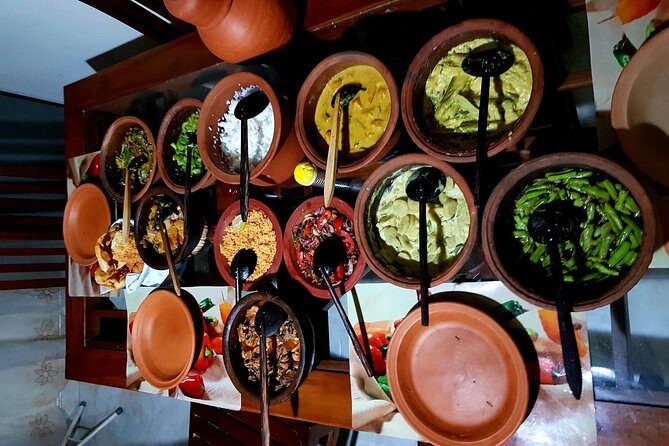
- Private class in a family home in Negombo, with only your group participating
- Coconut milk foundations are taught early, so you understand the base behind many dishes
- Pick vegetables and chop them yourself for the curry you’ll cook
- Spice and herb guidance is part of the lesson, tied to what you’re making
- Optional market visit upgrade to choose produce and hear local spice stories
- Dinner plus traditional dessert at the end, so the class turns into a full meal
A cooking class that actually feels local in Negombo
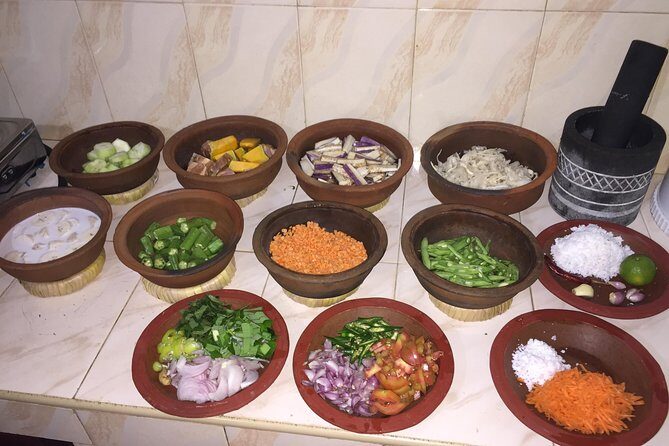
Negombo is a smart base for Sri Lanka, and this class leans into the everyday side of food. Instead of learning from a cookbook style template, you’re learning from a local cook in their own home routine. That matters because Sri Lankan cooking is very feel-based: timing, heat, texture, and how you balance spices as you go.
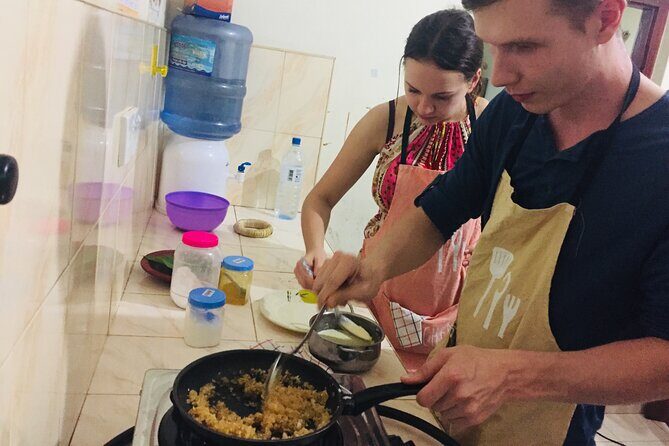
The format also keeps expectations clear. You’re not booking a quick demo where someone else does the work. You’ll handle the prep—cutting, chopping, and cooking alongside your host. It’s a great fit if you want food knowledge you can use later at home, not just a nice night out.
Other cooking classes in Negombo

Welcome tea or coffee and a quick start in the kitchen
Your visit begins at Negombo Cooking Class in Andiambalama Katunayake (11450), and you finish back at the same meeting point. When you arrive, you’re welcomed with a cup of tea or coffee. It’s a small detail, but it sets the tone: less “tour activity,” more “you’re coming into someone’s home.”
Next comes the first practical lesson: how coconut milk is made. Even if you already know what coconut milk is, you’ll get a grounded sense of the process and why it matters for flavor. In Sri Lankan cooking, coconut milk isn’t just an ingredient—it’s a texture and richness driver. Understanding that early helps the rest of the class make sense.
If you like cooking experiences that build step-by-step (rather than jumping straight to a finished dish), this opening is a good sign.
Choosing your vegetables and chopping them yourself
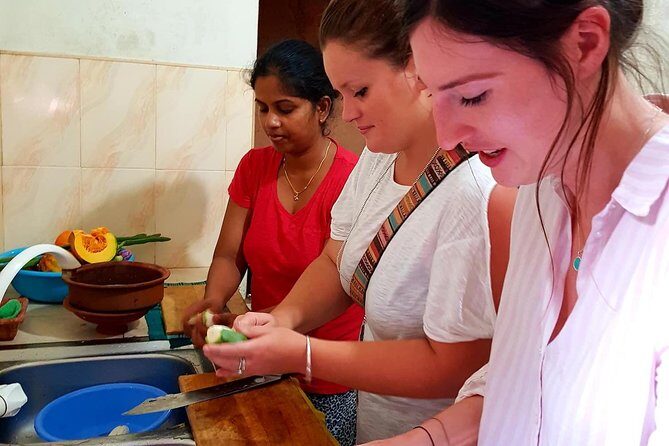
After coconut milk basics, you choose which vegetables you’ll make as a curry. Then you cut and chop them yourself. This is one of the most satisfying parts of the experience because you’re not only learning flavors—you’re learning how the ingredients behave on the cutting board and on the stove.
Here’s the practical advantage: once you’ve chopped your own vegetables, you’ll cook with more confidence. You’ll understand why certain pieces need more time, and you’ll be able to judge texture as the curry simmers. And since the choice is yours, you can steer the curry toward what you actually like.
You can come as a veggie or non-veggie eater. The experience is described as ideal for both, and the plan centers on curry and rice with coconut milk and other dishes. That flexibility makes it easier to match your preferences without feeling like you’re at the “only one option” mercy of a fixed menu.
Market visit upgrade: picking produce and hearing spice stories
There’s an optional upgrade that adds a market visit. If you choose it, you’ll go to pick your vegetables and hear about local spices and herbs. This is the best add-on if you enjoy learning the why behind the flavors.
A market stop changes the class from instructional to sensory. You’ll see what’s available and connect herbs and spices to real ingredients. Even if you don’t buy anything extra, the context tends to make the cooking lesson stick better.
One note for planning: the market visit is an upgrade, so it’s worth checking what time window your class runs in before you tie it to the rest of your day. The standard class is about 3 hours, so any add-on can affect the pacing.
Sri Lankan spices and herbs: how flavor gets built
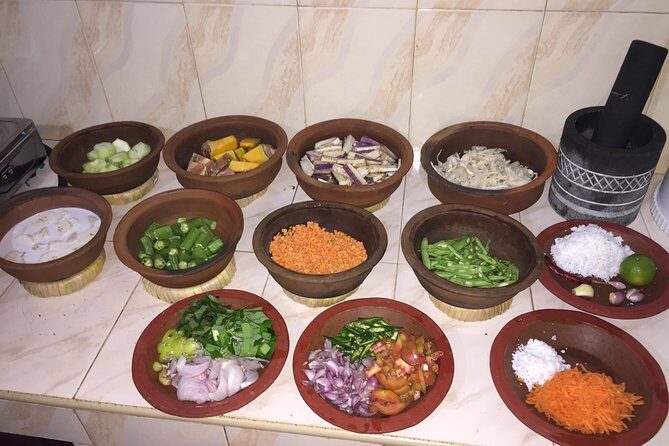
At some point in the middle of the class, you’ll get an idea about Sri Lankan spices and herbs, then learn how cooking them works in practice. This is where the lesson becomes more than just curry-and-rice assembly.
Sri Lankan flavor building often comes from layering: starting with aromatic ingredients, then using spices in a way that releases aroma and builds depth rather than just adding heat. In a good family-home setup, that instruction isn’t theoretical. You’ll learn how the cooking process changes the spices as they warm, toast, and blend.
If you’re the type who likes to cook later using a mental checklist—aroma first, then texture, then balance—this part is especially valuable. It helps you move from eating curry to understanding what makes it taste like curry.





From stove to dinner table: coconut milk, curry, rice, and more
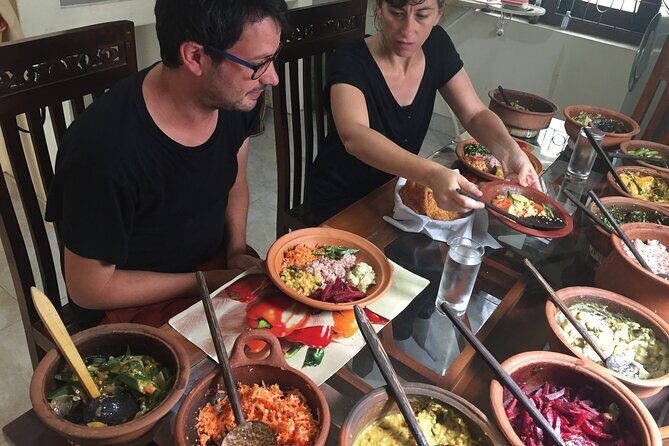
After the prep and cooking lessons, you’ll enjoy the meal you made. The class includes curry, rice, coconut milk, and other treats. That word other matters: you’re not limited to just one dish. The experience is structured so you get a fuller sense of home-style Sri Lankan cooking rather than a single signature recipe.
This is also a key value point. Many cooking classes charge more and still end at a small sample portion. Here, you’re set up for dinner, with the lesson feeding directly into what you eat. You’re paying for the instruction plus a complete meal experience.
And since it’s private, the pace can feel calmer. If you’re unsure about chopping technique or spice usage, you can ask questions without feeling rushed in a group setting. For couples, families, and small friend groups, private format is often the difference between a fun lesson and a stressful one.
Traditional dessert brings it all home
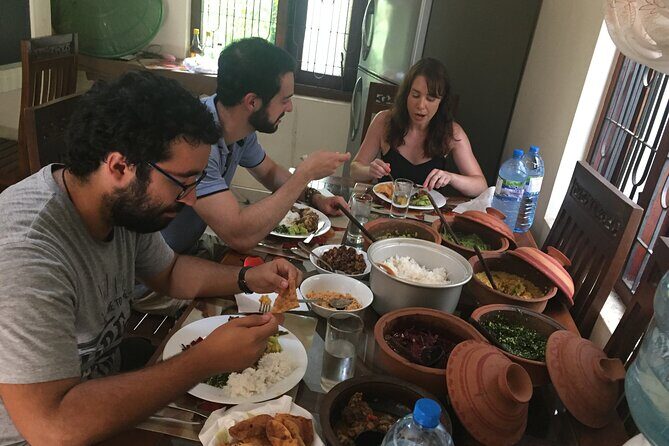
To close out the experience, there’s traditional dessert. It’s a nice finish because it makes the class feel like a full meal, not just a cooking workshop followed by a random sweet you could find anywhere else.
Dessert also gives you another flavor lens on Sri Lankan home cooking. Even if you don’t try to recreate it later, you’ll likely come away with a better sense of how sweetness and spice-adjacent flavors can coexist in Sri Lankan cuisine.
Price and value: what $45 gets you in real terms
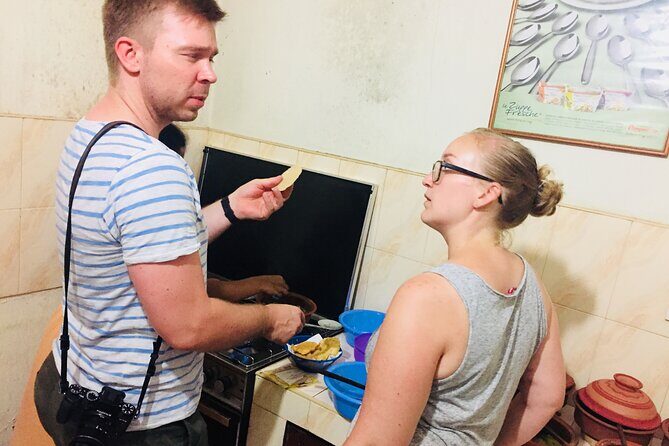
At $45 per person for a 3-hour private class with dinner, you’re paying for three things: a local host’s time, instruction, and ingredients that turn into a full meal. In many travel settings, private food experiences are priced higher once you factor in market-to-table teaching and a proper dinner at the end.
What makes this feel like good value is the structure. You’re not paying only to watch someone cook. You’re guided through coconut milk, vegetable curry prep, spice and herb basics, then you eat what you made. That’s a lot of “activity per dollar,” especially because the class is private and focused.
Booking trends show it’s often reserved about 36 days in advance on average. That suggests demand, so if your dates are fixed, it’s smart to lock in early rather than waiting until the last week.
Logistics that matter: meeting point, timing, and mobile ticket
Your start point is Negombo Cooking Class at Andiambalama Katunayake, Negombo 11450, Sri Lanka. The experience ends back at the same meeting point. That out-and-back design is useful if you’re planning a day around other activities in Negombo or near the airport area.
The tour uses a mobile ticket, which usually means less waiting around for paper tickets. It’s a small convenience, but it helps the experience start smoothly.
Also, it’s near public transportation. So if you’re not using a private taxi for every stop, you still have workable options to get there and back.
Who this Sri Lankan cooking class is best for
This experience is a strong match if you want authentic home-style cooking in Negombo with hands-on prep. It’s especially good for:
- Food lovers who want to learn how spices and coconut milk work in real cooking
- People who enjoy chopping, tasting, and asking questions in the moment
- Couples and small groups who prefer a private setting over a larger group class
- Veggie and non-veggie eaters, since the curry vegetable choice is part of the experience
It’s also a decent choice for travelers who struggle to arrange cooking classes independently. The class is designed to bring you into the cooking rhythm without you having to find a local home cook on your own.
Tips to get more out of your 3 hours
Keep your expectations practical: you’ll be doing real kitchen tasks, not just observing. Wear clothes you’re okay getting a little food-prep close to. You’ll likely handle chopping and cooking steps as you go.
If you’re considering the market upgrade, think about what you enjoy more: learning the recipe flow at the home kitchen, or adding that extra context of produce selection and spice talk at the market. Both connect directly to what you cook, but they scratch different “learning it” itches.
Finally, come ready to taste and adjust. Since the lesson is about how to cook (not only what to cook), you’ll get more from the experience if you lean into questions like how heat changes spices and how coconut milk texture affects the curry.
Should you book this cooking class in Negombo?
I’d book it if you want a private, home-style Sri Lankan meal with real instruction—especially if coconut milk and curry are on your must-learn list. For $45, the biggest win is that the lesson and dinner happen together, with you doing the prep and learning spice and herb fundamentals as you cook.
I’d pause or double-check if you’re traveling with very tight time margins tied to weather-sensitive plans. Since good weather is required, plan some buffer in your schedule. Also, if you dislike hands-on cooking tasks, this might feel more work than you want—but if you like rolling up your sleeves, it’s the kind of experience that sticks.
FAQ
What is included in the cooking class?
You’ll cook a curry and rice with coconut milk and other dishes, enjoy the meal as dinner, and finish with traditional dessert.
How long does the experience last?
It runs for about 3 hours.
Is this a private experience?
Yes. It’s private, and only your group participates.
Can I choose vegetables if I’m vegetarian or if I prefer certain ingredients?
Yes. You can choose which vegetables you want to make as a curry, and the class is described as suitable for non-veggies and veggies.
Is there an option to visit a market?
Yes. There’s an optional upgrade that adds a market visit to choose vegetables and learn about local spices and herbs.
What’s the cancellation policy?
You can cancel for free up to 24 hours in advance for a full refund. Poor weather can also lead to a different date or a full refund.