REVIEW · KALUTARA
Whale Watching Tour with Transfers
Book on GetYourGuide →Operated by Apple Vacations Sri Lanka · Bookable on GetYourGuide
The morning ocean show starts early. This 10-hour whale-watching day pairs hotel transfers with a real shot at seeing big whales and dolphin pods out of Mirissa. I like the guided naturalist-style talk that helps you understand what you’re seeing, and I also like how the crew keeps things practical with coffee, breakfast, water, and help onboard. One thing to keep in mind: whale sightings can never be guaranteed, so plan this as a best-chance nature trip, not a sure thing.
You’ll be picked up from one of four western-coast hotels, head to Marissa Harbor around 7am, then spend several hours on the water. If conditions cooperate, you’re in for a serious variety of wildlife, from blue whales down to smaller dolphin species that often show up with lots of movement. If you get lucky, it feels like the ocean is putting on a show; if you don’t, the day still works because you get the onboard learning and a Mirissa stop that breaks up the long morning.
In This Review
- Key Things I’d Mark on Your Mental Map
- Morning Transfers From Colombo Area: The Convenience Factor
- Mirissa Harbor to Open Water: What the 3–5 Hour Cruise Feels Like
- The Wildlife Lineup: Blue Whales, Dolphins, and Other Surprise Encounters
- How the Marine Naturalist Talk Helps You Spot What Matters
- The Mirissa Stops: Breakfast, Break Time, and a Short Walk
- Price and Value: Is $175 a Smart Deal for Transfers?
- Who This Trip Suits Best (And Who Should Be Cautious)
- Should You Book This Whale Watching Tour With Transfers?
- FAQ
- Where do pickups happen?
- When does the boat depart from Mirissa?
- How long is the cruise on the water?
- What wildlife does the tour mention seeing?
- What’s included in the price?
- Is food or drinks included?
Key Things I’d Mark on Your Mental Map
- Four pickup options: Negombo, Colombo, Kalutara, and Bentota make this easier than most boat-only tours
- Mirissa Harbor departure around 7am helps you chase calmer, more productive morning sea time
- A marine biologist or naturalist lesson turns random sightings into names and behaviors you can follow
- Packed breakfast onboard (plus coffee and water bottles) means you’re not hunting for food at sea
- A respectful viewing approach focuses on watching whales and dolphins, not chasing them
- On-water time is usually 3–5 hours, so you’re out long enough to matter, but not stuck all day
Morning Transfers From Colombo Area: The Convenience Factor
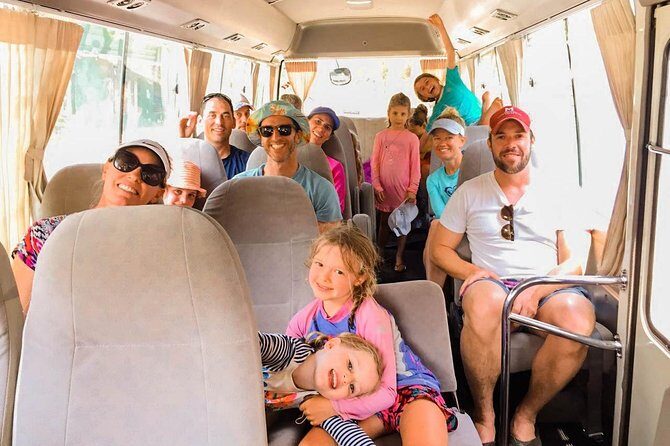
The best part of this tour is the door-to-door setup. You choose one of four pickup areas—Negombo, Colombo, Kalutara, or Bentota—and you don’t have to sort out buses, taxis, or timing on your own. The transfer is also done in a comfortable vehicle, and the tour experience is meant to run with clear timing since your day’s success depends on being at the harbor early.
This matters in Sri Lanka, because whale-watching is about being in the right place at the right time. If your ride is late, you miss the prime departure window. One past booking highlighted that the driver was on time and polite, which is exactly what you want for an early start. You also get an English host/greeter, so you’re not stuck guessing what happens next.
If you’re traveling in a group or you’re not staying in the immediate Mirissa area, this kind of transfer package usually saves real stress. I’d call it a practical value play: the boat day is long and early, so doing the driving for you keeps the day feeling like one smooth plan instead of five mini-plans.
If you're still narrowing it down, here are other tours in Kalutara we've reviewed.


Mirissa Harbor to Open Water: What the 3–5 Hour Cruise Feels Like
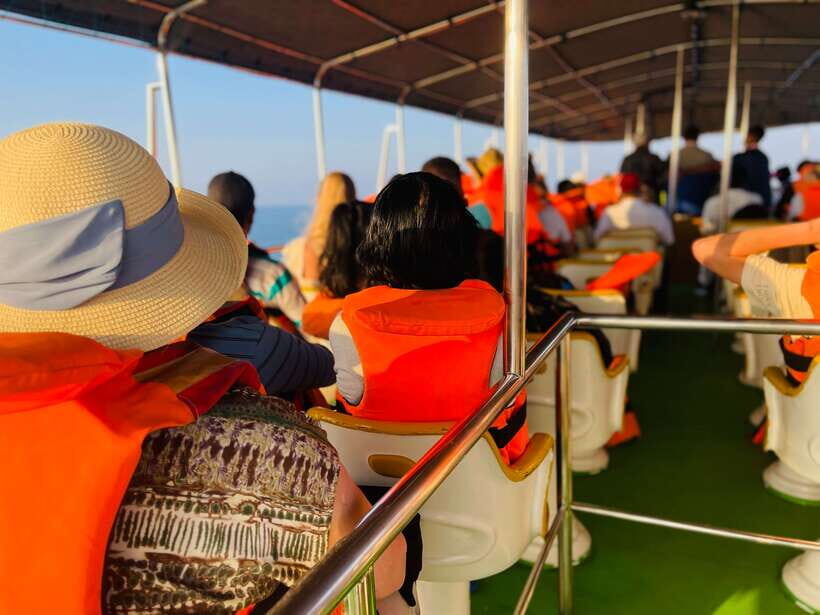
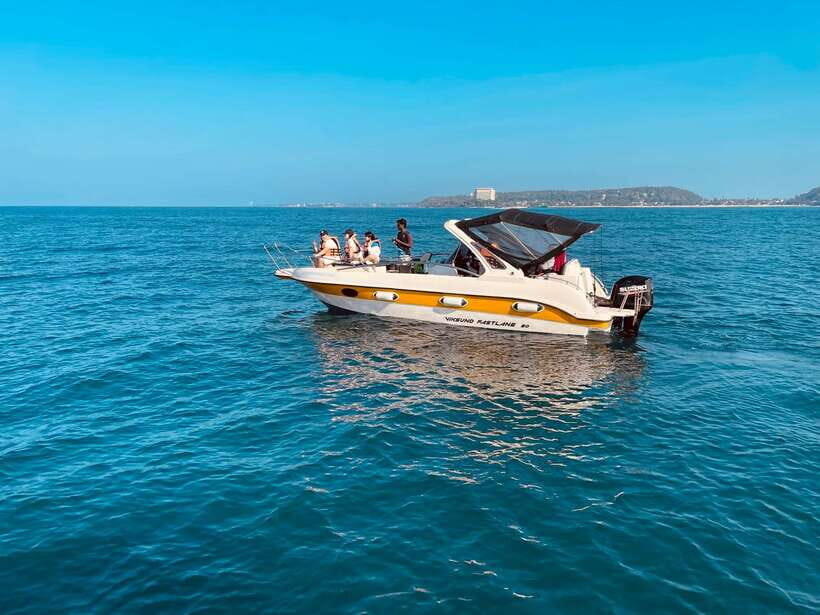
Your boat day centers on Mirissa Harbor, with departure around 7am. From there, the cruise runs about 3–5 hours on the water. That time range is key: it’s long enough to give you more than one chance to spot whales and dolphins, but not so long that you’re cooked before lunchtime.
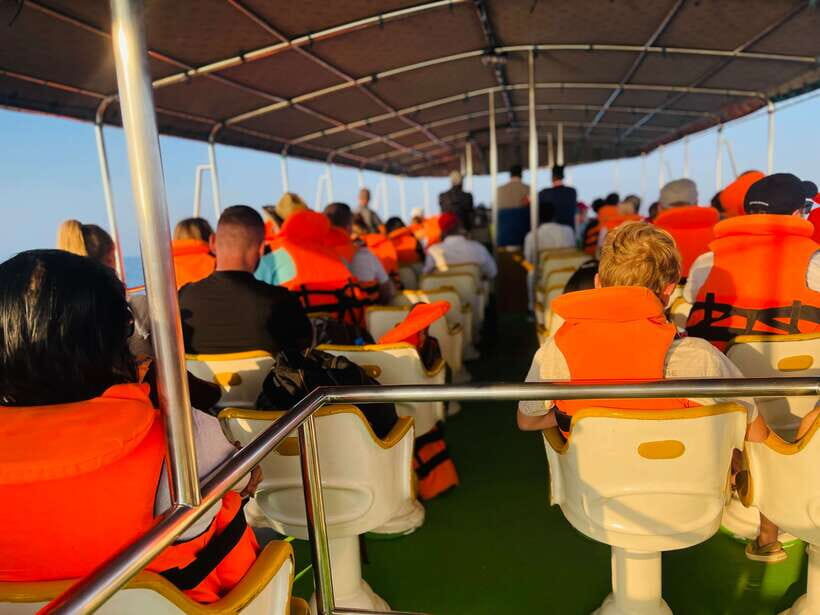
Onboard comfort is built in. You’re served a packed breakfast, with coffee, breakfast items, and water bottles. You’ll also have a qualified crew to assist when you need it. That sounds basic, but it changes the mood of the trip. Instead of worrying about snacks or getting through the morning, you can focus on scanning the water for spouts, blows, and sudden surfacing.
Also, expect a classic early-sea routine: you’ll be watching from the boat while keeping eyes on the horizon and the water surface where animals break through. If you’re the type who enjoys learning by doing, this is fun. If you hate waiting around, it helps to remember that whale and dolphin spotting is part observation, part patience, and part luck.
The Wildlife Lineup: Blue Whales, Dolphins, and Other Surprise Encounters
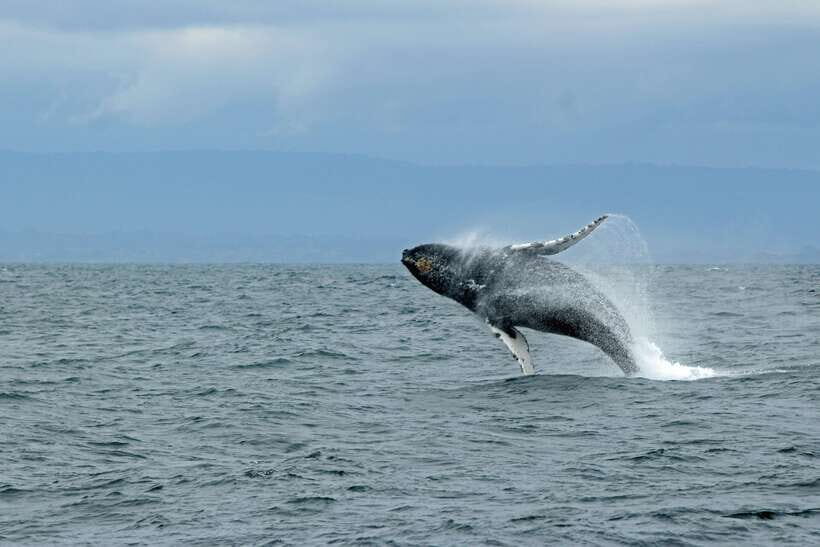
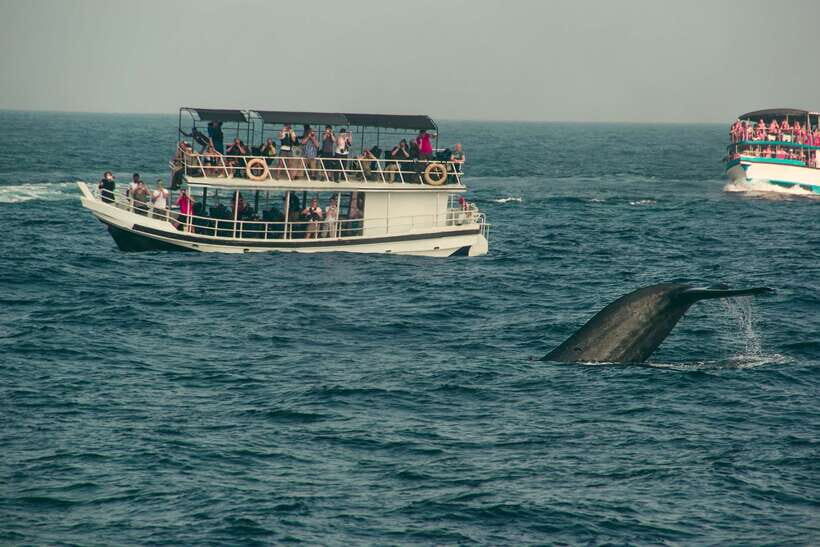
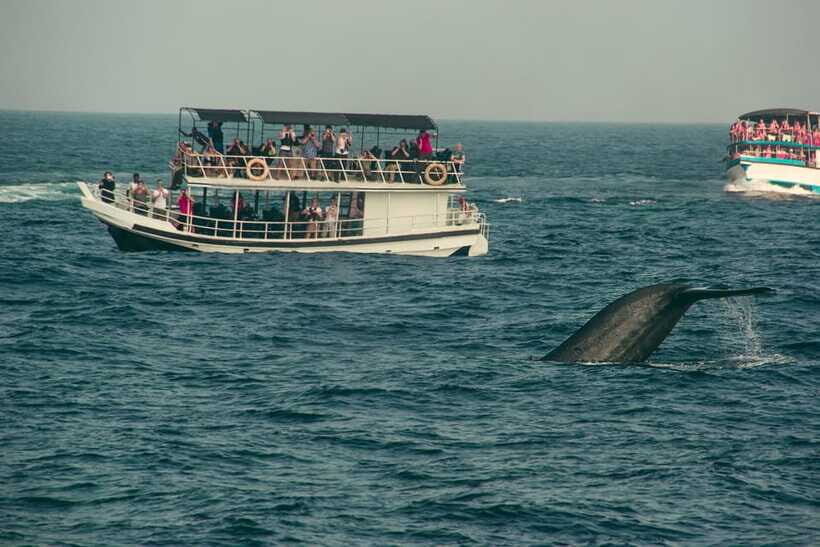
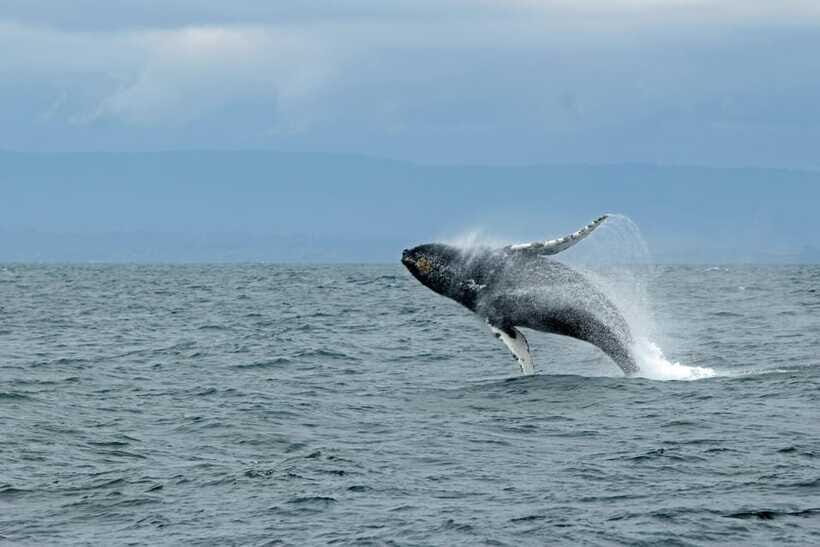
This is the heart of the experience. The boat trip gives you a chance to see big whale species including blue whales, Bryde’s whales, sperm whales, killer whales, and fin whales. That’s a strong lineup on paper, and it’s exactly why this cruise is popular—these aren’t one-off “maybe a whale” sightings.
You can also see multiple dolphin species, often in pods with quick bursts of activity. The tour mentions common dolphins, bottlenose dolphins, spinner dolphins, Risso’s dolphins, and striped dolphins. If you’ve ever watched dolphins move, you know they can go from calm to playful in seconds. Here, that playful behavior is part of the plan: pods may somersault and dance on the ocean waves.
The tour also says there’s a good chance of seeing flying fish, turtle, manta rays, and even sharks. I’d treat these as bonus possibilities. On whale days, your brain gets overloaded fast—once the first whale appears, you’ll be tracking everything else like a detective.
One more important note: the experience frames the viewing as respectful. In practice, that usually means you’re there to watch, not to crowd. You’ll get a better experience when you keep your expectations realistic and your attention sharp. Sometimes you’ll get a whale sighting that feels unforgettable; other times, you might mainly enjoy dolphins and wildlife activity. Either way, it’s an animal-first day, not a spectacle designed for photos only.
How the Marine Naturalist Talk Helps You Spot What Matters
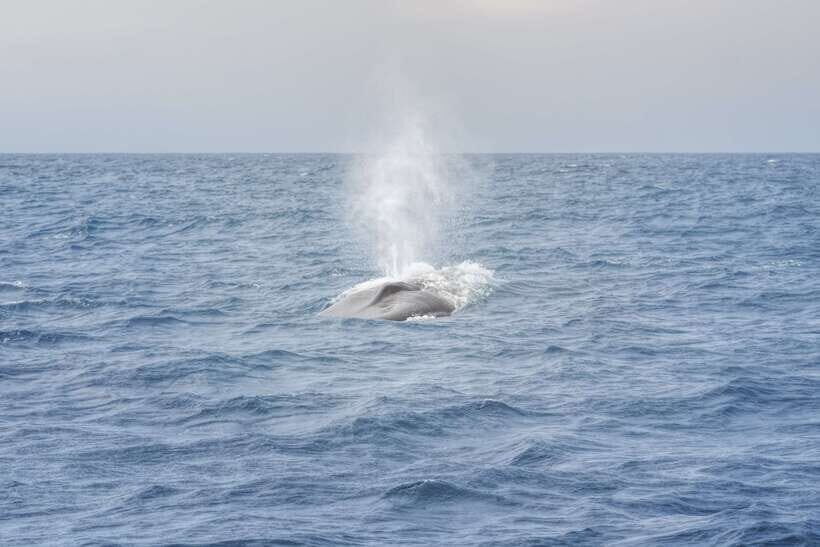
A big reason to choose this exact style of whale tour is the marine biologist or naturalist who teaches you about local fauna during the trip. This isn’t just a lecture. The point is to give you a way to connect what you see to what you’re learning while you’re still on the water.
You’ll learn about whales and dolphins that live in Sri Lankan seas, which changes your scanning method. Instead of just looking for a distant splash, you start watching for patterns—how animals surface, how they move, and what different species tend to look like from a boat. Even if you only catch a couple of sightings, this kind of guide-led context makes them feel more meaningful.
This also adds value if you’re not a marine-life expert. You don’t need to know whale biology already. The tour is structured so the explanation happens alongside the viewing, while the information is still relevant and you can connect it instantly to the ocean around you.
The Mirissa Stops: Breakfast, Break Time, and a Short Walk
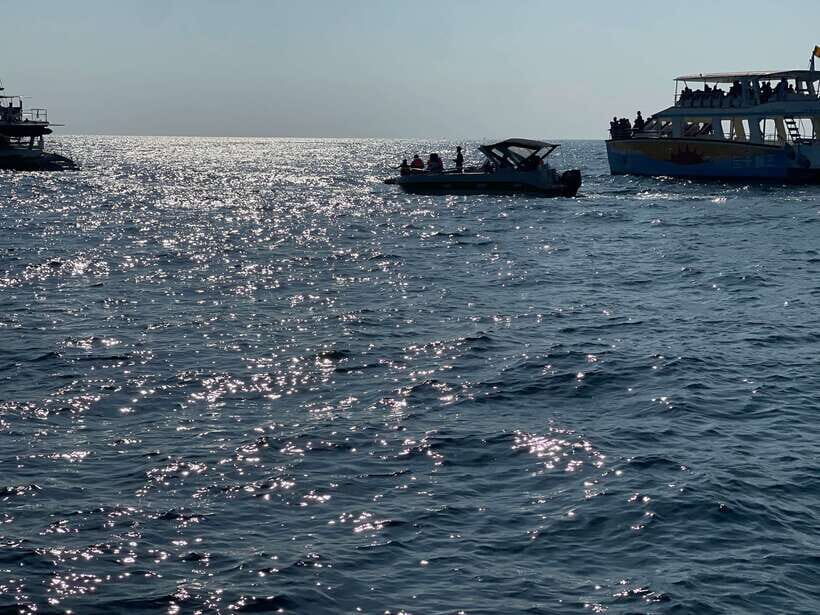
After the boat portion, the day includes time in Mirissa that’s more than just a parking stop. You’ll have about four hours that include breakfast, a guided tour, a self-guided option, a safety briefing, scenic views on the way, and sunrise timing plus welcome refreshments. That mix matters because it builds a full morning rhythm instead of a simple drop-off-and-go.
Then you get a break with free time and a short walk—about 10 minutes. The tour format suggests you’ll be moving gently through the area while you reset. I like this kind of structure because it prevents the day from becoming only one long stretch of sitting. You can stretch, grab a breath of air, and regroup after the open-water time.
What you do in free time depends on your energy, but the practical takeaway is: use the break to hydrate, use the restroom before you head back, and ask questions if anything about the sightings was unclear. When you’ve just been on a boat, a quick local moment can turn random observations into real understanding.





Price and Value: Is $175 a Smart Deal for Transfers?
At $175 per person, the value depends on what you’re trying to buy: convenience, time-saving, and an organized whale-watching day.
Here’s what’s included:
- Pickup & drop-off from your hotel
- Whale watching boat charges
- Wildlife fees
- Packed breakfast
Not included: food and drinks.
When you add up the usual cost of getting to the harbor plus paying for the boat, boat-related fees, and your basic breakfast, the price becomes easier to justify—especially if you’re not already near Mirissa. The transfer is a big piece of the deal because it prevents the common vacation problem of spending half your day figuring out transportation instead of enjoying the wildlife.
If you’re on a tight schedule or you don’t want to manage early-morning logistics, this package is a solid buy. If you’re traveling budget-first and you already have easy access to the harbor, you might compare costs by booking the boat only. But for most visitors on the west coast, the transfer and bundled fees are what keep the day simple.
Who This Trip Suits Best (And Who Should Be Cautious)
This tour fits best if you:
- Want an organized early morning wildlife outing with transportation handled
- Like learning while you watch, especially with a marine naturalist onboard
- Enjoy ocean activity and can handle being out at sea for a few hours
Be cautious if you:
- Need a guaranteed wildlife outcome. Even with good planning, whale sightings can vary by season and conditions. One past booking reported seeing whales, but another reported not seeing whales at all. That’s the reality of this type of activity.
- Want a relaxed day with no early start. The schedule is built around a morning departure, and that drive time adds up.
If you’re traveling with kids or older folks, the transfer can be a plus, since you’re not coordinating multiple transit steps. Just remember the overall day is long—about 10 hours—so comfortable clothing and patience help.
Should You Book This Whale Watching Tour With Transfers?
I’d book it if you want the easiest way to do a whale-and-dolphin cruise from Sri Lanka’s west coast. The combination of hotel pickup, an early harbor departure, onboard breakfast, and a marine naturalist lesson is exactly what makes this style of tour worth your time. You’re paying for organization, not just the boat.
That said, I’d also approach it with the right mindset: treat whale sightings as the headline, but enjoy the journey either way. If you go in expecting a real chance at whales and a strong chance of dolphins, you’ll be happier than if you fixate on one species.
If you like your travel days structured and you don’t want to wrestle with early-morning logistics, this is a good fit.
FAQ
Where do pickups happen?
You can be picked up from Negombo, Colombo, Kalutara, or Bentota.
When does the boat depart from Mirissa?
The boat is described as departing from Mirissa Harbor at about 7am.
How long is the cruise on the water?
The boat tour may last about 3–5 hours.
What wildlife does the tour mention seeing?
The tour mentions possible sightings of blue whales, Bryde’s whales, sperm whales, killer whales, and fin whales. It also mentions dolphins such as common dolphins, bottlenose dolphins, spinner dolphins, Risso’s dolphins, and striped dolphins. There’s also a chance of flying fish, turtles, manta rays, and sharks.
What’s included in the price?
Included are hotel pickup and drop-off, whale watching boat charges, wildlife fees, and a packed breakfast.
Is food or drinks included?
Food and drinks are not included, so you’ll need to plan for anything beyond the packed breakfast.