REVIEW · NILAVELI
Trincomalee: Dolphin & Whale Watching Boat Tour
Book on GetYourGuide →Operated by PIGEON ISLAND TOURS PVT LTD · Bookable on GetYourGuide
Sunrise makes dolphin spotting easier. This tour runs off Trincomalee’s Nilaveli coast, built around dolphins and whales in calm blue water, plus an expert-led briefing so you know what you’re looking at. The timing, the scenery, and the ocean sounds all set the stage before the first splash shows up.
I like the early departure because it gives you the best shot at wildlife while the sea is still manageable. I also like the practical inclusions: you’re given a life jacket and bottled water, and you get plenty of chances for photos once you’re on the water.
One thing to consider: the sighting area can get crowded with boats, and whales aren’t guaranteed, so you may end up seeing mostly dolphins on some days.
In This Review
- Key things to know before you go
- Trincomalee’s Nilaveli morning: when the ocean wakes up
- Your 2.5-hour on-water loop: what actually happens after boarding
- Spotting targets: spinner dolphins and the whale-size odds
- Boat comfort and safety: life jackets, wind, and motion
- Price and logistics: what $40 buys you in real life
- Wildlife ethics check: crowded water is part of the trade
- Who should go, and who should skip it
- Should you book the Trincomalee dolphin & whale tour?
- FAQ
- Where does the tour start and end?
- What time does the boat leave?
- How long is the tour?
- Is hotel pickup included?
- What animals can I realistically expect?
- What should I bring, and what’s not allowed?
Key things to know before you go
- Best chance timing is early: boats leave between 5:30–5:45 AM and you should arrive 15 minutes early.
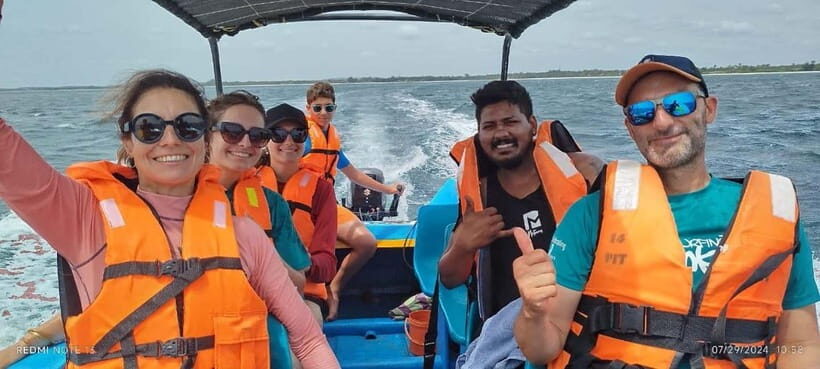
- You’ll wear a life jacket the whole trip, and the boat provides safety gear.
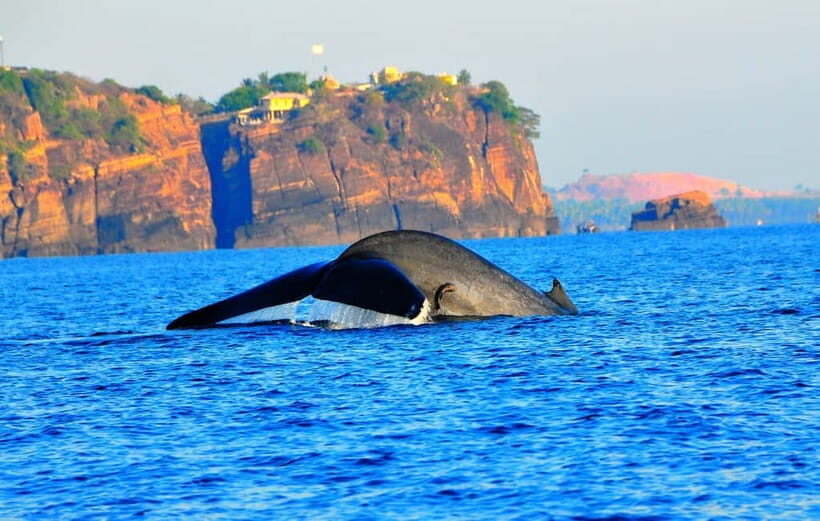
- Dolphins are the main bet, while blue whales and sperm whales are possible but not promised.
- The sea run can feel long before you reach the spot (some departures have a longer outbound stretch).
- Expect other boats in the area, so ask yourself how you feel about close proximity to wildlife.
- Pack for wind: a light jacket helps, even when the morning starts warm.
Trincomalee’s Nilaveli morning: when the ocean wakes up
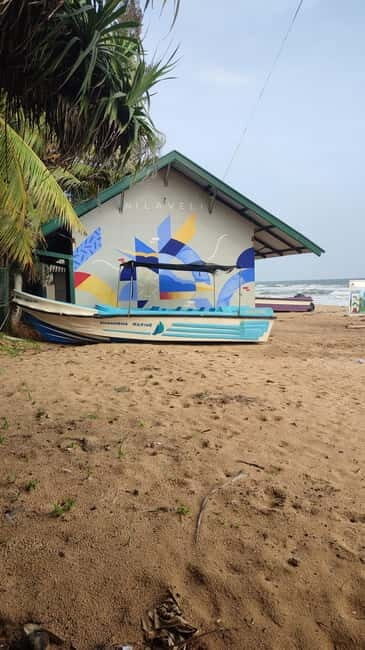
Nilaveli at dawn has a special mood. The air is cooler, the horizon is clean, and the water tends to be calmer than later in the day. That’s exactly when this dolphin and whale watching trip is scheduled to move—because animals are most likely to be active when the day is fresh.
You meet at Nilaveli Beach (the exact meeting details come after booking). Plan to arrive about 15 minutes early so you can get sorted without a rush. The tour itself is designed as a short, focused marine outing rather than a half-day slog, which makes it easier to fit into a Trincomalee itinerary.
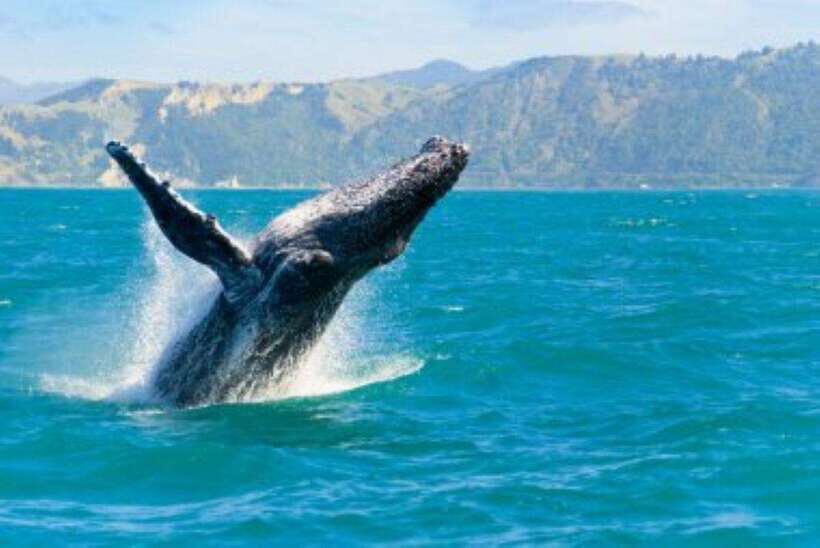
If you’re coming for wildlife, this is the right mindset: it’s a nature search, not a guarantee. You’re going out hoping to spot spinner dolphins, and if you’re lucky, much bigger visitors like sperm whales or blue whales.
If you're still narrowing it down, here are other tours in Nilaveli we've reviewed.

Your 2.5-hour on-water loop: what actually happens after boarding
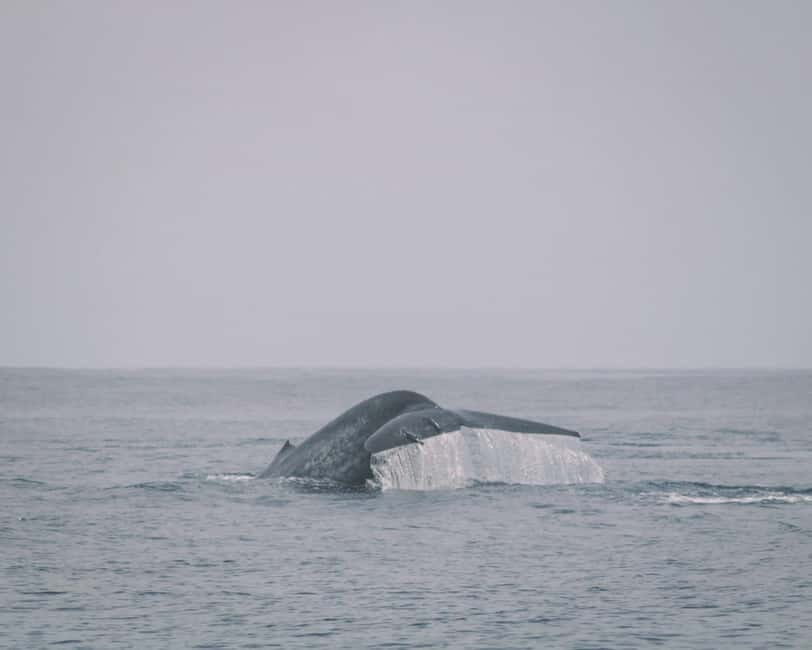
The trip is approximately 2.5 hours total on the water, though it can shift with sea conditions and animal activity. After a short briefing from the captain, you board a comfortable boat with safety gear and life jackets. Then the engine hum fades into the more “real” ocean sounds—wind, waves, and the steady movement of the boat.
Expect a rhythm like this:
- You glide across the Indian Ocean from the Nilaveli side, with time to settle in.
- You look for dolphins first, and sometimes they show up right away—spinning, leaping, and racing alongside the boat.
- As the journey continues, the search shifts farther out into deeper sea to increase the odds of whale sightings.
- Your guide shares facts about the species and the ocean ecosystem as you go, and you’ll have time for photos and videos when sightings happen.
One practical point: reaching the main viewing area may take time. There are reports of an outbound stretch that can feel as long as 45 minutes before the boats reach the spot. That’s not automatically a problem, but it is why you should be ready for a longer “on the way” portion, not just instant animal encounters.
Once the tour run is done, the boat returns to Nilaveli Beach. The whole experience ends with that slightly surreal feeling—like you just watched an entire world surface for a short time, then the sea quietly takes it back.
Spotting targets: spinner dolphins and the whale-size odds
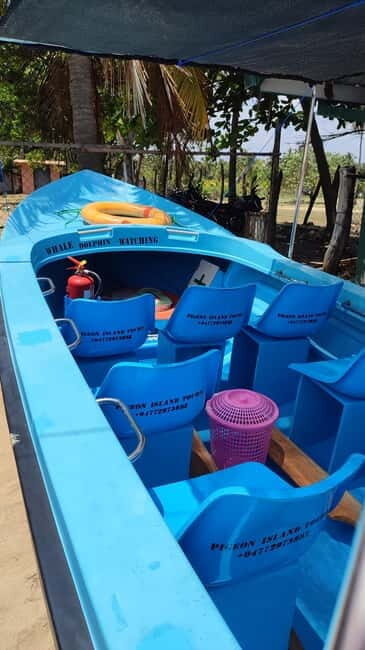
This tour aims for some of the ocean’s most famous large animals:
- Spinner dolphins are often the first to show themselves. When they’re around, they can be playful and fast, which makes them easier to see than whales that surface less often.
- Blue whales are the big wow factor, but they’re not guaranteed. On many days, the focus may stay on dolphin activity.
- Sperm whales are another possible target in the deeper-water search, again depending on day and conditions.
The season matters too. The best odds are during March–August, when chances of sightings are higher. Even then, the ocean has its own schedule, and whales can be far away or not come up in the exact window you’re searching.
Also note what the experience description allows for: depending on the day, you might see other marine life like flying fish, sea turtles, or even pilot whales. That’s a nice bonus, and it’s part of why this sort of tour can still feel worth it even when the whales don’t show.
If you’re building your expectations, here’s the balanced way to think about it:
- Go in knowing dolphins are the likely highlight.
- Treat whales as a possible gift, not a checklist item.
That approach keeps the day fun instead of frustrating.
Boat comfort and safety: life jackets, wind, and motion
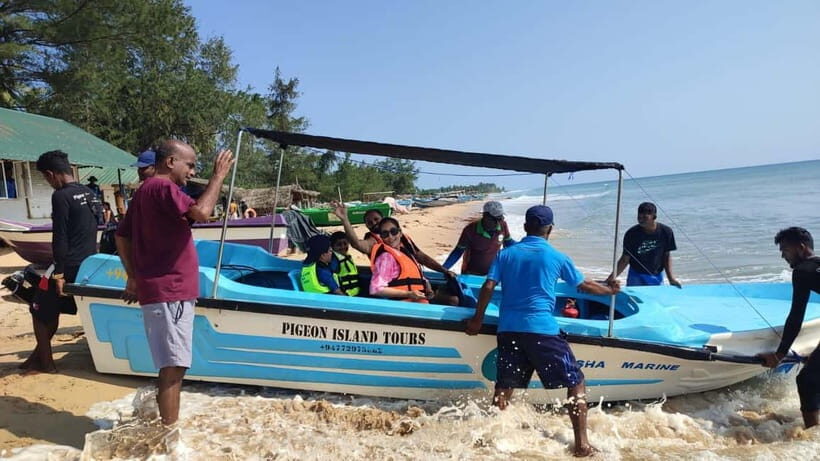
You’ll get a life jacket and you should wear it during the tour. The boat also comes with bottled drinking water (500 ml). That small inclusion matters on a hot morning at the beach—especially if you’re already out before breakfast.
Comfort depends on two things: wind and motion. Even when the sun feels warm at the start, the sea breeze can cut your skin once you’re moving. Bring a light jacket and sunglasses, and consider sunscreen and a hat because glare can be intense on open water.
If you’re prone to motion sickness, plan ahead. The tour guidance suggests seasickness medication, and I agree—that’s not the time to experiment. Take it before you get on the boat so you’re covered when the ride starts.
What’s not allowed is also important for planning: no swimming and no smoking. That keeps the experience safe and protects the environment, but it also means you’re fully committed to the boat view—so pack for “watching,” not “jumping in.”
Price and logistics: what $40 buys you in real life
The price is $40 per person, with a 2-hour slot listed and about 2.5 hours on the water depending on conditions. In my view, this price makes sense because you’re paying for early-morning operation, a boat big enough for safety gear, and the time it takes to run out to a whale-and-dolphin search area.
Where the value can change is logistics on your side. Hotel pickup isn’t included. The operator says transfers can be arranged for an extra charge depending on distance. If your hotel is far from Nilaveli, do the math: a cheaper tour can become more expensive if you end up paying for transportation anyway.
So here’s the practical approach:
- If you’re already near Nilaveli, this is a straightforward deal.
- If you’re staying elsewhere, confirm transfer cost early so you’re not surprised by the full day spend.
Also consider what’s included versus what you’ll want to bring. You get water and a life jacket, but you’re still responsible for your comfort items—camera, sunglasses, hat, sunscreen, and extra drinks if you like.
Wildlife ethics check: crowded water is part of the trade
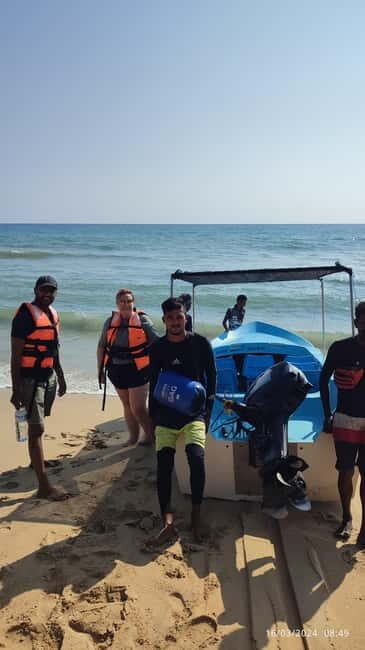
One of the most useful takeaways from real-world feedback is that the dolphin area can become busier than you’d hope. There are accounts of many boats converging—sometimes counted at 20–25, and in some cases even over 30. That doesn’t automatically mean every tour is disrespectful, but it does mean you should keep an eye on how the captain drives and how close the boats stay.
The descriptions also promise eco-friendly, expert-led tours that respect marine life. That’s a good sign on paper. But the day you go can still vary depending on where the animals are, how many boats spot them first, and how the captain manages spacing.
What you can do as a passenger:
- Watch for how your boat behaves around dolphins. If you see aggressive chasing, it can make the experience feel uneasy.
- Pay attention to whether the guide/driver slows down or circles repeatedly, versus taking a calmer route.
- Remember: the goal is sightings, but the ocean is not a theme park.
If ethical discomfort would ruin your day, this is the one big consideration. If you can handle the reality that many operators hunt the same sightings at the same time, you’ll likely enjoy the trip for what it is: a brief, wild meeting with sea animals.
Who should go, and who should skip it
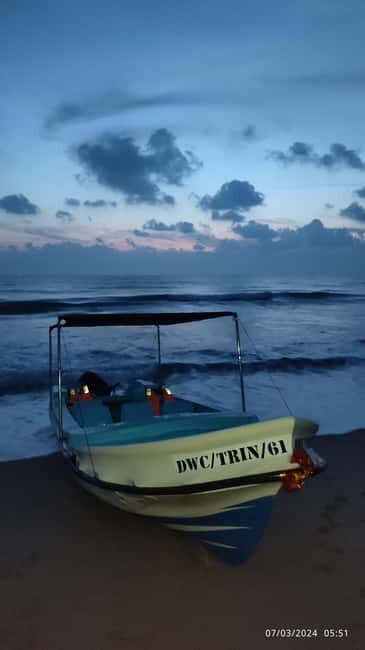
This tour is best for people who love wildlife and don’t mind being outside in the morning. It’s a good fit for photographers because you’re often close enough to capture dolphin behavior when they’re active.
It can work for families, but only with the right ages. The guidance says it’s suitable for children over 5 years old, and children must be accompanied by an adult. Children under 4 years aren’t suitable.
It’s not recommended for:
- Pregnant travelers
- People with serious back or mobility issues
- People with heart problems
- People over 70 years old
If you fall into any of those categories, I’d treat the safety note as a stop sign, not a suggestion. Open-water boat rides can be bumpy, and even with life jackets, the risk level may be too high.
Should you book the Trincomalee dolphin & whale tour?
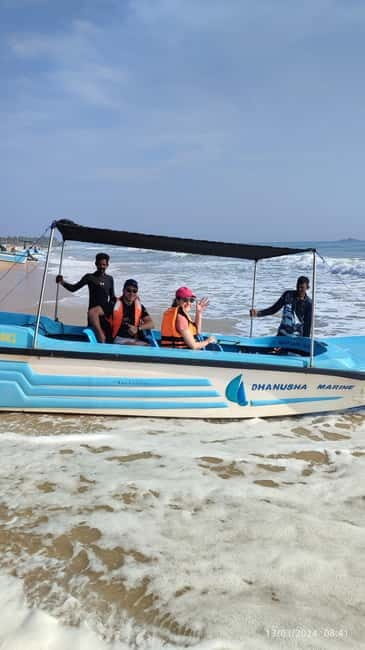
Yes—with a smart expectation and a quick ethics check.
Book if you want the best chance at dolphins with a shot at bigger whales during the March–August season. The early departure, the guide-led search, and the simple inclusions (life jacket and water) make it a solid value for a marine wildlife morning.
Skip or rethink it if:
- You strongly need a high probability of whale sightings (because whales are not guaranteed).
- Crowds around wildlife would make the experience feel wrong for you.
- Your health situation matches the tour’s “not recommended” categories.
- You rely on hotel pickup and don’t want to manage transport to Nilaveli.
If you do book, do it like a pro: arrive early, dress for wind, bring your camera, and keep your expectations flexible. When dolphins show up and race past the boat, the memory sticks fast—no matter what the whales decide to do that day.
FAQ
Where does the tour start and end?
You meet at Nilaveli Beach. The boat returns back to Nilaveli Beach after about 2.5 hours on the water.
What time does the boat leave?
Departure is early morning between 5:30 AM and 5:45 AM for the best chance of sightings. Arrive about 15 minutes before departure.
How long is the tour?
Plan on approximately 2.5 hours on the water, depending on sea conditions and marine life activity.
Is hotel pickup included?
No. Hotel pick-up and drop-off are not included, but transfers can be arranged for an extra charge depending on your distance.
What animals can I realistically expect?
Dolphins are the main target, and you may also spot blue whales and sperm whales, depending on the day. Other sightings like flying fish, sea turtles, or pilot whales are possible.
What should I bring, and what’s not allowed?
Bring sunglasses, a camera, drinks/water, and comfortable clothing (plus a light jacket for wind). Don’t swim or smoke during the tour. Life jackets must be worn.