REVIEW · NILAVELI
Nilaveli: Trinco City tour by Tuk Tuk
Book on GetYourGuide →Operated by Traveli Ceylon · Bookable on GetYourGuide
One small ride can teach you a lot about a place. This Trincomalee city tour by tuk tuk strings together major Hindu sites, local daily life, and a couple of very hands-on rituals you can actually see and do. I especially like the coconut-breaking moment at Thirukoneswaram Kovil and the chance to touch the holy hot water at Kinniya. The main drawback to consider is that the day can feel uneven if a stop is closed, shorter than advertised, or your guide’s English is more gesture-based than explanatory.
You’ll start with hotel pickup in Nilaveli or Trincomalee, then roll into town in a private tuk tuk. Expect modest walking inside temple areas and a mix of guided moments and slower viewing time. If your travel style is “show me the real local routine,” this route fits well.
One more practical note: you’re promised an English-speaking guide, but in real life the guide may use minimal English with hand signals and quick instructions. That doesn’t make it bad—just plan to be patient and respectful with temple etiquette.
In This Review
- Key things that make this tour worth your time
- Tuk tuk pacing: how a 4-hour city loop really works
- Sri Lakshmi Narayana Perumal Kovil: Golden Temple etiquette you should know
- Deer Park Trincomalee: feeding free-roaming deer like a local
- Thirukoneswaram Kovil (Swami Rock): coconut breaking and Nandi’s ear
- Small-boat fish market and local food moments
- Shri Badrakali Amman Hindu kovil: intense iconography and photos
- Kanniya hot water springs: the hands-on blessing moment
- Uppuveli Beach break: reset before heading back
- Price and what you’re really buying for $30
- Guides make or break the day: English level and tailoring
- Things that could disappoint, and how to plan around them
- Should you book the Nilaveli–Trincomalee tuk tuk temple tour?
- FAQ
- Where are you picked up from?
- How long is the tour?
- Is this a private tour?
- What language is the guide?
- What activities are included with the religious stops?
- Is palmyra juice included?
- Do I need extra money for the hot springs?
Key things that make this tour worth your time
- Coconut breaking + Nandi details at Thirukoneswaram Kovil, a rare hands-on cultural stop
- Kanniya hot springs where you can touch the holy water, so it’s more than sightseeing
- Free-roaming deer feeding with a provided plate of vegetables
- Temples with different styles, including Vaishnavite customs at Sri Lakshmi Narayana Perumal Kovil
- Photo-friendly iconography at Shri Badrakali Amman Hindu kovil
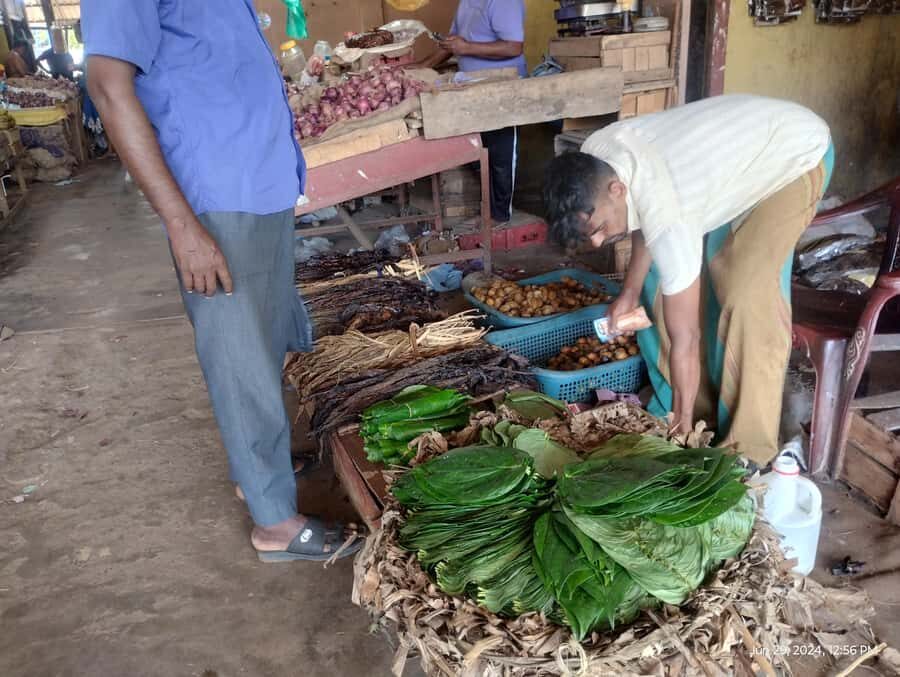
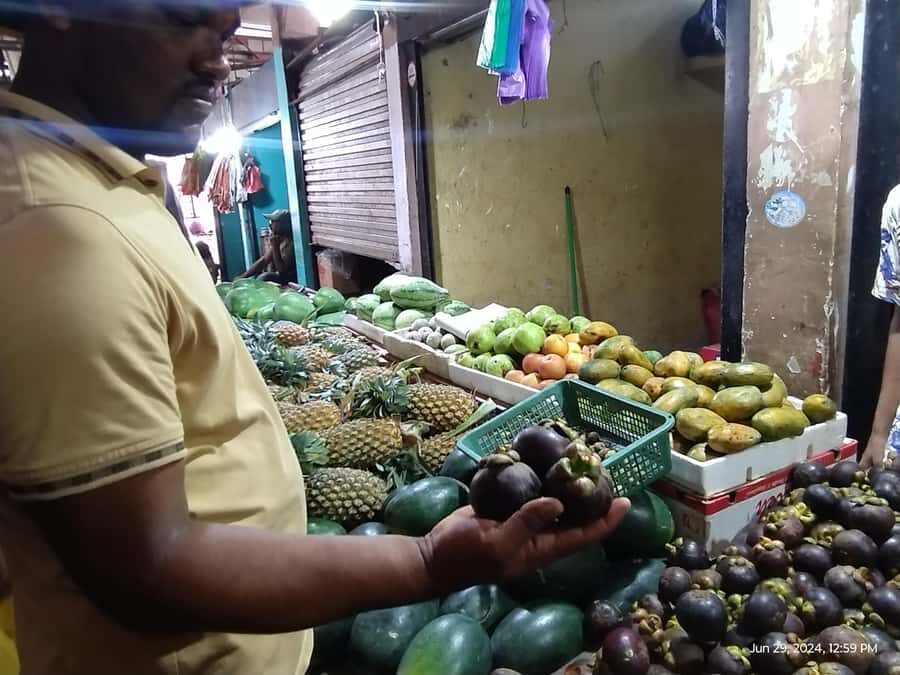
- Palmyra juice and local market stops for a quick taste of Trincomalee food life
Tuk tuk pacing: how a 4-hour city loop really works
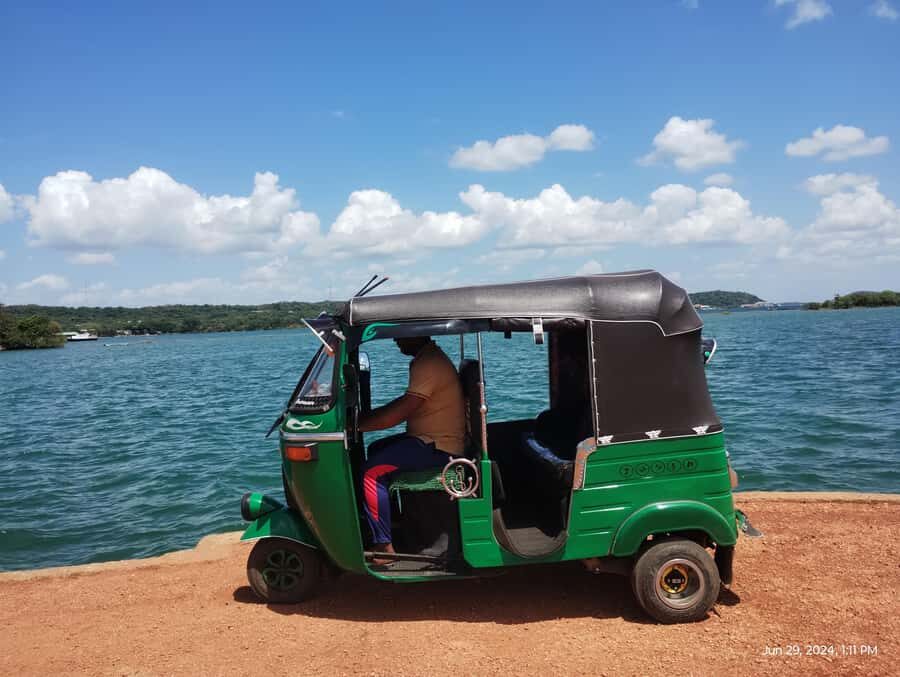
This is a compact loop built for a first visit. You’ll spend most of the time moving between sites in a private tuk tuk, then get short guided visits at each key place. The whole plan is built around variety: temple rituals, local animal culture, market energy, and finally a reset on the beach.
What that means for you: you won’t need a car. You also won’t spend hours in transit. But you will have to accept that it’s a schedule, not a slow wander. If you like to linger a lot, ask your guide to leave you a little extra breathing room where it matters most to you.
Duration is listed as about 4 hours, and the stops are designed to fit that. Still, one traveler’s experience suggested the day may run closer to 3 hours depending on the guide and timing. So keep your expectations flexible.
If you're still narrowing it down, here are other tours in Nilaveli we've reviewed.

Sri Lakshmi Narayana Perumal Kovil: Golden Temple etiquette you should know
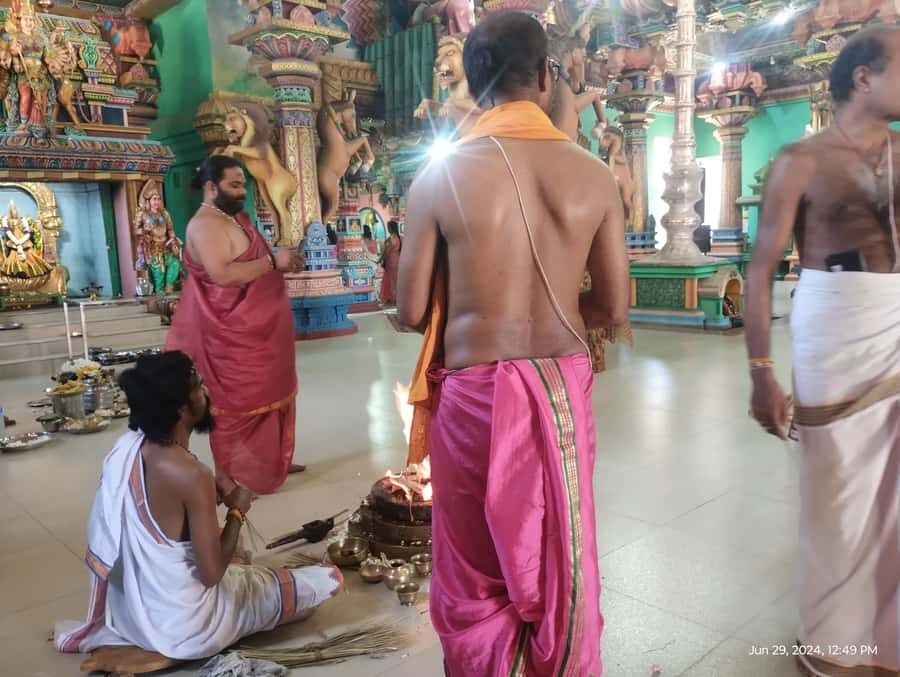
The first big anchor is Sri Lakshmi Narayana Perumal Kovil, often called the Golden Temple. This is a Vaishnavite-focused religious site, and it comes with clear customs for tourists.
The most important practical detail is dress and entry etiquette: the tour notes that gents may be asked to enter topless. That’s not a guess—it’s part of the local expectation during the visit. For anyone uncomfortable with that, I’d treat this as a “check with your guide first” moment so you’re not surprised at the doorway.
You’ll also be told to follow Vaishnavite customs as a tourist. Even if your guide’s English is brief, the temple rules will be visible. Expect quick instructions, modest behavior, and a calm tone inside.
Why I like this stop for you: it’s not just a pretty building. It gives you a real introduction to how religious life is practiced here, with tourists guided into the right rhythm rather than just taking photos and rushing out.
Deer Park Trincomalee: feeding free-roaming deer like a local
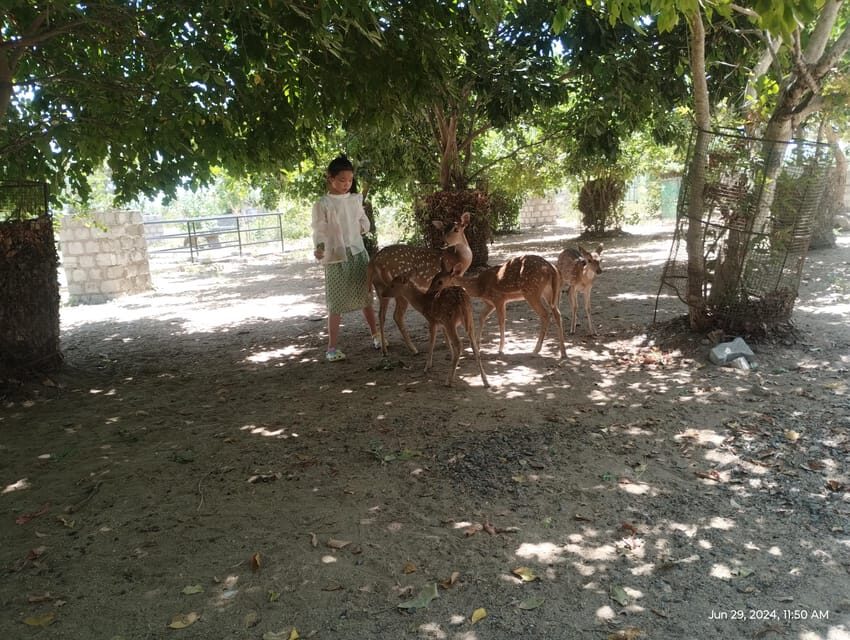
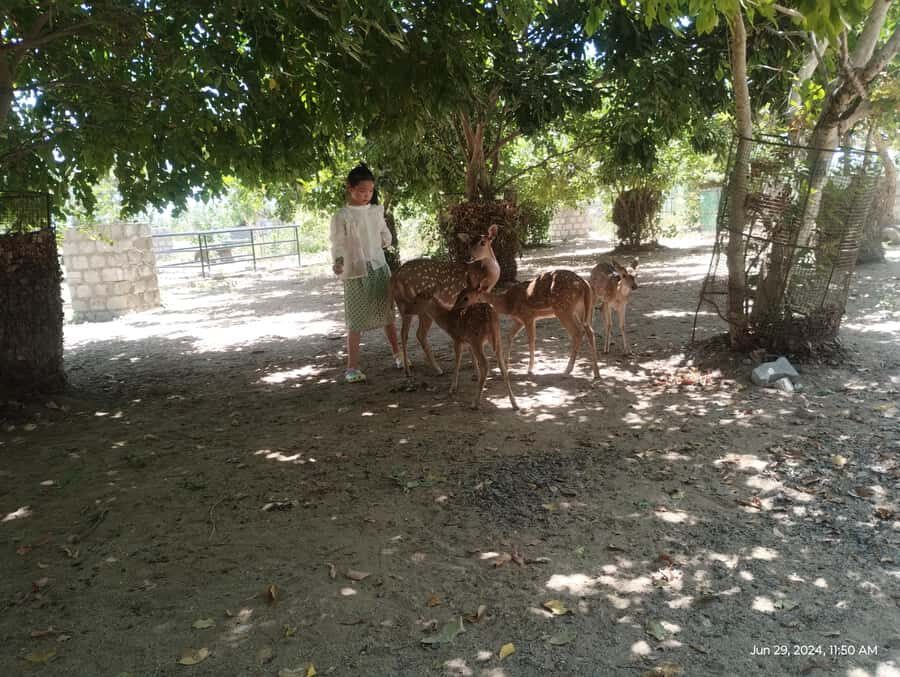
Next is the Deer Park Trincomalee, a place locals visit as part of daily life. The standout part isn’t the fence or the scenery—it’s that the deer roam freely, and you’re offered vegetables to feed them.
The tour is guided here, and the best attitude is simple: move calmly, be patient, and let the deer approach on their terms. You’re not just watching wildlife—you’re participating in a local practice. That small shift makes the experience feel more human.
One caution: a traveler who found the deer park less interesting compared with the temples. Deer parks aren’t unique to Sri Lanka, so if you’re hoping for something deeply cultural, go into this expecting it to be more “local routine + animal encounter” than a major highlight.
Thirukoneswaram Kovil (Swami Rock): coconut breaking and Nandi’s ear
Then you reach Thirukoneswaram Kovil, also known as the Swami Rock Temple. This is where the tour gets genuinely hands-on.
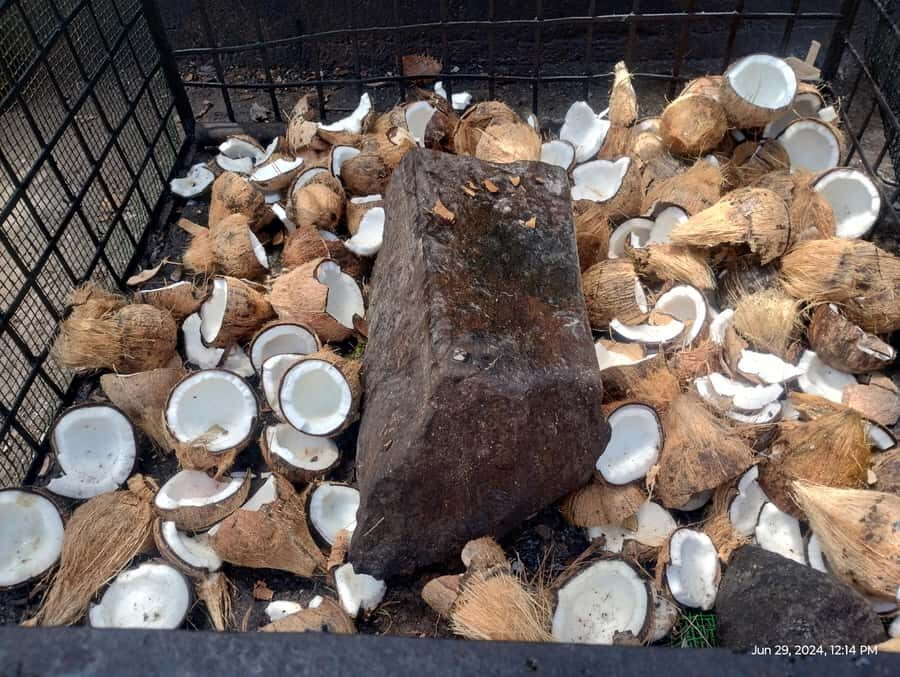
You’ll be guided inside, and you’ll get an opportunity to break a coconut as part of the ritual. The tour includes 1 coconut, so you shouldn’t need to hunt for one at the last minute. You’ll also get a chance to whisper secrets at Nandi’s ear, referring to the sacred bull statue. That moment is small, but it’s memorable because it’s intimate and specific.
What makes it valuable is the combination: a physical action (coconut breaking) plus a symbolic gesture (whispering to Nandi). Together, they help you understand the temple is lived religion, not just architecture.
Practical tip: if you’re photographing, follow your guide’s cues. Temples can be strict about where photos are allowed and what behavior is respectful, especially during ritual moments.
Small-boat fish market and local food moments
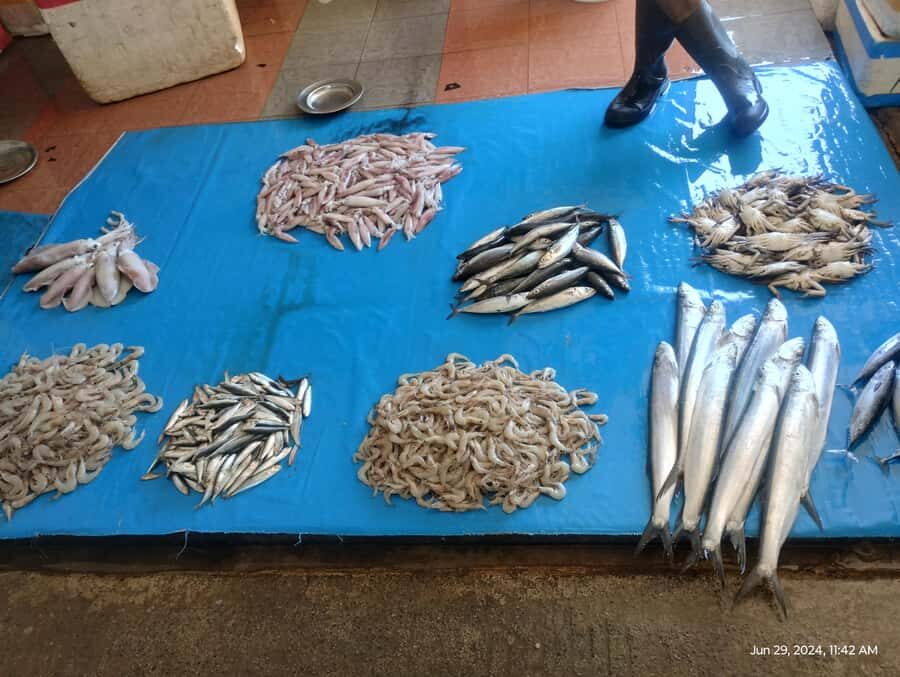
Next up is the small boat fish market stop. Even if you’re not buying anything, markets are where you can spot daily rhythms: how people talk, what they choose first, and what’s considered normal around food and seafood.
This part of the tour matters because it breaks the “all temples all day” feeling. You get your bearings in the real town environment.
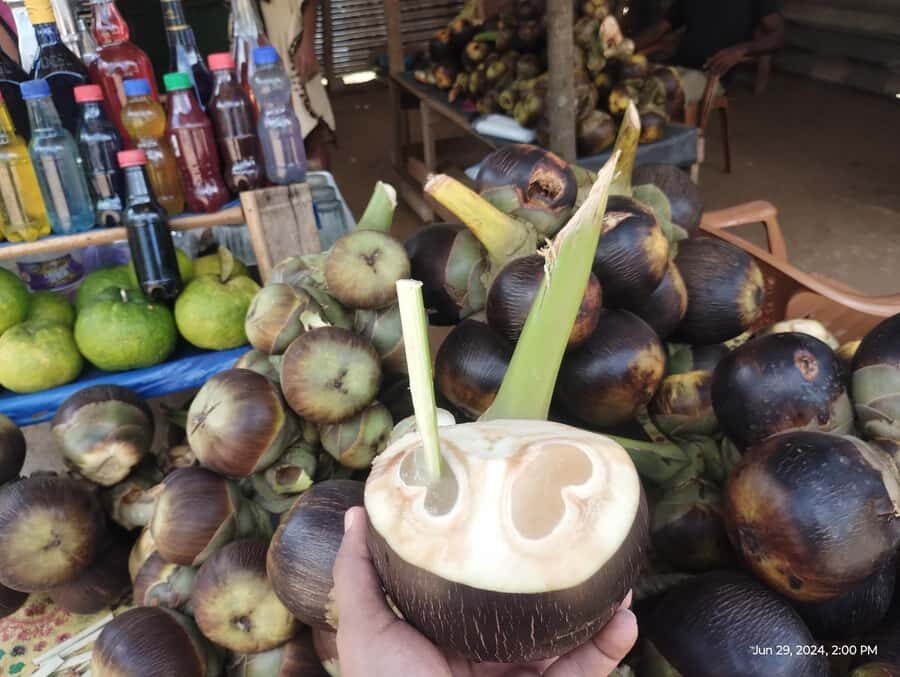
You’ll also have a local thirst buster, included as palmyra juice. It’s one of those simple included extras that helps you refuel without having to negotiate or guess. It’s especially useful on a warm day when you’ve been walking and waiting between entrances.
A fair warning: one traveler reported their day didn’t include certain market items they expected, like coconut breaking or palmyra juice. That kind of mismatch can happen when timing gets tight. If something is important to you, just confirm early with your guide that you’ll get the coconut and juice as listed.
Shri Badrakali Amman Hindu kovil: intense iconography and photos
You’ll also visit Shri Badrakali Amman Hindu kovil. The tour description flags it as having scary Hindu iconography, and it’s the kind of place where strong visual symbolism is part of the point.
Good news for practical travelers: the tour indicates you are allowed to make photos here. That makes this stop easier to enjoy if you like capturing moments—just stay respectful and follow any spot-specific rules inside.
How to enjoy it: don’t treat it like a quick photo-op. Take a minute to actually look. Even if you don’t understand every symbol, the intensity and style are a window into local religious expression.
Kanniya hot water springs: the hands-on blessing moment
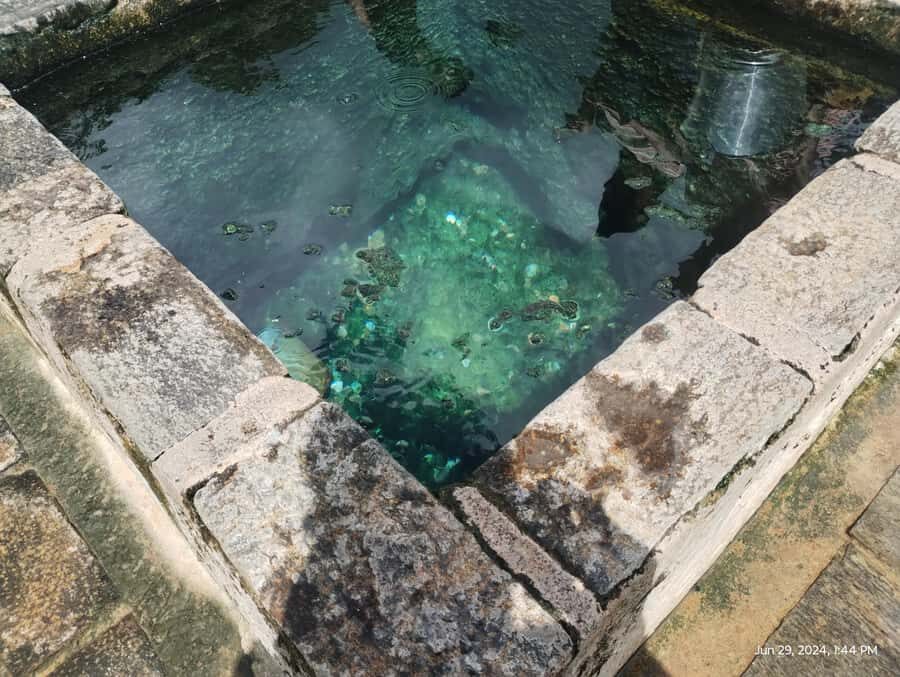
Finally, you’ll head to the Kanniya Hot Water Springs. This is one of those rare “tour stops” where you can do something physical, not just look.
The tour says you can touch the holy water and feel blessed. In other words, it’s meant as a direct experience. If you’ve been walking on hot days, the springs can also feel like therapy for tired feet—exactly the kind of practical relief that makes the end of a temple-heavy day easier.
One consideration: a traveler reported an additional 500 LKR payment at the hot springs, described as not being clearly warned in advance. The tour includes a guided visit, but it sounds like there may be a small on-site charge. So I’d bring some extra small cash and expect this to be handled locally.
Uppuveli Beach break: reset before heading back
After temples and springs, you’ll get a 1-hour break at Uppuveli Beach. This is where the tour stops being “religious and cultural” and starts being just… human. You can cool off, take a breath, and decide if you want to wander a bit or just relax.
One thing to remember: since the tour is short, you won’t have hours to explore the shore. Use the beach time strategically—drink water, apply sun protection, and give your feet a break.
If your schedule is tight and you want a calm finish, this beach window is a smart add-on. It keeps the day from ending abruptly right after the last kovil.
Price and what you’re really buying for $30
At $30 per person for about 4 hours, the value depends on your goal.
If you want a quick, private, guided route through key Trincomalee sights, this can be a good deal. You’re getting:
- a tuk tuk with a local guide
- pickup and drop-off (with stated conditions)
- included vegetables for deer feeding
- palmyra juice
- an included coconut for the ritual
Where the value can wobble: if you’re traveling solo and feel the group structure doesn’t change the cost much. One traveler called it a little pricey for one person but said the guide made it worth it. I agree with the logic: the guide’s skill matters on tours like this because the best moments are the ones that require understanding, not just seeing.
Also, if your day becomes shorter than planned or certain stops feel skipped, the price starts to feel less fair. So I’d treat this as a “good route with real rituals,” not a guaranteed checklist.
Guides make or break the day: English level and tailoring
This tour is designed for a local guide. Several experiences in the feedback show the biggest differences come from guide style.
You might be guided by someone like Wella, described as patient, attentive, and helpful—especially for travelers who needed a slower pace. Another guide named Ramalnathan was praised for being patient and tailoring the tour to needs, including helping with someone who had a bad leg. That’s a big deal: temples can involve uneven ground and waiting, so the ability to adapt is practical, not just friendly.
Language is the one variable. The tour information warns that your guide may use minimal English and more gestures. That’s normal in a lot of places, but you can make it smoother by:
- going with a respectful, relaxed attitude
- having a few questions ready in simple English
- using your phone for translation for anything you want clarified
If you care about photos, ask your guide early. One experience highlighted that the guide helped with group photos throughout the day.
Things that could disappoint, and how to plan around them
Balanced reality check: a tour like this is a mix of strong moments and a couple “depends on your taste” stops.
Possible drawbacks to watch for:
- Deer park may feel less special if you love temples above all else
- Some areas or nearby spots can look a bit dirty, which affects the mood
- A site can be closed on arrival, changing the flow
- Timing can run shorter than 4 hours in some cases
- You may get less explanation if your guide is more phone-first or very minimal in English
How to reduce risk:
- Ask the guide at pickup what will definitely happen in your exact order.
- If ritual stops matter most to you (coconut breaking, Nandi’s ear), say so early.
- Bring small cash for any on-site charges that might appear at hot springs.
- Pack modest clothing and plan for temple etiquette.
Should you book the Nilaveli–Trincomalee tuk tuk temple tour?
Book this tour if you want a tight, guided introduction to Trincomalee that includes real cultural participation: coconut breaking, sacred hot water contact, and deer feeding. It’s a strong pick for first-timers who don’t want to figure out temples and local stops alone, and it’s also a good choice if you’d like the day to be handled by someone local who can adapt the pace.
Skip or rethink if you want a high-interpretation museum-style guide with long English explanations, or if you’re very sensitive to the possibility of uneven timing and site closures. Also reconsider if deer parks aren’t your thing and you’d rather spend more time on beaches or fewer temples.
If you do book, I’d go in with one mindset: treat it like a respectful local day out, not a “perfect itinerary.” That’s when the rituals land—and the value makes sense.
FAQ
Where are you picked up from?
Pickup is included from your hotel in Nilaveli or Trincomalee. You’ll need to specify your pickup location clearly with your hotel name and contact number.
How long is the tour?
The tour duration is about 4 hours.
Is this a private tour?
Yes. It’s a private group tour with a live guide.
What language is the guide?
The live tour guide provides English. The guide may still use minimal English and gestures.
What activities are included with the religious stops?
You’ll visit major temples and have the opportunity for the coconut-breaking ritual at Thirukoneswaram Kovil. The tour also includes 1 coconut.
Is palmyra juice included?
Yes. Palmyra juice is included as the local thirst buster.
Do I need extra money for the hot springs?
The hot springs visit is guided, and you can touch the holy water. One traveler reported a small on-site payment (500 LKR) at the hot springs, so it’s smart to have some extra cash on hand.