REVIEW · COLOMBO
Three Ancient Kingdoms Tour | from Colombo
Book on Viator →Operated by Travceylon Leisure · Bookable on Viator
Start at dawn, then rewind two millennia. This Three Ancient Kingdoms tour turns Colombo into a fast jump to Sri Lanka’s northwestern past, with stops that are archaeological, architectural, and story-driven. I especially liked two things: the Dambadeniya royal palace grounds and the excavated remains connected to the Temple of the Tooth, and the chance to climb up at Yapahuwa for stupa ruins with detailed stonework and carvings. One thing to consider: you’ll want moderate physical fitness, since the tour includes climbing at the rock fortress and you’ll be on the move for about 10 hours.
You get solid basics to make the day easy: hotel pickup and drop-off from Colombo hotels, transport in an air-conditioned vehicle, an English-speaking chauffeur guide, and a 1-liter water bottle per person. You’ll need to plan around the early start (6:00 am pickup), bring a packed breakfast for the ride, and note that site entrance fees and food and drinks are not included.
In This Review
- Key highlights to pay attention to
- A dawn-to-ruins day from Colombo: how the 10 hours works
- Dambadeniya Ancient Kingdom Museum: palace walls, gardens, and Tooth Relic traces
- Yapahuwa Rock Fortress: climbing the rock and reading the carvings
- Panduwasnuwara: a 5th-century BC capital and the Panda Wewa irrigation system
- Yapahuwa Ancient Kingdom: the 100-meter granite citadel and the Sacred Tooth Relic timeline
- Price and what $85 really buys you (plus the entrance-fee reality)
- The guide factor: explanations that help you connect the dots
- What to bring for comfort on stairs, heat, and long drives
- Who this tour suits best (and who should think twice)
- Should you book the Three Ancient Kingdoms Tour from Colombo?
- FAQ
- What time does the tour start?
- How long is the tour?
- What stops are included in the tour?
- Is hotel pickup and drop-off included?
- Are entrance fees included?
- Is food included?
- Is transport included, and is it air-conditioned?
- Is the tour private?
- What happens if weather is poor?
Key highlights to pay attention to
- Temple of the Tooth connections at Dambadeniya, plus another Tooth Relic chapter tied to Yapahuwa’s capital changes
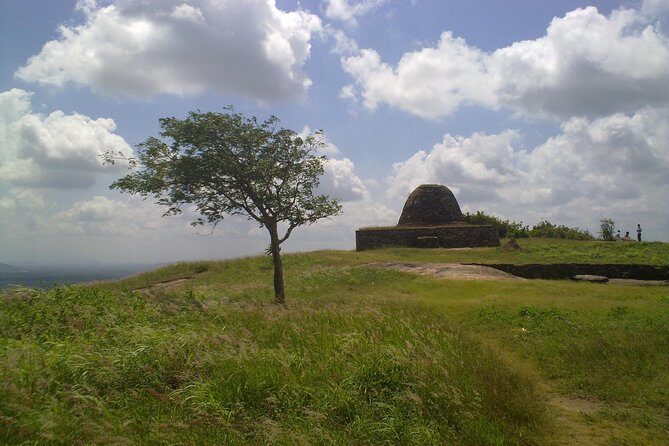
- Yapahuwa rock fortress views and ruins, including stupa remains on the summit
- Panduwasnuwara’s long timeline, from a 5th-century BC capital to later 12th-century use
- Panda Wewa reservoir, highlighted as one of the earliest irrigation systems made by man
- A private-group feel, since it’s only your group participating
- Guide-led context, with clear explanations designed to help you connect the sites fast
A dawn-to-ruins day from Colombo: how the 10 hours works
This tour starts early, with pickup at 6:00 am from your Colombo hotel. You’ll spend the day driving into the Northwestern Province, then moving between three major archaeological areas plus a short final look at another Yapahuwa-related citadel section.
The timing is structured but realistic for a full-day circuit. Expect long road stretches, then concentrated periods at each site where you can actually see details rather than just walking past them.
If you hate rushing, this is still doable because each location gets a clear block of time: about an hour at Dambadeniya, two hours at Yapahuwa, one hour at Panduwasnuwara, and then around 30 minutes at Yapahuwa Ancient Kingdom. Bring your patience for the commute, and your curiosity for the ruins.
One more practical note: the tour needs good weather. If conditions are poor, you’ll be offered a different date or a full refund, so it’s worth watching the forecast close to departure.
Other Colombo tours we've reviewed in Colombo


Dambadeniya Ancient Kingdom Museum: palace walls, gardens, and Tooth Relic traces
Your first stop is the Dambadeniya Ancient Kingdom Museum area, reached after about two hours of travel from Colombo. The day starts with a suggestion you should take seriously: bring a packed breakfast to eat on the way, because you’ll be getting moving before most people have even had tea.
Dambadeniya was at its peak in the mid-thirteenth century, especially during the reign of King Parakramabahu II. This stop isn’t only about stones; it’s also about connecting the site to a ruler who promoted Sinhalese literature and produced epic poetic masterpieces like Kavisilumina and Visuddi Marga Sannasa.
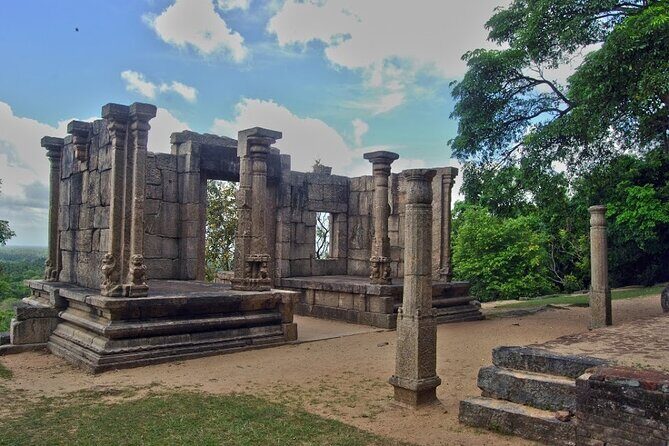
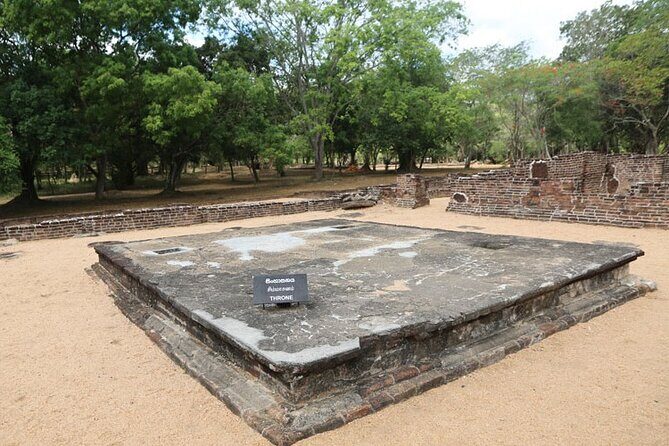
What you’ll see here is a mix of excavated and ruined elements. You can visit the recently excavated remains associated with the old Temple of the Tooth, where the Tooth Relic was housed previously. Then you’ll walk the royal palace complex remains, including what’s left of the gardens, walls, and moats.
The value for me is that Dambadeniya feels like a “royal layout,” not just scattered fragments. The moats and palace structures help your brain understand how power was organized, even when the buildings themselves are long gone.
A nice bonus: this first stop has admission ticket free according to the tour info. That makes the early part of the day feel more cost-friendly, especially when other sites may require you to pay entrance fees separately.
Yapahuwa Rock Fortress: climbing the rock and reading the carvings
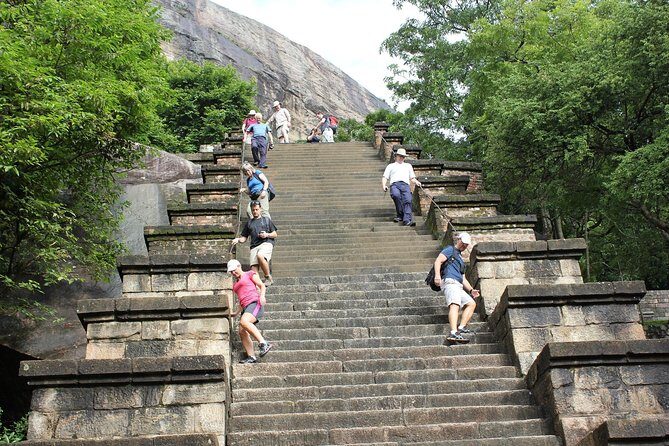
You leave for Yapahuwa at 9:00 am and arrive around 10:30 am. Yapahuwa was the capital right after Dambadeniya when the Dravidians invaded, so the story flow from stop to stop actually makes sense.
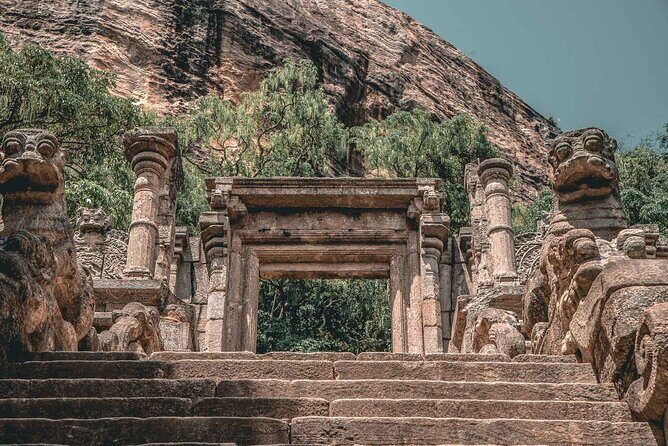
The fortress is built on a giant rock and is often compared to Sigiriya in scale and rock-fortress concept. What matters for your visit is that Yapahuwa’s architecture is described as different from Sigiriya, with wide staircases plus stone sculptures and highly detailed carvings on pillars. In other words, it’s not just a copy. The design language feels its own way.
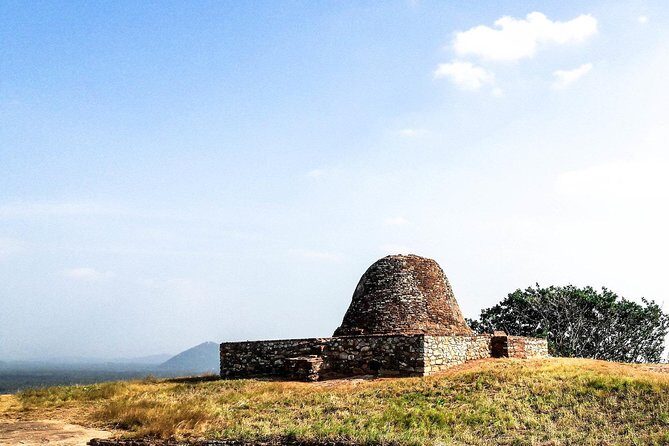
Once the capital era passed, the site served as a monastery for Buddhist monks. On your visit, you get the chance to climb to the fortress and look toward ruins of the stupa on the summit. The stupa has notable statues and imagery linked to the Kandyan era, which gives you a second layer of time to watch for while you’re up there.
The main practical consideration is physical effort. The tour info flags moderate physical fitness, and at Yapahuwa that mostly means stairs and climbing. Go slow, drink water, and wear shoes with decent grip. If you do, the climb becomes part of the experience rather than a chore.
Another thing I like about Yapahuwa is that the fortress viewpoint helps you imagine why rulers chose this kind of site. You don’t just see ruins; you understand the defensive logic and the visual control that a rock top provides.
Entrance fees are not included for this stop, so set aside cash or be ready to pay by whatever method is accepted onsite.
Panduwasnuwara: a 5th-century BC capital and the Panda Wewa irrigation system
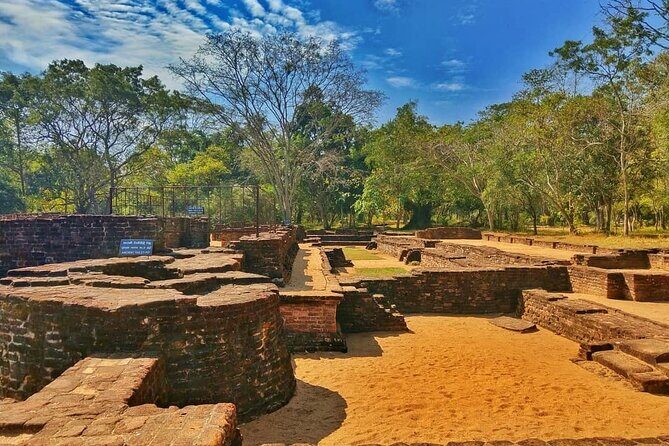
After Yapahuwa, you drive to Panduwasnuwara, taking up to about an hour and a half. When you arrive, you’re stepping into an ancient city used in multiple eras, including as early as the 5th century BC as a capital.
Later, the site was also used again in the 12th century, which is why the ruins span different periods. The site is spread over nearly 12 hectares, so even though you only have about an hour, you’re seeing a meaningful sweep of the layout rather than just one monument.
Some of the notable highlights include a recently restored two-storied former Temple of the Tooth, plus ruins tied to the royal palace. You’ll also see the Panda Wewa reservoir, which the tour info describes as one of the earliest irrigation systems made by man.
That irrigation piece is more important than it sounds. It helps you move beyond “religion and kings” into how societies supported daily life and agriculture. When you see water-management ruins, you get a different kind of respect for the engineering and planning that had to be done long before modern measuring tools.
The tour also mentions a museum at Panduwasnuwara, so you can expect context that helps tie the monuments together. Since the stop is one hour, you’ll want to stay focused rather than drifting. If you have questions, this is the moment to ask your guide, because they can usually connect the scattered remains to the bigger story.
Entrance fees for this stop are not included, so budget for it as part of the total day.
Yapahuwa Ancient Kingdom: the 100-meter granite citadel and the Sacred Tooth Relic timeline
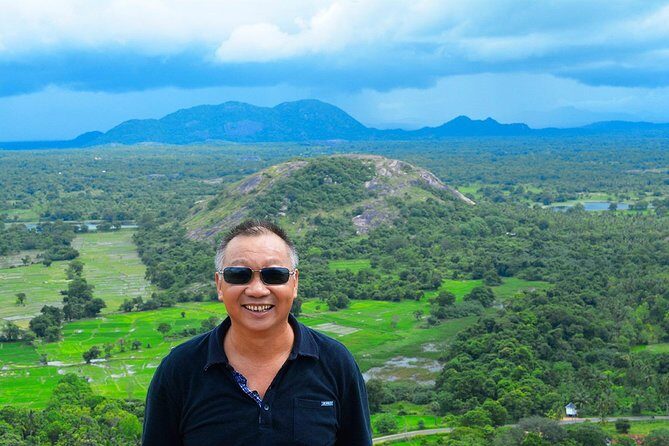
You’ll make a shorter stop labeled Yapahuwa Ancient Kingdom, positioned midway between Kurunagala and Anuradhapura. The citadel sits on a huge granite rock that rises almost 100 meters above the surrounding lowlands, which is the kind of detail that instantly helps you picture the “fortress first” mindset.
The Tooth Relic story is a big part of why Yapahuwa matters. In 1272, King Bhuvenakabahu transferred the capital from Polonnaruwa to Yapahuwa in response to Dravidian invasions from South India, bringing the Sacred Tooth Relic with him. Then, after the king died in 1284, the Pandyans of South India invaded again and succeeded in capturing the Tooth Relic. After that, Yapahuwa was largely abandoned and inhabited by Buddhist monks and religious ascetics.
That timeline is what turns your 30-minute stop from a quick photo break into a “why this place changed” moment. You can glance at the geography and connect it to political pressure, religious authority, and the way capitals could shift quickly when threats increased.
This stop is only about 30 minutes, so it’s best to treat it as a concentrated capstone. If you want extra time at the fortress you climbed earlier, plan to ask the guide about which viewpoint is most worth revisiting, but don’t expect a long second climb here.
Entrance fees are also listed as not included for this stop, so again, think of it as a “maybe-pay” item in your day plan.

Price and what $85 really buys you (plus the entrance-fee reality)
The price is $85.00 per person, and for a day that includes Colombo hotel pickup and drop-off, it can be good value if you’d otherwise spend time arranging transport. You also get transport in an air-conditioned vehicle, an English-speaking chauffeur guide, and a 1-liter water bottle per person.
Group discounts are mentioned, so the per-person cost can be even more sensible if you’re booking with others. The tour also uses a mobile ticket, which typically cuts down on waiting around for paperwork.
But here’s the catch: entrance fees are not included. The first stop is listed as free, yet the main sites like Yapahuwa and Panduwasnuwara note fees not included. So your real total cost depends on what you pay at each site.
Food and drinks are also not included. The tour recommends a packed breakfast for the ride, which is a hint that you should plan ahead for your morning energy. Bring snacks or plan a simple lunch stop nearby only if your guide’s schedule allows it.
A good way to judge value: this tour saves you the logistics of a long day and gives you a guided thread through three ancient capitals. If you’re trying to DIY, the hardest part is usually not driving—it’s knowing what each ruin is and why it matters.
The guide factor: explanations that help you connect the dots
The experience runs well when your guide can translate stone and timing into something you can actually understand. One of the most praised parts of this tour is the way the guide supports you and stays accommodating, with updates on what you need during the day.
That support matters because each site is different. Dambadeniya reads like palace layout and Tooth Relic remains; Yapahuwa reads like fortress architecture and a monastery-era reuse; Panduwasnuwara reads like an urban footprint plus irrigation engineering. Without context, you might leave with photos but miss the logic.
Because the guide is English-speaking and works as a chauffeur-guide, you’re not juggling multiple people or asking the same questions repeatedly. You can keep your brain on the sites and let them do the connecting for you.
I also appreciate that the day is organized enough to prevent that constant stop-start feeling. You get clear travel blocks and time at each place, so you can slow down at the moments where it counts.
What to bring for comfort on stairs, heat, and long drives
This tour doesn’t ask for anything fancy, but it does reward smart prep. You’ll be out for roughly 10 hours, starting early, and you’ll climb at Yapahuwa, so comfort and hydration matter.
Bring a packed breakfast for the morning ride, as the tour specifically recommends. Add a refillable water bottle if you like, even though you’ll receive a 1-liter bottle per person.
For footwear, use shoes that handle stairs and rock surfaces. If it’s warm, lightweight clothes help, but still expect you may want a layer if the morning is cooler and then the afternoon warms up.
Sunscreen and a hat are worth it. Even if you’re focused on ruins, you’ll still be exposed while walking and climbing.
If you can, keep your valuables minimal. It’s a long day with multiple stops, and you don’t need much beyond your essentials.
Who this tour suits best (and who should think twice)
This is a strong fit if you want a guided, efficient way to see multiple ancient kingdoms without adding your own navigation stress. It’s also a good choice if you care about how sites connect through political change, especially the Tooth Relic timeline tied to capitals like Dambadeniya and Yapahuwa.
You’ll enjoy it more if you like archaeology that still looks physical and readable—moats, palace grounds, fortresses on granite, and an irrigation reservoir you can picture in use. And because it’s private to your group, it tends to feel less crowded and more flexible than bus-style day trips.
Think twice if long drives and the early start aren’t your thing. Also consider the climb involved at Yapahuwa and aim for that moderate fitness requirement if you’re planning to participate comfortably.
Should you book the Three Ancient Kingdoms Tour from Colombo?
I’d book it if you want an honest day of ruins with a clear narrative thread from Dambadeniya to Yapahuwa to Panduwasnuwara. The best part is that you’re not just collecting landmarks—you’re seeing how capitals rose, shifted, and reused sacred sites across centuries.
I’d pause only if you strongly prefer easy sightseeing with minimal walking or you’re sensitive to early departures. If you’re okay with stairs, a full-day schedule, and separate entrance fees, this tour is a practical way to get far beyond Colombo and still feel like the day makes sense.
FAQ
What time does the tour start?
The tour starts at 6:00 am with hotel pickup from Colombo.
How long is the tour?
It runs for about 10 hours (approx.).
What stops are included in the tour?
You’ll visit Dambadeniya Ancient Kingdom Museum, Yapahuwa Rock Fortress, Panduwasnuwara Kingdom, and Yapahuwa Ancient Kingdom.
Is hotel pickup and drop-off included?
Yes. Hotel pickup and drop-off from Colombo hotels are included.
Are entrance fees included?
Entrance fees are included for Dambadeniya Ancient Kingdom Museum, but entrance fees for Yapahuwa Rock Fortress, Panduwasnuwara Kingdom, and Yapahuwa Ancient Kingdom are listed as not included.
Is food included?
No. Food and drinks are not included. The tour recommends bringing a packed breakfast for the ride.
Is transport included, and is it air-conditioned?
Yes. You get transport by an air-conditioned vehicle.
Is the tour private?
Yes. It’s described as a private tour/activity, with only your group participating.
What happens if weather is poor?
The tour requires good weather. If it’s canceled due to poor weather, you’ll be offered a different date or a full refund.