A Ratnapura day can turn into a real lesson. This private, one-on-one tour is built around how stones move from geology to the final sparkle—heat treatment, markets, cutting, and the mines. I love the way the 25-year industry guide connects the science (formation and geology) to what you actually see on the ground, and I also love the hands-on stone cutting experience that makes the process feel practical, not just salesy. One thing to consider: it’s a long day (about 12 hours), so it helps if you’re happy spending lots of time in the vehicle and standing around workshops and mining areas.
My favorite part is that you’re not just watching—you’re learning what to ask and what to notice. Guides like Ahmed and Shreek are often singled out for friendly, direct explanations and for answering the questions you didn’t even know you had. The main drawback I’d flag is that there are no purchases included, so if you’re hoping to leave with a finished piece, you’ll need to budget extra and go in with your eyes open.
In This Review
- Key highlights at a glance
- A private Ratnapura day that explains the whole stone pipeline
- Colombo pickup and the road to an authentic breakfast
- Heat treatment workshop: where color and clarity start their makeover
- Stone markets with a guide who knows what questions to ask
- Cutting factory: watching craft at work and using the tools
- Lunch break before the mines: how to pace a long day
- Visiting the mines: seeing where the supply starts
- Price ($175 per person) and what you’re actually paying for
- Practical things to know before you go
- Who this Ratnapura gemstones tour is best for
- Should you book the private Ratnapura gemstones tour?
- FAQ
- How long is the Sri Lanka private Ratnapura gemstones tour?
- Is pickup included?
- What meals are included?
- What stops are part of the day?
- Is the tour private?
- Can I buy gemstones during the tour?
- What if the weather is bad?
- What’s the cancellation policy?
Key highlights at a glance
- A 25-year trade expert teaching the full chain: geology, formation, distribution, cutting, and marketing in the west
- Heat treatment workshop first: understand what changes colors and clarity before you hit the markets
- Markets plus a cutting factory: see both the business side and the craft side in one route
- A hands-on stone cutting segment: you get tools to use, not just a photo stop
- Lunch included before the mines: you’ll be less rushed and better able to enjoy the mining portion
- Private tour style: only your group participates, so questions don’t get squeezed
A private Ratnapura day that explains the whole stone pipeline
If you’ve ever wondered why the same stone can look so different in a shop, this tour is a fast answer. Ratnapura is famous for gemstones, but the real value here is learning the path—how stones are found, altered, graded, cut, and sold.
What I like most is that the guide isn’t just talking. You get a walk-through of the industry from the “where it comes from” side (geology and formation) to “how it gets improved and presented” (heat treatment, cutting, and then marketing). It’s the difference between sightseeing and understanding.
And because it’s private, you can ask the questions that matter to you: How are stones evaluated? What does heat treatment actually do? Why do cuts look the way they do? The tone is practical. You leave with a way to think, not just a stack of pretty pictures.
Other private tours in Colombo



Colombo pickup and the road to an authentic breakfast
You start in Colombo with pickup offered, then you head out toward Ratnapura by air-conditioned vehicle. That AC part matters more than it sounds. Sri Lanka traffic and workshop days can be warm, and this setup helps you stay comfortable for the long stretch.
About halfway to your first stops, there’s an authentic Sri Lankan breakfast. This is one of those quietly smart inclusions. Instead of a random snack break, you get a real meal before you start bouncing between workshops and markets. If you’re the kind of person who gets cranky when meals get skipped, this stop will keep the day smooth.
Timing-wise, this experience is offered during the Monday window of 6:00 AM–5:00 PM (and it runs across the listed date range). The tour itself is about 12 hours, so you’ll want to treat it as a full-day commitment, not a quick excursion.
Heat treatment workshop: where color and clarity start their makeover
Your first major stop is a heat treatment workshop. This is a key piece of the puzzle, because heat treatment is one of the processes that can change how a stone looks and how it’s valued.
In practical terms, this stop helps you understand why stones in the market aren’t all at the same starting point. If you only see finished products, you miss the fact that the industry can alter stones after they’re collected and before they reach cutting and selling. Watching the process in a working environment makes those explanations feel real.
What you’ll likely focus on during this part is the guide’s explanation of the “why” behind the process—how stones form, what you can find in Sri Lanka, and what heat treatment is aiming for in terms of appearance. Even if you don’t plan to buy anything, this is the stop that upgrades your judgment fast.
A small consideration: workshops are active places. It helps to wear something comfortable and be ready for the smell and heat that can come with industrial work spaces.
Stone markets with a guide who knows what questions to ask
After the heat treatment workshop, you head to experience the stone markets first hand. This is where a lot of people get overwhelmed. Prices can vary, claims fly fast, and it’s easy to feel like you need a translator for everything—even when you speak the language.
That’s exactly why the “expert with a long career” angle matters. Your guide can explain the distribution of gemstones across the island, connect that to what you see in the market, and steer you toward what’s meaningful versus what’s just noise.
Here’s what I’d suggest you do in the market segment:
- Ask what affects price: the stone itself, the treatment history, the cut style, or the finishing.
- Notice how stones are presented and grouped. That grouping usually tells you what the sellers consider valuable.
- Use the guide to understand terminology rather than relying on guesses.
Also, remember that the tour includes experiences, not purchases. So if you want to buy, you’ll need to be prepared to evaluate on the spot. If you don’t buy, that’s still fine—you’re building the ability to tell the story behind a stone, and that’s the real takeaway.
Cutting factory: watching craft at work and using the tools
Next up is a gem cutting factory—plus a hands-on stone cutting experience with tools provided. This is one of the best ways to understand why cutting matters. On a table in a shop, you just see the final shape. In a cutting factory, you see what’s involved to get there.
The guide’s background in the cutting industry and marketing side comes in handy here, because the cutting stage is where craft turns raw material into something that performs visually: how light moves through the stone, how the proportions are chosen, and why finishing affects appearance.
The hands-on segment is also a huge value add. Even if you only get a short try, you get direct contact with the tools and the idea of process. That changes how you look at stones afterward. You start seeing cut decisions, not just sparkle.
One note: this part can take focus and patience. If you’re expecting a quick souvenir-style activity, you might be surprised by how much attention goes into the cutting process. The upside is that it’s genuinely interesting if you like learning by doing.





Lunch break before the mines: how to pace a long day
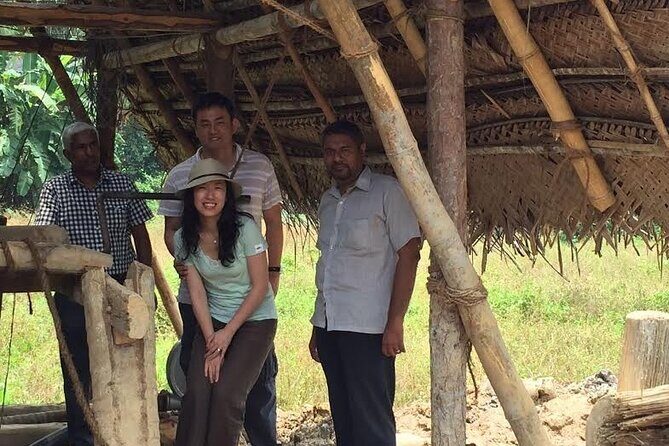
After the cutting factory, there’s lunch. Having lunch included matters on a day like this. A 12-hour itinerary can feel long, and food is one of the easiest ways to keep your energy steady.
Lunch also acts like a reset point between “workshops and craft” and “mining.” The mines are a different kind of reality. They’re more raw, more outdoorsy in feeling, and usually more physical in atmosphere. If you arrive hungry or tired, you’ll miss details.
I’d treat lunch as a chance to recharge and also plan mentally for the mining stop. Ask yourself what you want to connect back: How does the mining material end up going through heat treatment and cutting? How do the stones you’re seeing in the market relate to what’s coming out of the ground?
Visiting the mines: seeing where the supply starts
Then you head for the gem mines. This is where the day stops being theoretical. You get a look at the source side of the gemstone story—how the material is collected before it becomes part of the trading and finishing chain.
Even without buying anything, the mines help you understand the bigger picture. You see why not every stone starts the same way, and why processes like treatment and cutting exist. It also makes market pricing feel less like a mystery and more like a chain of changes that affect quality.
A practical consideration: mines can be dusty or uneven, and conditions can vary. Wear comfortable shoes and dress for real outdoor time, not just camera-ready weather. If you’re sensitive to heat or rough terrain, plan accordingly.
Price ($175 per person) and what you’re actually paying for
At $175.00 per person for about 12 hours, you’re not just paying for transportation. You’re paying for expert time, private group attention, and structured access to working parts of the industry: a heat treatment workshop, stone markets, a cutting factory, and the mines.
That’s the key value argument. A typical market visit is mostly shopping vibes and observation from the sidelines. Here, the guide’s years in the trade bring context—geology, formation, distribution, cutting, and how the market works. Then you add the hands-on cutting experience and included meals, plus an air-conditioned vehicle.
So the value is best for people who want understanding. If you’re only looking to browse souvenirs, you’ll probably feel the price. If you want to learn how stones become jewelry, you’ll likely feel it’s a fair deal.
Also, because it’s private and only your group participates, you don’t lose the guide to other people’s questions. That usually matters a lot on topic-heavy tours.
Practical things to know before you go
A few details from the tour setup can help you prepare smartly:
- You’ll have breakfast and lunch included, plus bottled water. Still, it’s a long day—pace yourself.
- Expect English-speaking guidance, which is important on a technical subject like heat treatment and grading.
- You’ll use stone tools during the hands-on cutting. Wear clothes you don’t mind getting a little dusty, just in case.
- Gem purchases are not included. If you plan to buy, you’ll want to budget and take your time.
- Alcoholic beverages aren’t included, so plan to handle refreshments however you like.
- The tour requires good weather. If weather is poor, you’ll be offered a different date or a full refund.
If you want to get the most out of the day, come with questions. Even five simple ones can turn the market and workshop stops into a mini class.
Who this Ratnapura gemstones tour is best for
This is a standout choice if you fall into any of these buckets:
- You’re genuinely curious about how gemstones form and how the industry handles them after they’re found.
- You want a structured day that connects science, craft, and commerce.
- You enjoy hands-on learning, not just watching others work.
- You’d rather spend time with a professional than guess your way through market talk.
It’s also a good option for couples or small groups who want private attention. Since only your group participates, you can ask follow-up questions without waiting your turn.
And if you’re the kind of person who loves a practical travel story—how something gets made and sold—this fits perfectly. It’s part museum lesson, part working workshop day, part field reality check.
Should you book the private Ratnapura gemstones tour?
Book it if you want the “how it works” version of Ratnapura. The mix of heat treatment, market access, cutting factory time, and a real look at the mines makes this more than a sightseeing route. The $175 price feels more reasonable because you’re paying for expert-guided context and a hands-on cutting experience, not just a drive and a viewpoint.
Skip it (or consider a lighter option) if you want a short, relaxed outing or you’re not interested in learning the trade. Also, if long days wear you out, treat this as a full commitment.
If you can handle 12 hours, enjoy asking questions, and want to leave with a clearer sense of how stones move from ground to jewelry, this private Ratnapura tour is a smart pick.
FAQ
How long is the Sri Lanka private Ratnapura gemstones tour?
It runs for about 12 hours.
Is pickup included?
Yes, pickup is offered.
What meals are included?
Breakfast (midway on the way from Colombo), lunch, and bottled water are included.
What stops are part of the day?
You’ll visit a heat treatment workshop, experience stone markets, visit a stone cutting factory, and then go to the mines.
Is the tour private?
Yes. It’s private, so only your group participates.
Can I buy gemstones during the tour?
Gem purchases are not included. You can buy if you choose, but it’s not part of the included cost.
What if the weather is bad?
The tour requires good weather. If it’s canceled due to poor weather, you’ll be offered a different date or a full refund.
What’s the cancellation policy?
Free cancellation is available. You can cancel up to 24 hours in advance for a full refund.