REVIEW · COLOMBO
Ride and Explore Colombo and Food By Tuk Tuk Tour All Inclusive
Book on Viator →Operated by Sri Rides Tours & Travels · Bookable on Viator
Colombo is easier when you skip the maze. This Ride and Explore Colombo Tuk Tuk Tour strings together temples, mosque visits, colonial-era stops, and seaside photo spots in one smooth city loop. You get guided context along the way, so the sights make sense fast.
I especially like that most entry fees are taken care of (so you spend less time hunting tickets). I also like the built-in food plan, with coconut water, bottled water, and a local lunch that keeps the day from turning into snack-chasing.
One thing to think about: this is not a full street-food crawl. Also, a couple of temple entry fees are extra—Gangaramaya is $2 per person—so keep a little cash aside.
In This Review
- Key Highlights You’ll Feel Immediately
- Tuk Tuk Touring in Colombo: Why This Route Works
- Price Check: What $33 Buys You (And What It Doesn’t)
- Pickup and Timing: How the 3–4 Hours Likely Feels
- Start at Gangaramaya: A Buddhist Temple With Modern Edges
- Temple of Sri Kailawasanathan Swami Devasthanam Kovil: Shiva and Ganesha in Colombo
- Independence Memorial Hall: A Quick Pause With Big Meaning
- Jami Ul-Alfar Mosque and Pettah Market: Red Mosque Energy
- Sambodhi Chaithya, Fort Clock Tower, and the Ocean Line
- Old Town Hall and Wolvendaal Church: Colonial Built-In Time Travel
- Galle Face Green and Viharamahadevi Park: Breathers in the Middle
- Galle Face Green
- Viharamahadevi Park
- Ceylon Tea Supermarket, Laksala, and the Gem Museum
- Ceylon Tea Supermarket (20 minutes)
- Laksala (30 minutes)
- Gem Museum (15 minutes)
- What You’ll Get From Your Guide: Stories and a Flexible Flow
- Food on the Route: Coconut Water and a Real Lunch Stop
- Who This Tuk Tuk Tour Fits Best (And Who Might Not)
- Should You Book the Ride and Explore Colombo Tuk Tuk Tour?
- FAQ
- How much does the tuk tuk tour cost?
- How long is the tour?
- Is pickup and drop-off included?
- Are entry fees included?
- What food is included?
- What drinks are provided during the tour?
- Is it a private tour?
Key Highlights You’ll Feel Immediately
- Most entry fees included so you can focus on photos and people-watching
- Guides with real storytelling, including names like Vinoth, David, and Dilan mentioned for clear, friendly explanations
- Temple-to-mosque-to-colonial mix gives you a rounded feel for Colombo’s layers
- Stops include tea, handicrafts, and gems, which is interesting for souvenirs but not street-food focused
- Comfort extras like bottled water and king coconut water keep the ride pleasant in the heat
Tuk Tuk Touring in Colombo: Why This Route Works
Colombo can be a bit of a choose-your-own-adventure city—lots of lanes, lots of traffic, and lots going on at once. A tuk tuk keeps you mobile without forcing long walks between scattered sights. In a few hours, you can cover areas you might otherwise piece together over a full day with buses and taxis.
The tour is set up for easy sightseeing flow. You hop on, you move from one area to another, and you get short stops instead of one-hour waits. That matters, because the best part of Colombo is often the in-between stuff: street scenes, temple details, and sea air at the right moment.
The other big win is that you’re not just driving. You have a local guide who shares context about what you’re seeing—history, culture, and traditions—so you’re not standing in front of a building thinking, cool, but why.
Other Colombo tours we've reviewed in Colombo


Price Check: What $33 Buys You (And What It Doesn’t)
$33 per person for about 3 to 4 hours is a pretty sensible deal, mainly because the tour isn’t just transport. The package includes private transportation, water, and entry fees for several key places. It also includes meals as listed in the tour info (breakfast/lunch/dinner), and the day is described as featuring a local lunch at a selected restaurant.
Here’s the value logic I’d use if I were shopping for this:
- You’re paying for convenience (pickup/drop-off within 10–15 km, WiFi on board).
- You’re paying for time savings (a tight route with multiple stops).
- You’re paying for less hassle at entrances (most admission fees are included).
What’s not fully included: the Gangaramaya Temple entry fee is listed as extra ($2 per person), and the Temple of Sri Kailawasanathan Swami Devasthanam Kovil also isn’t included. If you’re budgeting, add those.
Also note: several stops are shops—tea, handicrafts, gems. That can add value if you like buying gifts, but it’s not the same thing as a food-only tour.
Pickup and Timing: How the 3–4 Hours Likely Feels
You can count on pickup and drop-off within 10–15 km of Colombo city, which is great if you’re staying near the central areas. It’s also listed as a private tour, meaning it’s only your group. That usually helps with pace. If you want a few extra minutes for photos, you’re more likely to get it than in a crowded join-in group tour.
The stops are mostly in the 10–20 minute range. So, think of each location as a guided “hit” rather than a slow day at one museum. You’ll see a lot, but you won’t linger all afternoon in one place.
You’ll also have onboard WiFi and drinks (bottled water and king coconut water). That sounds like small stuff, but when you’re moving in Colombo’s heat, those breaks keep the ride comfortable.
Start at Gangaramaya: A Buddhist Temple With Modern Edges
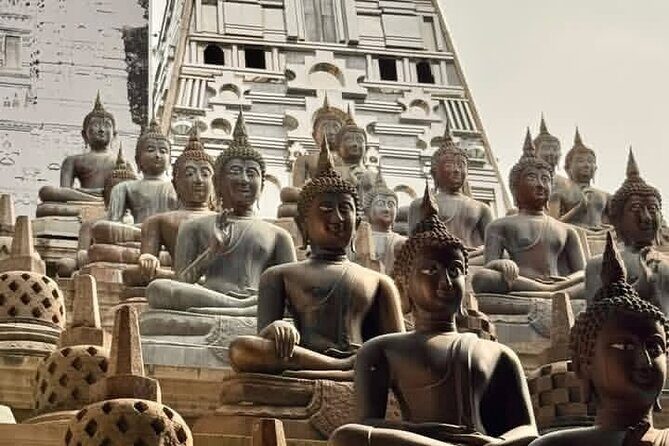
Gangaramaya (Vihara) Buddhist Temple is the tour’s opening stop. It’s described as one of Colombo’s most iconic and spiritually significant Buddhist landmarks, with a blend of modern architecture and cultural essence. That mix is exactly why it works as a first stop: you get immediate visual contrast and a sense of how Colombo’s present shows up in religious spaces.
Expect a short visit—listed at 20 minutes—which is enough time to get oriented, notice details, and take photos if allowed. This stop has an admission fee not included: $2 per person. If you’re the type who hates surprise costs, add this to your mental budget before you go.
Practical tip: dress respectfully at temples. Even if you only spend 20 minutes, it helps. Shoulders and legs covered usually go a long way in Sri Lanka’s religious sites.
Temple of Sri Kailawasanathan Swami Devasthanam Kovil: Shiva and Ganesha in Colombo
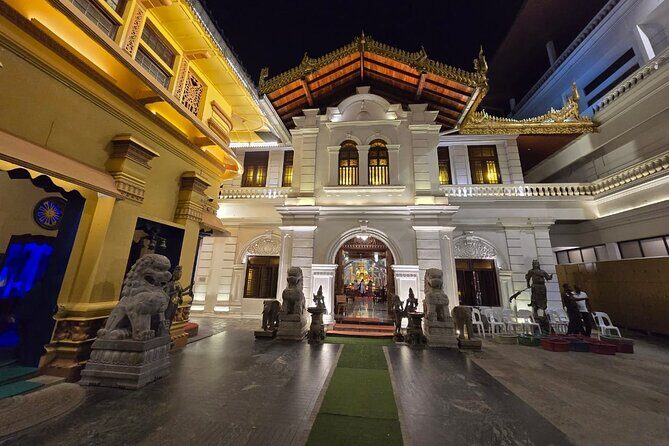
Next up is the Temple of Sri Kailawasanathan Swami Devasthanam Kovil, described as one of the oldest and most revered Hindu temples in Colombo, dedicated to Lord Shiva and Lord Ganesha.
This stop is shorter—about 15 minutes—so you’ll want to move with purpose: look at the main areas of worship, notice carvings or color details, and don’t feel pressured to do everything. Admission isn’t included here either, so again, keep some money ready.
The value of this stop is the contrast. In a few minutes you shift from Buddhist temple architecture and atmosphere to a Hindu temple setting—same city, different spiritual language. That contrast is one of the reasons the tour route feels like more than a simple photo walk.
Other tuk-tuk tours we've reviewed in Colombo
Independence Memorial Hall: A Quick Pause With Big Meaning
Independence Memorial Hall is on the list with a 10 minute stop. It commemorates Sri Lanka’s independence from British rule in 1948, and it’s located in Cinnamon Gardens.
This is one of those stops where the time is short on purpose. You’re catching the symbolism and the central role it plays, not spending an entire session reading every panel.
A quick note: admission for this stop is listed as not included. So if you’re expecting every stop to be included, this one will be a reminder to check what’s covered.
Jami Ul-Alfar Mosque and Pettah Market: Red Mosque Energy
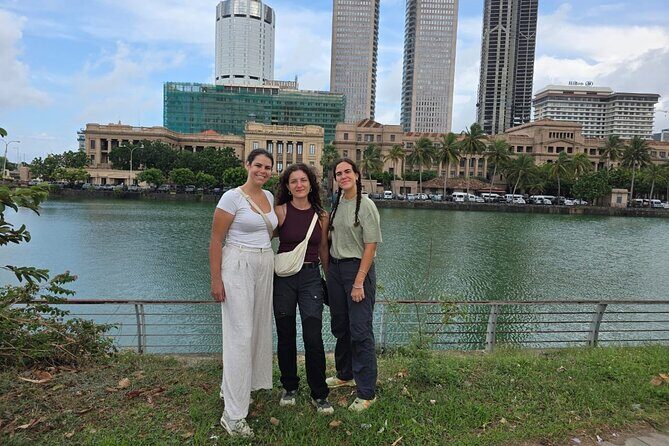
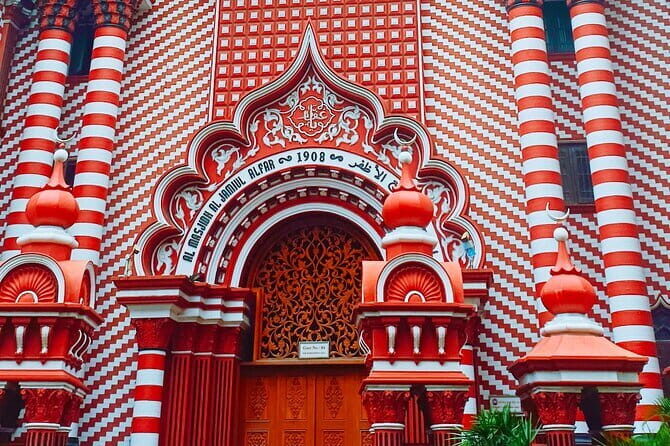
Then comes the Jami Ul-Alfar Mosque, also known as the Red Mosque. It’s described as one of Colombo’s most striking landmarks, built in 1908 with a distinctive red-and-white candy-striped exterior. You get around 10 minutes here.
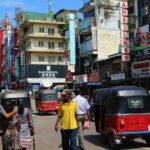
After that, the tour includes admission tied to the Red Mosque and Pettah market, which is a big part of why this section feels active. Pettah market areas are where city life shows up in daily rhythm: people moving, small businesses, lots to see.
Even though the stop times are short, this combination works well. You see a major religious landmark, then you transition into the surrounding commercial energy—religion and daily life side by side.
Practical tip: photography rules can vary in sacred spaces. If you’re unsure, watch how people around you behave.
Sambodhi Chaithya, Fort Clock Tower, and the Ocean Line
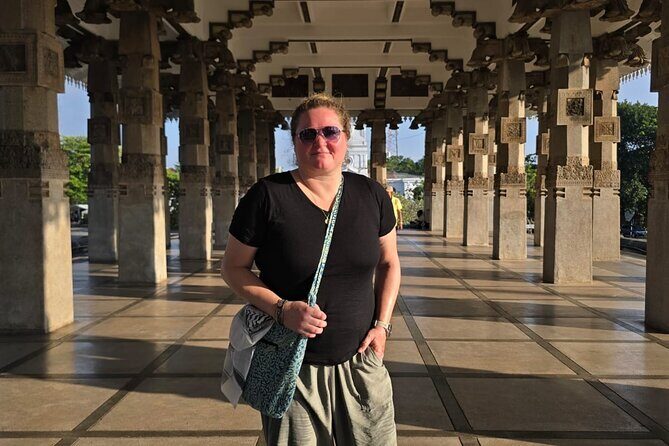
The tour keeps building a “Colombo collage” with several quick photo stops:
- Sambodhi Chaithya: a Buddhist stupa on a rocky promontory overlooking the Indian Ocean, built in the 1950s with modern-leaning architectural design blended with tradition.
- Colombo Fort Clock Tower: a Victorian-era clock tower built in 1857 in the commercial district.
- Colombo Lighthouse: a recognizable maritime landmark near Galle Face Green.
Each of these stops is around 10–15 minutes, so treat them like guided orientation points. The stupa gives you ocean views and religious architecture. The clock tower adds the colonial-era city structure. The lighthouse reminds you this is a port city, even when your day feels like temples and markets.
Also, Old Parliament Building sits near Galle Face Green, giving another colonial/history angle without requiring a long detour.
Old Town Hall and Wolvendaal Church: Colonial Built-In Time Travel
Two of the tour’s more “architectural history” stops are:
- Old Town Hall (15 minutes): admission is listed as included.
- Wolvendaal Church (20 minutes): a Dutch Reformed church established in 1749 during Dutch colonial rule.
These aren’t giant museums with a full storyline, at least not in the tour’s timeframe. Instead, they act like anchors. You start noticing Colombo’s layered past when you see Dutch-era religious architecture, then step back and realize the city’s design has been shaped by multiple European powers over time.
If you like architecture, these are good moments to slow down slightly. Ask your guide questions if you’re curious about what you’re seeing. The guides here have a reputation for explaining things clearly, and naming guides like David, Vinoth, and Dilan in the feedback suggests you’re likely to get that kind of conversational context.
Galle Face Green and Viharamahadevi Park: Breathers in the Middle
Two stops help you reset:
Galle Face Green
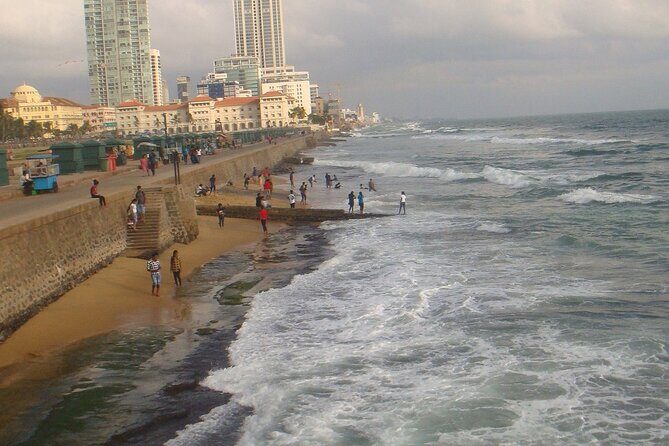
A major open space along Colombo’s coastline next to the Indian Ocean. It was originally built in the 1850s as a promenade for the British elite. The tour gives you about 10 minutes. Even in a short window, you’ll feel the city’s coastal mood.
This is a great place for photos with a little breathing room. Also, it naturally connects with other nearby sights like the Old Parliament Building and the lighthouse area.
Viharamahadevi Park
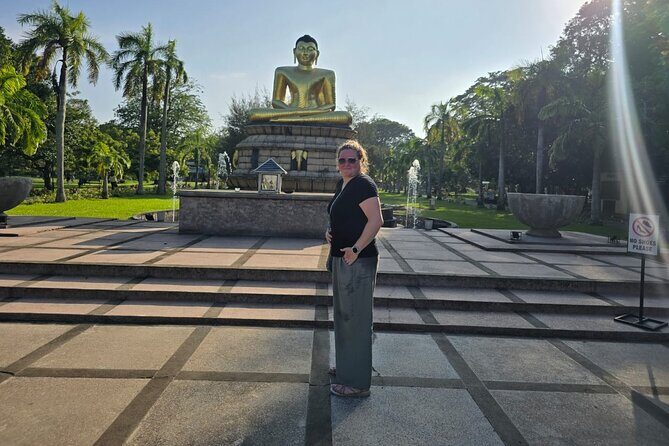
This is the largest and oldest public park in Colombo, about 20 minutes on the schedule, and admission is listed as included. It’s named after Queen Viharamahadevi and offers a calmer break from city movement.
If you’ve been in temples and busy market areas, this park stop is a smart pacing tool. You get shade, a bit of quiet, and a chance to refresh before more shops and museums.
Ceylon Tea Supermarket, Laksala, and the Gem Museum
The tour doesn’t just do sights. It includes a “Sri Lanka products” track: tea, handicrafts, and gemstones.
Ceylon Tea Supermarket (20 minutes)
This is for tea enthusiasts and anyone who wants a better understanding of Ceylon tea. You’ll be shown a variety of quality loose-leaf teas. This stop isn’t about a deep tea ceremony. It’s more like learning while you browse.
Laksala (30 minutes)
Laksala is described as the national handicraft and souvenir store with products showcasing Sri Lanka’s cultural heritage. It’s also noted as government established, which can make it feel more straightforward for shopping.
Gem Museum (15 minutes)
If you’re curious about Sri Lanka’s gemstone reputation, this stop gives you a look at a museum collection of precious gems and jewelry.
A balanced heads-up: these are retail-style stops. You might enjoy them a lot if you want gifts. If your travel style is all street life and zero shopping, you may wish the route had more time outdoors or at additional public viewpoints.
Still, for a short 3–4 hour tour, this shopping trio adds useful context. It turns the day from “only buildings” into “how the country sells and celebrates its signature products.”
What You’ll Get From Your Guide: Stories and a Flexible Flow
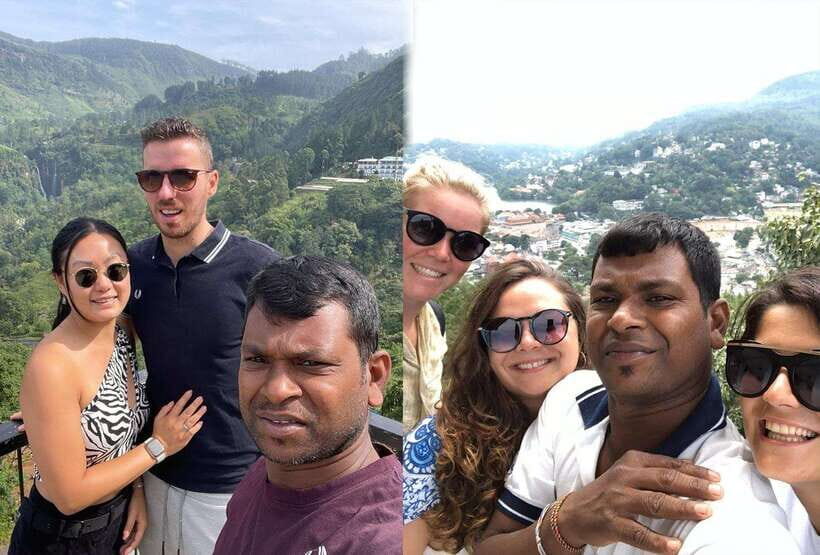
One of the most praised parts of this tour is the guide experience. Names like Vinoth, David, and Dilan show up with repeated themes: clear explanations, friendliness, and real local storytelling. That matters because Colombo’s attractions can feel disconnected if someone doesn’t connect the dots.
The best guides also add flexibility. The tour is planned with a sequence, but your guide can adjust the feel—slower if you want photos, faster if you’re trying to beat heat or crowds.
So if you’re the type who asks questions (or keeps buying small questions with more small questions), you’ll likely have fun here. The tour is designed to work with that conversational style.
Food on the Route: Coconut Water and a Real Lunch Stop
The tour includes bottled water and king coconut water, which is a great combo for the ride itself. You also get food including a selected local lunch as described in the tour overview.
Here’s the key expectation: it’s not built as a full street-food crawl. The tour info and feedback style point to a more structured food plan—likely restaurant-based rather than long wandering snack hunting.
That’s not necessarily a downside. In a few hours, a lunch stop in a reliable local restaurant can be the difference between enjoying Colombo and spending your day worrying about what you’ll find to eat next.
Who This Tuk Tuk Tour Fits Best (And Who Might Not)
This is a strong fit if:
- You’re short on time in Colombo and want a wide sampler.
- You like guided history and culture, not just driving around.
- You want a private group experience with a comfortable pace.
- You want some souvenir shopping built into the route.
You might want to skip or pair it if:
- You want a long, food-first street market crawl.
- You only want museum-style time at major indoor attractions (this tour keeps stops brief).
- You dislike retail stops like tea/gems/handicrafts.
For most first-timers, though, this is exactly the type of tour that helps you get your bearings fast without turning your day into logistics.
Should You Book the Ride and Explore Colombo Tuk Tuk Tour?
I’d book it if you want an efficient, guided “Colombo starter kit” in 3–4 hours, with transport handled and multiple sights lined up in one loop. The best part is the variety: Buddhist temple, Hindu temple, mosque, colonial-era architecture, seaside viewpoints, and then tea/gems/crafts.
Just go in with two expectations: you’ll likely pay a bit extra for Gangaramaya ($2 per person) and you’ll spend real time in shops. If that sounds like your kind of trip, this tour is good value.
If you’d rather only do religious sites for longer stretches or only street food, then consider a different style tour. But for a balanced first day in Colombo, this one makes sense.
FAQ
How much does the tuk tuk tour cost?
It costs $33.00 per person.
How long is the tour?
The duration is listed as about 3 to 4 hours.
Is pickup and drop-off included?
Yes. Pickup and drop-off are offered within 10–15 km of Colombo city.
Are entry fees included?
Most are included. Admission is listed as included for the Maritime Museum, Red Mosque and Pettah market area, Old Town Hall, and Viharamahadevi Park. Some fees are not included for Gangaramaya Temple ($2 per person) and the Temple of Sri Kailawasanathan Swami Devasthanam Kovil.
What food is included?
Food is listed as included: breakfast, lunch, and dinner. The overview also specifically mentions enjoying lunch at a selected restaurant.
What drinks are provided during the tour?
Bottled water and king coconut water are included.
Is it a private tour?
Yes. It’s listed as a private tour/activity, so only your group participates.