REVIEW · NEGOMBO
Negombo Heritage Walking Tour
Book on GetYourGuide →Operated by Real Lanka Holidays Pvt Ltd · Bookable on GetYourGuide
Negombo has a story you can walk. This Negombo Heritage Walking Tour strings together sea-street religion, everyday markets, and colonial-era landmarks into one easy 3-hour loop. I especially love the way King George Drive lines up with the Indian Ocean while you see the daily rhythm of fishing and dry-fish work, and I love the photo chance at Kothlawala Bridge with boats framed against the water.
You’ll move on foot through real working neighborhoods, so bring practical sun gear. The walk includes time outdoors and street scenes where the air can carry that dry-fish processing smell for a while, so go in ready. One thing to watch: the snack and refreshment part has worked well in most cases, but it has also been inconsistent for at least one booking, so I’d still keep a little backup hunger plan in your bag.
The experience is built around a live guide who explains what you’re seeing and keeps the pace friendly. In one case, a replacement guide started late, so if your day is tight, give yourself a small buffer around the start time.
In This Review
- Key highlights worth your attention
- A 3-hour Negombo walking route built for first-time orientation
- Sri Mutthumari Amman Temple: the sea-street start that sets the tone
- Local vegetable and fruit market: watching the everyday supply chain
- King George Drive: named history meets the Indian Ocean
- Lellama fish market: the smell becomes the story
- The prison-adjacent stretch, Dutch Fort, and St. Stephen’s Church area
- Kothlawala Bridge: the best boat-view payoff
- Negombo Lagoon: why this stop matters after the seafood scenes
- St. Mary’s Cathedral: the Christian landmark capstone
- Snacks and refreshments: what’s included, and what I’d plan for
- Price, pace, and when to go (Negombo heat is real)
- Who should book this tour
- Should you book the Negombo Heritage Walking Tour?
- FAQ
- FAQ
- How long is the Negombo Heritage Walking Tour?
- Where do I meet the guide?
- What languages are offered for the live guide?
- What are the main stops on the tour?
- Is there a fish market included?
- Are snacks and refreshments included?
- What should I bring for the tour?
- Is the tour suitable to do in the heat?
- What is the price per person?
- Can I cancel for a refund, and can I pay later?
Key highlights worth your attention
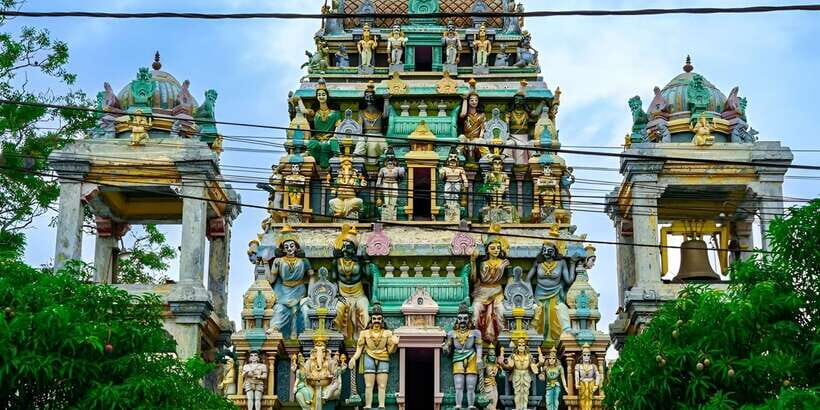
- Sea Street start at Sri Mutthumari Amman Temple, setting the multicultural tone fast
- Local market time that shows what people actually buy for daily meals
- King George Drive as a named road tied to the city’s older connections
- Dry fish processing area + fish market that make Negombo’s seafood economy tangible
- Kothlawala Bridge photo stop with fishing boats and water views
- Dutch Fort and St. Stephen’s Church area, plus Christian landmarks later in the walk
A 3-hour Negombo walking route built for first-time orientation
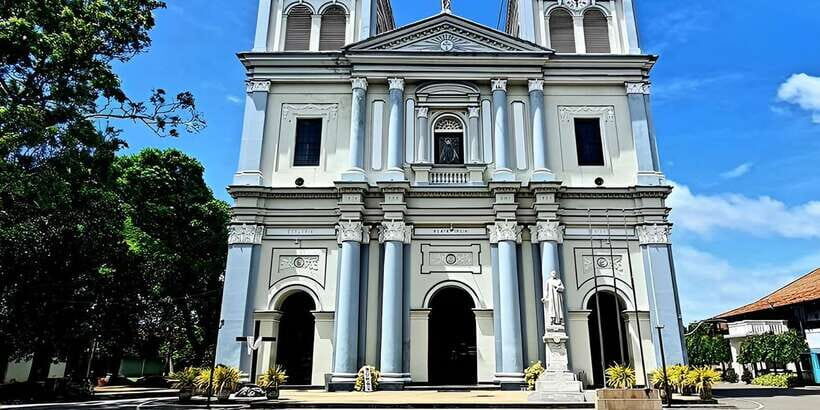
This tour is made for that early “I want to get my bearings fast” moment in Negombo. You’re not just ticking off postcard stops. You’re walking through the logic of the city: temple life, market life, fishing work, and the layers left by colonial-era Christianity.
At $14 per person for a 3-hour guided walk with snack tasting and refreshments, it’s strong value for the amount of ground you cover and the number of distinct settings you hit. You’ll see a sea-facing neighborhood, trading streets, and old-world architecture without needing a car or struggling with directions on your own.
The biggest thing to know is that this is an active, outdoor route. If you’re sensitive to heat, plan your day around morning and wear sun protection. If you love understanding daily life rather than only sightseeing, you’ll get a lot out of it.
Other Negombo tours we've reviewed in Negombo


Sri Mutthumari Amman Temple: the sea-street start that sets the tone
Everything begins at Sri Mutthumari Amman Temple on Sea Street. That matters because it frames Negombo as a multicultural port city from the first step. Hindu worship here isn’t a distant, museum-style stop. It’s part of the neighborhood you’ll walk through next.
You get a brief guided introduction and then you start moving through streets where the next scenes connect directly to what people do for food and livelihood. A good guide helps you notice details you might otherwise miss: how the place sits in daily life, how the area feels to locals, and how religion connects to community rhythms.
If you want a calm start, arrive on time and take a minute to orient yourself before the walk accelerates. You’ll get more out of the first stretch when your brain is still fresh and your sunburn is still hypothetical.
Local vegetable and fruit market: watching the everyday supply chain
After leaving the temple area, the walk heads through a local vegetable and fruits market where vendors sell produce in stalls. This isn’t just a pretty market stop for photos. It’s your shortcut to understanding what “normal” looks like in Negombo.
I like market sections on walking tours because they show you the city’s tempo. You get to see how people browse, how goods are displayed, and what kinds of items are being offered right where the day happens. And because you’re walking, it stays contextual instead of feeling like a separate attraction.
The practical upside: market browsing is generally easier on the legs than hopping between far-flung sites. The social upside: if your guide prompts you to ask questions, you’ll likely learn how food and trade connect to everyday life in the region.
King George Drive: named history meets the Indian Ocean
One of the standout segments is King George Drive, named after King George’s visit to the city. Your guide explains the name and then you walk along a stretch that runs parallel to the Indian Ocean.
This is where the tour turns from “seeing culture” to “seeing work.” You move through areas tied to the anglers’ activity and the dry fish processing center. You’ll likely notice the change in smell before you fully register the reason, and that’s part of the point. Negombo’s seafood trade is not hidden behind walls.
I find it helpful that the tour doesn’t sanitize reality. If you’re the kind of traveler who wants to understand how a port city actually functions, this segment gives you that immediate context.
Downside: the air can be strong. If you’re bothered by strong odors, consider bringing something simple for personal comfort (like a scarf you can pull up, or any personal preference you already use in crowded markets). You’ll thank yourself later.
Lellama fish market: the smell becomes the story
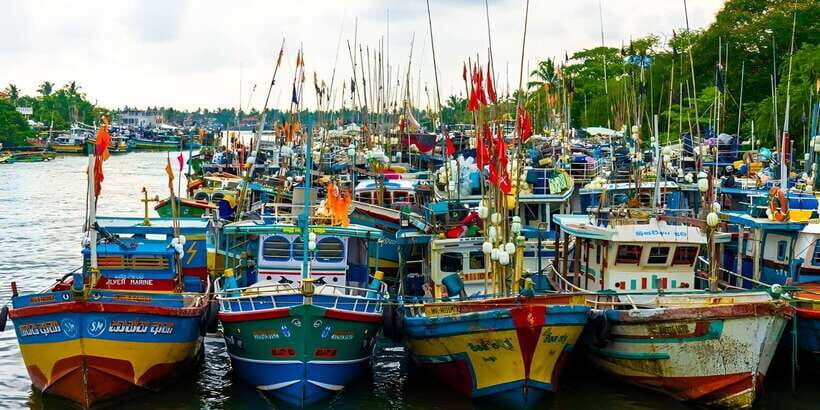
Next comes the fish market (Lellama), after time near the dry fish processing area. By the time you reach the market, the seafood scent is part of the experience, not just an accident.
What makes this stop meaningful is that you’re not only looking at stalls. You’re connecting the dots between drying work, processing, and the market where products move on. A guide can also help you interpret what you’re seeing so it doesn’t feel like a random food-photo stop.
Plan for a slow-moving moment here. Markets can be crowded and active, and you’ll want to pause for explanations rather than rushing past everything. If you’re picky about your photos, this is one of your best chances—especially if your guide times your viewing so you’re not constantly stepping around foot traffic.
Also, if you’re hungry, you’ll probably start thinking about snacks around this stage. That’s normal. Come prepared.
Other walking tours we've reviewed in Negombo
The prison-adjacent stretch, Dutch Fort, and St. Stephen’s Church area
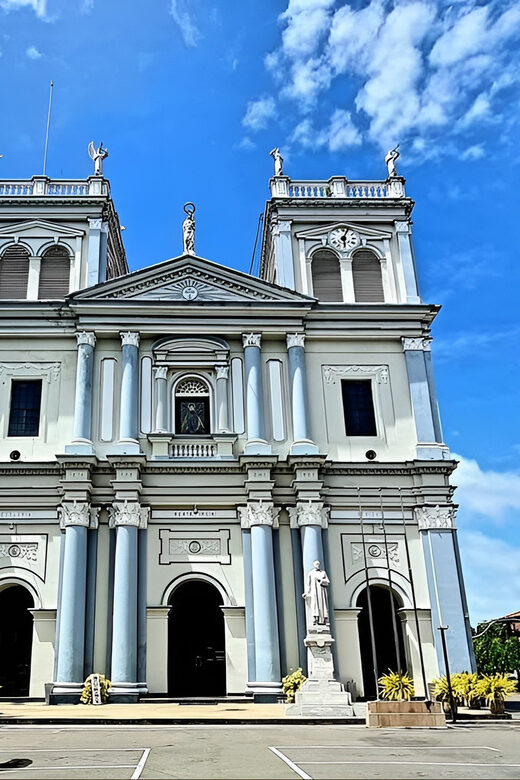
The route then heads toward the historic core near the Dutch Fort. You pass a section next to a prison area before reaching the fort grounds, and the contrast can be striking: everyday sea-port life beside old power structures and colonial-era architecture.
The Dutch Fort stop is a key reason people book this tour. Even without getting lost in dates, you’ll feel the layered identity of Negombo—European presence in the built environment, paired with a city whose center of gravity is still the sea and its industries.
From there, the walk includes the St. Stephen’s Church area connected with the fort zone. It’s a good reminder that Christianity in Sri Lanka here isn’t a single story. It’s tied into Dutch and later influences, and it sits in the same walking radius as the Hindu temple you started at.
Don’t rush this segment. If you take your time, you’ll notice how the city’s religious and historical geography sits close together. That’s the big idea of this tour: Negombo’s identity is close-range, not separated into different neighborhoods you only reach by taxi.
Kothlawala Bridge: the best boat-view payoff
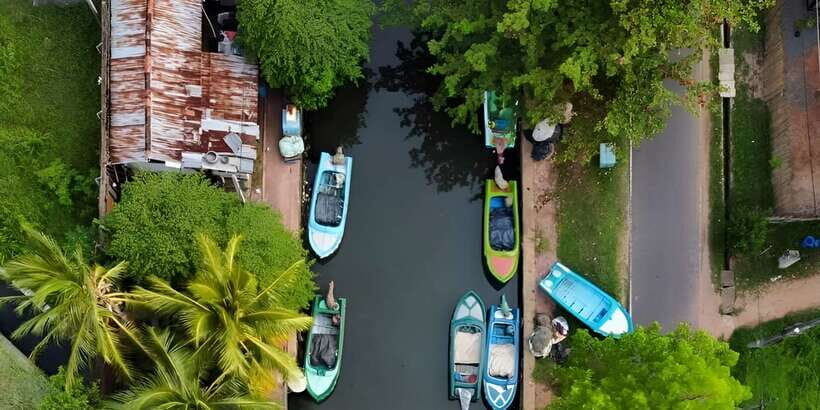
Right around the fort approach you’ll pass Kothlawala Bridge, a simple but rewarding photo spot. The big payoff is the view of fishing boats lined up with the water and city edges.
This is the part where the tour gives you a visual anchor. After the smell and the stalls and the colonial walls, the bridge view lets you step back and see how all these pieces belong to the same coastal system.
Bring your phone or camera, but also bring patience for positioning. Boats and water move, and street photography is always a little chaotic. If you get stuck, ask your guide for the best angle. They usually know where the lines of sight are easiest.
Negombo Lagoon: why this stop matters after the seafood scenes
Midway, the route includes a visit to Negombo Lagoon. Even though the tour doesn’t describe it as a science lesson, the lagoon stop makes sense after you’ve walked through the fishing and processing areas.
By this point, you’ll have seen how the sea connects to food work. Standing near the lagoon (even briefly) helps your brain assemble a bigger picture: this city exists because water routes everything—food supply, trade, and daily livelihoods.
This is also a nice moment to breathe. If the fish market and dry-fish zones already did their sensory thing, lagoon time gives you a change of tempo. It’s still guided and still part of the story, just with a different feel.
St. Mary’s Cathedral: the Christian landmark capstone
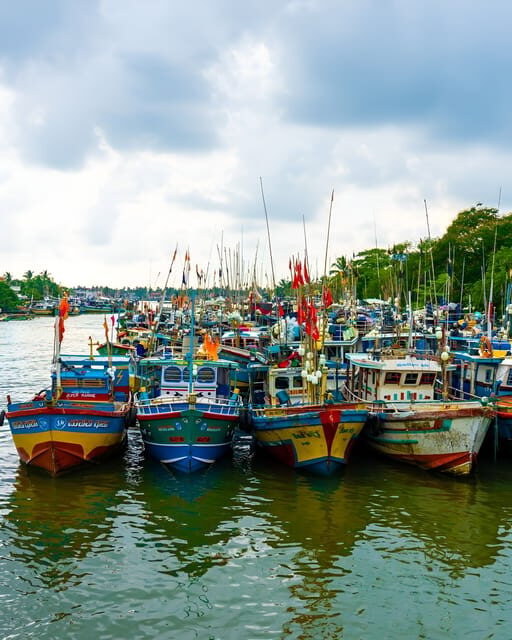
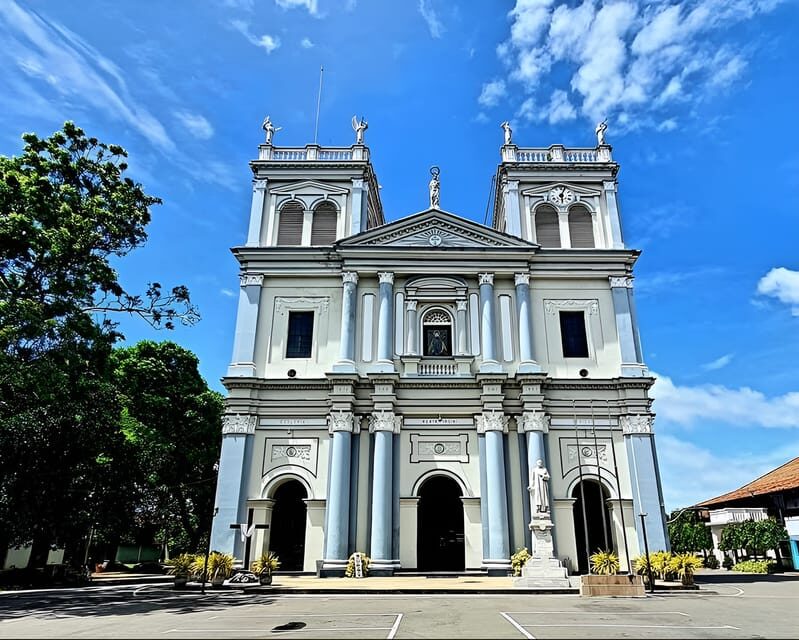
The final cultural anchor in the walk is St. Mary’s Cathedral in Negombo (a guided visit stop). By the time you reach it, you’ve already seen Hindu space at the start and Christian space near the fort area. That progression is smart. It shows the layered religious landscape without making you feel like you’re hopping randomly.
A cathedral is also a great place for a guide’s explanation. Even if you’re not the type to study architecture for fun, you can pick up how communities organize, how history shaped religious buildings, and how Negombo’s port identity brought different faiths into the same city.
If you want to buy a souvenir-style snack, this area is also where you may pick up quick Sri Lankan spicy snacks or sweets for refreshment. It’s a practical finish: you’ll be warm, you’ll be thirsty, and you’ll likely appreciate a sweet or spicy bite before you head back.
Snacks and refreshments: what’s included, and what I’d plan for
The tour includes a snack tasting menu and refreshments. In most cases, that adds a lot of value because you’re learning about food in the same places where locals shop and snack.
Some guides also talk about spices and local food traditions, and one English-speaking guide you might meet is Shashi. In reviews, Shashi gets credit for explaining spices and traditions and for being friendly and attentive.
That said, one booking report noted that refreshments and local food were not included as advertised, and another noted that snack availability did work properly. So my practical advice is simple: treat snacks as a bonus, not as your entire meal plan.
If you’re walking on an empty stomach, consider eating something light before the tour. Then use the tasting and snack stops as extras. You’ll enjoy the walk more when you’re not negotiating with hunger while trying to listen.
Price, pace, and when to go (Negombo heat is real)
At $14 per person for a 3-hour guided walk, the math is favorable if you want context over logistics. You’re paying for a local guide, timed stops, and a route that connects Hindu, market, seafood-work, and Dutch-era landmarks.
Pace-wise, several comments highlight a gentle walking tempo with time for questions. That’s a big deal. This route covers a few different atmospheres, and it helps when the guide doesn’t sprint you from one place to the next.
Timing matters most. One practical tip stands out: go in the morning when it’s cooler. By around noon, it can get very hot, and that can make a walking tour uncomfortable for anyone sensitive to heat.
So here’s how I’d plan it:
- Start early if possible
- Wear sunscreen and bring sunglasses
- Bring water if you like (the tour info doesn’t list it, so keep it personal)
- If your day is packed, give yourself slack in case the start time shifts, since there’s been at least one delayed replacement-guide situation
Who should book this tour
I’d book the Negombo Heritage Walking Tour if you:
- Want a single walking route that ties together temples, markets, seafood work, and colonial landmarks
- Like your sightseeing grounded in daily life, not just monuments
- Enjoy photo stops like Kothlawala Bridge
- Prefer learning from an English-speaking or Hindi-capable guide who can explain what you’re seeing
I’d think twice if you:
- Struggle with hot weather walking
- Don’t handle strong seafood smells well
- Need guaranteed refreshments in a strict way, since there’s been inconsistency for at least one booking
Should you book the Negombo Heritage Walking Tour?
Yes, I think this tour is worth your time if you want an honest sense of Negombo beyond the beach. For $14, you get a guided route through major cultural nodes: Sri Mutthumari Amman Temple, local produce markets, King George Drive, the Lellama fish market, the Dutch Fort area and St. Stephen’s Church, a Negombo Lagoon visit, and St. Mary’s Cathedral.
My best practical recommendation: book it for a morning start, come sun-ready, and plan your snacks with flexibility. If you do that, you’ll end the walk with a much clearer mental map of how this coastal city actually works.
FAQ
FAQ
How long is the Negombo Heritage Walking Tour?
The tour lasts 3 hours.
Where do I meet the guide?
The guide waits in front of the Hindu temple (Sri Mutthumari Amman Temple).
What languages are offered for the live guide?
The tour offers English and Hindi.
What are the main stops on the tour?
You’ll visit Sri Mutthumari Amman Temple, the local vegetable and fruits market, King George Drive areas near the dry fish processing and fish market, the Dutch Fort area, Negombo Lagoon, and St. Mary’s Cathedral.
Is there a fish market included?
Yes. The route includes the fish market known as Lellama.
Are snacks and refreshments included?
Yes. The tour includes refreshments and a snack tasting menu.
What should I bring for the tour?
Bring sunglasses and sunscreen.
Is the tour suitable to do in the heat?
The tour is outdoors, and going in the morning is recommended because by around 12:00 it can be very hot.
What is the price per person?
The price is $14 per person.
Can I cancel for a refund, and can I pay later?
Free cancellation is available up to 24 hours in advance for a full refund, and there is a reserve now & pay later option.