REVIEW · NEGOMBO
Negombo City Tour by TUK TUK with Rome
Book on Viator →Operated by Negombo City Tour by TUK TUK with Prasanna · Bookable on Viator
Negombo can teach you a lot fast. This private tuk tuk city tour strings together seafood life, big religious landmarks, and Negombo’s water system, all in a half-day plan. You get a clear view of how this coastal town works, not just how it looks.
I like the private pace here, because only your group joins in. I also like the mix of stops that range from the Lellama fish market to temple time, so your day doesn’t feel like it’s stuck in one theme.
One thing to consider: tuk tuk driving through town can feel lively, and the herbal-spice add-on mentioned in the tour description may not be identical to what you expect, since the provider said they no longer take people to a particular herbal garden.
In This Review
- Key highlights to look for
- Negombo by Tuk Tuk: fast routing across sea, church, and temple
- Lellama Fish Market: the working heart of Negombo
- St. Mary’s Church and the Negombo Fort story
- Negombo Lagoon and the Hamilton/Dutch Canal connections
- Sri Singama Kali Amman Kovil and the dragon gate at Angurukaramulla
- Shopping time and what to do with it
- Lunch in Negombo plus tea at local houses
- Price and private value: what $42.15 buys you
- Who this Negombo tour suits best
- Should you book the Negombo City Tour by TUK TUK with Prasanna?
- FAQ
- How long is the Negombo City Tour?
- Is the tour private?
- Is pickup included?
- Do I get a mobile ticket?
- What stops are included?
- Are admission tickets included?
- Is there an herbal spice garden or massage included?
- Can I cancel for a full refund?
- How far in advance do people usually book this tour?
Key highlights to look for
- Lellama (Negombo) fish market at a major island seafood hub, with free admission
- St. Mary’s Church in the center of town, a Roman Catholic landmark with neoclassical columns
- Negombo Lagoon + Hamilton/Dutch Canal connections that explain why water shapes daily life
- Two temple experiences: Sri Singama Kali Amman Kovil and Angurukaramulla’s dragon entrance
- Tea and local-house visits with a simple welcome break built into the route
- Guide quality matters: Rome and Sanjari were praised, and Happy was singled out for temple explanations
Negombo by Tuk Tuk: fast routing across sea, church, and temple
This is the kind of tour that makes sense when you have limited time in Sri Lanka but still want variety. Expect about 4 to 5 hours, with pickup offered and the day ending back at your meeting point. It’s also a private tour, so you’re not squeezing into someone else’s itinerary.
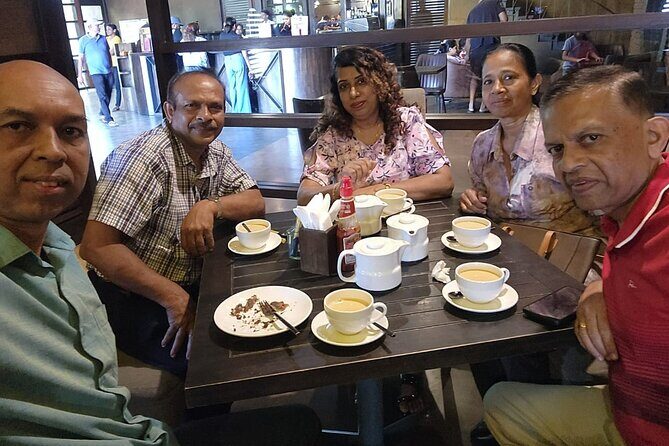
The vehicle choice matters. A tuk tuk lets you get around efficiently through the streets around Negombo without turning your day into a long transport slog. In one recent experience, the driver got explicit praise for navigating around town where driving rules don’t feel as structured, which is useful context if you’re the type who wants calm and predictable.
A big part of the value here is how many different “Negombo stories” you can see in one loop: working waterfront life, Portuguese-era fort talk, lagoon and canal geography, and religious architecture from Catholic and Hindu communities. You’ll also get real time at each stop, rather than quick photo flashes.
And yes, there’s a hospitality angle beyond sightseeing. The provider mentions Sri Lankan tea with a smile at their head office area, plus an herbal-spice knowledge element that may include a short treatment or massage at a herbal spice garden. One guide response noted they no longer take clients to a particular herbal garden, so if herbal stops are a must for you, keep your expectations flexible and ask what the current route includes.
Other Negombo tours we've reviewed in Negombo


Lellama Fish Market: the working heart of Negombo
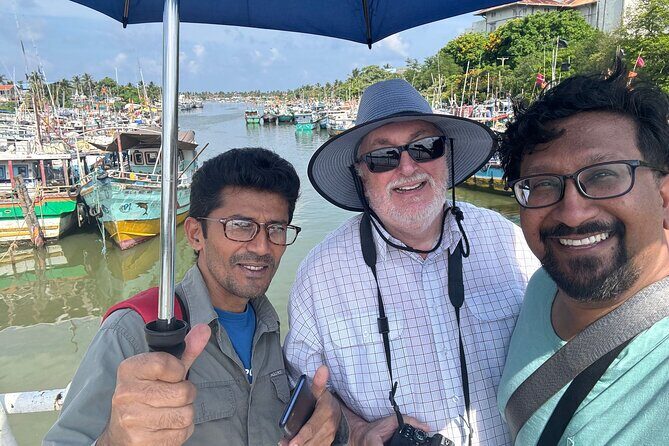
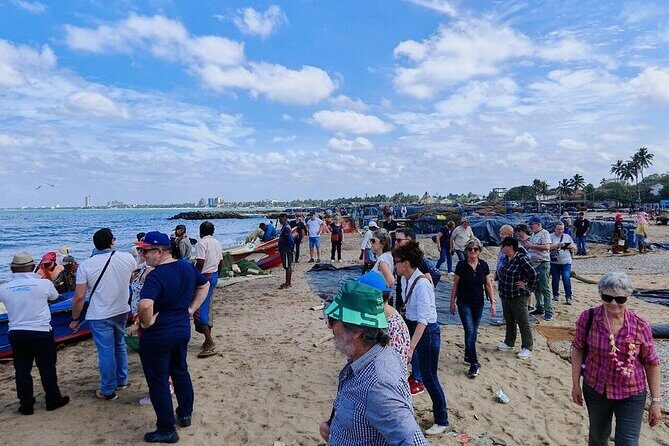
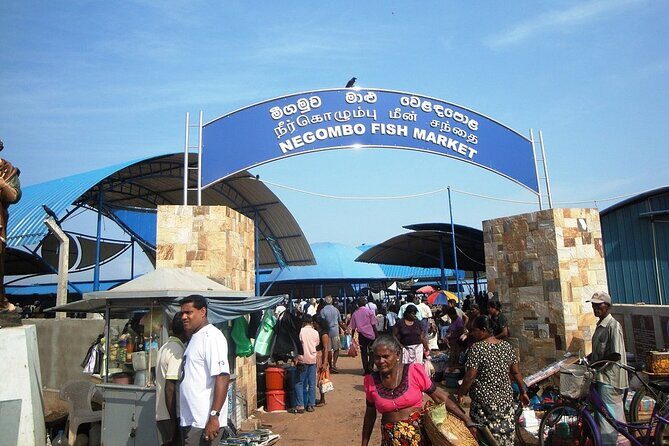
Negombo’s seafood industry isn’t a background detail. It’s a main character. Your tour starts at the Negombo Fish Market, locally known as Lellama, described as the second largest fish market in the country. That’s the kind of superlative you should treat as a clue: this isn’t a small local pier you breeze past, it’s a place that pulls in the day’s catch and activity.
What you’ll appreciate here is the immediacy. Fish markets have a pace of their own—busy movement, loud calls, and the feeling that everything is happening for a reason, not for show. Even if you’re not buying anything, being there helps you understand why Negombo’s identity sticks to the sea.
The tour also gives you time to look without rushing. The fish market stop is about 30 minutes, with admission ticket listed as free. That’s enough time to notice the flow—who’s doing what, how the market feels organized, and how it connects with the lagoon area nearby.
A practical tip: if you’re sensitive to strong smells, be ready. This is a working market. You might also prefer a light, breathable outfit and footwear you don’t mind getting a little dirty—this kind of stop is usually not shoe-friendly.
St. Mary’s Church and the Negombo Fort story
Right after the fish market energy, the tour shifts to faith and architecture with St. Mary’s Church. It’s described as a Roman Catholic landmark in the heart of Negombo, built in a neoclassical style with columns and plain walls. If you like travel that teaches you what a city values, this is a good anchor stop because it connects to the reality that Negombo has a large bilingual population and a clear Roman Catholic majority.
The stop is short, around 20 minutes, and admission is free. That short timing is intentional. It keeps the day moving so you still have time for temples and water geography afterward. The drawback is also obvious: you won’t get a long, slow architectural study. If you want deeper time in one specific building, you’ll want to plan a separate visit later.
Then the route touches the fort story with the Dutch Fort in Negombo (also called Negombo Fort by some). The description ties it to Portuguese power, built about 30 km north of Colombo to defend their stronghold city. The name “Dutch Fort” vs. Portuguese connection can sound confusing on paper, so treat this as a prompt to listen to the guide’s explanation rather than memorize dates.
Why this stop works: it gives you a sense of how Negombo became strategically important to European powers, and how coastal towns often get pulled into bigger conflicts. Even with limited time, it adds depth to the city beyond the present-day fishing industry.
Negombo Lagoon and the Hamilton/Dutch Canal connections
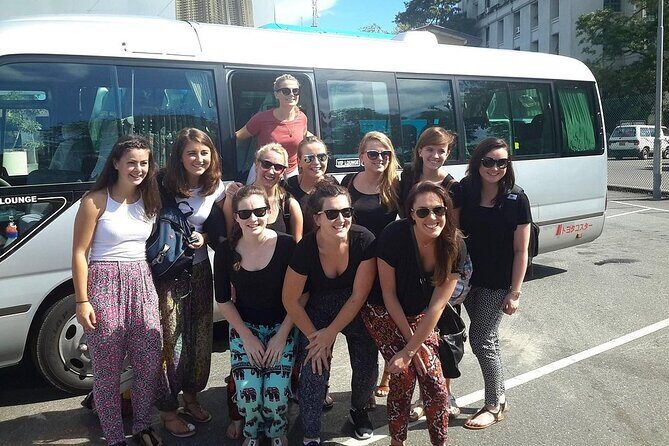
Negombo isn’t only a shoreline—it’s a water network town. The tour includes the Negombo Lagoon, fed by small rivers and the Hamilton Canal (also known as the Dutch Canal). It’s linked to the sea by a narrow channel near Negombo city.
This part of the tour is only about 10 minutes, with free admission listed. That means you’re not getting a long boat ride, but you are getting a quick geography lesson that makes the rest of the day easier to understand. When you see lagoon and canal references in a coastal town, you learn to stop thinking of “beach life” as separate from “river life.” They feed each other—literally.
The tour also includes time referencing the canal itself, described as 14.5 km (9.0 mi) connecting Puttalam to Colombo and passing through Negombo. The name Hamilton/Dutch Canal helps explain why you’ll hear European-influenced place names in Sri Lanka’s coastal zones. It’s one of those small details that turns into a bigger comprehension: the water route isn’t just nature, it’s also a corridor.
Why you’ll like this segment: it gives you a mental map. After you’ve seen the lagoon and canal references, the fish market and the city layout feel less random. The sea isn’t an isolated feature—it’s part of a system.
If you’re hoping for dramatic scenery, manage expectations. This is short stop time, not a long viewing platform session. But it’s enough to connect the dots for first-time visitors.
Sri Singama Kali Amman Kovil and the dragon gate at Angurukaramulla
Religion is where Negombo becomes visually vivid. First up is Sri Singama Kali Amman Kovil, a Hindu temple close to the airport, described as colorful and architecturally beautiful. It’s around 20 minutes and marked free. This is the kind of stop that rewards a good guide, since temples can be easier to appreciate when someone explains what you’re looking at.
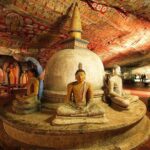
Then you shift to Angurukaramulla Temple, one of Negombo’s most famous temples, described as popular for its Buddha statue and a dragon entrance. The tour notes that to get into the temple you go into the dragon—an attention-grabber detail that makes this site memorable even during a busy half-day.
Angurukaramulla time is about 20 minutes, and it’s also listed with free admission. In one praised experience, the temple visit was called spectacular, and the guide named Happy was described as very helpful and explained things clearly. That matters, because temples are easy to see but not always easy to interpret. When a guide makes the symbolism understandable, your photos will feel more meaningful later.
Practical considerations: wear clothing that feels respectful for religious sites, and plan for crowds if you visit when other worshippers are around. Also, keep your phone camera handy, but don’t treat it like the main activity. With temples, the best moments often come when you look first and shoot after.
Other tuk-tuk tours we've reviewed in Negombo


Shopping time and what to do with it

Negombo’s city tour includes a shopping window tied to the Dutch canal area, described as good for shopping with a wider and larger area. That may sound vague, but in practice it means you’re likely to have more options than just one quick souvenir counter near the last stop.
This is smart planning. After the sensory intensity of a fish market and the visual focus of temples, shopping time gives you a chance to convert what you’ve learned into something tangible: spices, small gifts, or everyday items that reflect Negombo’s mix of local life and European-era place naming.
Keep shopping practical. If you’re sensitive to time, set a small budget before you start. If you’re hunting for spices, ask what’s in the mix and whether it’s fresh. The tour description also mentions you can collect extra knowledge of herbal spices, and that angle often pairs well with shopping—if you get a good explanation from the guide, you’ll buy with more confidence.
One more thought: shopping stops can tempt you to overdo it. Since the tour is only 4–5 hours, shopping is better treated as a controlled bonus, not the whole mission.
Lunch in Negombo plus tea at local houses
You get a lunch break built into the schedule, about 30 minutes, with lunch described as at Calton or another recommended option by Isora Prasanna. That’s a helpful detail because it signals there’s some local decision-making rather than random guessing.
Because the time is short, I’d treat lunch here as fuel and a taste, not a full foodie quest. In Sri Lanka, a quick local meal can still be a highlight—especially after a morning that’s shifted from fishing to churches to temples. Just keep your expectations aligned: you’re not getting a long culinary experience, you’re getting a practical meal that keeps the tour moving.
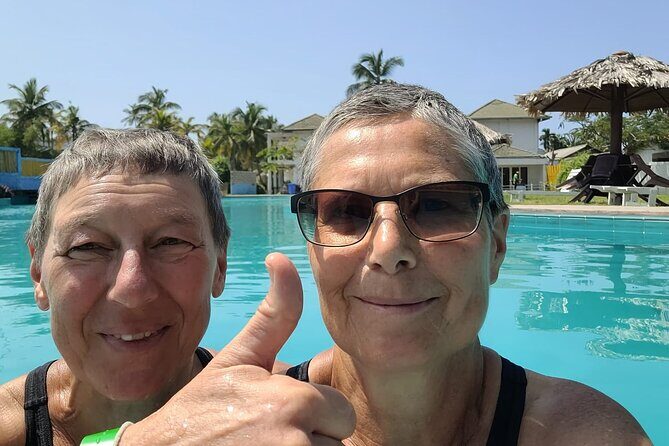
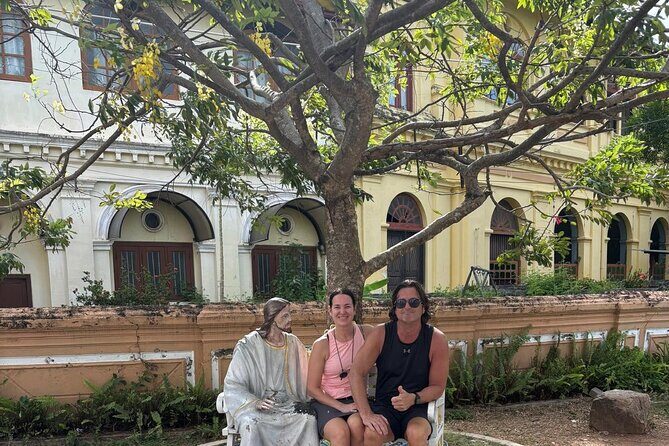
After lunch, the tour ends with a more human, low-key moment: visiting local houses for a meet-and-greet with tea or coffee, listed as free and complimentary. That 15-minute segment is small, but it often becomes the memory that feels most personal. It’s also a nice contrast to the more formal settings of churches and temples.
A tiny logistics note: since this is a private tour, your guide can usually adapt the pacing if you need a bathroom break or if you want a slower look at something. You’re not stuck with a group that needs to hit every photo spot on the clock.
Price and private value: what $42.15 buys you
At $42.15 per person for about 4 to 5 hours, this tour can be good value if you care about organization. What you’re paying for isn’t just transportation. It’s routing, interpretation, and the fact that many stops are listed with free admission tickets.
You also get a mobile ticket, pickup offered, and a private group arrangement. In towns like Negombo, a private tuk tuk tour can save you from figuring out which attractions are worth your limited time. You hand off the planning and get your day shaped around a clear order.
Where guide quality shows up: the reviews praise Rome and Sanjari as excellent, and they also call out a driver as excellent for navigating through town. Another review specifically praises Happy for being very helpful with temple explanations. That tells me the real differentiator here is interpretation. If you’re the type who likes knowing what you’re looking at—why a church has columns, why a temple has that entrance design—this tour is more rewarding than a self-guided checklist.
Potential drawback tied to value: since it’s a set route, you can’t fully customize which stop gets more time. If you fall in love with one place, you might want extra time afterward on your own.
Who this Negombo tour suits best
This tour fits well if you want a first taste of Negombo without spending a whole day on logistics. I think it’s especially good for:
- First-time visitors who want a balanced sample of seafood culture, colonial-era storytelling, and religious sites
- People who prefer private touring rather than being rushed by a larger group
- Anyone who enjoys practical guidance—the kind that helps you understand temples and architecture in plain language
It might be less ideal if you’re looking for long, deep stays in one site, like a museum-level church visit. It’s also not the best choice if you strongly dislike any hint of unpredictable driving. The town navigation was praised, but the same context suggests the ride won’t feel like a smooth, rules-driven bus route.
Should you book the Negombo City Tour by TUK TUK with Prasanna?
I’d book this if your priority is variety in one afternoon and you like having a guide connect the dots. The price makes sense for a private tuk tuk loop that touches major landmarks: Lellama fish market, St. Mary’s Church, a fort story, Negombo Lagoon and Hamilton/Dutch Canal, two temples including Angurukaramulla’s dragon entrance, plus lunch and a tea stop.
Skip it or adjust expectations if you want a slow, thorough exploration of just one attraction. This is a “see a lot, understand enough” style tour. Also be aware that the herbal-spice garden element may not match the description exactly, since a provider response said they no longer take people to a particular herbal garden.
If you’re traveling for a short window, this feels like a smart way to get real Negombo texture fast.
FAQ
How long is the Negombo City Tour?
The tour runs about 4 to 5 hours.
Is the tour private?
Yes. It’s a private tour/activity, and only your group participates.
Is pickup included?
Pickup is offered.
Do I get a mobile ticket?
Yes. The tour includes a mobile ticket.
What stops are included?
You’ll visit the Negombo Fish Market (Lellama), St. Mary’s Church, the Dutch Fort in Negombo, Negombo Lagoon, Sri Singama Kali Amman Kovil, the Dutch canal area, an Angurukaramulla Temple stop, and local houses with a tea or coffee greeting. Lunch is included as well.
Are admission tickets included?
Admission is listed as free for the main stops mentioned.
Is there an herbal spice garden or massage included?
The tour description says you may collect herbal spice knowledge and enjoy a free short herbal treatment or massage at a herbal spice garden. A provider response also stated they no longer take clients to a particular herbal garden.
Can I cancel for a full refund?
Yes. You can cancel up to 24 hours in advance for a full refund.
How far in advance do people usually book this tour?
On average, it’s booked about 30 days in advance.