REVIEW · ANURADHAPURA
Hurulu Eco Park: 3-Hour Morning or Evening Safari
Book on GetYourGuide →Operated by Lakpura® · Bookable on GetYourGuide
Every turn can pay off.
Hurulu Eco Park is a small, focused safari block in Sri Lanka’s dry zone, where elephants often follow the seasonal food and water. You ride narrow tracks through shrublands and forest edges, then pause often enough to actually watch, not just pass by. It’s built for real sightings, including the kind of wildlife you’d miss if you just drove straight through.
Two things I like a lot: first, the tracker-led search mindset. When your guide is actively scanning while the driver positions the jeep, sightings feel less random. Second, the timing around elephant movement can make this tour feel like it’s targeting the moment—Hurulu Eco Park sits in the migration path between Minneriya and Kaudulla.
One drawback to keep in mind: this is a wildlife hunt, not a guarantee. If the herds spread out or are feeding elsewhere that day, you might see fewer elephants than the best-case stories. Still, the park’s mix of habitat and the 3-hour format keep the odds reasonable.
In This Review
- Key things to know before you go on Hurulu Eco Park Safari
- When elephants are in Hurulu Eco Park (and when they’re not)
- The 3-hour jeep safari format: smooth, focused, photo-friendly
- Stop 1 and the run-up: arriving at the gate and setting expectations
- The heart of the safari: Hurulu Forest Reserve wildlife viewing
- Wildlife odds: elephants first, then the small surprises
- Sri Lankan elephants (the main event)
- Predators and hard-to-find species
- Birds and reptiles that add texture
- The role of the tracker (and why driver positioning matters)
- Morning vs evening: which should you pick?
- Price and value: what $24 gets you (and what costs extra)
- What to bring (so you’re not miserable halfway through)
- Who this safari fits best
- Should you book Hurulu Eco Park Safari?
- FAQ
- How long is the Hurulu Eco Park safari?
- Is it available in the morning and evening?
- What’s included in the price?
- Do I need to buy the park entrance ticket separately?
- How many people can fit in each jeep?
- Do I need to bring food and drinks?
Key things to know before you go on Hurulu Eco Park Safari
- 3-hour time window: enough time for multiple viewing stops without dragging your whole day
- Tracker availability: you get one if they’re available when you enter
- Elephant migration timing matters: plan around the months for the best chance of big herds
- Private jeep up to six adults: easier photo angles and more control than crowded setups
- Entrance ticket is extra: you can add it to your booking, or buy at the gate
When elephants are in Hurulu Eco Park (and when they’re not)
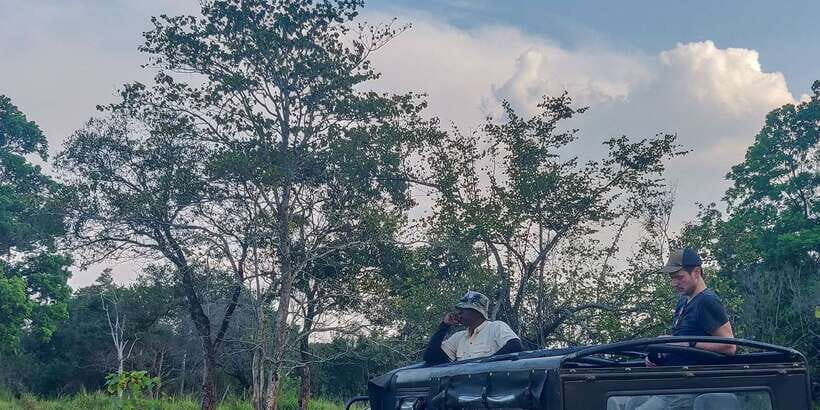
What makes Hurulu Eco Park special is that it’s not just “a park.” It’s a stop on the elephant calendar.
In the region, large elephant groups are commonly found in Minneriya during July to September. Then they shift toward Kaudulla in October to November, when seasonal rain patterns change the lakes and food. After that, the movement continues, and Hurulu Eco Park becomes part of the final leg around December and January.
So here’s the practical takeaway for your planning: if you’re traveling in the middle of the migration window, your safari feels like it’s tuned to elephants. If you’re outside it, you can still have a great outing—just don’t expect every herd to be right beside the road.
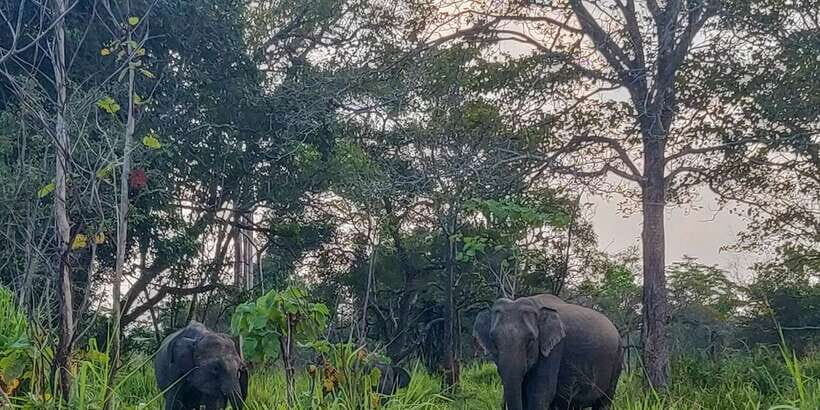
Also, the park’s role is tied to its dry ecosystem. Hurulu Eco Park supports wildlife with a functioning evergreen forest layer even in the dry season, with Hurulu Wewa reservoir right there in the heart of the action. That matters because animals concentrate where water and cover overlap.
Other evening experiences in Anuradhapura


The 3-hour jeep safari format: smooth, focused, photo-friendly
You start at the Hurulu Eco Park entrance gate on Trincomalee Road, near Habarana. The tour runs as a 3-hour morning or evening safari, and it’s private—so you’re not sharing your jeep experience with strangers from a dozen different hotels.
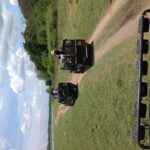
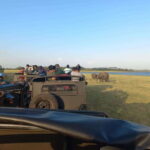
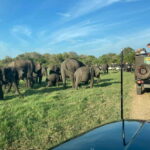
Transportation is a jeep with a maximum of six adults. That small capacity makes a difference. You can spread out a bit for photos, shift quickly to the best sightline, and keep the viewing calm. One practical detail from real-world experience in this area: the jeep can be driven in a way that keeps it stable on rough ground, and some vehicles have an open ceiling, which is handy for photos and for feeling the breeze instead of overheating.
Between viewing stops, your driver and tracker are doing the quiet work: scanning for fresh signs, reading where the animals might be moving next, and positioning the jeep so you can actually see. When the herd is close, that positioning is what turns a sighting into a memory.
Stop 1 and the run-up: arriving at the gate and setting expectations
Right at the entrance, you’ll get the tone of the trip. This is where you begin the hunt on Hurulu Eco Park grounds, and where you’ll likely confirm how the tracker plan is working for the day. Trackers are subject to availability when you enter, so you should be mentally flexible.
If you’re the type who likes structure, you’ll appreciate how the trip stays simple: get started, drive to the Hurulu Forest Reserve area, then spend your time hunting and watching before returning to the gate.
One more expectation-setting detail: your safari includes pickup and drop-off within 5 kilometers from the park gate. If your hotel is farther out, you’ll want to arrange your own local transport to make the timing work smoothly.
The heart of the safari: Hurulu Forest Reserve wildlife viewing
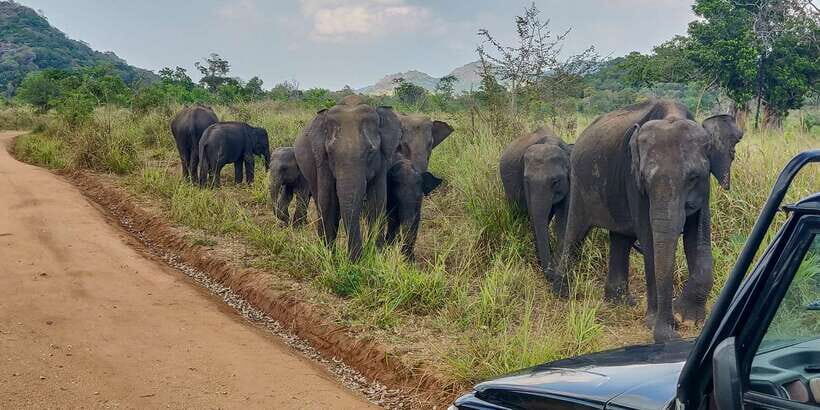
The main chunk of the outing is the wildlife viewing in the Hurulu Forest Reserve, guided by a driver plus a tracker when available. You spend the full three hours here, moving through narrow routes where visibility can change quickly.
Why those narrow tracks matter: wildlife doesn’t sit politely in big open fields. It uses cover—shrub edges, forest borders, and the sort of terrain where you can spot movement only if you slow down and look. Driving less distance at higher attention tends to pay off.
This is also where the Hurulu Wewa reservoir connection becomes relevant. Animals often use water corridors and the surrounding feeding zones, so the driving plan usually focuses on where you can see both animal movement and the feeding areas they favor.
Wildlife odds: elephants first, then the small surprises
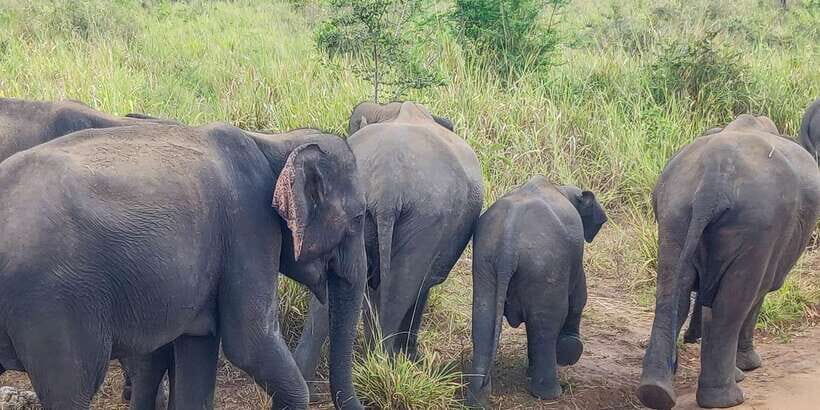
Let’s talk about what you’re realistically hunting, starting with the big centerpiece.
A few more Anuradhapura tours and experiences worth a look


Sri Lankan elephants (the main event)
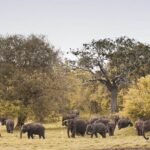
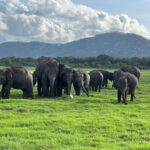
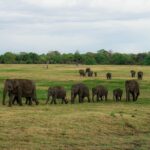
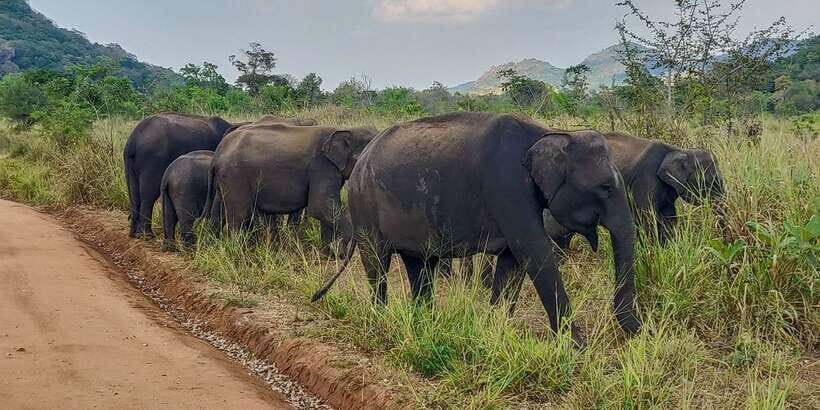
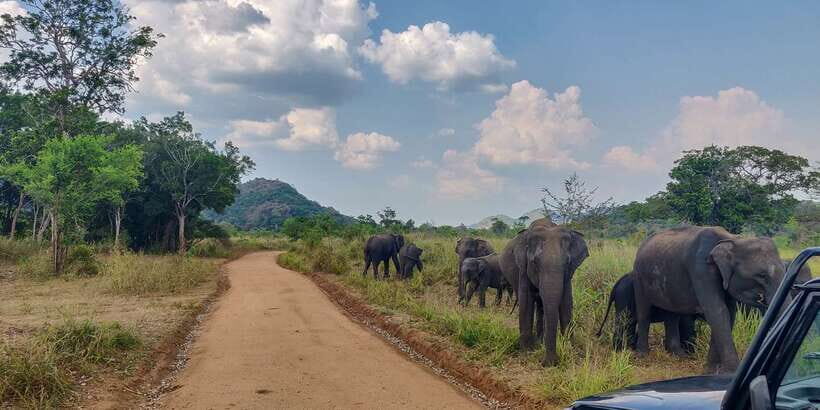
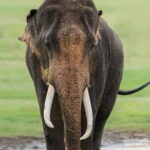
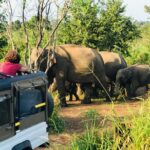
Elephants are common here, and the migration storyline makes that even more compelling. When the herds are in the area, you can get surprisingly close for a guided safari, and you’ll often see different groups—males, females, and younger elephants.
A key trust signal in how these safaris are run is that handlers and drivers are focused on not spooking animals. You’re not there to crowd them; you’re there to find them and watch respectfully. This is one reason the tracker part is so valuable: it supports calmer, more deliberate searching rather than random driving.
Predators and hard-to-find species
Hurulu Eco Park is also marketed for sightings like leopards, rusty-spotted cats, and even a star tortoise. I’m going to be straight with you: predators are never guaranteed on a 3-hour circuit. But this park has the right mix of habitat to make those species plausible, not just wishful.
So how do you judge whether you’re doing well? If you’re seeing consistent activity—animal tracks, movement in cover, birds reacting to something nearby—you’re likely in a productive zone even if the biggest cat still stays out of sight.
Birds and reptiles that add texture
Even when mammals steal the show, the safari becomes more fun when you notice the smaller cast. You might spot jungles fowl, parrots, and hawks, and the star tortoise is one of those “wait, really?” moments that makes a short safari feel longer.
This is the kind of wildlife day where you’ll stop enjoying only because you’re chasing elephants. You’ll enjoy because the whole ecosystem is doing its thing.
The role of the tracker (and why driver positioning matters)
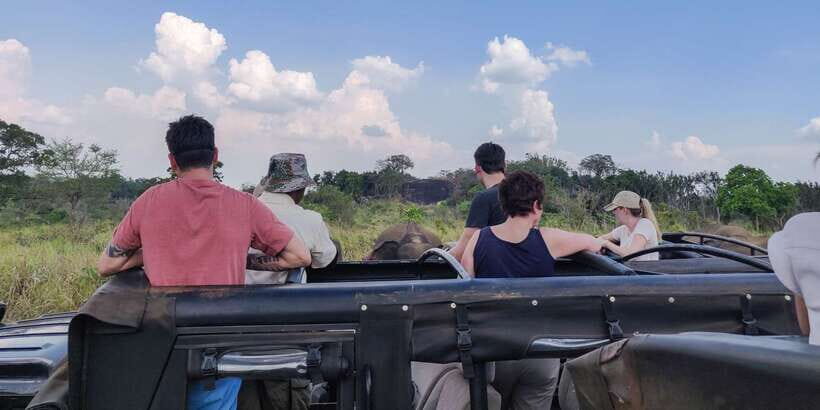
The most consistently praised practical element of this experience is how quickly the driver and tracker can find and read elephant activity.
For example, one guide name that comes up is Asela, praised for being experienced and friendly, and for finding elephant groups effectively. Another strong theme is positioning: you want the jeep angled so you can see clearly and capture good photos without craning or shooting through awkward obstructions.
Also, the pace tends to be controlled. In some safari areas, you end up with a dozen jeeps watching the same spot. Here, the better operation keeps a lighter footprint and avoids parking yourself in the middle of a chaotic crowd. The result is often a more relaxed atmosphere and better viewing angles.
Morning vs evening: which should you pick?
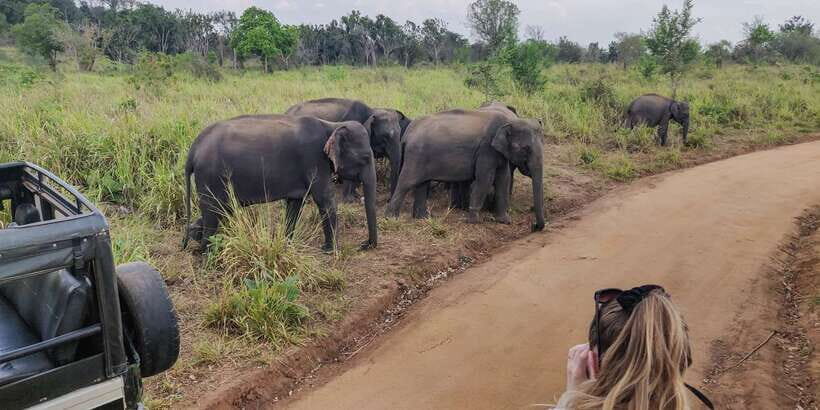
Both options work, and which you choose comes down to two things: your schedule and how the day’s animal movement tends to feel.
- Morning can be great if you like starting early and you’re hoping animals are active and moving before the heat ramps up.
- Evening can feel more dramatic if you enjoy late-day light and want a calmer end to your day.
Because the tour is only three hours, you’re not stuck choosing a full day. If you’re deciding between them, I’d pick the time that best matches your energy and hotel location, then trust the hunt.
And if you’re trying to optimize for elephants, your best move is to travel during the months when they’re most likely to be in this exact migration sequence.
Price and value: what $24 gets you (and what costs extra)
The tour price is listed around $24 per person for the 3-hour jeep safari. That price includes the practical stuff you actually feel during the trip: a jeep and driver, English live guidance, and pickup/drop-off within 5 kilometers of the gate.
What’s not included is important:
- Food and drinks
- Entrance tickets for the eco park (these can be added to your booking)
In terms of value, the big thing you’re buying is time and expertise. Three hours with a driver and tracker in the right reserve is usually more efficient than trying to DIY this route on your own. You’re also paying for a small jeep capacity (max six adults), which often means better positioning than larger-group setups.
On the entrance fee point, the simplest advice: if you’re trying to keep costs predictable, add it to your booking. If you’re flexible and comfortable paying on-site, buying at the counter right before your tour can work too. (Either way, plan for an extra charge.)
What to bring (so you’re not miserable halfway through)
You’ll be outside a lot and you’ll likely be looking for animals while sitting in the jeep. Bring what keeps you comfortable:
- Comfortable shoes
- Sunglasses
- Sun hat
- Sunscreen
And bring a small mindset change: you’re not on a quick sightseeing drive. You’re on a watching mission. Small comfort items help you stay patient when the animals don’t show up instantly.
Also note what’s not allowed: pets, smoking, and alcohol and drugs. Keep the day clean and calm for everyone, including the wildlife.
Who this safari fits best
This is a strong choice if you:
- want an elephant-focused safari without committing to a full-day national park drive
- prefer a private jeep setup (up to six adults)
- value a driver and tracker working the ground with a search mindset
- like your wildlife days to include birds and smaller reptiles too
It can also be a good option if you’re staying around Habarana, because pickup and drop-off within a close radius makes timing easier.
Should you book Hurulu Eco Park Safari?
I’d book it if your travel dates overlap the elephant movement window, or if you simply want a smart, short safari that puts you in the right place with the right human help. The best-case experience here is how fast the team can find elephants and position the jeep for clear viewing and photos, while still keeping things respectful around wildlife.
If your dates are off-season for elephants, don’t panic. You can still get wildlife sightings, including the park’s smaller surprises. Just go with realistic expectations: predators and tortoises are wonderful when they appear, but elephants are the main reason to aim for this one.
If you want a simple decision rule: choose this safari when you’re nearby, your schedule can handle a 3-hour commitment, and you’re okay with wildlife being wildlife.
FAQ
How long is the Hurulu Eco Park safari?
It lasts 3 hours for the wildlife viewing portion, with pickup and drop-off arranged around the gate.
Is it available in the morning and evening?
Yes. The safari is offered as a morning or evening option, depending on availability and starting times.
What’s included in the price?
You get a jeep and driver, English live guidance, and pickup/drop-off within 5 kilometers of the park gate. A tracker is included when available at the time you enter.
Do I need to buy the park entrance ticket separately?
Yes. Entrance tickets for Hurulu Eco Park are not included, though you can add them to your booking.
How many people can fit in each jeep?
Each jeep can accommodate a maximum of six adults.
Do I need to bring food and drinks?
Yes. Food and drinks are not included, so plan your own before or after the safari.