REVIEW · COLOMBO
From Colombo: Pinnawala & Tea factory with Kandy Hotel Drop
Book on GetYourGuide →Operated by Sri Lanka Car Hire with Driver · Bookable on GetYourGuide
Elephants, tea, and a road trip day.
This Colombo-to-Kandy experience is interesting because it bundles the big Sri Lanka stops you’d otherwise have to piece together yourself: Pinnawala Elephant Orphanage, a guided Ayurvedic herbal and spice garden, and the Giragama Ceylon tea process. I like that the transport is smooth and you get included Colombo pickup and a Kandy hotel drop-off. I also like the “from leaf to cup” payoff at the tea factory, including a freshly brewed tea you can smell and taste right there. One possible drawback: it’s a full day with some walking and a lot of time in the sun, so plan your comfort gear.
You’ll also get small, thoughtful extras like bottled water and king coconut water. And along the way you’ll pause at a scenic Kadugannawa View, which is a nice breather between stops—good for photos and resetting your legs before the next activity.
In This Review
- Key things to know before you go
- Colombo to Kandy with stops that actually make sense
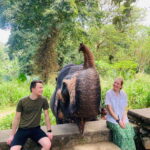
- Pinnawala Elephant Orphanage: watching care up close
- Sri Lankan Ayurvedic herbal and spice garden: learn, then stay in control
- Giragama Tea Factory: from plucking to a real cup of Ceylon tea
- Kadugannawa View: a scenic reset between cultural stops
- Transport, timing, and comfort: the driver is part of the value
- Price and value: what $60 really covers
- What to bring for a sunny, full-day route
- Who should book this tour (and who should skip it)
- Should you book this Colombo to Kandy elephant-and-tea day?
- FAQ
- What’s included in the tour price?
- Do I need to pay for meals?
- Are entrance fees included?
- What are the main stops on the route?
- Is there walking during the tour?
- What should I bring for the day?
- What language is the tour conducted in?
- Can I cancel if my plans change?
- Does the tour include hotel pickup and drop-off?
Key things to know before you go

- Pinnawala Elephant Orphanage is the main animal stop, with time to observe and interact while the sanctuary cares for orphaned and injured elephants.
- Giragama Tea Factory shows tea plucking and how Ceylon tea moves from leaf to cup, ending with a freshly brewed cup.
- Herbal and Spice Garden gives guided context on spices, herbal remedies, and Ayurvedic practices—then you may encounter donation prompts and shop sales.
- Kadugannawa View is built in as a scenic timeout so the day doesn’t feel like back-to-back rooms.
- Local driver service matters: in past experiences, drivers like Gajan and Champike stood out for friendliness and helpful tips (plus good photo skills).
- Skip the elephant tourist traps: some pay-to-feed/walk elephant experiences nearby can be overpriced and stressful for the animals—choose ethical sanctuaries instead.
Colombo to Kandy with stops that actually make sense
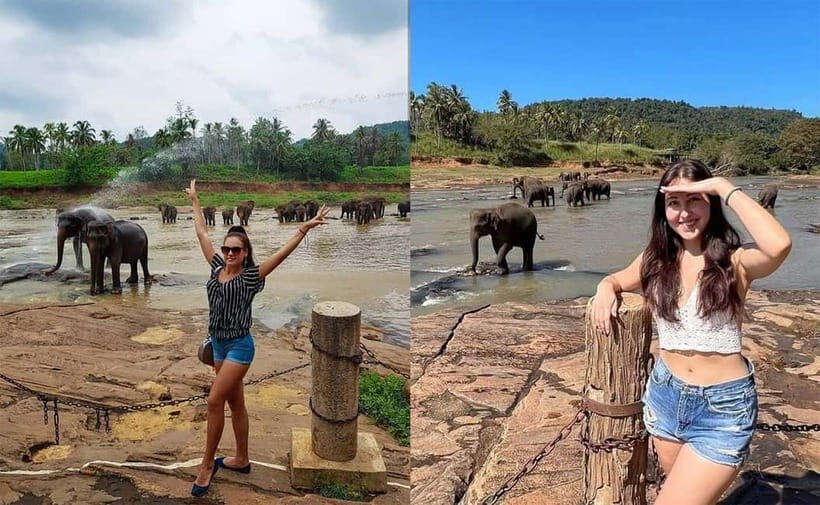
This is not a quick sightseeing hop. It’s a full-day transfer that uses the drive time wisely. Instead of just sliding from Colombo to Kandy, you break the journey with meaningful stops that help you understand Sri Lanka’s animal care, spice tradition, and tea culture—then you finish with a comfortable hotel drop in Kandy.
In practical terms, you’re riding with a driver (English is used). The most important comfort detail is that you should bring comfortable shoes. There’s some walking at the stops, and it’s the type of day where you’ll feel every inch of discomfort by late afternoon.
Also note the simple rules: no smoking inside the vehicle. It’s minor, but it tells you the day is run like a proper group tour rather than a casual taxi.
And yes, expect the day to run from early departure to a late return. Plan your evening in Kandy like it’s recovery time, not party time.
Other Colombo tours we've reviewed in Colombo


Pinnawala Elephant Orphanage: watching care up close
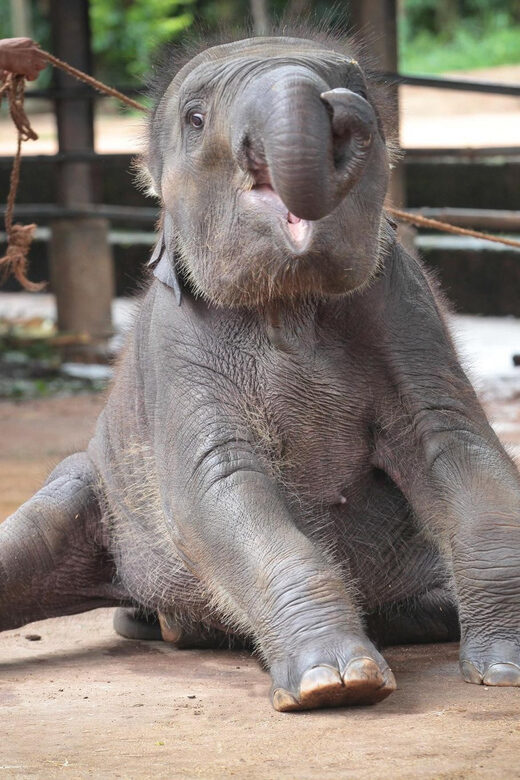
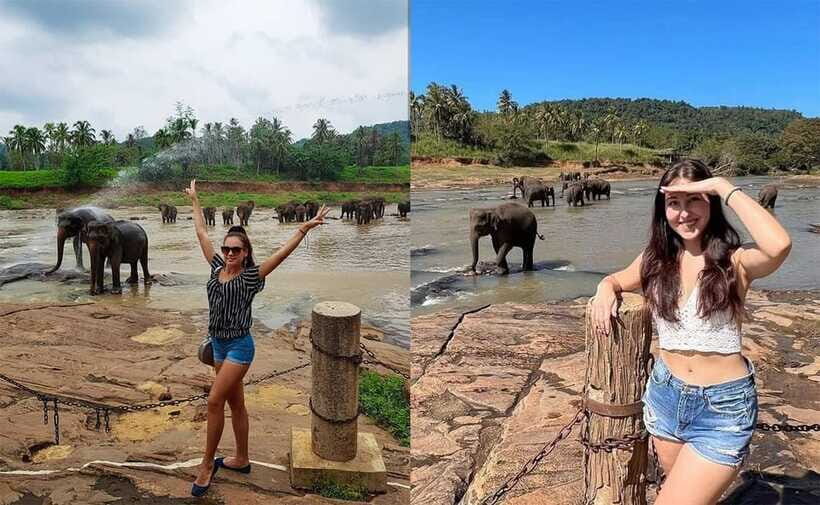
Your day starts with Pinnawala Elephant Orphanage, a well-known sanctuary where orphaned and injured elephants are cared for. The experience is built around observing elephants and having the chance to interact (as allowed by the site and staff).
Here’s what you should keep in mind so you get the most out of the visit:
- Go in calmly. Elephants are big and close, and the vibe can get chaotic if people crowd. Give them space and follow the staff’s instructions.
- Use your camera, but also watch. It’s easy to turn your brain into a viewfinder. A few minutes of straight observation is usually more rewarding than snapping shot-after-shot.
- Protect yourself from sun. Pinnawala is outdoors, and later you’ll be walking at other stops too. A hat and sunscreen aren’t optional for a long day.
One ethical note I strongly advise you to take seriously: if you’re offered a roadside “elephant experience” that includes pay-to-feed or pay-to-walk, be careful. A specific example that came up is the so-called Maharaja Elephant No17 experience along the way—reported as overpriced (around 30,000 LKR), with expectations for tips on top. The elephants were described as visibly stressed (swaying), which is a red flag. If you want elephant time, prioritize real sanctuaries and avoid any setup that feels like performance for tourists.
At Pinnawala, you’re there for sanctuary care. That alone makes the stop more meaningful than most roadside elephant pitches.
Sri Lankan Ayurvedic herbal and spice garden: learn, then stay in control

Next up is a Sri Lankan Ayurvedic herbal and spice garden. This part of the day is guided, and the goal is education: you’ll learn about local spices, herbal remedies, and Ayurvedic practices tied to Sri Lanka.
I love gardens like this when they do two things well:
1) they explain what plants are used for and how, and
2) they help you connect it to everyday life instead of turning it into pure sales talk.
This stop can lean a bit sales-forward. One past experience described a guided speech by a medicinal man, followed by a quick demonstration of products and a donation prompt, then time in a shop where sales attempts happen. That doesn’t mean it’s pointless—if you enjoy learning about herbs, the guided portion can still be informative. Just go in with a plan:
- Listen to the explanation first.
- Decide early what you’ll do about donations or purchases.
- If you don’t want the products, you can still take the knowledge and leave the shopping behind.
Tip for your comfort: wear shoes you can trust. Garden ground can be uneven, and you’ll likely be stopping and starting while the guide talks.
If you’re the type who enjoys plant-based topics—spices, teas, remedies—this is a great palate-widening stop. If you hate sales pressure, you may want to prepare yourself mentally and keep your expectations focused on learning.
Giragama Tea Factory: from plucking to a real cup of Ceylon tea
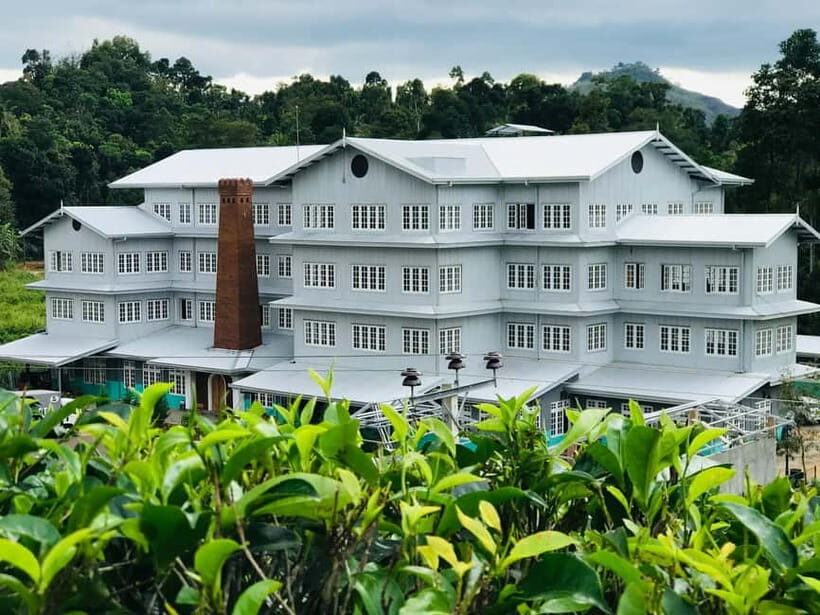
Then the day turns into tea mode at the Giragama Tea Factory. This is one of the most satisfying stops on the itinerary because it explains the whole chain: from tea plucking to the tea-making process, finishing with a freshly brewed cup of Ceylon tea.
What makes this stop valuable is that it turns tea from a generic beverage into a specific craft. You don’t just get the final product; you get to see how it gets made. That means your tasting later makes more sense, even if you’re not a tea expert.
A few practical ways to make the factory visit better:
- Pay attention during plucking and processing explanations. Even a short description can make you appreciate what you’re tasting.
- Ask questions if you’re unsure. If the guide mentions differences in leaf handling or tea processing, you’ll remember it when you order tea later.
- Taste slowly. Freshly brewed tea can taste different than bottled or powdered tea. Let it settle, then decide if you want another sip.
And yes, bring your camera. Factories and processing areas can be photo-friendly, and you’ll likely want proof that you actually saw Ceylon tea being made, not just poured.
If tea is one of your travel interests, this stop is the “okay, I get why people love this country” moment.
Kadugannawa View: a scenic reset between cultural stops
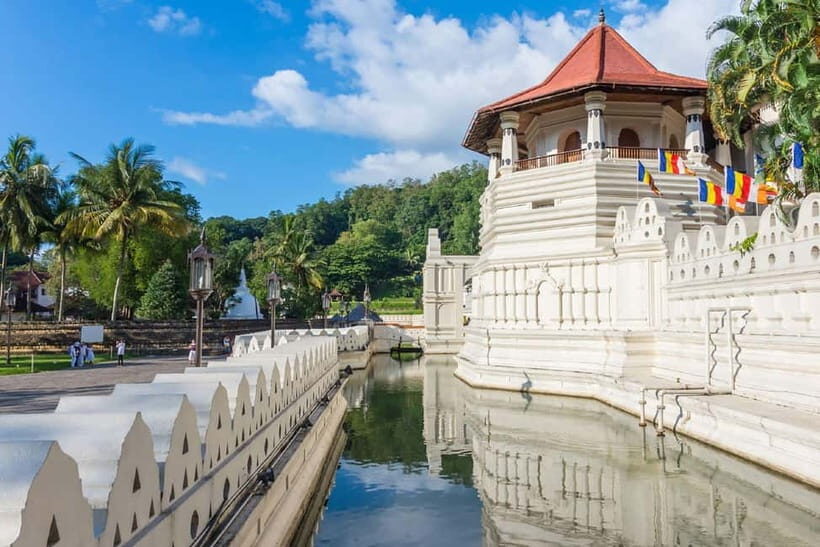
Along the drive, there’s time at a Kadugannawa View. This is a smaller stop, but it matters because it breaks up the day. You get a scenic lookout, which gives your eyes and legs a rest before you head into the next activity—or after you’ve already had enough excitement for one day.
I find lookout stops underrated because they keep a travel day from feeling like a checklist. This one gives you a moment of perspective: the road into Sri Lanka’s hill country, the distance, the scale.
Don’t rush it. Take a minute to actually look. Then take a couple of photos, and move on.
Other Kandy tours we've reviewed in Colombo

Transport, timing, and comfort: the driver is part of the value
This tour is run as a transfer with guided stops, so the driver experience affects your day. Communication and smooth timing come up as positives in past experiences, and names like Gajan and Champike have been mentioned as helpful, friendly, and great with photos.
Even if your driver isn’t specifically one of those names, aim for the same kind of service: clear updates, good timing, and a calm attitude around crowded stops.
Timing is your other big variable. It’s a full day with early departure and late return times, so:
- keep your morning flexible,
- don’t plan another tour that evening, and
- treat Kandy arrival as “rest and reset.”
And remember: the tour includes water and king coconut water. That helps you stay hydrated without hunting for drinks between stops.
Price and value: what $60 really covers
The listed price is $60 per person, which is often where the real question sits: is it worth it?
From what’s included, you’re paying for:
- Colombo hotel pickup and Kandy hotel drop-off
- Pinnawala Elephant Orphanage
- A visit to an herbal and spice garden
- Giragama Tea Factory tour
- Bottle water and king coconut water
- Kadugannawa View as part of the route
What’s not included:
- Meals
- Entrance fee
- Personal expenses
So the value comes from two things: you’re paying for a structured day plus transport that links Colombo and Kandy, not just three random stops. If you tried to arrange a similar day on your own with private transport, a driver, and guided timing, you’d likely spend more once you start paying for coordination.
When it might not be such a deal: if you already have a driver lined up for Colombo-to-Kandy and you only care about one stop, then the $60 bundled day may feel like you’re paying for extra you won’t use. But if you want a “see three key things, get to Kandy easily” day, this is a sensible setup.
What to bring for a sunny, full-day route

This is a practical packing day. The included comfort items don’t replace your own sun protection.
Bring:
- Comfortable shoes (some walking)
- Hat
- Camera
- Sunscreen
You should also plan for heat. Since you’ll be outdoors at least at the elephant orphanage and likely at open-air parts of the garden and viewpoints, sun protection matters more than a fancy outfit.
Also, keep an eye on your energy. This is not a sit-down-only tour. It’s moving, stopping, listening, and looking—then moving again.
Who should book this tour (and who should skip it)
This tour suits you if:
- you want a guided, low-stress way to go from Colombo to Kandy
- you care about elephants, tea, and spices in a single day
- you like the idea of learning something practical (tea-making, herbal uses) rather than only taking photos
- you prefer door-to-door comfort over complicated logistics
You might skip it if:
- you only want one or two of the stops and dislike full-day schedules
- you’re strongly against any time spent in places that lead into product selling (the herbal garden stop can include demonstrations and a shop)
- you want a more relaxed pace with fewer structured stops
Should you book this Colombo to Kandy elephant-and-tea day?
I’d book it if you want maximum Sri Lanka feeling for the time you have. The elephant orphanage stop plus the Giragama tea factory are the big anchors, and the included pickup/drop keeps the day simple. The herbal/spice garden can be informative, as long as you go in ready to listen and ready to say no to shopping if that’s your style.
But book it with eyes open: it’s a long day, there’s walking, and some parts can drift toward demonstrations and sales. Also, be firm about elephant ethics. If you’re offered any “pay extra for more elephant interaction” trap along the way, choose Pinnawala-style sanctuary time instead.
If your goal is a smart transfer that feels like real touring—not just transportation—this one fits.
FAQ
What’s included in the tour price?
The tour includes free Colombo hotel pickup, a Kandy hotel drop-off, Pinnawala Elephant Orphanage, a visit to a herbal and spice garden, a Giragama Tea Factory tour, and bottled water plus king coconut water.
Do I need to pay for meals?
Meals are not included, so you’ll want to budget for lunch or snacks during the day.
Are entrance fees included?
Entrance fees are not included.
What are the main stops on the route?
You’ll visit Pinnawala Elephant Orphanage, a Sri Lankan Ayurvedic herbal and spice garden, and Giragama Tea Factory. There’s also a scenic Kadugannawa View stop.
Is there walking during the tour?
Yes. Wear comfortable shoes, because there is some walking involved at the stops.
What should I bring for the day?
Bring comfortable shoes, a hat, a camera, and sunscreen.
What language is the tour conducted in?
The tour is available in English.
Can I cancel if my plans change?
You can cancel up to 24 hours in advance for a full refund.
Does the tour include hotel pickup and drop-off?
Yes. You’ll get free pickup from your Colombo hotel and a drop-off at your Kandy hotel.