REVIEW · COLOMBO
Exclusive: Muthurajawela Bird Watching Tour with Transfers
Book on Viator →Operated by Beyond Escapes · Bookable on Viator
Birds and crocodiles in one calm boat ride.
This Muthurajawela Marsh tour is a simple, practical way to see Sri Lanka’s coastal wetland up close: you get a tuk-tuk transfer from Negombo, then slide through the mangroves on a guided boat ride around the Negombo Lagoon. You’re not trying to race across the island—you’re slowing down in a place that locals rely on, with a local guide narrating what’s happening.
I especially like the boat trip itself. The route through mangrove-lined waters gives you a good shot at wildlife without feeling like you’re in a busy zoo. I also like the included local guide narration plus light refreshments—small touches that make early morning birding feel doable, not miserable.
One thing to plan for: the start is early, and the boat seating can be uncomfortable. A soft cushion helps if you’re sensitive to hard surfaces, and it’s smart to build in extra patience if traffic or directions slow things down.
In This Review
- Key Highlights You’ll Notice Fast
- Getting to Muthurajawela: The Tuk-Tuk Start That Sets the Mood
- The Wetland Drive-By: Why Muthurajawela Matters
- On the Boat in Negombo Lagoon: What You’re Actually Doing
- A Practical Note About Comfort
- Wildlife Checklist: Birds, Crocodiles, Monkeys, and More
- How the Guide Makes the Difference (And What You Can Ask)
- Light Refreshments: A Small Inclusion That Helps
- Duration and Pace: Plan for a Half-Day Flow
- Price and Value: Is $35 Worth It?
- Logistics That Matter: Tickets, Group Size, and Smooth Pickup
- Who Should Book This Tour (And Who Should Skip It)
- Should You Book the Muthurajawela Bird Watching Tour With Transfers?
- FAQ
- How long is the Muthurajawela Bird Watching Tour?
- Is hotel pickup and drop-off included?
- What’s included in the price?
- Do I get a ticket on my phone?
- What wildlife can I expect to see?
- Is the tour private?
- Are there any dress or comfort tips?
- What is the cancellation policy?
Key Highlights You’ll Notice Fast
- Tuk-tuk transfers from Negombo keep the start easy and add a real street-life flavor to the morning
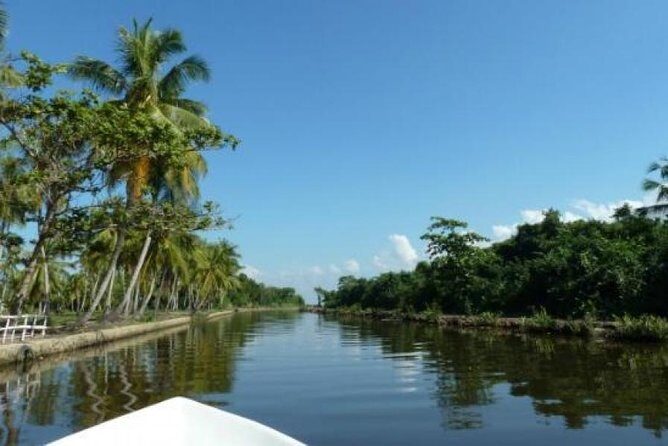
- Boat birding in Muthurajawela targets mangroves, intertidal plants, and the wetland web of life
- Crocodile-spotting focus includes chances for smaller crocodiles near the mangroves (plus plenty of other wildlife)
- 75 species of birds plus resident and migratory birds give the trip real birdwatching value
- Light refreshments are included, so you’re not touring hungry
- Private tour means your group stays together instead of mixing with strangers
Getting to Muthurajawela: The Tuk-Tuk Start That Sets the Mood
This isn’t a stiff bus tour. It begins with pickup from your Negombo hotel by tuk-tuk, with drop-off back where you started. That matters because you spend less time figuring out transport and more time watching the real rhythm of the area go by.
Your ride is also part of the experience. Tuk-tuks are protected from sun and rain, and you can stretch out a bit compared with squished seating in some crowded shuttles. On a birdwatching outing, that comfort at the start can be a big deal—especially if you’re coming straight off travel.
The timing is another clue. The trip works best when you leave early enough to catch birds when they’re most active. If you’re tempted to roll out late, think about what you’re paying for: wildlife and bird behavior are easier to spot when the light and activity are in your favor.
If you're still narrowing it down, here are other tours in Colombo we've reviewed.


The Wetland Drive-By: Why Muthurajawela Matters
Muthurajawela (often described as a swamp of royal treasure) is a wetland ecosystem that sits toward the southern end of the Negombo Lagoon. It’s huge—spanning thousands of acres—and it supports a link of life that makes birding more than just spotting species.
This is where “marsh” stops being a vague word and becomes a set of living clues. Mangroves line the edges and footpaths, and those plants matter because they protect shorelines, hold nutrients, and create cover for animals. When you see fiddler crabs or watch small movement under mangrove roots, you’re seeing the ecosystem’s engine working.
The tour focuses on an area commonly described as a marine sanctuary, so you’re not just boating for scenery. You’re touring a system built for wildlife.
On the Boat in Negombo Lagoon: What You’re Actually Doing
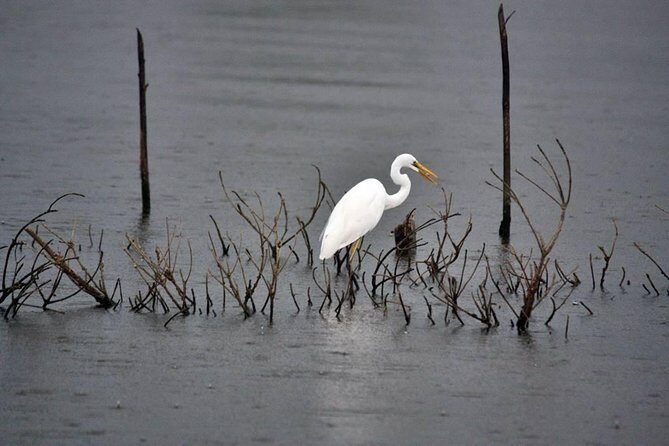
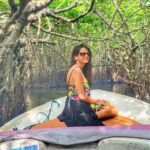
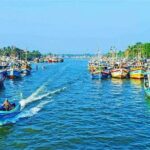
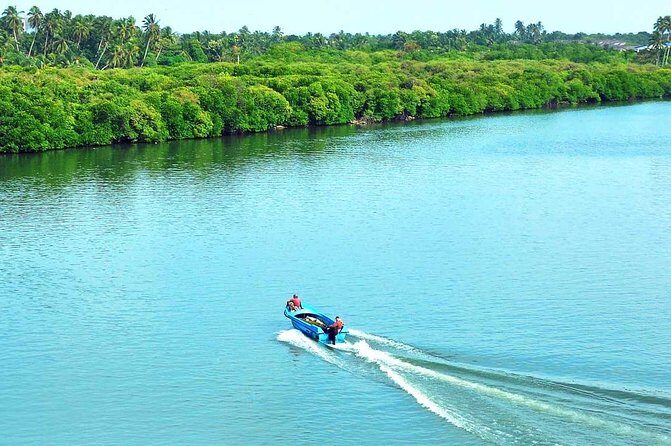
Once you reach the wetland sanctuary area, you head out on a boat ride through the Negombo Lagoon. The boat route is typically slow and calm, which is exactly what you want for birdwatching. Fast speeds are for sightseeing; slow speeds let you notice feeding, calls, and flight patterns.
The guide keeps the ride from turning into a vague wildlife hunt. You get narration that helps you understand what you’re looking at—birds, plants, and the animal signs that often come before you spot the animal itself. That’s the difference between seeing birds and learning how to see birds.
You’ll also be watching for non-bird highlights. The tour is built around potential sightings of crocodiles, monkeys, and other wildlife tied to the wetland. Even when you’re not seeing the big headline animal every minute, the boat ride keeps rewarding you with smaller sightings—movement in mangroves, unusual shapes, and quick flashes of color.
A Practical Note About Comfort
One repeated point from people who did this is that boat seating can be hard. If you have a sore back or knees, bring something soft (even a thin cushion or folded towel). It won’t make the boat feel like business class, but it can save your morning.
Wildlife Checklist: Birds, Crocodiles, Monkeys, and More
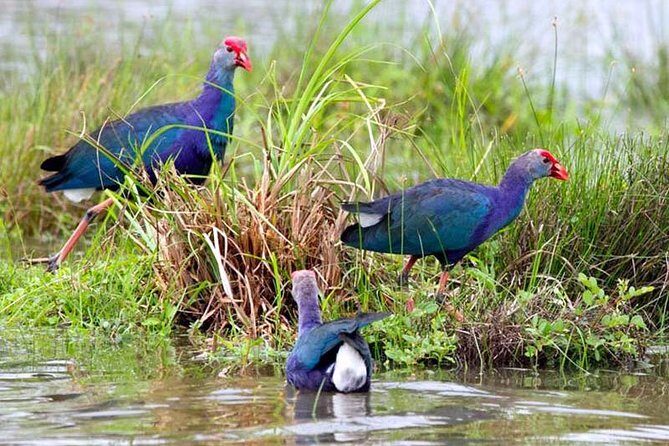
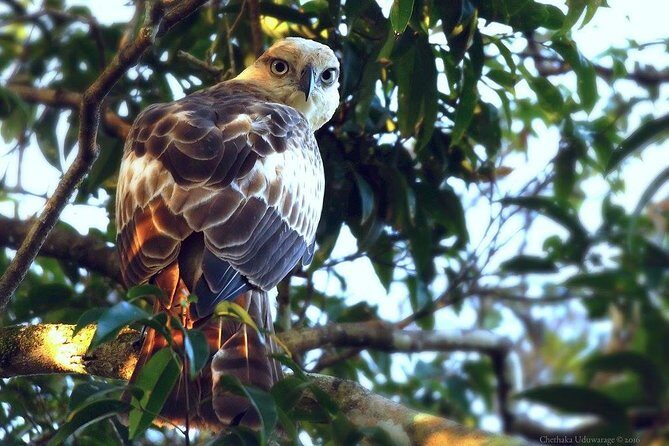
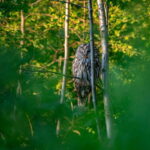
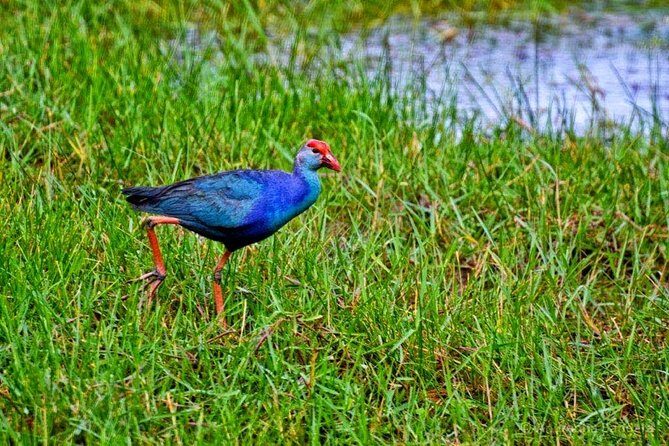
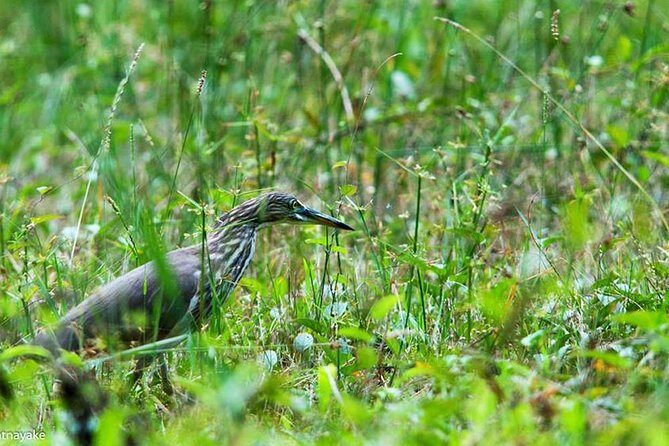
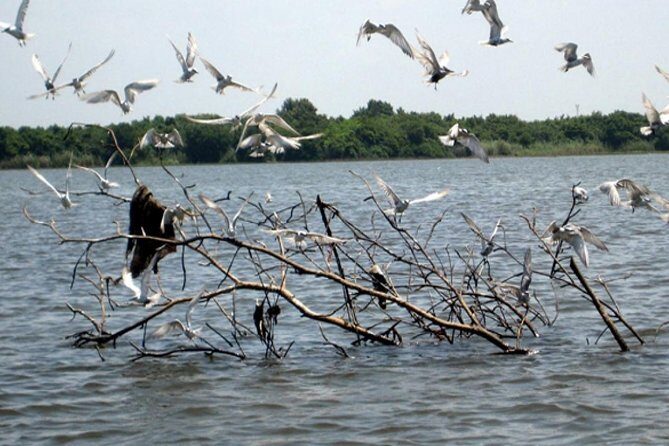
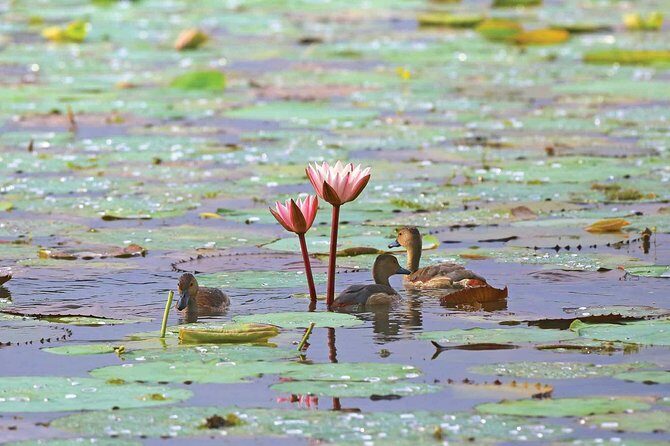
This tour is marketed for birdlife, and that’s fair. The wetland is described as home to a mix of resident and migratory birds—commonly quoted as 75 species of birds for the area. The mangroves and surrounding wetland create a variety of “micro-habitats,” which is why birdwatching here can feel productive.
Here’s what you should keep your eyes on:
- Mangrove birds: look for birds perched along edges and small gaps in the roots
- Water-adapted wildlife: the ecosystem supports animals that rely on the marsh edges and shallow waters
- Monkeys: these pop up around trees and shorelines when they feel safe
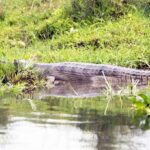
- Crocodiles: you’ll be watching for saltwater crocodiles, and in some cases smaller ones near mangrove areas
- Crabs and other small life: fiddler crabs are often mentioned around mangrove areas, and they’re great proof you’re in a functioning habitat
From actual on-the-water moments people report, you might find sightings like baby crocodiles, macaque monkeys, water monitors, and birds that include types such as blue-tailed bee-eaters. Another detail that comes up: people sometimes see water movement that suggests fish activity, and in some cases flying fish are mentioned.
The important part: you’re not guaranteed every species. Wetlands are living systems and wildlife timing can shift. But your chances are strong because the tour is built around the right habitat and slow viewing conditions.


How the Guide Makes the Difference (And What You Can Ask)
A big part of the value here is the local guide narration. The wetland is full of “almost the same” shapes—leaves that look similar, birds that flick past quickly, and animal signs you’d otherwise miss. A good guide helps you connect those signals to what’s actually there.
In the field, guide quality shows up in two ways:
- They point out what to watch for next, not just what you already saw
- They explain what makes the marsh special—how animals use mangroves and edges
Language can matter too. Some groups report that the guide provided narration in good English, which can help if you want more than a basic spotting list.
If you want to get more out of your time on the boat, ask simple, practical questions:
- Which birds are most active early in the morning
- What signs show crocodiles are nearby
- What to look for around mangrove roots and crab areas
Those questions turn the ride into a guided field lesson instead of a passive scan.
Light Refreshments: A Small Inclusion That Helps
Birding can be surprisingly physical: you’re standing, watching, and often trying to keep your posture comfortable while staying ready for a quick sighting. That’s why I like that light refreshments are included.
It’s not a full meal, so don’t expect a food tour. But having something small can help you avoid the classic “I saw cool birds but then I got cranky” problem. It also makes early timing feel more realistic.
Duration and Pace: Plan for a Half-Day Flow
The tour is listed at about 2 hours, but the description talks about a 3-hour tour experience. What that usually means in practice is simple: the on-water activity is shorter, and the overall experience includes the transfer time and the time spent at the starting area.
So plan like this:
- Expect an early start from Negombo
- Expect the boat portion to take most of your wildlife focus
- Expect enough buffer time for the day to feel relaxed rather than rushed
This is a great option if you’re only in the Negombo area briefly or you want an activity that doesn’t eat your entire schedule.
Price and Value: Is $35 Worth It?
At $35, you’re paying for more than a boat. You’re covering the boat cost, local guide, light refreshments, and tuk-tuk pickup and drop-off from Negombo. You’re also getting a mobile ticket and group-discount flexibility.
Here’s the value math I use when deciding if a birding tour is a good deal:
- Does the price include transport and guide time? Yes.
- Does it focus on a habitat where wildlife behavior is likely? Yes—mangroves and wetland sanctuary areas.
- Are you paying mainly for “a view,” or for spotting and interpretation? This is built more around spotting with narration.
A few people felt it was a touch expensive, but most still rated it strongly because the sightings and calm boat experience matched (or exceeded) the intent. If you care about wildlife and you want a low-effort, guided morning, this price often makes sense.
Logistics That Matter: Tickets, Group Size, and Smooth Pickup
This is a private tour/activity for just your group. That’s a real plus if you hate feeling rushed by larger groups or you want your guide’s attention without interruptions.
Most travelers can participate, and the tour encourages comfortable shoes. That’s not about “safety theater”—it’s about being able to stand and move around mangrove-edge paths comfortably.
One practical caution: getting to the start point can be slightly tricky if drivers don’t have the exact details. If you can, confirm your meeting point clearly the day before, and keep your phone charged for directions.
Who Should Book This Tour (And Who Should Skip It)
This fits you if:
- You want Sri Lanka birdwatching without committing to a full-day excursion
- You like calm wildlife viewing with a guide helping with identification
- You’re staying in or near Negombo and want an easy pickup
- You’re traveling with friends or family and want a private feel
You might skip it if:
- You need lots of action and don’t enjoy slow boat pacing
- Hard seating would ruin your day (bring a cushion)
- You’re not interested in wetland wildlife and plants
Should You Book the Muthurajawela Bird Watching Tour With Transfers?
If you’re in Negombo and you want an authentic wildlife morning, I’d book it. The mix of tuk-tuk transfers, a guided boat ride through mangroves, and the real chance of seeing birds plus animals like crocodiles and monkeys makes it a strong value for a short trip.
Just go in with the right mindset: wetlands are living places, so wildlife is about timing and patience. Bring a small cushion, dress for early start and warmth, and use the guide’s narration to turn sightings into real understanding. For many people, that’s the difference between a nice boat trip and a morning they remember.
FAQ
How long is the Muthurajawela Bird Watching Tour?
The tour is listed as about 2 hours, and the tour description also refers to a 3-hour experience. Plan for a short morning outing that includes transfers.
Is hotel pickup and drop-off included?
Yes, pickup and drop-off from Negombo hotels are complimentary by tuk-tuk. Pickup outside Negombo can be arranged, but an additional charge may apply.
What’s included in the price?
The price includes the cost of the boat, tuk-tuk pickup and drop-off, light refreshments, a local guide, and all taxes, fees, and handling charges.
Do I get a ticket on my phone?
Yes. The tour includes a mobile ticket, and an admission ticket is listed as included.
What wildlife can I expect to see?
You can look for birdlife, crocodiles, monkeys, and flora around the wetland. The area is described as supporting many bird species.
Is the tour private?
Yes. It’s described as a private tour/activity, so only your group will participate.
Are there any dress or comfort tips?
Comfortable shoes are recommended. Some people also note the boat seats can be hard.
What is the cancellation policy?
Free cancellation is available up to 24 hours in advance for a full refund. If you cancel less than 24 hours before the experience starts, the amount paid is not refunded.