REVIEW · NEGOMBO
Wilpattu National Park: Morning or Afternoon Safari
Book on GetYourGuide →Operated by Tiger Safaris · Bookable on GetYourGuide
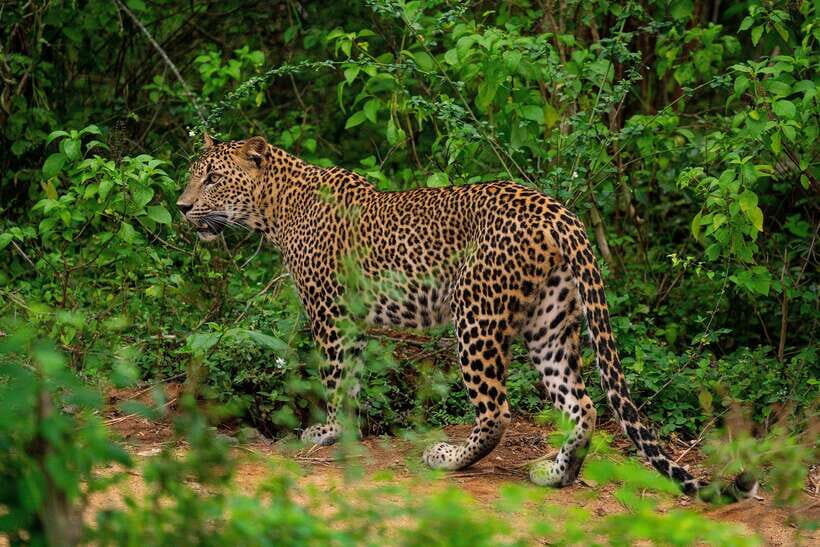
Leopards are the big gamble in Wilpattu. This safari is interesting because you’re not just doing a drive—you’re going in a 4×4 safari jeep with complimentary pickup, an English-speaking guide setup, and a plan to hit the park’s wildlife areas. The tradeoff: leopard (and other predators) are never guaranteed, and the quality of English/spotting can vary depending on who’s running the safari in your jeep.
I like that the experience is practical. You get binoculars, you’re allowed to take pictures, and you’re not stuck with a stiff script—you’re with a guide who’s meant to lead you through scrub, plains, and lakes in search of animals. One more plus: Wilpattu often feels less hectic than Sri Lanka’s headline parks, so the day can feel more like real time in nature.
Timing matters, too. You’ll typically spend about 4 hours inside the park, and the total day can stretch from 5 to 10 hours depending on your pickup time and location. Also note the basics: food and drinks aren’t included, and alcohol/drugs aren’t allowed.
In This Review
- Key things to know before you go
- Wilpattu in a 4×4 jeep: what you’re really paying for
- Morning or afternoon safari: how to choose your start time
- Pickup and drop-off: the part that makes or breaks your day
- Inside Wilpattu: what the park areas are like
- Kudiramale Point, Pomparippu, and Villu areas: why you’ll hear these names
- Leopards, elephants, deer, bears, and birds: how to set realistic expectations
- The guide, the English level, and how to get better value
- Price and what’s extra: is it a good deal?
- Who this safari fits best (and who should skip it)
- Should you book this Wilpattu safari?
- FAQ
- How long is the Wilpattu safari?
- What does the safari price include?
- Are national park entry tickets included?
- Is food and drinks provided?
- Will there be an English guide?
- Where is pickup available?
- Where can I be dropped off?
- Is alcohol allowed during the safari?
Key things to know before you go
- 4×4 safari jeeps + binoculars included, so you’re equipped from minute one
- Pickup and drop-off are offered from multiple areas (like Negombo, Colombo, Anuradhapura, and several closer towns)
- English live guide is part of the plan, with optional English audio
- You may visit Kudiramale Point, Pomparippu, and Villu areas, where different animals tend to show up
- You can take photos during the safari, which helps when sightings happen quickly
- Predators are luck-based: you might see a leopard—or you might see elephants, deer, sloth bears, and plenty of birds instead
Wilpattu in a 4×4 jeep: what you’re really paying for
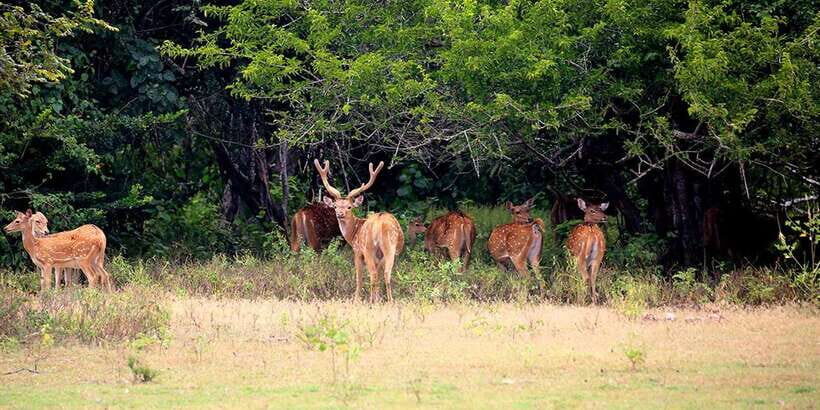
This is a value-focused safari format: you pay for a driver/guide setup plus transport, not for a “guaranteed leopard” promise. With Wilpattu, that distinction matters. The park is big and animals move. Some safaris end with unforgettable predator sightings; others are more about building a wildlife “picture” with elephants, spotted deer, sloth bears, and birds.
The jeep part is more than comfort. A spacious vehicle makes long dirt roads and bumpy tracks easier on your back and helps you stay steady for photos. You’ll be riding specifically on safari-style routes with a 4×4 setup, which is exactly what you want when the park’s terrain changes and road access isn’t the same everywhere.
And you’re not going in blind. The guides are meant to maximize wildlife chances by choosing where to go and when to scan. When it works well, the day feels organized: stop, watch, look, repeat. When it doesn’t, you end up spending more time parked than searching—so being alert to how your safari is paced is part of getting value.
A few more Negombo tours and experiences worth a look

Morning or afternoon safari: how to choose your start time
The operator runs safaris that can be scheduled for different times of day, and your total duration depends on those starting times (listed as 5 to 10 hours). If you care about making the most of your day, choose the start time that fits your broader Sri Lanka route.
Here’s how I’d think about it practically:
- If you want a more full-day feel, pick the timing that gives you comfortable buffer for pickup and return travel.
- If you’re chaining plans (like other sightseeing the same day), choose the start time that keeps your travel stress lower.
- If photography is a goal, remember you’ll be scanning quickly for movement, so light matters—but the real factor is whether you’re in the right habitat at the right moment.
Because the park and wildlife don’t follow schedules, the “best” time is really the time that lets you reach the park properly rested and ready to watch.
Pickup and drop-off: the part that makes or breaks your day
This safari uses hotel pickup and drop-off from several options. Pickup locations listed include Nochchiyagama, Sinharagama, Galkadawala, Anuradhapura, Negombo, and Colombo. Drop-off options include Sinharagama, Galkadawala, Nochchiyagama, Anuradhapura, Negombo, and Colombo.
A key detail I like: pickup is complimentary, and they ask you to wait in the lobby about 10 minutes before the scheduled time. That small “buffer” helps you avoid the common travel problem—showing up late and delaying the group.
If you’re coming from places like Negombo or Colombo, your day will feel like part safari and part transfer. That’s normal here. The value comes when the driver is punctual and keeps the day on track, so you still get your core park viewing block without it getting eaten by delays.
Inside Wilpattu: what the park areas are like
Wilpattu is known for mixing habitats, and that’s exactly why guides try to cover multiple zones during your session. You can expect a mix of dense scrublands, open grassy plains, and water—often in the form of lakes and Villu areas. That variety matters because different animals feed and move differently depending on cover and water.
From a visitor’s perspective, the biggest challenge is simply spotting. Animals can blend in or stay still long enough that you miss them. That’s where the guide’s scanning rhythm comes in. The plan is to lead you across rugged terrain and hidden trails to maximize wildlife viewing opportunities, not just to drive from one viewpoint to another.
Also: you can take pictures during the safari. That sounds obvious, but it’s actually important for predator chances. Leopards and other animals may appear briefly. If you’re already set up and allowed to photograph, you spend less time worrying and more time reacting.
Kudiramale Point, Pomparippu, and Villu areas: why you’ll hear these names
You may visit key park attractions like Kudiramale Point, Pomparippu, and the Villu areas. The practical value of these stops is that they represent different habitat “moods” inside the park.
- Kudiramale Point is one of the named areas you’ll likely route through when the guide is building a wildlife search plan. When you’re in a spot like this, you’re often expecting animals to use nearby cover or open feeding space.
- Pomparippu is another named location on the route, giving you a different angle on where to watch.
- Villu areas are important because water-linked habitats tend to concentrate activity. Even if predators don’t show, you can often see other wildlife moving between cover and water.
The exact order and how long you stay at each spot can vary by conditions. But the logic is consistent: you’re covering multiple zones so you’re not relying on one type of habitat to deliver everything.




Leopards, elephants, deer, bears, and birds: how to set realistic expectations
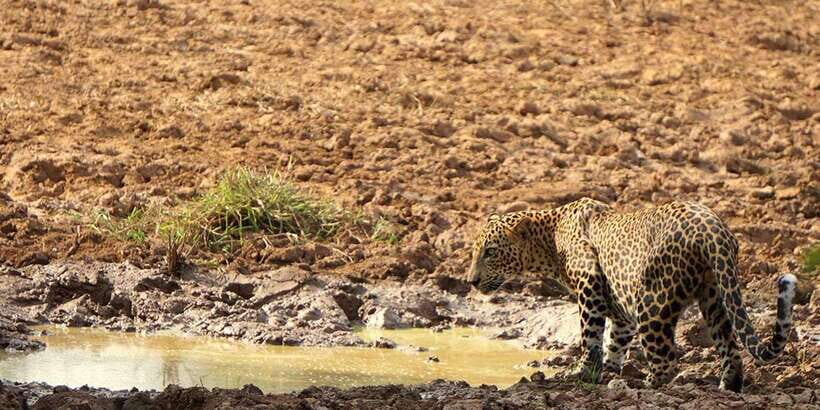
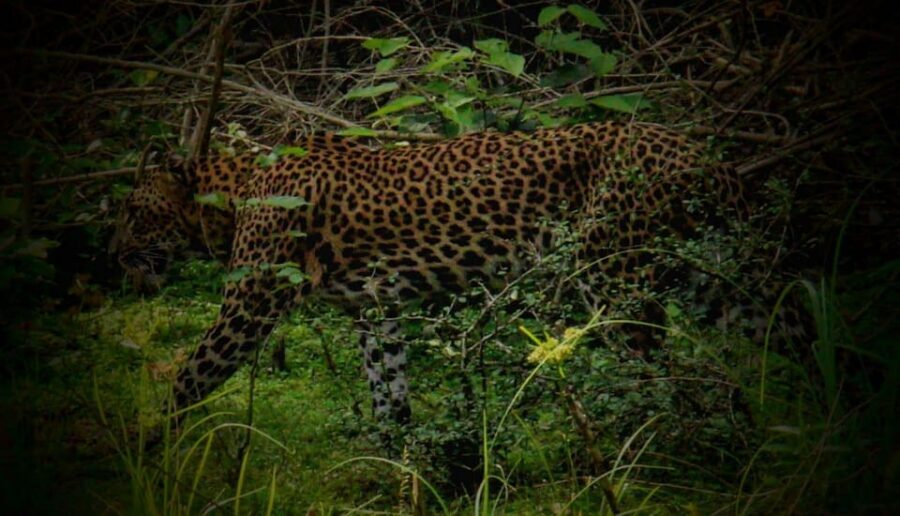
This safari is built around the hope of leopards. The park is described as a prime place for leopard sightings, and that’s the headline goal for many people booking Wilpattu.
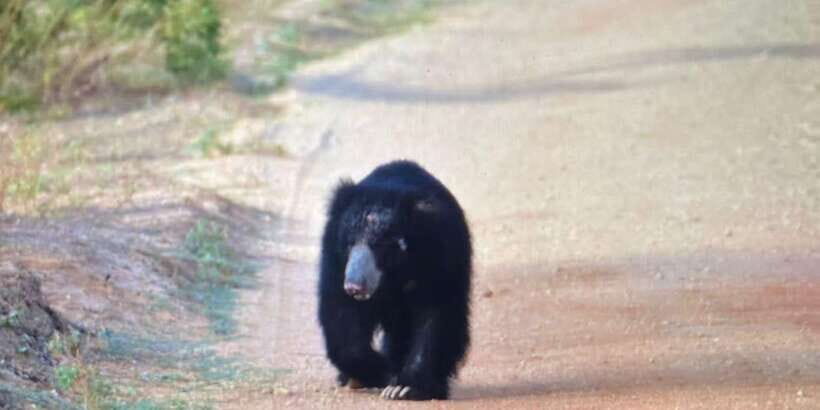
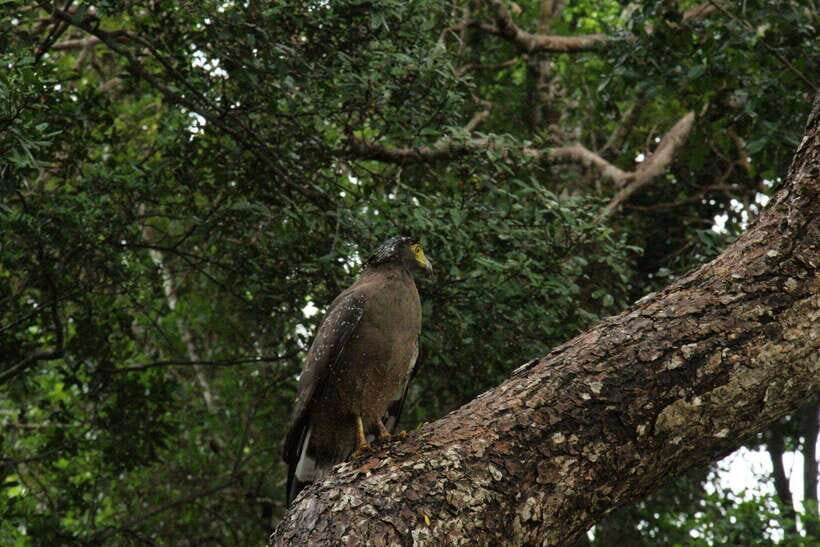
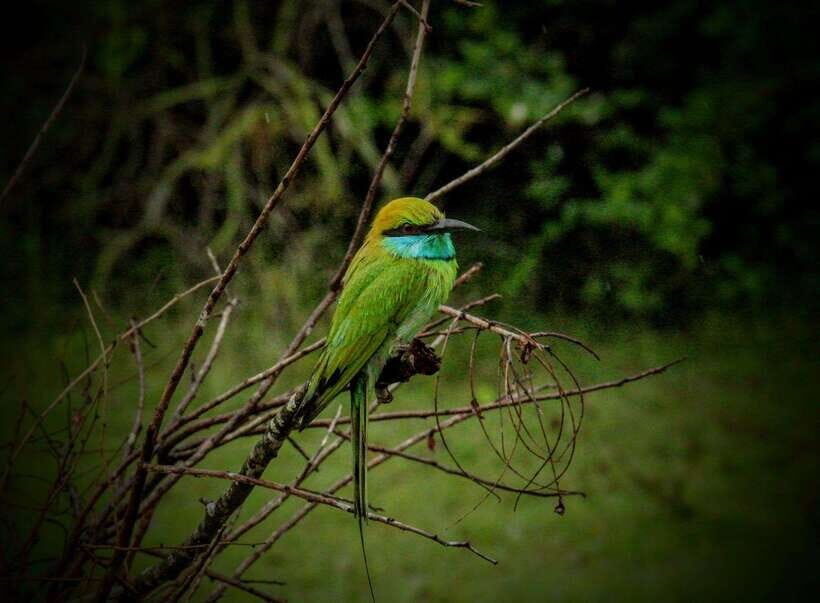
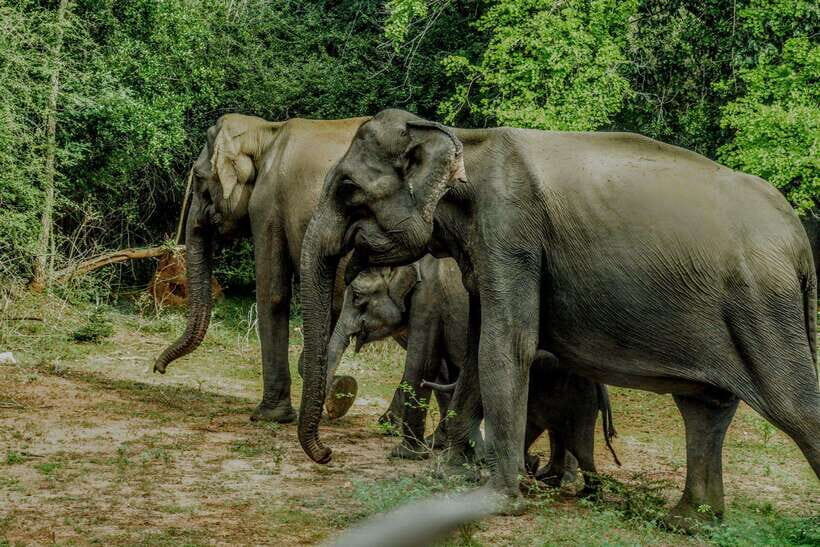
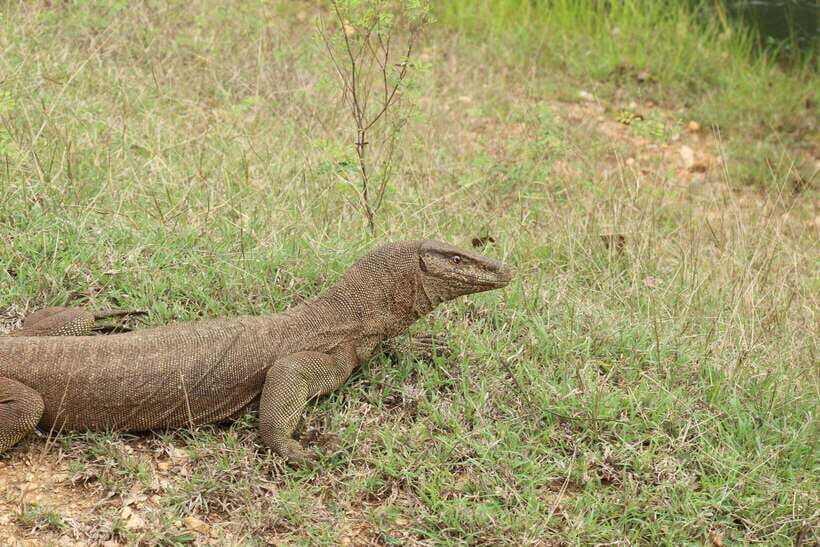
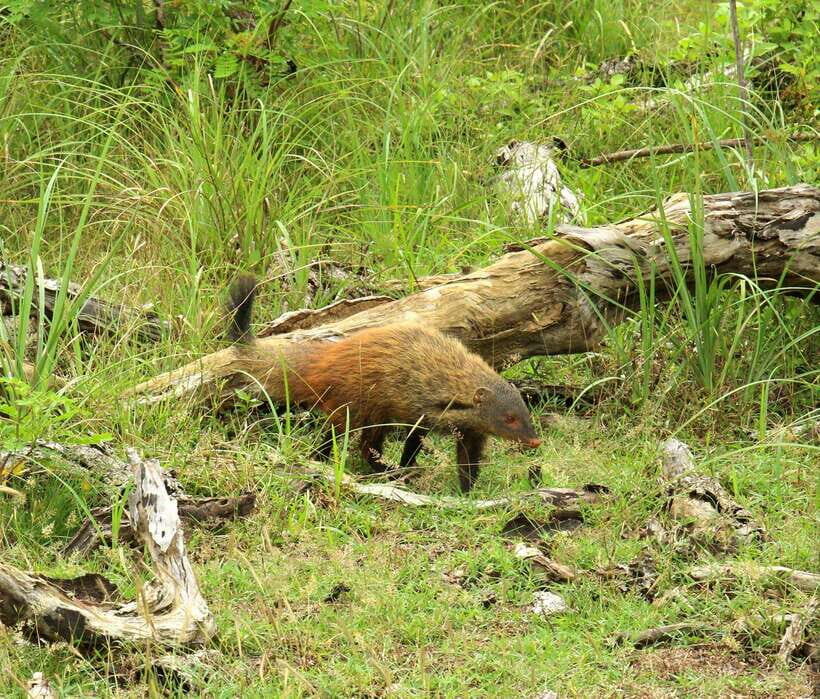
But I strongly recommend you treat leopard as a possibility, not a requirement. In practice, you can still have an excellent safari day even without a predator sighting. Wilpattu also offers chances at elephants, sloth bears, spotted deer, and a variety of bird species.
And here’s a reality check that helps you enjoy the day: wildlife sightings don’t follow your schedule. Some safaris have a leopard moment that makes everything click. Other safaris focus on steady action—elephants crossing, deer moving through grass, birds calling overhead, and maybe a sloth bear sighting if conditions line up.
What affects your odds most (based on how safari days can run) is the actual behavior during the drive:
- If the jeep spends time scanning and repositioning strategically, your chances improve.
- If the safari pacing turns into a long talk session or too much stationary time without careful searching, your wildlife time can feel wasted.
If English is important to you, pay attention to who’s doing the actual spotting and identifying. The tour is listed with an English live guide and optional English audio, but safari operations can differ day to day, so how much you learn may depend on who you end up relying on in the jeep.
The guide, the English level, and how to get better value
The tour includes an experienced guide (plus a driver/guide setup) and binoculars. When the guide is on form, you’ll get the kind of commentary that helps you recognize animals and understand what you’re seeing—so the animals feel less random and more like a connected ecosystem.
There’s also a practical angle from the recent range of experiences: English quality can be uneven. The tour is presented as English, and you can also use optional English audio, but the safari’s person doing the heavy scanning might not always match the level of English you expect.
If you want the most out of your day, I’d recommend two simple mindset shifts:
- Treat the safari like a watch-first experience, not a lecture. Even with great English, your eyes need to lead.
- Use the binoculars early. The best spotting often starts before you think you’ll see anything.
One more point I genuinely appreciate when it happens: punctual pickup and a smooth return. Some outings run like clockwork, which makes the day feel respectful of your time.
Price and what’s extra: is it a good deal?
The listed price is $35 per person for the safari experience (duration 5 to 10 hours). Then there are extras you should plan for:
- National park entry tickets are about $37 and are not included.
- Food and drinks aren’t included.
So your realistic budget is closer to roughly $72 for the safari plus park entry, before meals. That’s not automatically cheap, but it can still be good value if you’re doing Wilpattu as a highlight and you want transport plus guide support.
Here’s what you get for that money:
- Complimentary hotel pickup and drop-off from the listed areas
- A comfortable 4×4 safari jeep
- An experienced guide plus driver/guide
- Binoculars
- Time inside the park for around 4 hours of sightseeing
When it feels like good value is when the day is well paced: you reach the park efficiently, the jeep is used for searching, and you get at least a mix of mammals plus birds. When it feels less worth it is when the jeep time turns into long gaps with low scanning effort. That’s not something you can fully predict, but you can reduce the risk by choosing a start time that fits your day and asking the operator to confirm English expectations if that matters to you.
Who this safari fits best (and who should skip it)
This works best for:
- People who want a structured wildlife hunt with transport and guide help, not a DIY driving day
- Those who care about a leopard chance but are fine also enjoying elephants, deer, sloth bears, and birds
- Visitors who like photography during wildlife safaris and want binoculars included
It’s not listed as suitable for pregnant women. If that applies to you, skip this specific option.
It also suits best when you’re comfortable with a long day rhythm—jeep time, scanning time, and travel time. If you’re very sensitive to bumps, heat, or dust, you’ll want to dress smart for a safari day.
Should you book this Wilpattu safari?
I’d book it if you want a classic Wilpattu safari with pickup, a 4×4 jeep, binoculars, and targeted park areas like Kudiramale Point, Pomparippu, and Villu zones. The leopard-focused goal is real, and even when predators don’t show, Wilpattu can still deliver a strong wildlife mix.
I’d think twice if:
- You’re counting on fluent English the whole time for the main value of your day (because safari roles can affect how much clear English you actually get).
- You’re expecting guaranteed leopard sightings. The park can surprise you, but it won’t promise.
If you go in with the right expectations—watch first, enjoy the wildlife variety, and treat leopard as a bonus—this is a practical, good-value way to experience Wilpattu.
FAQ
How long is the Wilpattu safari?
The duration is listed as 5 to 10 hours, with about 4 hours of sightseeing inside Wilpattu National Park.
What does the safari price include?
It includes comfortable 4×4 jeep safari, an experienced guide/driver setup, binoculars, and hotel pickup and drop-off for the listed areas near Wilpattu (including Wilpattu, Nochchiyagama, Sinharagama, and Negombo).
Are national park entry tickets included?
No. National park entry tickets are not included and are listed as about $37.
Is food and drinks provided?
No. Food and drinks are not included.
Will there be an English guide?
Yes. The tour is listed with a live tour guide in English, and there is an optional audio guide in English.
Where is pickup available?
Pickup options listed include Nochchiyagama, Sinharagama, Galkadawala, Anuradhapura, Negombo, and Colombo.
Where can I be dropped off?
Drop-off locations listed include Sinharagama, Galkadawala, Nochchiyagama, Anuradhapura, Negombo, and Colombo.
Is alcohol allowed during the safari?
No. Alcohol and drugs are not allowed.