REVIEW · MAWANELLA
Sri Lanka: Ceylon Cinnamon Experience & Spice Garden Tour
Book on GetYourGuide →Operated by Warala Watta Farm Spice Garden and Organic Farm · Bookable on GetYourGuide
Cinnamon starts as bark, not a spice jar. At Warala Watta Farm Spice Garden in Sri Lanka’s Central Province, I love how the experience turns Ceylon cinnamon from an idea into something you can see and make with your own hands. A real farm guide leads you through the plants, the processing steps, and what ends up on your plate.
I also really like the way the tour builds in spice tastings that go beyond sniffing jars. You’ll sample fresh garden spices, and you’ll taste tropical fruit enhanced with Sri Lankan spice blends, with discussions on how spices are used. One consideration: this is a walking-focused garden experience, so it’s not suitable for wheelchair users or people with mobility impairments.
In This Review
- Key highlights to look for
- Why Warala Watta’s spice garden feels like the real deal
- The 3-hour flow: from cinnamon bark to your own cinnamon roll
- Walking the spice plantations with an English guide
- Farm-to-table tasting: how spices change fruit and tea
- The sensory challenge: training your nose, tongue, and fingers
- The factory visit: watching spices become a product
- Price and value: what $20 really buys you
- Practical tips: wear this, bring that, and don’t skip water
- Who should book this tour (and who should think twice)
- Should you book the Ceylon Cinnamon and Spice Garden Tour?
- FAQ
- How long is the Sri Lanka Ceylon Cinnamon experience and spice garden tour?
- What does the tour include?
- Do I need to arrange my own transportation?
- Is the tour guide available in English?
- What should I bring to the spice garden?
- Is the tour suitable for people with mobility impairments or wheelchair users?
Key highlights to look for
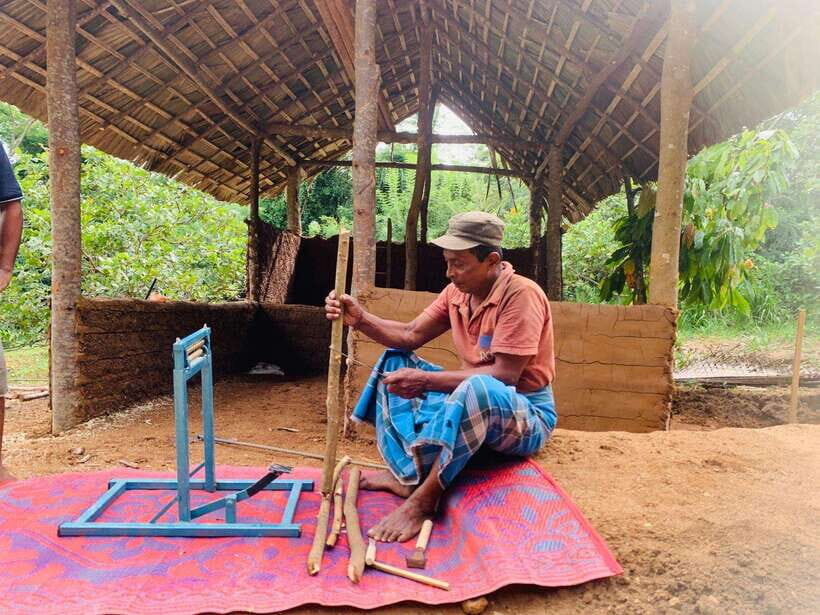
- Ceylon cinnamon hands-on work: peel bark, learn processing, and try the cinnamon-making steps
- Small group energy (max 10): more questions, less waiting, easier pace on the farm
- Spice garden walk with an expert guide: see and learn about cinnamon, black pepper, cloves, cardamom, and more
- Tasting sessions that mix flavors and ideas: farm-to-table spice tastings, fruit with spice blends, and spice-tea pairings
- Factory visit: see the spice processing journey and how quality is handled
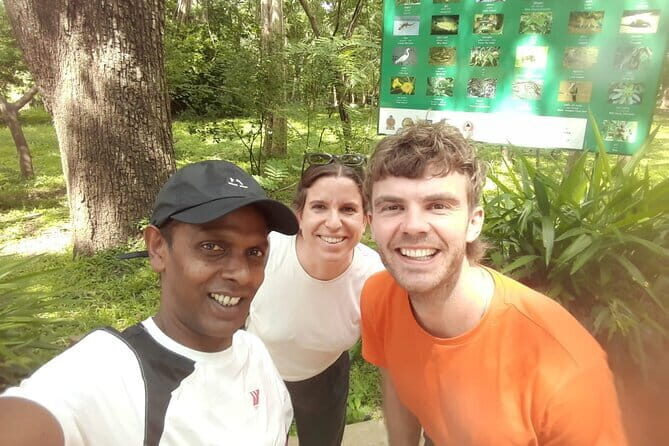
- Friendly, English-speaking guides: I saw names like Roha and Dilan come up for warm, patient explanations
Why Warala Watta’s spice garden feels like the real deal
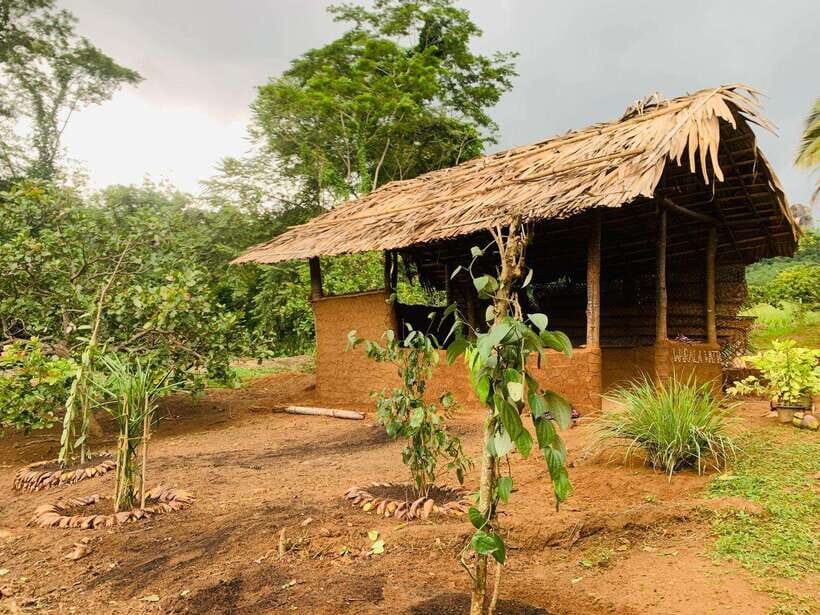
If you’ve only ever met spices in supermarkets, this tour changes the scale. Here, spices are living plants, drying bark, and finished products moving through a real farm and processing space. The goal isn’t just to show you leaves and jars. It’s to connect the dots between how cinnamon grows, how it’s processed, and why people use it.
The setting matters too. This is on a working spice farm (Warala Watta Farm Spice Garden and Organic Farm), so the tour stays grounded in daily production. You spend your time outdoors during the garden walk, then you switch gears and see how spices are processed afterward.
And even with all that learning, it stays friendly. The tour runs with a live English guide, and the small group size helps the whole thing feel calm rather than rushed.
The 3-hour flow: from cinnamon bark to your own cinnamon roll
This is a short tour with a full storyline. In roughly three hours, you get the garden walk, the cinnamon-making experience, tastings, and a factory visit. If you’re trying to fit Sri Lanka spice culture into a busy schedule, that time window is a big part of the appeal.
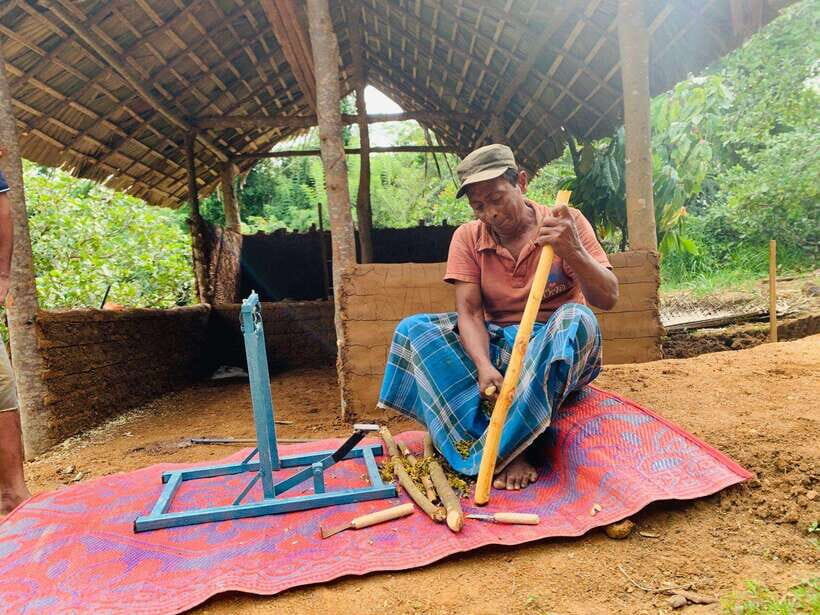
The core event is the Ceylon cinnamon experience. You’ll watch the full process start with harvesting/peeling bark and move through processing steps so the cinnamon quills are formed. Then you get to try it yourself—hands-on work is the difference between reading about cinnamon and really understanding what you’re eating.
One thing I like about hands-on spice work is that it teaches you to pay attention. Cinnamon processing has details you can feel: how the bark peels, how it’s handled, and how it becomes the quill shape you see in finished cinnamon. That’s a practical form of learning, not just a history lesson.
Walking the spice plantations with an English guide
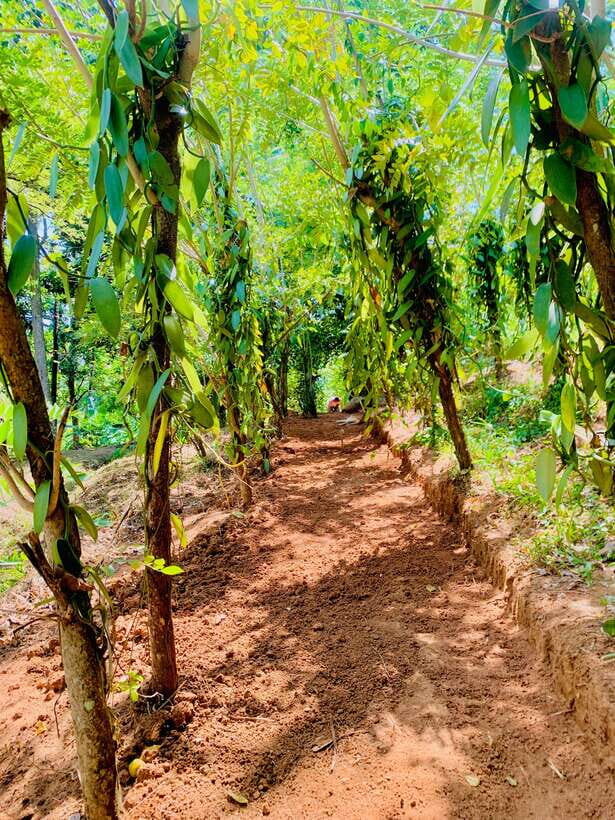
After the cinnamon part, you’ll move through the spice garden with a guided spice garden walk. This is where you see the range of what Sri Lanka is famous for, not just one spice at a time.
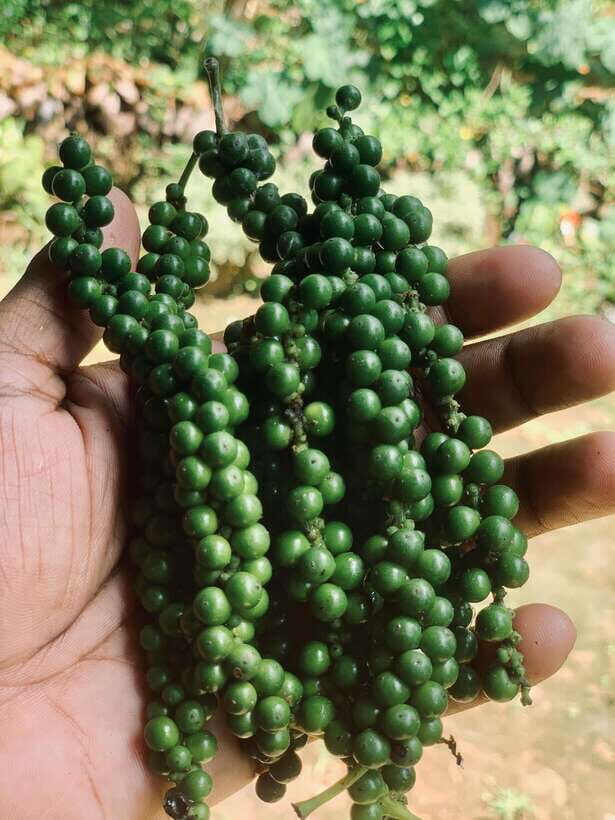
You can expect to encounter black pepper, cloves, cardamom, and other Sri Lankan spices in the same tour arc as cinnamon. The guide explains cultivation and history-related context, plus how these spices are used in culinary and traditional medicinal practices. Even if you’re a casual foodie, this kind of explanation helps spices make sense beyond flavor.
Because it’s a garden walk, wear practical shoes. You’ll be moving around farm paths, and the tour is designed as an active experience. If you hate walking in warm sun, plan your timing wisely and bring shade items—more on that below.
Farm-to-table tasting: how spices change fruit and tea
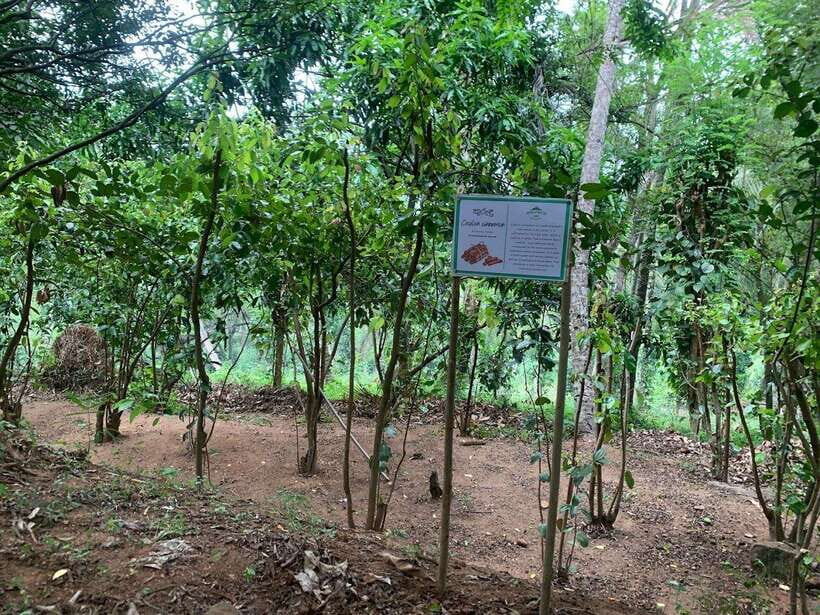
The tastings are one of the strongest reasons to book. Instead of a single sample, you get multiple tasting moments that link to what you just learned in the garden.
First comes a farm-to-table spice tasting with garden spices. You’re tasting fresh, not just ground spices. That matters because freshness changes aroma and intensity. The guide pairs the tastings with explanations, including discussion of health benefits tied to how spices are used.
Then you get to taste tropical fruit enhanced with Sri Lankan spice blends. This is a smart setup because it teaches you what spices do to sweet flavors. It’s one thing to taste cinnamon as a spice. It’s another to taste how it behaves next to fruit.
There are also spice-tea pairings as part of the sensory experience. Tea plus spice can feel subtle until someone points out what to look for. If you enjoy figuring out flavor like a puzzle, you’ll probably have fun with it.
The sensory challenge: training your nose, tongue, and fingers
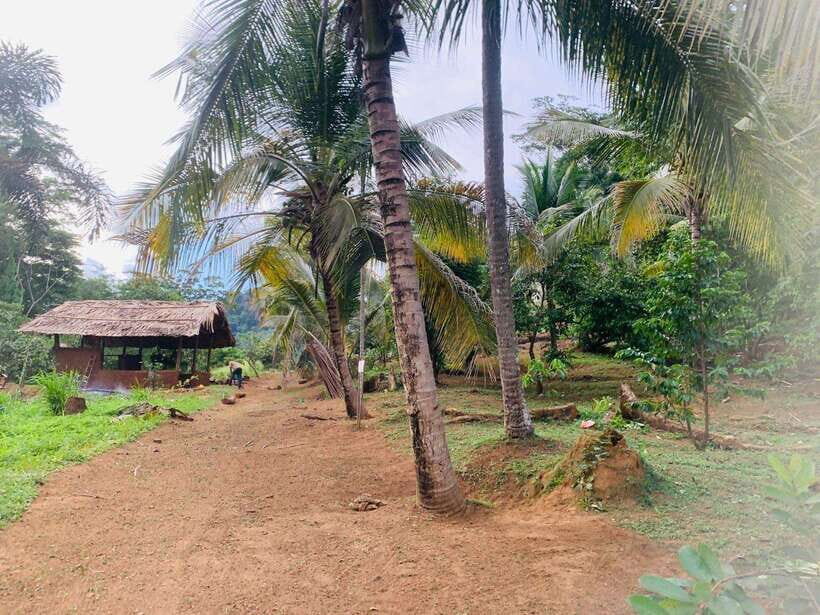
This isn’t a silent museum tour. You can expect a sensory component designed to help you identify spices through smell, taste, and touch in a fun, interactive way.
That sounds playful, but it’s actually useful. Many people travel home with spices but no idea how to use them. Sensory training helps you remember what different spices feel and smell like, so you can shop smarter and cook with more confidence later.
If you’re visiting with someone who likes games, this part also breaks up the learning. And since the group is kept small, it’s easier for the guide to keep the pace comfortable and answer questions.
The factory visit: watching spices become a product

After the garden walk and tastings, you’ll visit the spice processing factory. This is where the tour turns from nature to production.
You’ll get a tour through the spice processing journey, and you’ll learn about quality assurance. You’re not just seeing a room full of machinery. You’re seeing the steps that connect harvested plant material to what ends up as packaged spice.
This stop is valuable because it answers the practical question most people have: how does a plant become a stable, consistent product? The factory visit gives you a clearer understanding of what processing changes and why quality control matters.
Expect this section to feel more structured than the outdoor walking. It’s still part of the story, just in a different pace.
Price and value: what $20 really buys you
At about $20 per person for a three-hour tour, this experience compares well to tours that only show you a garden and sell spices at the end.
Here, the value stacks in a few ways:
- You get a guided spice garden walk plus expert explanations
- You get the hands-on cinnamon-making experience (not just observation)
- You get multiple tasting moments: garden spices, fruit with spice blends, and spice-tea pairings
- You get a factory visit that explains processing and quality
Transport and meals aren’t included, so you’ll need to plan those separately. But for the on-site program alone, you’re paying for several distinct parts in one compact time slot.
If you like structured cultural experiences with real food and hands-on learning, this price feels reasonable. If you only want one quick taste and a photo, you might find it a bit more active than you expected.
Practical tips: wear this, bring that, and don’t skip water

This tour is straightforward, but a few practical items will make your day better.
Wear comfortable shoes because the experience involves walking through the garden. Bring a hat, sunscreen, and water since you’ll spend time outdoors. Insect repellent is recommended, and for many parts of Sri Lanka that’s a wise call rather than a maybe.
A camera is allowed for personal use, which helps you remember what you saw later when you’re shopping for spices or planning meals.
Also keep in mind garden rules: no smoking, and be mindful of the garden’s ecosystem—don’t touch plants.
Finally, transportation is on you. The meeting point requires you to arrange your own transport to and from the spice garden. That can be easy if you’re already using local rides, but it’s worth factoring into your schedule.
Who should book this tour (and who should think twice)
This tour is a great fit if you:
- Want hands-on food learning, especially with cinnamon processing
- Enjoy sensory activities like smelling and tasting spices
- Like small-group tours where you can ask questions
- Are staying in Central Province and want a focused, three-hour spice experience
It’s less suitable if you need wheelchair access or have mobility impairments, since the experience includes walking in the garden. It also isn’t suitable for pregnant women per the tour’s information.
If you prefer a fully relaxed, no-walking cultural stop, you might find this too active. If you like doing things with your hands and learning by tasting, you’ll likely find it satisfying.
Should you book the Ceylon Cinnamon and Spice Garden Tour?
Yes—if you want a real farm-to-factory spice experience in a short window, this tour is a strong choice. The cinnamon-making component and the multiple tastings make it more than a basic plantation walk.
Book it especially if you’re the type who wants to come home with better spice knowledge, not just souvenir bags. The sensory challenge and tastings help you remember what cinnamon, pepper, cloves, and cardamom actually feel like to your senses.
Skip it if you can’t manage outdoor walking or you’re expecting a wheelchair-friendly route. And plan your transport in advance since the tour doesn’t include transfers.
If your schedule allows, it’s one of those experiences where you’ll understand the spices in a new way—and you’ll have tasting moments you can’t replicate from a cookbook.
FAQ
How long is the Sri Lanka Ceylon Cinnamon experience and spice garden tour?
The tour runs for 3 hours. Starting times depend on availability.
What does the tour include?
It includes a guided spice garden walk, the Ceylon cinnamon experience, farm-to-table spice tasting, tropical fruit tasting with Sri Lankan spices, and a factory visit.
Do I need to arrange my own transportation?
Yes. Transportation to and from the garden is not included, and you’ll need to arrange your own transport to reach the spice garden.
Is the tour guide available in English?
Yes. The tour has a live guide who speaks English.
What should I bring to the spice garden?
Bring comfortable shoes, a hat, a camera, sunscreen, water, and insect repellent.
Is the tour suitable for people with mobility impairments or wheelchair users?
No. It is not suitable for wheelchair users or people with mobility impairments, and it is also not suitable for pregnant women.