REVIEW · BENTOTA
Sri Lanka Bentota: Private Mangrove Lagoon and River Cruise
Book on GetYourGuide →Operated by Seerendipity tours (private) Limited · Bookable on GetYourGuide
If you like wildlife, you’re in the right place. This Bentota River cruise takes you from the bridge area into the mangrove lagoon, where the real show is the close-up ecosystem—roots, birds overhead, and animals that live right along the waterline. I like the private setup (small, calmer, less waiting) and how the cruise is built for animal spotting rather than just scenic cruising.
Two things I’d call out: first, the chance to see river crocodiles just under the surface is a big draw, and second, you also get a strong mix of smaller wildlife—lizards, monkeys, and lots of birds. One drawback to plan around: there’s no hotel pickup, so you’ll need to get yourself to the Bentota bridge meeting point on your own.
In This Review
- Quick takes: what makes the Bentota mangrove cruise work
- Bentota River from a motorboat: the 2-hour wildlife safari
- Meeting at the Bentota bridge: start simple, then watch the river wake up
- Inside the mangroves: twisted roots, still water, and slow scanning
- Wildlife game plan: crocodiles, lizards, monkeys, and birds
- Crocodiles (the suspense factor)
- Monitors, lizards, and smaller reptiles
- Monkeys and monkey feeding
- Birds overhead and along the edges
- What your captain and English guide actually do for you
- Price and value for a private Bentota lagoon cruise
- Practical tips to improve your sightings (and your comfort)
- Who should book this Bentota River mangrove cruise
- Should you book this private mangrove lagoon cruise?
- FAQ
- Where do I meet for the Bentota private mangrove lagoon cruise?
- How long is the cruise?
- Is this a private tour?
- What’s included in the experience?
- Is hotel pickup or drop-off included?
- Are food and drinks included?
- What wildlife might I see on the cruise?
- Is this tour suitable for pregnant women?
Quick takes: what makes the Bentota mangrove cruise work
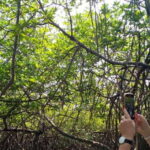
- Mangrove roots up close: twisted root systems let you scan for wildlife along the edges and in shallow water.
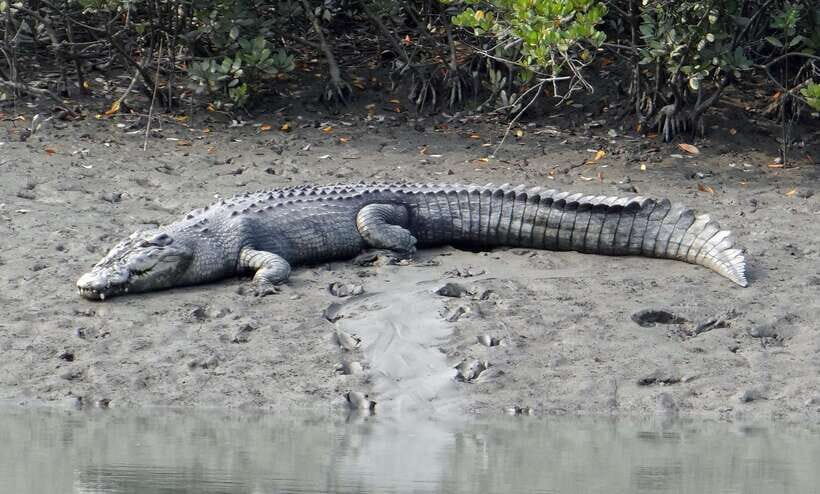
- Crocodile-spotting at eye level: you’re not far from the action when the captain slows down to look.
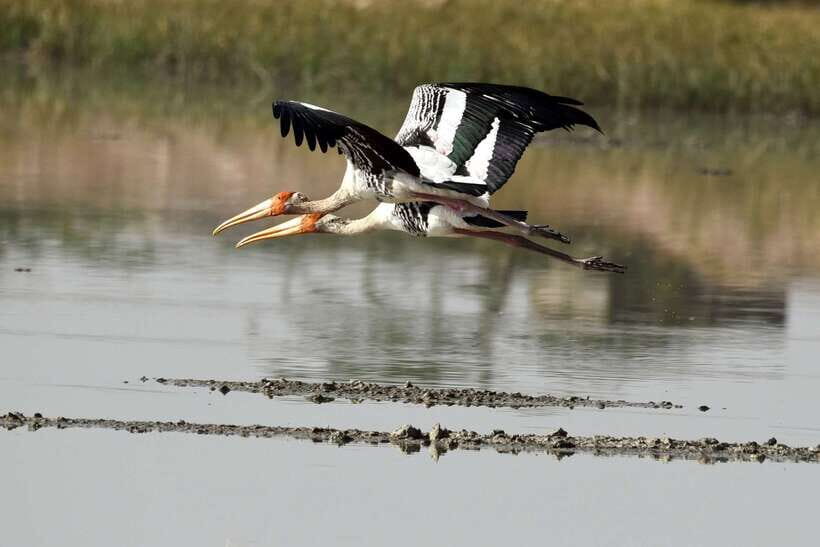
- Birdwatching overhead: keep your eyes up for kingfishers and cormorants, and possibly eagles or other raptors.
- Monkey time (with the guide handling it): there’s a strong chance of monkey activity when food is used as part of the experience.
- A real private safari feel: you move at your group’s pace, with an English-speaking guide.
- Two hours is the sweet spot: long enough for multiple sighting attempts, short enough to stay comfortable.
Bentota River from a motorboat: the 2-hour wildlife safari
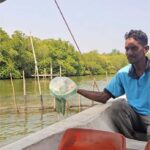
This is a straight-up river cruise, but the focus is wildlife. You’ll travel by motorboat along the Bentota River, then work your way into the dense mangrove lagoon nearby. Mangroves aren’t just scenery—they’re feeding and nesting zones. The twisted roots create hiding spots for animals, and they also slow the water, which helps birds hunt and animals linger close to the shore.
The timing matters. At 2 hours, you get enough time to settle in, learn what the guide is scanning for, and then enjoy a few slow passes where the boat pauses or moves more carefully. That’s usually when you get your best sightings—crocodiles near the surface, monitors along the banks, and birds perched in the canopy.
You should also know what kind of sightings are realistic here: this isn’t a guarantee of a specific animal at a specific moment. It’s a “work the ecosystem” cruise. The guide and captain can position the boat well, but wildlife still does wildlife things—staying still, moving quietly, and showing up only when conditions feel right.
The overall vibe is a mix of calm and suspense. You’ll be close to the water, and when you see a dark shape beneath the surface, you’ll understand why people come here with binoculars in mind (even if you don’t bring them).
Other Bentota tours we've reviewed in Bentota
Meeting at the Bentota bridge: start simple, then watch the river wake up
You meet near the bridge of Bentota, close to the Bentota River. That’s helpful because it keeps the trip direct: no long transfers, no waiting around in a hotel lobby. But it also means you’ll want to plan your arrival so you’re on time and not stressed.
At the start, you’ll pass some of the hotels lined along the shoreline. That brief stretch is basically your transition moment—from “town” to “river system.” Once you’re past that, the water changes character. The mangroves start to take over visually, and the soundscape shifts too: fewer human cues, more bird chatter and small animal movement.
Because this is a private group experience, you can settle in quickly and keep your attention where it matters. If your group has different interests—crocodiles for one person, birds for another—this format tends to work because the guide can adjust how often the boat slows and turns.
Tip from experience: if you care about photos, get your camera ready early. The start near the bridge is when you’ll be adjusting your gear and finding the best angle. Once you’re inside the mangroves, it’s harder to change lenses or fumble with straps.
Inside the mangroves: twisted roots, still water, and slow scanning
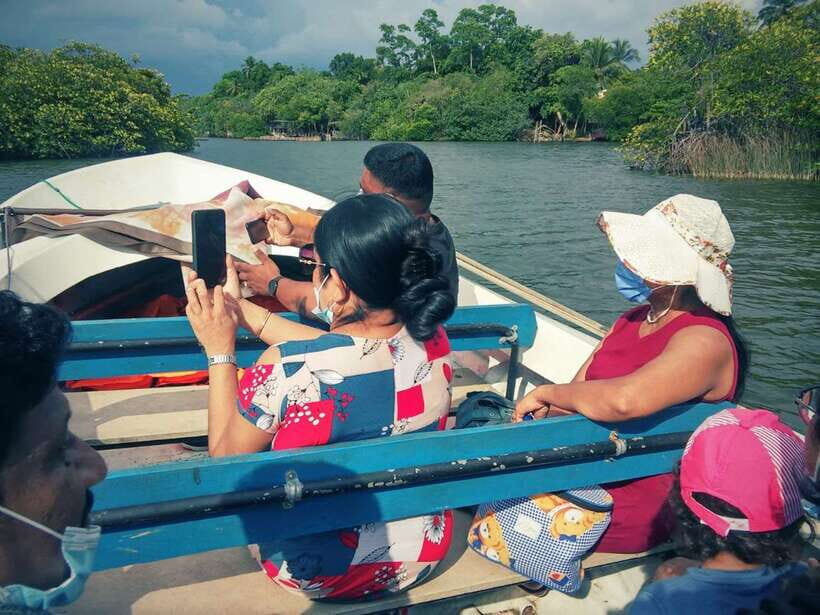
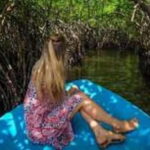
The mangrove lagoon is the main event. As you cruise in, you’ll notice those twisted root systems—some roots rise like fingers, others spread low toward the water. That structure is why mangroves are such effective wildlife habitat. Animals use roots as shelter, birds perch on them, and the water around them becomes calmer and more productive.
This part of the cruise is about slow looking. The guide helps you scan for movement under the surface and along the shore. Expect your eyes to go back and forth between three zones:
- the shoreline edges where small reptiles and amphibians hide
- the roots where birds land and wait
- the water just below the surface where bigger animals may hold still
If you’ve only seen mangroves from shore, a boat gives you a different perspective. You can line up the route so that you’re looking into the mangrove “maze” rather than just across it. That matters for spotting. Even when an animal doesn’t show clearly, you may see a ripple, a dark line, or a moment where an animal changes position.
The boat itself is motorized, so you’re not rowing for hours—but you’ll likely feel moments where the boat slows or pauses. Those are your chances. Wildlife spotting isn’t about speed. It’s about patience and position.
Wildlife game plan: crocodiles, lizards, monkeys, and birds
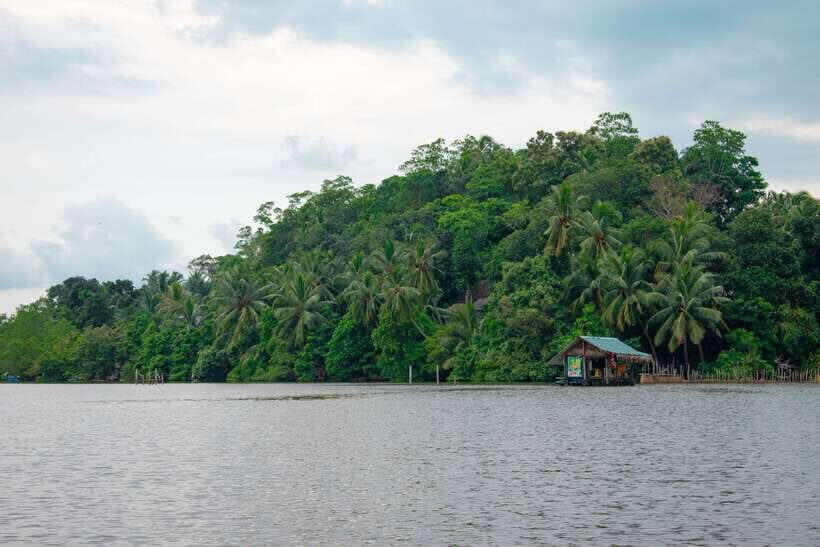
The Bentota River cruise is best understood as a wildlife mix—big and small, above and below. The listing highlights crocodiles, and the overall experience leans into that possibility.
Crocodiles (the suspense factor)
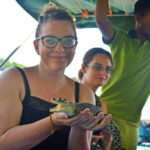
River crocodiles often lurk just below the surface. That phrasing is important because it changes how you look. Don’t only scan for the head sticking up. In mangrove areas, animals may be mostly hidden, leaving only a faint outline or a slight surface shift.
When the guide points something out, give it a moment. If it’s close, you may see quick movement; if it’s farther, you’ll mostly see stillness that suddenly resolves into motion.
Other boat tours in Bentota
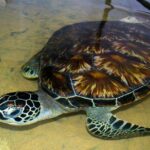
Monitors, lizards, and smaller reptiles
You might spot monitor lizards along the shoreline, along with other lizards and even tree frogs. The mangrove edges tend to be where these animals show up, because they can warm up, move between root cover, and watch the water.
If you’re looking for these, shift your focus away from only the waterline. Check logs, low branches, and shaded banks too. Small animals often appear when the boat slows near cover.
Monkeys and monkey feeding
One of the strongest themes from real experiences is monkey activity, and especially the role of the guide. In at least one case, the guide had the food for monkeys, which meant the monkey moment became a genuine highlight rather than just a distant sighting. If monkey feeding is part of your departure, pay attention to how the guide handles it and follow their lead.
If it’s not happening on your run, don’t treat that as a failure of the trip. Monkeys can be around one day and quiet the next, depending on timing and local movement patterns.
Birds overhead and along the edges
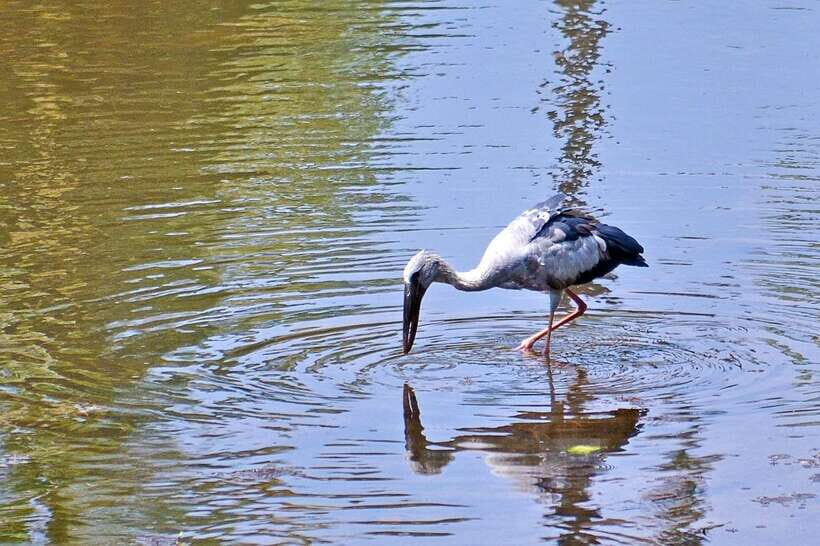
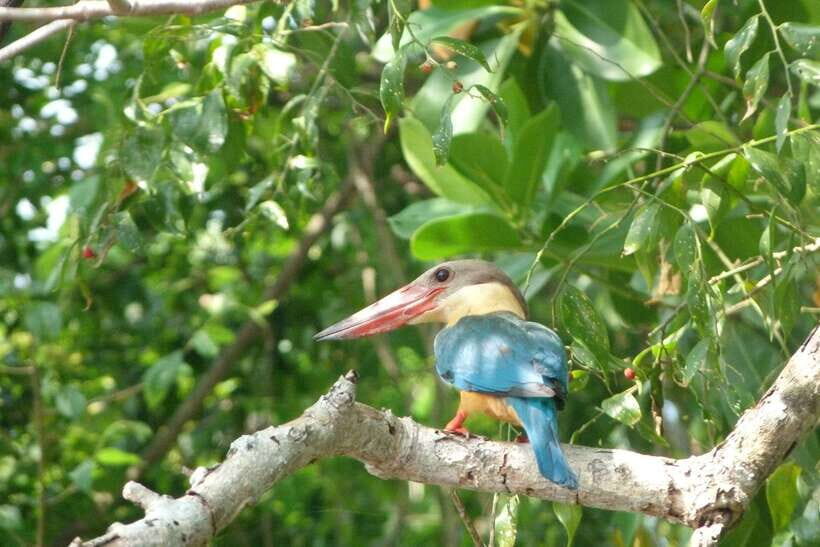
Bird life is constant on these river systems, and you’ll likely spot kingfishers and cormorants. The cruise also suggests possible sightings of eagles and babblers. Here’s the practical part: you’ll see birds in two ways:
- perched birds that are easy to pick out once you know where to look
- birds that fly in quick bursts, then settle again
Look for still perches near roots or overhanging branches. Then watch what happens when the boat changes speed or direction—often birds shift because the boat noise and movement changes the area.
What your captain and English guide actually do for you
This tour includes a captain, and it’s led with an English live guide. That matters because wildlife spotting is partly knowledge and partly teamwork.
A good guide helps you interpret what you’re seeing. For example, in mangroves, a dark patch could be water depth, shadow, a root, or an animal. The guide can point you toward the most likely target spots: where crocodiles hide, where monitors rest, and where birds are actively hunting.
It also helps with pacing. A wildlife cruise needs slower moments. The guide’s job is to time those moments so you can scan without turning the whole trip into a stop-and-go mess.
And yes, the guide can also shape your best chances at animal encounters. The monkey highlight I saw described from similar experiences came from the guide handling the feeding setup. That’s the kind of small detail that can turn a “we saw monkeys” trip into a “we had monkey time” trip.
Price and value for a private Bentota lagoon cruise
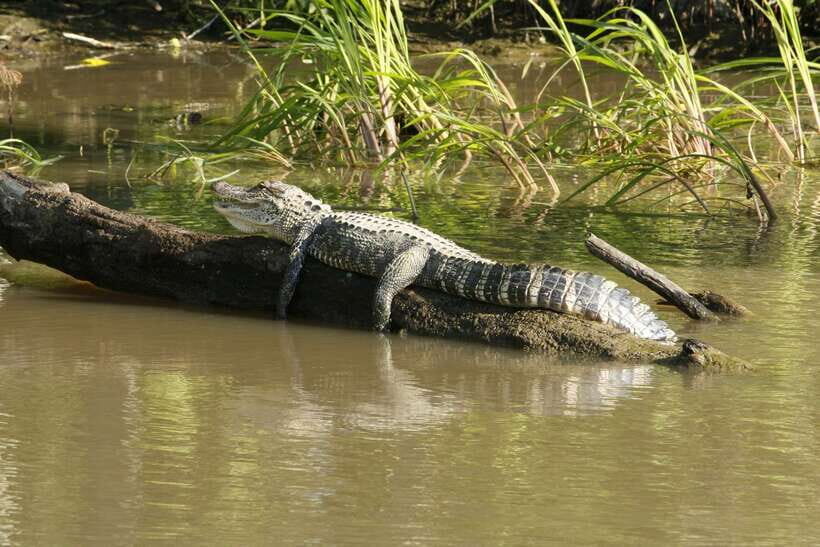
The price is listed at $58 per group (private), with duration 2 hours. If your group is truly just one traveler, that’s straightforward: you’re paying for a private wildlife boat outing rather than splitting cost with strangers.
So is it good value? For me, it comes down to what you’re buying:
- You’re buying time on the water in the mangrove zone, not just a quick river look.
- You’re buying wildlife-focused guidance, which can increase the odds of meaningful sightings.
- You’re buying privacy, which usually improves comfort and attention.
What you should watch: food and drinks aren’t included, and hotel pickup isn’t included. That doesn’t kill the value, but it means you’ll need to handle those basics yourself. If you plan to go empty-stomach, you’ll feel it after 2 hours. Pack water and a small snack so you’re not thinking about hunger while you’re trying to find crocodile eyes.
Also check how your private booking works for your exact group size. The listing shows a maximum of 1 in the price line, so confirm what the price covers for your departure. Private pricing can be a steal if it includes the whole small boat for your party—or a little pricier if you’re paying solo when you could have shared.
Practical tips to improve your sightings (and your comfort)
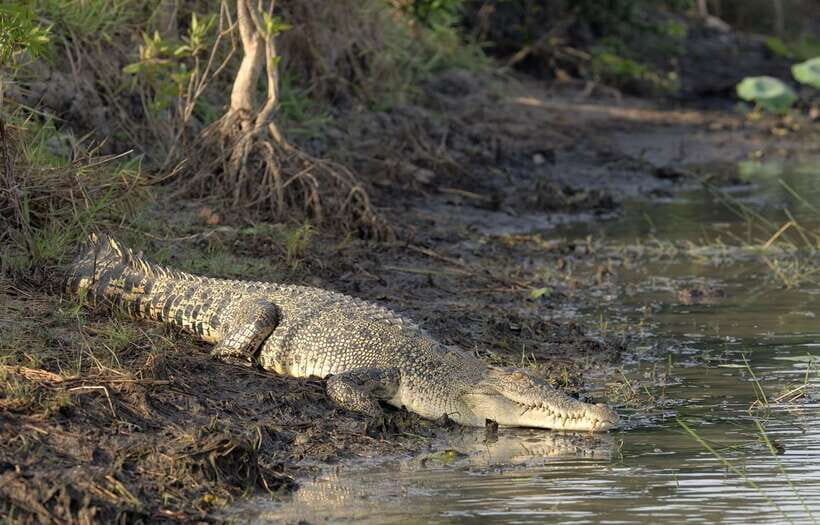
This is a boat cruise, so you want to travel like a person who plans to look closely, not a person who just wants a photo souvenir.
Bring:
- Water (drinks aren’t included)
- Sun protection for the shoreline passes and mangrove edges
- Light layers if you get chilly on the water
- A phone/camera strap so you’re not fumbling with gear
Dress:
- Closed-toe shoes are smart around boats
- Avoid super-hunky outfits that trap heat if it’s warm
Behavior:
- When the guide slows down, switch to quiet scanning mode. Movement and talking loudly can make it harder to spot animals that are already cautious.
- If you see a “still” patch in the water, give it a few seconds. Crocodiles can change position fast—or stay perfectly still long enough to test your patience.
And one more real-world tip: plan your transport to the meeting point. Since there’s no pickup, it’s easy to lose time if your tuk tuk driver or local ride only works out verbally. If you’re arranging a ride, agree on the price up front and be ready to document the arrangement. That’s not fun, but it saves stress.
Who should book this Bentota River mangrove cruise
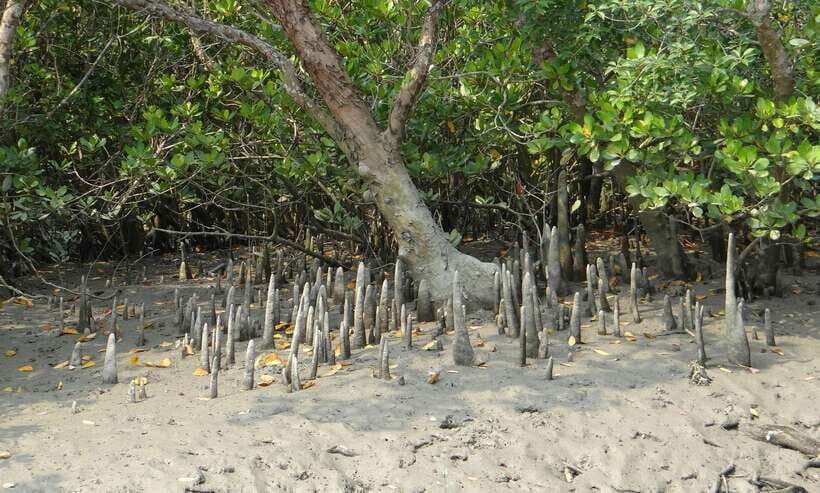
This works best if you fit at least a couple of these:
- You want wildlife spotting rather than a generic sightseeing boat ride.
- You like mangroves and want to see them from the water.
- You’d prefer a private group for a calmer pace.
- Your group enjoys birds and smaller reptiles as much as big animals.
Skip it or think twice if:
- You’re pregnant. The activity is listed as not suitable for pregnant women.
- You hate uncertainty. You’ll likely see wildlife, but specific sightings like a crocodile surfacing aren’t guaranteed.
Also, it’s ideal for a short “nature reset” between beach days around Bentota. It’s not a full-day expedition. It’s a focused burst of river ecology.
Should you book this private mangrove lagoon cruise?
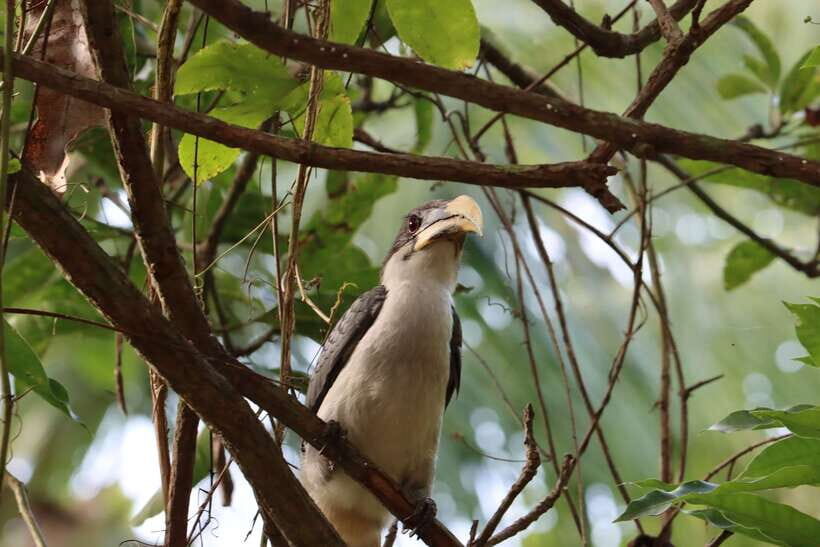
I’d book it if you want a straightforward 2-hour wildlife cruise in Bentota with a private feel and an English guide. The value is strongest when you care about seeing animals in a real mangrove setting—especially when you’re excited about the possibility of river crocodiles, plus the mix of monkeys, lizards, and birds.
Only hold off if you can’t get yourself to the Bentota bridge meeting point, or if you’re hoping for a fully predictable checklist of animals. If you’re okay with a safari-style “scan and maybe” approach, this one is a solid choice.
FAQ
Where do I meet for the Bentota private mangrove lagoon cruise?
You meet at the bridge of Bentota near the Bentota River.
How long is the cruise?
The duration is 2 hours.
Is this a private tour?
Yes, it’s a private group.
What’s included in the experience?
Included are the river cruise by motorboat and the captain.
Is hotel pickup or drop-off included?
No. Hotel pickup and drop-off are not included.
Are food and drinks included?
No. Food and drinks are not included.
What wildlife might I see on the cruise?
You may see native wildlife such as crocodiles, monitors, lizards, monkeys, and many bird species like kingfishers and cormorants.
Is this tour suitable for pregnant women?
No, it is listed as not suitable for pregnant women.