REVIEW · POTTUVIL
Kumana National Park : Private Half-Day Jeep Safari
Book on GetYourGuide →Operated by Arugambay Agenda · Bookable on GetYourGuide
Kumana has a talent for turning quiet mornings into sightings. On this private half-day jeep safari from Arugam Bay, I like how the time is spent where wildlife actually is, plus how the English-speaking guide helps you read the park instead of just driving through it. The second big win for me is the bird focus: you’re set up for proper birdwatching in a place known for 255+ species. One drawback to keep in mind: the ride and guiding quality can vary, and you may want to manage expectations about included drinks and vehicle comfort.
You’ll choose a morning run (05:00 AM–11:00 AM) or an afternoon run (01:00 PM–07:00 PM), with a safety briefing early on and a long game drive window inside the park. Pickup is from Arugam Bay or Pottuvil, and you’ll be back later the same day with drop-off at those same areas. If you’re pregnant, have heart issues, back problems, or low fitness, this isn’t the best fit, and there’s no wheelchair access.
In This Review
- Key things that make this Kumana safari worth your time
- Kumana National Park: the reason this safari stays on your mind
- Morning (05:00 AM) vs afternoon (01:00 PM): how timing changes your odds
- Arugam Bay or Pottuvil pickup: what the drive day feels like
- Inside the park: how the 4 hours of wildlife viewing works in practice
- The wildlife list: what you can reasonably expect to see
- Private safari expectations: what private usually means here
- English guide support: why it changes more than you think
- Comfort and safety in a 4WD jeep: the good and the bumpy truth
- Price and value: is $87 per person fair for what you get?
- Who this Kumana safari suits best (and who should skip it)
- Should you book this Kumana jeep safari?
- FAQ
- Morning or afternoon: which one should I choose?
- Where does pickup happen?
- How long is the safari total?
- Is this safari private?
- Do I get a guide, and what language?
- What animals can I hope to see?
- Are park entry fees included?
- Are refreshments included?
- Is alcohol allowed?
- Is it wheelchair accessible?
Key things that make this Kumana safari worth your time
- A real game-drive chunk: about 4 hours inside Kumana, not just quick photo stops.
- Birdwatching built in: 255+ bird species in the park means the route isn’t only about mammals.
- Spotting support: strong wildlife-spotting from guides, with names like Rishi and Hanas showing up in praised experiences.
- Flexible timing: morning and afternoon departures so you can match your energy and light.
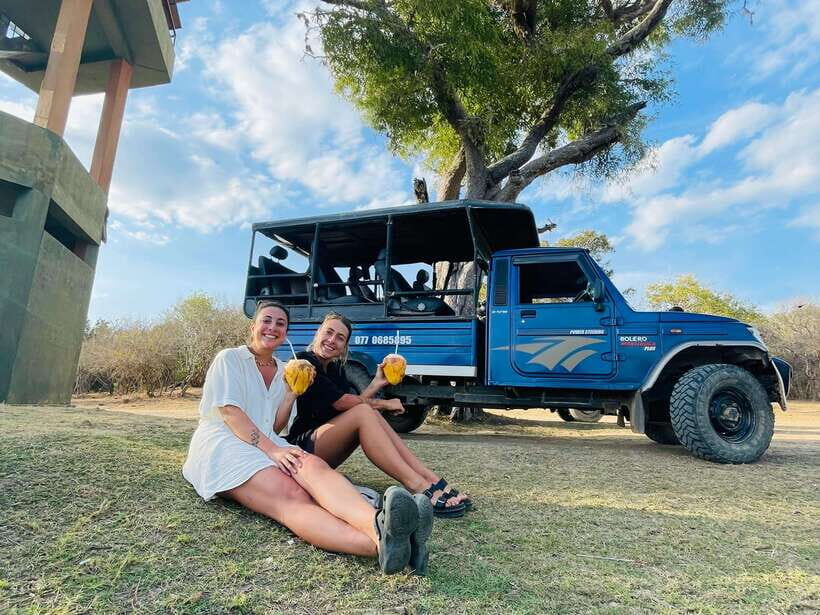
- 4WD transportation: used to handle rougher tracks, though ride comfort can be hit-or-miss.
Kumana National Park: the reason this safari stays on your mind
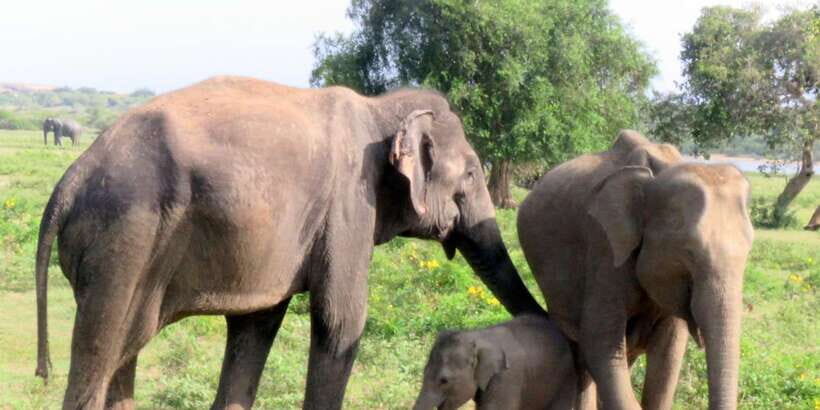
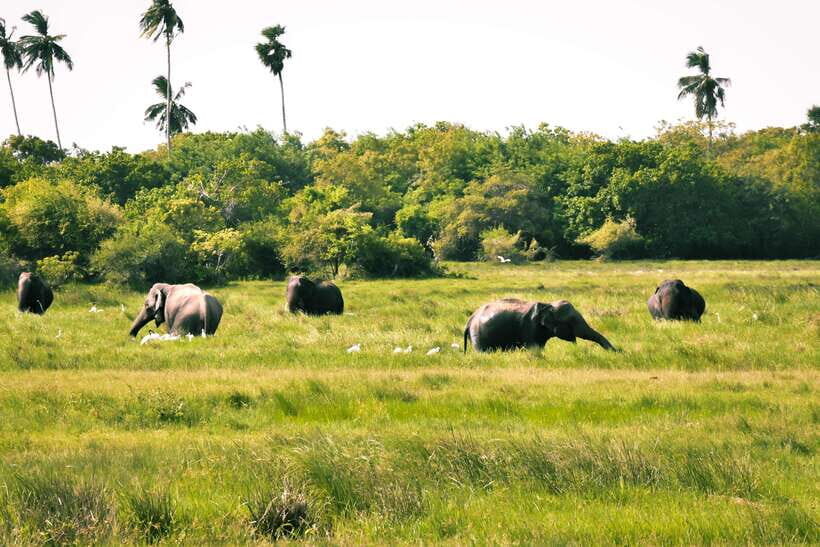
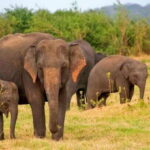
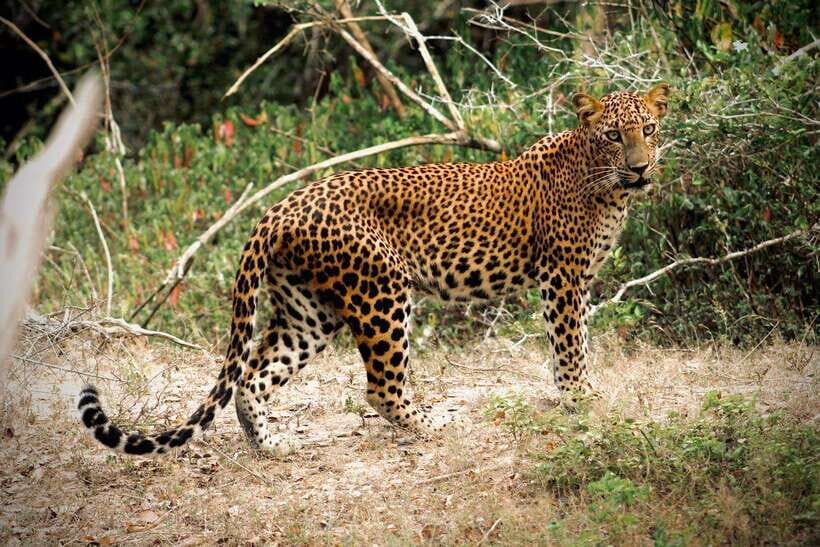
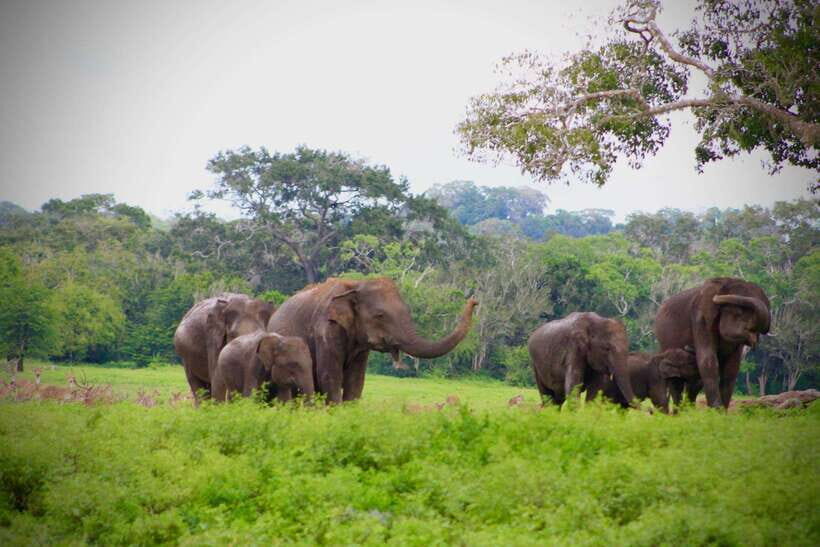
Kumana National Park is the kind of wildlife place where the day can turn fast. The park is known for mammals like leopards, elephants, and sloth bears, plus reptiles and bigger grazing animals such as crocodiles, jungle buffaloes, and spotted deer. And then there’s the birds: 255+ species is a serious number, the sort that turns this into a trip for birdwatchers, not only safari hunters.
That mix matters. If you’re the type who worries you might miss the big cats, you still have a full menu of wildlife possibilities: elephants can draw you into the quiet moments, crocodiles add the watch-your-step tension, and birds keep you engaged even when mammals stay hidden. The safari format here is designed around that reality: you spend time in the park with a guided approach, not just a one-lane drive through.
If you're still narrowing it down, here are other tours in Pottuvil we've reviewed.
Morning (05:00 AM) vs afternoon (01:00 PM): how timing changes your odds
The tour gives you two clear options: a morning safari from 05:00 AM to 11:00 AM or an afternoon safari from 01:00 PM to 07:00 PM. That’s not just a schedule choice; it affects what you’ll notice.
In Kumana, wildlife viewing often improves when you catch animals more actively moving, and early light helps visibility. One practical touch you’ll like is that guides may stop on the way in specifically to watch the sunrise, which can set the tone for the whole outing. In the afternoon slot, you still get time for sightings and the route includes sunset-style viewing moments, so you can chase different behavior patterns rather than running the same drive twice.
If you want the best chance at that first burst of energy, go morning. If you prefer a slower day and don’t want an early wake-up, the afternoon option is still built as a proper half-day in the park.
Arugam Bay or Pottuvil pickup: what the drive day feels like
This safari is designed around convenience for the Arugam Bay area. You get pickup and drop-off from locations around Arugambay, with two options: Pottuvil and Arugam Bay. The driver typically arrives about five minutes before pickup, and you wait in the hotel lobby until the scheduled time.
Once you’re in the vehicle, plan on a real travel day rhythm. The itinerary includes a short segment by jeep/SUV before you even reach the park—about 45 minutes—then you settle into the park experience for roughly four hours. Afterward, there’s another 45 minutes of ride back before drop-off.
This matters because Kumana is not a quick trip you do between lunch and dessert. You should treat it as a focused outing. If you’re someone who gets impatient on bumpy roads, prepare yourself for the fact that 4WD vehicles do road work, not highway comfort.
Inside the park: how the 4 hours of wildlife viewing works in practice
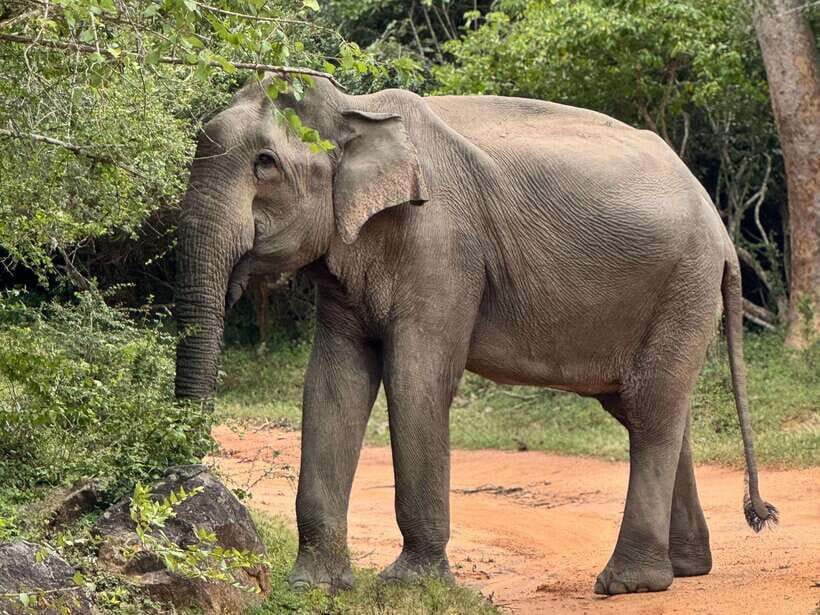
Once you enter Kumana National Park, the tour shifts into a full-on viewing block. You’ll get a guided tour and sightseeing time, plus a mix of scenic driving and game drive-style searching. The tour outline also flags sunrise/sunset style viewing, which is why the morning and afternoon timing options aren’t interchangeable.
Here’s what you’re really buying with those hours: time. Wildlife doesn’t show up on your timetable. The best safari days often come from repetition—slow movement, careful stopping, and giving animals time to resume normal behavior after the vehicle arrives.
A good guide is a huge part of this. Some of the strongest experiences in the feedback mention a motivated driver and a guide with a sharp eye for wildlife and birds. Names like Rishi and Hanas come up in praised guides, and the common thread is that they help you spot animals you’d otherwise overlook.
The main caution is that not every outing runs the same. If your vehicle doesn’t stop at the right moment or the engine isn’t managed well during viewing, it can reduce how close you get and how long you can watch. That’s something to keep in mind when you’re judging value, especially at this price.
The wildlife list: what you can reasonably expect to see
You’re not guaranteed a leopard on any safari. What you can expect is a realistic chance at Kumana’s headline animals, plus plenty of backup wildlife if the cats stay out of sight.
From the tour description, your viewing possibilities include:
- Leopards and elephants (the headline sightings)
- Sloth bears (less common, but listed as part of the safari’s aim)
- Crocodiles and jungle buffaloes
- Spotted deer
- Plus a large bird selection, with 255+ species noted for the park
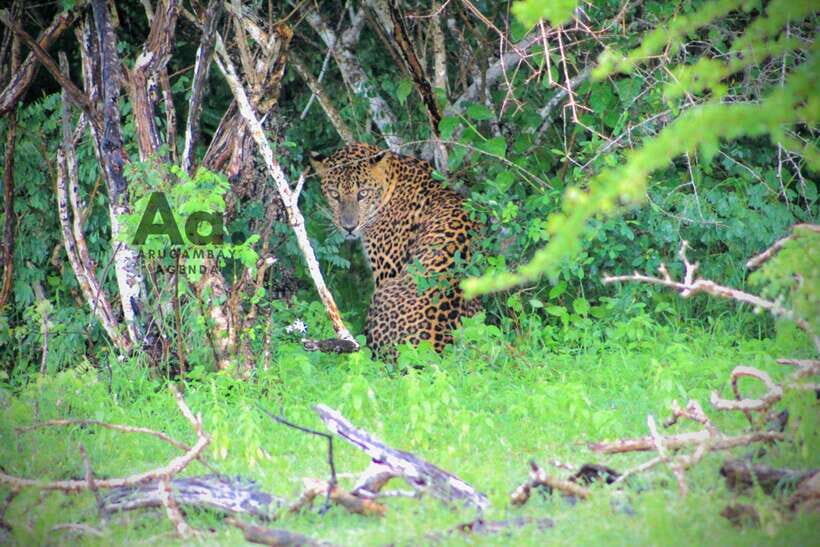
When leopards do show up, it can be a slow, watch-and-wait moment. One praised safari experience described a leopard sitting close to the 4WD for an extended period, which shows you how patient the best days can be. For elephants, you’ll often notice them before you fully see them—movement in the brush, tracks, calls. Then suddenly they appear and the whole vehicle goes quiet.
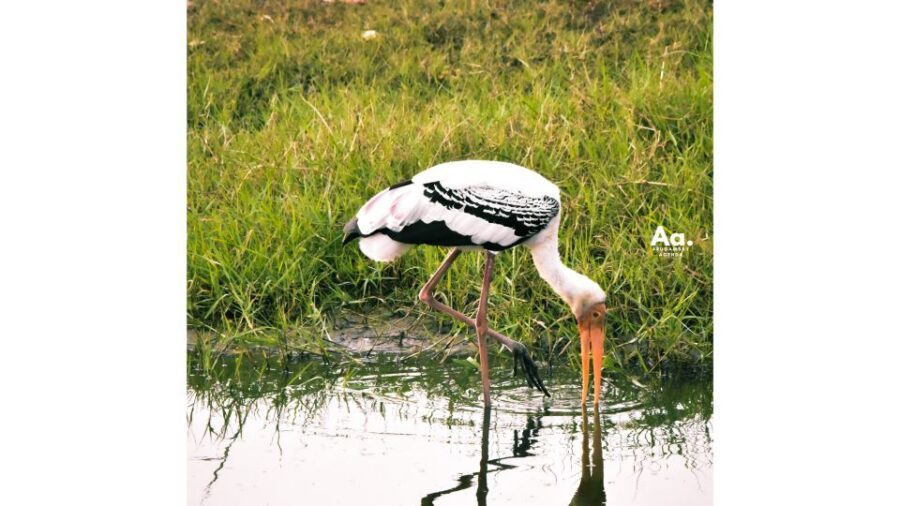
And birds? This is where a lot of safari value gets earned. Even if large mammals are off in the distance, birds keep your attention locked in. You get a guided approach to species spotting, which is especially helpful when you’re not sure what you’re looking at.
Private safari expectations: what private usually means here
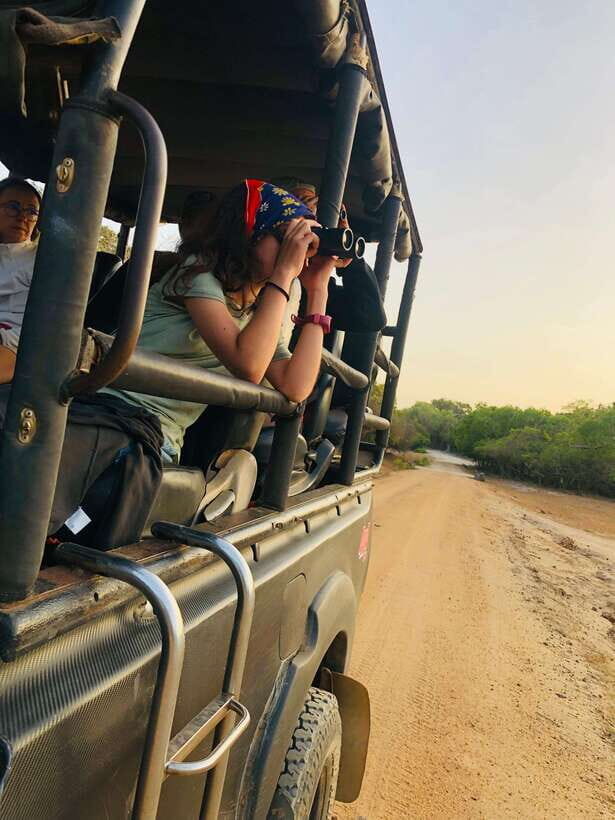
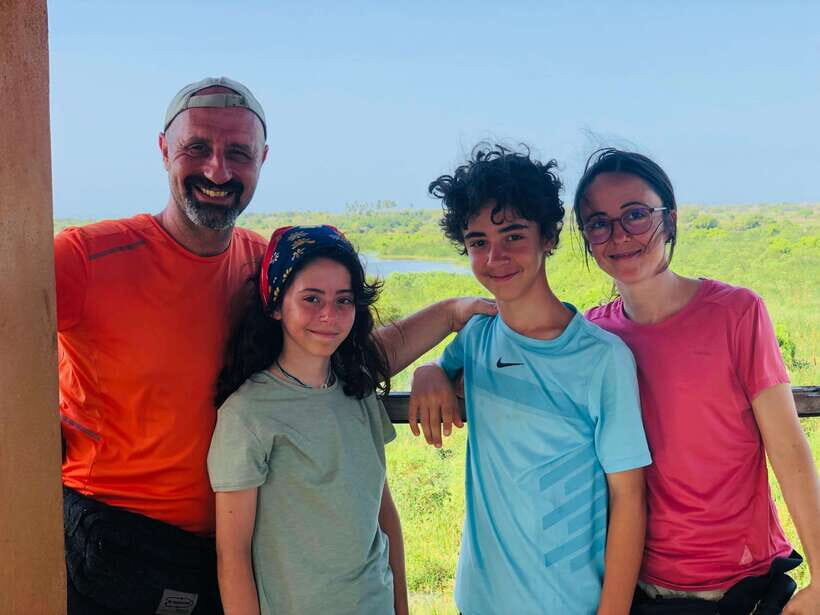
This experience is marketed as private, and it does include a private vehicle. Pickup and drop-off are built around you, and the plan is to have an English-speaking guide with you during the outing.
Still, it’s worth reading private as a promise of focus, not just a label. There are reports tied to this product that suggest on some days other people may share the jeep, and that communication can sometimes be limited if the driver is acting more like a chauffeur than an active guide.
So, how do you make private actually work for you? You want to ask a simple question before you roll: will your guide be actively involved in spotting and explaining species, or is it mostly a driver-led route? If the answer is unclear, you can adjust your expectations on the spot. When the guide is fully engaged, the difference shows up immediately in what you see and how much you understand about it.
English guide support: why it changes more than you think
The tour includes an English-speaking guide, and that’s a real advantage in wildlife country. Animal spotting is only half the job; identification and context are the other half. A good guide helps you understand why an animal is where it is and what to watch for next, so your time in the park becomes more satisfying.
Some of the best feedback highlights a guide with a friendly, knowledgeable style and an eye for wildlife. The stories mention everything from leopard sightings to crocodiles and countless birds, with the guide helping connect those sightings to what’s happening in the ecosystem.
On the flip side, where value can drop is when guiding feels minimal. If you find yourself watching without explanations, the safari becomes mostly a road trip with stops. At the posted price, that matters—because you’re paying for both the transportation and the interpretation.
Comfort and safety in a 4WD jeep: the good and the bumpy truth
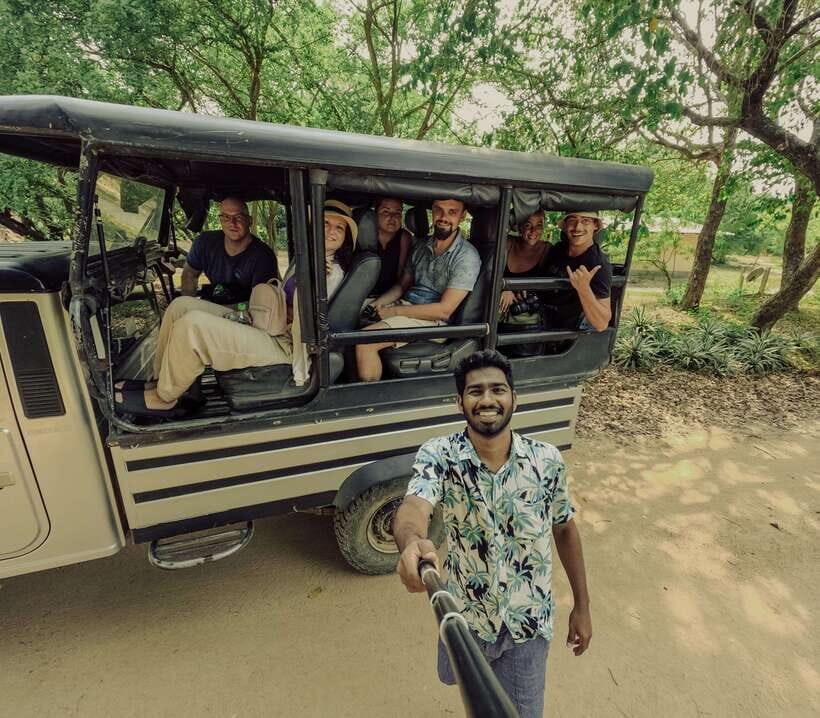
The description emphasizes comfort and safety with a smooth ride in 4WD trucks. You’ll also get a safety briefing at the start, and the vehicle is meant to handle rugged terrain.
But comfort is personal, and not every jeep feels the same on uneven ground. Some feedback includes complaints about vehicle shocks and how rough it can be over bumps or potholes. That doesn’t mean every ride is like that, but it does mean you should mentally prepare for a more rugged journey than a city taxi.
If you have back problems, the tour description specifically says it’s not recommended. If you have heart problems or low level of fitness, it’s also not recommended. That’s the clearest signal you’re getting about comfort and physical strain, so don’t ignore it.
Price and value: is $87 per person fair for what you get?
At $87 per person for a roughly 6-hour total outing, you’re paying for three main things: park access costs (entry fares and taxes), a private vehicle and driver, and an English-speaking guide plus included refreshments.
That’s reasonable when the guiding is active and the vehicle experience matches expectations. When the guide is on point, the value becomes obvious because you see more than you’d catch on your own and you get useful info along the way.
Where it can feel overpriced is when two things happen:
- The guiding doesn’t feel like it’s happening much beyond driving.
- Included drinks don’t show up as promised, or the ride is much rougher than expected.
So the smartest value move is not to “guess.” Before departure, confirm that your included refreshments are part of your plan for the day, and ask how guiding will work in practice. If the operator is responsive, your odds improve immediately.
Who this Kumana safari suits best (and who should skip it)
This safari fits well if you:
- Want a focused wildlife outing from the Arugam Bay area
- Care about both mammals and birds
- Like the idea of a guided search and a long viewing window inside the park
- Are comfortable with early starts for the morning slot
It’s not a great match if you:
- Need wheelchair access (not wheelchair accessible)
- Are pregnant (not recommended)
- Have heart problems (not recommended)
- Have back problems (not recommended)
- Have low fitness levels
- Prefer a super-smooth, city-style ride
Also note the basic rules: no alcohol or drugs, and no weapons or sharp objects. Keep your day gear simple and you’ll avoid headaches.
Should you book this Kumana jeep safari?
Book it if you’re excited by the combination of leopards, elephants, crocodiles, and a serious bird list, and you want a guide who can help you find animals you might miss. The strongest versions of this safari are built around time in the park and active spotting support, and that’s where the memorable days come from.
Hold off or ask more questions if you’re very sensitive to rough rides or if you strongly care about detailed guiding and guaranteed comfort. At this price point, you’re allowed to expect the basics to be handled well—especially vehicle comfort, real guiding, and the included refreshments.
If you go in with the right expectations—wildlife time, not guaranteed headlines—you’ll likely find this is a solid half-day wildlife outing from Arugam Bay.
FAQ
Morning or afternoon: which one should I choose?
You can choose either a morning safari from 05:00 AM to 11:00 AM or an afternoon safari from 01:00 PM to 07:00 PM.
Where does pickup happen?
Pickup is available from two options around Arugam Bay: Pottuvil and Arugam Bay.
How long is the safari total?
The tour duration is listed as 6 hours.
Is this safari private?
It’s described as having a private vehicle, but some experiences may involve other people in the jeep, so it’s smart to confirm what private means on your departure.
Do I get a guide, and what language?
Yes. The tour includes an English-speaking guide.
What animals can I hope to see?
The tour description highlights leopards, elephants, sloth bears, crocodiles, jungle buffaloes, spotted deer, and many bird species.
Are park entry fees included?
Yes. All entry fares, tickets, and taxes are included.
Are refreshments included?
Yes. Complementary refreshing drinks are included.
Is alcohol allowed?
No. Alcohol is not allowed on this activity.
Is it wheelchair accessible?
No. The tour is not wheelchair accessible, and it is not suitable for people with mobility impairments.