REVIEW · KANDY
Kandy to Trincomalee Shuttle & Safari Drive
Book on Viator →Operated by Tuktukdude Leisure · Bookable on Viator
Elephants first, with a drive that actually gets you somewhere. This Kandy-to-Trincomalee safari day is built around Sri Lanka’s big elephant gatherings, with an open 4×4 jeep and a trekker who helps you spot wildlife at the right lake-area spots. I especially like that you start mid-morning (11:30am) and you still finish with a drop in Trincomalee and Niaveli, so the day does double duty. I also like that evening snacks and bottled water are included for the long haul. One thing to consider: you’re not promised a quiet, empty park—this area can be busy with other jeeps, and you should be ready for that.
You’ll be picked up in Kandy, transferred in a vehicle to the safari area, then head out in an open safari jeep for several hours. The park choice can shift based on animal movement, which is exactly what you want if your main goal is elephants. The route may be Minneriya, Kaudulla, or Hurulu Eco National Park, depending on where wildlife is moving and feeding.
In This Review
- Key Highlights You’ll Care About
- Kandy to Trincomalee in One Day: Why This Format Works
- Pickup at 11:30am and the Day’s Rhythm in the Open Jeep
- Kaudulla, Minneriya, or Hurulu: Why the Route Shifts With Wildlife
- Minneriya National Park: The Lake-Area Elephant Story
- What You’re Actually Looking For on Safari
- The Trekker-Led “Where to Look” Part
- Snacks, Water, and the Real Timing of an 8-Hour Day
- Price and Value: What $100 Covers (and What It Doesn’t)
- Group Size, Solo Travelers, and When to Book
- Weather and Real-World Reality
- Who This Safari Drive Is Best For
- Should You Book This Kandy to Trincomalee Safari Drive?
- FAQ
- What time does the safari start?
- Where does the tour pickup happen?
- What parks might be visited?
- How long is the experience?
- What’s included in the price?
- Are national park entrance fees included?
- How large is the group?
- Is it suitable for solo travelers?
- What happens if there’s bad weather?
Key Highlights You’ll Care About
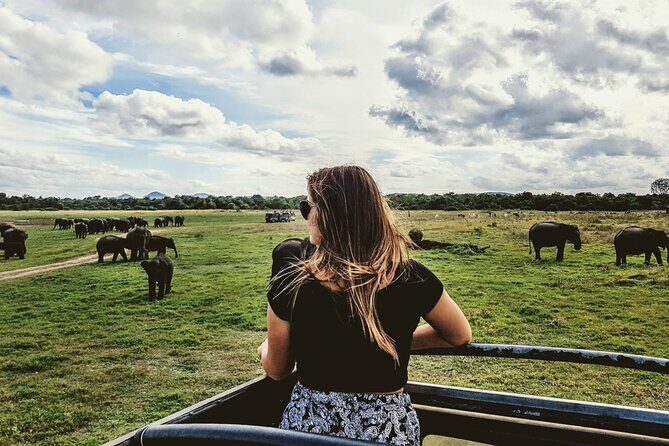
- Elephant-gathering hunting ground near the lake, where the biggest crowds of elephants form in Sri Lanka’s dry-season feeding areas
- Open concept 4×4 safari jeep plus a trekker who guides where to look
- Park choice adapts to wildlife behavior, so your day isn’t locked to one specific site
- Evening snacks and bottled water included, so you don’t feel stuck waiting for food
- Up to 10 people on the safari, keeping the experience more manageable
Kandy to Trincomalee in One Day: Why This Format Works
This is not just a safari and not just a shuttle. It’s a smart way to move from central Sri Lanka to the east while still getting prime wildlife time. Instead of spending the day doing one thing only, you get a mid-day safari drive and then you’re carried forward to Trincomalee and Niaveli when the sun starts easing off.
The big value here is timing. Starting at 11:30am gives you a good chunk of the day while still keeping it realistic to reach the coast area afterward. Safari spots in these parks are largely about light and animal movement, and the schedule is set up to put you in the right place for that.
Also, the vehicle plan is practical. You don’t just jump straight into a jeep from your hotel door. You’ll be picked up in Kandy, then you shift to an open 4×4 at the meeting point for the safari part. That reduces wasted time and helps the safari day feel focused.
Other Kandy tours we've reviewed in Kandy
Pickup at 11:30am and the Day’s Rhythm in the Open Jeep
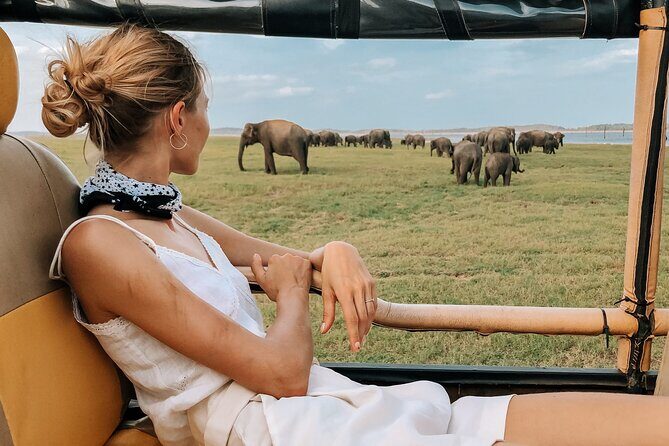
From your Kandy hotel pickup, the day runs like a coordinated transfer with a real activity inside it. You’ll leave Kandy around 11:30am, then arrive at the safari meeting point where you’ll switch into the open safari jeep.
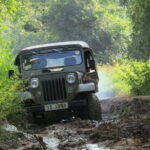
That open 4×4 detail matters more than it sounds. In an open-sided vehicle, you tend to feel the speed and the breeze right away, and you’ll spend a lot of time looking outward. For me, that makes the safari more hands-on—you’re not trapped facing one direction in a closed van. Just be ready for sun and wind since you’re in an open format.
Safari time is built around a trekker-led approach. The trekker directs you to the spots where animals are likely to show up. In these parks, it’s less about “driving randomly” and more about finding the feeding and drinking areas where wildlife concentrates.
Your day also includes bottled water and evening snacks. That’s a big comfort factor on an 8-hour schedule, especially if you’re doing this as part of a longer Sri Lanka route and you don’t want to spend the day tracking down food.
Kaudulla, Minneriya, or Hurulu: Why the Route Shifts With Wildlife
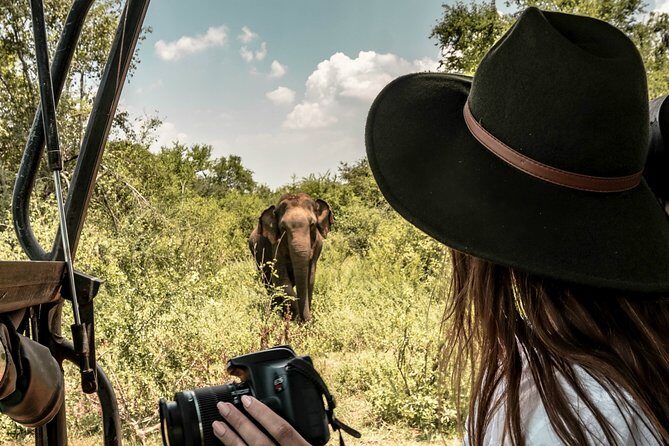
One of the most interesting parts of this experience is that you’re not guaranteed a single park. Instead, the safari location is chosen based on the transitioning behavior of wildlife creatures. In plain terms: the operator is responding to where the animals are showing up and feeding.
So your day could center on Minneriya, Kaudulla, or Hurulu Eco National Park. All three are linked to Sri Lanka’s dry-season feeding patterns, and all are known for the kind of elephant gatherings that make this region famous.
This adaptive strategy is exactly what you want if your priority is seeing elephants at the right moment. Elephants don’t follow a calendar for tourists. They follow water, feed, and the rhythm of the dry season. By letting wildlife movement influence the park choice, you increase your odds of hitting that strong “gathering” phase.
Minneriya National Park: The Lake-Area Elephant Story
Even with the possibility of other parks, Minneriya is a key name in this kind of safari day, and it’s worth knowing why. Minneriya National Park was designated a national park in 1997, after being a wildlife sanctuary long before that. The reason for protection is tightly tied to the Minneriya tank, which has historical importance as a reservoir built in the third century AD by King Mahasen.
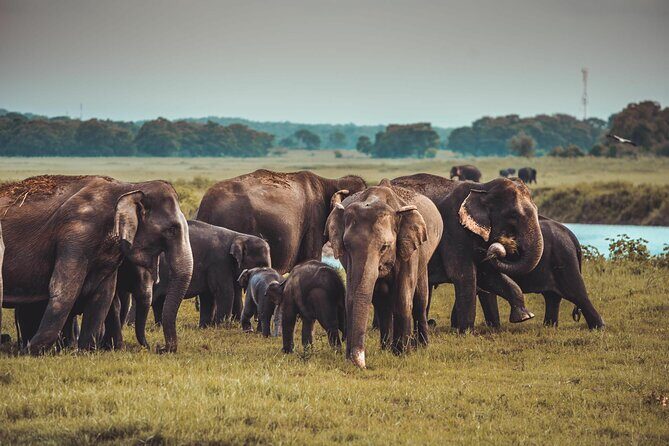
In the dry season, tanks like this act like lifelines. Minneriya is described as a feeding ground for elephants that dwell in forests of Polonnaruwa and Trincomalee districts. That’s the core “why” behind the elephant crowds: the elephants come to the water and the food opportunities connected to that tank system.
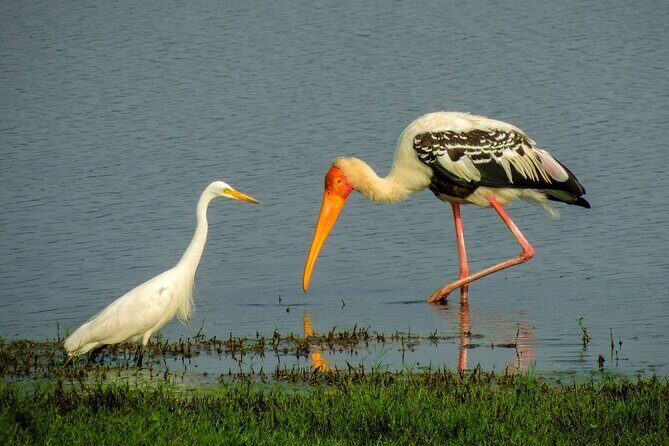
There’s also bird value here. Minneriya, along with Kaudulla and Girithale, is part of the 70 Important bird areas of Sri Lanka. If you’re the type who notices birds even while chasing bigger wildlife, you’re likely to get moments where you stop for smaller sightings too.
What You’re Actually Looking For on Safari
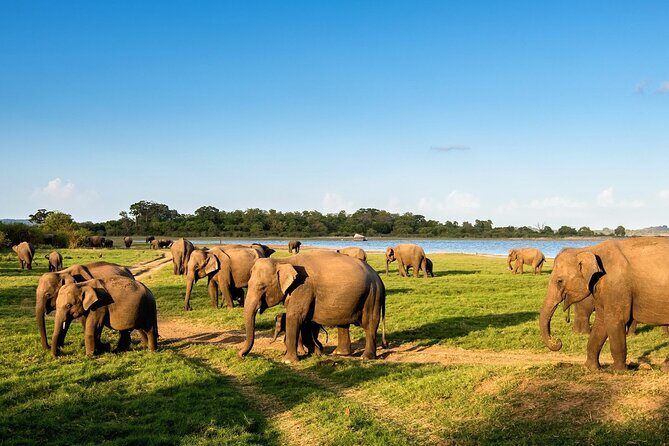
The elephant focus is clear, and that’s where the day’s excitement lives. You’ll be aiming for the kind of elephant gatherings that are noted as the largest in Sri Lanka, with a good chance of spotting them near the lake. That lake-area setting is one of the highlights because it’s where animals converge.
But the experience doesn’t stop at elephants. Your safari drive includes opportunities to spot other wildlife like:
- Endemic Sambar deers
- Axis deers
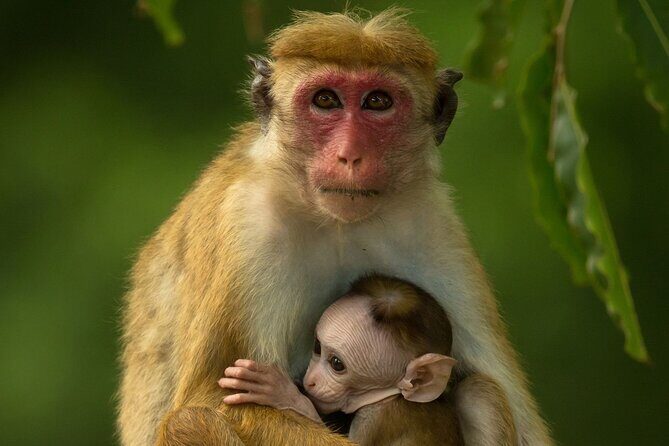
- Two types of endemic monkeys
- A wide range of birds
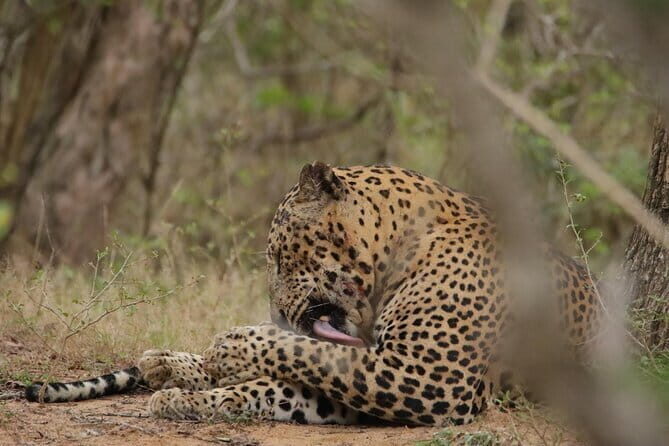
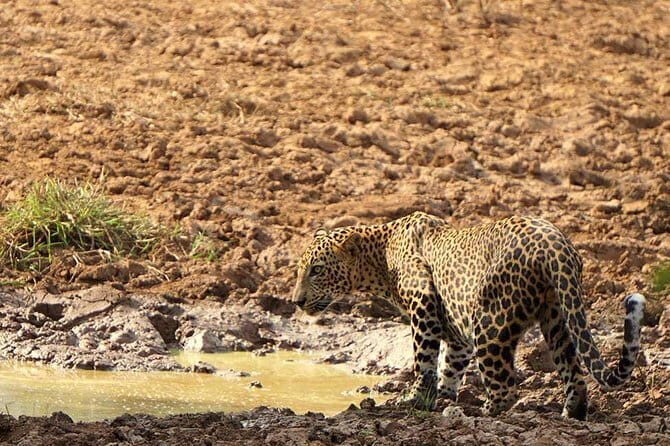
I also find it helpful to reset expectations around predators. This part of Sri Lanka is known for elephants more than leopards. One review specifically pointed out that leopards are not in this region, and the safari still felt worth it. So if you’re planning your hopes around a big cat sighting, keep your target wider—elephants and the whole “wildlife ecosystem day” feel more reliable.
Another practical expectation: this can be a busy park. One comment described it as a busy park with many jeeps running tours. That doesn’t ruin the day, but it does change the vibe. It means you might have to be patient and flexible, and you may share viewing areas with other safari groups.
A few more Kandy tours and experiences worth a look

The Trekker-Led “Where to Look” Part
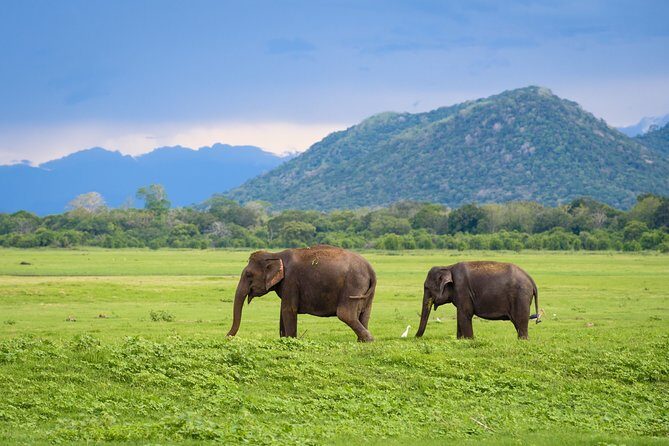
A big part of why this feels like more than a simple drive is the trekker who directs you to the spotting areas. When you have the right target—elephants near water—and you’re moving through terrain with other wildlife in mind, a guide’s call becomes important.
The trekker will direct you to where creatures can be spotted. This is especially useful in national parks where the landscape can look similar from a distance. Elephants may be visible only after a turn, only when you reach a certain viewpoint, or only when you time the stop correctly.
In a place like Minneriya (and likely Kaudulla/Hurulu too), the best sightings often come from being positioned well, not just from being there. That’s why this trekker component matters for your results.
Snacks, Water, and the Real Timing of an 8-Hour Day
This is listed as about 8 hours total. That’s a normal length for a transfer-plus-safari day, but it still means you’ll want to treat it like a full activity block.
Here’s what helps make it workable:
- Bottled water is included
- Evening snacks are provided during the safari experience
Because the day ends with a drop in the Trincomalee/Niaveli direction, you’re not stuck scrambling for your next meal after the safari. The snacks and water are what keep the long stretch from turning into a grumpy experience.
Also, because it starts at 11:30am, the light and heat can vary depending on the season. If you’re sensitive to sun, remember you’re in an open jeep. You’ll feel it.
And yes, you should plan around the park pace. When parks are busy, animals still show up on their own schedule, and safari vehicles share prime spotting zones. If you can roll with that—patient viewing, quick stops, short movements—you’ll get more out of it.
Price and Value: What $100 Covers (and What It Doesn’t)
At $100 per person, this safari-shuttle day is priced like a full package. The included items are practical and activity-focused:
- Hotel pickup and drop in Kandy to the Trincomalee/Niaveli direction
- Transfer into the safari experience, then safari drive in an open 4×4
- Experienced trekker during the safari drive
- Evening snacks
- Bottled water
What’s not included is the national park entrance fee. That’s common for safari packages, but it’s worth budgeting for so there are no surprises when you arrive.
So the real value question is: are you paying mostly for the jeep, guide, transport, and snacks? Yes. That’s the bulk of what you’re getting for the day. If you were to arrange a private safari jeep plus a long transfer yourself, you’d likely spend more than $100 once you start stacking transport costs, guide time, and the day’s coordination.
There’s also a small extra value angle: the operator mentions group discounts, and the group size is kept to a maximum of 10 travelers. If you’re booking with friends or you’re flexible with shared dates, that can help your overall deal.
Group Size, Solo Travelers, and When to Book
This experience caps at 10 travelers, which generally helps keep the safari feeling more “manageable” than big bus tours. The minimum number of participants is 2. That matters if you’re traveling solo.
If you’re a solo traveler, the experience notes that you should reach out (via TripAdvisor customer support) to see possible shared dates. They’ll do their best to take you on board for a shared experience. If you hate waiting and you want a guaranteed departure no matter what, you’ll want to check availability early.
On booking timing: it’s commonly booked about 11 days in advance on average. That’s not “last-minute” territory, but it does suggest that you should lock in dates sooner than the night before if you’re building a tight Sri Lanka route.
Weather and Real-World Reality
This safari drive requires good weather. If it’s canceled due to poor weather, you’ll be offered a different date or a full refund. That’s fair—wildlife viewing and safe driving are easier when conditions cooperate.
Also, the day’s success depends on where animals are behaving and moving. That’s why the park choice can shift and why patience matters. You’re not just buying a ticket to a place—you’re buying a chance to be in the right area when animals gather.
If you plan this as a non-negotiable part of your trip (instead of something you can flex), you’ll want to make sure your travel days include some buffer.
Who This Safari Drive Is Best For
This is best for you if:
- You’re making a central-to-east Sri Lanka move and you want a wildlife highlight on the way
- Elephants are your top priority, especially seeing larger gatherings near water
- You like a guided approach where a trekker helps you find the better spotting areas
- You prefer a shared group size (up to 10) rather than a tiny private vehicle
This may be less ideal if:
- You’re counting on leopard sightings as a main goal. Reviews and the positioning of the area suggest leopards are not a focus here.
- You want a quiet, empty-park experience. The park can be busy with other safari jeeps, so you should expect a shared viewing scene.
Should You Book This Kandy to Trincomalee Safari Drive?
I’d book it if your itinerary needs an eastward transfer and you want your day to include a real elephant-focused safari. The combination is strong: open 4×4 safari time, trekker-led spotting, snacks and bottled water included, plus a drop in the Trincomalee/Niaveli direction.
It’s also a decent value play. Paying $100 for jeep time, guide time, transport coordination, and included food/drink is easier to justify than piecing together separate transport and safari services—especially when you’re already traveling from Kandy.
Just go in with the right expectations: elephants and other wildlife are the main story, predators like leopards are not the promise, and the parks can be busy. If that sounds like your style, this is an efficient, wildlife-forward way to connect two major parts of Sri Lanka.
FAQ
What time does the safari start?
The start time is 11:30am.
Where does the tour pickup happen?
You get hotel pickup and drop in the Kandy area (pickup is by car or MPV).
What parks might be visited?
The safari drive goes to Kaudulla, Minneriya, or Hurulu Eco National Park, depending on the transitioning behavior of wildlife.
How long is the experience?
The duration is about 8 hours.
What’s included in the price?
Included items are evening snacks, hotel pickup and drop, safari drive with an experienced trekker, and bottled water.
Are national park entrance fees included?
No. National park entrance fees are not included.
How large is the group?
The maximum is 10 travelers, and the minimum is 2.
Is it suitable for solo travelers?
Solo travelers may be possible, but because the minimum is 2, you should contact TripAdvisor customer support so they can check shared dates.
What happens if there’s bad weather?
If the experience is canceled due to poor weather, you’ll be offered a different date or a full refund. The experience is otherwise non-refundable and cannot be changed.