REVIEW · JAFFNA
Full Day Tour Delft and Nainativu Island Adventure from Jaffna
Book on Viator →Operated by Explore YARL Tours · Bookable on Viator
Wild horses and sacred temples, all in one day. From Jaffna, this trip strings together two very different islands—Delft (Neduntheevu) and Nainativu (Nagadeepa)—with a long ferry day, history stops, and time to swim and eat. I love how the day mixes colonial leftovers with living religious sites, so it never feels like the usual checklist.
I also like that you’re up and rolling early with a 6:00 am start and a guide who’s set up to adapt if the sea is moody. One thing to keep in mind: the Palk Strait can get rough, and if conditions are bad, Delft Island might be swapped for a different plan.
Key highlights if you’re choosing this tour
- Wild horse sanctuary time on Delft Island (Neduntheevu), home to ponies linked to the Portuguese era
- Delft-style seafood lunch plus a real chance to cool off at Delft Beach
- Dutch colonial ruins you can actually walk around, not just view from afar
- Two major faith sites on Nainativu, including Nagapooshani Amman Kovil and Nagadeepa Rajamaha Viharaya
- Private group experience with pickup and transport tailored to your group size
In This Review
- Leaving Jaffna for Delft and Nainativu: two islands, one coherent story
- The early start: pickup, Pannai Causeway views, and KKD jetty timing
- Delft Island (Neduntheevu): wild horses and the “Portuguese link” you can see
- Delft’s colonial stonework: banyan, Quindah/Queen’s Tower, and the message pigeons
- Delft Beach swim and the seafood lunch break that actually matters
- Nainativu (Nagadeepa): Nagapooshani Amman Kovil and the Rajamaha Viharaya
- What happens when seas turn rough in the Palk Strait
- Price and value: what $130 per person covers on a private day
- Who this Delft and Nainativu day fits best
- Should you book this tour?
- FAQ
- How long is the Delft and Nainativu full day tour from Jaffna?
- What time does the tour start?
- Is pickup included?
- Is this a private tour?
- Which islands and main sites are included?
- What if weather is poor?
Leaving Jaffna for Delft and Nainativu: two islands, one coherent story
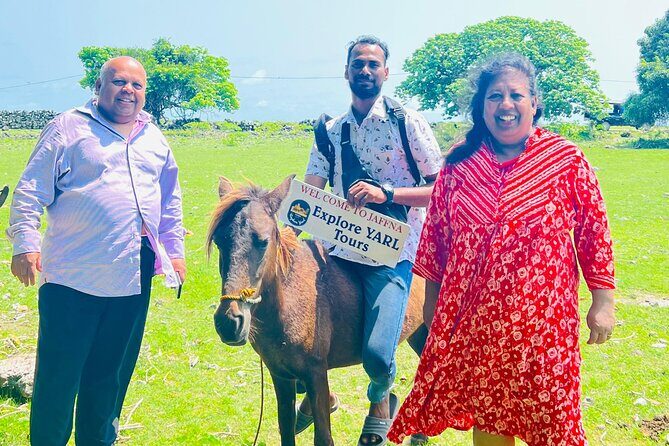
This is a full-day Sri Lanka northern-islands outing, built around one simple idea: you should spend your day where the island history feels physical. On Delft Island, that means wandering among colonial-era stone structures and natural landmarks while watching wild ponies move through open plains. On Nainativu, it shifts to sacred Hindu and Buddhist spaces on a small island that’s spiritually important for centuries.
That pairing matters. If you only do one island, you get either the nature-and-history side or the religious side. With both, you get contrast: sea salt and birdlife in the morning, then temples and quiet devotion later. Even the travel bits help shape the day, because you’re not just ferrying for a photo—you’re moving through the region around Jaffna.
You’ll also be with a professional, licensed guide, and this is run as a private tour for your group only. That usually means less waiting around and more time actually looking at things instead of tuning out explanations because you’re stuck in a crowd.
The early start: pickup, Pannai Causeway views, and KKD jetty timing
The day begins with pickup offered from the Jaffna area, with the meeting point listed at Cargills Bank ATM (M287+6G2). The start time is 6:00 am, which is a big deal in northern Sri Lanka. Early light makes the sea ride more pleasant, and it keeps you from burning the day stuck waiting for things to line up.
Before you hit the water, you drive across the Pannai Causeway. This isn’t a “get out and stretch” stop. It’s a scenic drive moment—lagoons, fishing boats, and birdlife appear as you cross from the mainland toward the island ferries.
Then there’s a quick pass by Kannakai Puram Welcome Curve—a short roadside bend that functions like a visual reset as the day transitions from town roads into the coastal island route.
Finally, you reach Kurikadduwan Jetty, often referenced as KKD. This is described as the primary departure point for ferries going to Delft (Neduntheevu) and Nainativu. In practice, this is where you shift from “tour day” mode to “island day” mode. You’re standing where the transport system actually happens.
If you're still narrowing it down, here are other tours in Jaffna we've reviewed.
Delft Island (Neduntheevu): wild horses and the “Portuguese link” you can see
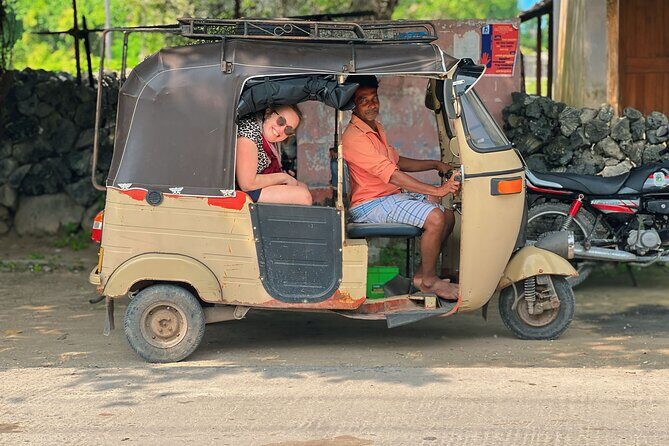
Delft Island sits about 35 km off the coast of Jaffna in the Palk Strait. It feels remote the moment you’re there—wide sky, open plains, and the sense that you’re far from the usual tourist rhythm.
The first big stop is the Delft Wild Horse Sanctuary. The ponies here are described as descendants of horses brought by the Portuguese in the 16th century. That gives the island a living historical connection. You’re not just hearing about the past—you’re watching animals that carry a story in their lineage.
Next comes the natural landmark side of Delft. You’ll visit Perukamaram (the Baobab Tree), believed to be over 400 years old, and tied to the idea that it was introduced by Arab traders centuries ago. Then you’ll see the Growing Stone, a coral rock locals believe slowly increases in size over time. Whether you treat that belief as myth, folklore, or something you just enjoy as local knowledge, it’s still a great “slow down and look” stop.
Delft’s colonial stonework: banyan, Quindah/Queen’s Tower, and the message pigeons
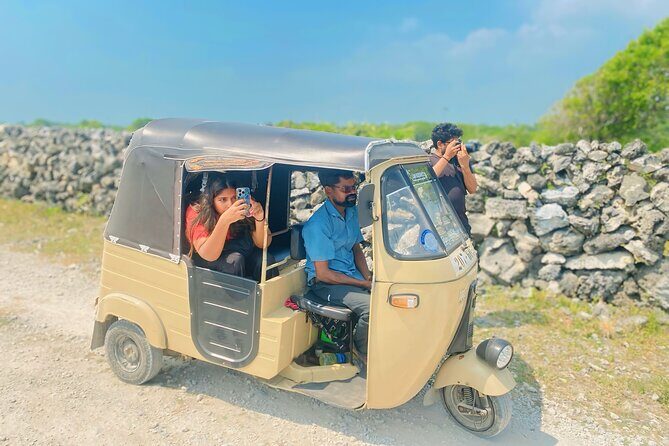
After the big nature moments, Delft shifts into colonial-era fragments you can walk through in under a day’s attention span.
There’s a visit to the Large Banyan Tree (locally called Aalamavanam). Huge trees like this work as a natural timekeeper. You slow down, look up, and let the island’s scale register.
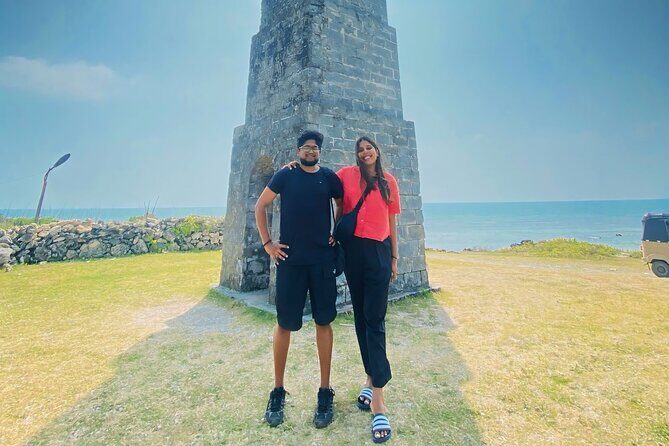
Then come the stone structures. The Queen’s Tower (also known as Quindah Tower) is described as a beacon from the colonial era, located on the southeastern coast of the island. Nearby, you’ll stop at the Pigeon Nest, a small stone message tower built during Dutch colonial times. The function is the interesting part: it housed messenger pigeons used to carry important messages. It’s the kind of detail that turns ruins into a functioning mental picture—someone planned for information to move faster than people could.
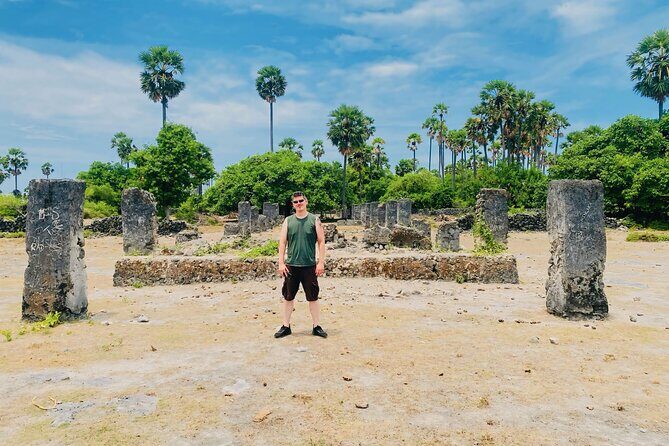
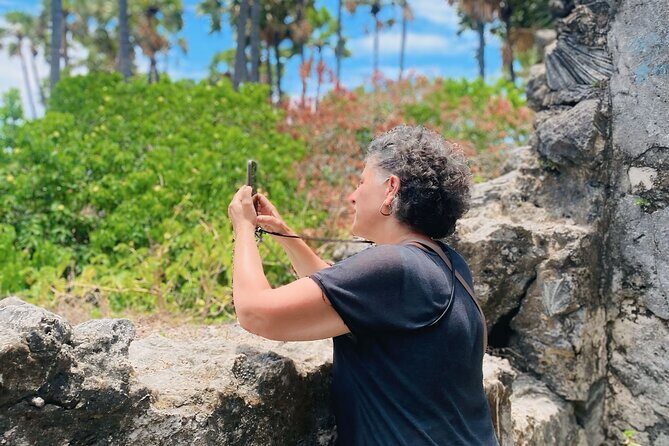
You’ll also see the Old Dutch Hospital, the Old Dutch Courts, and the Dutch Fort. These are built using coral stone and limestone, and most are now in ruins. But that’s what makes them worth visiting here: the island context keeps them from feeling like random leftover architecture. It’s easier to imagine the logistics—care, law, defense—when the setting is small and quiet.
Delft Beach swim and the seafood lunch break that actually matters
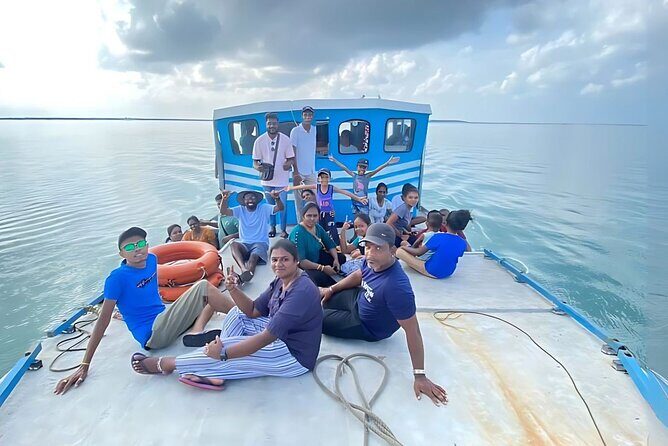
Delft Beach is not just a stop to stand near. You get about 1 hour that includes swimming and a fresh seafood lunch described as Delft-style.
This is the moment where the day feels balanced. The morning is full of moving parts—ferries, stones, animals, guided explanations. The beach time gives you a physical reset. The description emphasizes shallow, calm water and a soft sandy bottom, which usually makes swimming more comfortable for a wider range of ages and comfort levels.
If you’re thinking practically, this is where you should plan your day: you’ll want something to change into after the swim. The tour detail doesn’t mention gear, but since swimming is built in, you’ll save yourself stress by treating it as a real break rather than an optional dip.
Food also helps make the island day work. A seafood lunch on-site keeps you from spending money later just to fill time, and it turns the midday pause into part of the experience instead of an interruption.
Nainativu (Nagadeepa): Nagapooshani Amman Kovil and the Rajamaha Viharaya
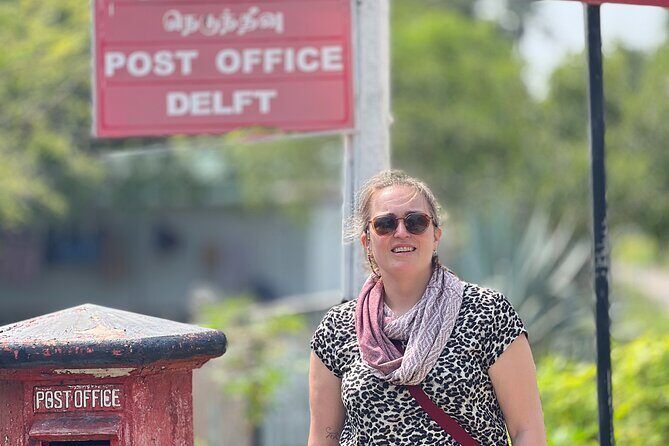
After Delft Beach and lunch, you head back toward the jetty area and then make your way to Nainativu Island, also known as Nagadeepa. This island is described as small, but spiritually significant, off the coast of the Jaffna peninsula.
On Nainativu, the focus shifts to faith spaces and sacred traditions.
First is Nagapoosani Amman Kovil, a Hindu temple dedicated to Goddess Parvati, known here as Nagapooshani. Then you move to Nagadeepa Rajamaha Viharaya, a Buddhist site. This is noted as one of Sri Lanka’s sixteen holiest Buddhist sites. There’s also a tradition given in the tour description: it says the Buddha visited this place.
What I like about visiting both on the same island is how it reflects the region’s layered spiritual identity. You’re not being asked to choose one story and ignore the other. You’re seeing how different faith traditions live in the same geographic space.
The time at each site is relatively short—about 20 minutes at each location—so keep expectations realistic: you’re there for a guided look and context, not for a long independent worship visit.
What happens when seas turn rough in the Palk Strait
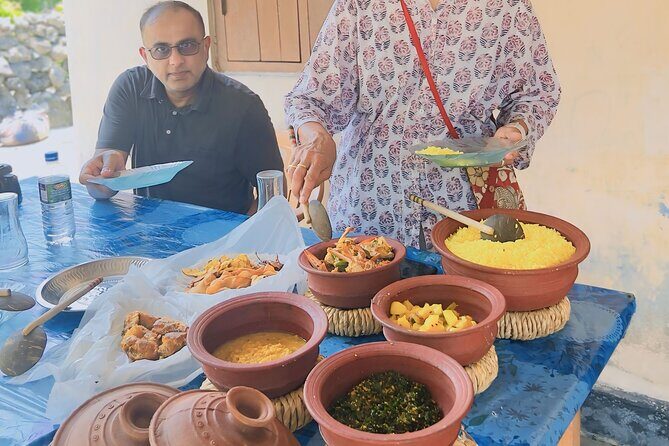
This tour requires good weather, and the sea is the main variable. When conditions are rough, you may not be able to go to Delft Island as planned. The structure of the tour also matters here: it isn’t only built around one island. That makes it more flexible when the water doesn’t cooperate.
One of the most praised parts of the day is how the guide handles changes. If Delft isn’t possible, the plan can shift toward other birdlife and cultural/temple-focused stops. That’s exactly what you want from a tour like this: not panic, not “too bad,” but smart rerouting so the day stays meaningful.
Price and value: what $130 per person covers on a private day
At $130 per person, this isn’t the cheapest option out there. But you’re paying for a full-day structure with several moving pieces:
- Pickup offered from the Jaffna area
- Private tour for your group only (not a shared shuttle situation)
- A licensed guide who’s handling the history and the flow of the day
- Transport between the mainland and the islands
- A day that includes major sightseeing on both Delft and Nainativu plus swimming and lunch
There’s also a practical signal in the stop details: many of the listed sightseeing moments show admission ticket free. That doesn’t automatically mean everything is free (ferry costs can vary), but it does mean you’re not being nickel-and-dimed by paying entry at every single point.
If you’re deciding whether it’s “worth it,” ask yourself this: would you rather spend a day figuring out island transport from scratch, or pay for a guide who already knows the timing and sequence? For many people in Jaffna, the answer is simple.
Provider: Explore YARL Tours.
Who this Delft and Nainativu day fits best
This tour suits you if you want a day that feels like northern Sri Lanka rather than a boxed city tour.
You’ll probably enjoy it most if you:
- Like nature + history in the same outing (wild ponies, baobab, and Dutch ruins together)
- Want a real temple-and-faith component without needing to plan two separate days
- Prefer private guiding so you can ask questions and move at your group’s pace
- Can handle a 10-hour day with early timing
It may be less ideal if you want a slow, unstructured experience with long independent wandering. The schedule is active by design, with short guided stops that add up to a lot in one day.
Should you book this tour?
Yes, if you want one well-run day that connects Delft’s Portuguese-linked wild ponies and Dutch-era stone remnants with Nainativu’s Hindu and Buddhist sacred sites. The big reason to book is the balance: ferry time, animals, ruins, temple context, plus a real lunch and swim break.
If seas are rough often where you’re traveling, don’t let that scare you—just understand the day depends on weather, and the plan can change. For a $130 private full-day tour, that adaptability, plus the strong guide focus, is exactly what makes this a smart choice in northern Sri Lanka.
FAQ
How long is the Delft and Nainativu full day tour from Jaffna?
The tour is listed as about 10 hours.
What time does the tour start?
The start time is 6:00 am.
Is pickup included?
Yes, pickup is offered.
Is this a private tour?
Yes, it’s a private tour/activity, and only your group participates.
Which islands and main sites are included?
You visit Delft Island (Neduntheevu) and Nainativu Island (Nagadeepa), with stops such as the Delft Wild Horse Sanctuary, Perukamaram (Baobab Tree), and on Nainativu the Nagapooshani Amman Kovil and Nagadeepa Rajamaha Viharaya.
What if weather is poor?
The experience requires good weather. If it’s canceled due to poor weather, you’ll be offered a different date or a full refund.