REVIEW · TANGALLE
From Tangalle: Mirissa Whale Watching Tour with Breakfast
Book on GetYourGuide →Operated by Shehan Safari Jeep Tours · Bookable on GetYourGuide
Whales show up fast in Mirissa. This morning cruise off Sri Lanka’s south coast is built around real wildlife time, not a long bus tour-and-wait setup, with a chance at blue whales plus other big species. I also like the practical touch of breakfast onboard, so you’re not hungry while you’re scanning the sea. One thing to think about: at $153 per person, the value depends on your expectations for time on the water and how often the animals show.
You’ll start with pickup from the Tangalle/Hiriketiya/Thalalla/Matara area and ride in an air-conditioned vehicle to Mirissa Pier. Once aboard, the boat slows as whales are spotted, and you’ll view them from a distance built for responsible watching. The cruise uses a GPS tracking system to target the best location, and the operator promises a high likelihood of seeing whales and dolphins.
In This Review
- Key Things I’d Focus On
- From Tangalle to Mirissa Pier: The Morning Flow
- What You’ll Actually See: Whales, Dolphins, and When the Boat Slows
- On the Water With a Naturalist Guide and GPS Tracking
- Breakfast at Sea: Sandwiches, Fruit, Tea or Coffee
- How the Timing Works (and Why It Matters)
- Price and Value: What $153 Buys You Here
- Responsible Whale Watching: The Distance and Slow-Down Benefit
- Who This Tour Suits Best
- Should You Book This Mirissa Whale Watching Tour From Tangalle?
- FAQ
- Where is pickup for this whale watching tour?
- How long does the tour last?
- What animals can you see on the cruise?
- Is breakfast included?
- How close does the boat get to whales?
- Is free cancellation or reserve-and-pay-later available?
Key Things I’d Focus On
- GPS tracking helps the boat find active whale areas faster.
- Responsible viewing distance (at least 300 feet, closest approach 100 feet) keeps things safer for animals.
- Breakfast onboard means you eat early without delaying the morning.
- Air-conditioned transport matters on a warm day starting before sunrise.
- English naturalist guide can turn a random sighting into real learning.
From Tangalle to Mirissa Pier: The Morning Flow
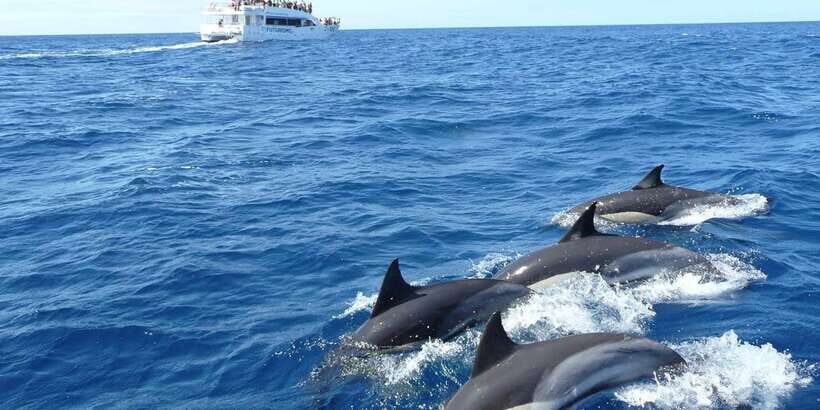
This tour is designed as a true early outing, starting with pickup from your hotel area in Tangalle, Hiriketiya, Thalalla, or Matara. You’re then transferred by vehicle to Mirissa Pier, where you meet the crew and get ready for the sea part. The overall duration is listed as 5 hours, and the whale-watching cruise portion is described as about 3 to 5 hours, depending on conditions and timing.
What makes this setup feel good is that it reduces friction. Instead of you figuring out transport, you show up, get guided to the boat, and focus on one job: spotting animals. If you’re staying in the south around Tangalle and don’t want to coordinate your own ride to Mirissa, this “get you there, get you on the water” approach is the point.
The only drawback with any whale trip is timing sensitivity. You’re going in the morning, when you’ll want to be alert and ready for the weather and sea conditions to influence where the boat can safely go.
Other Mirissa tours we've reviewed in Tangalle

What You’ll Actually See: Whales, Dolphins, and When the Boat Slows
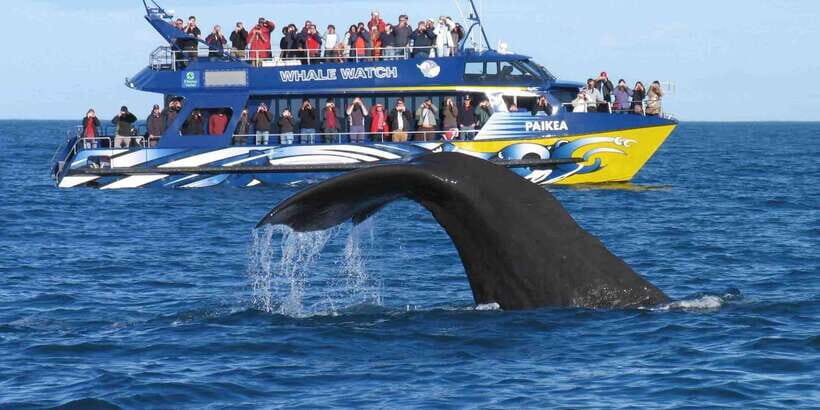
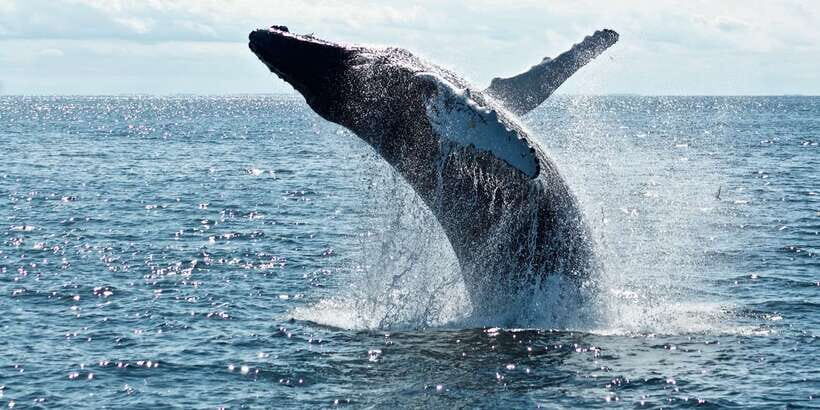
Off Mirissa, the headline is big whales, and this tour specifically calls out sightings like blue whales and sperm whales, plus fin whales. You may also see occasional orcas, along with many types of dolphins—so even if the big giants are quiet, the trip still has a “bonus species” angle.
Here’s what matters in real viewing terms: the boat will slow down as you approach the whales, which improves your chances of getting a proper look. You’re not just passing by at speed and hoping for a photo. You’re also viewing from designated safe distances to keep the interaction low-impact.
Distance rules are a big deal for whale watching ethics, and this tour is clear about them:
- You’ll stop at a safe distance of at least 300 feet
- The closest approach listed is 100 feet
For you, that translates into a better balance between seeing animals and not stressing them. For wildlife, it’s the difference between a respectful viewing day and a chaotic crowd scramble.
On the Water With a Naturalist Guide and GPS Tracking
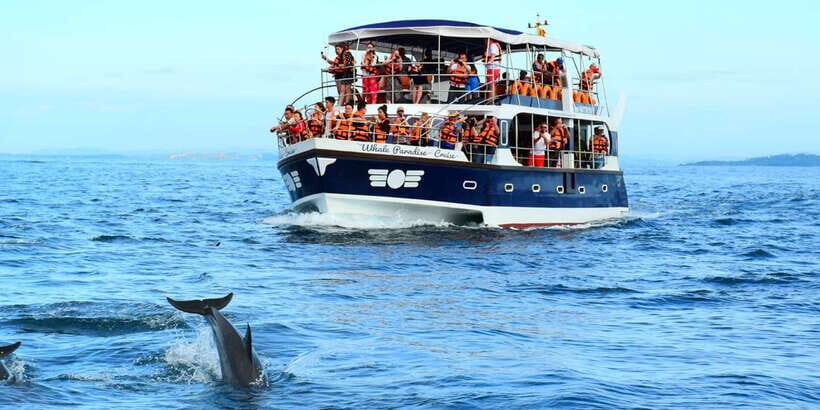
This experience includes an English-speaking naturalist guide, plus a guide team onboard who can help answer questions and help you spot creatures. That’s not just “fun facts” time. When you learn what you’re looking for—blow patterns, body shape at the surface, and common dolphin behavior—you stop staring aimlessly at the horizon and start scanning with purpose.
The tour also uses a GPS tracking system to guide the boat to the best location. In practice, that means the crew isn’t working purely off luck or general area guessing. They can follow real-time positioning and adjust as sightings happen.
One small note: the “best location” depends on ocean conditions and where whales are active that morning. So while the tour is built to maximize your odds, you still go in knowing marine life is never guaranteed on a schedule.
The promise on the booking info is a 90%+ probability of seeing whales and dolphins, which is a strong signal that the operator expects regular sightings in this region and season window.
Breakfast at Sea: Sandwiches, Fruit, Tea or Coffee
You get a complimentary breakfast served onboard: sandwiches and fruits, plus water and tea or coffee. That sounds simple, but for an early whale watching day it’s actually a smart design choice. It means you’re fueling up before you’re out on the water long enough to get cranky, chilly, or hungry.
You’ll likely want this kind of food because the main activity is scanning and waiting for the next sighting. When you’re focused on spotting, even a short delay to find food can throw off your whole morning energy.
Pack a sensible mindset too: breakfast is provided, but it’s still a boat day. So I treat onboard food as “practical fuel,” not a restaurant meal. If you’re picky or you eat very specific things, you might consider bringing extras in your own day bag, but the tour itself does include the stated breakfast items.
Also, you’ll be given a life jacket. That’s a safety inclusion that tells you this is set up as a proper, regulated outing rather than a casual boat wander.
How the Timing Works (and Why It Matters)
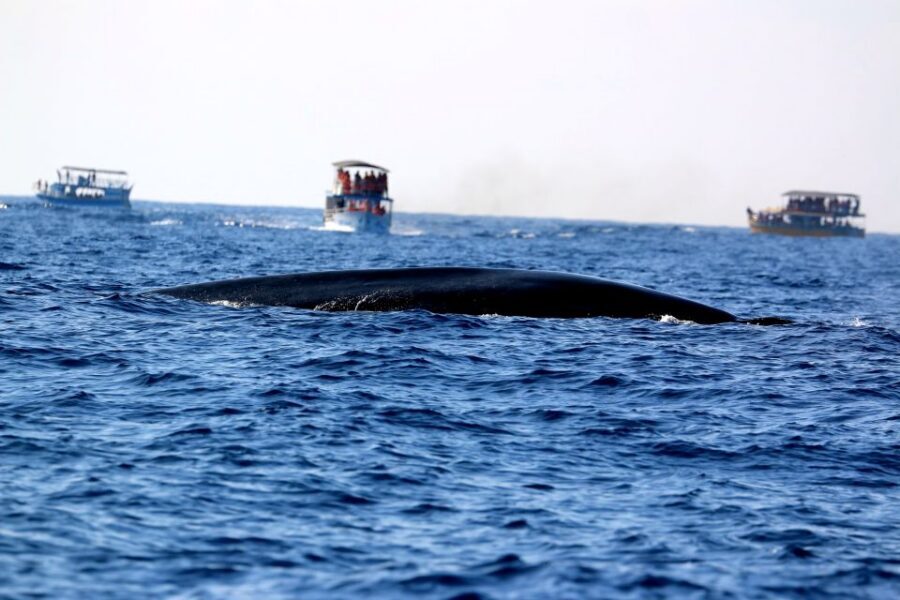
The tour lists a 5-hour duration, with the whale cruise described as about 3–5 hours. That difference is your clue that the total time on the ground and on the water can shift based on where the whales are and what the captain decides for safe viewing.
Why you should care: whale watching isn’t like a museum visit where the timing is predictable. The boat needs to reposition when sightings are confirmed and keep safe distances. So your “schedule certainty” comes from the operator’s planning and pickup timing, not from the sea.
If you’re planning the rest of your day, I’d leave some breathing room afterward. Even when everything runs smoothly, you’ll feel like you did an early start, got your steps in from boarding and looking around the deck, and burned some attention scanning the water.
Other Tangalle tours we've reviewed in Tangalle


Price and Value: What $153 Buys You Here
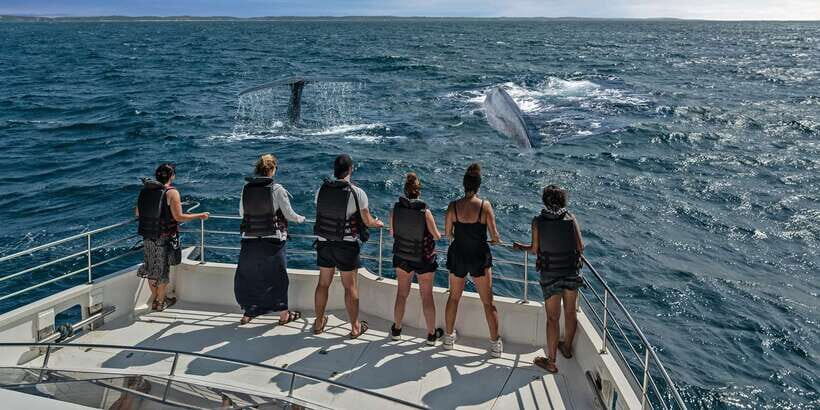
At $153 per person, this isn’t a budget add-on. The question isn’t just “is whale watching expensive?” It’s whether this specific setup feels worth it for your travel style.
Here’s what you are paying for, directly from what’s included:
- Hotel pickup and drop from multiple south-coast areas
- Air-conditioned transport
- English-speaking naturalist guide
- Boat cruise with viewing from observation decks
- Entrance fees, taxes, and service charges
- Breakfast onboard (sandwiches, fruits, tea/coffee, water)
- Life jacket and water provisions
That bundle matters. For many people, whale watching costs extra not just in boat time, but in the logistics. This tour tries to package the “getting there” piece for you, plus food, plus a guide, plus safety gear.
Is it still “high” for some budgets? Yes. One piece of feedback you should take seriously is that the price can feel steep relative to the overall experience length. If you’re someone who needs a full-day outing or expects nonstop action, you might feel underwhelmed. If you’re there for the wildlife and the morning timing works for you, the value is easier to justify—especially with the stated high odds of sightings.
My practical suggestion: treat this as a serious morning wildlife trip, not a casual tour you do for fun on a whim.
Responsible Whale Watching: The Distance and Slow-Down Benefit
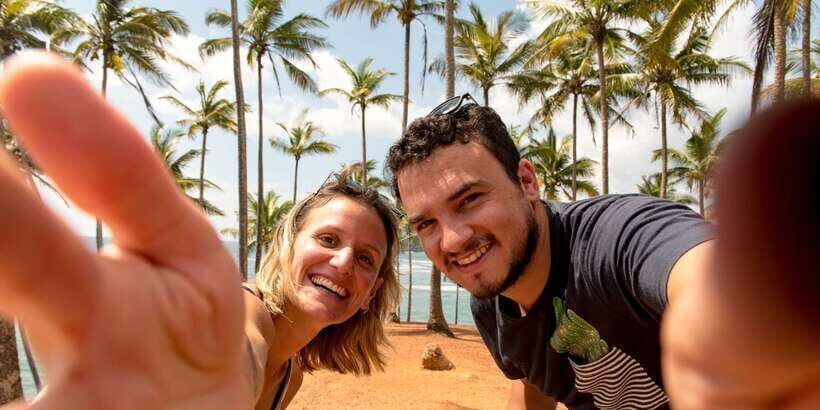
This tour’s viewing approach is one of the clearest quality signals in the information provided. The boat doesn’t chase whales. It slows down for viewing, and it holds a safe distance—300 feet minimum with a listed closest approach of 100 feet.
For you, this reduces one of the most common frustrations in whale watching: feeling like you’re on a ride where the boat’s behavior is the main event, not the animals. Responsible distance also usually makes the whole experience more relaxed. You can watch without feeling rushed or stuck behind frantic maneuvering.
The life jacket inclusion and the GPS targeting also point toward an operator focused on safety and planning. It’s not just “go out and hope.” It’s “go out, find them, and watch correctly.”
Who This Tour Suits Best
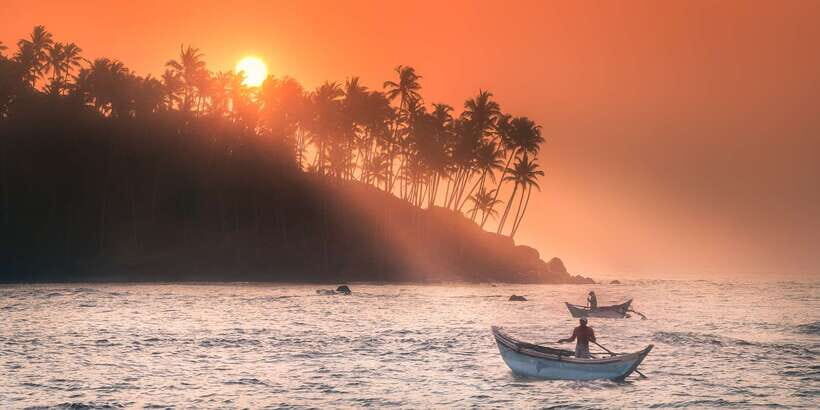
This experience fits travelers who want:
- A morning whale outing with pickup from Tangalle/Hiriketiya/Thalalla/Matara
- An included onboard breakfast so you don’t lose time hunting food
- A guide who helps you interpret what you’re seeing
- A tour with responsible viewing distance and safety gear
It’s especially a good match if you’re using Tangalle as a base and don’t want to manage transportation to Mirissa on your own. It’s also a strong choice if you care about seeing multiple species (blue whales, sperm whales, fin whales, dolphins) rather than betting everything on one animal.
If you’re the type who hates early starts, this might test your patience. You’ll be leaving for the morning cruise, and the whole day pace depends on sea conditions.
Should You Book This Mirissa Whale Watching Tour From Tangalle?
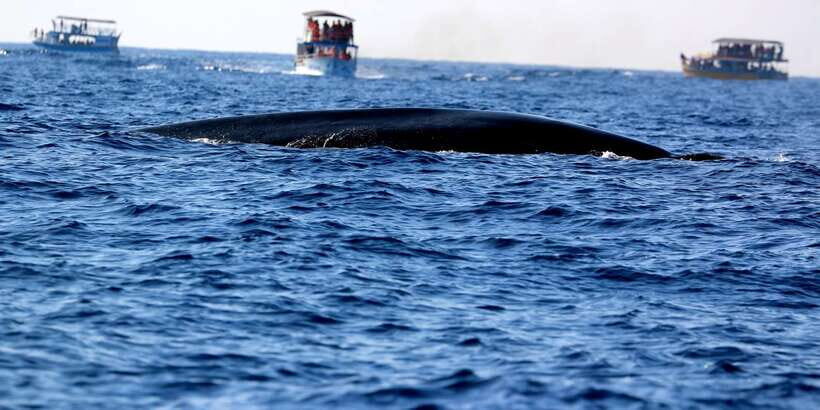
If your top priority is seeing whales and you like the idea of being transported, fed, guided, and set up for responsible viewing, I think it’s a solid booking. The biggest reasons to feel good are the GPS-guided search, the naturalist guide, and the clear approach to safe whale distances.
The main reason to hesitate is the price. At $153, you want to be sure you’re the kind of traveler who values wildlife spotting enough to pay for the logistics and guidance—not just the boat ride.
If you want this as a once-in-a-trip highlight, book it when the morning timing works. If you’re hunting for the cheapest possible way to see whales, you may find the cost harder to swallow.
FAQ
Where is pickup for this whale watching tour?
Pickup is available from the Tangalle, Hiriketiya, Thalalla, or Matara area. You’re then taken to Mirissa Pier for the morning cruise.
How long does the tour last?
The duration is listed as 5 hours. The whale watching cruise itself is described as about 3–5 hours.
What animals can you see on the cruise?
The tour states you may see blue whales, sperm whales, fin whales, occasional orcas, and many types of dolphins.
Is breakfast included?
Yes. Breakfast onboard includes sandwiches and fruits, plus water and tea or coffee.
How close does the boat get to whales?
The boat stops at a safe distance of at least 300 feet away. The closest approach listed is 100 feet.
Is free cancellation or reserve-and-pay-later available?
Free cancellation is offered up to 24 hours in advance for a full refund. There’s also a reserve now & pay later option where you can book and pay nothing today.