REVIEW · POLONNARUWA DISTRICT
From Dambulla/ Sigiriya: Ancient City of Polonnaruwa by Bike
Book on GetYourGuide →Operated by Sign of Lanka (Pvt) Ltd · Bookable on GetYourGuide
This bike tour turns Polonnaruwa into a moving story. You start with a hotel pick-up and a tuk-tuk-style transfer, then spend about 3.5 hours riding and stopping for photos, walks, and guided explanations inside the World Heritage Site.
I particularly liked two things: the bike-and-temple rhythm (it’s not a long, punishing ride), and the way your guide helps you connect each monument to the bigger picture of 12th-century royal and religious life. There’s also plenty to see without feeling rushed.
One drawback to plan for: while the tour description promises refreshments and water, one past booking reported issues with bike maintenance (brakes/gears) and no water being offered. So I’d treat this as a “check the bike first” day, not a “just hop on and trust it” day.
In This Review
- Quick highlights to know before you go
- Tuk-tuk style pickup and the 5-hour plan that actually works
- Polonnaruwa by bike: what the ride feels like
- Royal Palace and Nissankamulla Palace: power, details, and layout
- Gal Viharaya: the rock-cut Buddha stop you can’t skip
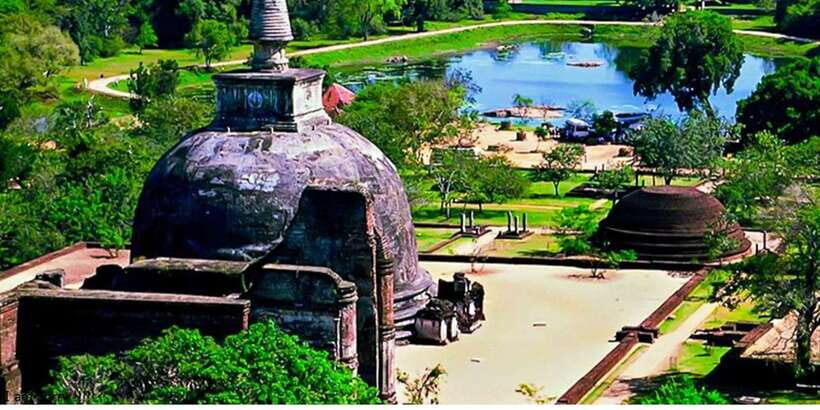
- Thuparama stupa and the spiritual pause
- Lankathilaka stupa, Vatadage, Rankoth Vehera, and Parakramabahu Statue
- Price and entrance fees: what you’re really paying for
- Bike condition and water: the two things to verify early
- Who this Polonnaruwa bike tour fits best
- Should you book this Polonnaruwa Ancient City bike tour?
- FAQ
- What is the duration of the Polonnaruwa Ancient City by Bike tour?
- Where do they pick you up from?
- What time does the tour start?
- Are the Polonnaruwa entrance fees included in the price?
- Is there a guide, and what language do they speak?
- What do I need to bring?
Quick highlights to know before you go
- Hotel pick-up options: Dambulla, Kandalama, Habarana, or Sigiriya, with drop-off at select areas
- Easy touring pace: a ride that won’t feel like a workout challenge for most people
- Big-photo monuments: Royal Palace, Nissankamulla Palace, Gal Viharaya, Thuparama stupa, and more
- Guided stops: you don’t just cycle past ruins; you get context at each key site
- Cost reality: entrance fees to Polonnaruwa are not included
Tuk-tuk style pickup and the 5-hour plan that actually works
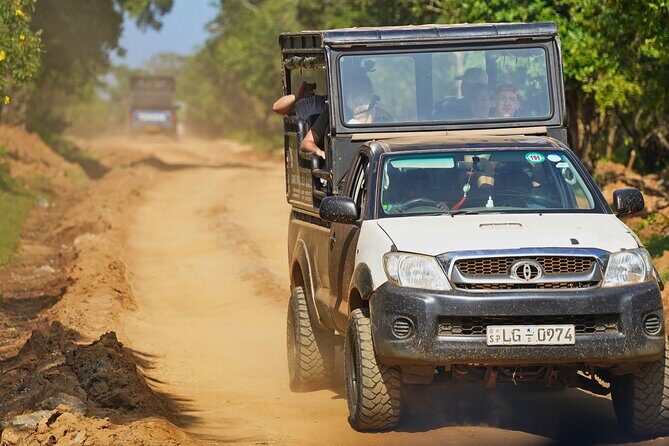
The day is built around a smooth transfer from your hotel area. You get picked up from Dambulla, Kandalama, Habarana, or Sigiriya, then you head toward Polonnaruwa by air-conditioned private vehicle. The schedule is structured: you start with pickup around 08:00, and the exploring portion kicks off around 10:00.
This timing matters. Polonnaruwa can get hot, and the tour keeps the “ride + stop” flow to about 3.5 hours inside the site, finishing around 13:00 so you’re back in time to recover without losing the rest of your day.
You’re also not stuck figuring out logistics. Transportation is included, and parking fees are covered. It’s a good setup if you want the site experience without spending your energy on drivers, maps, and ticket lines.
One thing to know: the tour is private group and the guide is English. That’s useful because the monuments you’ll see are detailed, and the guide can help you understand what you’re looking at—especially when carvings and layout matter.
If you're still narrowing it down, here are other tours in Polonnaruwa District we've reviewed.
Polonnaruwa by bike: what the ride feels like
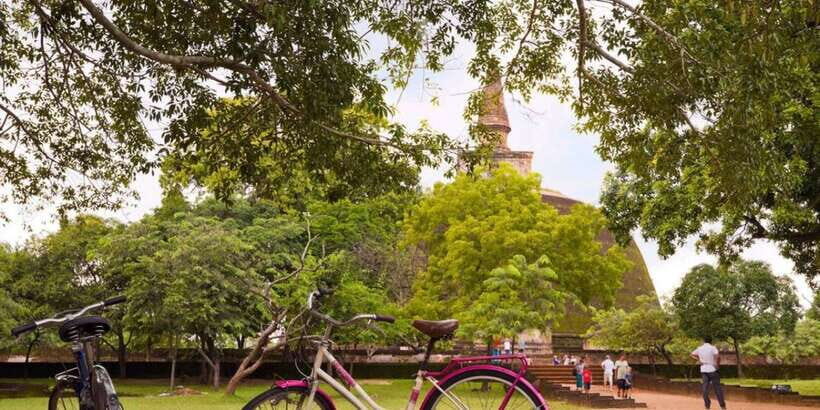
This is a bike tour, but it’s designed for sightseeing, not sporty cycling. The route includes a mix of riding segments and on-foot time. You’ll have break time and photo stops, and you’ll get moments where you’re walking with the guide to take in the architecture up close.
I like this format because Polonnaruwa is all about surfaces and spacing. It’s hard to truly read a stupa shape or notice the way a palace complex is arranged while you’re going full speed. The bike keeps you moving between clusters of monuments, while the short walks let you slow down at the important parts.
Still, here’s the practical consideration. One review flagged serious problems with bicycles—gears that didn’t work, brakes that didn’t stop well, and even a tyre burst that forced the group to walk until the taxi arrived. That’s not the norm you want, but it’s the kind of thing you can reduce risk from.
Before you roll out, do a quick safety check: test the brakes on a flat stretch, confirm gears shift smoothly, and make sure the seat feels stable. If anything feels off, tell the cycling guide right away. This is exactly the kind of small step that can prevent a half-day headache.
Royal Palace and Nissankamulla Palace: power, details, and layout
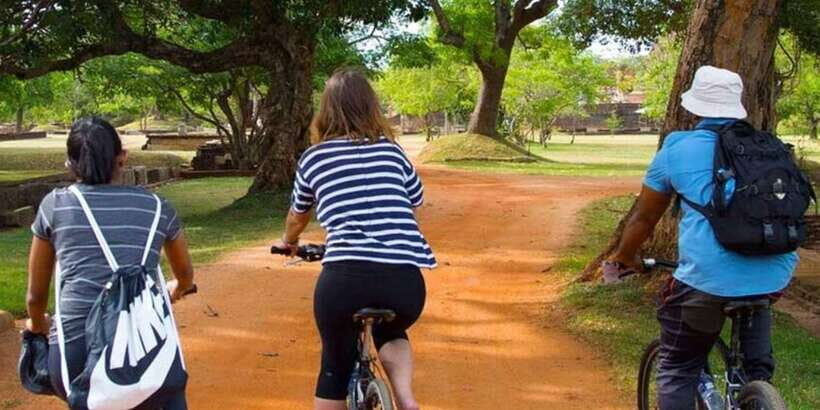
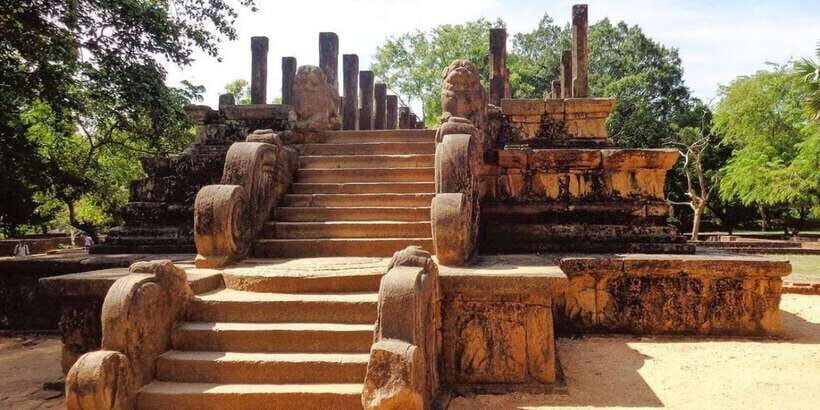
The Royal Palace is one of the places where Polonnaruwa stops being “ruins” and starts feeling like a court. You’ll visit the palace area as part of the guided portion, and your guide will frame what you’re seeing in terms of the era’s royal life.
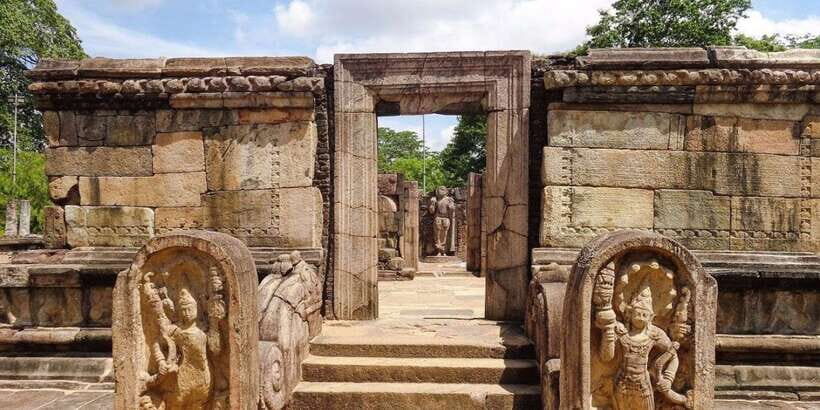
Then comes Nissankamulla Palace, and this is where your eyes start doing more work. The focus here is on craftsmanship—especially the intricate carvings mentioned in the tour description. If you like architecture that rewards patience, this stop is a strong one. From a bike tour, you also get the benefit of switching between wider views (palace layout) and close viewing (carving details) without needing extra transport.
What makes these palace stops valuable is that they give you a “context anchor.” Once you’ve seen what royal spaces looked like, the religious monuments nearby start to make more sense as part of the same 12th-century world—power expressed through stone, worship, and public architecture.
Potential drawback: palace complexes can include uneven ground and stretches where you’ll want to walk carefully. The good news is the tour includes walking time as part of the plan, so you’re not forced to ride through everything.
Gal Viharaya: the rock-cut Buddha stop you can’t skip
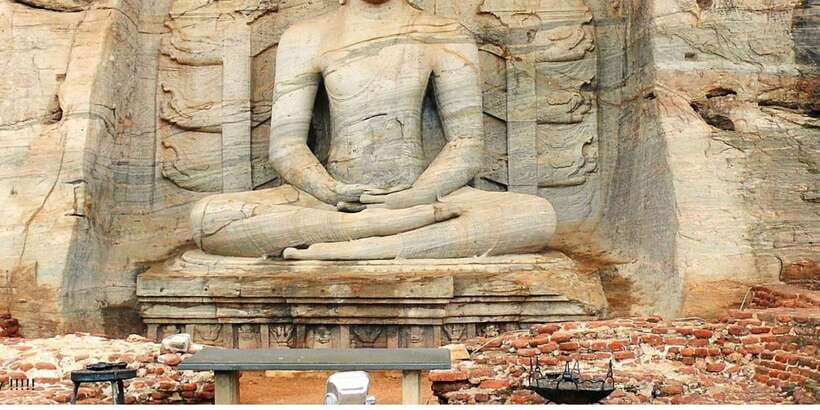
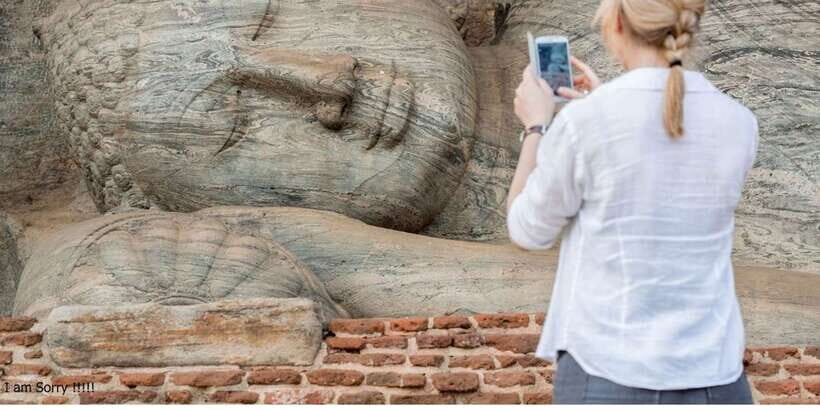
If you’re choosing only one “face the crowds later” moment in Polonnaruwa, I’d put Gal Viharaya high on your list. The tour highlights a rock-cut temple with four Buddha statues, which makes it immediately memorable—even if you’re not an expert in Buddhist art.
This stop works especially well on a bike itinerary because it’s both visual and symbolic. You arrive, you pause, you take photos, and your guide helps you understand the significance behind what you’re seeing. The arrangement of multiple figures in a single rock-cut scene is the kind of thing that sticks with you after the rest of the monuments blur together.
Also, this is the moment where you’ll likely feel the rhythm change from riding time into slow looking time. Expect at least some time where you’re absorbing the stonework instead of just passing through.
One travel tip that’s worth repeating here: keep your charged smartphone handy. Even if you don’t use it constantly, it helps you save angles for later and keeps you oriented during guided explanations.
Thuparama stupa and the spiritual pause
After the palace and Buddha statues, the tour shifts toward spirituality with Thuparama stupa. The description specifically calls out its spiritual significance, which matters because stupa visits are not just “architecture sightseeing.” They’re a chance to understand how belief shaped the landscape.
Thuparama stupa is also a nice contrast within the route. You go from carved rock and palace details into a structure designed to be read from multiple distances. That’s perfect for a bike tour: you can ride between stops, then slow down for a stupa where your posture naturally changes—standing, looking, and letting the shape register.
If you’re the kind of traveler who likes at least a little quiet in the middle of a sightseeing day, this is often the part that feels most grounding. The tour schedule includes guided explanation and walking, so you’re not stuck rushing through a single photo spot.
Just remember the heat factor. Even if the tour claims water and complimentary refreshments, I’d still plan to have a backup bottle in your daypack, since one booking reported no water offered during the ride and in the taxi time.
Lankathilaka stupa, Vatadage, Rankoth Vehera, and Parakramabahu Statue
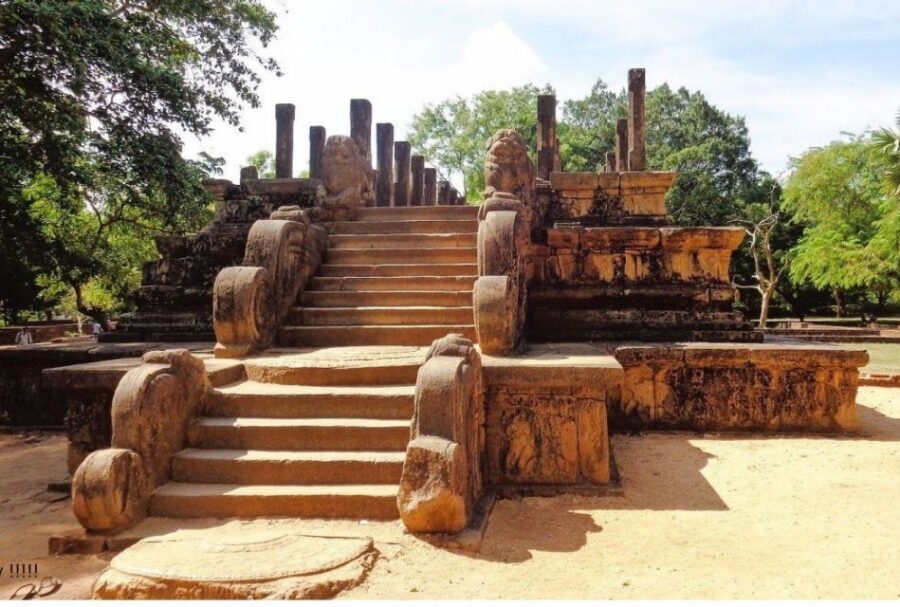
The latter part of the tour rounds out Polonnaruwa’s signature look. The tour includes:
- Lankathilaka stupa with its unique architectural design
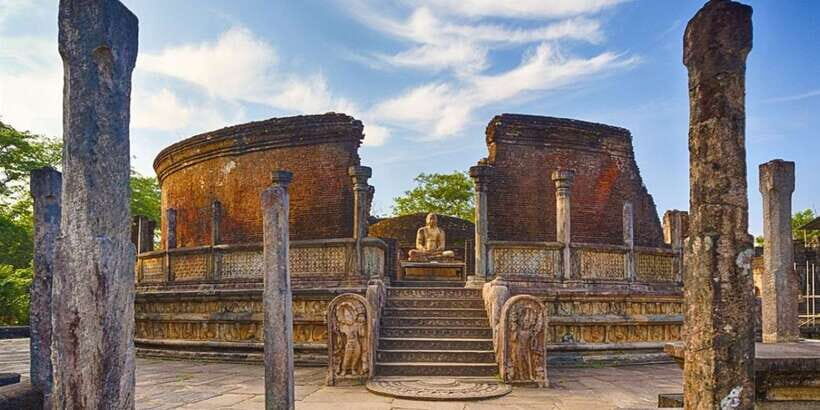
- Vatadage and Rankoth Vehera (the tour notes their allure)
- The Parakramabahu Statue, described as a testament to the greatness of the past
I like this set because it prevents “monument fatigue.” After the big names like Gal Viharaya, these other stops help you see Polonnaruwa as a whole system of sacred and ceremonial architecture rather than a checklist of single highlights.
Lankathilaka’s design is worth your attention because stupa architecture isn’t one-size-fits-all. The tour makes a point of the uniqueness here, which suggests you’ll be encouraged to notice the form rather than just the presence of a stupa.
Then Vatadage and Rankoth Vehera add variety. “Allure” is a vague word, but the takeaway is practical: these are places where looking from the right angle matters, and where a guided pause helps you understand why they’re part of the Polonnaruwa identity.
Finally, the Parakramabahu Statue gives you a human anchor. It’s a reminder that these structures were tied to leadership and legacy, not just stone surviving time.
Price and entrance fees: what you’re really paying for
The listed price is $95 per person for about 5 hours, including hotel pick-up and drop-off areas, air-conditioned private transport, a cycling guide, mountain bike charges, fuel/driver charges, and parking fees.
That sounds good on paper, and for a reason: you’re buying convenience plus time in the most important part of Polonnaruwa without needing to arrange bikes, negotiate routes, or coordinate drivers.
But here’s the cost reality check: entrance fees to Polonnaruwa are not included, estimated at about US$30 per person. So your true day cost is closer to around $125 per person once you factor that in.
Is $95 worth it? For me, it comes down to bike condition and guide quality. One review praised the guide and driver and specifically highlighted that temples were enjoyable by bike and that the complex is definitely worth visiting. Another review complained about unsafe bikes, poor brakes/gears, and a lack of water despite the tour’s description.
If you book, I’d treat entrance fees as your “additional budget line,” and I’d plan to spend 2 minutes confirming the bicycle is rideable and safe. That small check is the difference between a relaxing day and a rescue-style day.
Bike condition and water: the two things to verify early
This tour includes complimentary refreshments and water, and that’s exactly what you want on a hot day. Still, one past booking reported no water being offered, and that discrepancy matters for your expectations.
So here’s my practical advice: bring your own bottle as a backup. The tour may provide water, but you won’t feel stranded if it doesn’t.
Bike condition is the bigger safety question. One booking described clearly poor maintenance: brakes that didn’t work well, gears that didn’t shift properly, and a tyre burst that led to walking until a taxi arrived.
You can’t control the bike you’re handed, but you can reduce the risk by doing a quick start-up test:
- squeeze and test the brakes before you leave
- shift through the gears once on flat ground
- check tyre pressure and tread condition if the guide will allow it
If something feels unsafe, speak up immediately. A good guide will want you comfortable and safe, because the whole point is enjoying Polonnaruwa, not fighting your bicycle.
Who this Polonnaruwa bike tour fits best
This experience fits best if you want a guided ride that connects major monuments—palaces, temples, stupas, and statues—without getting bogged down in navigation.
I think it’s especially good for:
- people who like a mix of biking and short walks
- first-timers to Polonnaruwa who want a guide to explain what they’re seeing
- travelers based in Dambulla, Kandalama, Habarana, or Sigiriya who prefer easy transport
It may be less ideal if:
- you’re sensitive to bike quality issues and you don’t want to do any pre-ride checking
- you need guaranteed hydration service with no uncertainty, since there’s conflicting feedback
If you’re somewhere in the middle, you can still have a great day. Just be ready to verify the bike before you start, and plan for entrance fees.
Should you book this Polonnaruwa Ancient City bike tour?
Yes—with a practical mindset. The core value is strong: you get hotel transport, an English cycling guide, a bike format that keeps the day efficient, and major Polonnaruwa landmarks packed into a 5-hour window.
The biggest reason to consider booking is the monument lineup: Royal Palace, Nissankamulla Palace, Gal Viharaya’s four rock-cut Buddhas, Thuparama stupa, plus Lankathilaka, Vatadage, Rankoth Vehera, and the Parakramabahu Statue. That’s the kind of route that makes a World Heritage site feel coherent instead of random.
The biggest reason to hesitate is bike reliability. Since you can’t guarantee condition from the outside, treat this as a “check first” tour. If the bicycle seems shaky—don’t tough it out.
If you go in prepared for entrance fees and do a quick bike safety check at the start, this can be a memorable way to see Polonnaruwa at a comfortable pace.
FAQ
What is the duration of the Polonnaruwa Ancient City by Bike tour?
The tour runs for 5 hours total.
Where do they pick you up from?
Pick-up is available from hotels in Dambulla, Sigiriya, Habarana, and Kandalama.
What time does the tour start?
The experience begins with pick-up around 08:00, and the exploring portion starts around 10:00.
Are the Polonnaruwa entrance fees included in the price?
No. Entrance fees to the Ancient City of Polonnaruwa are not included (approx. US$30 per person).
Is there a guide, and what language do they speak?
Yes, there is a live guide and the tour is conducted in English.
What do I need to bring?
You should bring a charged smartphone and a passport or ID card.