REVIEW · LUNUGAMVEHERA NATIONAL PARK
Lunugamvehera National Park ( Yala Block 5 / 6 ) Wild Safari
Book on GetYourGuide →Operated by Wanderluxe Ceylon · Bookable on GetYourGuide
Leopard sightings feel a little like a timing game. Lunugamvehera National Park, covering Yala Block 5 and 6, is a calmer choice than the best-known safari areas, and the tour’s value comes from how a real guide works the roads and stops for wildlife viewing.
I really like two things here: the steady 4×4 jeep ride that keeps you safely positioned for sightings, and the guide-led search that actually helps you spot animals rather than just driving around. The main drawback to plan for is that the park entry fee is not included, so the total cost will be higher once you pay the onsite fee separately.
In This Review
- Key highlights you’ll feel on the day
- Why Lunugamvehera’s Yala Blocks 5 and 6 feel calmer
- Getting there from Tissamaharama, Thanamalwila, and Kataragama
- The jeep ride: safety, positioning, and a guide who works the route
- Inside the park: what you can hope to see in Blocks 5 and 6
- Leopard country: how to make the most of your 4 hours
- Timing options: afternoon safaris and what to expect from different start times
- Ruins in the wilderness: culture adds meaning to the drive
- Price and logistics: what $34 really covers
- What to bring, what not to bring, and small comfort wins
- Who should book this Lunugamvehera safari?
- Should you book this safari? My practical take
- FAQ
- FAQ
- Where are the pickup locations?
- How long is the safari?
- Is the national park entry fee included?
- What’s included in the tour price?
- What should I bring for the safari?
- Are alcohol or drugs allowed?
- Is this activity wheelchair accessible?
- Is it suitable for pregnant women or very elderly visitors?
- What is the cancellation policy?
Key highlights you’ll feel on the day
- Yala Block 5 and 6 access: less-crowded safari time with a strong chance at standout animals.
- Binoculars included: you can scan properly instead of just squinting from the jeep.
- English live guide plus English audio: you get explanations on the move, and extra context when needed.
- Pickup options in three towns: Tissamaharama, Thanamalwila, and Kataragama make logistics easier.
- 4×4 jeep focus: safer, smoother positioning for wildlife sightings and better viewing angles.
Why Lunugamvehera’s Yala Blocks 5 and 6 feel calmer
If you want Sri Lanka safari time without feeling packed in, Lunugamvehera is a strong pick. It’s known for wildlife and birdlife across different habitats, including open grass areas, denser forest pockets, and water spots where animals may cross.
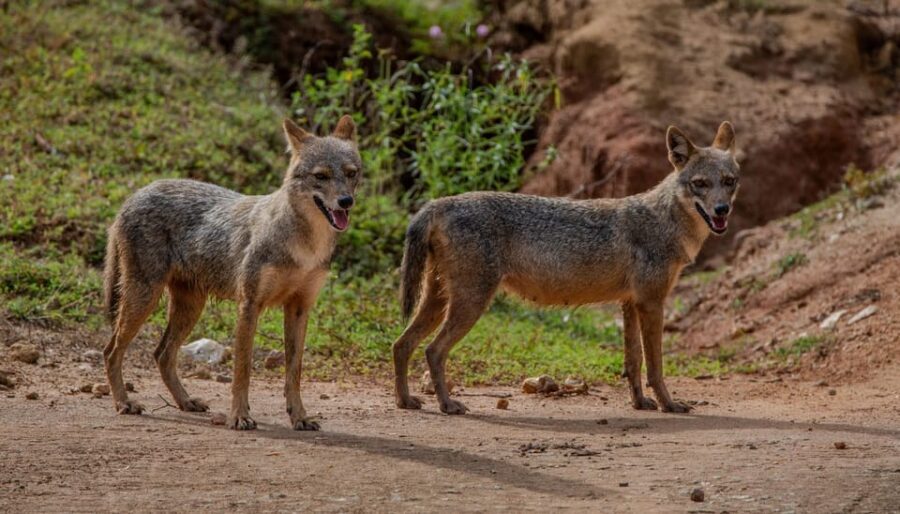
What makes this tour appealing is the emphasis on finding animals such as leopards, elephants, deer, sloth bears, crocodiles, and lots of birds. You’ll also get a sense that this area runs on patience. The park’s quieter vibe helps you stay focused on what’s happening around you instead of rushing from one crowd-shaped viewpoint to the next.
There’s also a cultural layer. The park area includes ancient ruins and historical sites, so if your guide mentions features as you drive, the day can feel like wildlife plus context rather than wildlife only.
Getting there from Tissamaharama, Thanamalwila, and Kataragama
This safari is built around convenient pickup points. You can be collected from Tissamaharama, Thanamalwila, or Kataragama, which matters if you don’t want to start your day with a long, complicated transfer.
The time on the road is listed at about 1 hour in a jeep/SUV before the park portion. After that, you’re in the national park for about 4 hours of sightseeing. In plain terms: expect a full day. The total duration is listed as 5 to 12 hours, depending on your pickup and drop-off, and the starting times available.
Drop-off is also convenient: Kataragama, Tissamaharama, or Thanamalwila. That usually means you aren’t stuck arranging a separate ride after safari time, which saves stress when you’re tired and a little muddy from the road.
The jeep ride: safety, positioning, and a guide who works the route
The tour uses a 4×4 safari jeep and includes an experienced guide/driver. You’re not just paying for transport. You’re paying for someone who understands where animals tend to show up and how to handle the jeep so you don’t miss the small stuff.
Binoculars are included, and that’s a big deal. Many safari disappointments come from the same problem: people try to spot distant animals without proper tools. With binoculars provided, you can actually scan for movement and shapes rather than relying on luck and guesswork.
English support is also solid. You get a live English guide and an English audio guide. In practice, that means you can follow the story even if wildlife action ramps up fast. And if you’re the kind of person who likes details like animal behavior and why a certain spot matters, you’ll probably appreciate the explanations.
One guide name that shows up in the tour’s experience is Shiran. He’s described as knowledgeable and focused on helping you see animals, and that fits the overall style of the trip: you’re meant to stay patient, watch carefully, and trust the driver’s timing.
Inside the park: what you can hope to see in Blocks 5 and 6
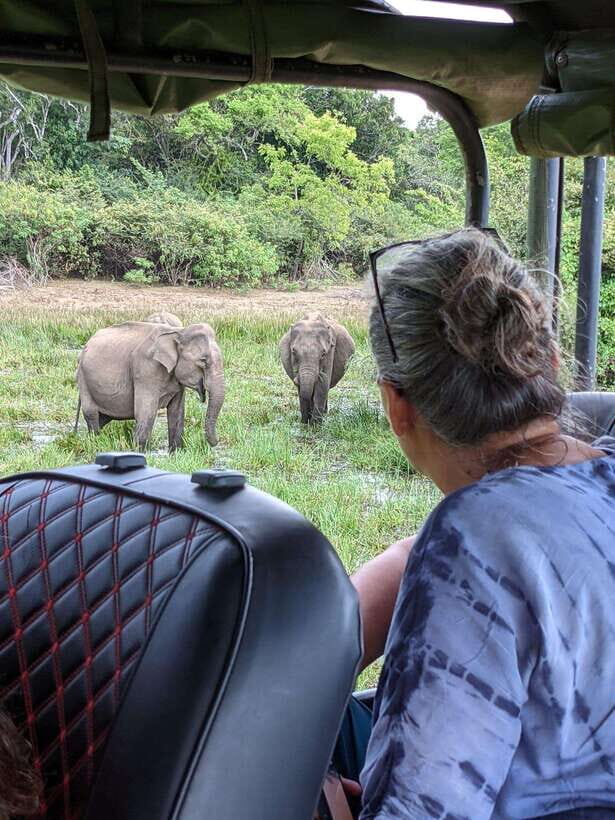
Lunugamvehera’s reputation is tied to variety. You’re likely to encounter signs of wildlife—tracks, calls, and animal movement—and the tour is designed around the idea that you’ll spend meaningful time searching.
Here are sightings you can realistically aim for based on what the experience highlights and what people report:
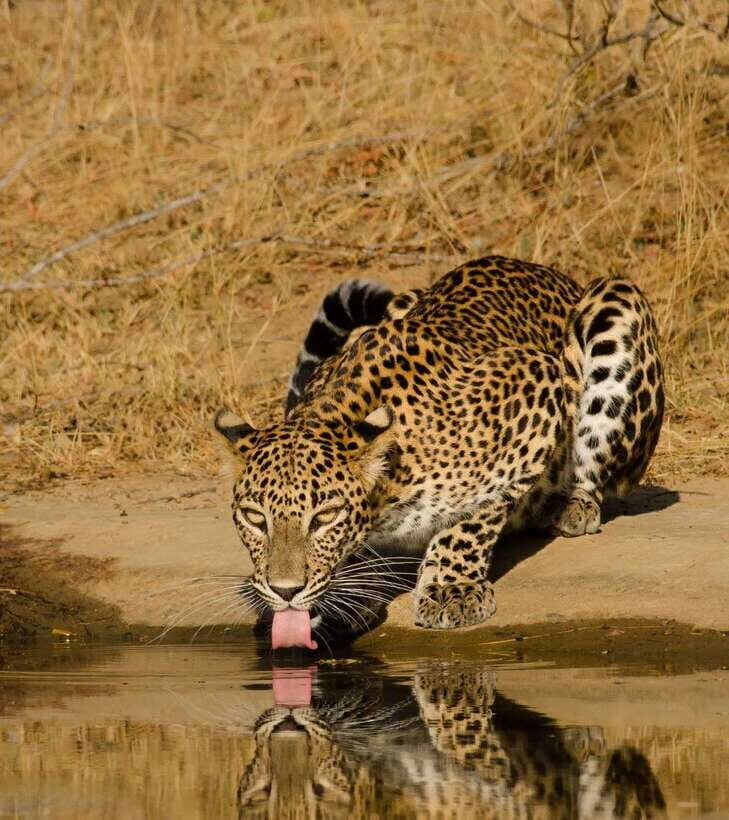
- Leopards: A standout possibility. One account describes a leopard climbing a tree about 10 meters away. You won’t control that, but it’s exactly the kind of close, unforgettable moment the park can deliver.
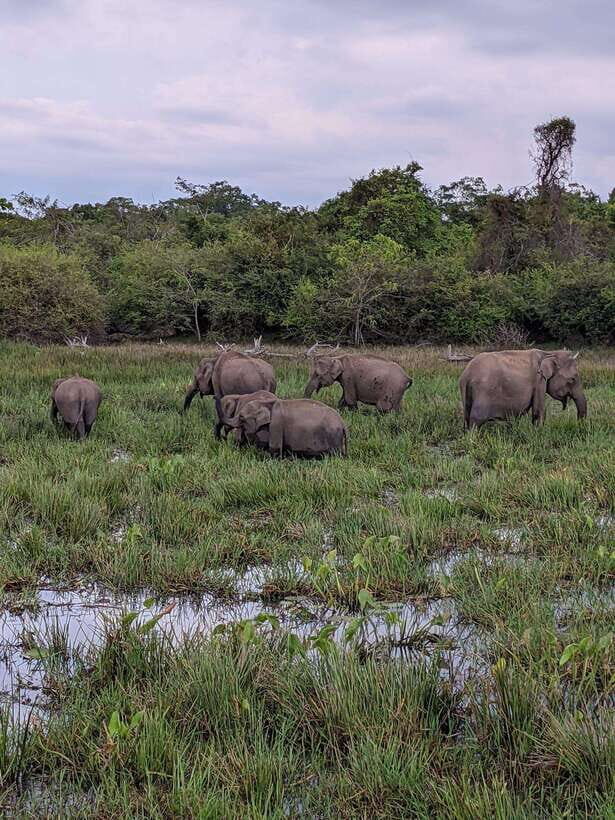
- Elephants: The park is associated with elephant sightings, but one important practical note: you might find elephants more on the road approaches than deep inside the park. Ask your guide what that typically looks like on your route day.
- Sloth bears: The tour directly points to sloth bears, and that’s a good sign that your guide will watch for the right behaviors and habitat clues.
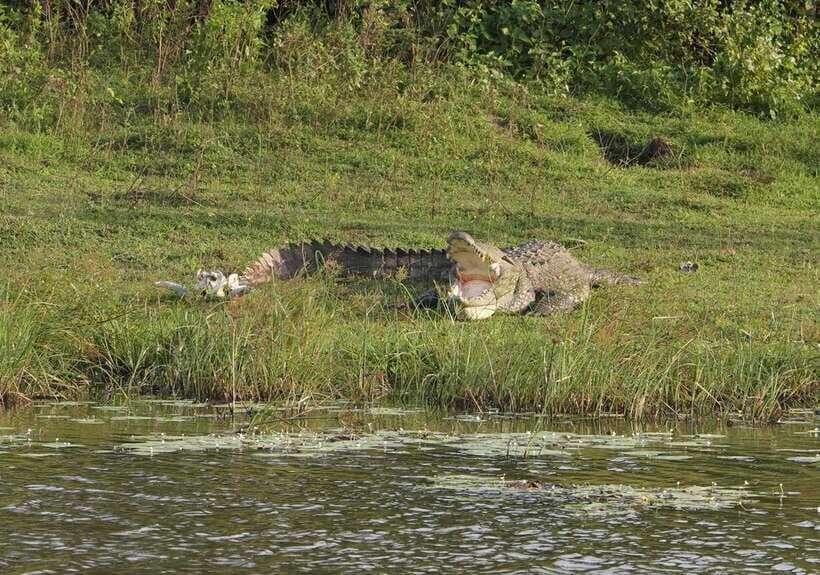
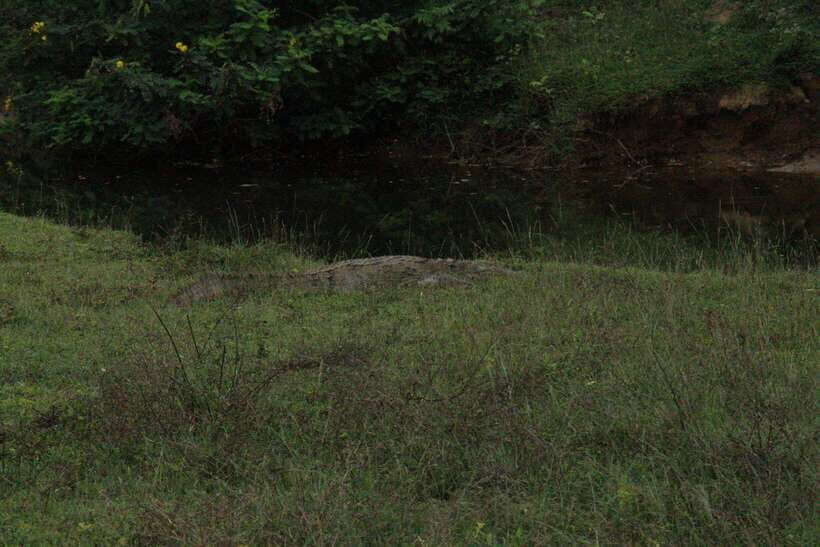
- Crocodiles and reptiles: Crocodiles are specifically mentioned as a possible sighting, plus sightings like monitor lizards can happen.
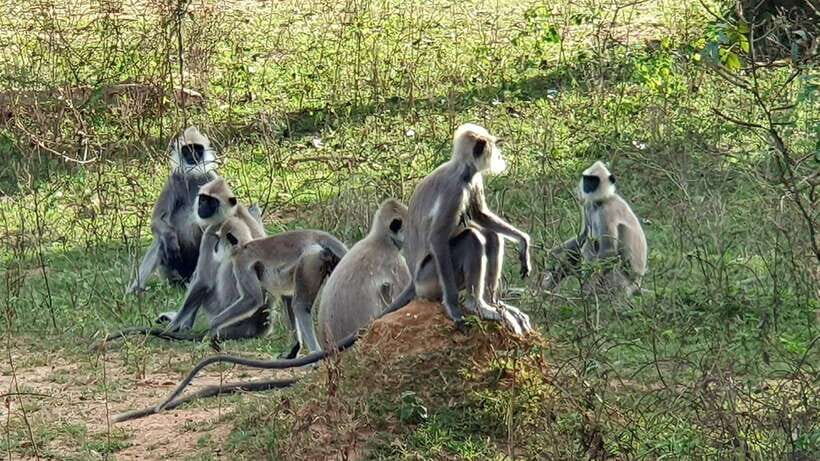
- Deer and other mammals: Deer are included in the typical wildlife list, and mammals like these often appear around edges and travel corridors.
- Birdlife: Birds are a major part of the experience. People have reported species like peacock and kingfishers, which gives you a sense that your attention shouldn’t be only on the biggest animals.
The balanced way to plan: don’t treat leopard or elephant sightings as guaranteed. Instead, treat the day as a structured search with the tools and guidance to maximize your odds. If your guide is good—and the whole tour is built to include a strong guide—you’ll usually feel like the jeep time is purposeful.
Leopard country: how to make the most of your 4 hours
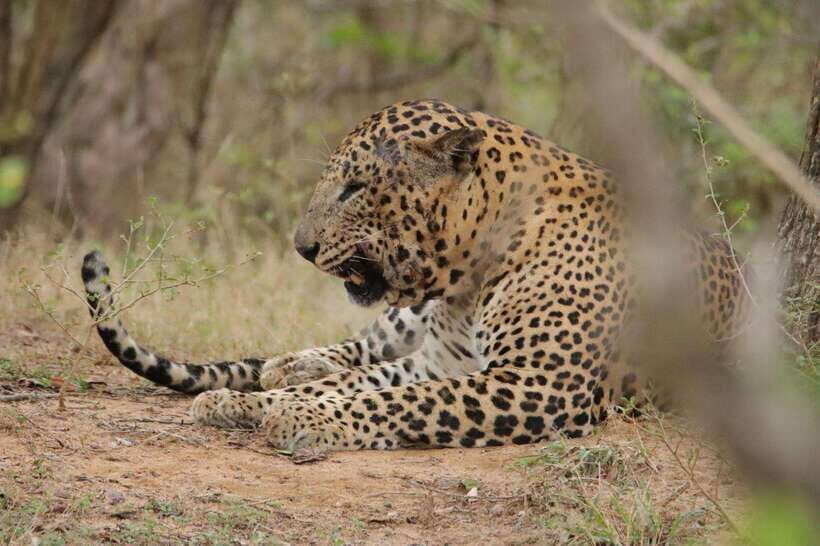
The park time is listed at 4 hours. That isn’t a full day in the bush, so your best strategy is to act like it’s a high-stakes spotlight. You want to be ready for sudden stops, slow scanning, and moments where the animal is present but easy to miss.
A few practical tips you can follow right away:
- Stay patient when sightings don’t happen immediately. The experience is designed around waiting and repositioning, not constant movement.
- Use binoculars early, not only at the end. Don’t wait until you hear other people talking. Start scanning as soon as your guide indicates good habitat.
- Keep your eyes on both ground and branches. Leopards and birds can show up in different zones, and the most interesting animals are sometimes high up or half-hidden.
- Trust the guide’s decisions. People have specifically advised that your best results come when you follow your driver’s lead and don’t second-guess every stop.
If you’re lucky with timing, you’ll get that close-action moment. If not, you still usually leave with a stronger understanding of how animal movement connects to the habitat type you’re passing through.
Timing options: afternoon safaris and what to expect from different start times
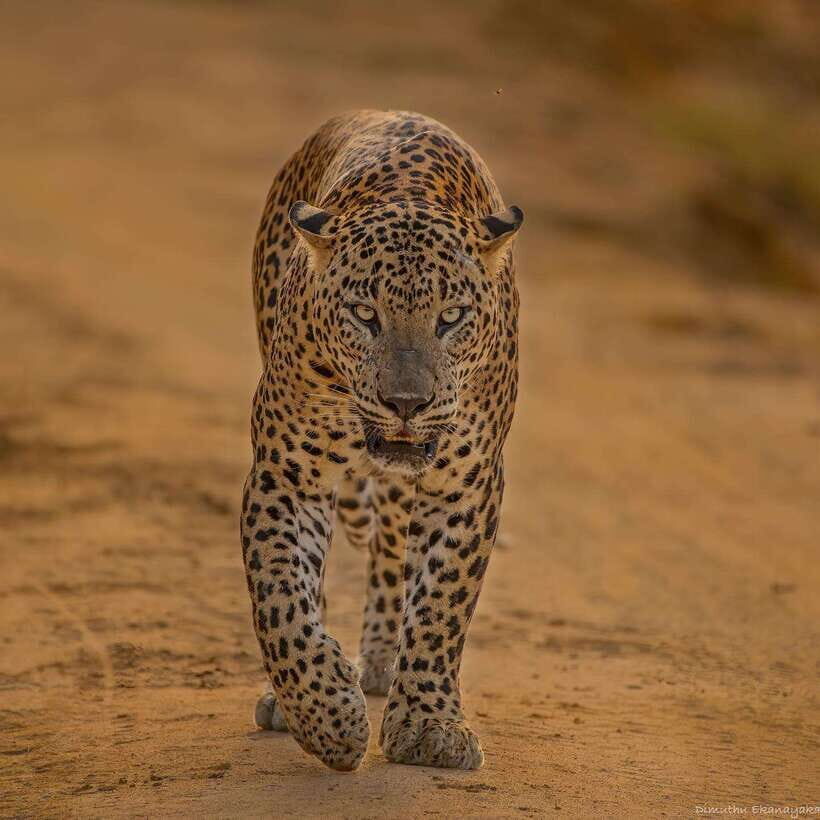
The overall duration is flexible (listed as 5 to 12 hours), and the safari can be done at different times depending on availability. One example described doing the safari in the afternoon and feeling happy with the decision.
Here’s how to think about it: you’re trading the morning rhythm for the afternoon one. Wildlife patterns can shift through the day, so the value of choosing an afternoon slot (when it’s available) is that you might catch different animal activity and lighting than you would in the early hours.
Because the tour doesn’t promise a fixed list of animals no matter what time you go, the most practical move is to pick a time that fits your itinerary and doesn’t stress you out. A tired brain misses details. A calmer day lets you actually use the binoculars and pay attention.
Ruins in the wilderness: culture adds meaning to the drive
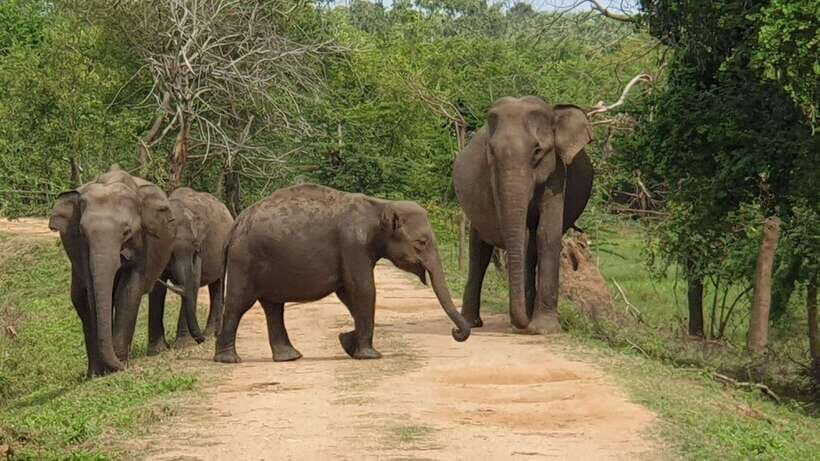
This isn’t only a chase for animals. The park area includes ancient ruins and historical sites scattered throughout. Depending on your route and what your guide points out, you might get small moments where the setting feels older than the safari itself.
That matters because it changes the feel of the day. Instead of thinking of the jeep as a moving viewing platform only, you can also treat it like a guided walk-through of an area with human fingerprints from long ago. You’ll still be focused on wildlife, but the cultural details give your brain something extra to connect to.
Price and logistics: what $34 really covers
The tour price is listed at $34 per person. For Sri Lanka safaris, that’s a “this is a lot for the money” kind of number, but do one important math step before you book: the national park entry fee is not included.
The onsite park fee is listed as Rs 13000 per person. That means your final all-in cost is the tour price plus the entry fee, plus food and drinks.
So how do you judge value fairly?
- You’re getting a 4×4 jeep, an experienced guide/driver, and binoculars.
- You’re getting pickup and drop-off from multiple towns.
- You’re getting English support with both a live guide and an audio guide.
If you were to arrange the jeep and guide separately, it would usually cost more than the safari price alone. The key is budgeting the park entry fee so there are no surprise gaps in your day.
Food and drinks are not included. If you don’t want to scramble, plan on bringing or buying meals nearby before you head in, and bring water if your schedule requires it.
Also: the experience offers reserve now & pay later, and cancellation is listed as free up to 24 hours before. That can help if you’re adjusting around weather or travel timing.
What to bring, what not to bring, and small comfort wins
Packing for safari in Sri Lanka is less about gear magic and more about comfort and practicality.
Bring:
- Comfortable shoes
- Comfortable clothes
Not allowed:
- Alcohol and drugs
Other practical notes:
- The tour is listed as wheelchair accessible, which is helpful. If you use a wheelchair, you’ll want to confirm how the jeep boarding works for your situation, but the accessibility claim is there.
- It’s listed as not suitable for pregnant women and people over 95 years. That’s the kind of restriction that’s usually about safety and comfort on the road.
If you want extra success with wildlife viewing, dress so you can stay comfortable for the full park time. You’ll likely spend long minutes parked in the same position while you scan.
Who should book this Lunugamvehera safari?
This tour fits best if you:
- want value without sacrificing the guide and equipment that improve your odds
- like wildlife days that feel less crowded than the most famous safari routes
- enjoy learning from an English guide while you search
- can handle a long jeep day and the reality that animal sightings are never guaranteed
It’s also a good pick for couples and solo travelers because the core experience is focused and guided, not a long list of stops.
If you’re going with kids, it can still work, but plan for the waiting. Safari success often comes from patience, not speed.
And if you’re chasing elephants as your top goal, go into it with flexibility. Elephants are part of the wildlife promise, but you may see them more on roads/approach areas than deep inside the park, so ask your guide about the likely pattern for your specific day.
Should you book this safari? My practical take
Book it if you want a guided Yala Block 5/6 safari that prioritizes spotting animals with a real driver, included binoculars, and pickup convenience from key nearby towns. The price makes sense because the tour covers the jeep, guide, and core viewing tools, while the park entry fee is the only major extra you must budget.
Skip it or rethink it if:
- you need guaranteed leopard or elephant sightings (no safari can promise that)
- you’re sensitive to long waiting and scanning time
- your group falls under the listed restrictions (pregnancy, or age over 95)
If you’re the kind of traveler who enjoys calm wildlife time, listens to the guide, and trusts the slow work of scanning, this is exactly the kind of safari day that pays off.
FAQ
FAQ
Where are the pickup locations?
Pickup is available from Tissamaharama, Thanamalwila, and Kataragama.
How long is the safari?
The total duration is listed as 5 to 12 hours. The park sightseeing time is about 4 hours, with about 1 hour of jeep/SUV travel.
Is the national park entry fee included?
No. The national park entry fee is Rs 13000 per person and is not included.
What’s included in the tour price?
You get a 4×4 safari jeep, an experienced safari guide/driver, binoculars, and pickup/drop-off from select locations. English support includes a live English guide and an English audio guide.
What should I bring for the safari?
Bring comfortable shoes and comfortable clothes.
Are alcohol or drugs allowed?
No. Alcohol and drugs are not allowed.
Is this activity wheelchair accessible?
Yes, it is listed as wheelchair accessible.
Is it suitable for pregnant women or very elderly visitors?
No. It is listed as not suitable for pregnant women and for people over 95 years.
What is the cancellation policy?
You can cancel up to 24 hours in advance for a full refund.