REVIEW · KANDY
Day Tour to Polannaruwa from Kandy by Lux Tours Lanka
Book on Viator →Operated by Lux Tours Lanka · Bookable on Viator
Polonnaruwa turns into one tight guided walk. A Polonnaruwa day tour from Kandy with Lux Tours Lanka makes the Ancient City feel manageable: you get a clear route, a live explanation of what you’re seeing, and enough time to actually notice details in places that can otherwise blur together. I love the stop-by-stop pacing that keeps the big hitters like Gal Vihara and the Quadrangle from feeling rushed, and I especially like how the better guides turn the drive into part of the experience by pointing out wildlife along the way.
There is one trade-off to plan for: admission tickets aren’t included at the listed stops (including Gal Vihara, the museum, and the major ruins). Also, with a duration range of about 5 to 12 hours, you’ll want to be ready for a long day if you’re not into road time.
In This Review
- Key Highlights You Should Know Before You Go
- Why Polonnaruwa Works So Well From Kandy
- Lux Tours Lanka: Your Day, Your Pace, Your Guide
- Getting Your Bearings: Where the Day Starts and What Time Window Means
- Gal Vihara: Four Buddhas Carved From One Slab
- Archaeological Museum: Context That Makes the Ruins Click
- Polonnaruwa Vatadage and the Quadrangle: The Ruins in a Compact Box
- Lankathilaka Image House: Parakramabahu I’s Big Temple Energy
- Thivanka Image House: The Thrice-Bent Buddha Detail
- Rankoth Vehera: Seeing Polonnaruwa’s Largest Dagoba Shape
- What the Best Guides Do: Explanations, Enthusiasm, and Wildlife
- Pricing and Value: Is $65 Fair for a Kandy-to-Polonnaruwa Day?
- Who This Tour Fits Best
- Should You Book This Polonnaruwa Day Tour From Kandy?
- FAQ
- How long is the Day Tour to Polannaruwa from Kandy?
- Is pickup included?
- Is this tour private?
- Do I need admission tickets for the sites?
- Do they use mobile tickets?
- What are the operating hours?
- What sites are included on the day?
- What is the cancellation policy?
Key Highlights You Should Know Before You Go
- Private tour feel: only your group participates, so you can ask questions and move at a comfortable pace
- Gal Vihara’s rock-cut Buddha set: four images carved from one long slab in a single slab carving tradition
- A museum that explains how the city worked: models and instruments linked to monastery life and nearby areas
- The Quadrangle (Vatadage area): a compact ruin zone with an unusually concentrated layout
- Massive temple scale: Lankathilaka’s stone temple with thick walls and tall viewing walls
- Dagoba photography and perspective: Rankoth Vehera’s 54m scale changes how you see the skyline
Why Polonnaruwa Works So Well From Kandy
If you’ve been to Sri Lanka’s big-name ruins and found yourself wondering how people lived day to day, Polonnaruwa is the answer. This was the seat of kings about 800 years ago, and the site still shows a religious and commercial center in clear built form.
The smart part of this tour is that it doesn’t treat Polonnaruwa like a checklist. You get a sequence that flows from rock carvings to museum context to the most concentrated ruin area, then ends with major temple structures and a giant dagoba. That order helps your brain connect the dots between artwork, architecture, and the way the city was laid out.
Other Kandy tours we've reviewed in Kandy
Lux Tours Lanka: Your Day, Your Pace, Your Guide
This is a private tour/activity, so it’s just your group with the guide. That matters because Polonnaruwa is a place where good context changes everything: why carvings look the way they do, why certain buildings sit where they do, and what titles and reigns are connected to specific structures.
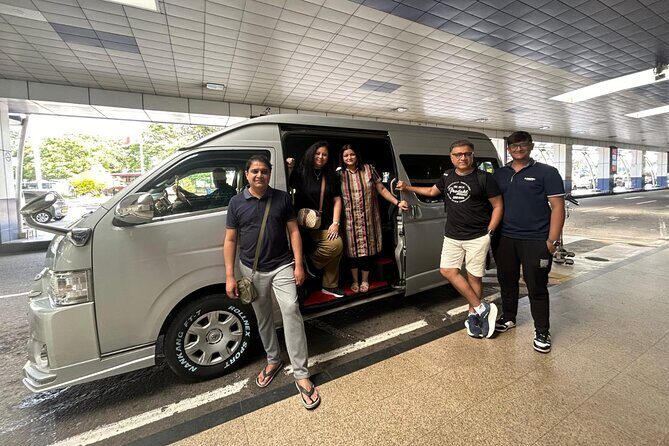
Lux Tours Lanka also offers pickup, which is a big deal for a day trip from Kandy. You don’t have to coordinate transport yourself, and you get a more predictable start. You’ll also receive a mobile ticket, which is handy when you’re juggling multiple entry points.
One thing to consider: the tour duration is listed as 5 to 12 hours. That wide range usually means timing can vary by day, traffic, and how your guide plans stops. If you’re sensitive to long travel days, plan for extra water, sun protection, and a calm mindset rather than expecting everything to be perfectly clockwork.
Getting Your Bearings: Where the Day Starts and What Time Window Means
Tours are available in a broad daily window: Monday to Sunday, 7:00 AM to 8:30 PM. So your start time can vary depending on the schedule you choose.
The stops themselves are short blocks (many are around 30 minutes each, with the museum getting about 1 hour). That structure is great because it keeps you from frying in the heat while also giving your eyes time to process what you’re seeing. Still, you’ll want to remember that travel time to and from Polonnaruwa will take a chunk of the day.
Gal Vihara: Four Buddhas Carved From One Slab
Gal Vihara is the kind of sight that makes you slow down without being told. This is a group of beautiful Buddha images and it’s considered a peak of Sinhalese rock carving.
What makes it special is the carving method: the four separate images are cut from one long slab. That single-block approach makes the whole composition feel intentional rather than like four separate monuments. You also get a strong location link here: these images are part of Parakramabahu I’s northern monastery.
Plan for about 45 minutes at this stop. If you like photos, this is a good one to shoot from slightly different angles because the rock surface and carving depth can look very different as the light shifts.
A practical consideration: since admission is not included for this stop, budget for entry fees on arrival or bring whatever form of payment your guide suggests.
Archaeological Museum: Context That Makes the Ruins Click
The Archaeological Museum is one of those stops that turns ruins from pretty to meaningful. Instead of only walking among stones, you get rooms dedicated to different zones—citadel, outer city, and the monastery area.
What I like most here is that the museum doesn’t stop at labeling. It includes a model of the monks’ hospital and shows medical instruments, which helps you understand monastery life as more than just prayer spaces. There’s also a room tied to Hindu monuments, with a selection that broadens how you view the religious mix around the city.
You’re allotted about 1 hour. That’s a sweet spot: enough time to read the key explanations without losing your energy before the outdoor sites. If you’re short on time, focus on the sections that explain daily life and city layout, because that knowledge will make the later ruin areas easier to understand.
Again, note the museum’s entry is listed as not included. So treat it as part of your overall cost planning.
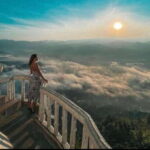



Polonnaruwa Vatadage and the Quadrangle: The Ruins in a Compact Box
After the museum, the Quadrangle area feels like the physical answer to what you just learned. This is part of the broader Polonnaruwa Vatadage zone, described as a short stroll north of the Royal Palace ruins.
Here’s the key idea: the Quadrangle is literally compact—ruins in a raised-up area bounded by a wall. That boundary matters because it creates a “you are inside the city core” feeling. You’re not wandering endlessly across distant fragments. You’re seeing a concentrated set of buildings and sacred spaces in one area.
You’re scheduled for about 30 minutes. For me, that’s ideal because the Quadrangle is dense but not huge. Use the time to look for the relationships between structures—where you stand changes which buildings feel central.
If you want your photos to look more dramatic, don’t just aim for the biggest stones. Turn around and capture the wall-bound layout. That layout is part of what makes this zone feel unusually concentrated.
Lankathilaka Image House: Parakramabahu I’s Big Temple Energy
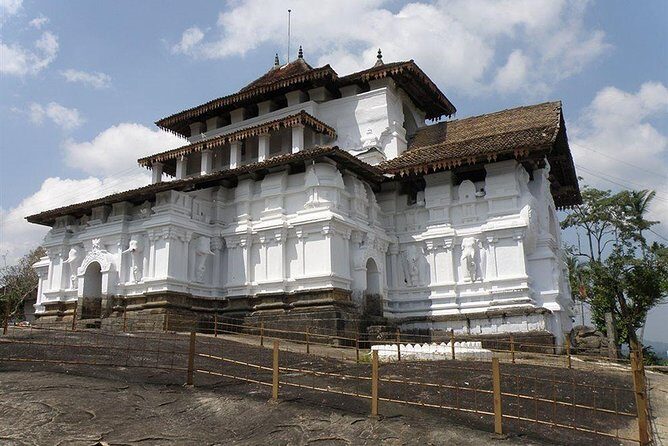
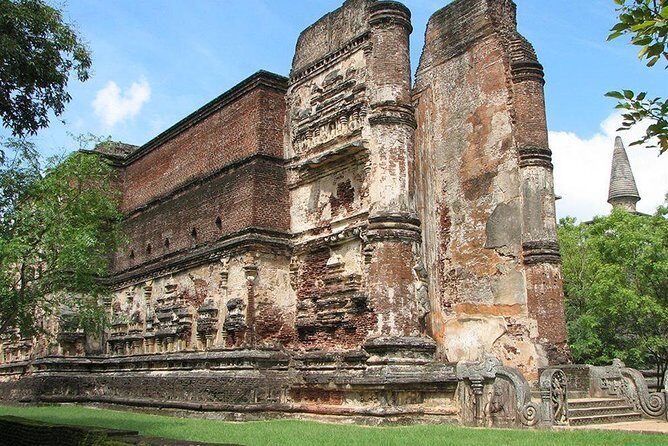
Next up is the Lankathilaka Image House, one of the most evocative structures in Polonnaruwa. It was built by Parakramabahu I and later restored by Vijayabahu IV, so you’re seeing a building story across reigns, not a single moment frozen in time.
This temple is described as a massive gedige—a stone Buddhist temple with a corbelled roof and thick walls. The walls are listed as about 17m high, which you feel immediately when you’re standing near it. The sheer scale is the point: it’s architecture meant to impress, and it also shapes how the interior space would have felt.
You’re given about 30 minutes here. I’d use that time to slow down on one good viewing spot and look at how the thick walls and roof structure interact. This is one of those places where quick glances make you miss the engineering.
Admission for this stop is also listed as not included, so factor that into your day budget.
Thivanka Image House: The Thrice-Bent Buddha Detail
Then the route leads to the Thivanka Image House, where Tivanka means thrice bent. This refers to the Buddha image inside, which sits in a three-curve position normally reserved for female statues.
That detail is small on paper but huge in person. It tells you the building isn’t just decorative—it’s communicating artistic rules and cultural symbolism about posture and representation. When you understand that, the structure starts to feel like it has a message.
You get about 30 minutes at Thivanka. Since the focus is on the image and its positioning, take a moment to orient yourself before you start photographing. If lighting is tricky, your guide can help with the best angle.
As with the other major stops, admission is listed as not included.
Rankoth Vehera: Seeing Polonnaruwa’s Largest Dagoba Shape
Rankoth Vehera is a big finale style stop. This is the 54m Rankot Vihara dagoba, noted as the largest in Polonnaruwa and the fourth largest on the island.
You’re told it’s ascribed to the reign of King Nissanka Malla, which is useful because it anchors the building in the political timeline of the site. Knowing who is linked to what structure can make your visit feel more organized, like you’re tracing a ruler’s changes across the city.
You’ll spend about 30 minutes at this stop. I’d treat it like a “reset your eyes” moment. Dagobas pull your attention upward, and that’s exactly what you want after several carved or temple-image focused stops.
Admission isn’t included for this stop either, so it’s one more fee to plan for.
What the Best Guides Do: Explanations, Enthusiasm, and Wildlife
This is where the tour’s value can really rise. In one account, the guide was named Dan, and the day included extra attention to needs and engagement throughout the route. That matters because Polonnaruwa rewards questions: you’ll want to ask what you’re looking at and why it’s arranged the way it is.
You might also get wildlife spotting during travel, which can be a fun bonus when the roads pass through open areas. It’s not something to count on, but it shows the difference between a driver who gets you there and a guide who helps you see the area as you go.
A final note from the tour experiences you provided: culinary guidance has been reported as part of the day in at least one case. If food choices matter to you, ask your guide what quick local option fits best between ruins and road time.
Pricing and Value: Is $65 Fair for a Kandy-to-Polonnaruwa Day?
At $65, this can be good value when you consider what’s included in the tour format: pickup, a private group experience, a planned sequence of major sights, and a guide who explains what you’re seeing. Polonnaruwa is far enough from Kandy that self-organizing can turn into wasted time, and time is the one thing you can’t stretch.
The key value question for you is the add-on cost of entry tickets. Since admission isn’t included for multiple stops, your final cost will depend on the fees you pay on site. If you plan for those entry fees ahead of time, the base price makes more sense.
Also think about your comfort with a long day. If you’re okay with road time and want a structured, guided visit, this price looks reasonable. If you hate travel fatigue, you might prefer a shorter route or a less packed day.
Who This Tour Fits Best
This day trip suits you if:
- you want a structured Polonnaruwa visit without figuring logistics from Kandy
- you like ruins where context matters (carving, temple layout, and named reigns)
- you prefer a private group pace over a crowded bus vibe
It may not fit you as well if:
- you strongly prefer unguided wandering
- you don’t want to pay separate admission fees at several stops
- you can’t handle a day that may run close to the upper end of the 5–12 hour range
Should You Book This Polonnaruwa Day Tour From Kandy?
I’d book it if you want the classic Polonnaruwa highlights in a sensible order, with pickup and a guide who helps you understand what you’re looking at. The combination of Gal Vihara, a meaningful museum stop, the Quadrangle concentration, and major temple/dagoba scale is a strong mix for one day.
Skip or rethink it if admission fees for several sites would annoy you, or if your ideal day is short, low-effort, and strictly schedule-bound. If you’re flexible and want a guided framework, Lux Tours Lanka is the kind of tour that helps Polonnaruwa feel less like random stones and more like a real ancient city you can picture.
FAQ
How long is the Day Tour to Polannaruwa from Kandy?
The duration is listed as approximately 5 to 12 hours, depending on the day’s schedule.
Is pickup included?
Yes, pickup is offered.
Is this tour private?
Yes, it’s a private tour/activity, meaning only your group will participate.
Do I need admission tickets for the sites?
Admission tickets are listed as not included for the stops shown, including Gal Vihara and the Archaeological Museum.
Do they use mobile tickets?
Yes, the tour includes a mobile ticket.
What are the operating hours?
Tours are available Monday to Sunday, 7:00 AM to 8:30 PM.
What sites are included on the day?
The listed stops are Gal Vihara, Archaeological Museum, Polonnaruwa Vatadage (Quadrangle area), Lankathilaka Image House, Thivanka Image House, and Rankoth Vehera.
What is the cancellation policy?
You can cancel for a full refund if you cancel at least 24 hours in advance. If you cancel less than 24 hours before the start time, the amount paid is not refunded.