REVIEW · DEBARAWEWA
Yala Village Tour: Pottery Class, Lake and Temple Visits
Book on GetYourGuide →Operated by Flamingos Safari Tours · Bookable on GetYourGuide
Pottery, birds, and ancient temples in one day. This Yala Village Tour in Kotapola pairs Yatala Tissa Stupa and museum time with a hands-on pottery class at a family workshop. I like how the day moves at a human pace, with a guide who explains what you’re seeing instead of rushing past it.
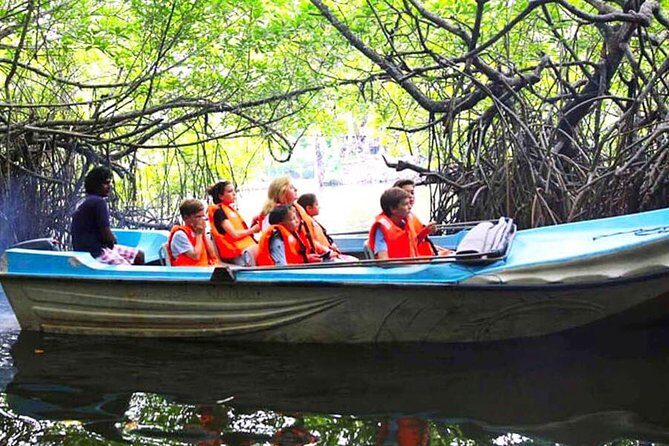
I especially like the nature stops that feel local, not set up for photos. You’ll spend time around Debarawewa Lake for birdwatching, learn how villagers rely on linked lakes and canals, and then get a chance to observe a bat colony that can look almost unreal up close.
One consideration: timing can be long. If you pair this with Yala safari, the day starts early (around 5am), and the village portion typically finishes around 6pm to 6:30pm, so plan for a full schedule.
In This Review
- Key highlights that make this Yala village tour worth it
- Where this starts: Tissamaharama pickup and how the day is timed
- Yatala Tissa Stupa and Buddhist Museum: the 2,300-year anchor
- A family-run pottery workshop: you’ll get your hands into the clay
- Lake time at Debarawewa: birds, canals, and village irrigation
- The bat colony stop: thousands of bats in a natural roost
- Temples, not just one: spiritual stops and cultural context
- The calm finish: Tissa Lake sunset and a slow end to the day
- Transportation, group size, and what included support actually means
- Value check: is the $40 price reasonable?
- Who this tour is best for (and who should skip it)
- Should you book this Yala village tour?
- FAQ
- What’s the location for this Yala Village Tour?
- How long does the tour take?
- Is Yala National Park entrance included in the price?
- Can you arrange lunch during the break between safari and village tour?
- Does the tour have an English-speaking guide and is it private?
- Can the provider drop me somewhere else after the village tour?
- Is free cancellation available?
Key highlights that make this Yala village tour worth it
- Yatala Tissa Stupa (about 2,300 years old) plus the adjoining Buddhist Museum
- Hands-on pottery with a family-run workshop, including a chance to make your own item to take home
- Debarawewa Lake birdwatching, with chances to see local and migratory birds
- Traditional irrigation stories, including how five major lakes connect by canals to support farming
- A natural bat colony visit, where you can observe thousands of bats roosting
- Tissa Lake sunset, a slow finish with reflections on still water
Where this starts: Tissamaharama pickup and how the day is timed
Most people do this as a two-part day: Yala safari in the morning, then the village tour in the afternoon. If you book the combined option, pickup is around 5am from your accommodation in the Tissamaharama area for the safari, and you’ll be dropped back around 10am afterward. After that break, lunch can be arranged, and then the village tour pickup runs around 3pm.
If you book only the village tour, you’ll still get a pickup, but it’s from areas near Tissamaharama and you’ll be dropped back to the same area after the tour. You can also choose to be dropped at other destinations in Sri Lanka after the village portion, including Ella, Mirissa, Tangalle, Hiriketiya, Galle, Hikkaduwa, Ahangama, and Weligama.
Either way, the key to enjoying this plan is understanding it’s meant to feel like a full day in southern Sri Lanka, not a quick add-on.
Yatala Tissa Stupa and Buddhist Museum: the 2,300-year anchor
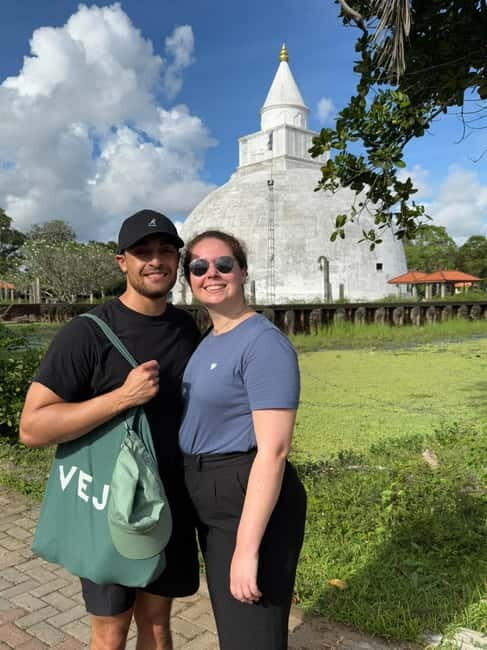
The first major stop is Yatala Tissa Stupa, a site built over 2,300 years ago by King Mahanaga to commemorate the birth of his son, Yatala Tissa. Even if you’re not a hardcore history person, a stupa like this works because it’s physical. You can see the shape, the scale, and the devotion that kept it meaningful across centuries.
Next door is the adjoining Buddhist Museum. This isn’t just plaques and pictures. You’ll have the chance to look at centuries-old artifacts and relics that help put the stupa into a bigger spiritual and historical context. For me, this pairing matters: you get both the place and the objects tied to the tradition.
One practical note: temple-and-museum stops tend to run more slowly than people expect. If you like your sightseeing with time to ask questions, this is a good fit.
A family-run pottery workshop: you’ll get your hands into the clay
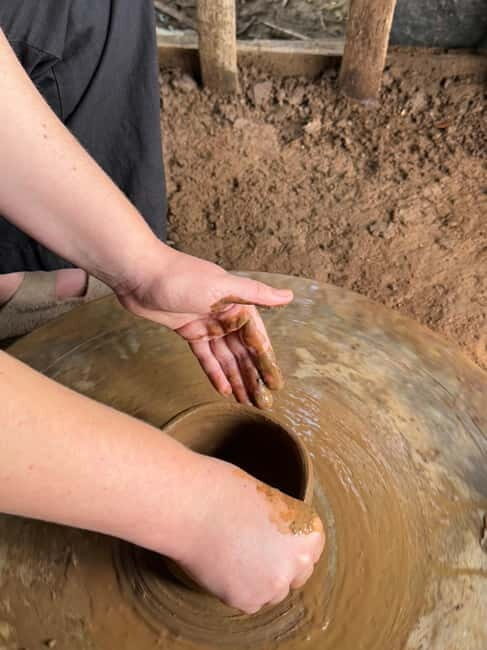
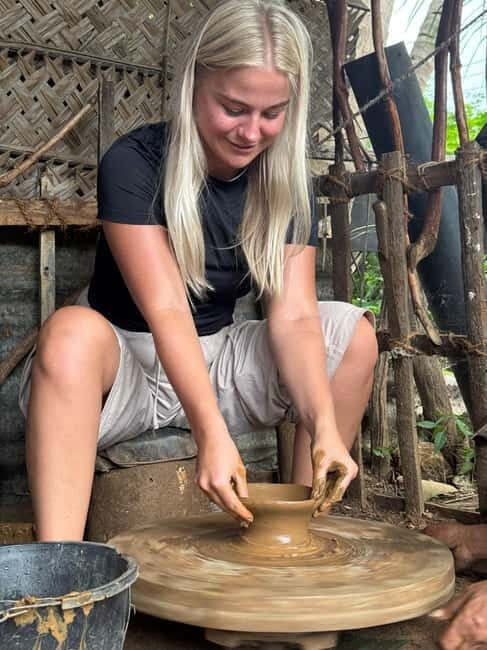
After the temple history, the tour shifts gears to something tactile: pottery at a small-scale, family-run workshop. The workshop showcases traditional pottery-making techniques passed down through generations, and your guide helps explain the steps and what the makers are aiming for.
The best part is that this isn’t a watch-only activity. You’ll have the chance to make your own pottery item. That hands-on moment is the kind of thing that turns a tourist day into a real village memory. You also leave with a small souvenir from what you made, which is one of the easiest ways to remember the experience without carrying home a pile of trinkets.
If you’re the type of traveler who enjoys learning by doing, this stop will likely be your favorite.
Lake time at Debarawewa: birds, canals, and village irrigation
Then you head to Debarawewa Lake, where the setting is peaceful and the story is practical. This stop is about birdwatching and about understanding how villages use water.
You’ll do a birdwatching session along the lakeside, with opportunities to spot local and migratory birds. Binoculars are included, which is a big help because you’ll actually be able to look for details rather than squint at distance.
The guide also explains the interconnected lake system: five major lakes linked by canals that collect rainwater and support the village’s traditional farming practices. This is the kind of information that makes the scenery make sense. Instead of seeing water as “pretty,” you start seeing it as infrastructure—how people survive and grow crops with what the monsoon brings.
What to consider: birdwatching can be calm and quiet. If you’re expecting constant action, manage your expectations. If you enjoy slow observation, it’s relaxing in a good way.
The bat colony stop: thousands of bats in a natural roost
From the lake area, the tour includes a visit to a natural bat colony. The sheer number is the hook—thousands of bats roosting in their natural environment.
This kind of stop can feel surprising because it doesn’t look like the “wildlife encounter” people expect. It’s more like watching a live system. You’ll observe how the bats hang and move as part of the colony, and for wildlife lovers it’s often the one moment that feels genuinely different from the usual zoo-style animal viewing.
One consideration: if bats are a strong fear for you, this portion may not be ideal. But if you’re curious, it’s one of the more memorable nature breaks on the route.
Temples, not just one: spiritual stops and cultural context
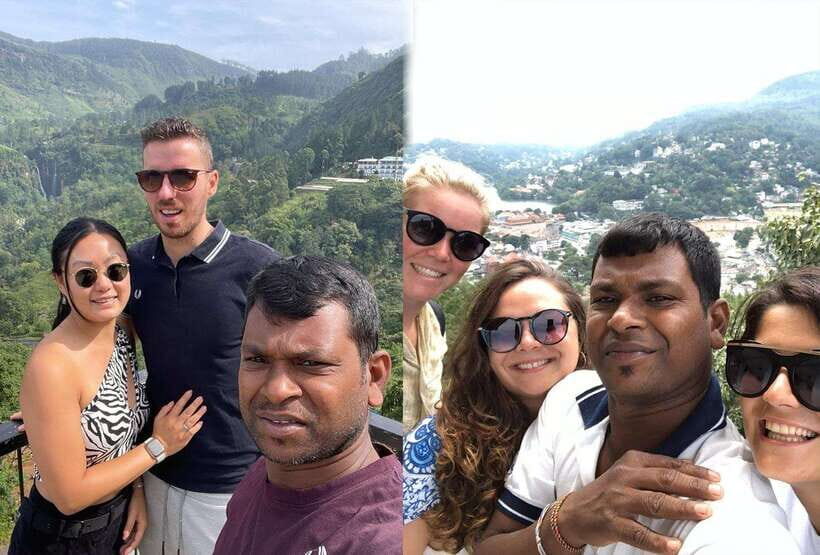
Beyond Yatala Tissa Stupa and the museum, the day includes temple visits. The idea isn’t to check boxes. Your local guide shares stories, historical facts, and cultural insights as you move through each religious site.
This is where the guide’s role really matters. Temple visits can feel repetitive if you’re only reading short descriptions. But with explanation, you start noticing symbols and understanding why the place matters to local life today.
If you care about how faith and daily routine connect in Sri Lanka, you’ll probably enjoy this part more than the typical quick photo stop.
The calm finish: Tissa Lake sunset and a slow end to the day
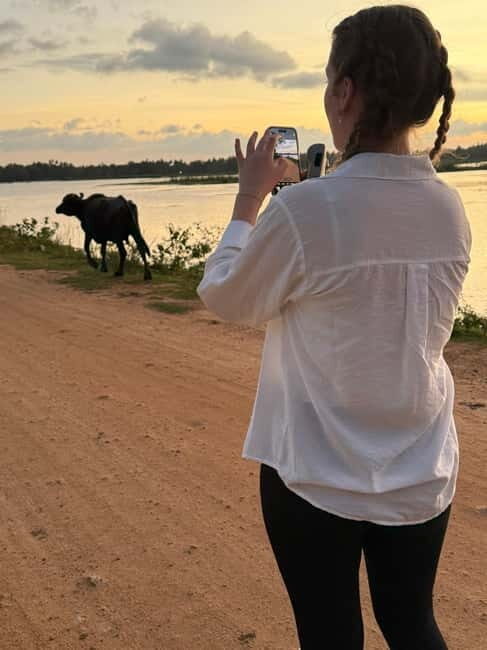
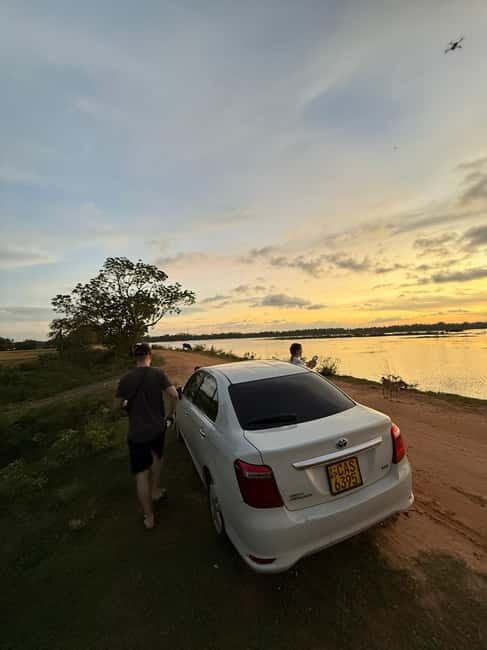
The tour ends with a peaceful lakeside sunset at Tissa Lake. The sky changes color, and the reflections on the still water create a quiet finale. This is the part of the day that feels like you’re exhaling after the temples, workshop, and wildlife stops.
Sunset is also a timing win. You’re not trying to squeeze in more sightseeing when your energy is low. Instead, you get a natural “wrap-up” moment, and you can just enjoy being outside for a bit.
After sunset, you’ll head back toward Tissamaharama, or your chosen drop-off destination if you asked for transport onward.
Transportation, group size, and what included support actually means
This is a private group tour with transportation by car or jeep. Private means you’re not packed in with strangers, and it also tends to make the schedule easier to follow when you’re balancing workshop time, temple time, and lake time.
A few useful inclusions add real comfort:
- Transportation by car/jeep
- Drinking water during the tour
- Binoculars for the birdwatching session
- Free pickup and drop from your accommodation (with the note that some pickup points depend on whether you book village-only or the combined Yala safari plan)
The main extra cost to plan for is the Yala National Park entrance fee (about $45, LKR 13,500 per adult) if your booking includes the safari portion. Personal expenses are also not included.
Value check: is the $40 price reasonable?
At around $40 per group up to 1 (as listed), the value comes from what you’re getting beyond sightseeing. You’re paying for:
- a live English-speaking guide
- transport with a planned route
- binoculars and water
- and at least one hands-on cultural activity (pottery), plus multiple nature and temple stops
The one “catch” is the park entrance fee for Yala if you’re doing the safari segment. But compared with many tours that either charge extra for guides or require separate ticketing for basic activities, this setup is fairly straightforward. The bigger question isn’t the price—it’s whether you want a day that mixes culture, wildlife, and calm lake time rather than sticking to only one theme.
Who this tour is best for (and who should skip it)
This tour fits you best if you want an off-the-beaten-path feeling day around Yala and the nearby Tissamaharama area—one where pottery, temples, birds, and local water systems all connect.
It’s also a strong choice if you like learning from a guide. The whole route is explained as you go, and the pottery stop is interactive, not passive.
You might want to skip or choose a different option if:
- you’re traveling with a baby under 1 year
- you’re 95+ years old
- bats are a deal-breaker for you
- you prefer short, low-effort outings over a full day
Should you book this Yala village tour?
Yes, if you want a day that feels like local life instead of a checklist. The combination of Yatala Tissa Stupa, a family pottery class, birdwatching by Debarawewa Lake, a bat colony visit, and a gentle Tissa Lake sunset gives you variety without feeling random. It also helps that binoculars and water are included, and that the guide’s English makes the cultural and historical context easier to follow.
My advice: book it when you have enough time to enjoy the pace. If you’re only looking for one quick “thing to do,” it may feel like more moving parts than you want. But if you like mixing hands-on culture with nature and temple storytelling, this is the kind of tour that tends to stick with you.
FAQ
What’s the location for this Yala Village Tour?
The tour is based around Kotapola, Sri Lanka, with pickups and drops commonly tied to the Tissamaharama area.
How long does the tour take?
The activity is listed as lasting between 3 and 12 hours. If you pair it with a Yala safari, the village portion is typically picked up around 3pm and finishes around 6pm to 6:30pm.
Is Yala National Park entrance included in the price?
No. The Yala National Park entrance fee is not included (about $45 or LKR 13,500 per adult). The safari tour itself is included in the listed inclusions.
Can you arrange lunch during the break between safari and village tour?
Yes. There’s a break after the safari around 10am, and lunch can be arranged. You can also have a Sri Lankan style lunch at the tour provider’s place.
Does the tour have an English-speaking guide and is it private?
Yes. The tour includes a live English-speaking guide, and it’s a private group.
Can the provider drop me somewhere else after the village tour?
Yes. After the village portion, you can be dropped at other destinations in Sri Lanka by taxi, including Ella, Mirissa, Tangalle, Hiriketiya, Galle, Hikkaduwa, Ahangama, and Weligama.
Is free cancellation available?
Yes. You can cancel up to 24 hours in advance for a full refund.
If you tell me whether you’re booking this with the Yala safari or as a village-only day, I can help you plan the most sensible schedule around it.