REVIEW · GALKADAWALA
Wilpattu National park – Full day Safari (06:00am – 18:00pm)
Book on GetYourGuide →Operated by Tiger Safaris · Bookable on GetYourGuide
Cold starts, warm wildlife luck.
A full-day Wilpattu safari is special because the park is built around Villus (lakes), and you spend the day moving between the areas where animals actually use the water. I like that it’s not just a long drive. You get a guided plan, photo stops, and time in the park while the light and animal mood shift.
Two things I really like: the luxury 4×4 safari jeeps (set for comfort on rough tracks) and the guide-led searching for big targets like leopards and sloth bears. One consideration: English explanation is listed as included, but the depth can vary by guide, so if you care about animal names and behavior, ask questions early and bring a bit of patience during waiting.
In This Review
- Key things to know before you go
- Why Wilpattu’s full-day timing actually matters
- Getting there: Galkadawala pickup and a 4×4 day plan
- Following the Villus lakes: where sightings often start
- Kudiramale Point and Pomparippu: photo stops that aren’t just photo stops
- Wildlife targets: leopards, sloth bears, elephants (and the rest)
- Leopards
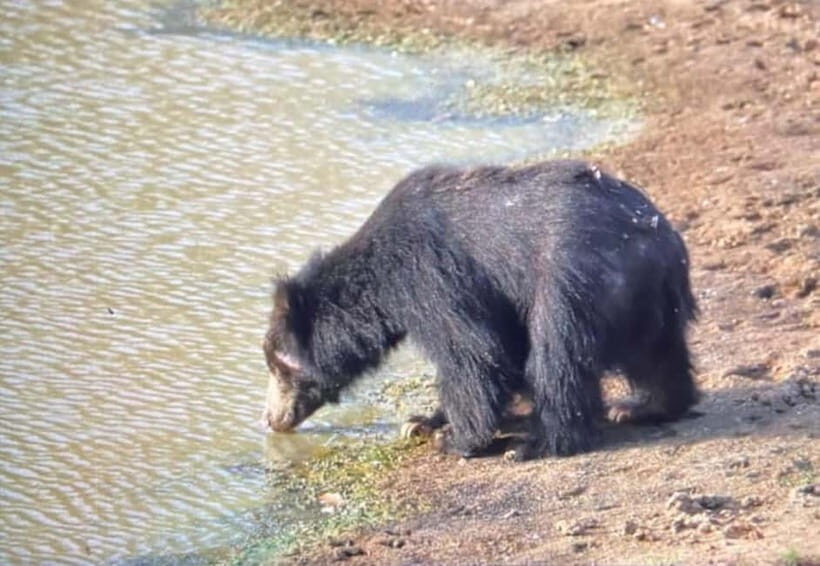
- Sloth bears
- Elephants and deer
- Birds
- Realistic bonus sightings
- Guide and driver impact: why Dinasha, Kaushika, and Ishara get praised
- Food, comfort, and what to pack for a 06:00 start
- Price and logistics: what $95 buys you, plus park entry
- Should you book the Wilpattu full-day safari with Tiger Safaris?
- FAQ
- What time does the Wilpattu full-day safari run
- Where does pickup happen
- Is park entry included in the price
- What food and drinks are included
- Are binoculars provided
- What type of vehicle is used
- What language will the guide speak
- Who should avoid this safari
- What do I need to bring
Key things to know before you go
- Early 06:00 start gives you better odds and cooler morning conditions
- Villus lake areas are the core of Wilpattu sightings and wildlife movement
- 4×4 jeeps, max 6 people keeps the experience flexible for spotting
- Photo stops and guided touring help you turn a drive into real viewing time
- Breakfast, lunch, fruits, water, cool drinks reduce “where do we eat?” stress
- Park entry tickets are extra (about $36 per adult), so plan the true total
Why Wilpattu’s full-day timing actually matters
A short safari can feel like a sprint. This one runs from 06:00 to 18:00, which changes what you can do with wildlife watching. Animals don’t perform on a schedule, and Wilpattu’s best action often comes in windows—early movement near water, quieter midday behavior, then later activity when the light softens.
You’ll also get a practical rhythm. The morning is usually the hardest part (early wake-up, cooler air), then the day settles into “drive, pause, look, repeat.” With a long block like this, you’re less likely to feel like you missed the moment just because you arrived at the wrong time.
And Wilpattu has a structure that rewards patience. The park’s lakes (Villus) are not scenery-only. They’re used. You’ll be traveling across the park’s key areas tied to those water points, including Kudiramale Point and Pomparippu, plus multiple Villu-area stops.
Getting there: Galkadawala pickup and a 4×4 day plan
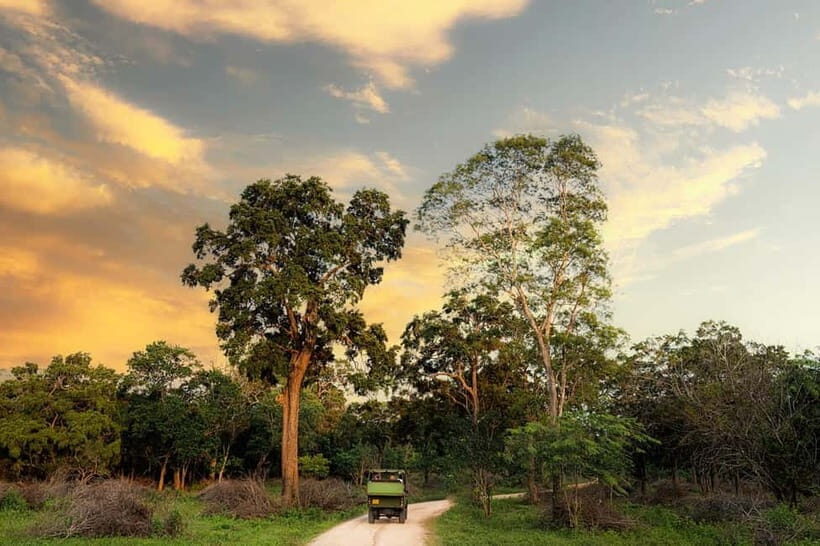
Your day starts with pickup—scheduled around Galkadawala on the listing you’re using, with complimentary pickup/drop-off offered for stays within about 10 km of the Wilpattu area. The idea is simple: you spend your energy looking for wildlife, not figuring out transport.
You’ll be in a spacious 4-star 4×4 safari jeep with a guide/driver. The jeep setup matters in Wilpattu. Tracks can be bumpy, and a comfortable seat and stable ride reduce the fatigue of a full day out in the open.
Group size is capped at maximum 6 passengers per jeep. If you’re booking 3 passengers or more, you’ll get a private tour in their safari jeep (still up to 6). That’s a big deal for how smooth the day feels—fewer people to manage, faster repositioning, and less waiting when the driver is trying to line up the best viewing angle.
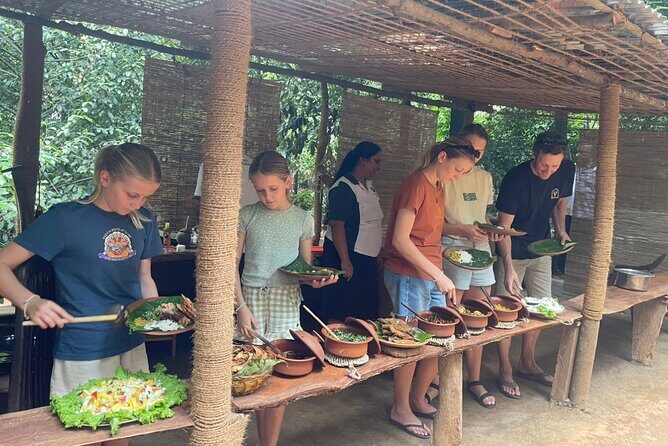
One more useful note from the field: people describe breakfast and lunch being handled during the safari rather than making you hunt down food off-route. That saves time and keeps the day flowing.
Following the Villus lakes: where sightings often start
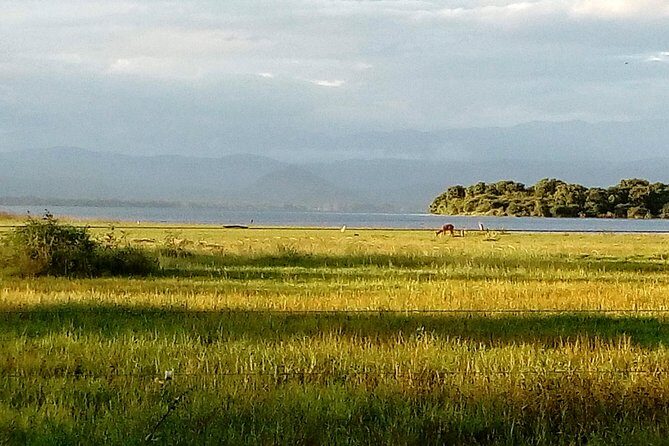
Wilpattu is famous for its Villus, the park’s lake network. This matters because wildlife tends to repeat routes: drinking, cooling off, hunting, and avoiding the heat. When your safari is organized around Villu areas, you’re not just “passing by nature.” You’re working a system the animals already use.
As you travel between these points, you’re looking for movement patterns:
- Animals stepping out near water
- Tracks and signs that suggest an animal has been drinking recently
- Birds using perches and edges around the lakes
- Sudden stillness when something larger is nearby
This is also where binoculars earn their keep. The tour includes binoculars, and in open areas you’ll use them for two things: scanning the tree line and getting details on birds without having to get out of the jeep (which you generally won’t be doing).
If you like photography, Villus areas help. You’re often watching animals at a distance long enough to frame, then close enough to make the moment feel real.
Kudiramale Point and Pomparippu: photo stops that aren’t just photo stops
The tour specifically calls out Kudiramale Point and Pomparippu, plus time in the Villu areas. Even without a strict minute-by-minute schedule, these names tell you what the day is built around: shifting viewpoints, quick stops for sightings, and guided orientation so you know what you’re looking at.
Here’s how to make these stops work for you:
- Arrive ready to shoot, but also ready to watch without the camera
- Give the guide a chance to point out movement you’d otherwise miss
- Keep your attention on bird activity. Sometimes birds react first, and that reaction can hint at bigger wildlife nearby
You’ll also likely feel the “soundscape” of Wilpattu. Birds, calls from dense cover, occasional splashes or rustling near water—small cues can lead to big sightings.
One practical caution: in at least one reported lake-side stop, people noted monkeys can be around. If you’re stowing snacks or personal items, keep them secured rather than casually left in reach. It’s a small thing, but it saves frustration.
Wildlife targets: leopards, sloth bears, elephants (and the rest)
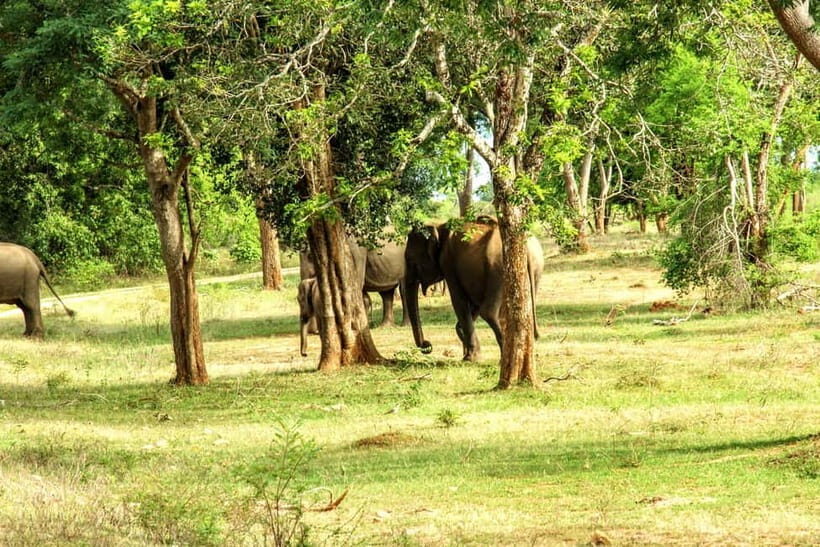
The main promise of this safari is a shot at the park’s headline wildlife—leopards, sloth bears, and elephants—plus a wide cast of deer, boar, birds, and general nature watching.
Leopards
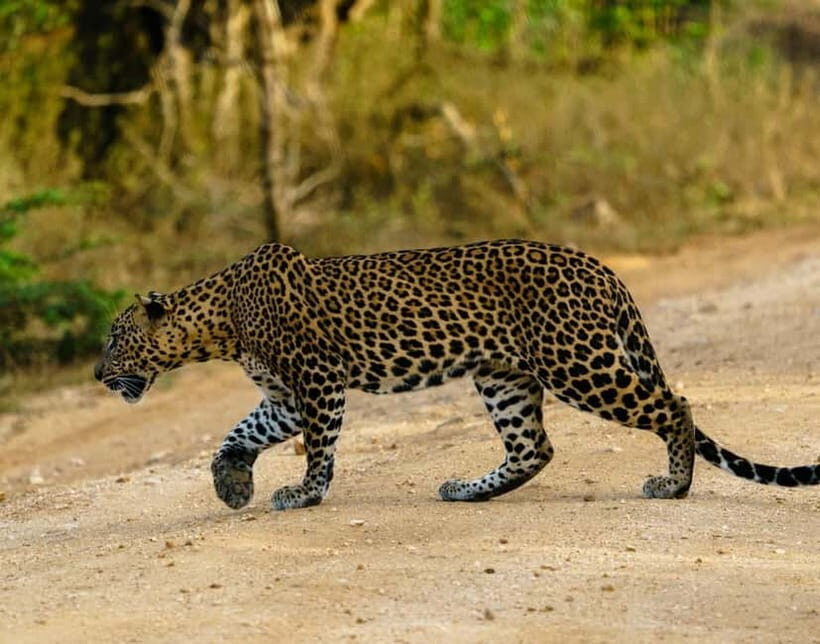
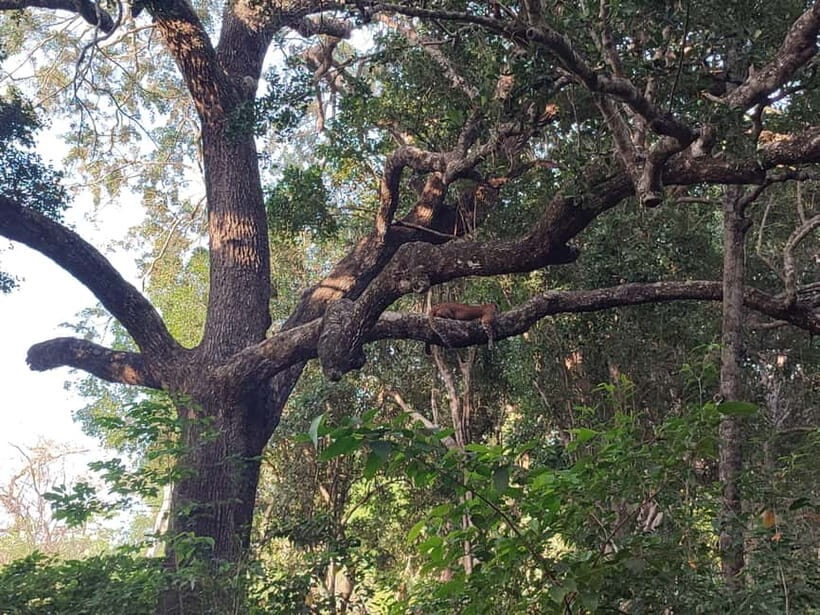
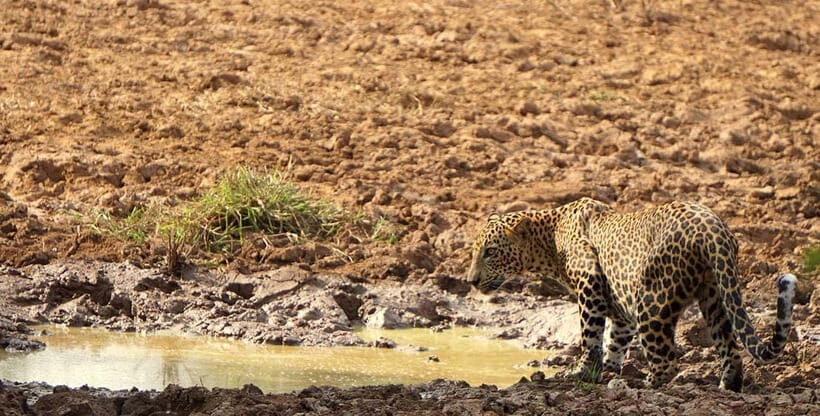
Leopard sightings tend to be dramatic when they happen, but they’re also the hardest to predict. The best strategy is what you get here: move to the right areas, watch carefully, and stay with the moment when something changes. People on this tour have described cases of multiple leopard sightings in a single day, including a glimpse and later clearer sightings. That’s not something you can bank on—but the tour design pushes for it.
Sloth bears
Sloth bears are another target that rewards patience. The key is time plus a guide who understands where animals move and what to watch for. If you care about seeing bears specifically, consider bringing a bit of mental flexibility. Waiting is part of the job.
Elephants and deer
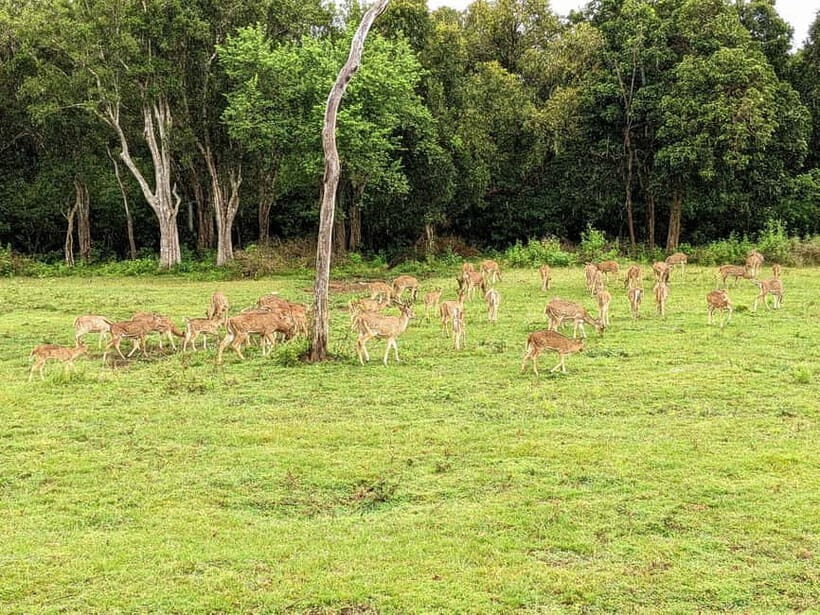
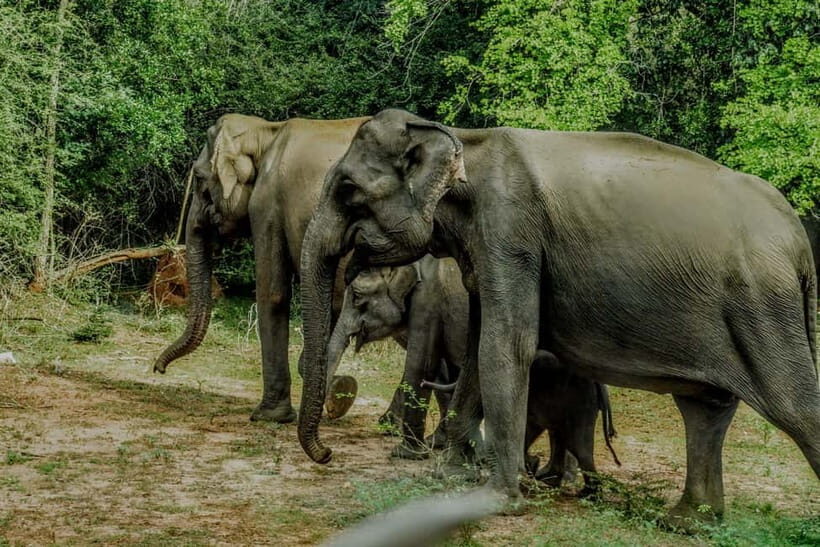
Elephants are a strong possibility in Wilpattu, and this safari is built around the park’s habitat patterns that bring large animals into view. Deer species listed include spotted deer and barking deer, with wild boar also in the mix. When these smaller animals appear, it often makes the whole area feel alive—birds, signs, and movement all become easier to track.
Birds
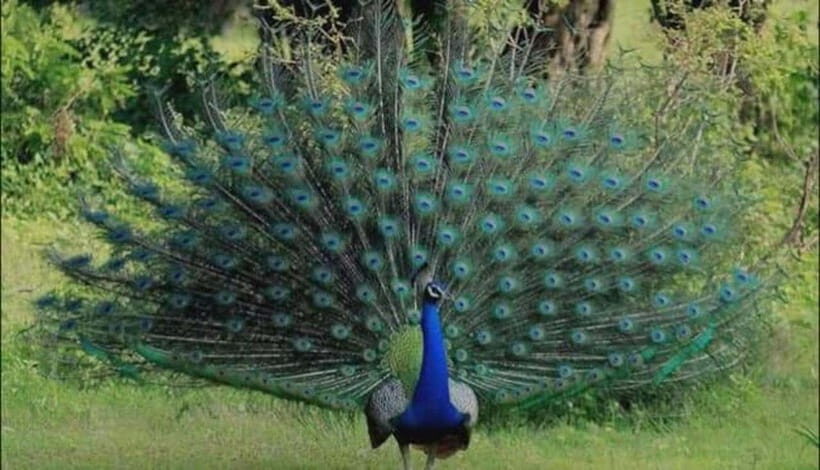
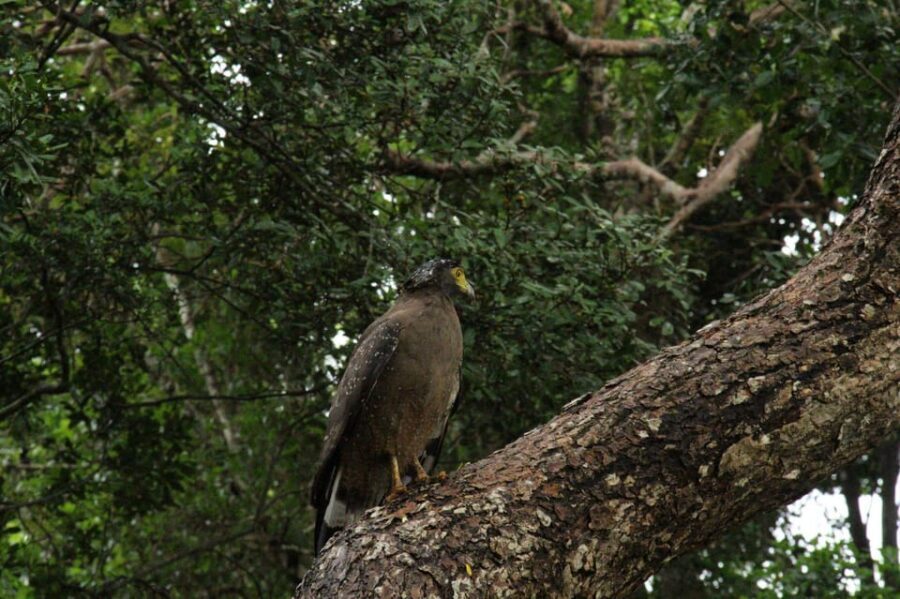
Birding here is not a side quest. The tour highlights peacocks, eagles, and endemic jungle fowl among other birds. If you’re a bird person, you’ll likely enjoy this more than you expect because you’re scanning constantly rather than doing one quick viewing stop.
Realistic bonus sightings
One review mentioned crocodiles alongside a long list of other wildlife (birds, monkeys, reptiles). That kind of “unexpected adds up” wildlife day is common in parks where the guide covers more than just one animal.
Guide and driver impact: why Dinasha, Kaushika, and Ishara get praised
This tour leans hard on the guide/driver. It’s not marketing fluff. In a park like Wilpattu, spotting is a skill—reading the ground, scanning cover, and knowing when to reposition.
Names that show up with strong praise include Dinasha, Kaushika, and Ishara Iakmal as guides. Maduranga and Supun Maduranga are mentioned as drivers with extremely sharp spotting ability. The common theme is they help you see what you’d otherwise miss, especially when animals are camouflaged or simply not moving much.
Even if your guide’s English level is solid, don’t rely only on explanations. Use the guide’s instructions like a checklist:
- Where to look next
- What animal tracks or signs might indicate
- How to interpret bird behavior
- When to stay put versus when to move
Also, one practical lesson: you can get the same itinerary and still have very different days depending on who’s behind the wheel. The tour’s quality is tightly tied to driver skill.
Food, comfort, and what to pack for a 06:00 start
This safari includes breakfast, lunch, fruits, water bottles, and cool drinks. That’s great value because wildlife days add up fast when you have to buy snacks repeatedly. Here, you get fuel so you can focus on viewing.
Comfort is addressed in two ways:
- Spacious 4×4 safari jeeps for long hours
- A day plan that avoids long gaps without structure
Now pack like it’s a real wildlife outing, not a city tour. You might feel cool in the morning. One review specifically called out that mornings can be cold and to bring a jacket. If you’re someone who runs cold, do not skip that.
Bring:
- Passport or ID card (required)
- A jacket for early hours
- A camera setup you can keep ready without rushing
- Anything you need to stay hydrated (water is provided, but you still want your own comfort)
Not allowed:
- Alcohol and drugs are not permitted.
Also note who shouldn’t book: the tour isn’t suitable for pregnant women or people with back problems. That’s less about rules and more about how long you’ll be seated on rough tracks.
Price and logistics: what $95 buys you, plus park entry
At $95 per person for a 12-hour safari, the price is built around transport, guide expertise, and a full day of on-the-go meals. What you should do is think in two parts:
- Included value (in the tour price)
- Luxury 4×4 safari jeep
- Experienced driver/guide
- Pickup and drop-off in the Wilpattu area (about 10 km range)
- Breakfast, lunch, fruits
- Water bottles and cool drinks
- Binoculars
- Photo stops and guided viewing through key areas
- Extra cost you must plan for
- Park entry tickets, about $36 per adult
So your realistic total will be roughly $95 + the park entry cost. If you come prepared and want a guided full day, that’s reasonable because you’re paying for the vehicle time, the guide work, and the meals that keep you in the park longer.
One extra value detail: with up to 6 people per jeep, you’re not crammed into a big group. For many people, that improves both comfort and the chance to respond quickly when wildlife appears.
Should you book the Wilpattu full-day safari with Tiger Safaris?
Book this safari if you:
- Want a full day in Wilpattu rather than a rushed half-trip
- Care about the park’s top targets: leopards, sloth bears, elephants
- Like wildlife watching that’s organized around Villus lake areas
- Appreciate included basics: breakfast, lunch, fruits, water, plus binoculars
- Prefer a smaller group setup (max 6 per jeep, private for 3+)
Skip it (or choose a different format) if:
- You have back problems or you’re pregnant
- You get unhappy waiting. This is a patience game, and animal sightings can take time.
My take: this is a solid value way to experience Wilpattu in one shot. The day is long enough to give you multiple chances, and the focus on the Villus system gives your sightings a fighting chance. If leopard and sloth bear are your must-see animals, this is the kind of structured safari day that makes those odds feel more fair.
FAQ
What time does the Wilpattu full-day safari run
It runs from 06:00 to 18:00, a total of 12 hours.
Where does pickup happen
Pickup is listed for Galkadawala, and complimentary pickup/drop-off is offered for locations in the Wilpattu area up to about 10 km.
Is park entry included in the price
No. Park entry tickets are not included and are listed as about $36 per adult.
What food and drinks are included
The tour includes breakfast, lunch, fruits, water bottles, and cool drinks.
Are binoculars provided
Yes. Binoculars are included.
What type of vehicle is used
You travel in a luxury 4×4 safari jeep. The jeep supports comfortable seating for up to 6 passengers.
What language will the guide speak
The tour includes a live tour guide in English.
Who should avoid this safari
It is not suitable for pregnant women and people with back problems.
What do I need to bring
Bring your passport or ID card.