REVIEW · KITULGALA
White Water Rafting in Kitulgala
Book on GetYourGuide →Operated by Z R I Adventures (Private) Limited · Bookable on GetYourGuide
One of the fastest ways to feel Sri Lanka’s wild side.
In Kitulgala, you ride the Kelani River through a mix of big hits and calmer water, guided by instructors who keep first-timers moving with confidence. What makes this rafting trip especially fun is how quickly the adventure starts: you get a clear safety briefing, jump into modern rafts, and spend two hours with rapids that are strong enough to feel real, but still approachable with proper guidance. I like that the experience is built for active participants, not spectators.
Two things I really like about this rafting stop: the 5 major rapids plus 4 minor rapids give you a steady rhythm of excitement instead of one short scare, and the staff support feels hands-on from start to finish. In one trip I’d also call out the extra care: they helped with photos using your phone and even made time at a swimming/relax area where you can float and cool off. The possible drawback is simple: you’ll get soaked, and the tour doesn’t include meals or pickup, so you’ll want to plan your day and bring quick-dry clothes.
In This Review
- Key things I’d plan for before you go
- Kitulgala on the Kelani River: why this rafting run is such a good match
- What a 2-hour session really means for your day
- Gear, guidance, and the briefing that makes first-timers feel safe
- The rafting sequence: from warm-up paddles to the major rapids
- The best part many people forget: you get time to float and reset
- Photos and small touches that add real value
- What you should wear (and what to pack) so you stay comfortable
- What’s included for your $24, and why the value feels fair
- Who this rafting trip suits best (and who should skip it)
- Language, communication, and working with the instructors
- The small rules that keep the day smooth on the water
- Price vs. experience: what you’re really paying for
- Should you book white water rafting in Kitulgala?
- FAQ
- How long is the white water rafting tour in Kitulgala?
- Where does the rafting take place?
- What is the price per person?
- What rapids should I expect?
- What’s included in the price?
- What is not included?
- What should I bring for the rafting?
- What am I not allowed to bring?
- Is hotel pickup included?
- Who can’t join the tour?
Key things I’d plan for before you go
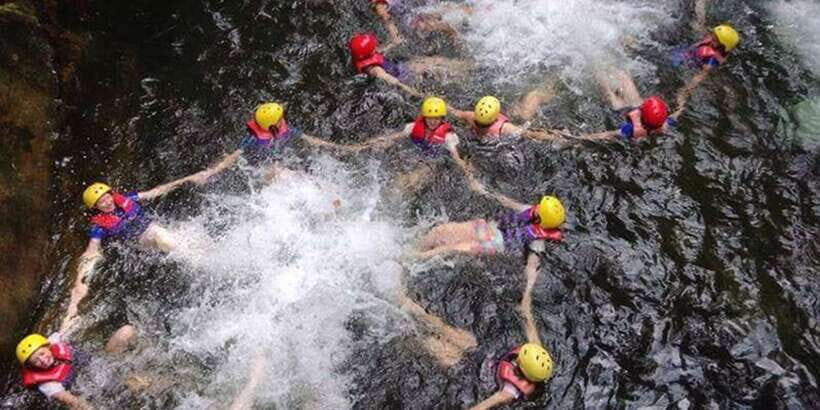
- You’ll raft 5 major rapids and 4 minor rapids: expect multiple waves, not just one dramatic moment
- Safety briefing comes first: you get training and guidance before you hit the water
- Bring quick-dry clothing and a change: you’ll be in wet gear for part of the day
- Photos and calm float time are part of the fun: there’s time to relax after the harder sections
- Private group feel: you get more focused attention than on large cattle-call tours
Kitulgala on the Kelani River: why this rafting run is such a good match
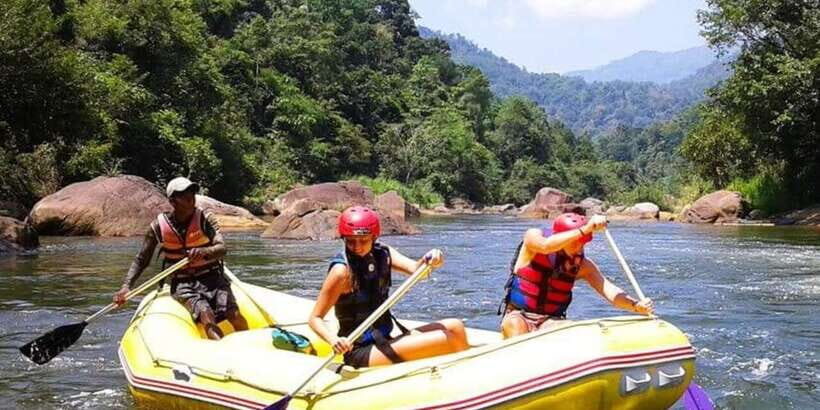
Kitulgala sits in Sri Lanka’s green interior and the Kelani River is the main character here. The stretch used for rafting is designed around a sequence of rapids: you don’t just rush through one burst and then sit there. Instead, you get five major rapids that create the adrenaline moments, with four smaller rapids that keep the energy up between the big hits.
This is a great format for most people. If it’s your first time rafting, you want momentum, clear guidance, and a chance to learn the rhythm of the raft before the strongest parts. If you’ve rafted before, you’ll still appreciate the steady pattern because the trip feels like a continuous ride with multiple payoff points.
And the scenery matters. Even when you’re focused on the river, the banks and surrounding greenery add to the sense that you’re not just doing an activity—you’re actually spending time in Sri Lanka, in motion.
If you're still narrowing it down, here are other tours in Kitulgala we've reviewed.
What a 2-hour session really means for your day
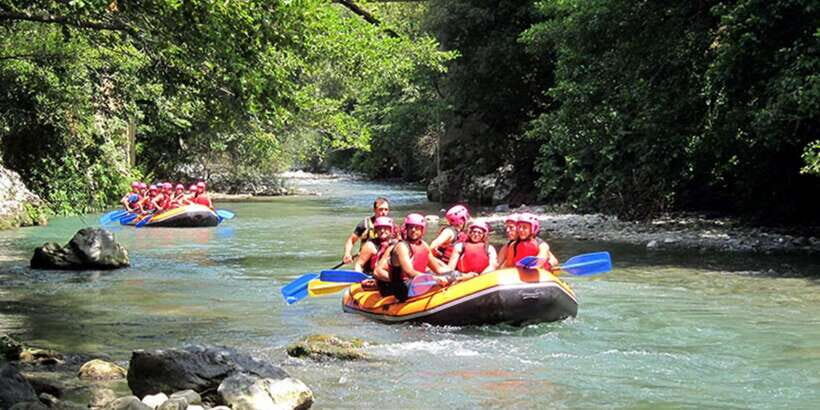
This tour runs for about 2 hours, and that time includes the core rafting experience along with the necessary prep. That matters because rafting can be longer when you count waiting around, but here you can plan a tight schedule and still get the full hit of the Kelani River.
There are also starting times you can check, so you’ll want to match your booking to the part of the day you prefer. I usually recommend going earlier when possible, mainly because you’re more likely to start the day feeling fresh instead of tired, and you’ll have an easier time changing out of wet clothes afterward.
Since hotel pickup isn’t included, think about how you’ll get to the river start point. If you’re based in town, you may be able to arrange quick transport. If you’re farther out, build in extra buffer time so you don’t feel rushed.
Gear, guidance, and the briefing that makes first-timers feel safe
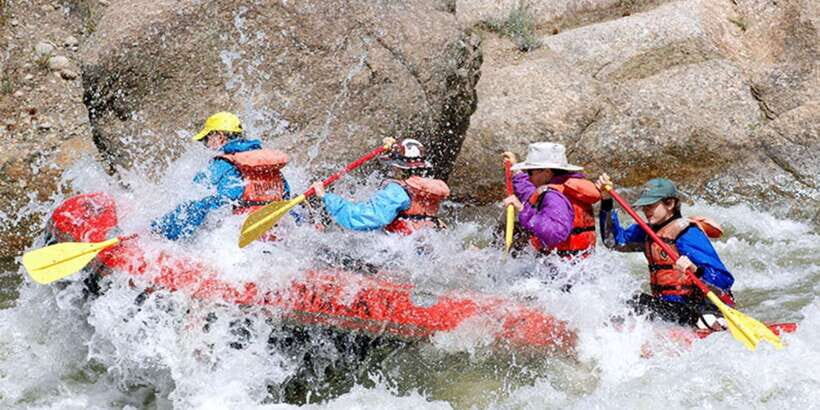
One of the most practical strengths of this tour is how much attention is given to readiness. You receive safety gear, and you get training and guidance from the rafting instructors before you go.
That briefing is the difference between rafting as a random thrill and rafting as a controlled sport. You’ll learn what to do when you’re told, how to position yourself, and how to stay calm when the water gets loud and surprising. The instructions are provided in English and Singhalese, which helps a lot if you’re not fluent in local languages.
Also, you’re not stuck improvising. The tour uses modern rafts, which typically feel more stable and predictable than older-style boats. Stability doesn’t mean boring—on the contrary, it means you can focus on the ride rather than worrying about the boat itself.
The rafting sequence: from warm-up paddles to the major rapids
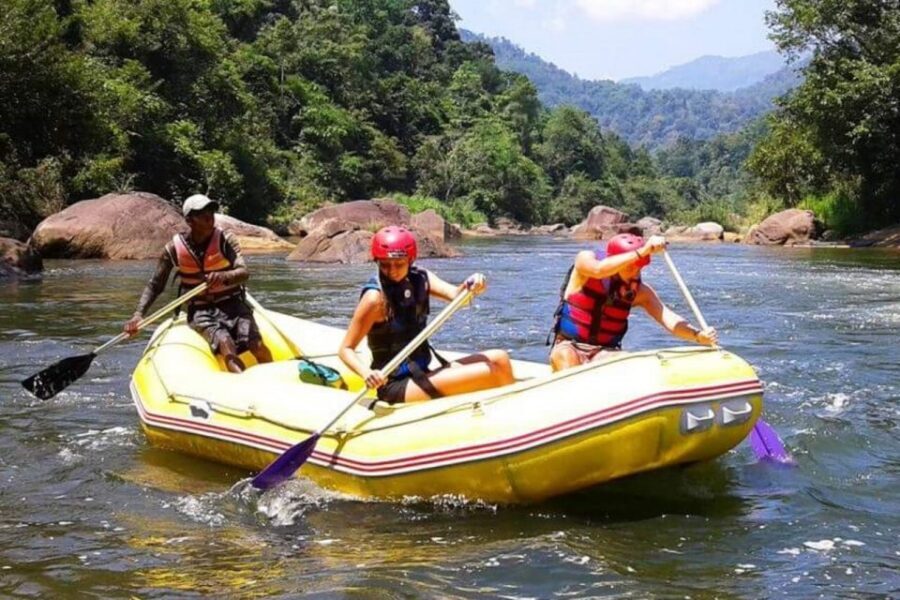
Your trip is built around a progression: small pushes, then bigger moments. You’ll raft on the Kelani River through five major rapids and four minor rapids, and the order matters because it helps your body learn the pattern.
Here’s what that usually feels like in practice:
- The early sections help you get used to the raft’s movement, the paddling rhythm, and the way the river changes quickly.
- Minor rapids keep things exciting while you settle into your seat and learn how to react.
- Then come the major rapids, where you’ll feel the water’s force more strongly and where teamwork and instruction really pay off.
The main consideration is that the water can be unpredictable, and you should be ready to get wet fast. If you wear something that dries quickly and has a comfortable fit, you’ll enjoy the trip more because you won’t spend the last part of the ride uncomfortable.
The best part many people forget: you get time to float and reset
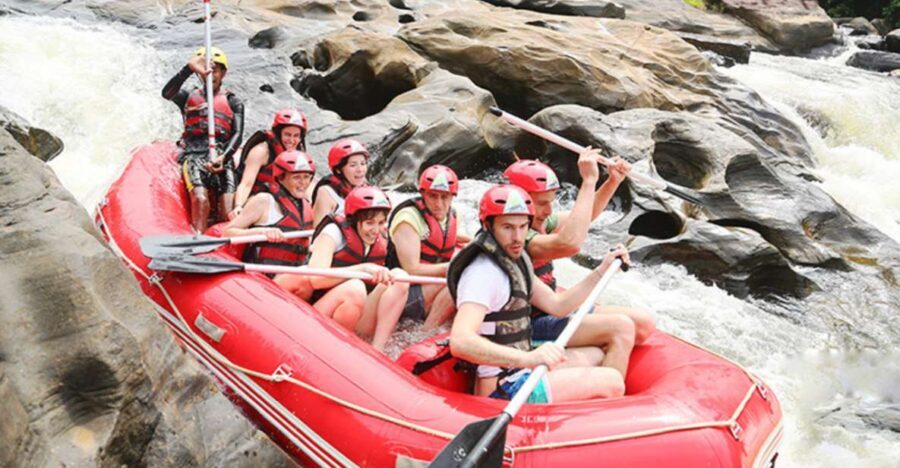
Rafting can be intense, so it’s smart when the schedule includes a breather. This trip does: there’s a swimming/relax area after the main action where you get time to float and relax.
If you’re wondering whether this is just a random stop, it’s not. That calm time changes the whole tone of the day. After you’ve been fighting wind, spray, and focus, you can just let go for a few minutes, drift, and enjoy the fact that you made it through.
If the weather is kind, this segment becomes the reward. You’ll also get a chance to cool down before you head back to dry up.
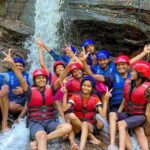
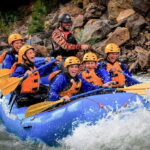
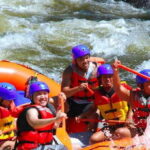
Photos and small touches that add real value
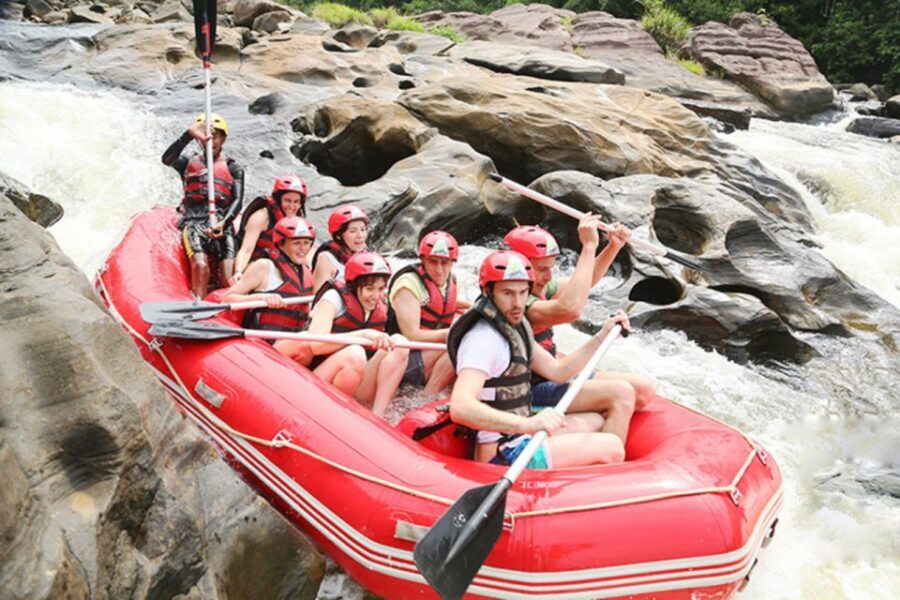
Some rafting trips feel like: get wet, get off, done. This one adds useful extras.
They can take photos with your phone during the trip. That’s a big deal because trying to film yourself on a raft in churning water is usually a mess. You end up with blurry shots or you miss the moment while you’re fighting your camera strap. With photo help, you’re more likely to actually leave with memories you’ll want to keep.
There’s also a nature-friendly touch that’s worth mentioning: in at least one experience, staff picked seasonal fruits from the area and let the group taste them. You shouldn’t treat this as a guarantee, but it’s a sign of the vibe here—people paying attention to what the place offers beyond the rapids.
What you should wear (and what to pack) so you stay comfortable
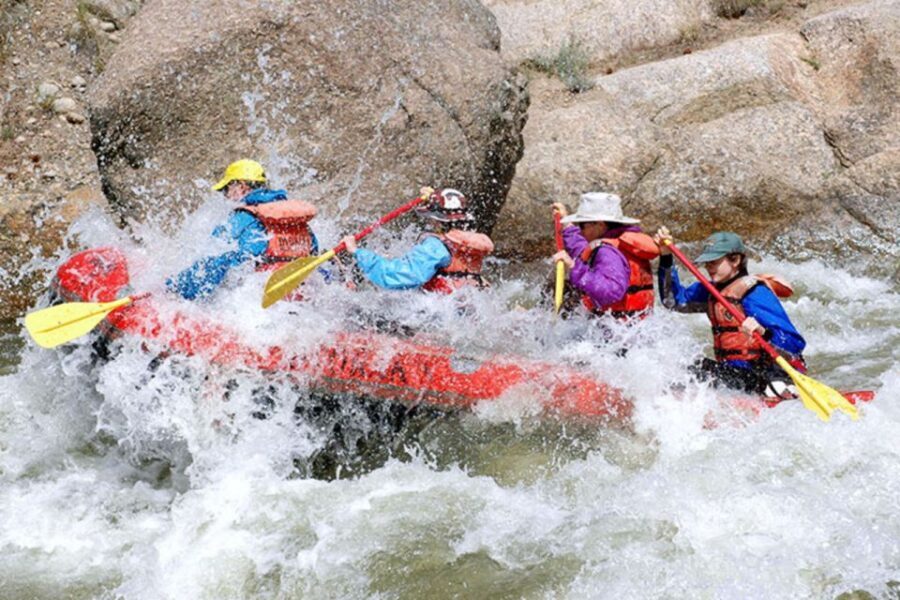
The tour advice is clear: wear anything easy with shorts or long bottoms, and bring quick-dry clothing. You’ll want to treat this like a water activity first and a sightseeing activity second.
What to bring:
- Sunglasses (spray and glare are real)
- A change of clothes (this is non-negotiable for comfort afterward)
- Camera (only if you can keep it safe; phone photos with help may be easiest)
- Sunscreen
- Insect repellent
- Comfortable clothes that won’t become misery once soaked
- Passport or a copy accepted
Practical tip: plan what you’ll wear for the drive back. Use your change of clothes, then keep extra dry layers in mind if you feel chilled after being wet in the wind.
What’s included for your $24, and why the value feels fair
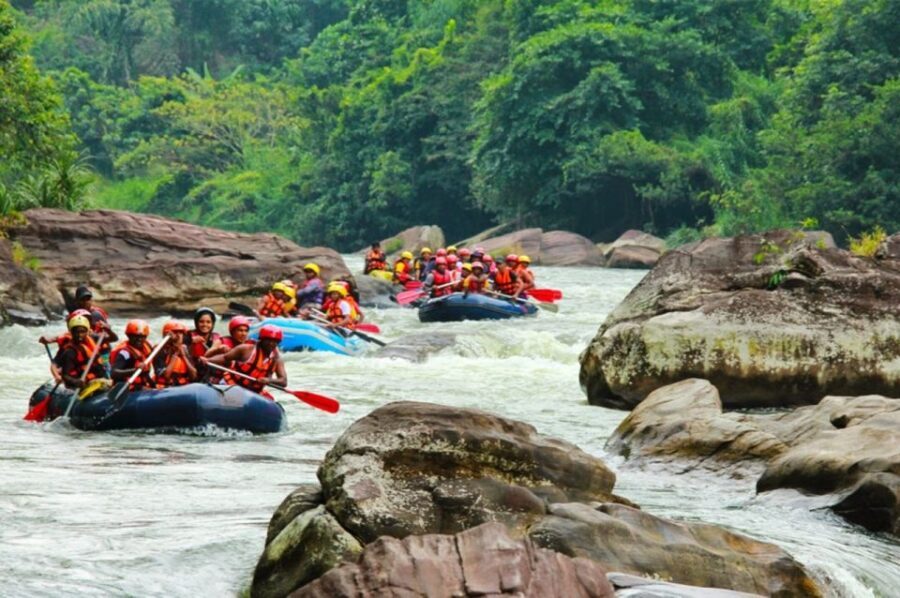
At $24 per person for a 2-hour white water rafting session, this can be strong value—mainly because the basics are covered. You get:
- White water rafting
- Safety gear
- Training & guidance
That matters because rafting isn’t just about getting on a boat. You’re paying for the safety setup and the coaching that makes the rapids enjoyable instead of scary.
What’s not included:
- Meals
- Hotel pickup
- Accommodation
- Waterproof bags
So the real budgeting question isn’t the ticket price. It’s what you do around it:
- Eat beforehand.
- Arrange transport to the start point.
- Bring a dry plan for your phone and documents (even if photos are supported, you still need to manage your personal items).
Who this rafting trip suits best (and who should skip it)
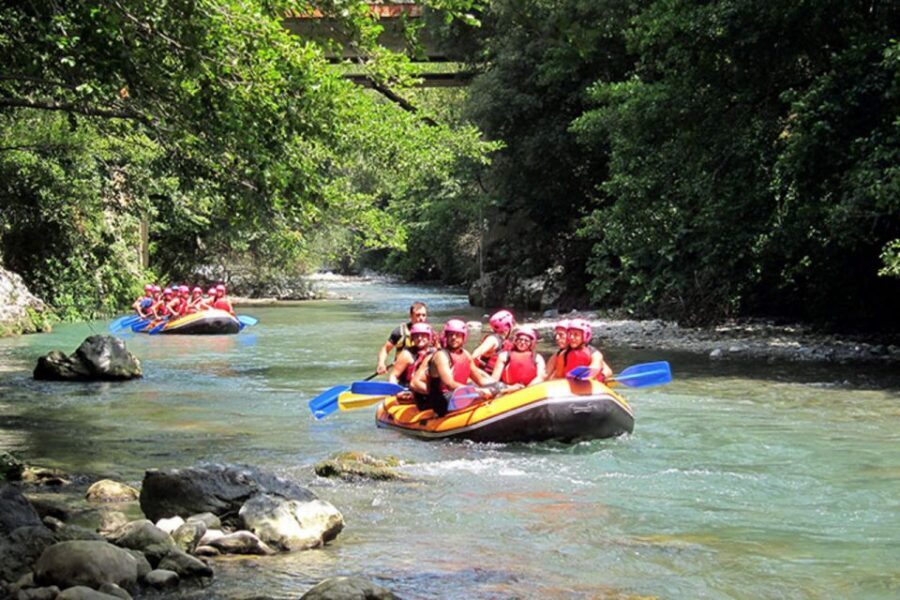
This isn’t for everyone, and the limits are there for good reasons. It’s not suitable for:
- children under 3 years
- pregnant women
- people with heart problems
- people over 70 years
If you’re generally healthy and you’re comfortable with water getting into your clothes, this can be a great first rafting outing. The instruction is clear, and the structure of major plus minor rapids gives you variety without turning the whole experience into one long shock.
It’s also a good fit if you like guided experiences with focused attention. This is listed as a private group, which usually means you’ll feel less rushed and more supported.
Language, communication, and working with the instructors
Communication is a big deal in rafting because directions need to be understood fast. This tour uses instructors who speak English and Singhalese, which helps you catch cues even when things get loud.
After booking confirmation, the provider contacts you via WhatsApp or email, so you’ll want to keep your messages open and reply quickly if they ask anything. The more you communicate early, the less time you’ll waste sorting details on the day.
The small rules that keep the day smooth on the water
A rafting trip is physical, and the rules are there to reduce risk and avoid chaos. Here are the ones you should take seriously:
- No weapons or sharp objects
- No littering
- No alcoholic drinks in the vehicle
- No unaccompanied minors
- No baby strollers or baby carriages
- No fireworks or explosive substances
If you’re traveling with anything that could be considered sharp or dangerous, leave it behind. If you’re traveling with kids, double-check whether they meet the age requirement.
Price vs. experience: what you’re really paying for
When a trip is inexpensive, your instinct might be: will it cut corners? Here, the good sign is that key parts are included: safety gear, training & guidance, and the rafting itself. You’re not paying extra just to get the essentials.
You’re also paying for a specific river run with a clear rapid count. Five major rapids and four minor ones means you get variety, not one short adrenaline scene.
Just remember the true trade-off: because meals and pickup aren’t included, you have to organize your day. If you do that, the $24 ticket feels like a fair deal for a two-hour burst of real action.
Should you book white water rafting in Kitulgala?
Yes, if you want an active, well-guided rafting experience that’s easy to fit into a busy Sri Lanka route. I’d book it if:
- you’re comfortable getting soaked and want your photos to show it
- you want clear safety instruction in English/Sinhalese
- you like the idea of a ride with multiple major rapids, not a single peak and done
I’d think twice if:
- you need hotel pickup and don’t want to arrange transport
- you’re not able to handle physical activity safely, based on the listed health restrictions
- you’re expecting meals or waterproof storage, because those aren’t included
If you plan your clothes, manage your phone/doc safety, and arrive ready to listen to instructions, this is the kind of Sri Lanka day-trip you’ll actually remember.
FAQ
How long is the white water rafting tour in Kitulgala?
The duration is 2 hours.
Where does the rafting take place?
It’s on the Kelani River in Kitulgala, Sabaragamuwa Province, Sri Lanka.
What is the price per person?
The price is $24 per person.
What rapids should I expect?
The trip takes you through 5 major rapids and 4 minor rapids.
What’s included in the price?
White water rafting, safety gear, and training & guidance are included.
What is not included?
Meals, hotel pickup, accommodation, and waterproof bags are not included.
What should I bring for the rafting?
Bring sunglasses, change of clothes, a camera, sunscreen, comfortable clothes, insect repellent, and your passport (a copy is accepted).
What am I not allowed to bring?
Weapons or sharp objects, baby strollers/baby carriages, littering, unaccompanied minors, fireworks/explosive substances, and alcoholic drinks in the vehicle are not allowed.
Is hotel pickup included?
No, hotel pickup is not included.
Who can’t join the tour?
It’s not suitable for children under 3 years, pregnant women, people with heart problems, or people over 70 years.