REVIEW · SIGIRIYA LION ROCK
Wasgamuwa: Wasgamuwa National Park Private 3-Hour Safari
Book on GetYourGuide →Operated by Lakpura® · Bookable on GetYourGuide
Fresh air. Big animals. Wasgamuwa delivers. This private 3-hour safari in a 4×4 jeep is a smart way to see Sri Lanka’s wildlife around Wasgamuwa National Park, especially if you’re pairing nature with sites like Polonnaruwa. I love the focus on real sightings—elephants in large herds, plus a spread of mammals and birds—and I also like that you’re not stuck in a crowded vehicle. One thing to plan for: entrance tickets and meals aren’t included, so you’ll want to time your day around that.
What makes this safari especially appealing is the setting. You’ll drive through a dry tropical forest and listen for crickets and birds as you search water pools and open patches where animals come to feed or drink. Your best wildlife odds are typically November to May, when elephant herds are more likely to show up in larger numbers.
In This Review
- Key highlights worth getting excited about
- Wasgamuwa Safari Basics: Private 3 Hours in a 4×4 Jeep
- Where It Fits With Polonnaruwa and Dambulla Plans
- What You’ll See in Wasgamuwa’s Dry Tropical Forest
- Water Pools: Monitors, Crocodiles, Pythons, and Bird Action
- Elephants on This Route: Best Chances and What to Look For
- How the Private Driver Helps (and Why Stops Matter)
- Practical Stuff: Timing, What to Bring, and Comfort Notes
- Price and Value at Around $27 Per Person
- Who This Safari Is For
- FAQ
- FAQ
- How long is the Wasgamuwa safari?
- Is this safari private or shared?
- What vehicle will you use?
- Where do you meet for the tour?
- Are entrance tickets included?
- Is any food included?
- What language is the guide in?
- What’s the best time of year to visit for elephants?
- Should You Book? My Take for Different Travelers
Key highlights worth getting excited about
- Private 4×4 safari time for a more flexible wildlife search
- Dry tropical forest driving with constant bird-and-bug soundtrack
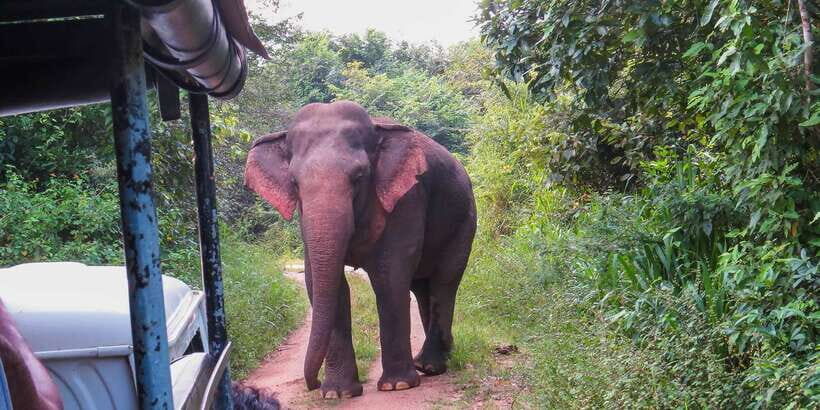
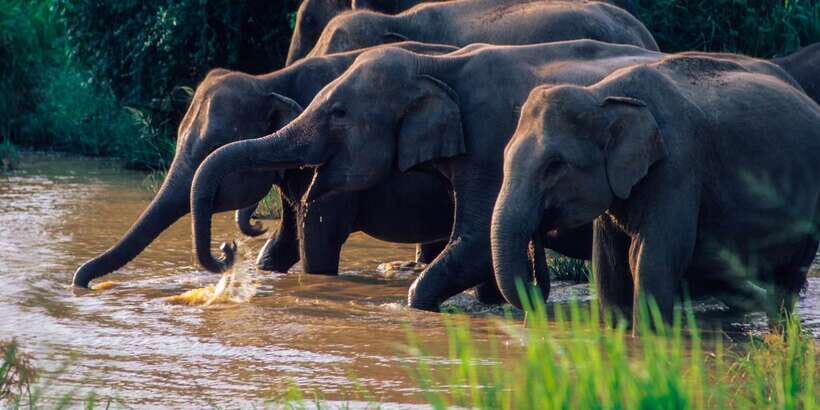
- Large elephant herd chances, including mother-and-baby groups when luck hits
- Water-pool wildlife potential (from monitor lizards to crocodiles and pythons)
- A strong mix of mammals and birds like purple-faced langur and endemic yellow-fronted barbet
- English-speaking driver-guide focused on helping you see
Wasgamuwa Safari Basics: Private 3 Hours in a 4×4 Jeep
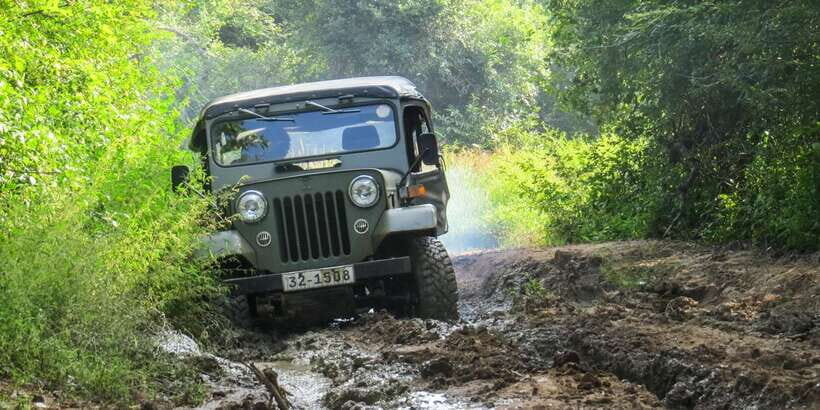
This is a simple safari format that works: you start at the Wasgamuwa National Park entrance gate, then you head out for 3 hours of wildlife viewing, and you’re back at the park entrance when it’s done. The big advantage is that the safari is private, so your driver can adjust the pace and stops based on what’s happening on the ground.
The jeep part matters more than people expect. In wildlife country, the difference between seeing an animal and missing it often comes down to whether you’re in the right position at the right moment. With a private vehicle, you’re not sharing that timing with a lineup of other cars.
You’ll also have an English live guide (the tour guide is listed as English). That’s helpful in a place where the real action is often quiet—animals moving between trees, birds calling from above, and the occasional splash from a water pool.
Other private tours in Sigiriya Lion Rock
Where It Fits With Polonnaruwa and Dambulla Plans
Wasgamuwa National Park sits near the historic circuit of Polonnaruwa, so it’s a great “nature break” day. If you’re doing Polonnaruwa temples or heading toward Dambulla, a safari gives you a different kind of Sri Lanka experience—less stone and history, more animals and forest sounds.
The tour runs in the morning or afternoon, which is handy for planning around heat and your other activities. If you’re visiting ancient sites, you can book the safari as your fresh-air window and save the crowded midday hours for indoor or shaded stops.
And yes, you’ll want to think about timing because no breakfast, lunch, or dinner is included. Eat before you go and plan a proper meal after. It keeps the safari from turning into a hunger shuffle.
What You’ll See in Wasgamuwa’s Dry Tropical Forest
Wasgamuwa’s dry tropical forest is built for good wildlife spotting—trees are spaced enough that animals can be visible, but there’s still plenty of cover for them to appear suddenly. You’re essentially scanning a living map: open areas, tree lines, and the spots where animals pause.
You can expect a mix of mammals and birds. Among the mammals listed for the park area are leopard and sloth bear (both are mentioned as possible residents), along with sambar, spotted deer, buffalo, wild boar, and endemic bird life such as the yellow-fronted barbet. Also on the list: purple-faced langur monkey—the kind of monkey you’ll notice by sight first and then by noise.
Birds are a major part of the experience here. Expect colorful sightings rather than just “a bird on a branch.” One wildlife highlight from real safari experiences in this region includes eagles resting in trees, plus plenty of multi-colored bird action when your driver finds the right spots.
If you’re the type who likes “quiet wins,” this is also a good park for that. Not every animal is a close-up moment. Sometimes the payoff is watching movement in the understory, or catching a bird switch perches like it knows you’re watching.
Water Pools: Monitors, Crocodiles, Pythons, and Bird Action
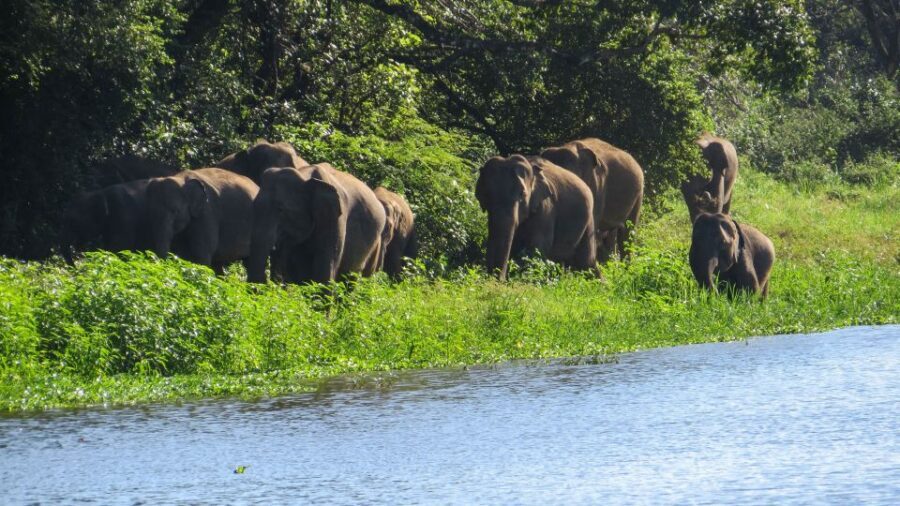
The park includes small water pools scattered throughout, and that’s where you often earn the biggest “so what is that?” moments. Water equals traffic. Aquatic animals show up. Birds gather. Lizards move along edges. It’s a wildlife crossroads.
The aquatic life mentioned for these pools includes water monitor, crocodile, and python, plus “various beautiful aquatic birds.” In practice, that means your driver may spend time slowing down near these pools—not because it’s a gimmick, but because animals don’t always announce themselves until they’re close to water.
Here’s what you should do as a visitor: keep your eyes low and mid-level, not just straight up. Monitors and similar animals often hang near the edge and make short runs. Birds may be easier to spot when you watch the water surface first, then look for motion along the banks.
Photography lovers usually like this part too. Pools give you natural frames—trees, reflections, and wildlife at different distances. Just remember: these are wild animals, so keep a calm pace with your camera and don’t rush your shots.
Elephants on This Route: Best Chances and What to Look For
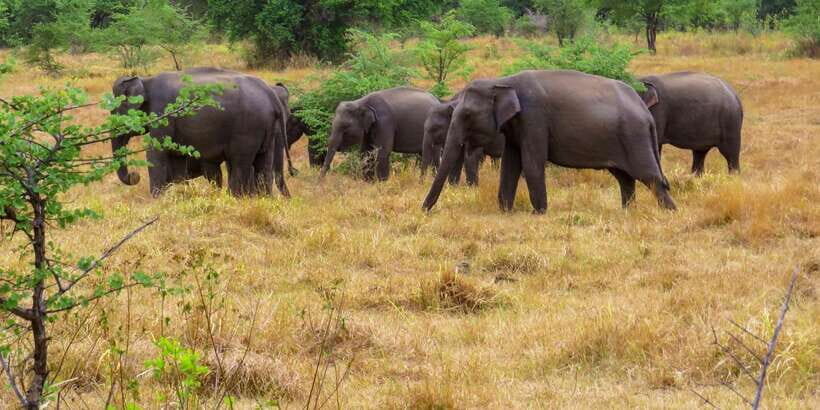
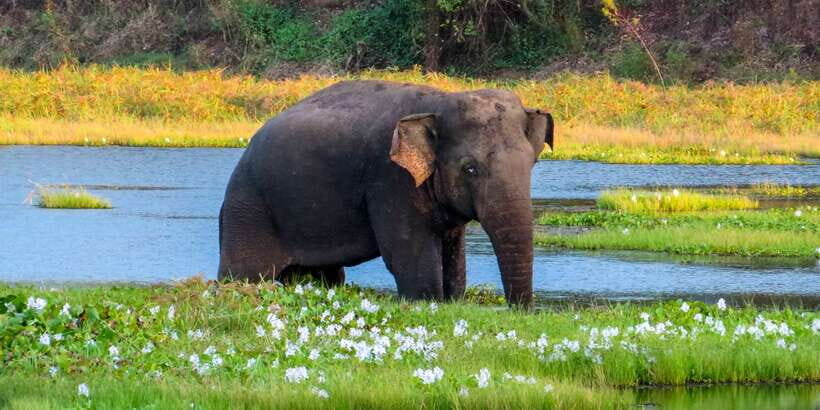
Elephants are the headline attraction, and this safari is built around that expectation. The key detail is that it’s designed for largest herds of elephants during the ideal season of November to May. If elephant sightings are your top priority, time your trip around those months when possible.
What should you look for? Start with the obvious: tracks, dust, and feeding behavior. Then watch for the “tell” moments—silences near the forest edge, groups turning their heads together, or a sudden shift in nearby birds. When elephant activity is close, everything around them often changes.
You may also be lucky enough to see family groups. In safari experiences from this area, the most memorable elephant moments often include mothers with babies feeding together. If you get that, you’ll understand why the same route can feel totally different from one day to the next.
One practical note: big herds can mean multiple elephants at different distances. Sometimes the first sightings are farther away, and then the next group comes closer as you drive the right section of the park. Patience pays off here.
A few more Sigiriya Lion Rock tours and experiences worth a look

How the Private Driver Helps (and Why Stops Matter)
A safari is only as good as the searching. The private format gives your driver room to respond quickly when they spot animal activity, instead of waiting for a shared plan.
In real-world examples tied to this type of safari, drivers who do well are the ones who make multiple stops to show different animals and different angles. A driver named Sajith is praised for making several stops to help visitors see more wildlife, including a huge elephant group in one case. Another driver mentioned as Radja is associated with sightings that combine mammals and birds, including crocodiles and eagles.
Even when sightings aren’t guaranteed, great guiding shows up in how your time is managed:
- You don’t just drive; you pause when there’s something worth viewing.
- You keep scanning the same area from different angles as the animals move.
- You get practical spotting help rather than generic chatter.
Also, your tour notes say the driver is experienced and the group is private. That combination is usually where you get calmer, more attentive wildlife viewing.
Practical Stuff: Timing, What to Bring, and Comfort Notes
You’ll want to keep your kit simple and useful. The tour lists these recommended items: comfortable shoes, sunglasses, and sunscreen. That’s the right trio for a safari day—feet for uneven ground around the jeep, eyes for glare and distance, and skin protection for long daylight hours.
Not everything is included, so plan like a local:
- Entrance tickets are not included
- Meals are not included
So you’ll want breakfast or lunch sorted based on whether you chose morning or afternoon.
Also, the tour rules are clear about what not to bring: no pets, and no smoking and no alcohol or drugs. That keeps the safari focused and respectful of the wildlife setting.
One more comfort note: it isn’t suitable for pregnant women. Safari jeeps involve bumps and uneven road surfaces, and the tour isn’t presented with pregnancy comfort in mind.
Price and Value at Around $27 Per Person
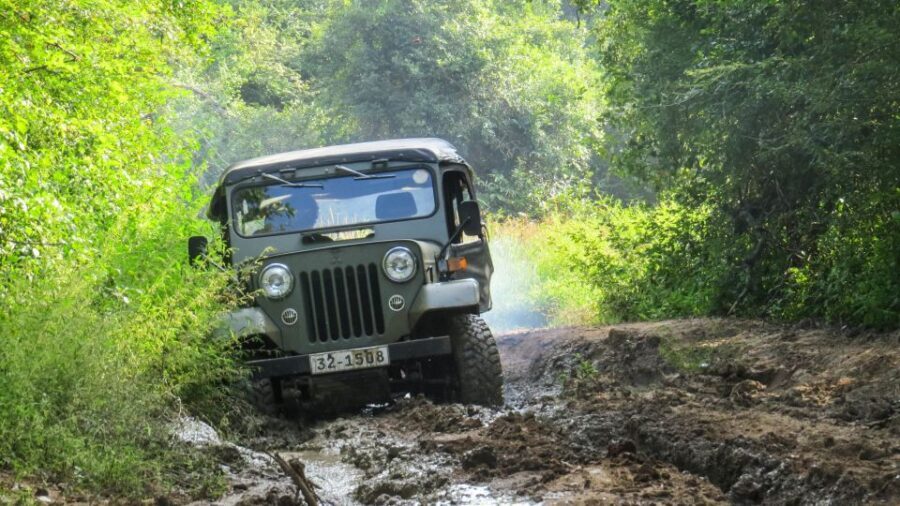
At about $27 per person for 3 hours, this safari can feel like a bargain—especially compared with the cost of “big animal” experiences elsewhere. The value comes from what’s included: an experienced driver, all taxes and service charges, and the 3-hour safari itself.
What’s not included is where you should do your quick math:
- Entrance tickets
- Personal expenses
So the final total depends on your day plan, but you won’t be surprised by the structure of the booking.
The private part matters for value. You’re not splitting attention across multiple groups in the same way you would with larger shared tours. In wildlife country, that often means fewer delays and more flexibility while your driver checks for animal activity.
If you want elephant odds and a focused wildlife route near Polonnaruwa, this pricing makes sense as a “high chance of a memorable day” option.
Who This Safari Is For
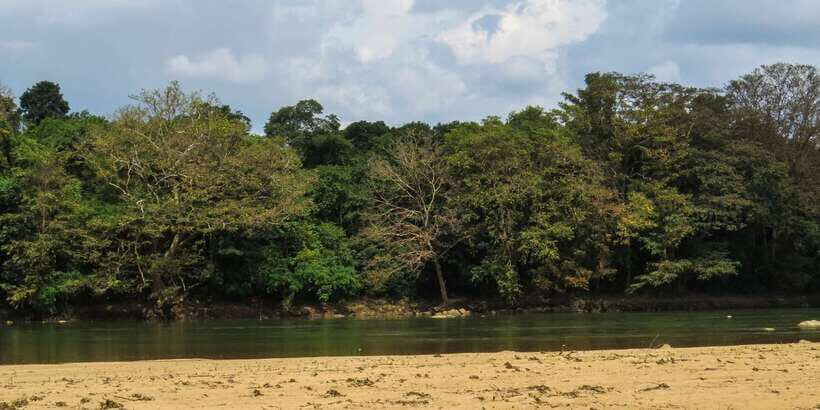
This tour fits best if you want wildlife without turning your day into a long ordeal. It’s ideal for:
- People based around Polonnaruwa who want a nature outing close by
- Wildlife lovers who care about seeing more than just one species
- Bird-watchers who enjoy colorful, specific sightings
- Photographers who like the combination of forest edges and water-pool wildlife
It’s also a good fit if you like the idea of being in charge of your viewing rhythm. The private jeep format helps you spend time where animals are actually present, rather than following someone else’s schedule.
If you’re traveling only with “must-see only” energy, understand that wildlife isn’t a theme-park show. The safari is designed to maximize opportunities—still, the park is wild, and some days are quieter than others.
FAQ
FAQ
How long is the Wasgamuwa safari?
It’s a 3-hour private safari ride.
Is this safari private or shared?
It’s listed as a private group tour.
What vehicle will you use?
The experience is described as a safari in a private 4×4 jeep.
Where do you meet for the tour?
You meet at the Wasgamuwa National Park Entrance Gate.
Are entrance tickets included?
No. Entrance Tickets are not included.
Is any food included?
No. No breakfast, lunch, or dinner is included.
What language is the guide in?
The live tour guide is listed as English.
What’s the best time of year to visit for elephants?
The ideal time is November to May for the largest herds of elephants.
Should You Book? My Take for Different Travelers
Book this safari if you want a focused wildlife outing near Polonnaruwa and you care about elephants, birds, and water-pool animals. The private 4×4 format is a practical advantage, and the 3-hour length is perfect when you don’t want to lose your whole day to logistics.
Skip (or at least reconsider) if you’re expecting guaranteed, close-up wildlife every minute. This park can be busy with animals—or it can test your patience. The best approach is to come with flexible expectations and trust that the driver’s job is to keep searching.
If you’re someone who plans around seasonality, aim for November to May. If you’re flexible on timing, an afternoon or morning slot can work, and you’ll still get that dry-forest feel with crickets, birds, and the thrill of spotting something alive before it disappears.