REVIEW · HAPUTALE
Tuk-Tuk Safari Liptons seat,Tea Fields Hike,TeaFactory Tour
Book on GetYourGuide →Operated by Sri Lanka Trekking Club · Bookable on GetYourGuide
A day in Sri Lanka’s tea hills is always more fun by tuk-tuk. This trip blends tuk-tuk safari thrills with a guided tea plantation hike and a real factory lesson on how Ceylon tea becomes black tea. You also get a classic view stop at the Lipton Seat viewpoint and a picnic lunch in the countryside when conditions allow.
I like two things a lot: the practical combo of motion (tuk-tuk), walking (estate paths), and learning (tea processing). I also appreciate that you’re guided all the way through the Dambatenne Tea Factory experience, including the production steps from fermentation to grading. The main drawback is simple: weather can shift the picnic plan, so build in some flexibility if clouds or rain roll in.
In This Review
- Key Things You’ll Notice on This Tour
- From Ella to Lipton Seat: The Tuk-Tuk Safari Part That Sets the Tone
- The Tea Fields Hike: Walking Through the Real Plantation World
- Lipton Seat Viewpoint: Why It’s a Key Stop
- Picnic Lunch in the Countryside: Simple, Scenic, and Sometimes Indoors
- Dambatenne Tea Factory Tour: Where Lipton Ceylon Black Tea Comes From
- What You Learn in the Factory (And Why It’s Worth the Time)
- Ending in Haputale: The Day’s Route in Real Life Terms
- Price and Value: What $60 Buys You in 7 Hours
- Timing, Pacing, and What You’ll Actually Be Doing
- What to Pack (So the Day Feels Easy, Not Annoying)
- Who This Tour Fits Best
- Should You Book This Tuk-Tuk Safari, Tea Hike, and Tea Factory Tour?
- FAQ
- How long is the Tuk-Tuk Safari, Tea Fields Hike, and Tea Factory tour?
- Where does the tour start and where does it end?
- What’s included in the price?
- Is the tour guide available in English?
- What does the tea factory tour cover?
- How much does it cost?
Key Things You’ll Notice on This Tour

- Tuk-tuk travel with real countryside stops instead of only bus-and-quick-photo pacing
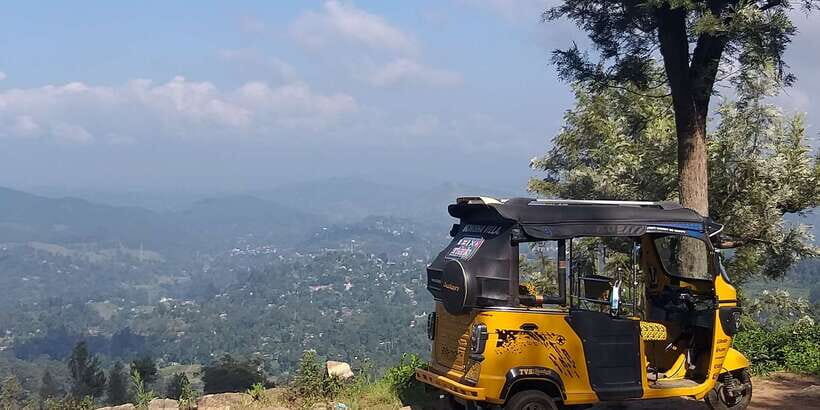
- Lipton Seat viewpoint with sweeping district views
- Guided hike on tea estate paths that’s more about scenery and context than athleticism
- Dambatenne Tea Factory, tied to Thomas Lipton and built in 1890
- How black tea is made, including rolling, drying, cutting, grinding, sieving, and grading
- Picnic lunch planning that can adapt if rain changes the outdoor setup
From Ella to Lipton Seat: The Tuk-Tuk Safari Part That Sets the Tone
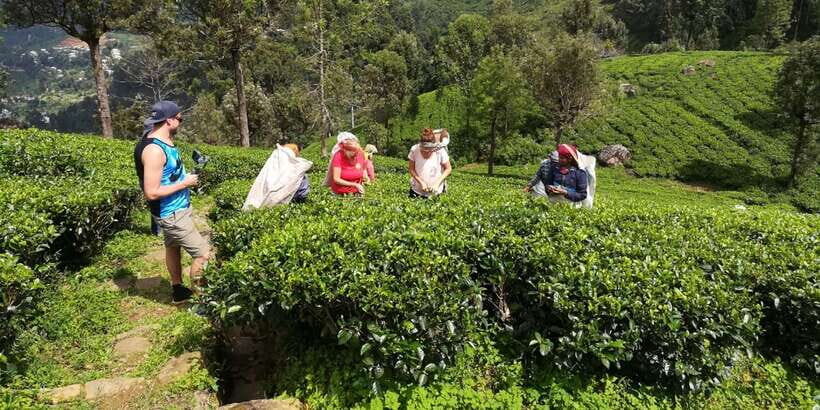
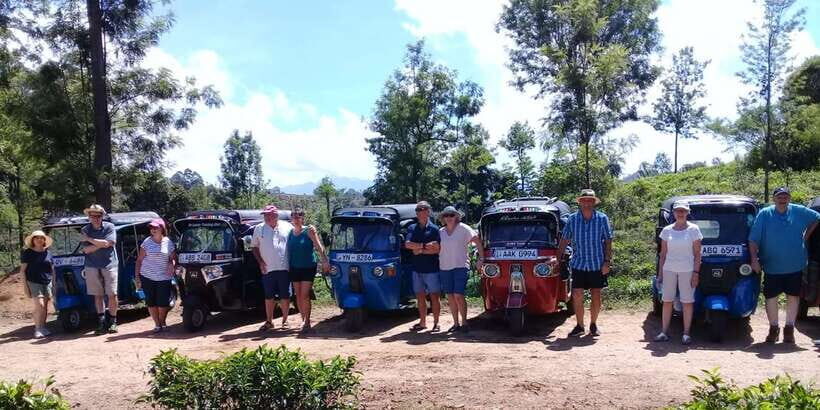
The day starts with a hotel pickup in Ella, and then you’re out on the road heading into Sri Lanka’s tea country. Instead of a long, straight drive, you’re moving on a tuk-tuk safari format, which changes the feel of the trip right away. You get that open, wind-through-the-hair sensation as you pass through the countryside toward the tea-growing region.
This is the kind of travel that helps you “arrive” emotionally, not just geographically. You’re not only looking at tea fields from one viewpoint; you’re watching the countryside gradually turn into something more specific—steep slopes, neatly managed rows, and the estate roads that connect viewpoints and processing stations.
One practical plus: you’ll usually have a guide who can explain what you’re seeing in real time—why certain slopes are used, how tea estates are organized, and what makes this region different from other parts of Sri Lanka. That way, the views don’t become just pretty photos. They come with context.
Other tuk-tuk tours we've reviewed in Haputale
The Tea Fields Hike: Walking Through the Real Plantation World
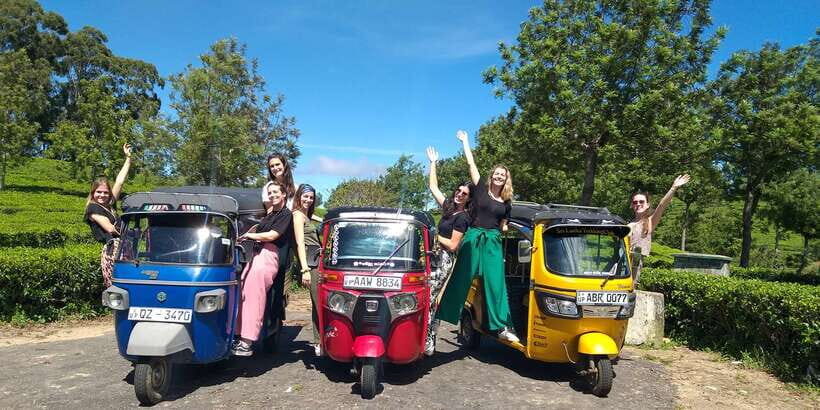
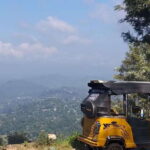
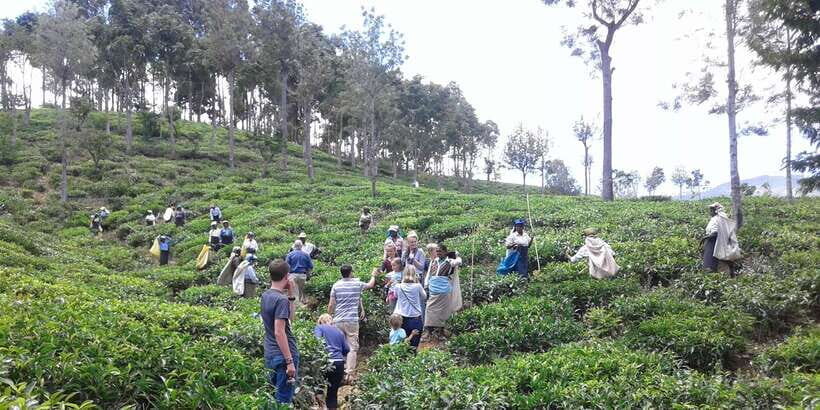
After the drive, the trip shifts to the tea hills on foot with a guided hike through tea plantation areas and estate paths. This part matters because it turns the earlier scenery into something you can experience with your senses. You’re closer to the plants, the contours, and the working reality of an active agricultural landscape.
You can expect a hike that’s more about enjoying the path and learning than about extreme endurance. The route is designed to get you to the right places, including the Lipton Seat viewpoint later on. In other words, you’re not hiking to prove something. You’re hiking to understand how the tea landscape works.
If you’re sensitive to weather, keep it in mind: the tea region can feel cool and damp when clouds move in. Even if rain doesn’t fully arrive, mist can make the ground slick. Sturdy shoes are worth it here. Also bring a light layer. You might start warm and end up feeling cooler as you gain elevation.
Lipton Seat Viewpoint: Why It’s a Key Stop
The hike and route lead you toward the Lipton Seat viewpoint. This is where you get a sweeping perspective—one place where you can take in seven districts at once. That kind of broad view is rare in day trips, and it helps you understand the scale of tea production in the area.
Standing there, you can mentally connect what you’ve walked through with what you’re seeing from above. The hills don’t look like random greenery anymore—they look like a managed system spread across rolling terrain. And since this viewpoint is associated with the Lipton name, it links the landscape directly to the tea story you’ll hear later at the factory.
Picnic Lunch in the Countryside: Simple, Scenic, and Sometimes Indoors
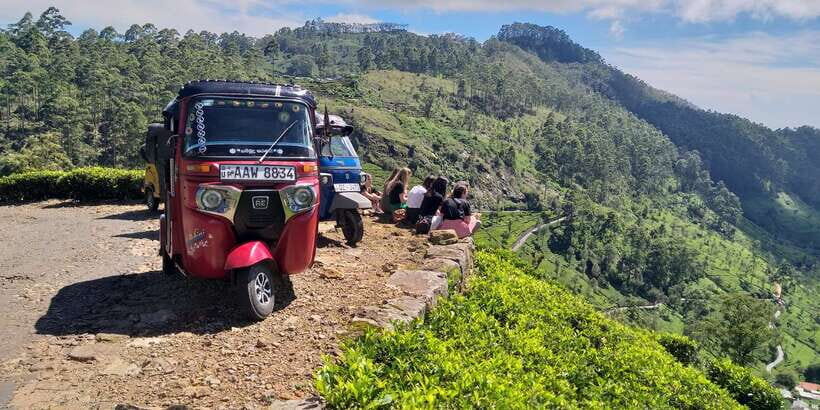
The tour includes a picnic lunch along the way in a countryside setting. This is one of those details that can make or break a “transport + attractions” day. When it works outdoors, it’s a relaxed break that feels like part of the experience rather than just an eating stop.
The catch is weather. Rain is a real possibility in the hills, and if it shows up, plans may change. In that case, your guide can adjust so you still eat calmly—just not necessarily out in the open field. The key is that you’re not left scrambling for food. The tour is built around keeping the day moving.
What you’ll want to pack mindset-wise: treat lunch as a comfort pause, not a gourmet meal event. You’re there for the views and the tea region atmosphere, and the picnic style fits that goal.
Dambatenne Tea Factory Tour: Where Lipton Ceylon Black Tea Comes From
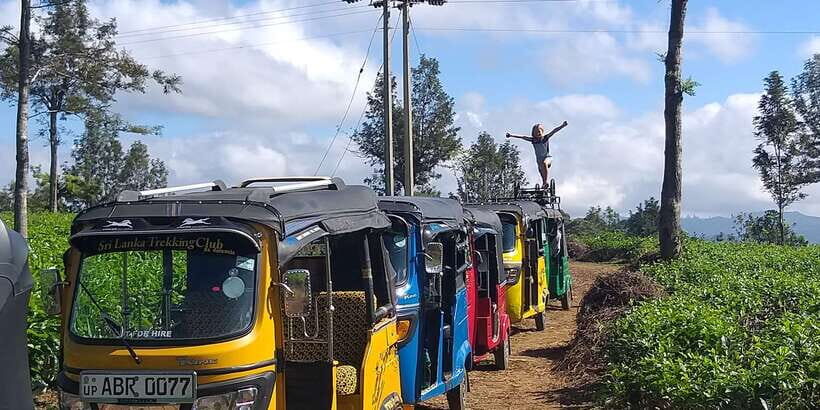
After the hike and lunch, you’ll visit the Dambatenne Tea Factory, described as the largest tea factory in Sri Lanka. This matters because it’s not just a small local operation—you’ll see a bigger, more industrial side of tea processing.
The factory itself ties to a major tea figure: it was built in 1890 by Thomas Lipton. That connection makes the tour more than a behind-the-scenes stroll. It places what you’re learning into a bigger historical thread about how Ceylon tea became globally known.
What You Learn in the Factory (And Why It’s Worth the Time)
Inside, the tour focuses on how green tea leaves are made into Ceylon black tea. You’ll hear the steps of processing, including:
- fermentation
- rolling
- drying
- cutting
- grinding
- sieving
- grading
Even if you don’t become a tea expert by the end (no pressure), this sequence gives you something useful. Tea isn’t just tea leaves and sunshine. It’s a production chain with specific physical and chemical changes. Seeing the process also helps you connect the flavor you may taste later to the manufacturing choices that happen before the tea ever reaches your cup.
This is also a good reason to pay attention during the explanation. The factory tour doesn’t just say what the machines do. It frames why each step comes next—so the whole thing becomes understandable rather than just a walk past equipment.
Ending in Haputale: The Day’s Route in Real Life Terms
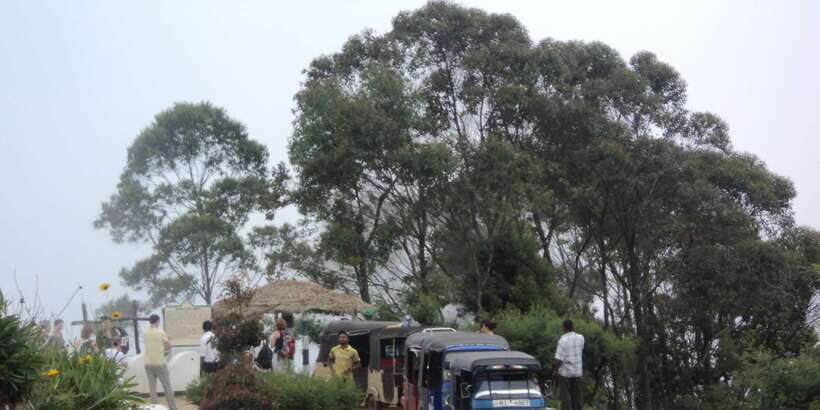
By the end, the tour finishes in Haputale. That’s helpful if your next plan is already in that area, because you’ll end the day in a different hill town rather than back where you started.
There’s one detail to respect: hotel drop-off is not included. So while you’ll finish in Haputale, you may need to arrange your own final transport if your lodging is outside the immediate finish area. For most people, this is manageable—but it’s smart to think about it before you book.
Price and Value: What $60 Buys You in 7 Hours
At about $60 per person for a roughly 7-hour day, you’re paying for more than a ticket to one place. You’re paying for a full package: hotel pickup, tuk-tuk transport, a guided hike, picnic lunch, entrance fees, and the tea factory visit with its processing explanation.
The value is in the combination. A tuk-tuk ride on its own can feel like a quick scenic transport day. A factory tour on its own can feel like a stop you check off. Put together, you get a more complete experience: you travel through tea country, walk through it, eat in it, and then learn how it becomes tea at scale.
If you’re someone who likes hands-on understanding—how things are made, how landscapes work—you’ll likely feel the cost is justified. If you prefer slow days with lots of unplanned wandering, this schedule may feel a bit full, but it still has a relaxed countryside rhythm compared with many packed day tours.
Timing, Pacing, and What You’ll Actually Be Doing
This isn’t a marathon day. It’s an intentional flow:
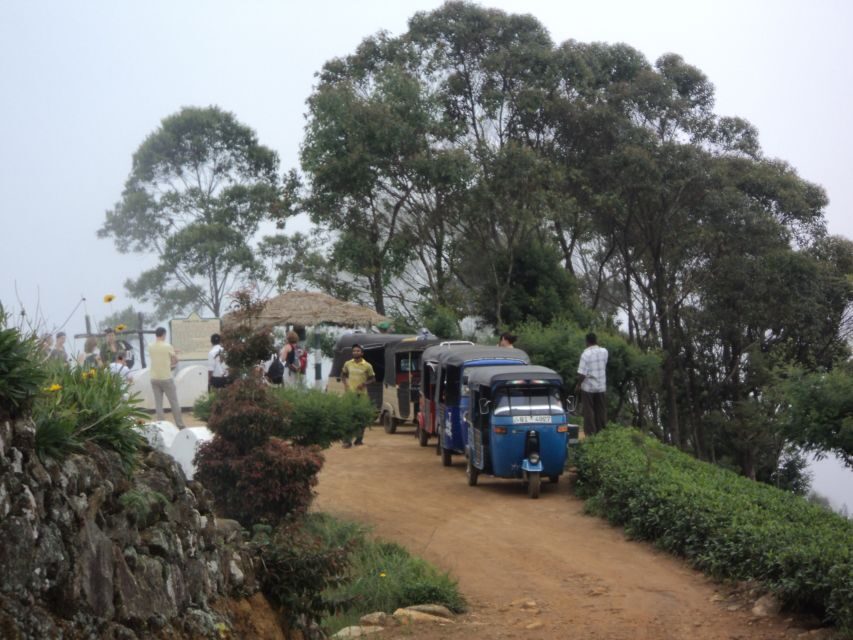
1) pickup in Ella, then ride through the tea region by tuk-tuk
2) guided hike through tea estate paths
3) picnic lunch
4) Dambatenne Tea Factory tour and tea processing explanation
5) finish in Haputale
Because you’ll be both riding and walking, it’s a smart idea to plan your body accordingly. You’ll want shoes for uneven or slippery estate paths and clothing you can layer. You’ll also be on a tuk-tuk for stretches, so consider sun protection and a way to handle sudden rain.
If rain comes in, don’t panic. The tour has shown it can pivot the lunch setup, and the guide’s job is to keep the day enjoyable even when clouds roll in.
What to Pack (So the Day Feels Easy, Not Annoying)
You’re in tea country: hills, possible mist, and estate paths that may be damp. Bring practical basics:
- comfortable walking shoes with decent grip
- a light rain layer or poncho
- a hat and sunscreen for clearer weather
- a light sweater or jacket for cooler hill air
- a small day bag for water and your essentials
Also, consider motion comfort. Tuk-tuks have their own driving feel. If you’re prone to travel discomfort, plan for it.
Who This Tour Fits Best
This is a strong fit if you want an active-but-manageable day that mixes scenery with explanation. I’d point you toward this tour if you enjoy:
- countryside rides on open-air style transport
- learning how local food or products are made
- tea as more than a drink—tea as a living production system
It may be less ideal if you want a long, unstructured hike with no scheduled stops. Here, you’re moving through specific highlights, and the day is designed to cover several things in one go.
Should You Book This Tuk-Tuk Safari, Tea Hike, and Tea Factory Tour?
I think you should book if your priority is a well-rounded tea-country day: ride through the hills, walk among tea estates, eat outdoors if weather cooperates, then understand the manufacturing behind Ceylon black tea at Dambatenne. The price feels fair for the full package of transport, guiding, hike, lunch, and the factory experience.
I’d pause only if you’re very sensitive to weather changes or you dislike any day that includes walking on uneven paths. If you’re okay bringing a rain layer and sturdy shoes, this tour’s structure is exactly what makes it valuable.
FAQ
How long is the Tuk-Tuk Safari, Tea Fields Hike, and Tea Factory tour?
The duration is listed as 7 hours.
Where does the tour start and where does it end?
It includes hotel pickup in Ella and finishes in Haputale. Hotel drop-off is not included.
What’s included in the price?
Included are hotel pickup, the tuk-tuk safari, picnic lunch, entrance fees, a tea factory visit, and the tea plantation hike.
Is the tour guide available in English?
Yes, the live tour guide is listed as English.
What does the tea factory tour cover?
You’ll learn about producing Ceylon black tea at the Dambatenne Tea Factory, including steps like fermentation, rolling, drying, cutting, grinding, sieving, and grading.
How much does it cost?
The price is listed as $60 per person.
If you tell me where you’re staying (Ella and/or Haputale), I can help you think through the most convenient plan for your end-of-day transport since drop-off isn’t included.