REVIEW · CENTRAL SRI LANKA
Tea Fields & Factory Tour
Book on Viator →Operated by The Tea field’s · Bookable on Viator
Tea in Sri Lanka has a backstory. This Hatton tea tour turns the usual tasting into a walk-through of how leaves become Ceylon tea, with stops in the fields and inside the factory. I also love the chance to meet the pluckers and hear how daily picking works.
The highlight for me is the full factory sequence from withering to packing, explained in a way you can actually picture. You’ll also finish with freshly made and brewed tea. One heads-up: the tour needs good weather, so if rain moves in, you may have to switch dates.
In This Review
- Key things I’d plan around before you go
- Hatton’s Tea Country: a simple 3-hour lesson in real Ceylon tea
- Starting at Norwood at 3:00 pm: what that timing means
- Walking the tea fields: where the story begins
- Meeting the pluckers and learning the picking technique
- The pluckers’ village and temple stop: a human side of tea work
- Weighing stations: the part most tea people never see
- Inside the factory: withering to packing, in plain language
- The fresh tea break: tasting with context
- Price and value: why $20 feels fair for this kind of access
- Who should book this tour in Hatton (and who might not)
- Book it or skip it: my practical verdict
- FAQ
- What is the price per person?
- How long does the tour last?
- When does the tour start?
- Where does the tour meet?
- What’s included in the tour?
- How many people are in each group?
- Is the tour ticket mobile?
- When will I get confirmation after booking?
- What if the weather is bad?
- Is there a cancellation option if plans change?
Key things I’d plan around before you go
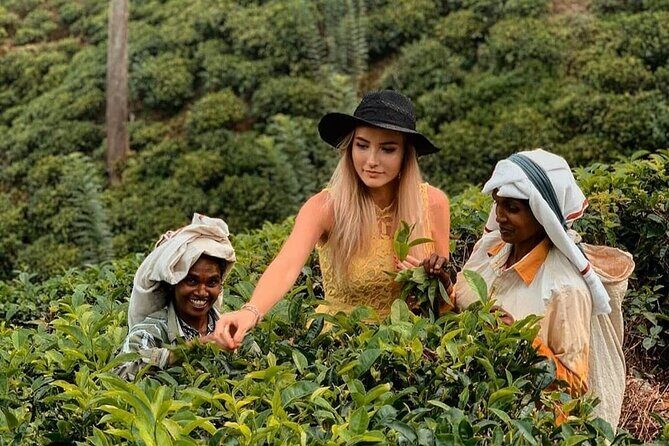
- Walk the tea rows and see how leaf picking fits the landscape of the workday
- Try your hand at plucking so you understand what “good leaves” means
- Visit weighing stations to see how fresh pickings get measured before processing
- Watch processing step by step: withering, rolling, drying, shifting, testing, packing
- Sip tea right after you learn it, so the flavors connect to the process
Hatton’s Tea Country: a simple 3-hour lesson in real Ceylon tea
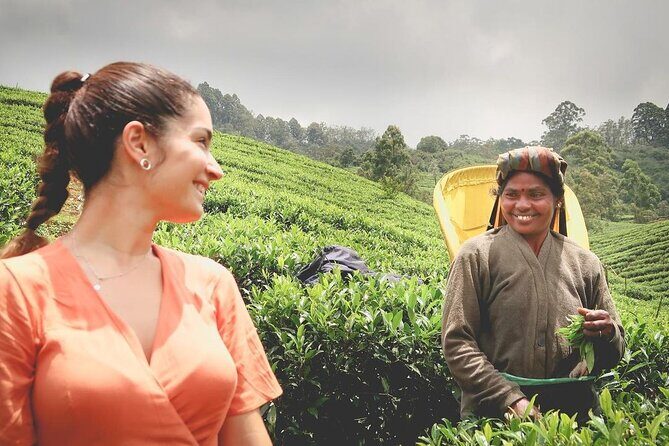
This is the kind of tour that makes tea feel less like a label and more like a process. In about 3 hours in central Sri Lanka, you move through the places where tea leaves are grown, picked, measured, processed, and finally brewed for you.
It’s also a small-group style outing, capped at 10 people. That matters. You get enough time to ask questions without the whole thing turning into a quick cattle-line photo stop. And because the tour runs from a specific starting point in Hatton’s Norwood area, you can treat it like a clean half-day activity rather than a vague “sometime in the afternoon” plan.
If you're still narrowing it down, here are other tours in Central Sri Lanka we've reviewed.


Starting at Norwood at 3:00 pm: what that timing means
The meeting point is in Norwood (RJR9+WC Norwood) and the tour starts at 3:00 pm. That afternoon timing can be a plus if you’ve been sightseeing earlier in Hatton or nearby towns—you get a focused activity that doesn’t swallow your whole day.
The tour also says it’s near public transportation, which helps if you’re not hiring a car just for one stop. Still, I’d treat the meeting point as your anchor: show up a bit early so you’re not rushing when everyone else is lining up.
Walking the tea fields: where the story begins
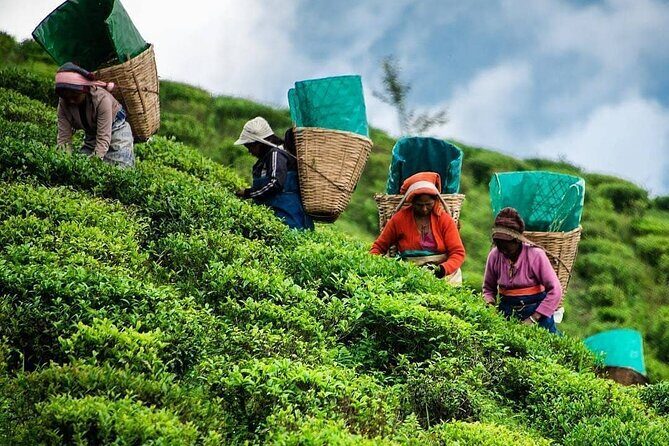
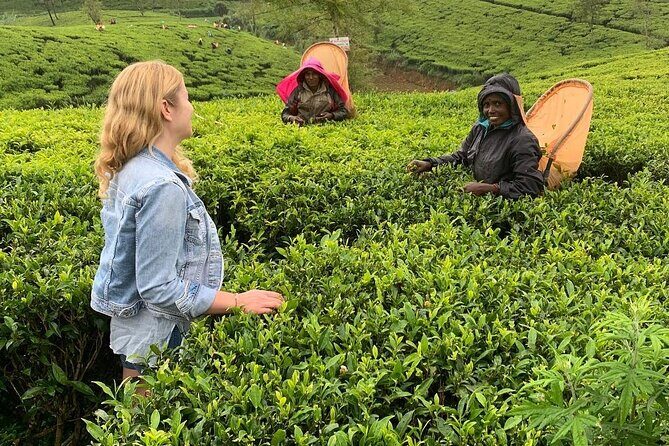
You start by going out among the tea plants and rows. This part works because it slows everything down. Before you learn factory machinery terms, you see the actual raw material—fresh leaves growing on bushes shaped by years of cultivation.
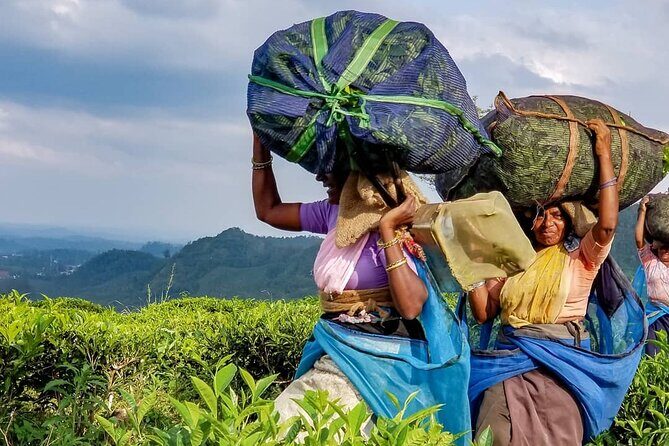
In the fields, you’ll also have the chance to meet the people who do the work. That’s one of the most valuable parts of the whole tour because tea isn’t abstract. It’s hands-on labor, repeated daily, with techniques that affect the final cup.
Practical note: wear shoes that can handle uneven ground and slippery patches if there’s any dampness. The tour is short, but it’s still a walk outdoors.
Meeting the pluckers and learning the picking technique
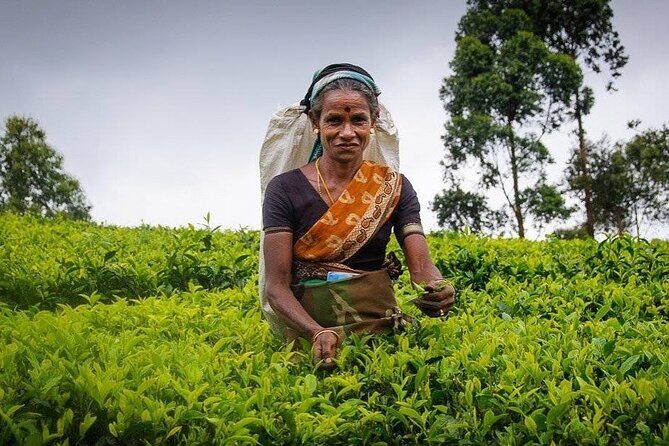
One of the tour’s best promises is that you don’t just watch tea work—you learn the technique. You’ll meet the pluckers, understand how they pick, and then you’ll get a chance to try plucking yourself.
This hands-on moment matters more than people expect. When you try it, you start noticing details like how a picking motion feels, what gets selected as leaf and bud, and how speed and accuracy have to work together. It’s the difference between learning tea processing steps on paper versus understanding what goes into those steps.
And because the group is limited, you can usually get enough attention to correct your grip and picking motion. Don’t worry if your first attempt is awkward—that’s normal. The point is to feel the workflow, not to become a tea worker overnight.
The pluckers’ village and temple stop: a human side of tea work
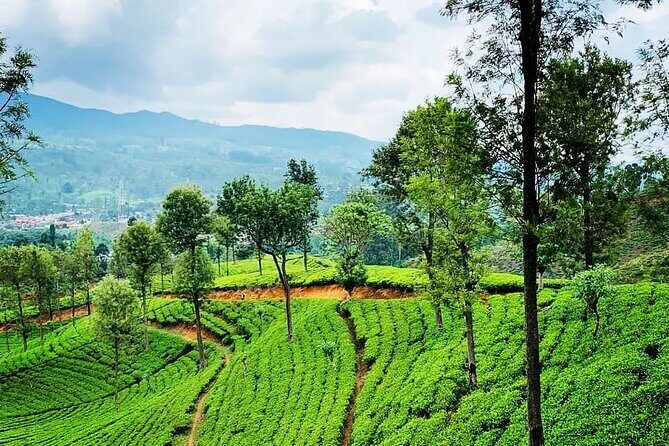
Between the fields and the factory, you’ll visit the pluckers village and temple. This section gives the tour a wider context. Tea isn’t only leaves and machines; it’s also community life built around the farming cycle.
What you’re likely to take away here is how routine and belief coexist in the tea region. Even if you don’t know the local traditions beforehand, it helps you understand why tea work stays tied to place and people—not just production numbers.
You should also expect that this stop adds a cultural pause to the day. It’s not about technical tea processing; it’s about grounding the whole story so the factory makes more sense afterward.
Weighing stations: the part most tea people never see
Next comes a practical step: you’ll visit the weighing stations. This is where the tour turns from farming into measurement.
Why it’s worth your attention: factories don’t process “tea leaves” in general. They process specific amounts of fresh pluckings, coming in as batches. Weighing helps determine what goes into the processing line and when. It also helps keep quality more consistent by making sure the raw inputs match the expected workflow.
If you’re the type who cares about how things stay consistent behind the scenes, this is a key moment. It’s also one of those parts where the guide can connect everyday work to the industrial chain that follows.
Inside the factory: withering to packing, in plain language
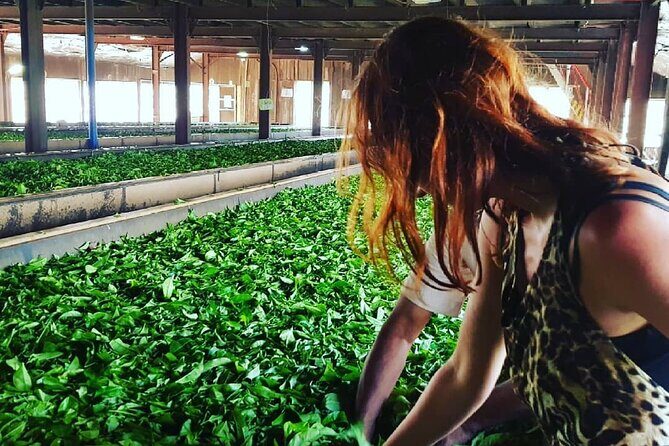
The factory visit is where the tour earns its reputation. You’ll learn the processing stages in order, with time spent on what each step does to the leaves.
Here are the steps you’ll see explained during the tour:
- Withering
- Rolling
- Drying
- Shifting
- Testing
- Packing
This is the sequence that takes you from fresh leaf to processed tea ready for sale. I like the order because it helps you build a mental picture. You don’t have to memorize everything at once—you can remember the progression: soften the leaf, shape it, dry it, sort it, test it, then pack it.
A tip for getting more value here: pay attention to any moments where the guide connects the stage to the final cup. Even if you don’t catch every term, those connections help the process click. That’s what turns a factory walk into understanding.
The fresh tea break: tasting with context
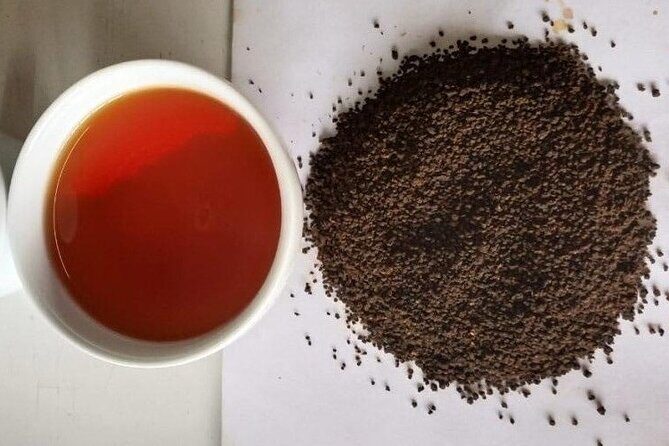
At the end, you’ll drink freshly made and brewed tea. This is more than a treat. It’s your built-in “final exam.”
Because you’ve just seen how leaves are handled and processed—from withering through packing—you get to compare what you taste to what you learned. The flavors may surprise you, but the real win is that the tea stops being vague. You can taste with context, not just with habit.
If you’re curious about what you’re tasting, ask the guide how the process might affect flavor. They’ve explained the steps for a reason, and a quick conversation at the tea table can help you connect details to your own palate.
Price and value: why $20 feels fair for this kind of access
The tour costs $20.00 per person. For tea tours, that’s not only reasonable—it’s the kind of price that can actually make the full “leaf to cup” experience reachable for most budgets.
Where the value comes from:
- You get multiple stops (fields, people, village/temple, weighing stations, factory).
- You do hands-on picking, not just observation.
- You receive brewed tea at the end.
- The group size stays small (max 10), which usually improves the quality of explanations.
You’re paying for access to the full chain, not a single photo-friendly highlight. If you love learning how things work—food systems, farming, manufacturing—this kind of tour is usually a better use of money than a short stop at one site.
Who should book this tour in Hatton (and who might not)
This tour fits best if you want more than a casual taste of tea. It’s especially good for:
- Food and process lovers who like to see how raw ingredients become finished products
- People who enjoy hands-on learning (your chance to try plucking is a big deal)
- Anyone visiting Hatton and wanting a focused activity that still feels authentic and grounded
It may be less ideal if you dislike walks outdoors or you’re sensitive to weather changes. The tour specifically notes it requires good weather, so rain can affect what happens and whether you can keep the same date.
If you’re short on time in central Sri Lanka, the upside is that it stays to about 3 hours. You can still plan other things before or after without your day getting swallowed.
Book it or skip it: my practical verdict
I think you should book this tour if you want a real, connected view of tea production in Hatton—fields, pluckers, weighing stations, factory steps, and then tea you can taste right after. The best part isn’t the factory alone. It’s how the tour keeps linking each stage to the next, so you leave understanding what you just saw.
Skip it only if you know you won’t handle outdoor walking well, or if your schedule is so tight that a weather-related date change would be a problem. Otherwise, for $20 and a capped group size, this is a strong value for anyone who wants tea to make sense beyond the cup.
FAQ
What is the price per person?
The price is $20.00 per person.
How long does the tour last?
It lasts about 3 hours (approx.).
When does the tour start?
The start time is 3:00 pm.
Where does the tour meet?
The meeting point is in Norwood at RJR9+WC Norwood, Sri Lanka.
What’s included in the tour?
You’ll walk among tea plants in the fields, meet the pluckers, learn their picking technique, try plucking, visit the pluckers village and temple, see weighing stations, visit the factory processing stages (withering, rolling, drying, shifting, testing, packing), and drink freshly made and brewed tea.
How many people are in each group?
The tour has a maximum of 10 travelers.
Is the tour ticket mobile?
Yes, the tour uses a mobile ticket.
When will I get confirmation after booking?
Confirmation is received within 48 hours of booking, subject to availability.
What if the weather is bad?
The experience requires good weather. If it’s canceled due to poor weather, you’ll be offered a different date or a full refund.
Is there a cancellation option if plans change?
Yes. You can cancel for a full refund up to 24 hours in advance of the experience start time. If you cancel less than 24 hours before, the amount paid is not refunded.