REVIEW · PIGEON ISLAND MARINE NATIONAL PARK
Snorkeling Trip To Pigeon Island
Book on GetYourGuide →Operated by PIGEON ISLAND TOURS PVT LTD · Bookable on GetYourGuide
Snorkel with reef sharks and turtles. This short trip is interesting because it’s built around real underwater time at Pigeon Island Marine National Park—about 3 hours on-site—plus the chance to see turtles, rays, and blacktip reef sharks without needing advanced snorkeling skills. I like that the basics are handled for you: snorkel mask, fins, and a safety jacket are included. I also like that you get a shared boat and return trip, so you’re not figuring out timing on your own. The one drawback to watch is price reality: the national park entrance ticket is not included, and that can push the total cost up fast.
Pigeon Island sits off Nilaveli Beach (about 3 km away), so the ride is short and the day stays focused. Underwater, you’re looking at mixed coral areas, lots of reef fish, and the kind of drifting current where fish come close enough to study—parrotfish, damselfish, sweetlips, butterfly fish, and bannerfish are all on the usual menu. One more practical consideration: between October and March, you may need to check with the operator first because rough seas or rain can lead to cancellations.
Below is the practical version of what this outing is like, how to get the most from it, and who should book.
In This Review
- Key things that make this snorkeling trip worth your attention
- Getting to Pigeon Island: a quick ride from Nilaveli
- How the 3-hour island session actually works
- What you might see: turtles, blacktip reef sharks, and reef fish
- Coral viewing tips: how to float without missing the best spots
- Gear and safety: what’s included, what to bring yourself
- Price reality check: $17 vs the park ticket you’ll pay later
- Season and sea conditions: why October to March needs extra attention
- Who this snorkeling trip suits best
- Quick list of rules that keep the reef and experience smooth
- Should you book this Pigeon Island snorkeling trip?
- FAQ
- Are the national park entrance tickets included in the price?
- What snorkeling equipment is included?
- Is a safety jacket provided?
- Do I need a hotel pickup?
- How long is the snorkeling trip?
- Is a snorkeling guide included?
- What should I bring?
- Is there bottled water provided?
- When is the best time to visit based on sea conditions?
- Is this trip suitable for everyone?
Key things that make this snorkeling trip worth your attention
- 3 hours in the marine park gives you enough time to find a rhythm and try a couple of spots.
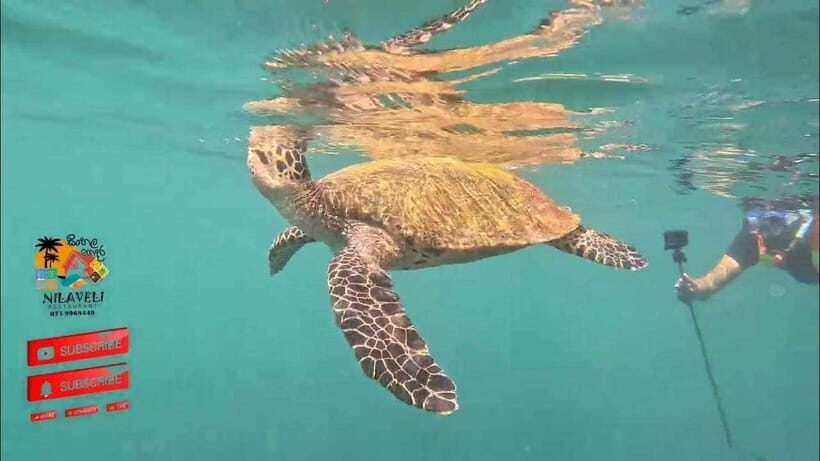
- Sharks, turtles, and rays are the goal, not just “maybe you’ll see something.”
- Gear is included (mask, fins, safety jacket), so you can travel lighter.
- You’ll be in a small-group style setup with an English host/greeter and a shared boat.
- National park tickets are extra, so check your total cost before you commit.
- Morning tends to feel calmer, with less crowding around the snorkeling areas.
Getting to Pigeon Island: a quick ride from Nilaveli
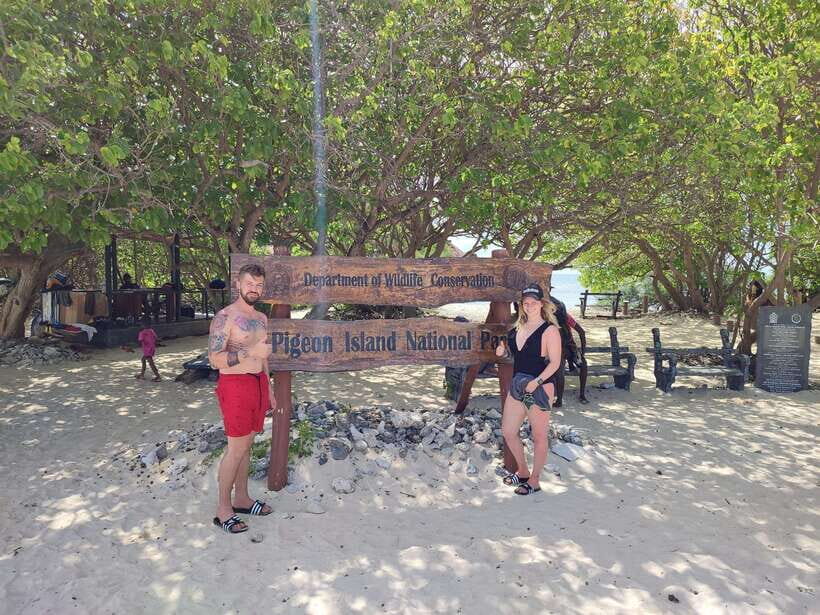
This is a straightforward coast-to-boat-to-island format. You start at Pigeon Island Tours, then you head to the park area and do your equipment check and water pickup before going out by boat. The park itself is 3 km from Nilaveli Beach, so you’re not spending your whole morning traveling across the island.
That matters because Pigeon Island snorkeling is all about timing underwater. Short transport means you can actually use your 3-hour window to float, re-position, and explore without feeling rushed.
If you’re arriving on your own, the key is to show up at the meeting point listed for Pigeon Island Tours and follow the on-ground directions. If you can’t find the spot, contact them right away via WhatsApp (it’s specifically offered for this reason).
How the 3-hour island session actually works
The core of the experience is the time you spend in Pigeon Island Marine National Park. You’ll boat to the snorkeling area, then you’re on the island for about 3 hours to swim and drift.
Here’s the practical reality of that schedule:
- You don’t have an all-day guided “follow the leader” structure listed—what you do get is equipment, safety support, and enough direction to get started.
- Once you’re in the water, you’re free to move at your own pace inside the snorkeling zone, which works well if you’re comfortable floating and staying aware of the boat pickup timing.
This “self-paced with an organized handoff” style is often what lets people actually enjoy the reef. You can linger near interesting patches of fish life instead of feeling yanked along. It’s also why it suits travelers who want freedom but still want structure for the big basics.
What you might see: turtles, blacktip reef sharks, and reef fish
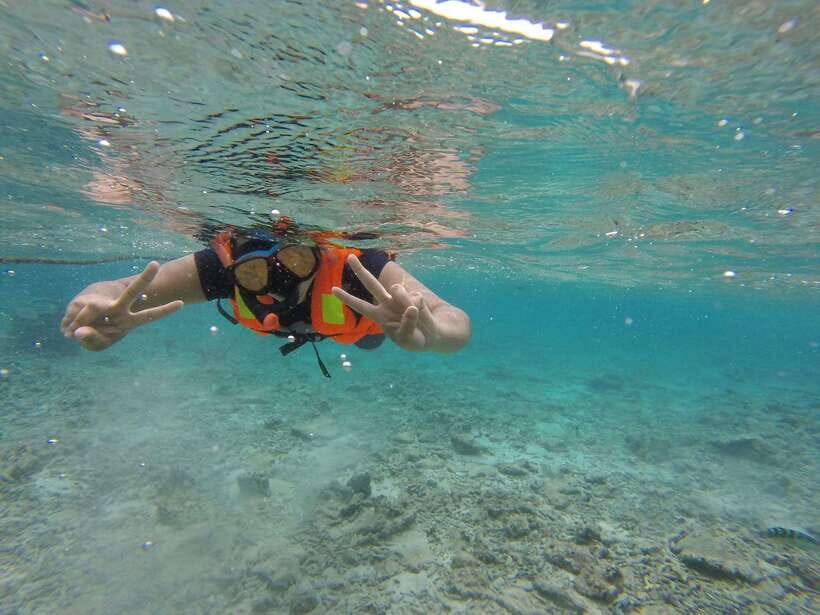
The promise here isn’t just pretty water. The target wildlife is specific: turtles and blacktip reef sharks, with rays also possible.
On a good day, you’re likely to notice:
- Reef fish swimming at eye level: parrotfish and damselfish drifting past as you float
- Cleaner-looking reef patches and fish that feel like they’re “stationed” along coral edges
- Distinct shapes and behaviors: sweetlips resting elegantly in the flow, butterfly fish and bannerfish moving through the water column
- Occasional larger wildlife moments, like a turtle passing in calmer water or a shark cruising through the deeper shade line
Coral condition matters too. One of the most useful notes you can take from the overall feedback is that coral damage can affect how “busy” the reef looks at first glance. Even when coral is mixed, the fish life still often makes the trip worthwhile—especially if you focus on movement and behavior rather than expecting every view to look like a postcard.
My advice: treat the reef like a slow walk. Move your head, watch patterns, and don’t only chase the biggest animal. The smaller fish activity often gives you the most time-on-interest.
Coral viewing tips: how to float without missing the best spots
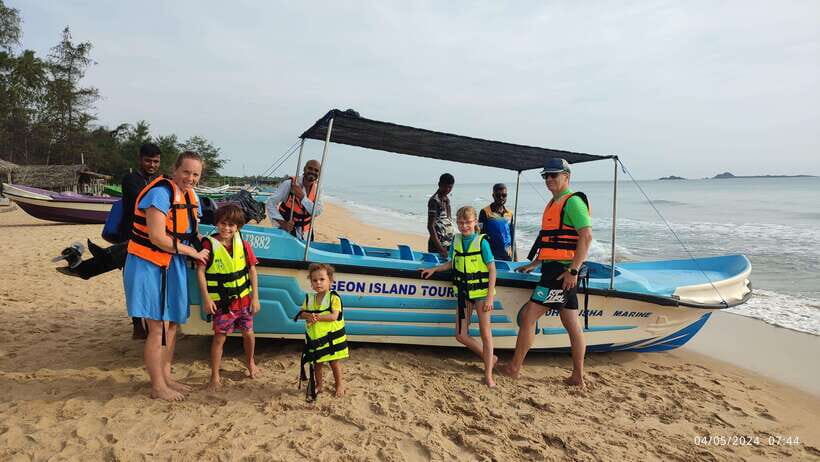
You’re drifting, not sprinting. That’s how you get the “close enough to watch” experience without blowing energy fast.
A few things that help:
- Use a relaxed flutter kick only when needed. The goal is steady movement.
- Keep your breathing calm and slow. Sudden panic kicks can scare fish away and also tire you out.
- Watch for changes in water clarity and depth transitions. You might find fish density shifting where the reef edge runs.
Also, bring your camera and plan for quick bursts. If you spend time getting “perfect” photos, you’ll miss the moment when animals actually pass through your window.
And use biodegradable sunscreen—it’s specifically recommended here for the water environment.
Gear and safety: what’s included, what to bring yourself
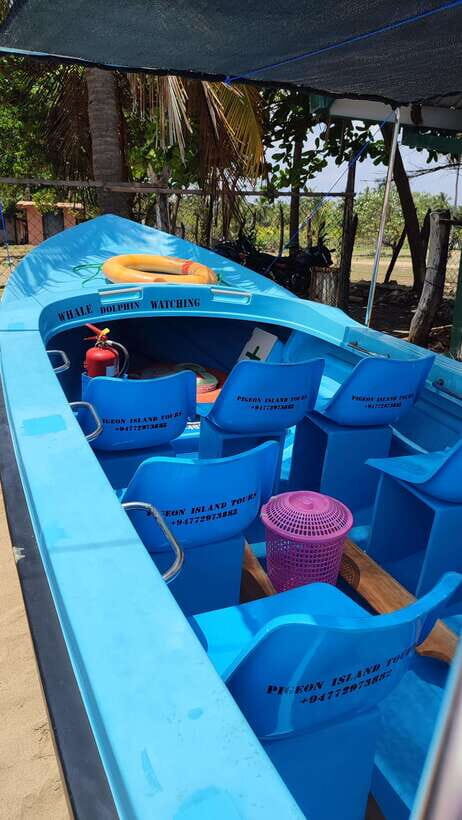
The included kit is refreshingly practical:
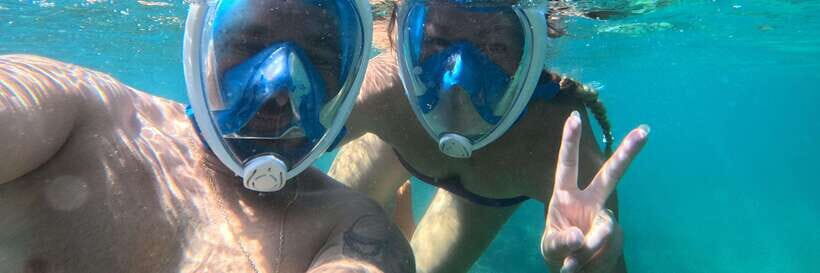
- Snorkeling mask
- Swimming fins
- Safety jacket
- 1000 ml bottled drinking water per person
That safety jacket is not just a checkbox. It’s what makes this feel approachable for travelers who want to snorkel but don’t want to feel fully on their own.
What you should bring:
- Sunglasses and a sun hat (the sun can be intense even when the water is cooler)
- Change of clothes for after
- A camera
- Biodegradable sunscreen
- Cash
Cash matters because you’ll need it for the national park entrance tickets. Those tickets are not included in the base price.
Price reality check: $17 vs the park ticket you’ll pay later
The headline price you’ll see is $17 per person for a roughly 3-hour experience including gear and a shared boat/return. That’s the “from” value.
But the national park entrance tickets are separate:
- about USD 48 per adult
- about USD 28 per child
So your real total often depends on your age and how many people are in your group. For many adults, the tickets can become the bigger line item. That’s why this trip can feel like great value for the overall convenience, but it can also feel overpriced if you expected everything to be bundled.
My strategy: do the math before you buy.
- Add your park ticket total to the $17 price.
- Compare it with what you’d pay for a basic boat transfer plus snorkeling access on your own.
If you’re price-sensitive, you may also find other options around Nilaveli that cost less, sometimes with less included. In that case, decide what you care about most: included gear and organization, or saving money and DIY-ing a bit more.
Season and sea conditions: why October to March needs extra attention
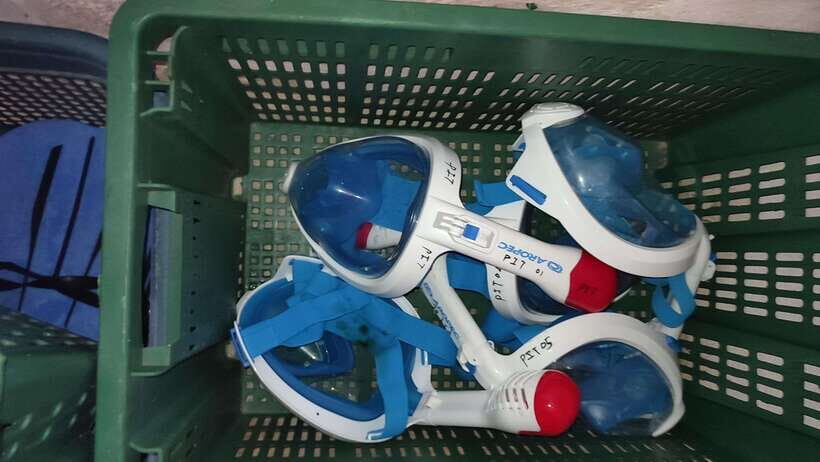
This trip can run into weather limits. Between October and March, you’re asked to contact the operator before booking because rough seas or rain may cause cancellations. From April to September, you can typically book directly, since that’s described as the best season for visiting Pigeon Island National Park.
What this means for you:
- If you’re traveling in the rougher-season months, build flexibility into your schedule.
- If you’re going in peak season, you can plan more confidently.
If your dates are tight, this matters. You don’t want your whole snorkeling plan hinging on one weather-sensitive slot.
Who this snorkeling trip suits best
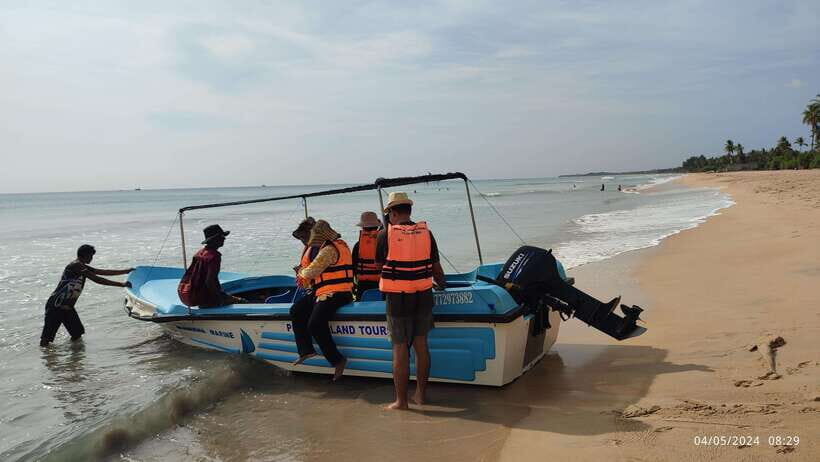
This outing is a strong fit if you:
- want a short, focused snorkel session without complicated planning
- value included equipment and safety basics
- are excited by wildlife chances, especially turtles and blacktip reef sharks
- like the idea of a guided start, then personal snorkeling time
It’s not a fit for everyone. It’s listed as not suitable for:
- pregnant women
- people with high blood pressure
- people over 70
If you fall into any of those categories, look for an alternative activity with more tailored medical/safety support.
Quick list of rules that keep the reef and experience smooth
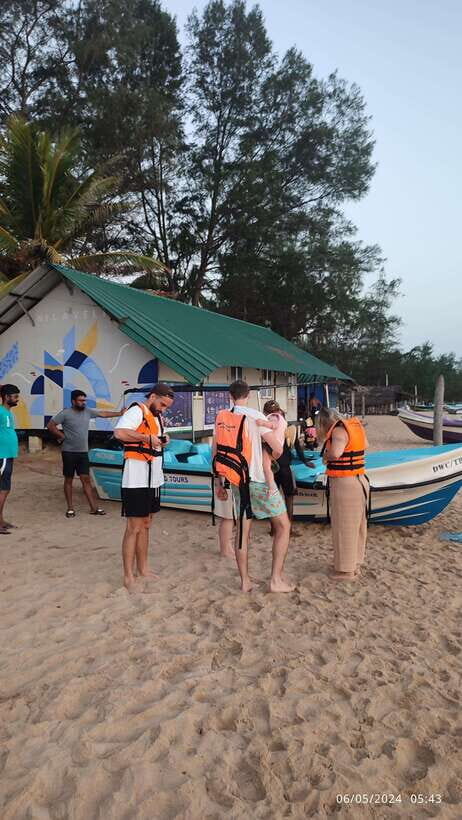
Pigeon Island has a clear set of do’s and don’ts. They include:
- no pets, no drones
- no food, fishing, flash photography, alcohol or drugs, glass objects
- no feeding animals, no littering, no fireworks/explosives, no fire, and no nudity
It’s not “fun-policing” for its own sake. These rules protect wildlife and keep the snorkeling areas safe and clean for everyone sharing the water.
Should you book this Pigeon Island snorkeling trip?
Book it if you want an easy, organized way to get to the reef with mask, fins, safety jacket, a shared boat/return, and time to actually enjoy the water. The 3-hour window and the wildlife targets are what make it compelling—especially if seeing turtles and blacktip reef sharks is your main goal.
Skip or shop around if price is your top priority and you don’t want to pay extra for park tickets on top of the base amount. Also consider other timing options if you’re traveling in the October–March weather period, since conditions can affect whether you’ll go.
If your ideal day includes short travel, gear taken care of, and a realistic chance at sharks and turtles, this is a solid choice.
FAQ
Are the national park entrance tickets included in the price?
No. National park entrance tickets are not included. You’ll pay them separately at the meeting point/park ticket office area, with prices listed as about USD 48 per adult and USD 28 per child.
What snorkeling equipment is included?
You get a snorkeling mask and swimming fins included.
Is a safety jacket provided?
Yes. A safety jacket is included.
Do I need a hotel pickup?
No. Hotel pickup and drop-off are not included. You should plan to reach the meeting point.
How long is the snorkeling trip?
The total duration is about 3 hours.
Is a snorkeling guide included?
A snorkeling guide is not included, though there is an English host/greeter.
What should I bring?
Bring sunglasses, a sun hat, a change of clothes, a camera, biodegradable sunscreen, and cash.
Is there bottled water provided?
Yes. You’ll receive 1000 ml bottled drinking water per person.
When is the best time to visit based on sea conditions?
The information provided says to contact the operator before booking between October and March due to rough seas or rain. From April to September, you can book directly.
Is this trip suitable for everyone?
No. It is listed as not suitable for pregnant women, people with high blood pressure, and people over 70.