REVIEW · TRIKUNAMALAYA
Nilaveli: Sri Lankan Cooking Class with a Local Family
Book on GetYourGuide →Operated by PIGEON ISLAND TOURS PVT LTD · Bookable on GetYourGuide
Stoves, spices, and real family laughs. In Nilaveli, this is a home-kitchen cooking class with Nimali Dinushika and her family, built around firewood and wood stoves, so you learn the food the way it’s actually made. I especially like the string hoppers and rice-and-curry focus, and the chance to learn spices and curry powder step by step. One thing to plan for: if you want chicken or fish curry, there’s an extra 2000 LKR per person, and seafood pricing depends on what you request.
The best part is that you’re not just copying a recipe. You’re cooking, tasting, and then eating together in the same session, with instruction in English (and Sinhala) and enough time to really get your hands busy. The main tradeoff is simple: you need to be comfortable cooking in a traditional home setting, outdoors/with open fires, not a polished restaurant kitchen.
If you like food that feels personal, this is a great use of a day in Sri Lanka’s east.
In This Review
- Key highlights you’ll care about
- Nilaveli cooking with Nimali Dinushika: why this home kitchen feels different
- Where you meet and how the class gets started
- The 5-hour flow: what happens from stove to sitting down
- Firewood and wood stoves: the hands-on cooking setup
- What you’ll actually cook: hoppers, string hoppers, pittu, rotti, milk rice
- Curry powder, sweets, and spice secrets you can reuse later
- Menu choices, meat/seafood extras, and how to plan your budget
- Lunch at the table: getting to eat what you made
- Practical tips so you stay comfortable during the stove time
- Is it wheelchair accessible, and who will enjoy it most?
- Price and value: $22 plus protein add-ons
- Should you book the Nilaveli Sri Lankan cooking class with Nimali?
- FAQ
- What is the duration of the Nilaveli cooking class?
- Where do I meet for the experience?
- What dishes are included in the cooking class?
- If I want chicken, fish, or seafood, is there an extra cost?
- What languages will the instructor use?
- What should I bring to the class?
- Is it wheelchair accessible, and is it suitable for young children?
- Is free cancellation available?
Key highlights you’ll care about
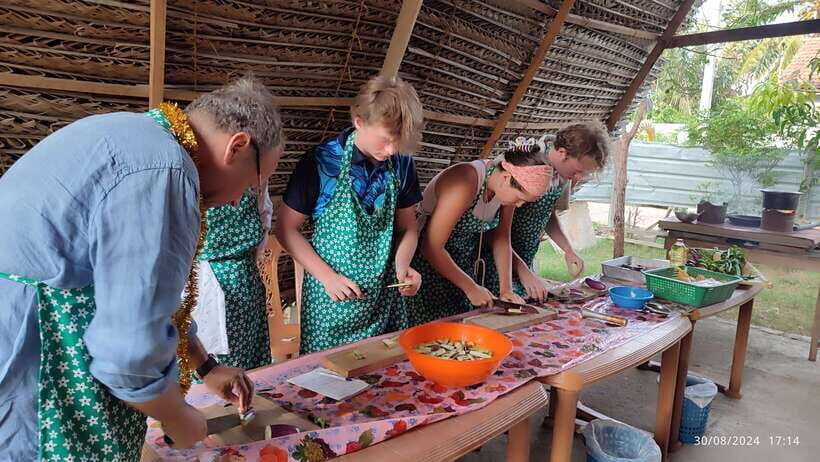
- Firewood + wood stoves: you cook the traditional way, not on a flat electric burner
- Menu choice in advance: you can often steer the class toward vegetarian or meat/seafood options
- Hands-on classics: hoppers, string hoppers, pittu, rotti, milk rice, plus curry powder and sweets
- Family-time atmosphere: you cook with a local husband-and-wife team and eat what you make
- Clear meal payoff: about an hour to sit down and enjoy the results of your work
Nilaveli cooking with Nimali Dinushika: why this home kitchen feels different
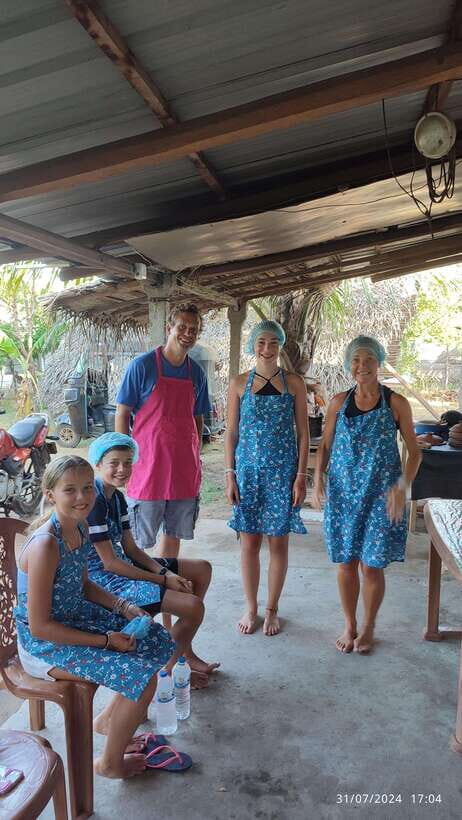
Nilaveli in Sri Lanka’s Eastern Province has a calm pace, and this cooking class matches it. You meet Nimali Dinushika and her family at their base by the local tour meeting point, then you’re guided through dishes that are common here, but rarely explained in detail. Think: not just what to cook, but why each spice and technique matters.
I like that the focus is practical. You learn processes like shaping and cooking hoppers/string hoppers, building a curry, and making your own curry powder and sweets. You also cook in a real household setting, where the tools are familiar to locals and the pace is “get it done right” rather than “speed-run the dish.”
And yes, you’ll end up eating a proper meal afterward. Not a sad sample portion. The class is long enough that your food production becomes part of the experience, not just a warm-up.
If you're still narrowing it down, here are other tours in Trikunamalaya we've reviewed.
Where you meet and how the class gets started
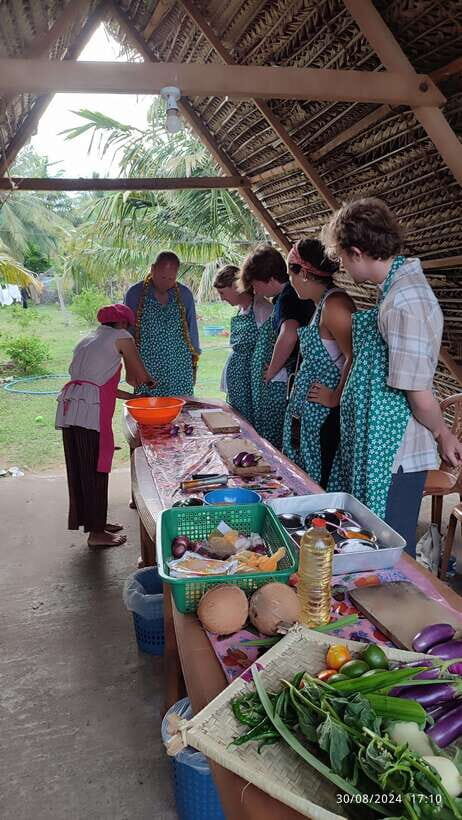
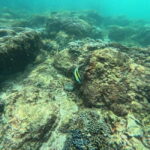
The meeting point is at Pigeon Island Tours, at the same spot as the Rice and Curry seafood outlet, with the Cook with Nimali activity organized there as well. It’s the type of place you’ll recognize once you arrive and follow staff directions for the cooking session.
You won’t get a hotel pickup/drop-off, so plan your own ride to the meeting point. If you’re staying in Nilaveli, that’s usually straightforward. If you’re farther out, it’s worth budgeting a little travel time so you don’t feel rushed when the class begins.
Once you connect with your host, you’ll be shown the home setup and what’s on the menu. The class is taught in English and Sinhala, so if you prefer English, you can still follow comfortably.
The 5-hour flow: what happens from stove to sitting down
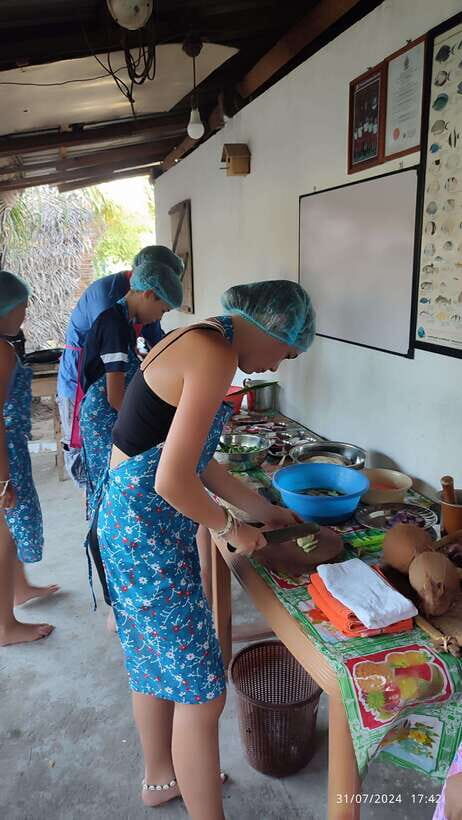
This runs about 5 hours total. In a typical session, there’s time for the cooking process and then time for eating together. A common structure is around 4 hours cooking and about 1 hour for dining.
Here’s the real rhythm you should expect:
- Start with ingredients and spices: you’ll learn what goes into Sri Lankan cooking and how spices are used, not just where to buy them
- Cook multiple dishes: the class covers several items (rice and curry, hoppers/string hoppers, pittu, roti, milk rice, and sweets)
- Learn curry powder and sweets: you don’t stop at savory dishes; you also get guidance on traditional sweets and spice mixes
- Finish with a meal: you sit down to enjoy what you made, usually alongside a drink such as tea
Even if you don’t think you’ll remember every step, you’ll leave with something more useful: a mental map for how flavors and techniques connect.
Firewood and wood stoves: the hands-on cooking setup
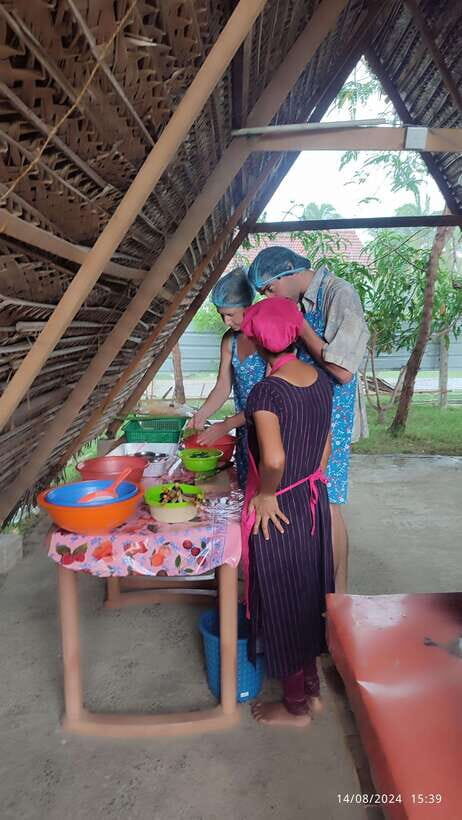
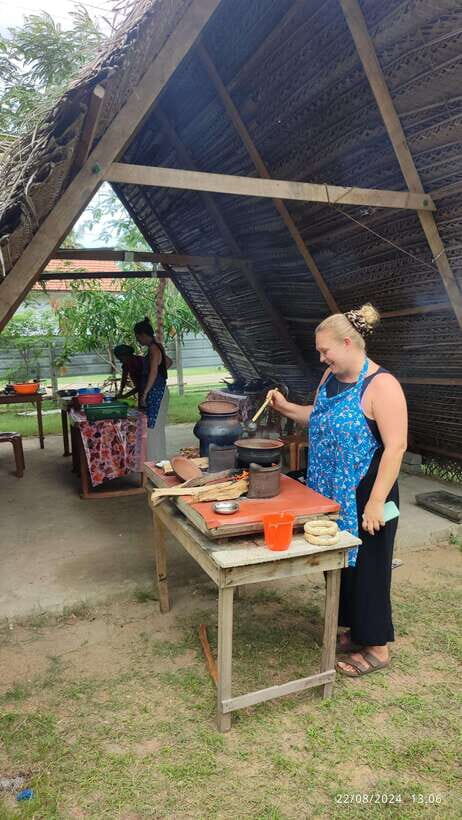
You’re cooking with firewood and wood stoves. That detail sounds romantic, but it matters because it changes the workflow. Heat control is different from a modern stove, and you learn to adjust as the cooking progresses.
You’ll also use personal cooking equipment (so you’re not just watching while someone else handles everything). That hands-on approach is one of the reasons this class gets such high satisfaction. You’re not there to stand back politely and nod.
Bring the right attitude too. This isn’t a spotless studio where you worry about keeping your clothes pristine. It’s a home kitchen. Wear comfortable clothes, and plan to get a little involved.
What you’ll actually cook: hoppers, string hoppers, pittu, rotti, milk rice
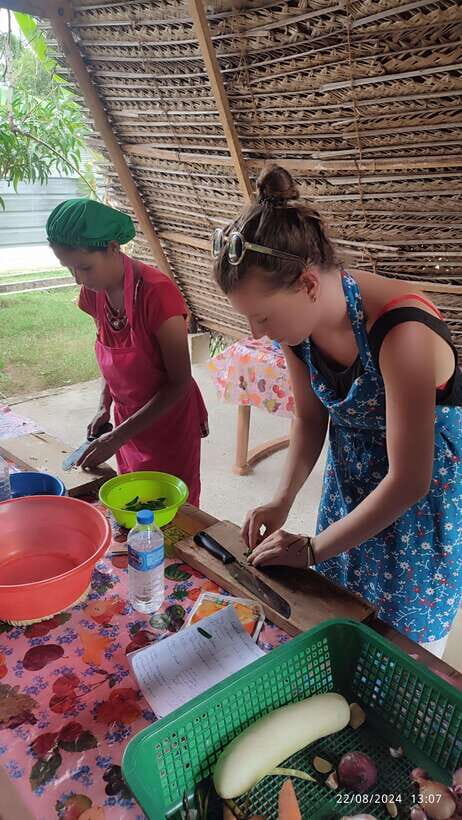
The menu is built around Sri Lankan favorites. You can expect hands-on instruction for dishes including:
- Rice and curry (the heart of many meals here)
- String hoppers and hoppers (steamed and served in typical local style)
- Pittu
- Rotti
- Milk rice
- Sweets, plus curry powder
One of the biggest values is getting a guided approach to multiple textures. String hoppers and hoppers are not just “another item.” They require attention to batter/steaming technique and serve as a gateway to how Sri Lankans think about eating: soft, chewy, and soaked in flavor.
If you like food that’s comforting and layered, this menu will hit the spot. If you’re the type who loves making curry from scratch, you’ll appreciate the curry powder portion because it gives you a framework you can reuse later at home.
Curry powder, sweets, and spice secrets you can reuse later
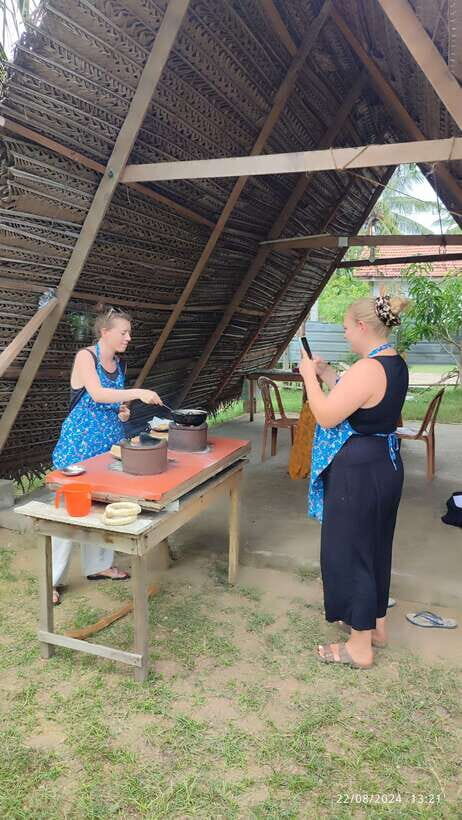
It’s easy to leave a cooking class with a list of recipes. This one tries to give you the logic behind them. You learn about ingredients and spices used in Sri Lankan cuisine, and you also make curry powder.
That means you’re not only learning a dish. You’re learning a tool.
You’ll also learn how to make sweets. In at least one session, dessert is served with tea, which is a nice little Sri Lankan touch and makes the tasting feel like a real home meal, not an airport-style snack.
If you’re curious about food habits rather than just food outcomes, this is the “why” portion of the experience. The instruction helps you understand what the flavors are doing, so you can scale up or adjust when you’re back in your own kitchen.
Menu choices, meat/seafood extras, and how to plan your budget
This is where you need to read carefully and plan ahead.
- If you want chicken or fish curry, it costs extra: 2000 LKR per person
- If you request seafood dishes, there’s an additional cost that depends on what you ask for
Vegetarian options may be possible, and the class asks what you want to cook. So if you’re vegetarian, or you just want lighter choices, you should tell them your preferences in advance and confirm what’s included versus what’s an add-on.
Value-wise, the base price is about $22 per person for a full home-cooked experience that includes ingredients, recipes, traditional wood-stove methods, and the meal afterward. The main cost pressure comes from protein add-ons, so treat those as optional. If you’re happy with the core dishes, you can keep the price tidy.
Lunch at the table: getting to eat what you made
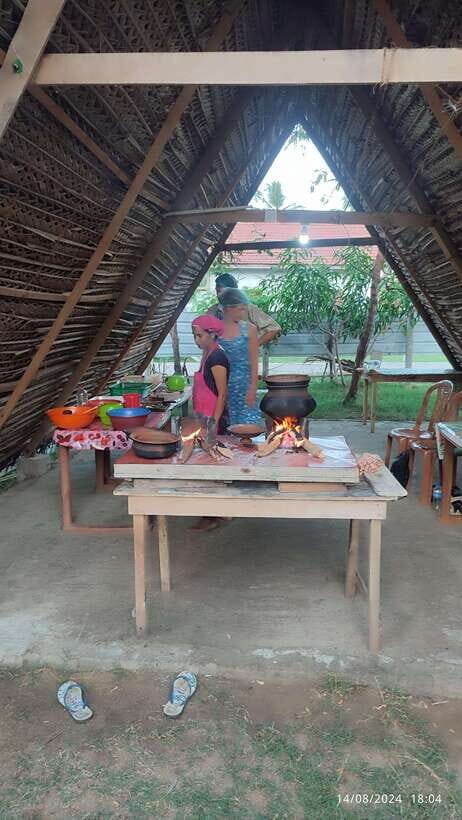
Cooking is satisfying, but the payoff is the meal. You sit down to enjoy what you prepared after the cooking session.
This part matters because cooking classes sometimes end with a quick tasting. Here, you have enough time to finish your dishes and then actually dine. That also makes the whole experience feel socially normal, like you’re visiting a family and helping prepare lunch.
You’ll get water and refreshments as part of the included experience. And if sweets are part of your menu, you’ll get to taste them in a full meal context, not just a quick bite.
Practical tips so you stay comfortable during the stove time
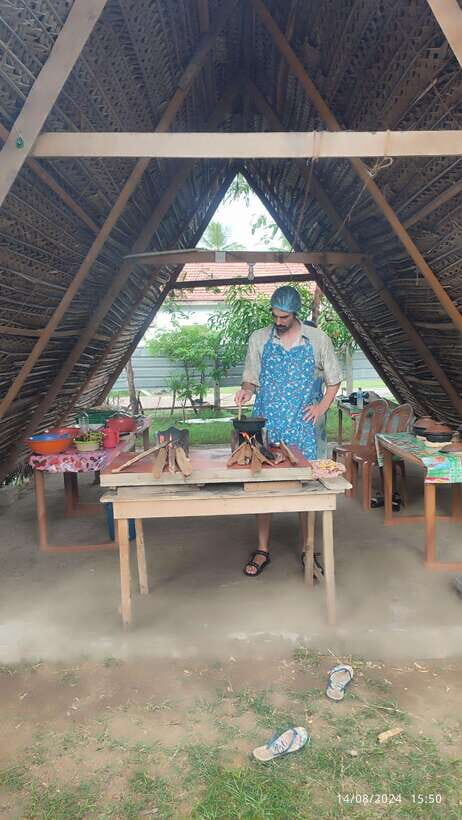
This is a hands-on, traditional home setting, so a few practical choices will help your day go smoothly:
Wear and bring
- Hat
- Sunscreen
- Comfortable clothes
What to expect with rules
- No smoking
- No alcohol or drugs
- No pets
If you have dietary restrictions or allergies, inform the team in advance. The class is not suitable for people with food allergies, so don’t assume you can safely swap ingredients on the spot. Better to choose another option if allergies are in play.
Also, this isn’t aimed at toddlers. It’s not suitable for children under 2 years.
Is it wheelchair accessible, and who will enjoy it most?
Good news: the experience is listed as wheelchair accessible.
Who it suits best:
- You want a food-focused experience that goes beyond sightseeing
- You enjoy learning technique, not just eating results
- You like family-style hospitality and cooking with locals
- You’re traveling in Nilaveli and want a structured activity that still feels authentic
Who might feel less comfortable:
- You want a fancy, sterile kitchen environment
- You have a serious food allergy and need guaranteed safety (the class isn’t suitable for food allergies)
- You don’t want open-fire cooking or a more traditional household setting
Price and value: $22 plus protein add-ons
Let’s talk value in plain terms.
At $22 per person, you’re paying for:
- A real home-kitchen cooking session with a local family
- Traditional wood stove and firewood cooking methods
- Ingredients and cooking equipment
- Recipes for the dishes
- Water and refreshments
- Dining time where you eat what you made
The extras you might pay for are mostly protein-related. Chicken/fish curry costs extra, and seafood depends on the request. If you keep to the base menu, you’re likely to feel the price is fair for a 5-hour class with a full meal.
In other words: this isn’t just a “one dish and done” workshop. It’s a longer session that teaches multiple Sri Lankan staples.
Should you book the Nilaveli Sri Lankan cooking class with Nimali?
I’d book it if you want a real Nilaveli experience that’s food-first and local-family based. The combination of wood-stove cooking, curry powder and sweets, and the chance to eat a full meal afterward is exactly what makes this kind of class worth your time.
Hold off if:
- You have a food allergy you can’t safely manage (the class is not suitable for allergies)
- You’re expecting hotel pickup or a guided shopping tour (those aren’t included)
- You need a fully meat-free and add-on-free meal without any extra costs (protein choices can mean extra pricing)
If you go in with comfortable clothes, a willingness to get your hands involved, and a heads-up about what you want to cook, you’ll likely leave with more than photos. You’ll leave with a practical understanding of Sri Lankan flavors and techniques you can recreate.
FAQ
What is the duration of the Nilaveli cooking class?
The class lasts 5 hours.
Where do I meet for the experience?
You meet at Pigeon Island Tours, at the same location area as the Rice and Curry seafood, near the Cook with Nimali setup.
What dishes are included in the cooking class?
You’ll prepare Sri Lankan dishes such as rice and curry, string hoppers, hoppers, pittu, rotti, and milk rice. You also learn curry powder and traditional sweets.
If I want chicken, fish, or seafood, is there an extra cost?
Yes. If you want chicken or fish curry, there is an extra 2000 LKR per person. If you request seafood dishes, there is an additional price depending on what you ask for.
What languages will the instructor use?
The instruction is provided in English and Sinhala.
What should I bring to the class?
Bring a hat, sunscreen, and comfortable clothes.
Is it wheelchair accessible, and is it suitable for young children?
It is wheelchair accessible. It is not suitable for children under 2 years, and it is not suitable for people with food allergies.
Is free cancellation available?
Yes. You can cancel up to 24 hours in advance for a full refund.