REVIEW · HABARANA
Minneriya: Minneriya National Park Private Evening Safari
Book on GetYourGuide →Operated by Sri Lanka Jeep Safari · Bookable on GetYourGuide
Elephants show up fast. Minneriya’s famous elephant gathering at the Minneriya Tank turns a simple jeep drive into a real wildlife moment: dozens, and sometimes hundreds, of Asian elephants moving through the water and feeding areas.
I love the private jeep setup from Dambulla, Sigiriya, or Habarana. And I love the quiet, respectful viewing style, including the way the guide positions you so the animals keep behaving like animals, not like a show.
One thing to plan for: the National Park entrance ticket is not included. The fee is listed as USD 45 per person, so your real total is higher than the $41 safari price.
In This Review
- Key points to know before you go
- Minneriya Tank in the Dry Season: Why This Spot Pulls Elephants In
- Your Half-Day Jeep Plan: Pickup, Afternoon Timing, and the Flow of the Drive
- Wildlife Viewing That Feels Like Real Nature: No Chasing, Engine-Off Moments
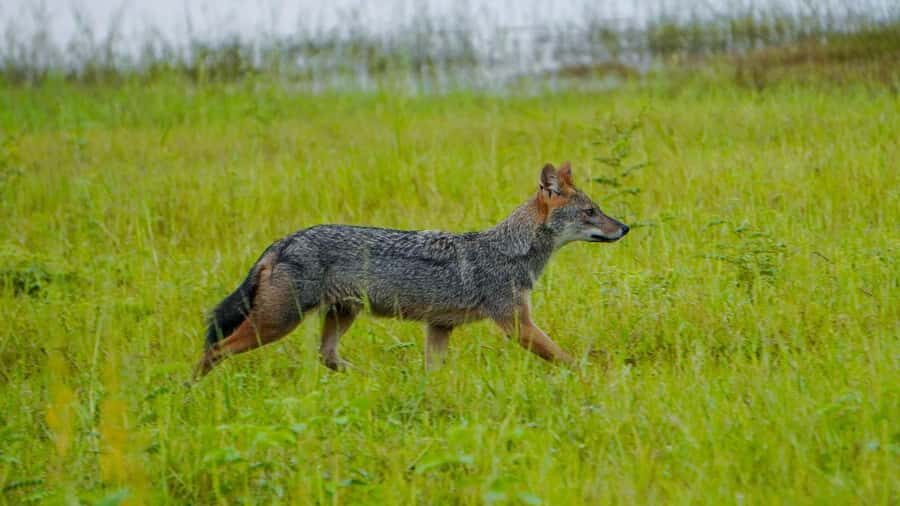
- What You’ll See Besides Elephants: Buffalo, Monkeys, and Birds in the Wetlands
- Camera Tips That Fit the Safari Reality
- Price and Value: How $41 Works When You Add the USD 45 Park Fee
- The Practical Stuff That Makes the Safari Better
- Who This Safari Fits Best (and Who Might Want a Different Plan)
- A Quick Reality Check on What the Tour Feels Like
- Should You Book the Minneriya Private Evening Safari?
- FAQ
- What time is recommended for pickup?
- Where do pickups happen?
- Is the National Park entrance fee included?
- How long is the safari?
- What’s included in the tour price?
- What should I bring with me?
- Is the safari allowed for everyone?
Key points to know before you go
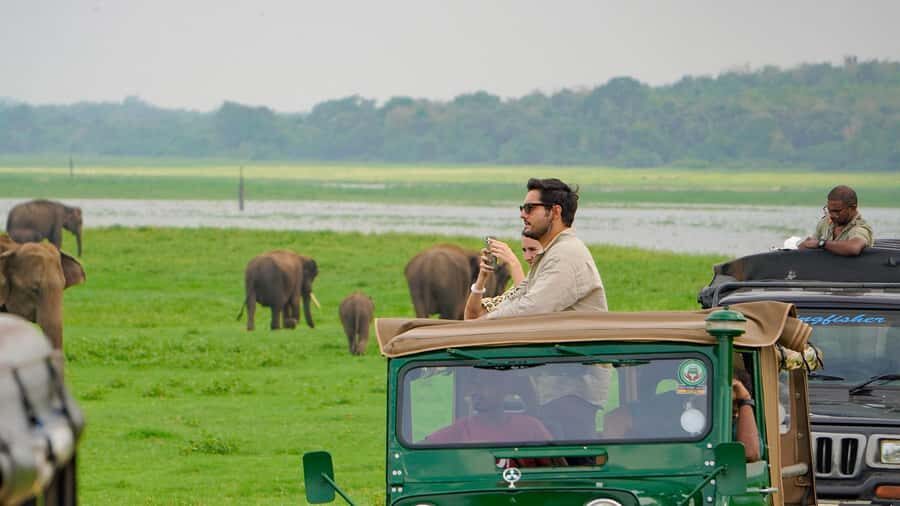
- Elephant gathering at Minneriya Tank: best odds during the dry season when herds concentrate around the reservoir
- Private transport from Dambulla/Sigiriya/Habarana: pickup and drop included, plus water on board
- Engine-off elephant etiquette: when an elephant is spotted, the vehicle is managed to let elephants roam freely
- More than elephants: monkeys, birds, buffalo, and wetland life often show up too
- Camera-friendly safari pacing: you get time to observe without constant rushing
- Afternoon timing matters: large herds tend to emerge as feeding and bathing pick up
Minneriya Tank in the Dry Season: Why This Spot Pulls Elephants In
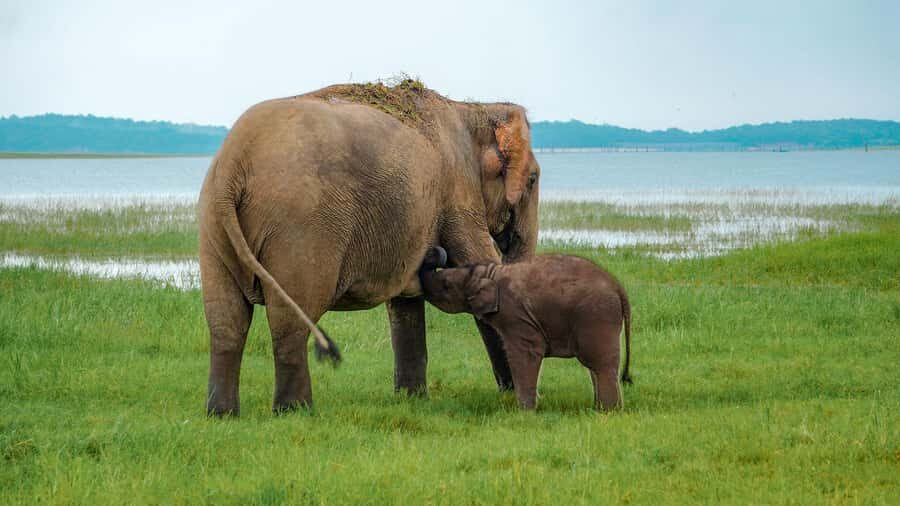
If you come to Sri Lanka hoping to see elephants in the wild, Minneriya is one of the most practical places to target. The park’s star attraction is the Minneriya Tank, a reservoir that becomes a magnet during the dry season. When water and food are easier to find near the tank, herds gather in predictable patterns.
That’s what makes this experience feel special even before you reach the park. You’re not just driving around hoping for luck. You’re heading toward a natural meeting point where behavior tells the story: feeding, bathing, drinking, and social groups mixing and separating.
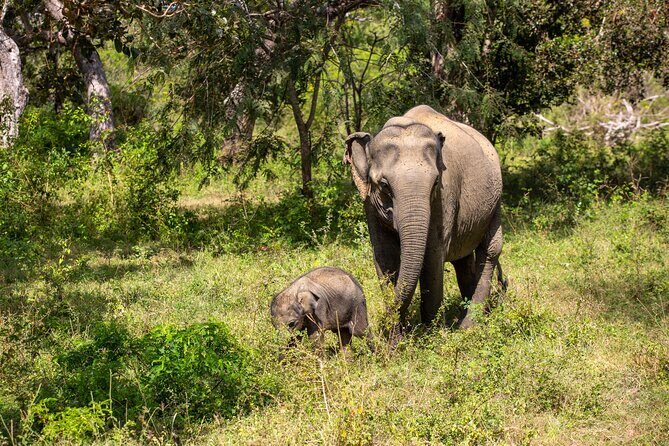
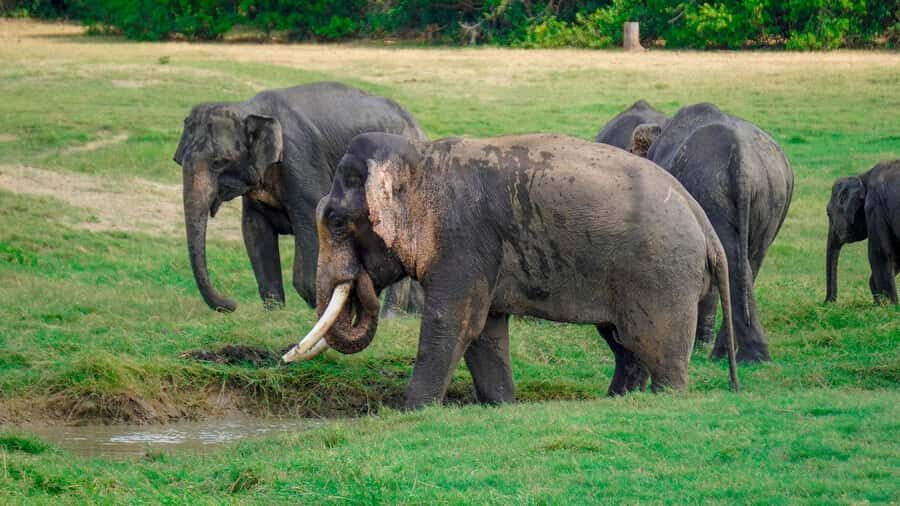
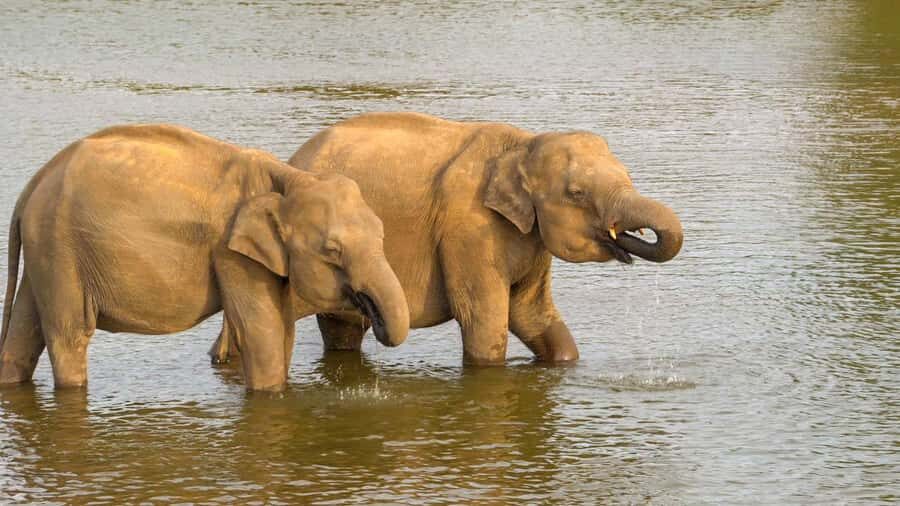
And it’s not only adult elephants. You can also look for the smaller scenes that make wildlife watching real—mothers staying close to calves, groups pausing near the waterline, and bulls measuring distance and dominance when the herd shifts.
Other Minneriya safari tours we've reviewed in Habarana
Your Half-Day Jeep Plan: Pickup, Afternoon Timing, and the Flow of the Drive
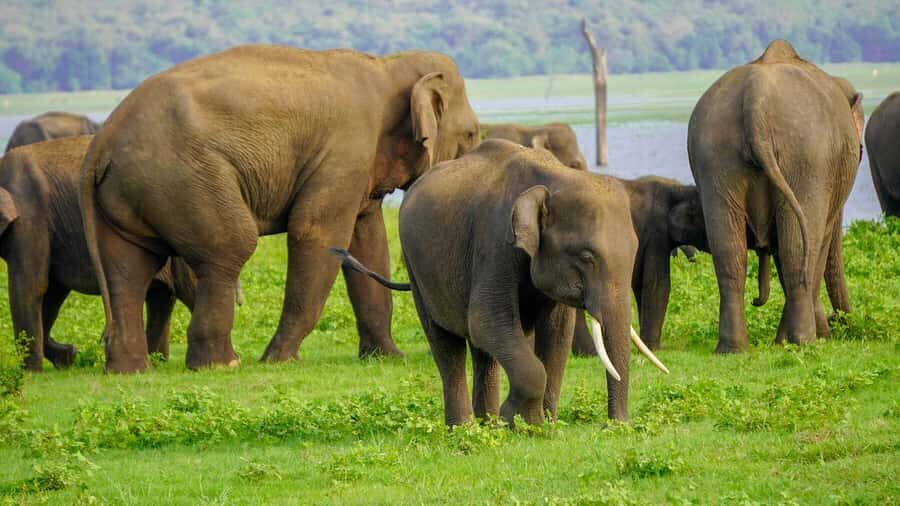
This is a half-day safari by private jeep, built around hotel pickup in the North Central Province region (Dambulla, Sigiriya, or Habarana). The tour includes private transport and a guide in the park, plus water bottles for the ride.
Timing is a big deal here, so pay attention to the schedule. The tour recommends a pickup time of 12:30 PM, and it also notes that the afternoon is often your best window for seeing larger herds as they feed, bathe, and socialize. In other words, you’re not trying to catch animals only at the edges of their day—you’re aiming for a time when movement and interaction are more visible.
Once you’re picked up, you’ll travel through changing habitat types—tropical forest edges, grasslands, and wetland areas—so your ride doesn’t feel like one long wait. It feels like a slow build toward the areas where you’re most likely to see elephants.
Wildlife Viewing That Feels Like Real Nature: No Chasing, Engine-Off Moments
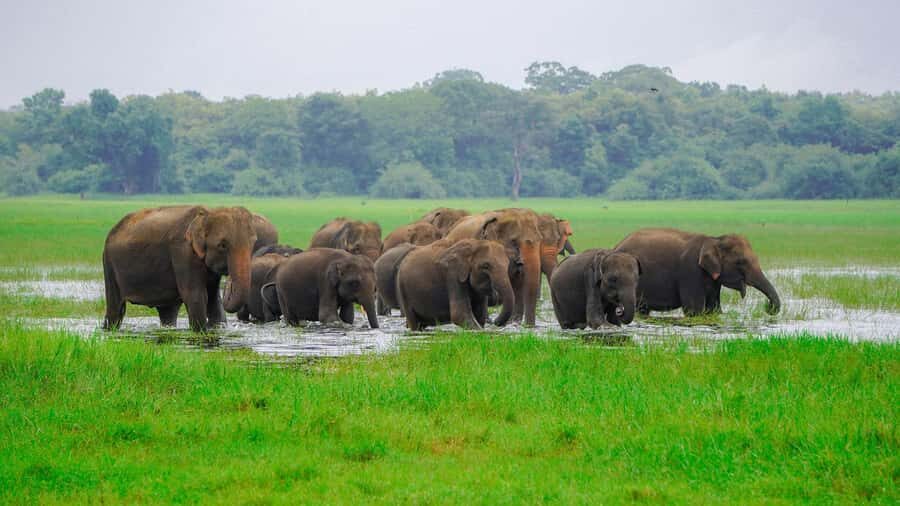
Here’s what I think matters most about a good Minneriya safari: how the jeep behaves when elephants appear.
On this tour, the approach is straightforward and animal-first. When an elephant is spotted, the vehicle engine is turned off and the animals can roam freely around you. That simple choice changes everything:
- The elephants keep their natural rhythm.
- You hear and see more because there’s less mechanical noise.
- Your viewing feels calmer, not chaotic.
This also shows up in how the guide works. You’ll get park guidance that focuses on animal hotspots and good positions for observation. The result is more than just “more sightings.” It’s the chance to watch how the herd actually functions—mothers guiding calves, bulls pushing for dominance when space tightens, and groups moving in and out of water.
And for photography, this is gold. When the jeep isn’t revving or creeping aggressively, you often get steadier moments for shots—especially when elephants decide to approach water, stand still, or cross an open patch.
What You’ll See Besides Elephants: Buffalo, Monkeys, and Birds in the Wetlands
Even though elephants are the headline, Minneriya is more like a whole wildlife neighborhood than a one-animal park.
Expect opportunities to spot:
- Monkeys in tree lines and near edges of open areas
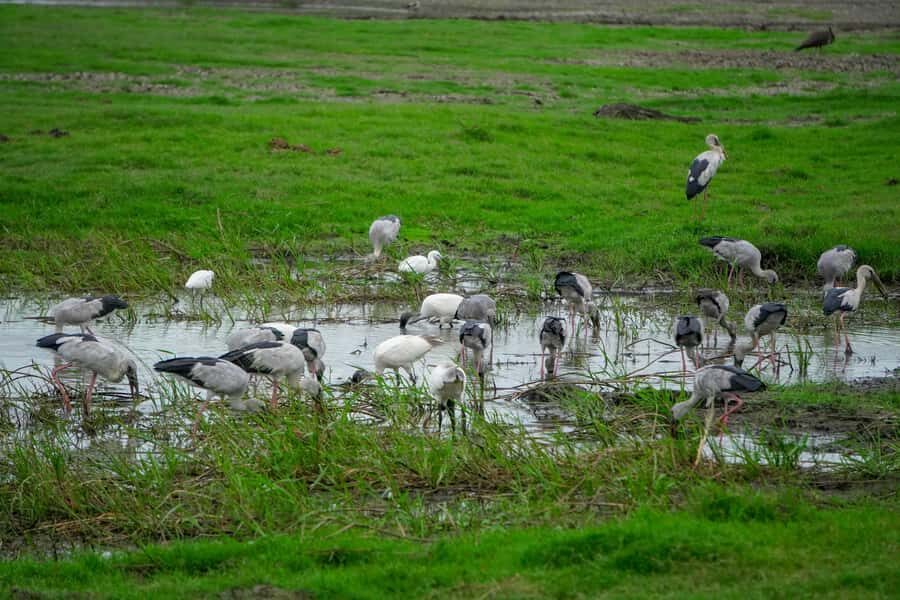
- Birdlife that shows up around wetlands and feeding zones
- Buffalo that can share similar ground near water and vegetation
The habitat mix is part of why this works. As you move between grasslands and wetlands, your chances shift. Wetland zones tend to pull birds into view, while open areas give you better sightlines for larger mammals. Forest edges can be the place for quick monkey sightings—often before the elephants even come into focus.
If you’re the type who enjoys a “whole scene” wildlife safari, this matters. Minneriya can deliver the iconic elephant moments, but it also gives you enough variety to keep the drive interesting even when you’re waiting for the next herd movement.
Camera Tips That Fit the Safari Reality
You’ll bring a camera, but you also need a plan for how you’ll use it in a jeep.
This tour is built for watching at the speed wildlife allows. That means you’ll get stops and positioning designed for observation time. The big photography upgrade is the respectful pacing—especially the engine-off approach—because it reduces sudden movement and keeps elephants from reacting to the vehicle.
A few practical tips based on what you’re likely dealing with:
- Keep your sunglasses handy and your eyes on animal movement first, camera second. When elephants are distant, you’ll spot them with your eyes faster than your lens.
- Wear a sun hat and sunscreen. Heat and glare will steal your focus, and you’ll want every second of attention once the herd appears.
- Use your camera’s quick settings to avoid fiddling mid-moment. When you see a calf, a water crossing, or a bull shifting position, you want to be ready immediately.
If you’re shooting video, engine-off moments can give you smoother, cleaner footage with fewer mechanical interruptions.
Price and Value: How $41 Works When You Add the USD 45 Park Fee
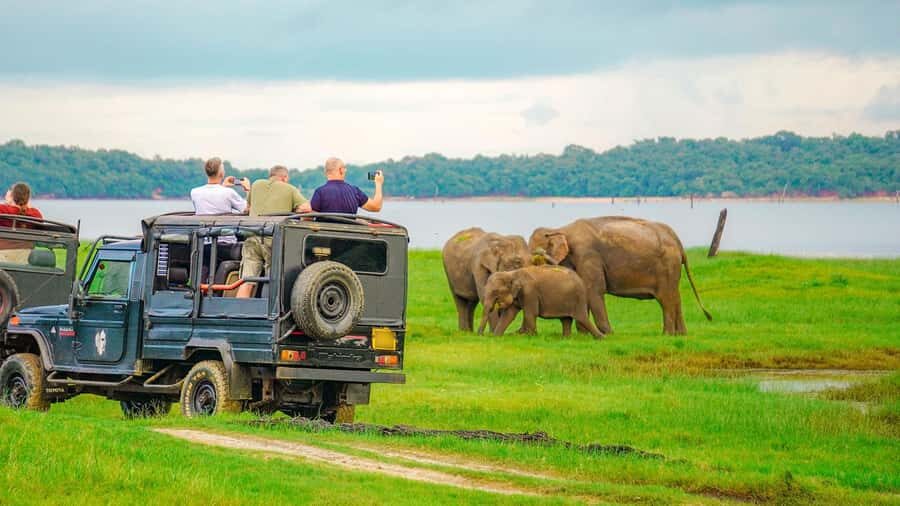
Let’s talk value in plain math.
The safari price is listed at $41 per person, but the National Park entrance ticket is not included. The entrance fee is stated as USD 45 per person, paid separately at the park entrance.
So your all-in cost for the core experience is roughly $86 per person before any optional extras. Is that still good value? For Minneriya, it can be, because what you’re paying for isn’t just driving. You’re paying for:
- hotel pickup and drop in the Dambulla/Sigiriya/Habarana areas
- private transport by safari jeep
- a guide in the park
- water bottles included
The private element matters. It reduces the “wait and wonder” feeling you can get with shared transfers. It also gives your driver/guide flexibility to move toward the best animal opportunities during your half-day window.
The biggest value match is for people who want elephants in the wild without spending a full day on the road. This tour structure aims right at the hours when herds tend to be active.
The Practical Stuff That Makes the Safari Better
Before you go, know the basic rules and what to pack. The tour is clear about what’s allowed and what’s not.
Not allowed:
- alcohol and drugs
- making fire
This is one of those details that protects both you and the wildlife. It also helps explain why the safari atmosphere tends to stay calm and orderly.
What to bring:
- sunglasses
- sun hat
- sunscreen
- hat
And you’ll want to plan around the health note: the tour is marked as not suitable for people with heart problems. If that includes you, it’s smart to skip this kind of safari and choose a gentler option.
Also, the tour asks you to provide a working WhatsApp number to coordinate pickup and key updates. That’s worth taking seriously, especially if you’re moving around Sri Lanka and your phone signal or messaging settings change.
Who This Safari Fits Best (and Who Might Want a Different Plan)
This is a strong choice if you’re:
- chasing wild elephants in a natural setting (not a captive setting)
- short on time but still want a meaningful wildlife outing
- into photography and want calmer, observation-focused viewing
It’s also a good fit for families. One review notes the safari worked well even with two kids, with on-hand service and a flexible, friendly guide approach. The private setup also helps families manage small needs without slowing the whole group down.
It may not be the best match if:
- you need medical or mobility support that would be hard to accommodate in an off-road jeep setting
- you get worn out by afternoon sun and heat (bring the hat and sunscreen and plan your pace)
If you want a safari where the goal is observing natural behavior, this tour’s approach aligns with that.
A Quick Reality Check on What the Tour Feels Like
A half-day jeep safari isn’t a theme park ride. The thrill isn’t “fixed.” It’s weather- and animal-driven.
What you can count on is the effort behind the scenes:
- pickup and drop are handled for you
- water is provided
- there’s a guide in the park focused on animal hotspots
- the safari style is designed to avoid stressing elephants
You’ll often feel the experience in moments: a distant shape near water that turns into a herd, a bull shifting attention, calves staying close, birds suddenly lifting as something larger moves.
And because the afternoon is highlighted as the best chance for bigger herds, you’re likely to get more of the day’s action rather than only quiet, scattered sightings.
Should You Book the Minneriya Private Evening Safari?
Book it if your priority is wild elephants in Minneriya’s most famous natural gathering zone, and you want a private half-day safari that’s built for real observation time. The combination of hotel pickup, guide support, water, and a respectful viewing style makes the price easier to justify—even with the separate park entrance fee.
Skip it if you can’t handle the health considerations (it’s marked not suitable for people with heart problems), or if you’re expecting a guaranteed schedule of elephant closeness regardless of animal behavior. Wildlife doesn’t follow timetables, and Minneriya’s magic depends on the herds’ natural rhythms.
If you do book, set yourself up for success: bring the sun protection, plan for the park fee, and make sure your WhatsApp number is ready for pickup coordination.
FAQ
What time is recommended for pickup?
The tour recommends a pickup time of 12:30 PM to help you get the best safari experience.
Where do pickups happen?
Pickup and drop-off are included for hotels in the Dambulla, Sigiriya, and Habarana areas.
Is the National Park entrance fee included?
No. National Park entrance tickets are not included, and the fee is listed as USD 45 per person.
How long is the safari?
It’s a half-day jeep safari experience.
What’s included in the tour price?
Included are pickup and drop-off, private transport, a guide in the park, water bottles on board, and a professional driver/guide.
What should I bring with me?
Bring sunglasses, a sun hat, sunscreen, and a hat.
Is the safari allowed for everyone?
The tour is not suitable for people with heart problems. Also, alcohol and drugs are not allowed, and making fire is not allowed.