REVIEW · KUMANA NATIONAL PARK
Kumana National Park Leopard Safari PRIVATE Tour
Book on GetYourGuide →Operated by Tiger Safaris · Bookable on GetYourGuide
Wildlife day, big chances.
Kumana National Park is one of Sri Lanka’s best places for spotting predators and birds on the same drive. You’ll spend 4 hours inside the park with a private safari jeep, and your guide focuses your attention on what’s most likely to show up—especially leopards and the bird action around Kumana Villu, a natural swamp lake that attracts serious waders and stork species.
Two things I really like about this tour: the strong leopard-spotting potential in Kumana and the built-in birdwatching payoff around the Villu, where you can see birds like the black-necked stork and painted stork (plus plenty of spoonbills and other waterbirds). I also like that you get pickup and drop-off from the Arugam Bay area and nearby towns, so the day runs smoothly without extra planning.
One thing to keep in mind: guide quality can affect how much you learn. Some drivers/guide styles are more chatty and interpretive than others, so if you care about the story behind the sightings, come ready with a few questions and don’t wait for the guide to guess what you want to know.
In This Review
- Key things to know before you go
- Kumana National Park: leopards and birds in the same game drive
- The Kumana Villu stop: what to watch for besides the storks
- Leopard safari reality: why Kumana gives you better odds
- Elephants, crocodiles, and the waterhole factor
- What a 6-hour private tour feels like on the ground
- The private jeep and comfort: why it matters more than you think
- Guides and communication: getting the most out of your driver
- Price and value: is $85 per person a fair deal
- Who this safari fits best (and who should reconsider)
- My booking call: should you book this Kumana Leopard Safari private tour?
- FAQ
- Where are the pickup and drop-off points?
- How long is the safari, and how much time is in the park?
- Is this a private tour?
- What’s included in the price?
- What language is the guide in?
- What should I bring?
- Is food included?
Key things to know before you go
- Kumana Villu bird time matters: you’re pointed toward a key nesting/feeding area for waterbirds.
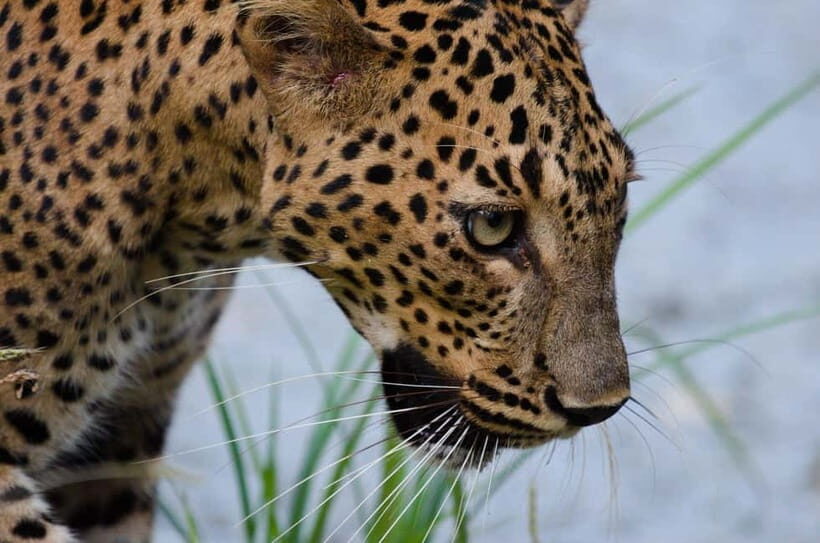
- Leopard odds are the big draw: Kumana is known for higher leopard density than many other safari areas.
- You’re in a private 4×4: spacious jeep comfort helps on rough tracks and long scanning.
- You’ll cover mixed habitat: forest edges, open plains, and water areas all shape what animals you’re likely to see.
- Communication style can vary: ask questions early so you get explanations when you want them.
- It’s a short, focused safari window: 6 hours total, with 4 hours in the park—efficient rather than stretched out.
Kumana National Park: leopards and birds in the same game drive
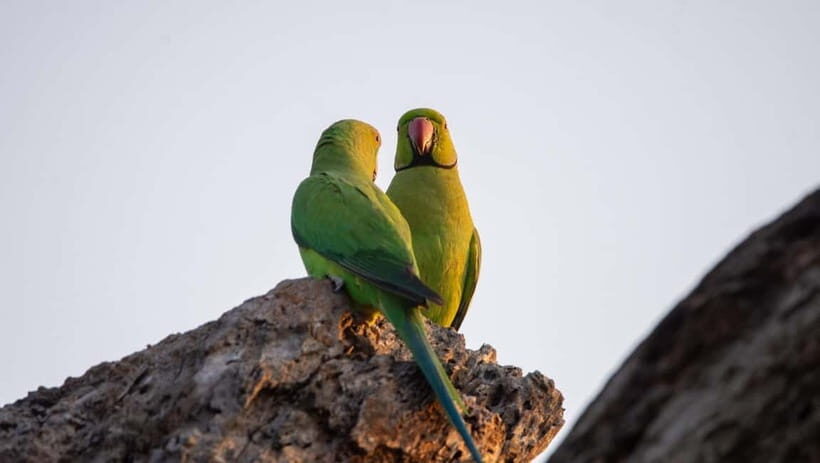
Kumana’s reputation isn’t just about one animal. Yes, you’re there for the chance at a leopard, but the park is also a strong match for bird lovers. When the route hits the right zones, you get that rare combo: a serious predator safari vibe, plus long, satisfying looks at wading birds, storks, and other water-focused species.
The park’s bird center of gravity is Kumana Villu—a 200-hectare natural swamp lake area. That kind of wetland doesn’t only look impressive on arrival; it acts like a meeting point. You’re basically riding toward food and nesting habitat, which is why you can end up seeing large groups of migratory waterfowl and wading birds rather than just a single lone bird.
And the wildlife isn’t limited to leopards and birds. You’ll be scanning for elephants (often around waterholes), deer species, wild boar, water buffalo, and you may spot crocodiles basking along the banks of water bodies. Even if the leopard doesn’t make an appearance, the day still has real variety.
The Kumana Villu stop: what to watch for besides the storks
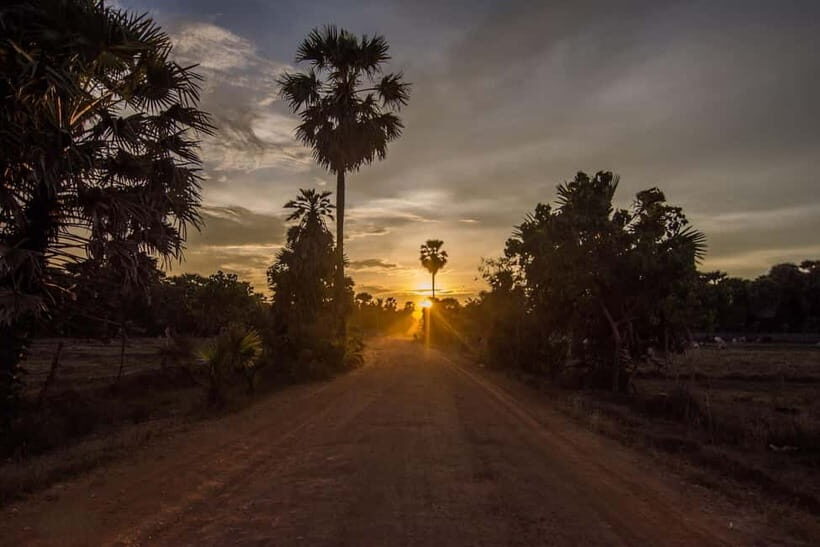
If you’re thinking like a birdwatcher, this is the part of the day you’ll care about most. Kumana Villu is described as a vital nesting ground and a key area for multiple waterbird species. That matters because nesting areas are typically where birds repeat their routines—so you can get multiple chances to see the same birds, not just one quick fly-by.
Here’s what you should keep an eye out for in the waterbird zones:
- Black-necked stork (rare enough that a sighting tends to feel like a win)
- Eurasian spoonbill
- Painted stork
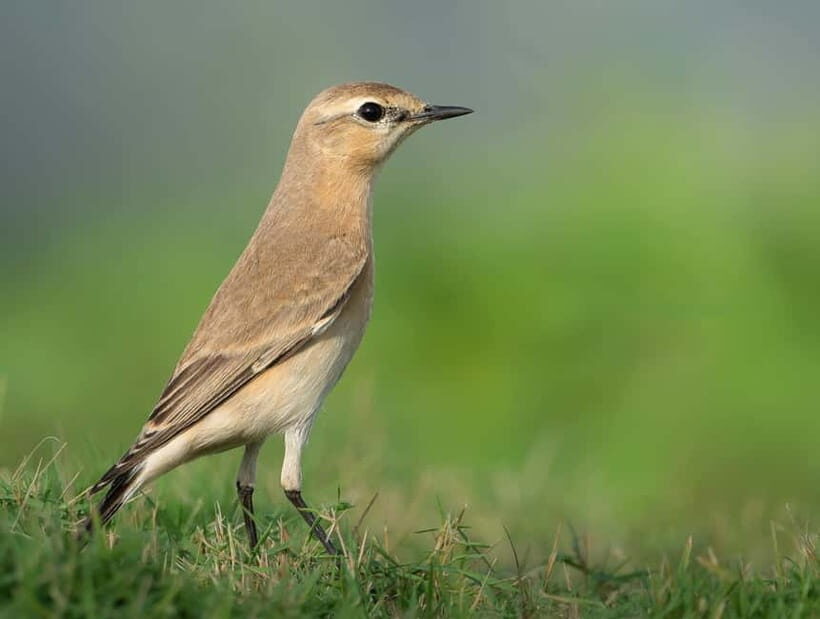
You’ll also likely see plenty of other waterbirds, including the large flocks of migratory waterfowl and waders that Kumana is known for.
Practical tip from how these drives usually work: give your eyes time. Birds can be “everywhere” and still take a minute to pick out—motion helps, and so does scanning along the shoreline edges where waders feed.
Leopard safari reality: why Kumana gives you better odds
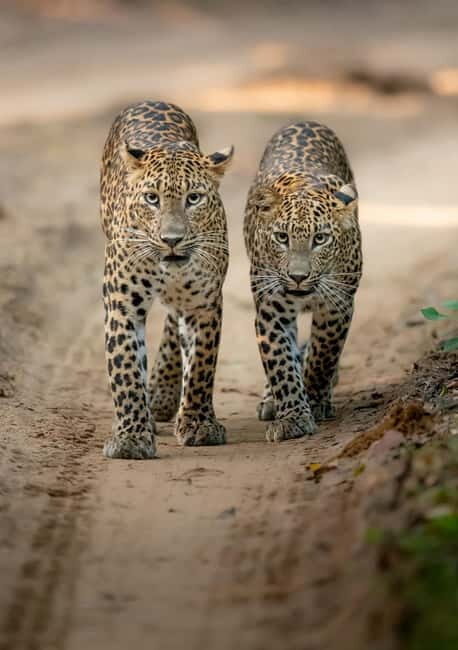
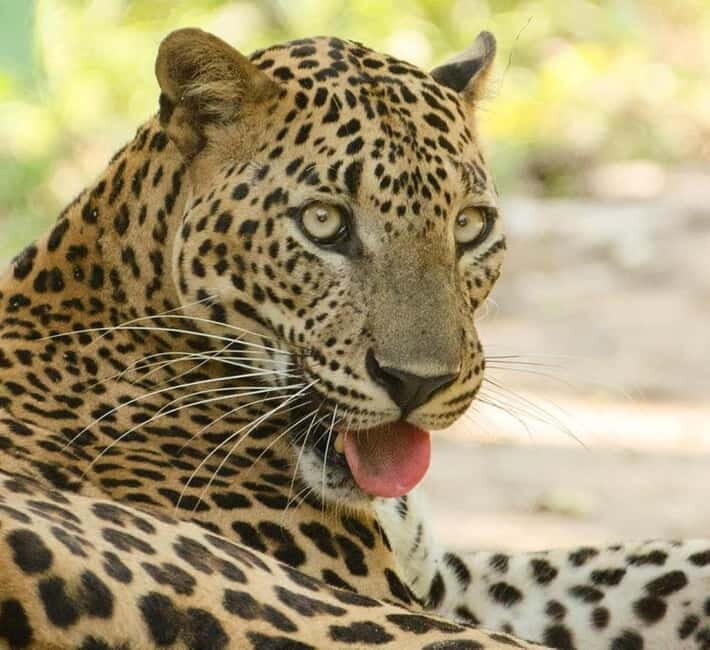
Let’s talk about the main reason you came: leopard. Kumana is specifically noted for higher leopard density, which is why this safari is marketed as one of the better chances to spot leopards in Sri Lanka. In plain terms, that means you’re not just hoping—your guide is working within a park where leopards have a stronger presence.
During the drive, you’ll be searching the edges of cover: dense vegetation lines, natural travel routes, and places where predators might pause to watch or hunt. Your guide’s job is to help you scan efficiently, not just drive slowly in the hope of a miracle.
You might also get luck on the other “hard-to-please” wildlife: the park is mentioned as habitat for sloth bear, which is the kind of species that can stay hidden if timing or conditions aren’t right. So think of this tour as a best-chance hunt: you’re improving your odds through the park’s biology and local route knowledge, not buying a guarantee.
Elephants, crocodiles, and the waterhole factor
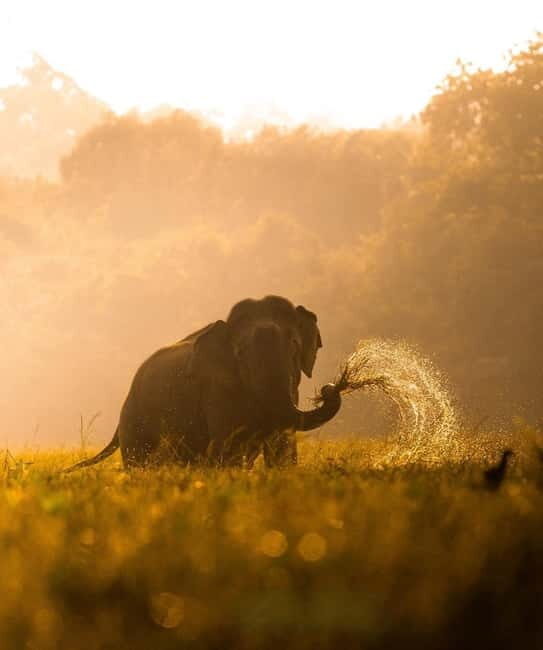
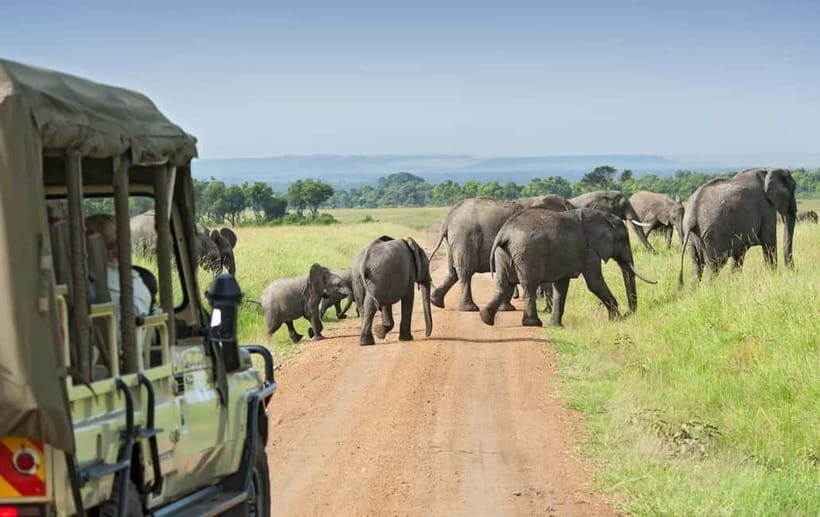
Kumana isn’t only about leopards. Elephants show up often enough to be a real target, especially near waterholes. In safari terms, waterholes are where animals repeatedly choose to be, which compresses your search time. That’s good news on a short day.
Crocodiles are another key “watch with patience” animal. The tour description notes crocodile species sometimes seen basking along the banks of water bodies. That’s the kind of wildlife sighting that can happen quietly—sometimes you’ll only notice the movement when you’re already looking in the right place.
If your goal is photos, focus on staying steady and patient. Don’t rush your attention between sightings; scanning in layers (water edge first, then mid-ground cover, then background movement) can help you spot animals that are present but not obvious at first glance.
What a 6-hour private tour feels like on the ground
This is a 6-hour experience overall, with about 4 hours in Kumana National Park. The day is built around the safari window rather than a long, slow itinerary. That efficiency is a plus if you’re staying in the Arugam Bay area and don’t want to burn your whole day commuting and waiting.
You’ll start with complimentary pickup and drop-off from several locations in the Arugam Bay/Pottuvil area, including Arugam Bay, Panama, Pottuvil, and Okanda. After pickup, you go into the park for a combination of photo stops and a guided drive with sightseeing.
Inside the park, the tour style is guided but practical: your driver/guide helps you notice animals, then positions the jeep for viewing and photos without wrecking the animals’ space. When things go well, it feels like you’re riding with someone who understands both wildlife behavior and camera angles.
The day ends the same way it starts: back to your drop-off area. It’s simple, and after a wildlife-focused morning/afternoon, simplicity is underrated.
The private jeep and comfort: why it matters more than you think
The tour uses a luxury, comfortable 4×4 safari jeep. That sounds like marketing until you sit on a rough track for a while. Kumana’s roads and park terrain can be bumpy, and comfort affects how well you can scan—especially when you’re spotting from a seated position for long stretches.
A private safari also means you’re not dealing with constant group shuffling. You’re in your own time rhythm. Even if other jeeps are around (safaris often cluster at popular spots), the experience can still feel calmer because your schedule is centered on your group’s pace and your guide’s route choices.
Also included are refreshments and king coconut, which is a nice touch on a warm day. Food isn’t included, so plan to eat before or after the safari window.
Guides and communication: getting the most out of your driver
Your guide is an active part of the safari, and the difference shows. Some guides are very proactive about explaining what you’re seeing and why you’re there; others focus more on driving and letting the scenery and animals do the talking.
One memorable example from guide experience you might encounter: Alikhan was praised for giving animals space while still finding a good jeep position for photos. That balance is exactly what you want. It keeps wildlife behavior from getting disturbed, and it also means you don’t spend your whole time fighting bad angles.
Because communication can vary, I suggest you set a simple expectation at the start:
- Ask what animals you’re most likely to target today.
- Ask where you’re heading first and why.
- If you care about birds, ask the guide to point out the waterbird species that match the Villu zone.
If your guide is chatty, you’ll get a lot out of it. If they’re quieter, those questions will still help you get the information you want.
Price and value: is $85 per person a fair deal
At $85 per person for a private 6-hour safari, the value depends on what you judge as important. What you’re getting for that price is not just a driver; it includes national park entry fees and taxes, the 4×4 jeep, and pickup and drop-off from multiple points around the Arugam Bay area. You also get refreshments and king coconut.
The big “value levers” are:
- You’re paying for access and transport, not just a ride.
- You’re getting a private setup, which usually means more focused route attention.
- You’re targeting two high-interest buckets: leopards and birdlife around Kumana Villu.
The drawback for value is simple: wildlife isn’t controllable. If your day’s sightings are light, the cost can feel steep. That’s safari math. But when conditions and timing line up, the payoff can be big because Kumana’s reputation is built on repeatable wildlife opportunities.
Who this safari fits best (and who should reconsider)
This tour is a solid match if you:
- Want a private jeep day with guided spotting
- Care about wildlife plus birdwatching, not only one type of animal
- Are staying around Arugam Bay, Panama, Pottuvil, or Okanda and want convenient pickup
It’s not suitable for pregnant women and people with back problems, and alcohol and drugs aren’t allowed. Bring your passport or ID card, since you may need it for tour entry procedures.
If you have a strict need for ongoing narration every minute, you should know the guide communication style can vary. Still, the guide’s main job is to help you see animals and move responsibly.
My booking call: should you book this Kumana Leopard Safari private tour?
I’d book it if you want your time in Sri Lanka to include a real safari day with strong odds for leopards and meaningful chances for waterbirds at Kumana Villu. The private jeep setup, the included entry fees, and the pickup/drop-off structure make it easier to say yes without adding extra logistics.
I’d think twice if you’re the type who needs constant, detailed commentary throughout the drive. In that case, do your part: ask questions at the start and make sure the guide knows what you want to focus on—leopards, elephants, or the stork and spoonbill zones.
FAQ
Where are the pickup and drop-off points?
Pickup and drop-off are available from Arugam Bay, Panama, Pottuvil, and Okanda.
How long is the safari, and how much time is in the park?
The tour lasts 6 hours total, including 4 hours in Kumana National Park.
Is this a private tour?
Yes. It’s listed as a private group experience.
What’s included in the price?
Included are national park entry fees and taxes, a private safari jeep, complimentary pickup and drop-off, refreshments, king coconut, and guidance in English (live guide and audio guide).
What language is the guide in?
The live tour guide and audio guide are available in English.
What should I bring?
Bring your passport or ID card.
Is food included?
Food & drinks are not included, though refreshments and king coconut are included during the tour.