REVIEW · GAMPOLA
Ambuluwawa Tour : From Kandy with Tea Factory Visit
Book on GetYourGuide →Operated by Ranweli Tours · Bookable on GetYourGuide
Staircases with a payoff. This half-day trip pairs the Ambuluwawa Tower climb with a guided look at Ceylon tea-making, so you get both wow views and real production know-how in one run.
I also like how the day is paced. You’re not rushed through one place and out the door; the tea stop has time to follow the steps, and you can add a spice and herbal garden visit if your timing works.
One thing to plan for: the Ambuluwawa Tower entrance costs extra (8 USD), and meals are not included. If you want a tuk-tuk add-on, that’s extra too.
In This Review
- Key points to know before you go
- Ambuluwawa Tower: spiral stairs, multi-religious shrine, and big views
- The tea factory stop: how Ceylon tea gets made (and what to watch for)
- The ride between Kandy and Gampola: A/C comfort and clear timing
- Spice and herbal garden: a quick sensory stop that breaks up the schedule
- Optional gem museum, wood carving, batik, and Lanka silk shops
- English guide and private group: why the people matter here
- Price and value: what $10 covers and what you should budget extra
- My practical tips to make the day feel easy
- Should you book this Ambuluwawa Tower and tea factory tour?
Key points to know before you go

- Ambuluwawa Tower is the headline with a guided climb/sightseeing block and panoramic views.
- Tea factory tour is the real deal: you’ll see how fresh leaves become Ceylon tea.
- A/C van from Kandy zones plus bottled water keeps the ride comfortable.
- Optional extras are flexible (gems, wood carving, batik, Lanka silk), but buying is never required.
- Private group with an English live guide means you can ask questions and adjust the route.
Ambuluwawa Tower: spiral stairs, multi-religious shrine, and big views

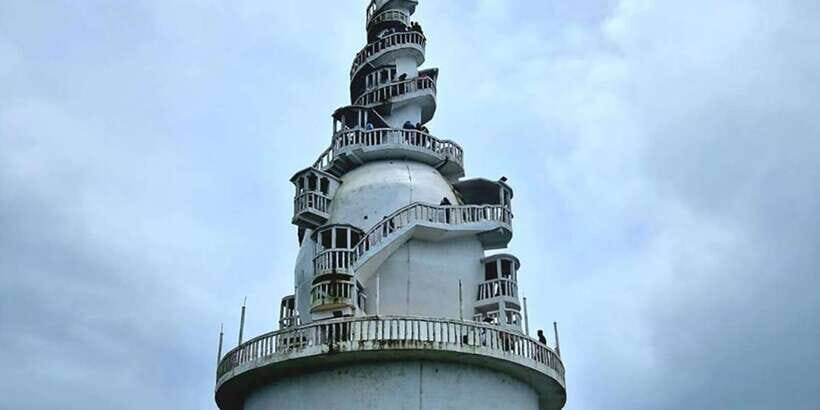
Ambuluwawa Tower is the reason this tour works as a half-day escape. The complex sits in Gampola and is described as a multi-religious shrine and biodiversity complex, so it’s more than just stairs and photos. You get a sense of the place as something living and used by people, not only a viewpoint.
Expect a guided visit and sightseeing time of about 2.5 hours at the tower. The climb is an actual climb. You’ll use the spiral staircase and earn your view, which is why this stop feels different from a quick photo stop.
Two practical tips make this easier. First, wear shoes with solid grip. There’s walking involved, and you’ll be happy you didn’t choose flip-flops. Second, bring a calm mindset. Guides on this route often support you through the climb, and I like that you’re not left to figure it out alone. One guide named Induwara was specifically described as going with people up the tower, which is exactly the kind of extra support you want when you’re halfway up a spiral.
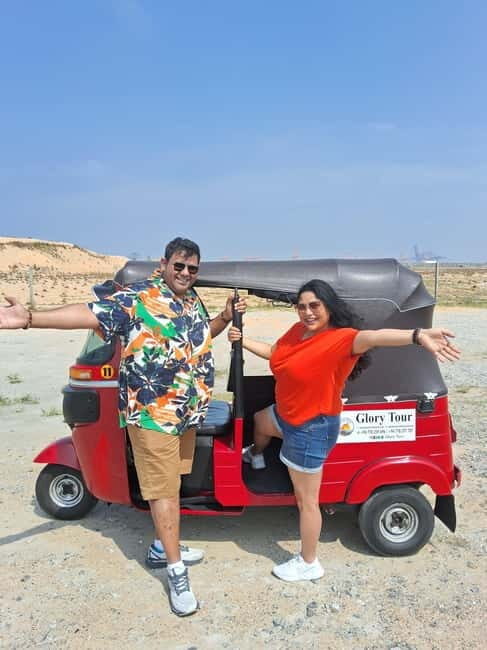
Cost-wise, plan on the entrance fee. The Ambuluwawa Tower entrance is listed separately at 8 USD. If you also add a tuk-tuk option (listed at 5 USD), that’s extra too. It’s not a deal-breaker, but it’s money you should keep in mind before you go looking for a bargain.
Other Kandy tours we've reviewed in Gampola
The tea factory stop: how Ceylon tea gets made (and what to watch for)
After the tower, you head to a tea factory for a guided tour that’s about 1.5 hours long. The experience is framed as a Ceylon tea process lesson, where you learn the steps used to transform fresh tea leaves into the tea Sri Lanka is famous for.
There’s one small detail to double-check when you confirm your schedule: the tour overview names Balumgala Tea Factory, but the itinerary calls out a stop at Pilimathalawa Tea Factory. Either way, the core promise stays the same: a guided walk through tea production and a chance to see the traditional techniques behind it.
What I love about tea-factory tours is that they take a product you already know and turn it into a process you can picture. When someone explains each stage, you start noticing things like how timing matters, how leaves are treated before they become tea, and why the final flavor depends on multiple steps rather than one magic machine.
This is also the point in the day where you’ll feel the rhythm of Sri Lanka beyond Kandy. The tour gives you a clear, practical story: leaf becomes product through hands-on steps passed down over generations. If you’re the type who likes asking questions, you’ll get value here—guides on this route are often praised for knowing facts and sharing culture-nature context, not just reading off a script.
And yes, you’ll likely have the chance to buy tea and tea-related items. The key thing is that purchases are not forced. The tour information is very clear: you can skip buying, and if anyone pressures you, you’re told to inform the driver or the organizer. That matters more than people think, because tea factories are also shops. Good guides help you shop (or not shop) without turning it into a hassle.
The ride between Kandy and Gampola: A/C comfort and clear timing

This is a tour built around convenience. Pickup and drop-off are offered in multiple Kandy-area locations: Kandy, Hantana, and Katugastota. That saves you time and avoids the awkward scramble of finding a meeting point that’s inconvenient to your hotel.
You travel in an air-conditioned vehicle, and you get bottled water during the trip. That may sound basic, but on a warm day with climbing involved, it’s a comfort you notice. The route also has defined travel blocks: about 1 hour to reach the first main stop, then shorter transfers after that.
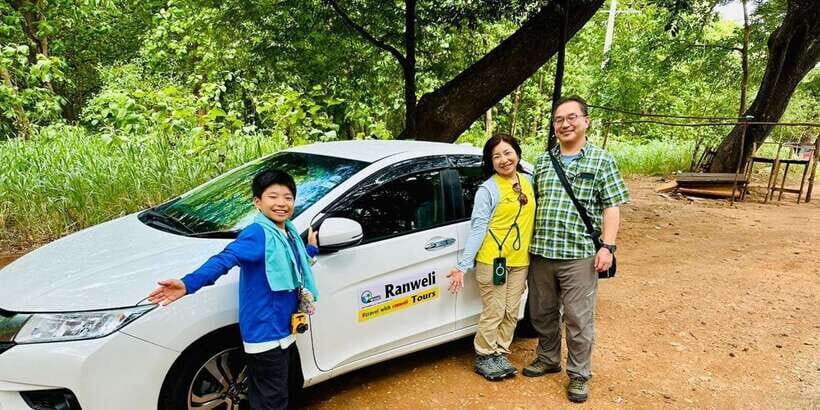
Because it’s a private group with an English live guide, the day feels more adjustable than the typical bus tour. Some guides are described as flexible with route changes based on what people wanted. In one case, a guide named Kisum was described as kind and flexible and happy to adjust the route to guests’ needs. Another guide, Jehan, was praised for cultural and nature insights, plus going the extra mile to make sure guests were happy. That’s the difference between a checklist tour and one that actually fits your interests.
If you’re worried about logistics, don’t. You’re not asked to navigate. The driver handles the driving and the flow between stops, and you get support throughout the day.
Spice and herbal garden: a quick sensory stop that breaks up the schedule
Many tours include “one more stop,” but this one uses the spice and herbal garden in a smart way: it adds variety between the big climb and the tea factory.
The tour includes a spice & herbal garden, and your guide may also take you through an herbal and spice garden experience depending on timing and route. You’ll get a hands-on feel for plants and what they’re used for. It’s a nice change of pace from tower stairs and factory explanations because you can slow down and look around with less pressure.
It’s also useful for timing. After the climb, you might feel a little cooked. A garden stop gives your body a reset without cutting the day too short. Guides often know what to point out, and that’s where a good guide makes this feel less like walking around and more like learning.
If you’re the type who likes short, meaningful stops (rather than marathon museums), this garden slot is a good fit.
Optional gem museum, wood carving, batik, and Lanka silk shops
The tour can add optional stops depending on time and requests. This is not a one-size-fits-all shopping circuit, but rather a menu you can pick from.
Optional additions include:
- Sri Lanka Gem Museum and/or a Gemological Museum or gallery
- Wood carving factories
- Batik factory
- Lanka silk shops
Here’s how to think about these stops. They’re a window into industries that support local employment and export. Even if you don’t buy, it can be interesting to see how materials are worked and how craft becomes product.
Still, I like that the tour info is direct about shopping pressure. You’re told it’s not mandatory to buy anything, and you should speak up if anyone pressures you. For me, that single point turns these stops from a potential annoyance into optional enrichment.
If you do want to buy, this kind of route can be practical. You’ll see items in a setting tied to production, not just in a random shop on a street. But keep your expectations grounded: these are craft and retail stops, so factor in time for browsing and decision-making.
English guide and private group: why the people matter here

The tour runs with a live English guide and a private group setup. That combination matters for two reasons.
First, it gives you context. A good guide can explain what you’re seeing at the tower and connect the tea process to the region around Kandy. In the feedback you’ll find guide names like Sachintha and Jehan tied to safety, friendliness, and cultural/nature insights. That kind of guiding turns the day from sightseeing into understanding.
Second, private means you can shape the pace. There are descriptions of guides adjusting the route, walking guests to the tower, and even changing plans when weather or conditions required it. Sachintha, for example, was mentioned as a safe driver and even as someone who waited during heavy rain so the drop-off still worked smoothly. That’s not “extra” fluff; it’s the difference between a day that feels stressful and one that feels handled.
If you’re traveling as a couple, with friends, or as a solo traveler who likes direct help, private fits well. If you’re someone who hates structured tours and prefers full DIY, you might find it a bit scheduled—but the flexibility with requests helps.
Price and value: what $10 covers and what you should budget extra

The price is listed at $10 per person, and that’s where value depends on what you compare it to.
What you do get included:
- Pickup and drop-off from Kandy areas
- Air-conditioned vehicle
- Bottled water
- Tea factory tour
- Tea-related stop time plus spice & herbal garden
- Optional visits like gem museum/gallery, wood carving, batik, and Lanka silk shops
- English live guide
- Private group setup
What costs extra:
- Ambuluwawa Tower entrance fee (8 USD)
- Optional tuk-tuk add-on (5 USD)
- Meals and snacks
- Personal expenses
- Anything not mentioned in the itinerary
So is $10 a bargain? For this kind of half-day covering a major viewpoint plus a tea factory with guiding, it can be a strong deal. The key is that the real out-of-pocket amount isn’t just the base price; it’s base price plus the tower entrance and your food plan.
If you’re watching budget, plan a simple meal strategy. Since meals aren’t included, you’ll want to grab breakfast before pickup or plan to buy food after the tour. Bring a small snack if you’re the type who gets hungry during climbs and guided stops.
My practical tips to make the day feel easy

Here’s how to have a smoother Ambuluwawa + tea day from Kandy.
- Bring cash for the tower entrance since it’s listed separately.
- Wear grippy shoes for the spiral staircase and walking around the tower area.
- Hydrate early and use the bottled water. The climb will make you grateful.
- Tell your guide what you want most. Some guides are described as adjusting the route based on guest priorities, which is exactly how this tour should feel.
- Skip pressure shopping with confidence. The tour explicitly says purchases aren’t mandatory. If anything feels pushy, you’re guided to tell the driver/organizer.
One more small note: because this includes optional industry visits (gems, batik, silk, wood carving), decide ahead of time which ones you actually want. If you don’t care about shopping at all, you can likely keep the day focused on the tower and tea and treat the rest as optional, time-permitting add-ons.
Should you book this Ambuluwawa Tower and tea factory tour?
Book it if you want a straightforward half-day from Kandy that gives you two big Sri Lanka experiences: a climb to an iconic viewpoint and a guided look at how Ceylon tea gets made. You’ll also like it if you appreciate private guiding and want the day handled for you with A/C comfort.
Skip it if you only want one “main thing” and you hate any extra optional stops, even when purchases aren’t required. Also skip or reconsider if climbing a spiral staircase sounds tiring; you can enjoy the tea factory, but the tower is the main event.
If you want my simple decision rule: if you can handle a climb and you like learning how everyday products get made, this is a smart use of a day around Kandy.